
Pheidole furtiva
- Sci. Name
- Pheidole furtiva
- Tribe
- Attini
- Subfamily
- Myrmicinae
- Author
- Wilson, 2003
- Distribution
- Found in 2 countries
Introduction
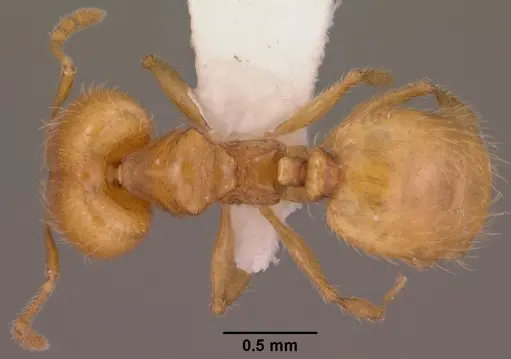
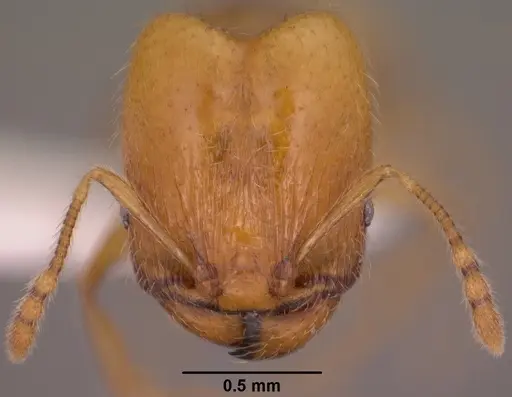
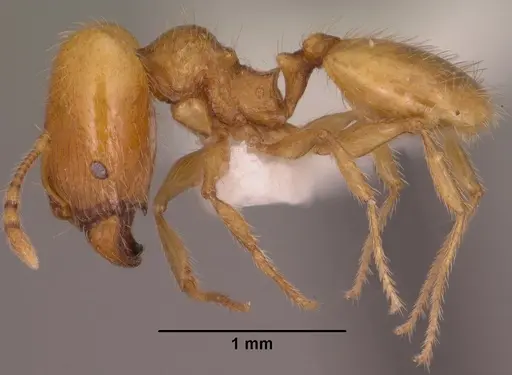
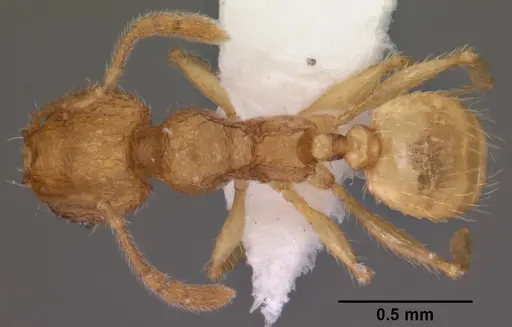
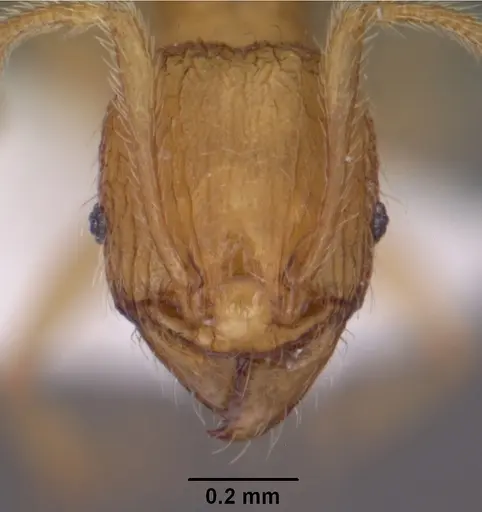
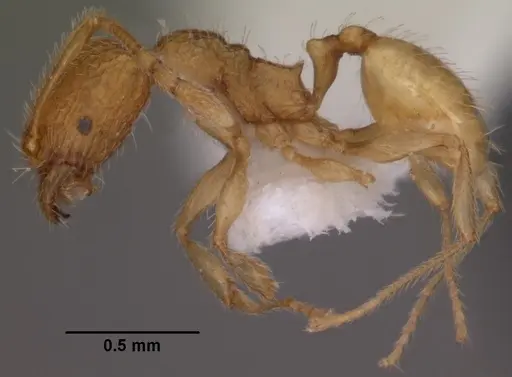
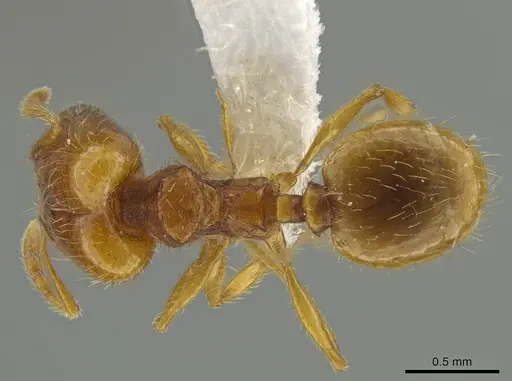
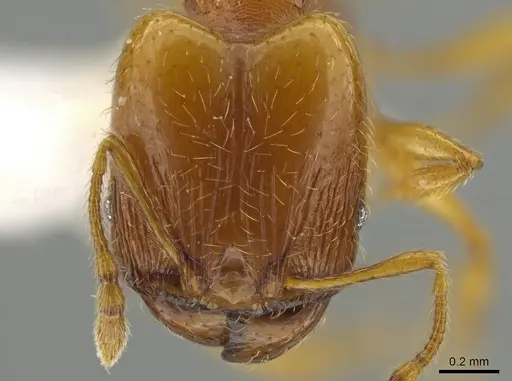
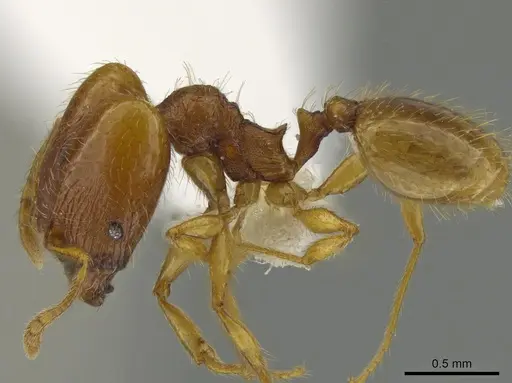
Pheidole furtiva is a species in the genus Pheidole, characterized by a two-worker caste system with minor workers and major workers (soldiers) that have enlarged heads . The genus is widespread in tropical and subtropical regions, often nesting in soil, under stones, or in rotting wood . Specific morphological details for Pheidole furtiva are not well-documented in available literature. The most notable feature of Pheidole species is the major workers' role in seed processing and colony defense using their large heads .
Quick Summary
- Difficulty: Easy
- Origin & Habitat: Geographic distribution is not clearly established for this species. Pheidole genus species are typically found in tropical and subtropical regions, nesting in soil or decaying wood [2].
- Colony Type: Based on typical Pheidole genus patterns, likely monogyne (single queen colonies) [2].
- Size & Growth:
- Queen: Size data unavailable for Pheidole furtiva. Inferred from Pheidole genus, queens are typically around 5-7 mm [2].
- Worker: Minor workers: inferred 2-3 mm, major workers: inferred 3-4 mm based on Pheidole genus [2].
- Colony: Up to a few thousand workers at maturity.
- Growth: Moderate
- Development: Estimated 6-8 weeks at optimal temperature [2]. (Development time varies with temperature, warmer conditions accelerate growth.)
- Antkeeping:
- Temperature: Keep at 22-26°C. Based on general Pheidole care patterns [2].
- Humidity: Maintain moderate humidity. Keep nest substrate slightly moist but not waterlogged [2].
- Diapause: Not typically required. As a likely tropical species, no hibernation is needed [2].
- Nesting: Y-tong, plaster, or test tube setups work well. Provide narrow passages scaled to their small size [2].
- Behavior: Generally peaceful and non-aggressive. Major workers possess a functional stinger but it is less medically significant to humans. Escape risk is moderate due to small size, use standard barriers like Fluon.
- Common Issues: colonies grow slowly in the first few months, this is normal, avoid overfeeding or disturbing the queen., major workers may take months to appear after the first minor workers, this is typical for Pheidole development., test tube setups can dry out quickly, monitor water reservoirs regularly., wild-caught colonies may contain parasites that can harm captive colonies., overfeeding leads to mold problems, remove uneaten food promptly.
Nest Preferences
Pheidole furtiva does well in standard nest types like Y-tong, plaster, or test tube setups [2]. Passages should be narrow (3-5mm) to match their small worker size. For founding, use a test tube with a cotton ball separating the water reservoir [2]. Place the nest in a quiet area away from direct sunlight and vibrations. Outworld space should be simple for easy cleaning, as these ants produce waste from seed processing [2].
Feeding and Diet
Pheidole species are primarily granivorous, eating seeds, but also accept protein [2]. Offer seeds like millet or cracked sunflower seeds as a staple, and protein sources like fruit flies or mealworms 2-3 times per week [2]. Sugar water or honey can be offered occasionally. Remove uneaten food within 24-48 hours to prevent mold [2].
Temperature and Care
Maintain temperatures between 22-26°C for optimal development [2]. Use a heating cable on top of the nest for a gentle gradient if needed. Humidity should be moderate, keep substrate slightly damp but not soggy [2]. A shallow water dish in the outworld helps maintain humidity [2].
Behavior and Temperament
Pheidole furtiva is peaceful and suitable for beginners. Workers are active, and major workers handle seed processing and defense [2]. They have a functional stinger but it is not medically significant to humans. Colonies show division of labor: minor workers forage and care for brood, while majors process seeds and defend [2].
Frequently Asked Questions
Can I keep Pheidole furtiva in a test tube?
Yes, test tubes work well for founding colonies. Use a standard setup with a water reservoir separated by a cotton ball, and keep the tube covered for darkness [2]. Move to a larger nest when the colony reaches 30-50 workers.
How long until first workers appear?
First workers (nanitics) appear approximately 6-8 weeks after queen lays eggs at 24-26°C [2]. Development is temperature-dependent, cooler conditions slow growth.
What do I feed Pheidole furtiva?
Offer seeds as a staple and small insects for protein 2-3 times per week [2]. Remove uneaten food promptly to prevent mold.
Are Pheidole furtiva good for beginners?
Yes, they are peaceful with straightforward care, but colonies grow moderately and require patience [2].
When should I move to a formicarium?
Move when the test tube becomes crowded or water needs frequent refilling, typically at 30-100 workers [2].
How big do colonies get?
Mature colonies can reach up to a few thousand workers. Growth depends on feeding and temperature.
Does Pheidole furtiva need hibernation?
No, as a likely tropical species, hibernation is not required [2].
Why are my ants dying?
Common causes include drying out, mold from overfeeding, temperature stress, or parasites from wild-caught colonies [2]. Review care conditions and adjust.
Report an Issue
The current care sheet is based fully on literature. See inconsistencies, or something that's incorrect? Please , it will be resolved after review from an admin. Contributing to the blogs tab also helps providing information, to make us be able to further improve the caresheets. Thank you for your support!
References

This caresheet is licensed under CC BY-SA 4.0 .
Community Blogs
Literature
Loading distribution map...Loading products...