
Pheidole fracticeps
- Sci. Name
- Pheidole fracticeps
- Tribe
- Attini
- Subfamily
- Myrmicinae
- Author
- Wilson, 2003
- Distribution
- Found in 6 countries
Introduction
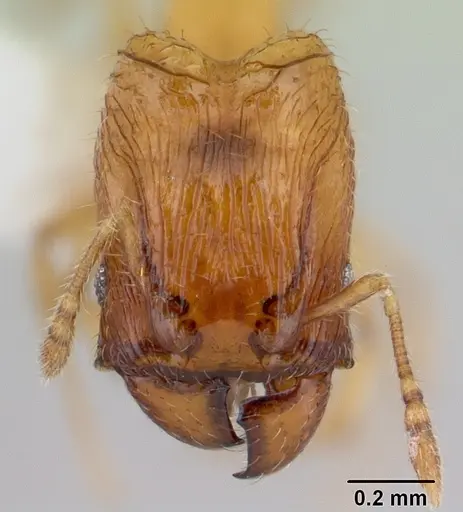
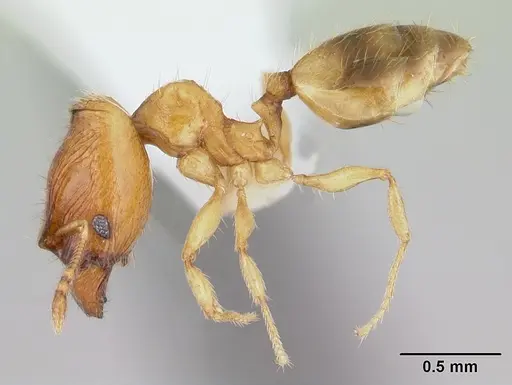
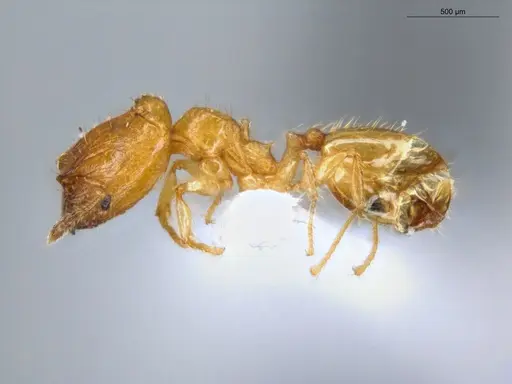
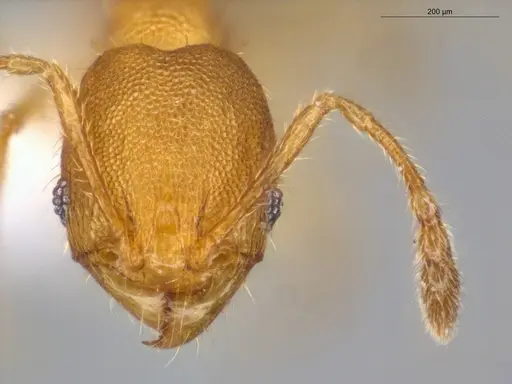
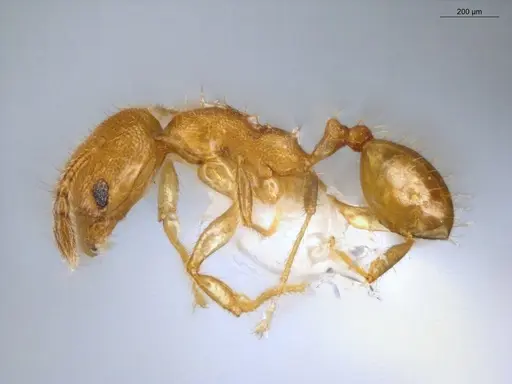
Pheidole fracticeps is a very small yellow ant with major workers having a distinctive head shape where the occiput projects like a brow, giving a 'broken head' appearance. Both castes are uniformly yellow. This species is part of the aberrans group and is found across the Neotropical region from Trinidad through Ecuador, Brazil, and Paraguay . They are ground-nesting ants that forage in leaf litter, typically staying very close to their nests - averaging only about 0.5 meters from the nest entrance .
Quick Summary
- Difficulty: Medium
- Origin & Habitat: Rainforest species native to the Neotropical region, found in Trinidad, Ecuador, Brazil, Paraguay, Peru, and Colombia. Specimens have been collected from leaf litter and soil in rainforest environments [3].
- Colony Type: Unconfirmed, no specific data on queen number from research context.
- Size & Growth:
- Queen: size data unavailable
- Worker: size data unavailable
- Colony: Unknown
- Growth: Moderate
- Development: Estimated 6-8 weeks, inferred from Pheidole genus patterns (Development time inferred from genus patterns, direct measurements not available for this species)
- Antkeeping:
- Behavior: These ants are relatively peaceful. They forage very close to their nests [2] and have low flood tolerance [2]. Escape prevention is critical due to their very small size.
- Common Issues: escape prevention is critical due to very small size, low flood tolerance means overwatering can kill colonies, very small minors can get stuck in water tubes, use a cotton wick, founding colonies may be slow to establish, patience is needed, wild-caught colonies may have parasites that cause colony collapse
Nest Preferences and Housing
Pheidole fracticeps is a ground-nesting species that naturally lives in soil and leaf litter in rainforest environments [2]. In captivity, they do well in naturalistic setups with moist substrate or in Y-tong/plaster nests that hold humidity well. Because they forage so close to their nest, you don't need a large outworld, a modest foraging area works fine. Use a water tube with a cotton wick to provide drinking water without drowning the small minors. Escape prevention is essential, their minute size allows them to slip through standard barriers, so use fine mesh and check all connections regularly.
Feeding and Diet
Pheidole ants are generalist foragers that collect seeds, small insects, and honeydew. In captivity, offer protein sources like small crickets, mealworms, or fruit flies twice weekly. They also readily accept sugar water or honey. Remove uneaten food within 24-48 hours to prevent mold. Since they forage close to the nest, place food near the nest entrance.
Temperature and Seasonal Care
As a rainforest species, Pheidole fracticeps needs warm temperatures to thrive. Keep the nest area at roughly 24-28°C, based on tropical habitat patterns. A heating cable placed on one side of the nest creates a temperature gradient. They do not require hibernation, maintain stable temperatures year-round. [3]
Colony Development and Castes
Pheidole colonies are known for polymorphic worker castes, majors and minors. Majors have enlarged heads for seed processing, while minors handle foraging and brood care. Colony growth is moderate, expect the first workers to emerge 6-8 weeks after founding, based on typical Pheidole development patterns. Colonies can eventually reach several hundred workers, with majors appearing once established.
Behavior and Foraging
This species has a distinctive foraging pattern, they stay very close to their nests, averaging only about 0.5 meters from the nest entrance [2]. They are ground-foraging ants collected from leaf litter, so they prefer to search for food along the substrate surface. They have low flood tolerance, meaning they are sensitive to overly wet conditions [2]. The colony is relatively peaceful, making them manageable in captivity.
Common Problems and Solutions
The biggest challenge is their tiny size, they can escape through gaps that would hold larger species. Use fine mesh on all ventilation. Their low flood tolerance means you must be careful not to overwater the nest. When providing water, use a cotton wick system to prevent minors from drowning. Founding colonies can be slow to establish, don't panic if the queen stays inactive for weeks. Finally, wild-caught colonies may carry parasites, so quarantine new colonies carefully. [2]
Frequently Asked Questions
How long does it take for Pheidole fracticeps to produce first workers?
Based on typical Pheidole development, expect first workers to emerge 6-8 weeks after founding. This timeline assumes warm temperatures around 24-28°C.
What do Pheidole fracticeps eat?
They are generalist feeders. Offer protein like small crickets, mealworms, or fruit flies twice weekly. They also accept sugar water or honey.
What temperature do Pheidole fracticeps need?
Keep them at roughly 24-28°C, based on their tropical rainforest habitat. A heating cable on one side of the nest creates a gradient.
Are Pheidole fracticeps good for beginners?
They are rated as medium difficulty. Their tiny size makes escape prevention challenging, and they need specific humidity and temperature conditions. If you're new to antkeeping, start with larger species first.
How big do Pheidole fracticeps colonies get?
Colony size is not documented specifically for this species, so it is unknown.
Do Pheidole fracticeps need hibernation?
No. As a tropical rainforest species, they do not require hibernation or diapause.
When should I move Pheidole fracticeps to a formicarium?
Wait until the colony has at least 50-100 workers and is actively foraging. This typically takes 6-12 months after founding.
Why are my Pheidole fracticeps dying?
Common causes include: escape through tiny gaps, drowning in water tubes, flooding from overwatering, temperatures too cold, or parasites from wild-caught colonies. Review each factor.
Can I keep multiple Pheidole fracticeps queens together?
This species is likely monogyne, but unconfirmed. Combining unrelated queens is not recommended and may result in fighting.
What type of nest is best for Pheidole fracticeps?
A naturalistic setup with moist substrate or a Y-tong/plaster nest works well. They are ground-nesting ants that need humidity.
Do Pheidole fracticeps need high humidity?
Yes. As a rainforest species, they need higher humidity. Keep the nest substrate consistently moist but not waterlogged [2].
Report an Issue
The current care sheet is based fully on literature. See inconsistencies, or something that's incorrect? Please , it will be resolved after review from an admin. Contributing to the blogs tab also helps providing information, to make us be able to further improve the caresheets. Thank you for your support!
References

This caresheet is licensed under CC BY-SA 4.0 .
Community Blogs
CASENT0178024
View on AntWeb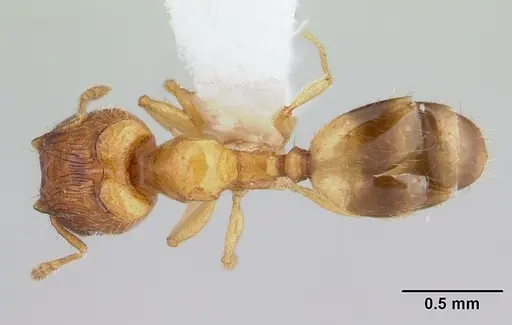
CASENT0178025
View on AntWeb
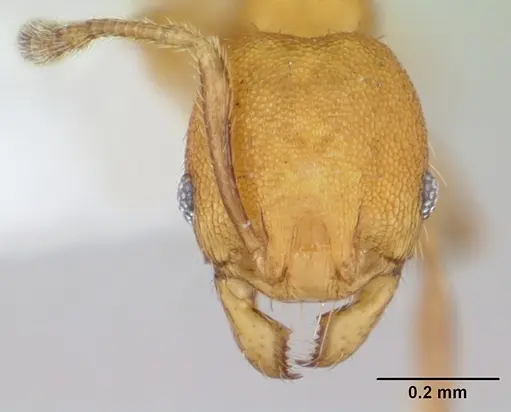
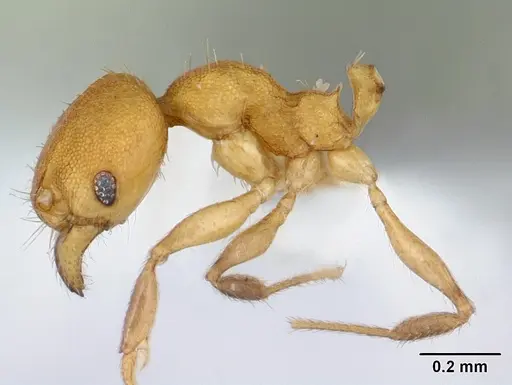
ECOFOG-IT14-0819-48-S
View on AntWeb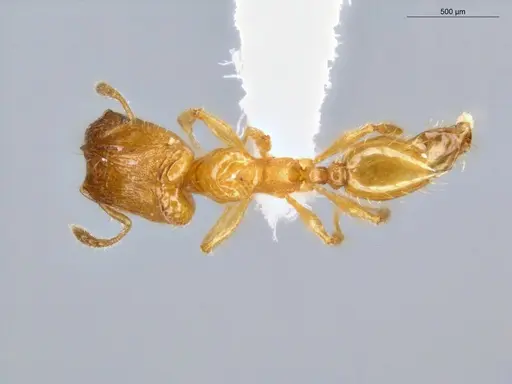
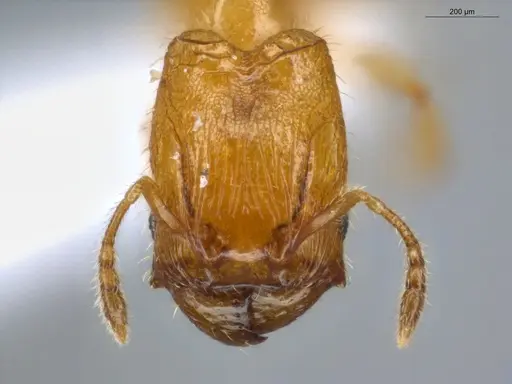
ECOFOG-IT14-0832-11
View on AntWeb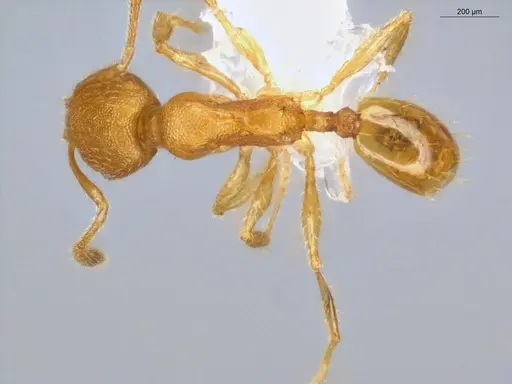
Literature
Loading distribution map...Loading products...