
Pheidole fowleri
- Sci. Name
- Pheidole fowleri
- Tribe
- Attini
- Subfamily
- Myrmicinae
- Author
- Wilson, 2003
- Distribution
- Found in 1 countries
Introduction
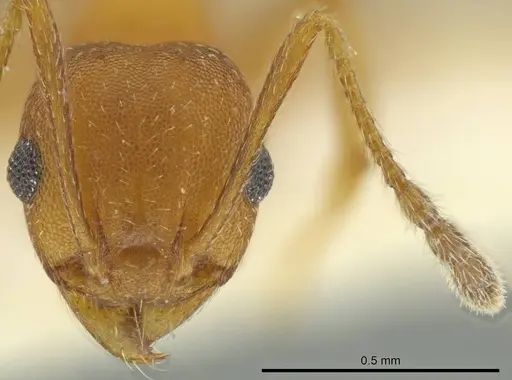
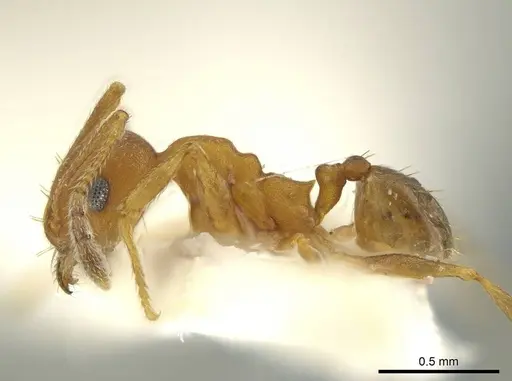
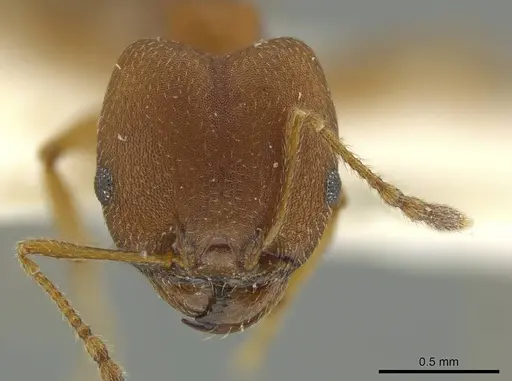
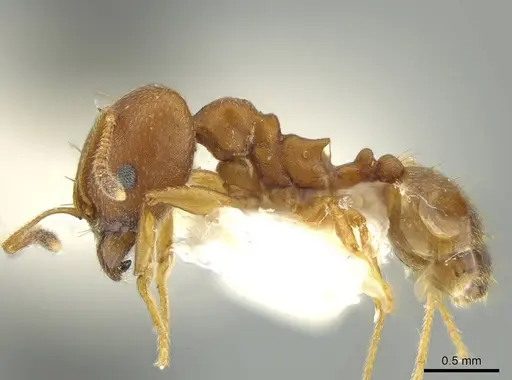
Pheidole fowleri is a small ant species native to Brazil, first described by Wilson in 2003 . It belongs to the diligens group and has two distinct worker castes: major workers with enlarged heads and smaller minor workers . Body size data is unavailable, but inferred from Pheidole genus patterns, queens are typically around 5-8 mm and workers 2-4 mm. The species is found in central Brazil, in states like Mato Grosso and Goiás, inhabiting savanna and rocky forest areas . This species exhibits a clear division of labor between major and minor workers, with majors handling defense and seed processing, and minors performing daily tasks .
Quick Summary
- Difficulty: Medium
- Origin & Habitat: Central Brazil (Mato Grosso, Goiás), savanna and rocky forest habitats [1][2]
- Colony Type: Unconfirmed, no specific data on queen number [1]
- Size & Growth:
- Queen: Size data unavailable, inferred from Pheidole genus (~5-8 mm)
- Worker: Size data unavailable, inferred from Pheidole genus (~2-4 mm)
- Colony: Unknown, no data on maximum colony size
- Growth: Moderate, inferred from tropical Pheidole patterns
- Development: Estimated 6-8 weeks at warm temperatures (Development time may vary with temperature.)
- Antkeeping:
- Temperature: Keep warm, roughly 24-28°C, based on tropical habitat [1]
- Humidity: Provide a humidity gradient, keep nest substrate slightly moist but not waterlogged [1]
- Diapause: No, tropical species, no hibernation needed [1]
- Nesting: Likely nests in soil or under stones, in captivity, test tube setup for founding, then Y-tong or soil nests [1]
- Behavior: Temperament calm, not aggressive. Primary defense is stinging, as typical for Myrmicinae ants. Escape risk is high due to small size, ensure tight escape prevention with Fluon or similar barriers [1].
- Common Issues: mold can become a problem if the nest is too wet, ensure proper ventilation and only moisten substrate when needed [1], colonies may decline if kept too cool, maintain temperatures in the 24-28°C range [1], major workers can get stuck in narrow tubes if passages are too tight, use appropriately sized housing [1], wild-caught colonies may carry parasites that can cause colony decline in captivity [1], overfeeding can lead to mold problems, remove uneaten food promptly [1]
Housing and Nest Setup
For founding colonies, a simple test tube setup works well. Fill a test tube about one-third with water, plug the water end with cotton, and place the queen in the tube. The queen will seal herself into a small chamber and remain there while she lays eggs and raises the first workers. Once the colony has several workers, you can transition them to a more permanent formicarium. A Y-tong (AAC) nest with tight chambers scaled to their small size works well. Alternatively, a naturalistic setup with a soil chamber allows them to create their own tunnels. Avoid tall, open spaces, these ants prefer compact, snug areas. [1]
Feeding and Diet
Pheidole fowleri is an omnivorous seed-harvester. In captivity, offer a mix of seeds as a staple food. Supplement with small protein sources like fruit flies or mealworms. You can also offer occasional sugar water or honey. Remove uneaten food promptly to prevent mold. Feed small amounts every 2-3 days, adjusting based on consumption. [1]
Temperature and Heating
As a tropical Brazilian species, Pheidole fowleri needs warm conditions. Keep the nest area at 24-28°C for optimal brood development. Use a heating cable or heat mat placed on one side of the nest to create a gentle temperature gradient. Avoid temperatures below 20°C for extended periods. [1]
Humidity and Water
Provide constant access to water via a test tube water reservoir or a small water dish with cotton. Keep the nest substrate lightly moist but not soggy. Provide a humidity gradient so the ants can choose their preferred microclimate. Mist the outworld occasionally but avoid over-misting. Good ventilation helps prevent mold. [1]
Colony Development
A newly mated queen will found her colony claustrally, she seals herself in a small chamber and does not leave to forage. She lives entirely on her stored fat reserves while laying eggs and raising the first brood. The first workers emerge within a few weeks under warm conditions. Once workers arrive, the colony grows more quickly. Growth rate is moderate. [1]
Behavior and Observation
Watching a Pheidole colony shows clear division of labor between major and minor workers. Minor workers handle most tasks: caring for brood, cleaning the nest, and foraging. Major workers serve as soldiers and foragers, using their enlarged heads to crack seeds and defend the colony. They are not particularly aggressive toward humans. [1]
Frequently Asked Questions
How long does it take for Pheidole fowleri to produce first workers?
No specific data available, but estimated 6-8 weeks at warm temperatures (24-28°C) based on tropical Pheidole patterns [1].
What do Pheidole fowleri ants eat?
They are seed-harvesters, offer seeds like millet or chia as a staple. Supplement with small insects like fruit flies or mealworms. Occasional sugar water or honey can be offered [1].
What temperature do Pheidole fowleri need?
Keep them warm at 24-28°C. This is a tropical Brazilian species that needs consistent warmth [1].
Do Pheidole fowleri need hibernation?
No. As a tropical species from Brazil, they do not require hibernation or winter cooling [1].
How big do Pheidole fowleri colonies get?
No data on maximum colony size is available for this species [1].
Can I keep multiple Pheidole fowleri queens together?
Colony type is unconfirmed, but based on Pheidole patterns, colonies are typically single-queen. Combining unrelated queens is not recommended as they may fight [1].
When should I move Pheidole fowleri to a formicarium?
Keep them in a test tube for the founding stage. Once the colony has several workers and you see them struggling for space, transition to a Y-tong or naturalistic setup [1].
Are Pheidole fowleri good for beginners?
They are moderate in difficulty. Care requirements are straightforward, warmth, seeds, and moderate humidity. However, their limited distribution may make them harder to find [1].
Why are my Pheidole fowleri dying?
Common causes include temperatures below 20°C, excessive moisture leading to mold, or poor nutrition. Ensure proper temperature, adequate humidity, and a balanced diet [1].
Report an Issue
The current care sheet is based fully on literature. See inconsistencies, or something that's incorrect? Please , it will be resolved after review from an admin. Contributing to the blogs tab also helps providing information, to make us be able to further improve the caresheets. Thank you for your support!
References

This caresheet is licensed under CC BY-SA 4.0 .
Community Blogs
CASENT0644201
View on AntWeb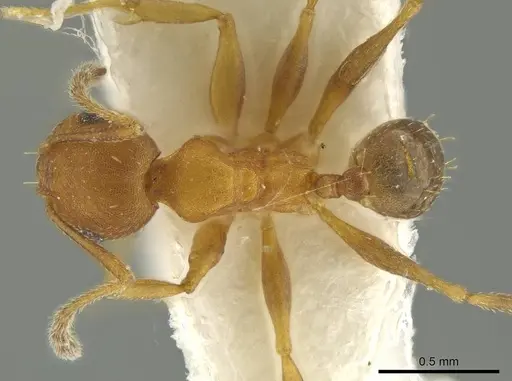
JTLC000016377
View on AntWeb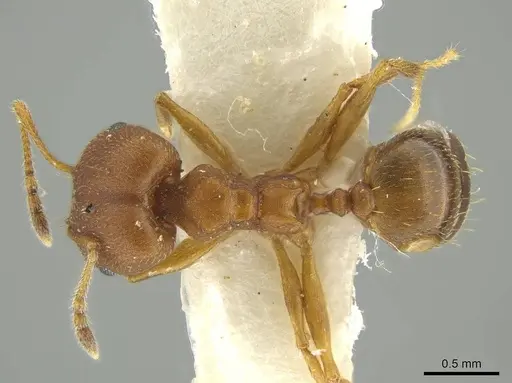
Literature
Loading distribution map...Loading products...