
Pheidole fossimandibula
- Sci. Name
- Pheidole fossimandibula
- Tribe
- Attini
- Subfamily
- Myrmicinae
- Author
- Longino, 2009
- Distribution
- Found in 1 countries
Introduction
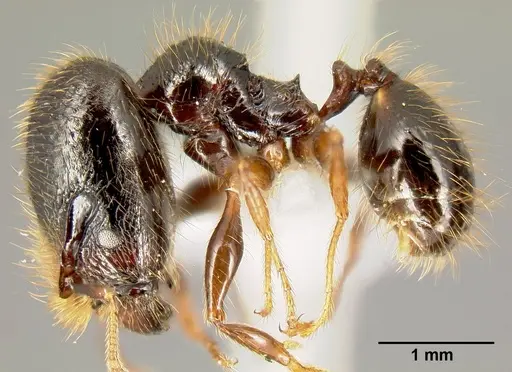
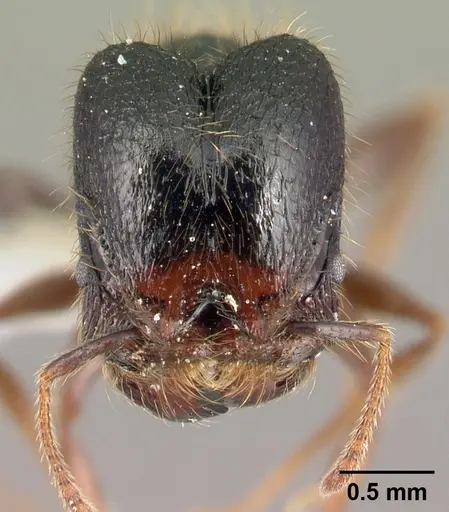
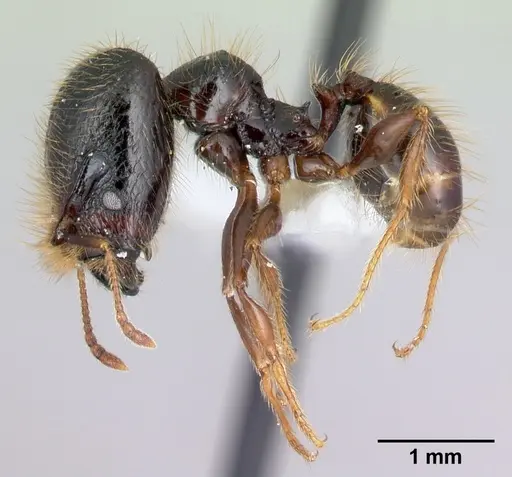
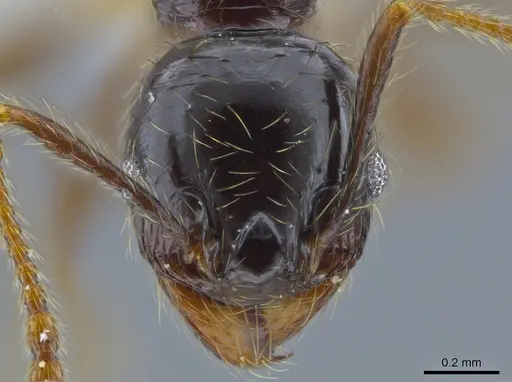
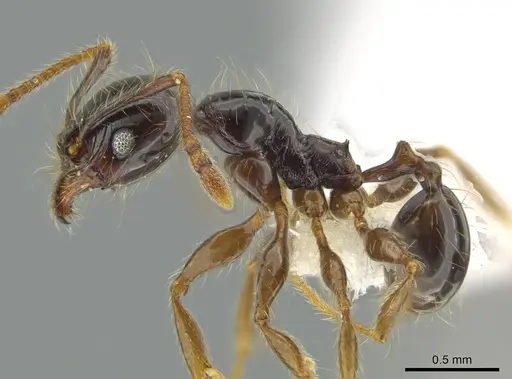
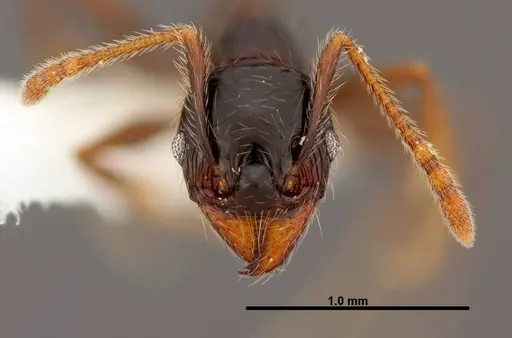
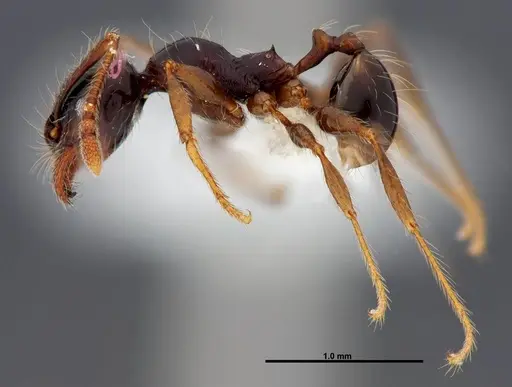
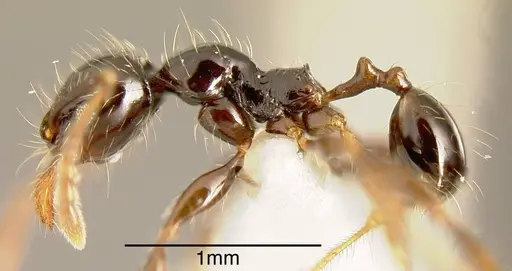
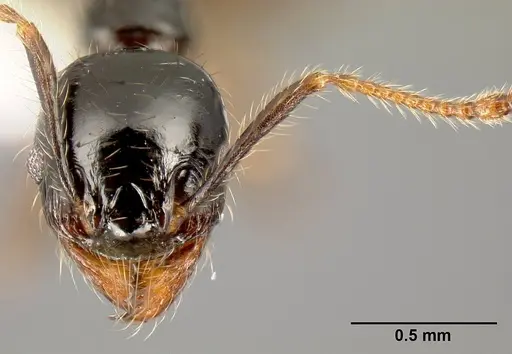
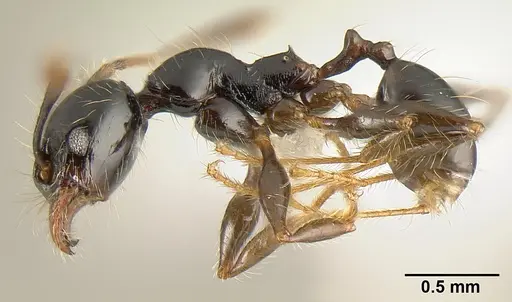
Pheidole fossimandibula is a small Neotropical ant species native to Costa Rica, described by Longino in 2009. The species name refers to a depression on the major worker's mandibles. Size data for body length is unavailable from the research, as measurements provided are for head dimensions only . They inhabit mature wet forests from sea level to 800m elevation, nesting in simple ground holes . A notable trait is that major workers have never been observed leaving the nest, suggesting they serve a specialized internal role rather than foraging .
Quick Summary
- Difficulty: Medium
- Origin & Habitat: Costa Rica, specifically the Alajuela region around Rio Peñas Blancas, in mature wet forest from sea level to 800m elevation [2][1].
- Colony Type: Colony structure is unconfirmed. Excavations found nests with multiple chambers containing brood, minor workers, and major workers, but no reproductives were located [2].
- Size & Growth:
- Queen: Size data unavailable, no total length measurements provided in research [1]
- Worker: Size data unavailable, measurements in research are for head dimensions, not full body length [1]
- Colony: Unknown, no colony size data provided in research
- Growth: Moderate, inferred from typical Pheidole genus patterns
- Development: Estimated 6-8 weeks based on typical Pheidole development at tropical temperatures, but unconfirmed for this species (Development time is inferred from genus-level data since no captive studies exist. Tropical habitat suggests year-round activity.)
- Antkeeping:
- Temperature: Keep warm and stable, roughly 22-26°C, based on their wet forest habitat. Avoid temperatures below 20°C
- Humidity: Keep nest substrate consistently moist but not waterlogged, as they inhabit wet forests. Provide a water tube and mist the outworld occasionally
- Diapause: Unknown, as a tropical species, true diapause is unlikely, but no specific data exists
- Nesting: Simple ground-nesting species. In captivity, use Y-tong or plaster nests with moist substrate. Excavations in the wild found nests 10-15cm deep with 2-3 chambers [2].
- Behavior: Minor workers are active foragers, followed from baits to nests in the wild [2]. Major workers are strictly nest-bound and have never been observed leaving, even when prey is presented [2]. Minor workers show moderate aggression when defending the nest. Escape risk is moderate due to tiny minor workers, use fine mesh barriers.
- Common Issues: high humidity maintenance is critical, drying out can be fatal for this wet forest species, colonies may grow slowly initially, requiring patience during founding, major workers never leave the nest, so minors must handle all foraging, ensure food access, wild-caught colonies may have parasites or stress from collection, tiny minor workers require fine mesh to prevent escapes
Nest Preferences and Housing
Pheidole fossimandibula nests in simple ground holes with no superstructure. In the wild, excavations revealed nests reaching 10-15cm depth with 2-3 chambers containing brood, minor workers, and major workers [2]. For captive care, use a Y-tong or plaster nest with moist substrate. Provide enough depth for chambers but avoid complex structures. Keep the nest substrate consistently moist since they come from wet forest habitat [2]. A water tube connected to the nest helps maintain humidity. Since major workers never leave the nest [2], ensure minors have easy access to the outworld for foraging.
Feeding and Diet
Minor workers were collected at baits in the wild, suggesting they actively seek protein sources [2]. No seeds were found in excavated nests [2], indicating this species is likely insectivorous rather than granivorous. Feed minor workers small protein sources like fruit flies, crickets, or mealworms, and provide sugar water or honey as an energy source. Since major workers never leave the nest [2], they depend on minors bringing food back. Feed protein 2-3 times per week and remove uneaten prey after 24-48 hours to prevent mold.
Temperature and Humidity
As a species from Costa Rican wet forests, they require warm and humid conditions. Keep temperatures around 22-26°C, avoiding below 20°C. High humidity is essential, keep nest substrate moist but not waterlogged. Provide a water tube and consider misting the outworld. Good ventilation prevents mold while maintaining moisture. No diapause data exists, but tropical species typically remain active year-round.
Behavior and Colony Structure
Major workers have never been observed leaving the nest, even when prey is presented at the entrance [2]. When tested, only minor workers responded, with majors remaining in deep chambers [2]. This suggests majors serve as soldiers or internal workers. Minor workers are the active foragers, followed from baits to nests in the wild [2]. Two nests were excavated in close proximity, suggesting dense local populations. For antkeepers, this means minors handle foraging while majors protect the interior.
Frequently Asked Questions
How long does it take for Pheidole fossimandibula to produce first workers?
The exact timeline is unconfirmed, but based on typical Pheidole development at tropical temperatures, expect first workers in approximately 6-8 weeks after queen lays eggs. This is an estimate since no captive data exists.
Can I keep multiple queens together?
No data exists on multiple queens for this species. Based on typical Pheidole patterns, they likely form single-queen colonies, but it is not recommended to house multiple foundresses together due to potential fighting.
What do Pheidole fossimandibula eat?
Based on field observations, minor workers forage at baits and no seeds were found in nests, indicating they are primarily insectivorous [2]. Feed small protein sources like fruit flies or crickets, and sugar water or honey.
Are Pheidole fossimandibula good for beginners?
This species is rated medium difficulty due to high humidity needs and limited captive data. Experience with tropical ants is helpful.
When should I move them to a formicarium?
Keep new colonies in a test tube setup during founding. Transition to a Y-tong or plaster nest once the colony has consistent brood development and minors are foraging actively.
Why don't major workers ever leave the nest?
This is a key trait of this species. In excavations, majors were only found in deep chambers and never observed leaving, even with prey present [2]. Their function is unknown, but they likely serve as internal defenders or soldiers.
Do they need hibernation?
No specific data exists, but as a tropical species from Costa Rica, true hibernation is unlikely. Keep temperatures stable year-round.
How big do colonies get?
Colony size is unknown for this species. No data on maximum worker counts is provided in the research.
What is the best nest type for this species?
Use a Y-tong or plaster nest with moist substrate. They prefer simple chambers rather than elaborate tunnels, based on wild nest structure [2].
Report an Issue
The current care sheet is based fully on literature. See inconsistencies, or something that's incorrect? Please , it will be resolved after review from an admin. Contributing to the blogs tab also helps providing information, to make us be able to further improve the caresheets. Thank you for your support!
References

This caresheet is licensed under CC BY-SA 4.0 .
Community Blogs
CASENT0608924
View on AntWeb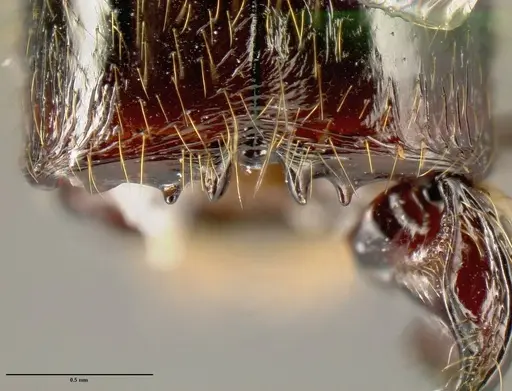
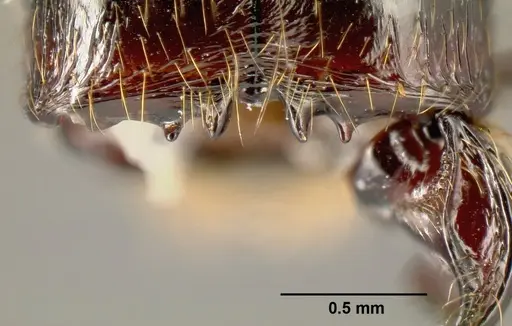
CASENT0608928
View on AntWeb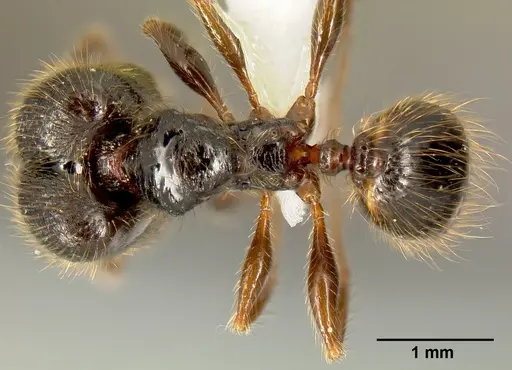
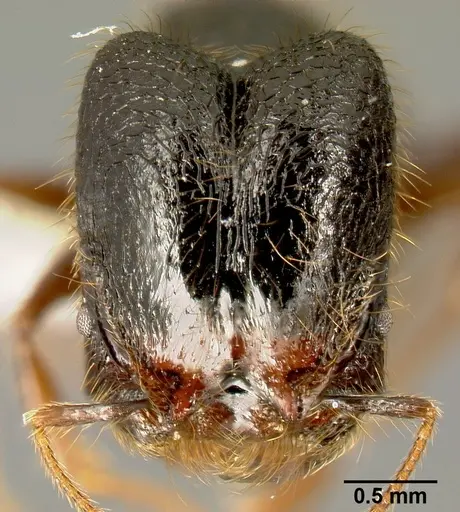
CASENT0608931
View on AntWeb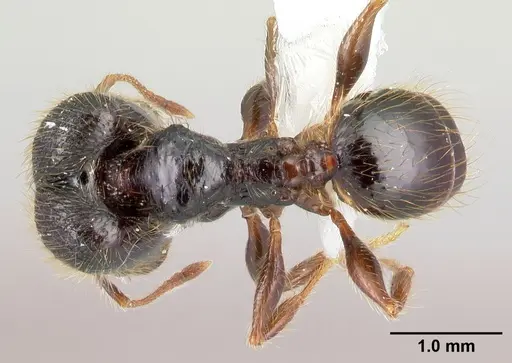
CASENT0608942
View on AntWeb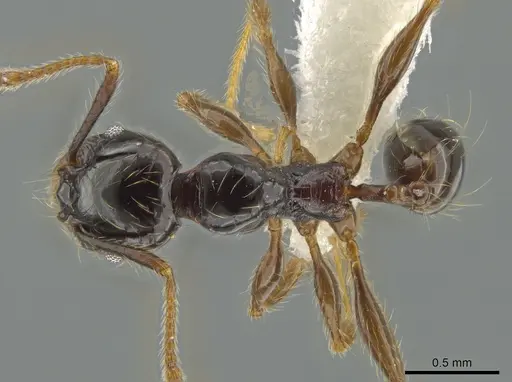
CASENT0608948
View on AntWeb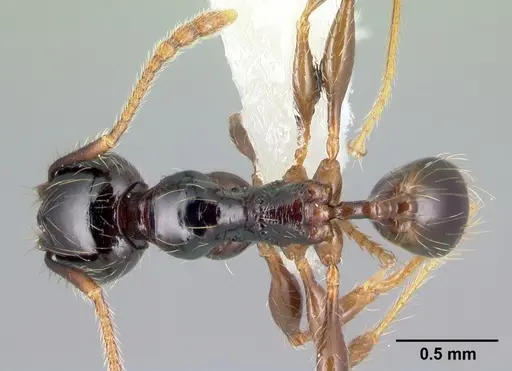
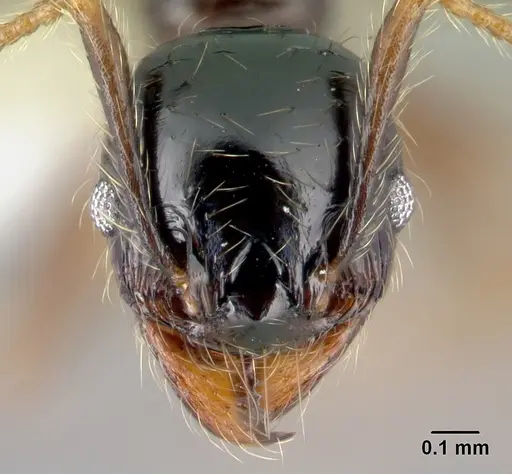
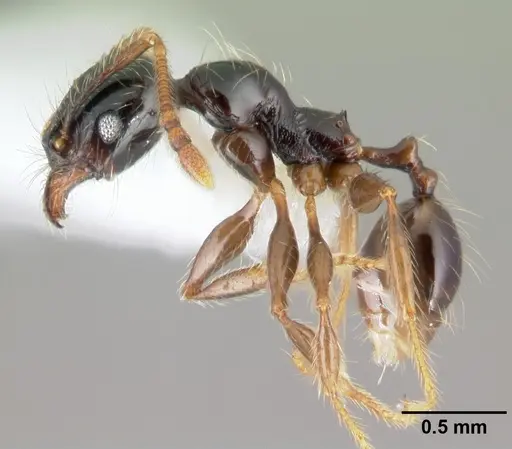
CASENT0608951
View on AntWeb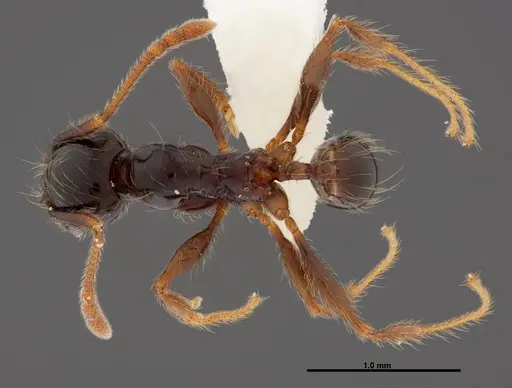
INBIOCRI001243092
View on AntWeb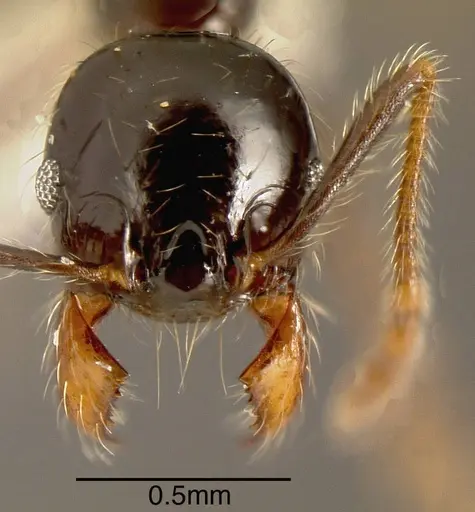
JTLC000007158
View on AntWeb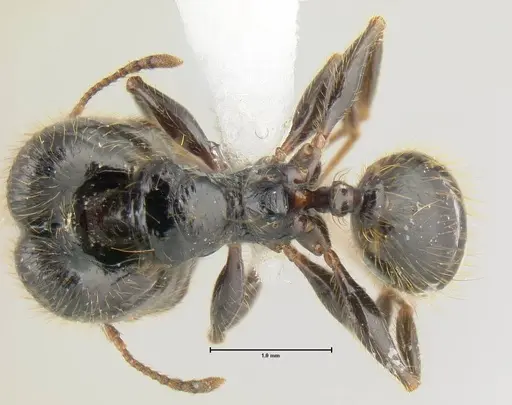
JTLC000007165
View on AntWeb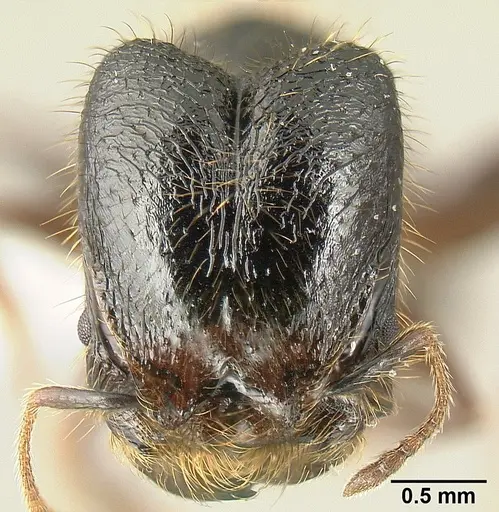
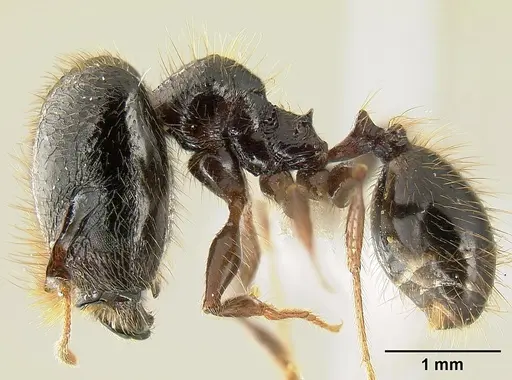
JTLC000007166
View on AntWeb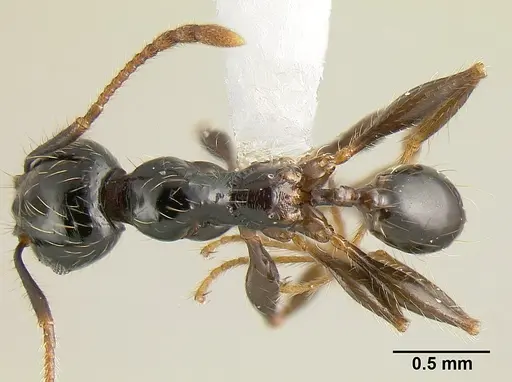
Literature
Loading distribution map...Loading products...