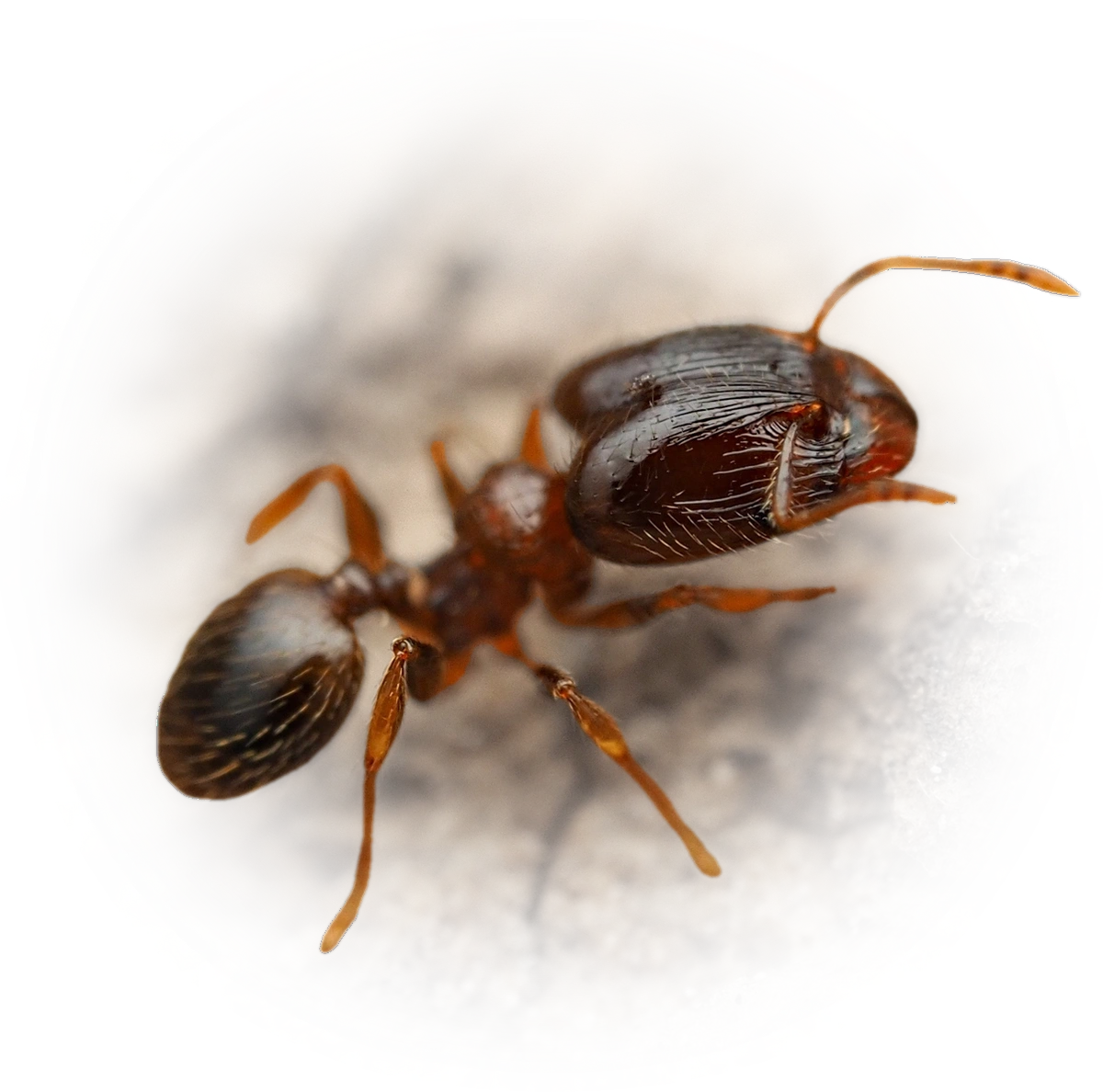
Yellow Big-headed Ant
Pheidole flavens
- Sci. Name
- Pheidole flavens
- Tribe
- Attini
- Subfamily
- Myrmicinae
- Author
- Roger, 1863
- Common Name
- Yellow Big-headed Ant
- Distribution
- Found in 13 countries
Introduction
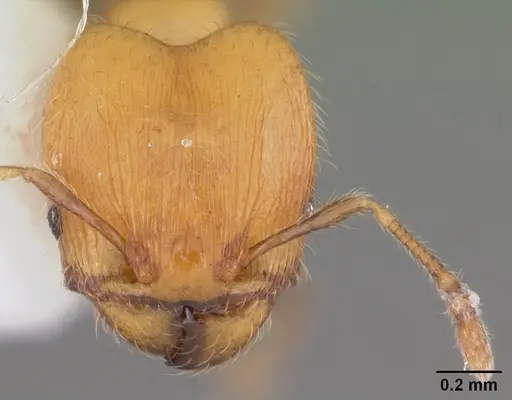
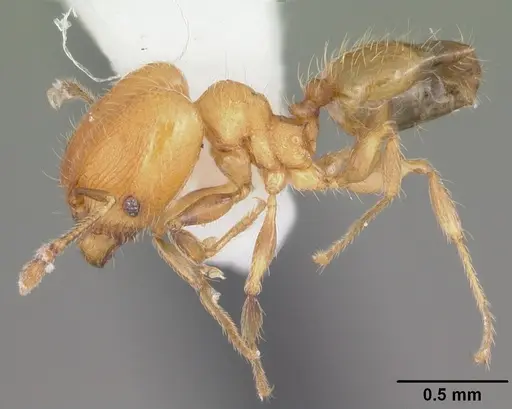
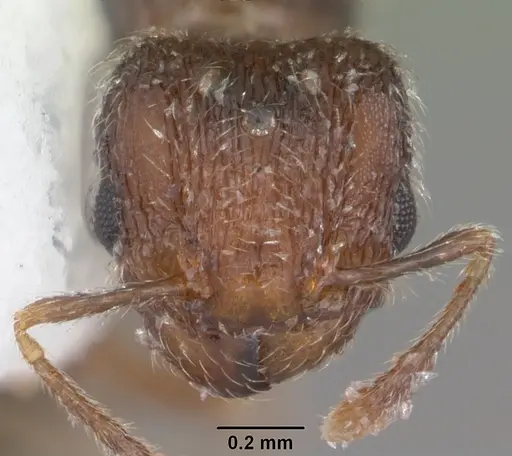
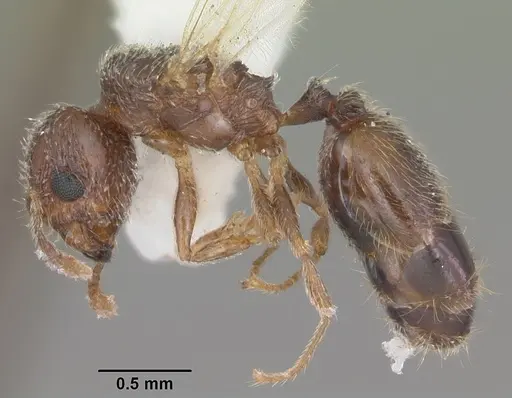
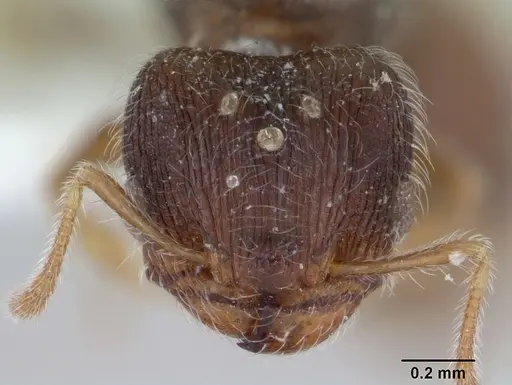
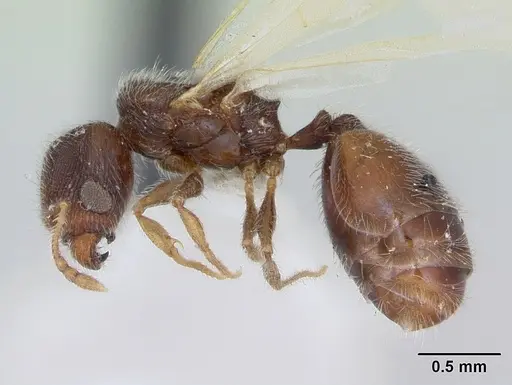
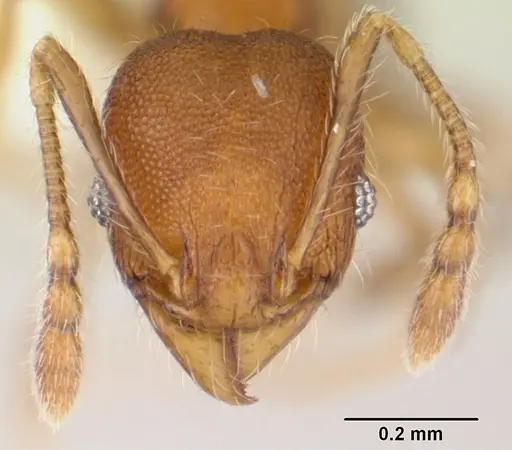
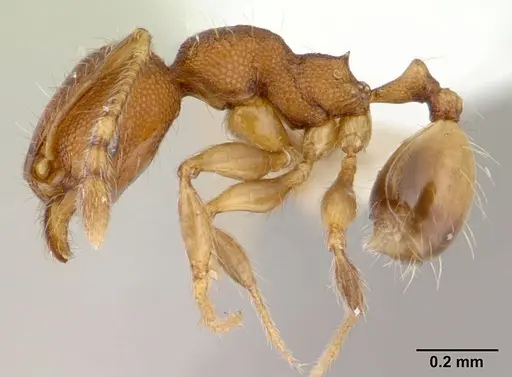
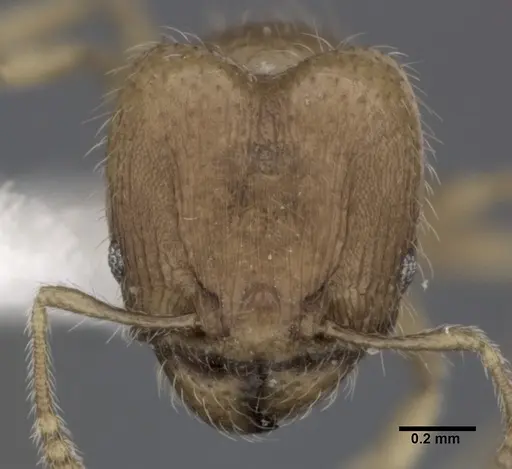
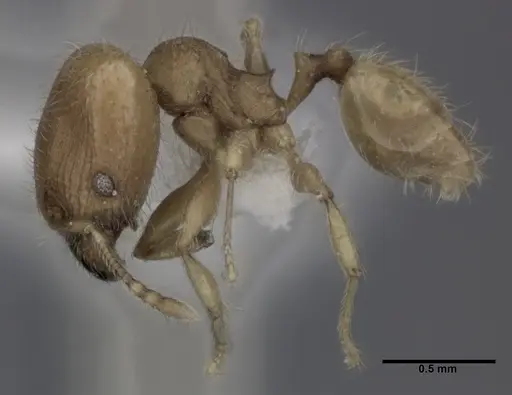
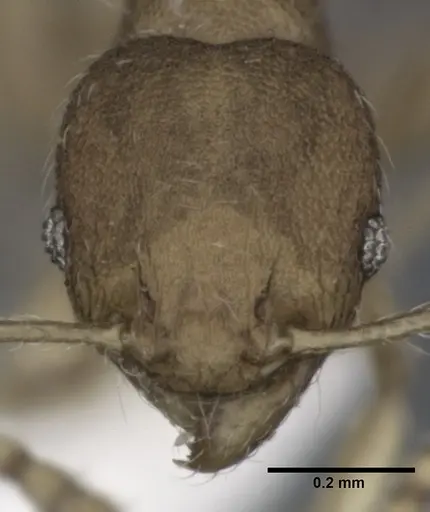
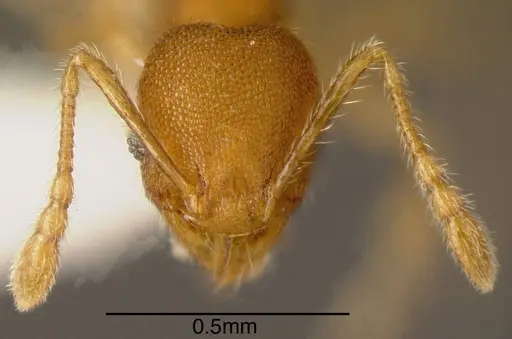
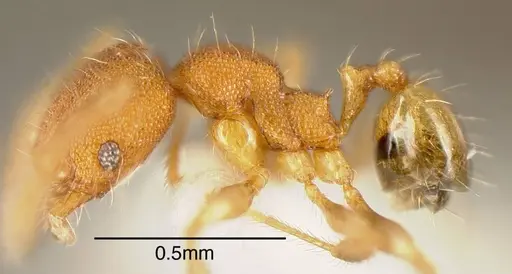
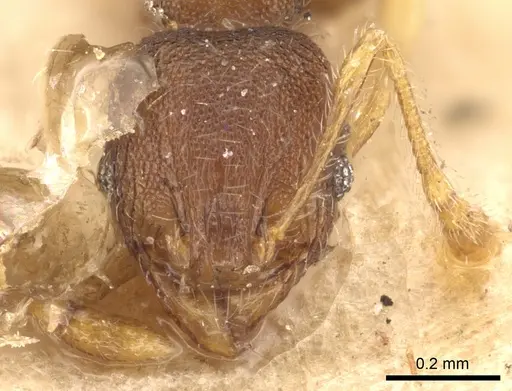
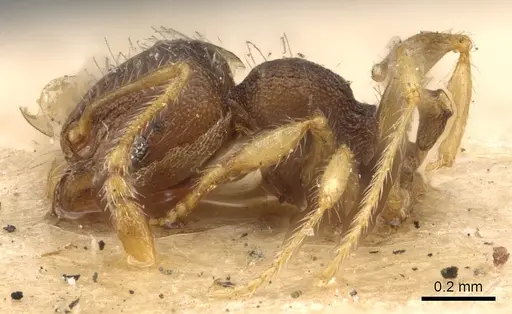
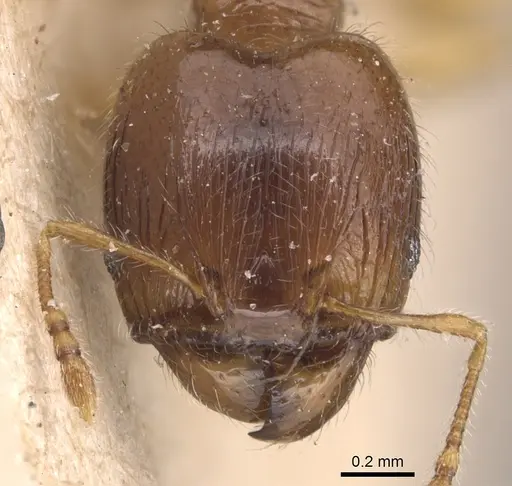
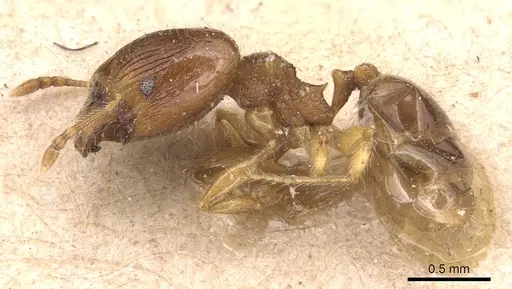
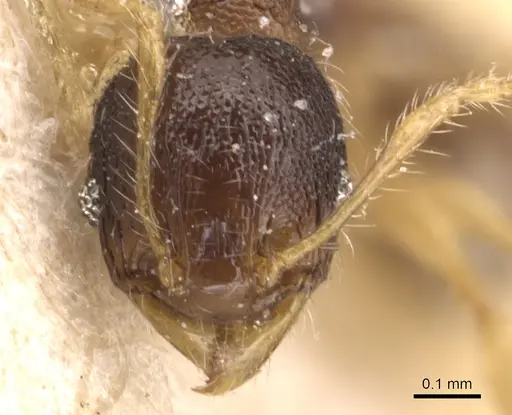
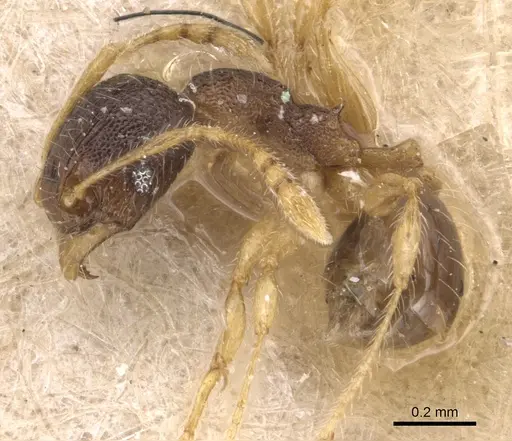
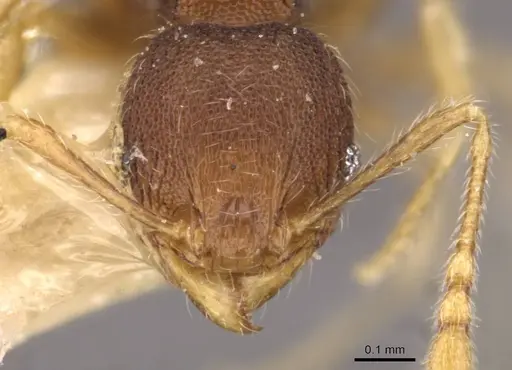
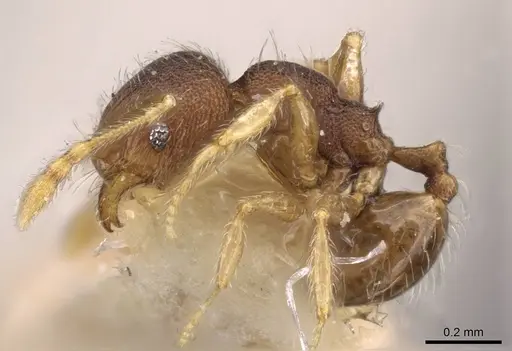
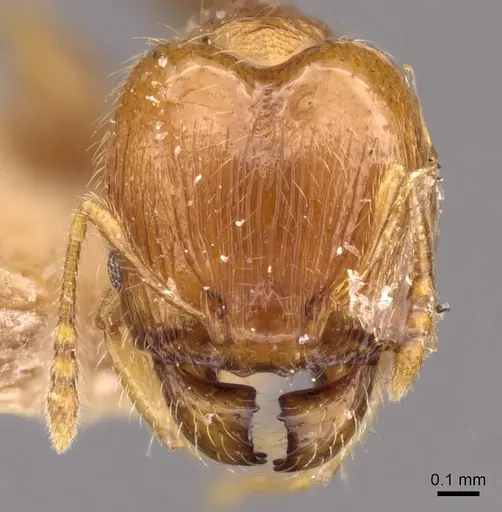
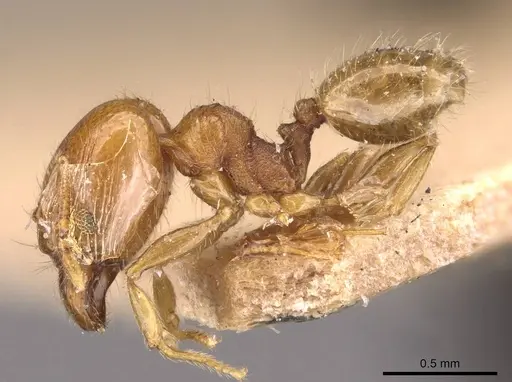
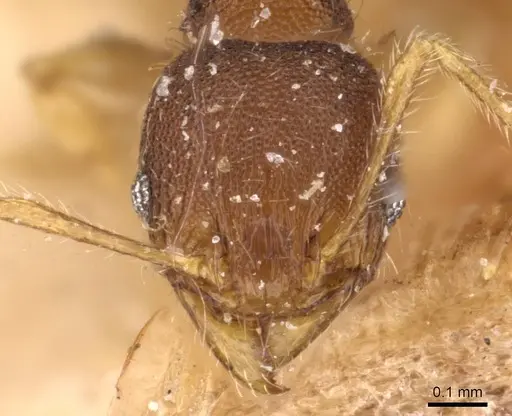
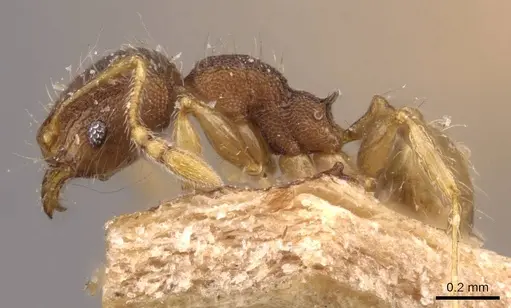
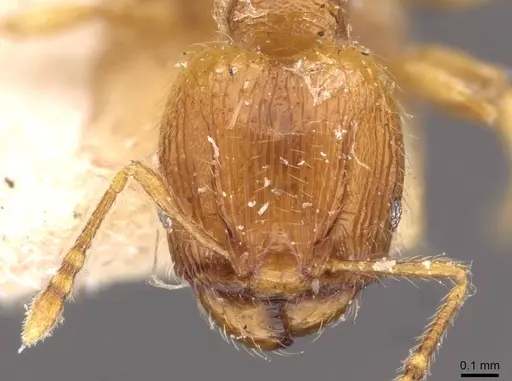
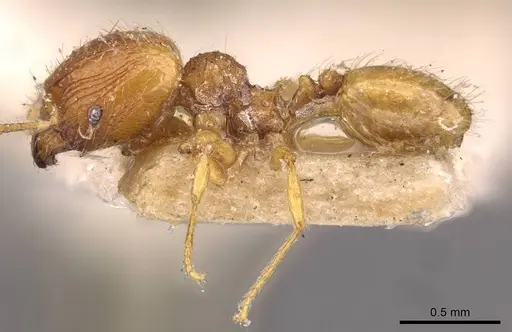
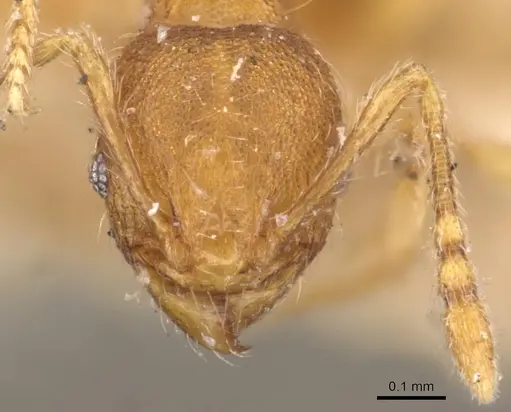
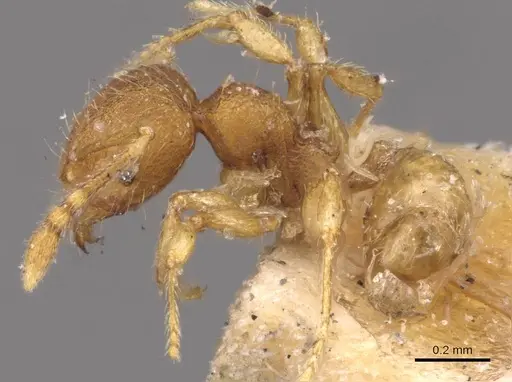
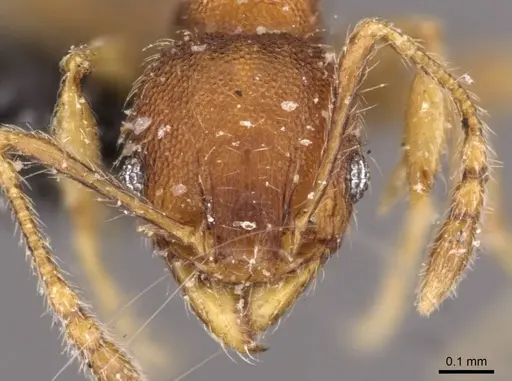
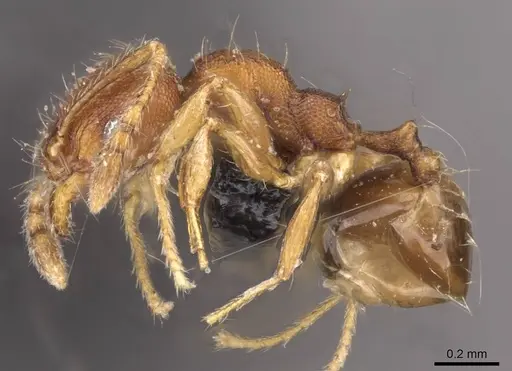
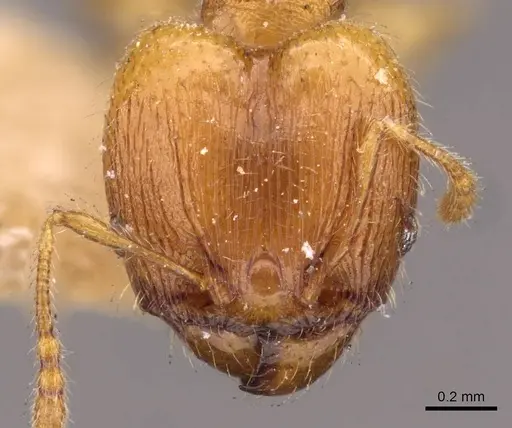
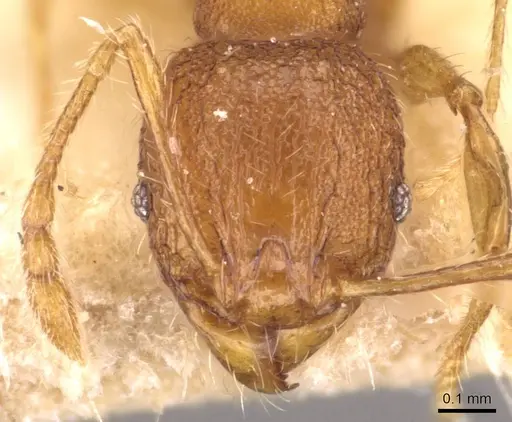
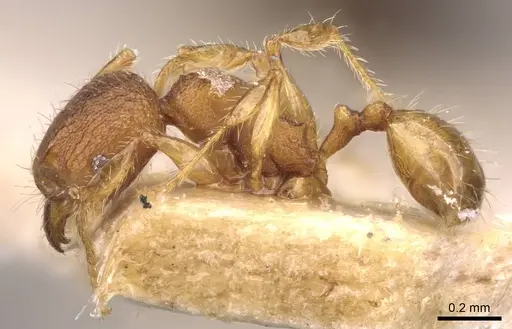
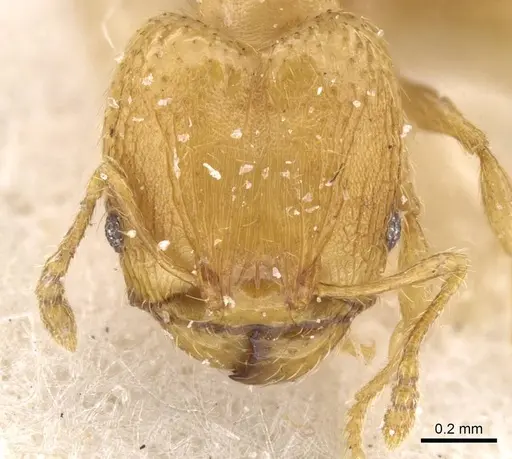
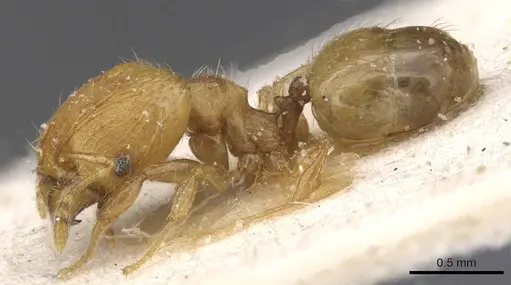
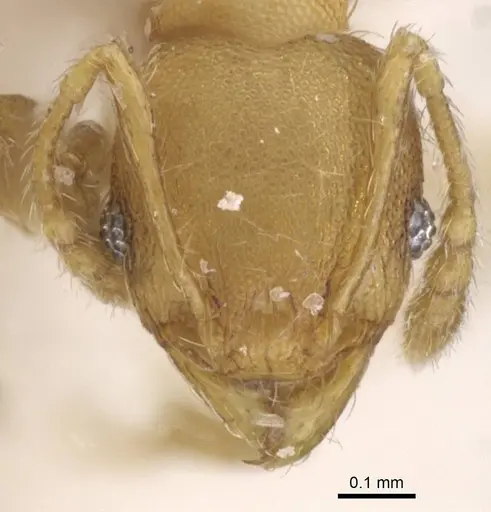
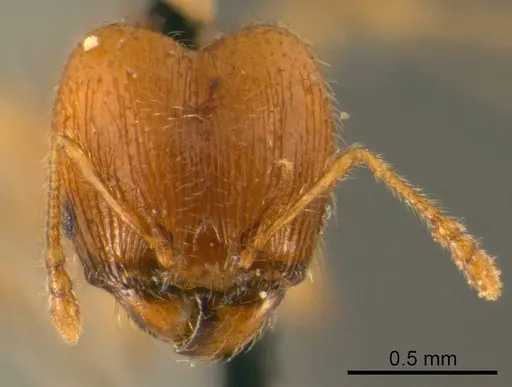
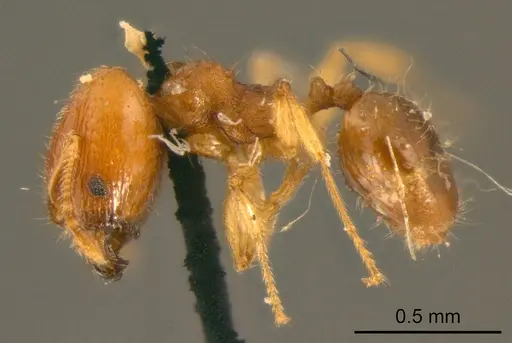
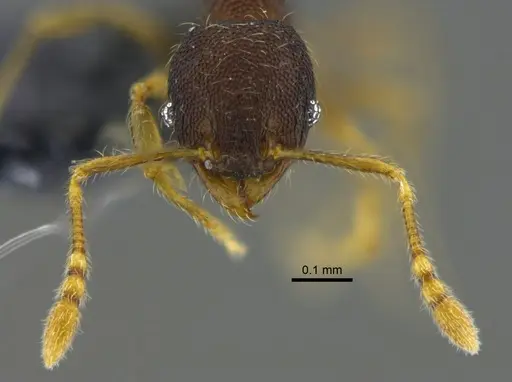
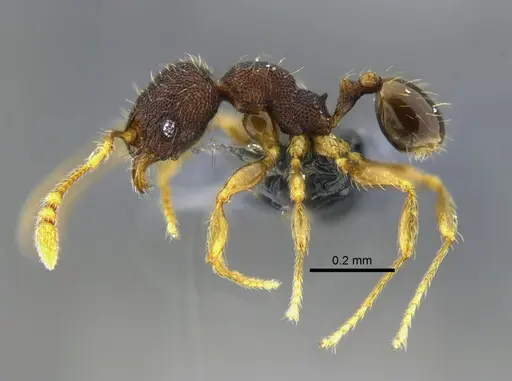
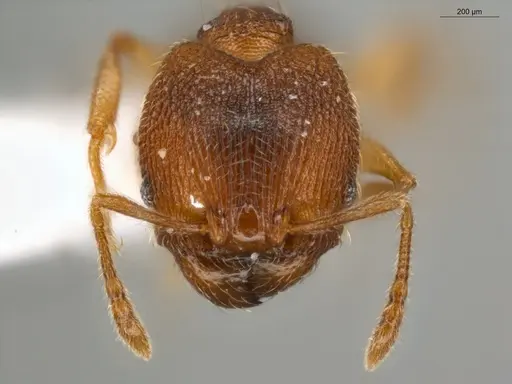
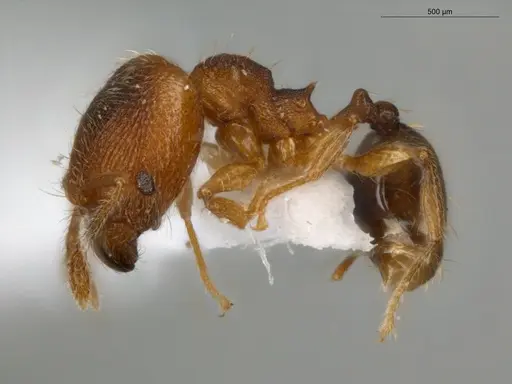
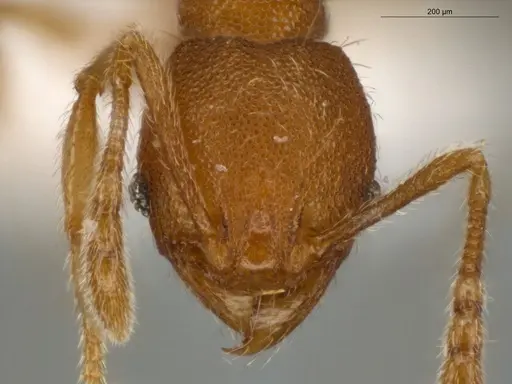
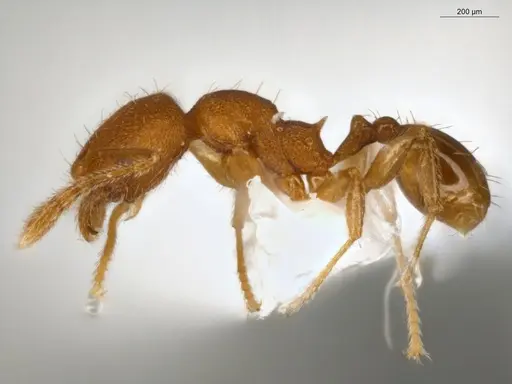
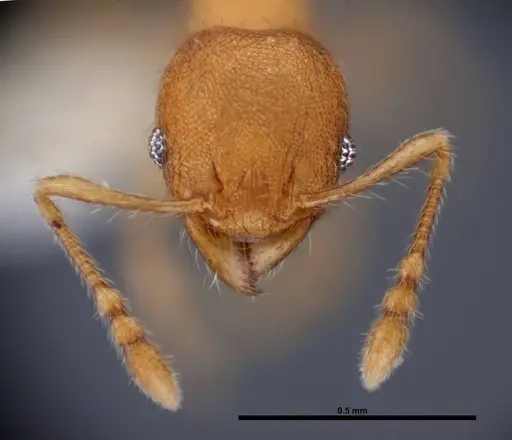
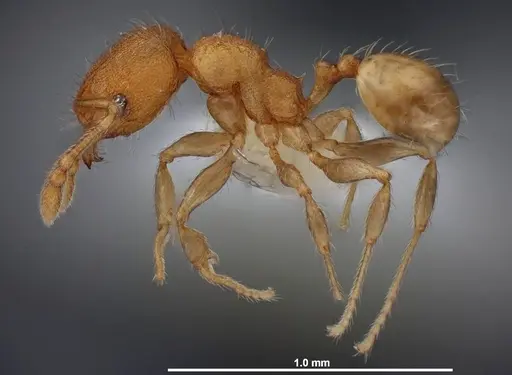
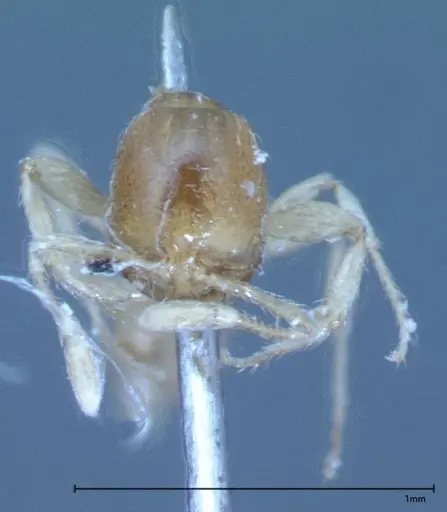
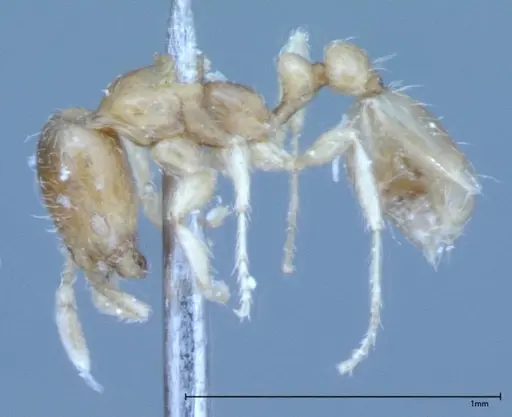
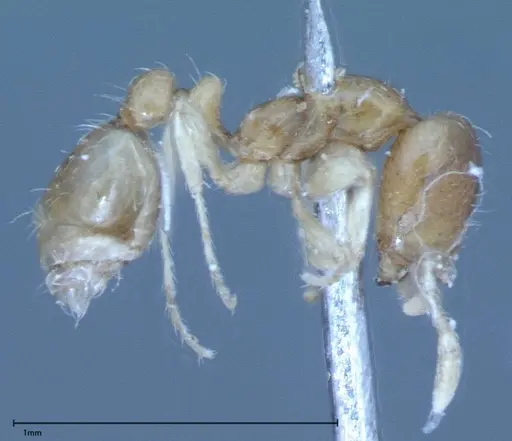
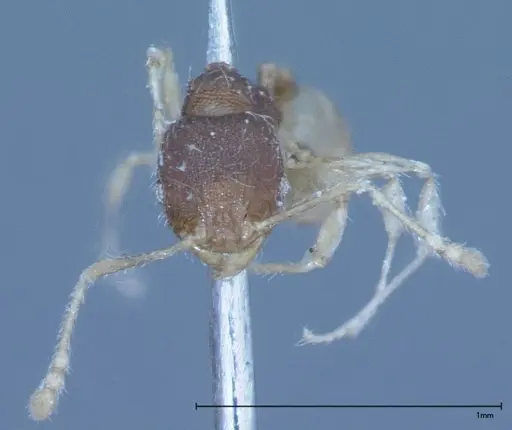
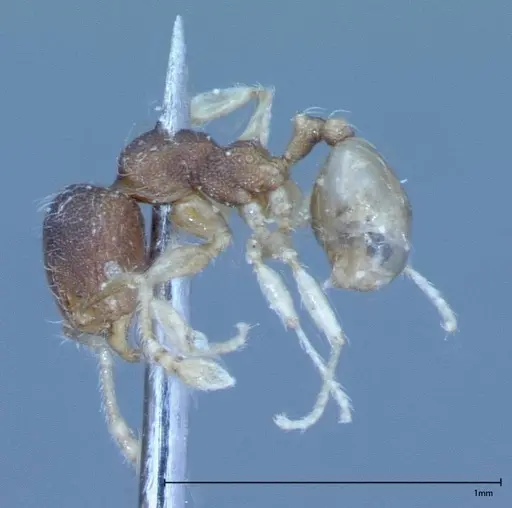
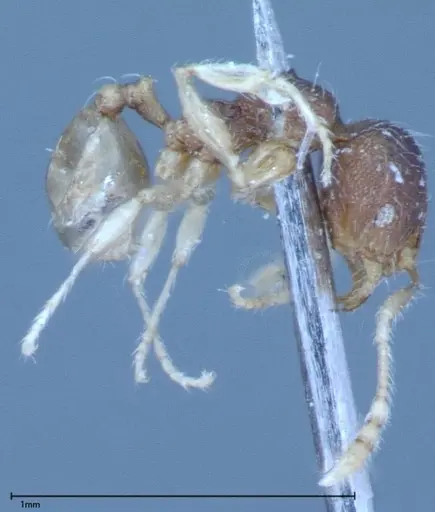
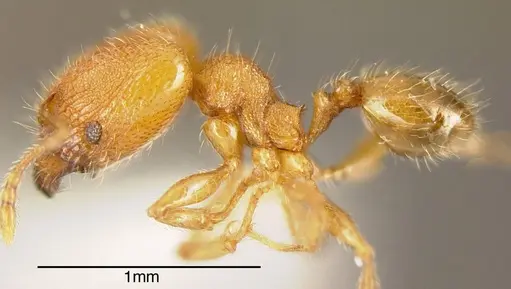
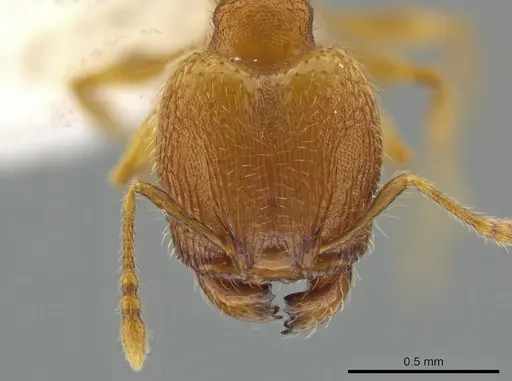
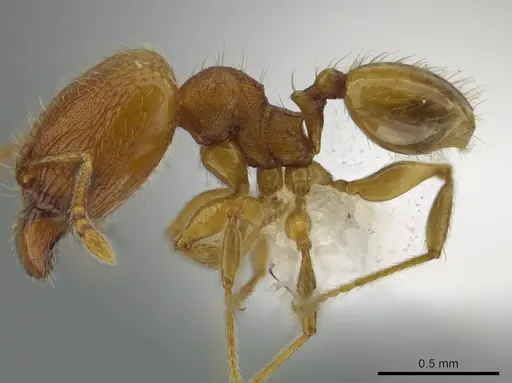
Pheidole flavens is a small ant species with dimorphic workers: minor workers are smaller, and majors have enlarged heads. It belongs to a complex of similar small yellow species. The species is one of the most widespread ants in the New World, ranging from Florida through the West Indies, Central America, and South America . It inhabits various environments, from wet to dry forests, and nests in rotting wood, under bark, in twigs, and under stones . Colonies can grow to thousands of workers with diffuse nest galleries . This ant is highly adaptable, using many microhabitats for nesting, which contributes to its success as an invasive species in some regions.
Quick Summary
- Difficulty: Expert
- Origin & Habitat: Native to the Neotropics, introduced to Florida, the Galápagos Islands, and Vanuatu. Found in wet and dry forests from sea level to 900m elevation [1][2][4][5].
- Colony Type: Unconfirmed, queen number not specified in literature.
- Size & Growth:
- Queen: Size data unavailable, no total length measurements in context.
- Worker: Size data unavailable, no total length measurements in context. Minor and major castes exist, with majors having enlarged heads.
- Colony: Up to thousands of workers [1].
- Growth: Moderate, inferred from Pheidole genus patterns.
- Development: Unknown, no specific data in context. (Development time likely varies with temperature. Food supplementation can influence caste ratios [6].)
- Antkeeping:
- Temperature: Keep warm, around 24-28°C, as this species is tropical. Estimated based on habitat [1].
- Humidity: Keep nest substrate moist but not waterlogged. Provide a humidity gradient. Inferred from tropical habitat [1].
- Diapause: No, tropical species does not require hibernation.
- Nesting: Prefer tight, enclosed spaces like rotting wood, twigs, or under bark [1][3]. In captivity, use Y-tong, plaster, or naturalistic nests with small twigs.
- Behavior: Generalist foragers that recruit to food. Predatory on small arthropods [1]. Major workers have powerful bites [7]. Not aggressive but will defend nest. Escape risk due to small size, use fine mesh. WARNING: Pheidole flavens is an invasive species in Florida, Galápagos, and Vanuatu. It is NOT recommended to keep this species in countries where it is not native. If kept, extreme precautions must be taken to prevent escape.
- Common Issues: temperatures below 20°C can slow metabolism and harm colony, inferred from tropical habitat., escape prevention is critical due to small size, use tight lids and fine mesh., colonies may stress if nesting space is too large or open [1]., wild-caught colonies may carry parasites, general risk for antkeeping.
Housing and Nest Preferences
Pheidole flavens is adaptable in its nesting preferences. In the wild, they prefer rotting pieces of wood but will also nest under bark, in dead knots on tree trunks, in sod on rocks, under stones, and in epiphyte masses [1]. They frequently colonize small twigs in leaf litter, preferring twigs with diameters between 0.7-1.8cm [3]. For captive colonies, Y-tong nests work well, as do plaster nests or naturalistic setups with small twigs. The key is providing tight, enclosed chambers rather than large open spaces. These ants do not do well in overly spacious formicaria, they prefer to feel confined and secure.
Feeding and Diet
These ants are generalist predators and scavengers. In captivity, they readily accept small live prey like fruit flies, pinhead crickets, and most small insects. A notable observation from captive colonies shows they can eagerly harvest live oribatid mites and have no difficulty abrading through their hard, smooth exoskeletons [1]. They also recruit to sugar sources, so you can offer honey or sugar water as a supplemental energy source. Feed protein 2-3 times per week and keep sugar water available at all times. Remove uneaten prey after 24 hours to prevent mold.
Temperature and Seasonal Care
As a tropical to subtropical species, Pheidole flavens requires warm temperatures. Keep the nest area at 24-28°C for optimal brood development. A heating cable placed on one side of the nest creates a temperature gradient. They do not require hibernation since they originate from tropical regions. Avoid temperatures below 20°C as this can slow their metabolism. They are found from sea level up to 900m in their native range, showing adaptation to various warm conditions. [1]
Colony Development and Growth
Pheidole flavens colonies grow to become quite large, with mature colonies containing thousands of workers [1]. The colony is dimorphic, with minor workers and major workers. Research shows that food supplementation can alter the ratio of major to minor workers [6]. A claustral founding queen would seal herself in a chamber, but founding behavior is unconfirmed. Growth is moderate, established colonies can reach several hundred workers within a year under good conditions.
Behavior and Temperament
This species is not particularly aggressive toward keepers but will defend the nest if threatened. The major workers have powerful bites, and their head morphology is adapted to dissipate stress during biting [7]. Workers forage actively and use recruitment to bring nestmates to food sources. They are generalist foragers that will take both protein and sugar. Their small size means they can escape through tiny gaps, always use excellent escape prevention with fine mesh barriers and tight-fitting lids.
Frequently Asked Questions
Can I keep Pheidole flavens in a test tube?
Yes, test tubes work well for founding colonies. A queen would seal herself in and raise her first brood in the tube. Once the colony reaches 20-30 workers, consider moving them to a proper nest.
How long until first workers appear?
No specific data is available on development time. Expect it to vary with temperature, as this is a tropical species.
What do Pheidole flavens eat?
They are generalist predators and scavengers. Feed small live insects as protein 2-3 times per week. They also accept sugar sources like honey or sugar water. They can eat hard-bodied prey like oribatid mites [1].
Are Pheidole flavens good for beginners?
No, this species is invasive and should only be kept by experts with extreme precautions to prevent escape. It is not recommended for beginners.
Do they need hibernation?
No, as a tropical species they do not require hibernation. Keep them warm year-round at 24-28°C.
How big do colonies get?
Mature colonies can contain thousands of workers [1].
When should I move them to a formicarium?
Move from a test tube setup to a proper nest once the colony reaches 20-30 workers. They do well in Y-tong nests, plaster nests, or naturalistic setups with small twigs.
Can I keep multiple queens together?
Colony type is unconfirmed, but if monogyne, combining queens is not recommended. No specific data is available.
Why are my ants dying?
Common causes include: temperatures below 20°C, too large nest space, poor escape prevention, or feeding prey that is too large. Ensure they have access to water and a suitable humidity gradient.
Report an Issue
The current care sheet is based fully on literature. See inconsistencies, or something that's incorrect? Please , it will be resolved after review from an admin. Contributing to the blogs tab also helps providing information, to make us be able to further improve the caresheets. Thank you for your support!
References

This caresheet is licensed under CC BY-SA 4.0 .
Community Blogs
CASENT0104397
View on AntWeb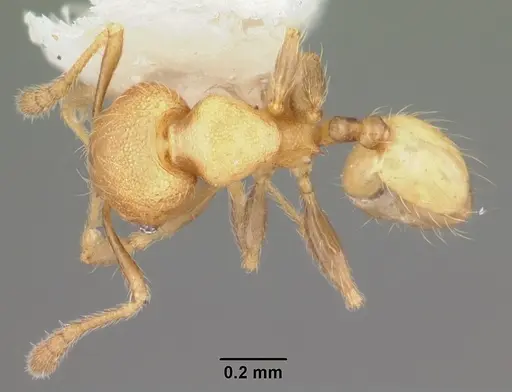
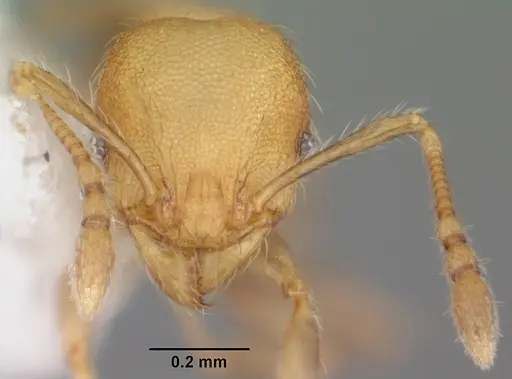
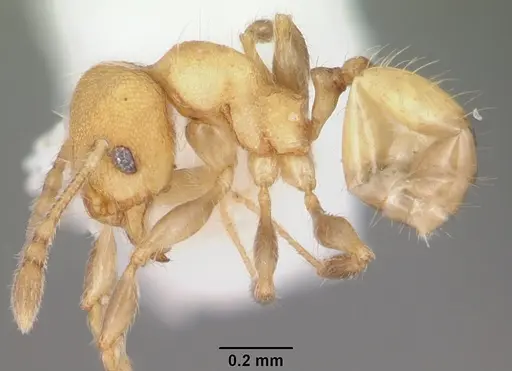
CASENT0104398
View on AntWeb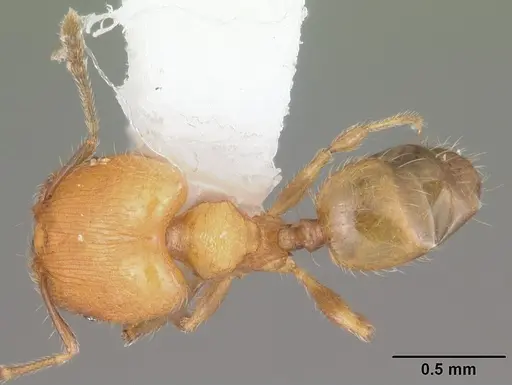
CASENT0104399
View on AntWeb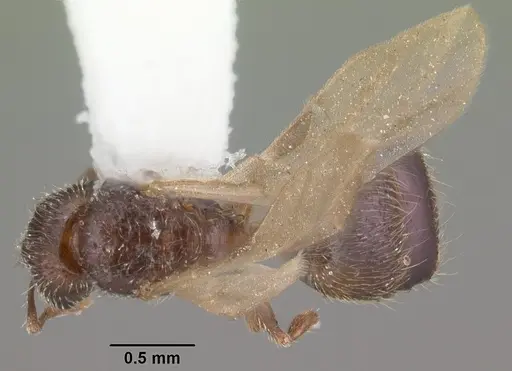
CASENT0173262
View on AntWeb
CASENT0173263
View on AntWeb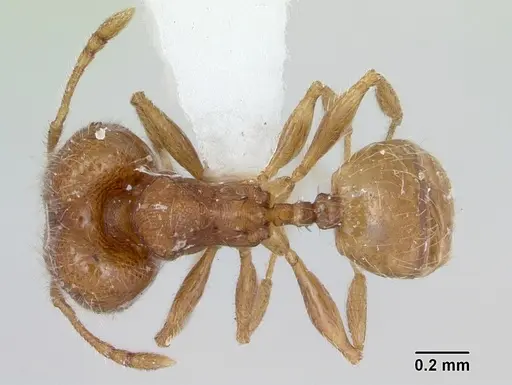
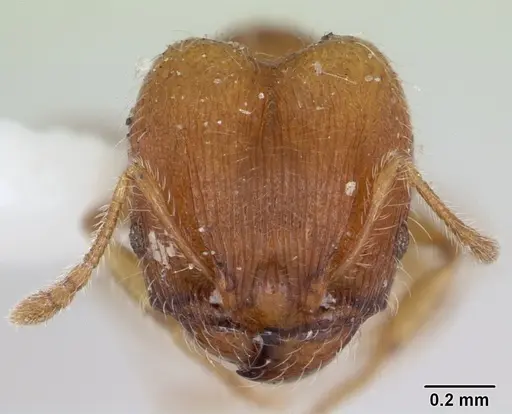
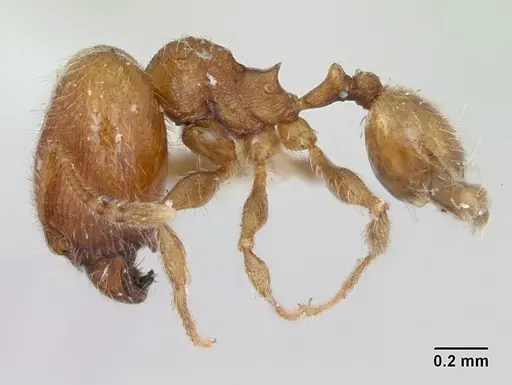
CASENT0178020
View on AntWeb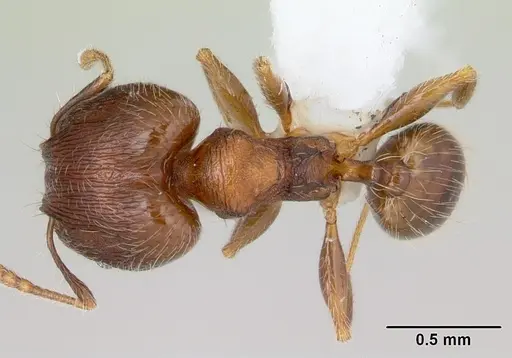
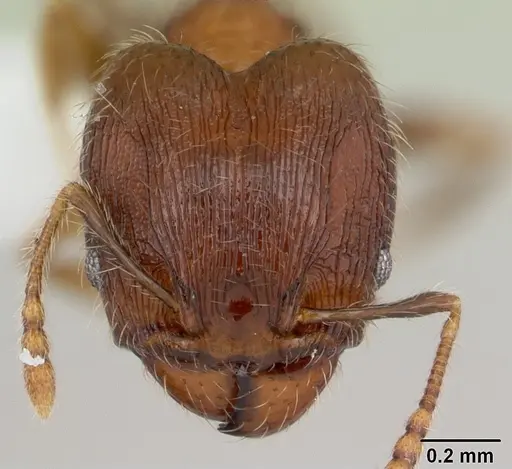
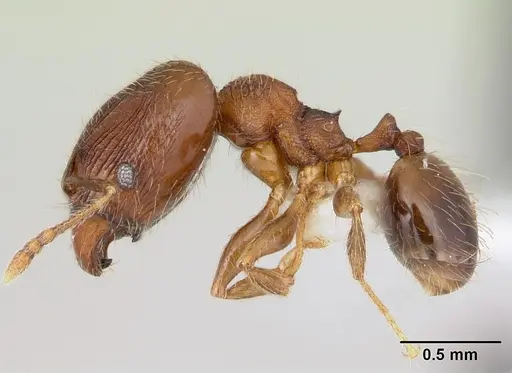
CASENT0178021
View on AntWeb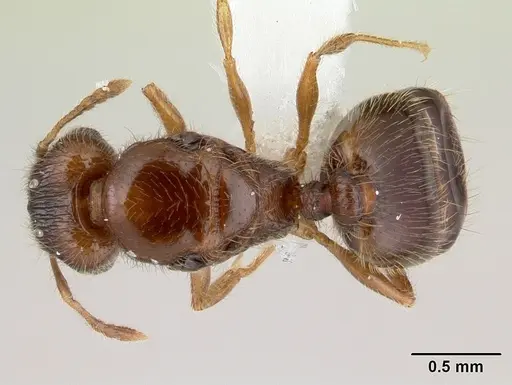
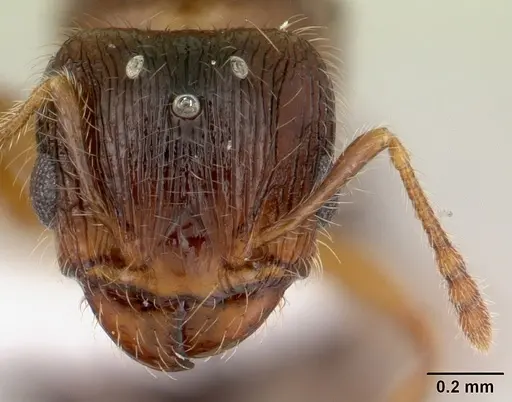
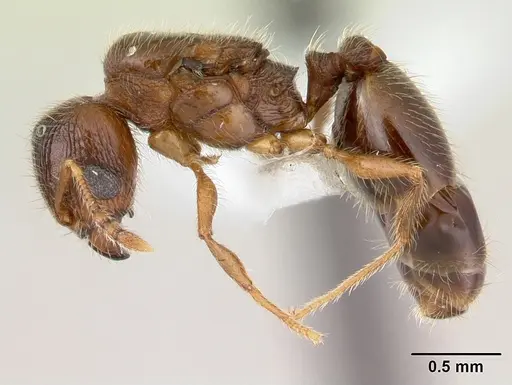
CASENT0178022
View on AntWeb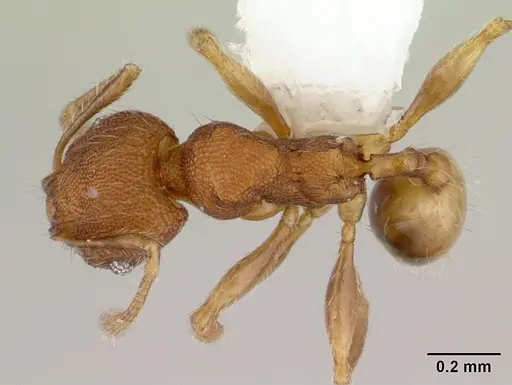
CASENT0246098
View on AntWeb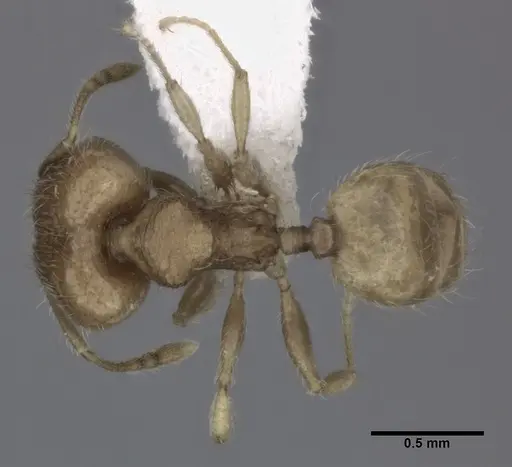
CASENT0246099
View on AntWeb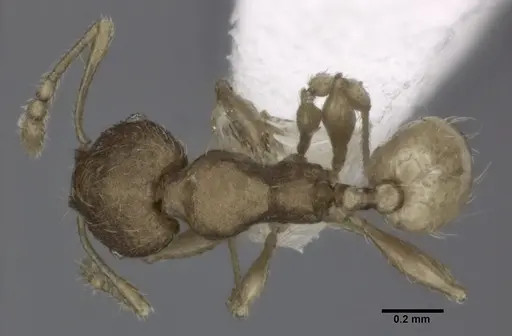
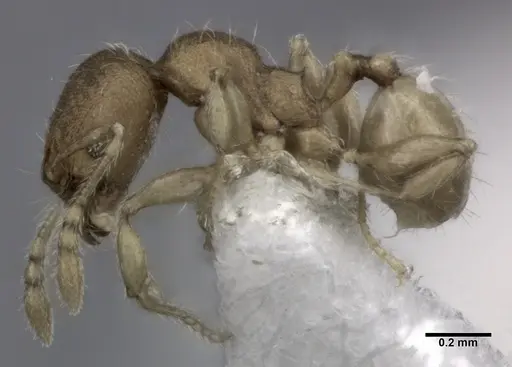
CASENT0246103
View on AntWeb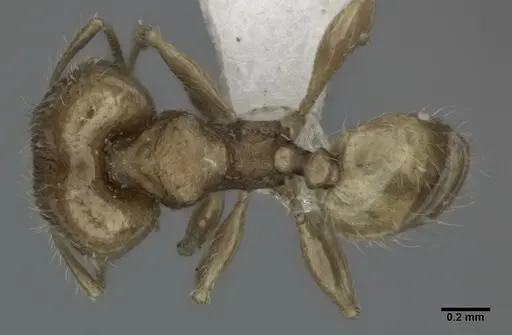
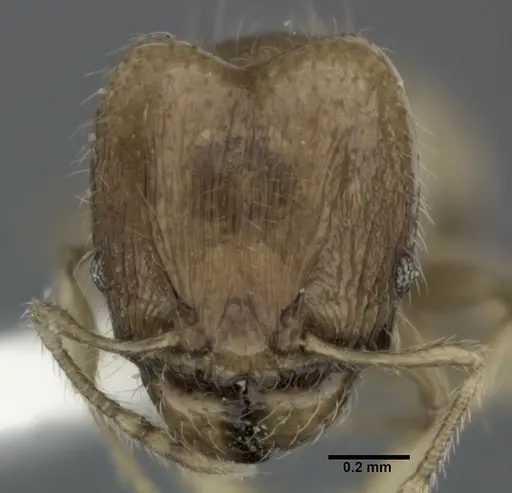
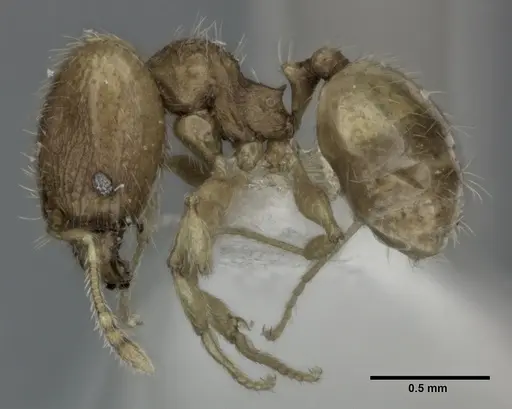
CASENT0635467
View on AntWeb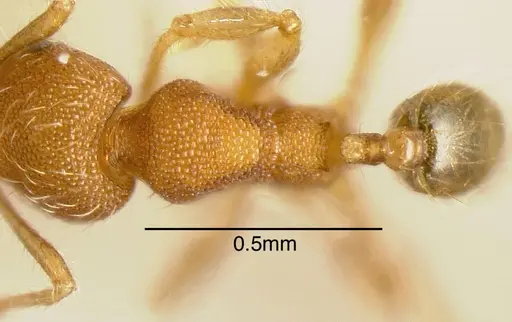
CASENT0901615
View on AntWeb
CASENT0904408
View on AntWeb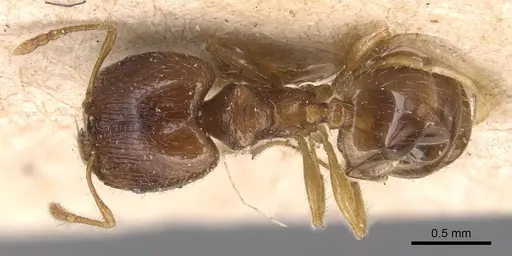
CASENT0904409
View on AntWeb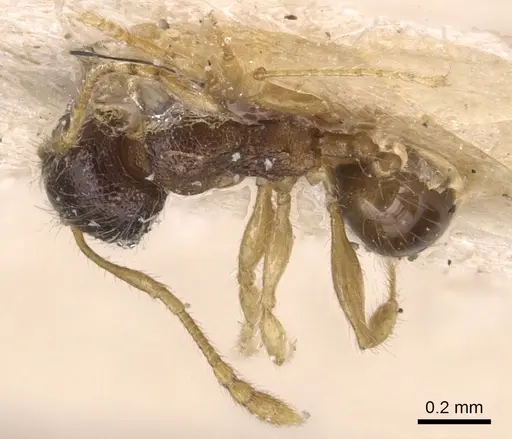
CASENT0908260
View on AntWeb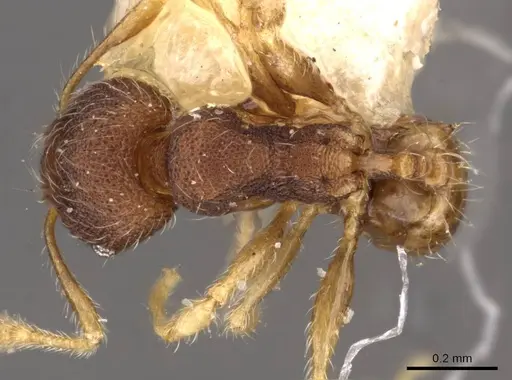
CASENT0908261
View on AntWeb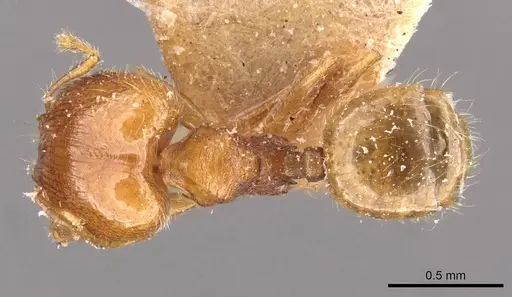
CASENT0908262
View on AntWeb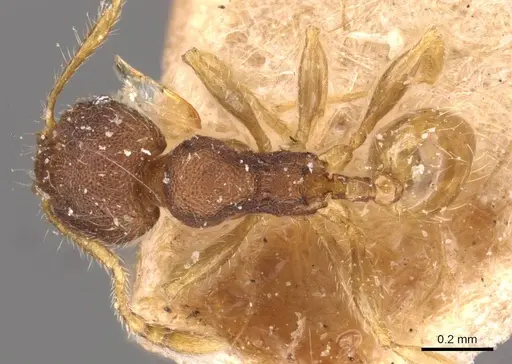
CASENT0908267
View on AntWeb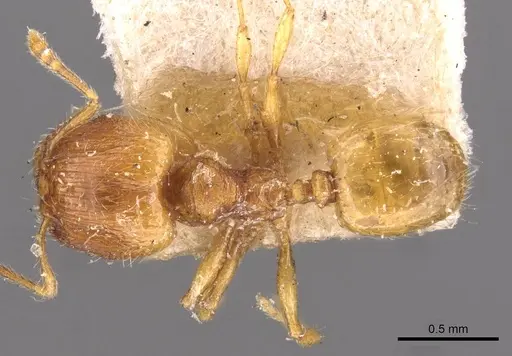
CASENT0908268
View on AntWeb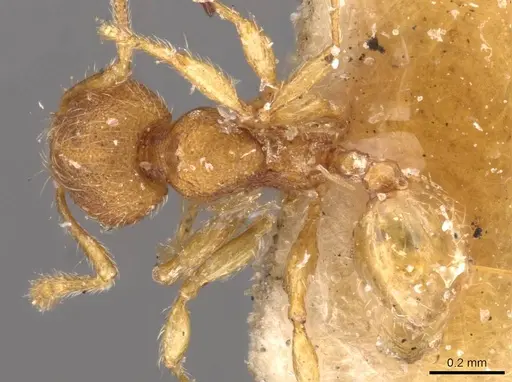
CASENT0908270
View on AntWeb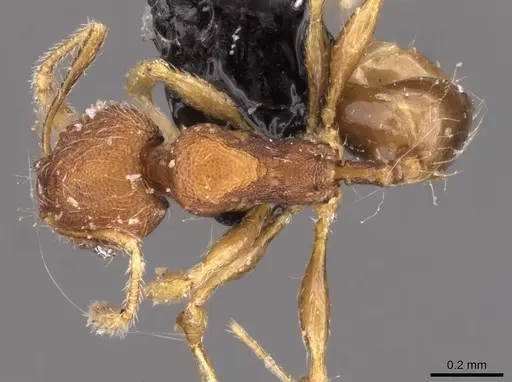
CASENT0908275
View on AntWeb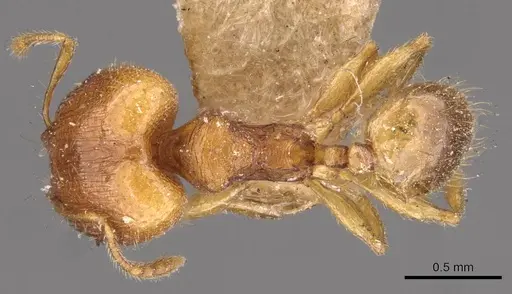
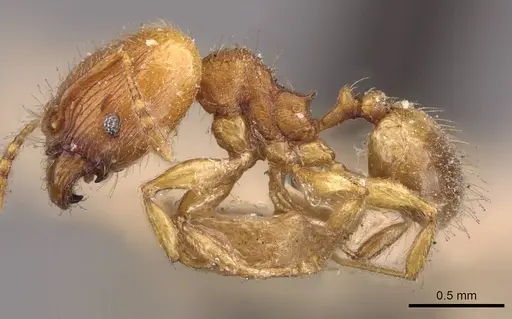
CASENT0908276
View on AntWeb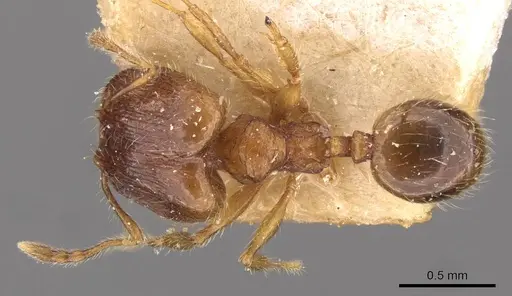
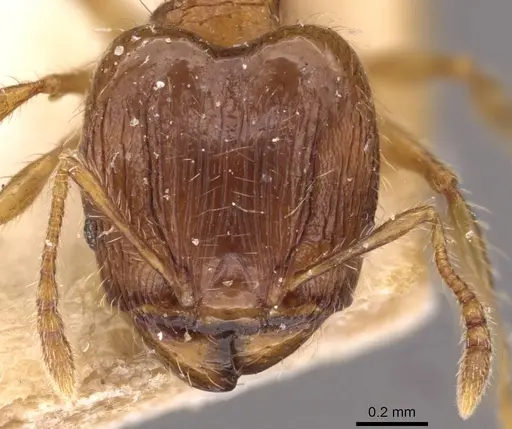
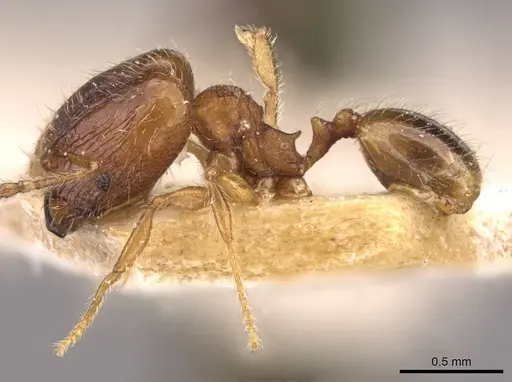
CASENT0908277
View on AntWeb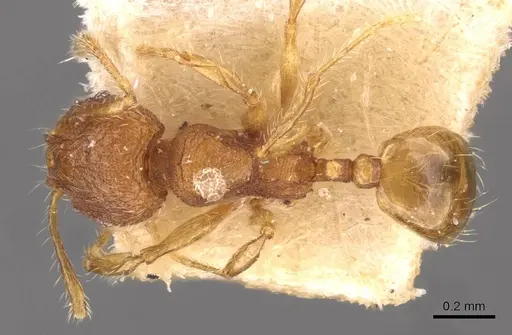
CASENT0913323
View on AntWeb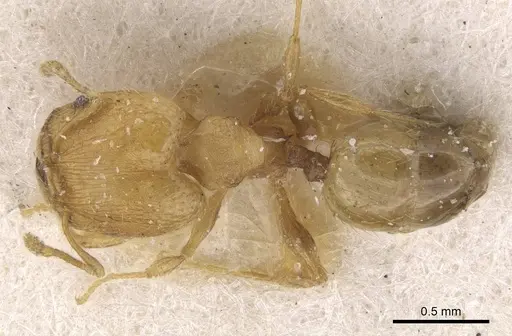
CASENT0913324
View on AntWeb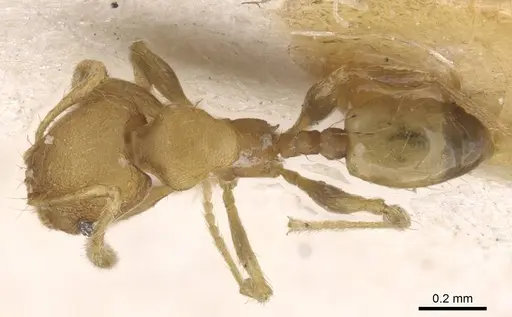
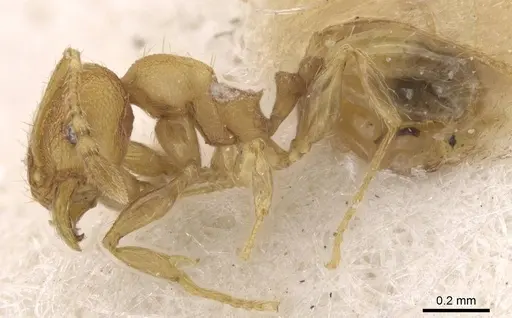
CASENT0915953
View on AntWeb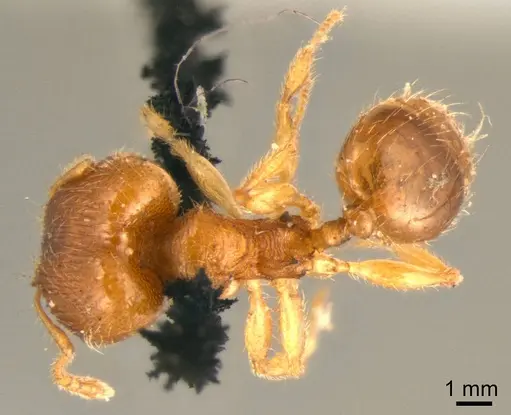
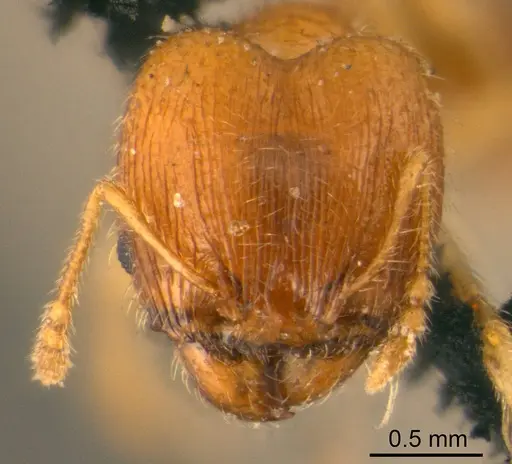
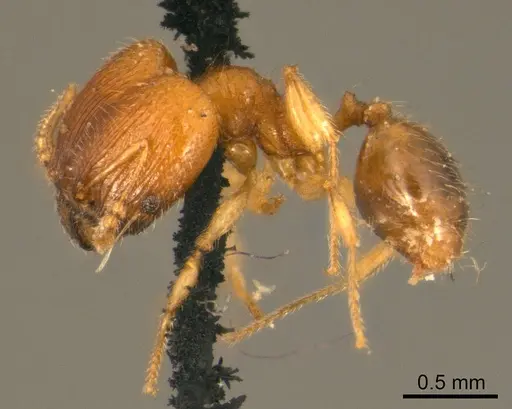
CASENT0915954
View on AntWeb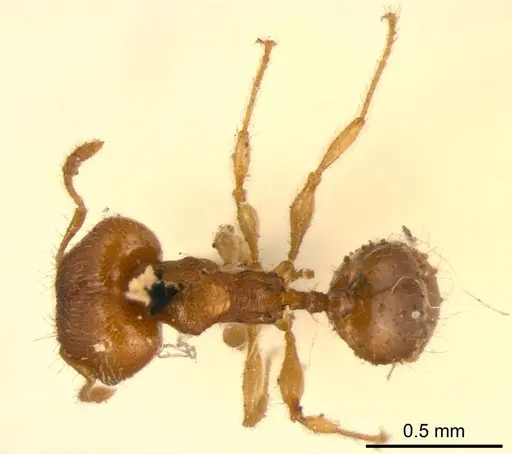
CBUMAGENT42021
View on AntWeb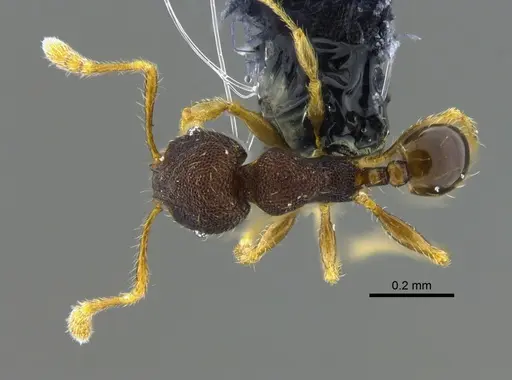
ECOFOG-IT14-0302-101-S
View on AntWeb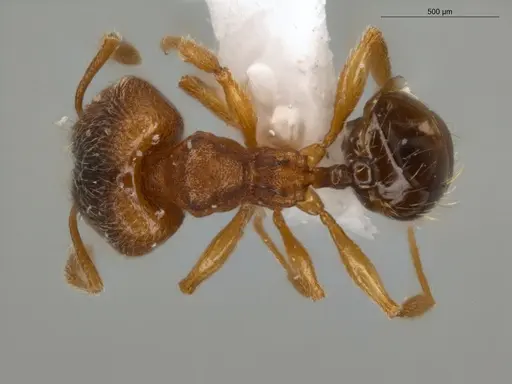
ECOFOG-IT14-0302-101
View on AntWeb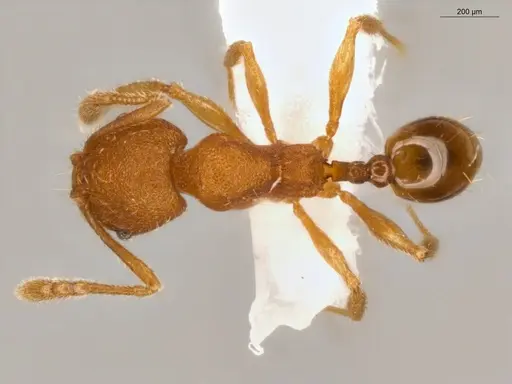
FMNHINS0000088648
View on AntWeb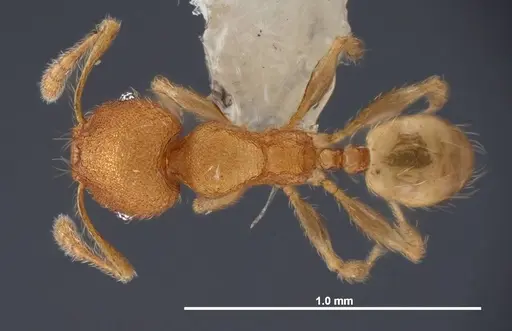
FOCOL0032
View on AntWeb
FOCOL0033
View on AntWeb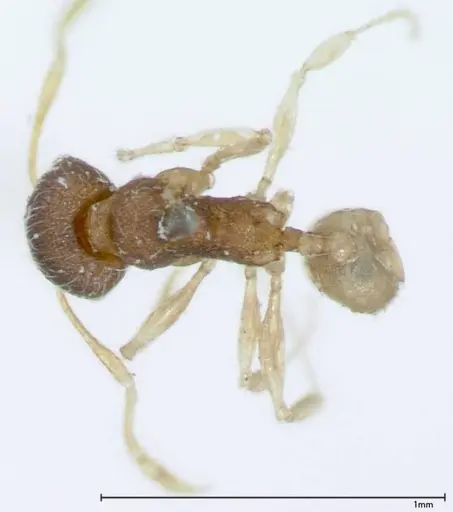
INBIOCRI002279782
View on AntWeb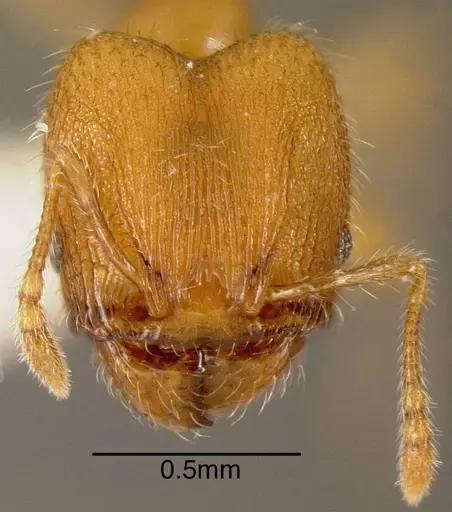
JTLC000013999
View on AntWeb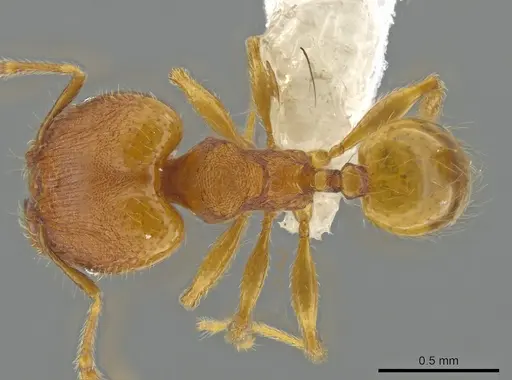
Literature
Loading distribution map...Loading products...