
Pheidole fissiceps
- Sci. Name
- Pheidole fissiceps
- Tribe
- Attini
- Subfamily
- Myrmicinae
- Author
- Wilson, 2003
- Distribution
- Found in 4 countries
Introduction
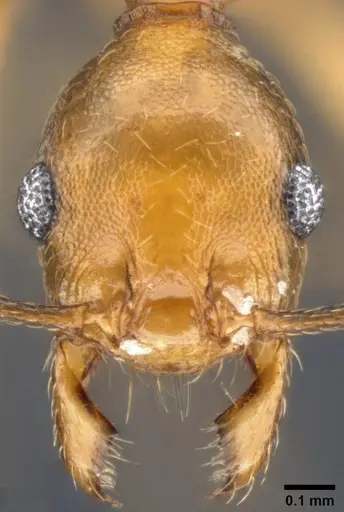
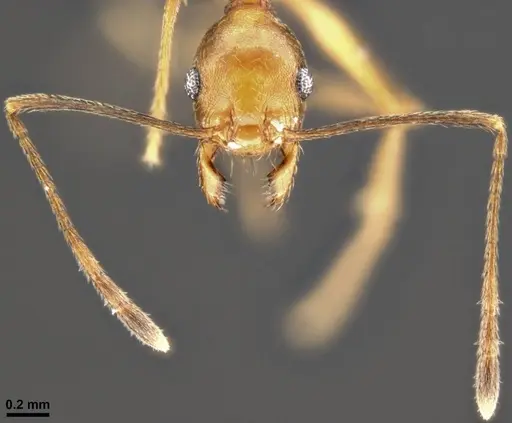
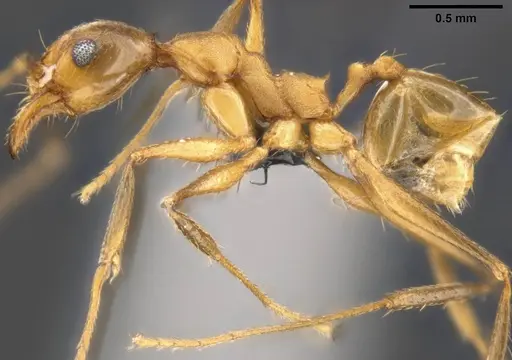
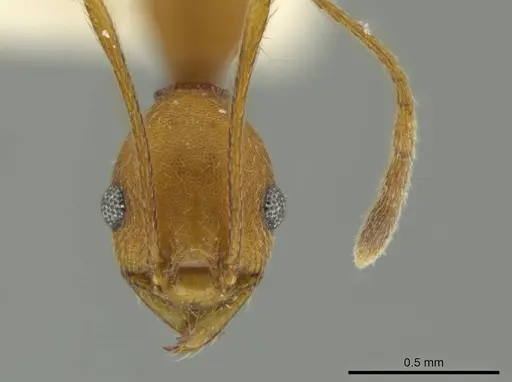
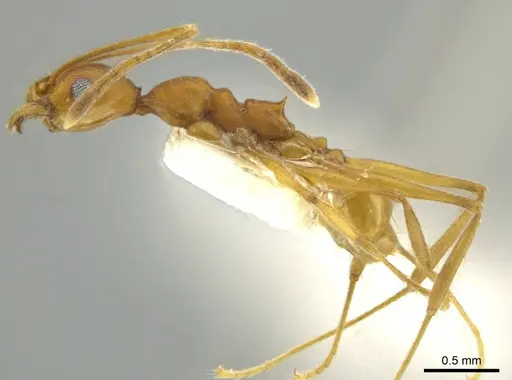
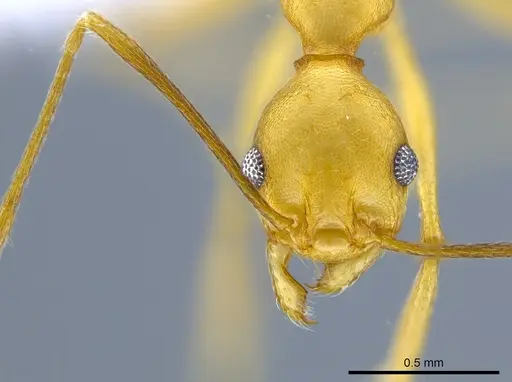
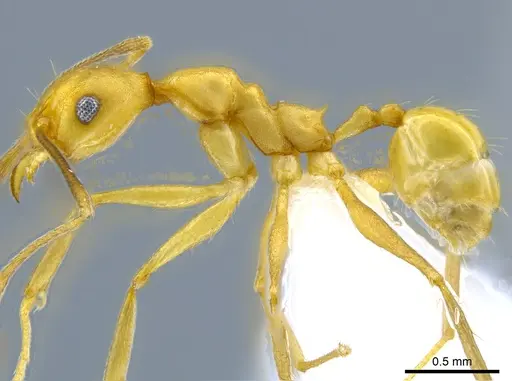
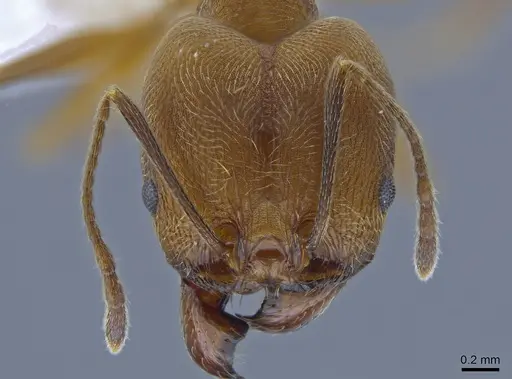
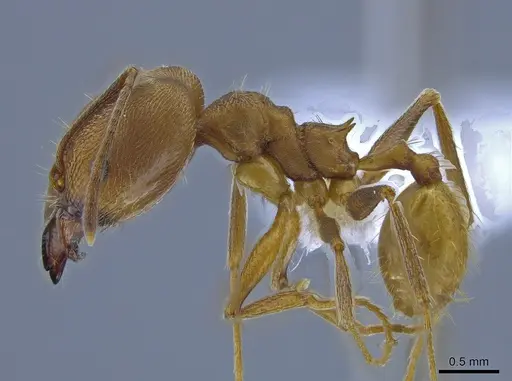
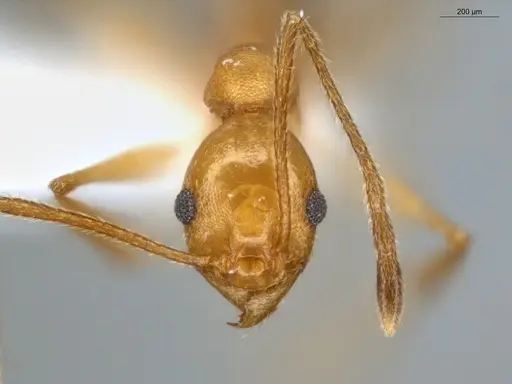
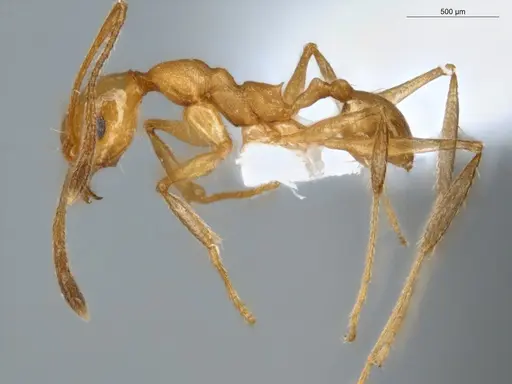
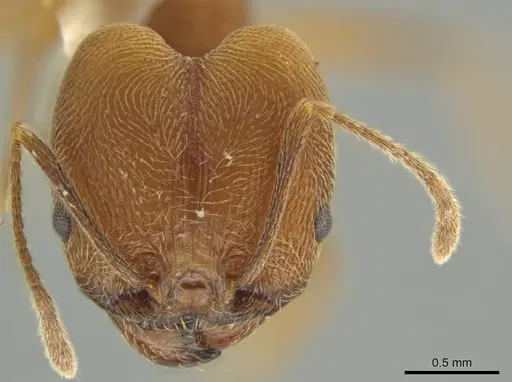
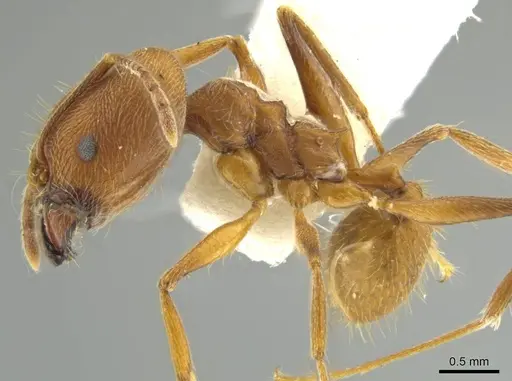
Pheidole fissiceps is a small yellow ant belonging to the biconstricta species group, described by Wilson in 2003. The species is known from Amazonian regions of Peru, French Guiana, and Colombia, with records in tierra firme habitats . Major workers have a deep midoccipital cleft, large propodeal spines, and a flattened head profile, while minors have a tapered occiput with a well-developed occipital collar. Both castes are concolorous yellow. Body size data is unavailable from literature . This species shows high flood tolerance and nests in mixed locations including soil and litter, which is notable given its Amazonian habitat . Little is known about its biology, making it a challenging species for antkeepers.
Quick Summary
- Difficulty: Hard
- Origin & Habitat: Amazonian rainforest regions of Peru, French Guiana, and Colombia. Found in tierra firme habitats at elevations around 400m [2][3].
- Colony Type: Unconfirmed, likely monogyne based on typical Pheidole patterns
- Size & Growth:
- Queen: Size data unavailable, inferred from Pheidole genus (~5-8 mm)
- Worker: Size data unavailable, inferred from Pheidole genus (~2-4 mm for majors, ~1-2 mm for minors)
- Colony: Unknown
- Growth: Unknown
- Development: Unknown, estimated 6-8 weeks based on typical Pheidole development (No specific data exists for this species. Estimates based on related Pheidole species in tropical conditions.)
- Antkeeping:
- Behavior: Infrequent species with low recruitment [4]. Ground-foraging, likely scavenging. Escape risk high due to small minor workers [3].
- Common Issues: escape prevention is critical, minor workers are tiny and can squeeze through standard barriers [3], no biological data means care is experimental, monitor colony closely for signs of stress, high humidity requirements can lead to mold if ventilation is poor, temperatures below 22°C may stress or kill the colony, infrequent species in the wild suggests specific ecological needs we don't yet understand [4]
Nest Preferences and Setup
In the wild, Pheidole fissiceps shows mixed nesting behavior, found both in soil and leaf litter in Amazonian tierra firme forests [4]. This suggests they prefer humid, shaded microhabitats. For captive care, a Y-tong (AAC) nest or plaster formicarium works well, both hold humidity effectively. Avoid dry setups like acrylic nests. The nest area should be kept consistently moist, with the outworld slightly drier. Because minor workers are extremely small, standard test tube setups may allow escapes, use fine mesh barriers and consider coating edges with barrier gel [3].
Feeding and Diet
Like most Pheidole species, these ants are likely generalist foragers. In captivity, offer protein sources like small crickets, mealworms, fruit flies, and other tiny insects. Sugar sources like honey water or sugar water should be available. Feed every 2-3 days, removing uneaten prey after 24 hours to prevent mold. Since nothing is specifically documented about this species' diet, observe your colony's preferences and adjust accordingly.
Temperature and Seasonal Care
As an Amazonian species, Pheidole fissiceps requires warm, stable temperatures year-round. Keep the nest area between 24-28°C, this matches the warm, humid conditions of their tropical rainforest habitat [4][2]. A small heating cable placed on one end of the nest creates a temperature gradient. Do not let temperatures drop below 22°C for extended periods. These ants do not require diapause or winter rest.
Behavior and Colony Dynamics
Pheidole fissiceps exhibits the classic Pheidole caste system with major and minor workers. Major workers handle defense and large food items, while minors handle foraging and brood care. Research notes this species has low recruitment and abundance in Amazonian ant communities [4]. They are ground-foraging ants that likely prefer to stay near the nest. The high flood tolerance documented in studies suggests colonies survive flooding by moving to higher ground.
Escape Prevention
Escape prevention is critical for this species. The minor workers are extremely small and can squeeze through gaps that larger ants cannot pass. Use fine mesh on all ventilation holes. Apply barrier gel or fluon to the edges of the outworld. Check connections between the nest and outworld regularly. This is not a species where you can be casual about escape prevention [3].
Frequently Asked Questions
How long does it take for Pheidole fissiceps to produce first workers?
Unknown for this specific species. Based on typical Pheidole development in tropical conditions, expect 6-8 weeks from egg to first worker. The claustral queen will seal herself in and survive on stored fat reserves until her first brood emerges.
What do Pheidole fissiceps ants eat?
Like most Pheidole species, they likely accept small insects as protein and sugar sources. Specific dietary preferences are unconfirmed for this species.
What temperature do Pheidole fissiceps need?
Keep them warm at 24-28°C. This is a tropical Amazonian species that does not tolerate cool temperatures. Use a heating cable on one side of the nest to create a gradient, and avoid letting temperatures drop below 22°C [4][2].
Are Pheidole fissiceps good for beginners?
This is a poorly studied species with no established care history. The lack of biological data makes care experimental. Only experienced antkeepers should attempt this species.
How big do Pheidole fissiceps colonies get?
Colony size is unconfirmed for this species. Based on typical Pheidole patterns, colonies may reach several hundred workers, but this is not documented [4].
Do Pheidole fissiceps need hibernation?
No, this is a tropical species from the Amazon basin. They do not require diapause or winter cooling. Maintain warm, stable temperatures year-round [4].
Can I keep multiple queens together?
Not recommended. Pheidole species are typically single-queen colonies. Combining unrelated foundress queens has not been documented for this species and would likely result in fighting.
What humidity do Pheidole fissiceps need?
High humidity, keep the nest substrate consistently moist but not waterlogged. These are rainforest ants adapted to humid conditions [4].
Why are my Pheidole fissiceps dying?
Common causes include: temperatures below 22°C, low humidity, poor escape prevention (tiny minors escape easily), or mold from overwatering with poor ventilation. This species has no established care parameters, monitor closely and adjust conditions based on colony behavior.
What type of nest is best for Pheidole fissiceps?
A Y-tong (AAC) nest or plaster formicarium works best because they hold humidity well. Avoid dry acrylic nests. The nest should have chambers scaled to their tiny size, with the entire setup kept humid and warm.
Is Pheidole fissiceps invasive?
No, this species is native to the Amazonian regions of South America (Peru, French Guiana, Colombia). There are no records of it being established outside its native range. Never release ant colonies into non-native environments [2][3].
Report an Issue
The current care sheet is based fully on literature. See inconsistencies, or something that's incorrect? Please , it will be resolved after review from an admin. Contributing to the blogs tab also helps providing information, to make us be able to further improve the caresheets. Thank you for your support!
References

This caresheet is licensed under CC BY-SA 4.0 .
Community Blogs
CASENT0282930
View on AntWeb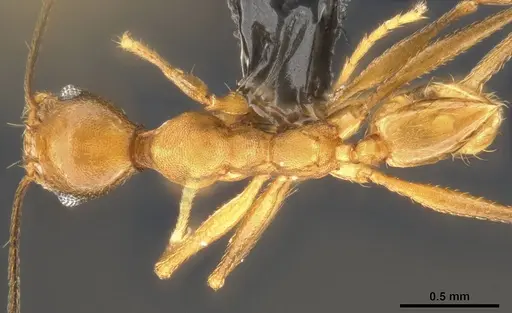
CASENT0644199
View on AntWeb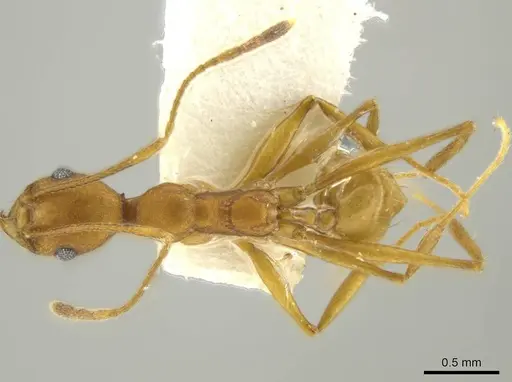
CASENT0650602
View on AntWeb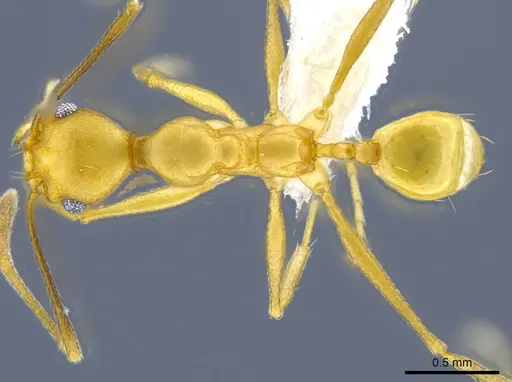
CASENT0650603
View on AntWeb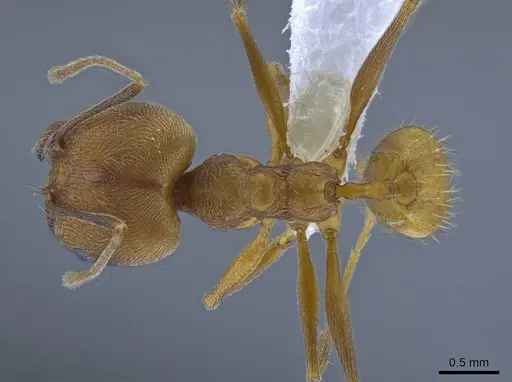
ECOFOG-IT14-0955-23
View on AntWeb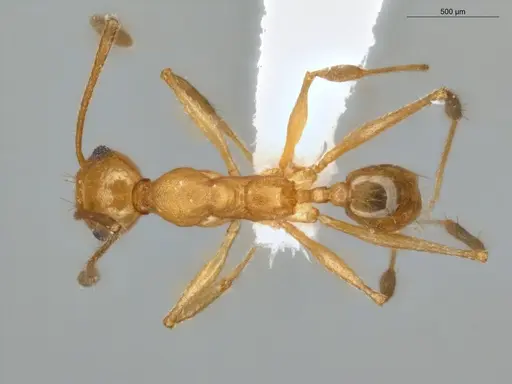
JTLC000016374
View on AntWeb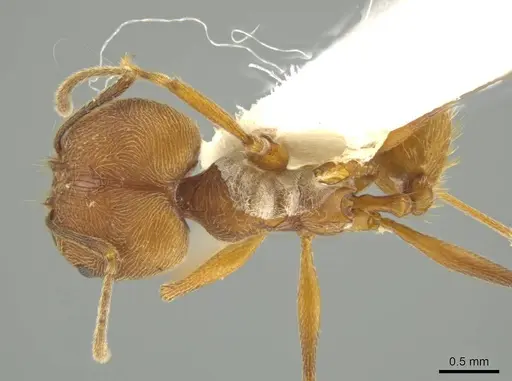
Literature
Loading distribution map...Loading products...