
Pheidole fiorii
- Sci. Name
- Pheidole fiorii
- Tribe
- Attini
- Subfamily
- Myrmicinae
- Author
- Emery, 1890
- Distribution
- Found in 3 countries
Introduction
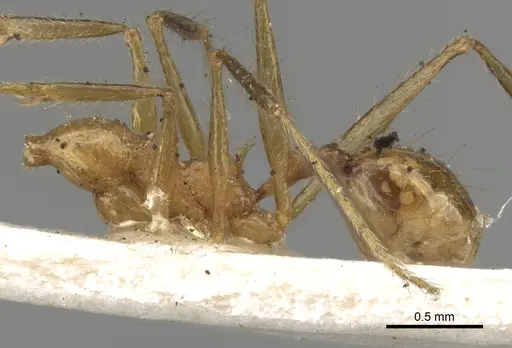
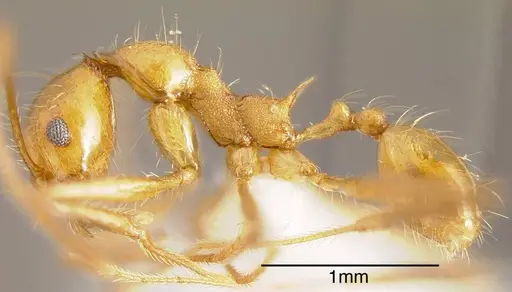
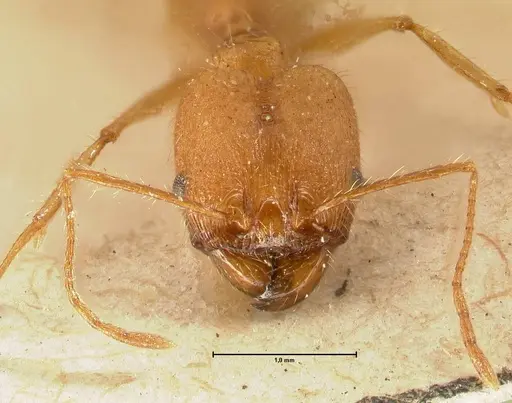
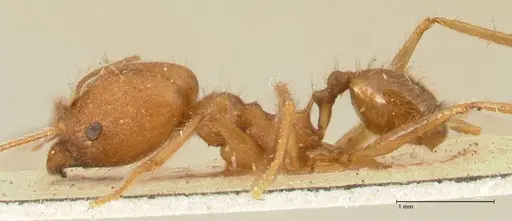
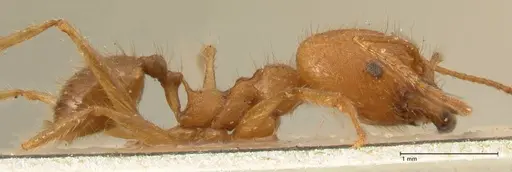
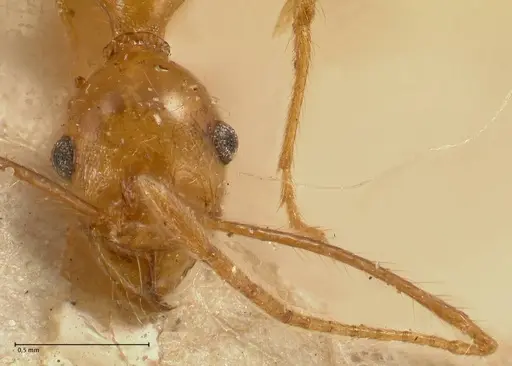
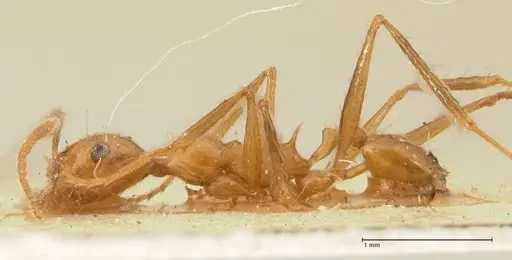
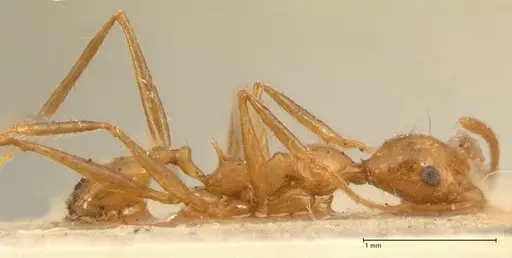
Pheidole fiorii is a dimorphic ant species native to the Neotropical region, found in Costa Rica, Nicaragua, and Panama up to 950m elevation . Workers are dimorphic with minors and majors; minor workers have a total length of approximately 6.5 mm , while major worker size data is unavailable. The species shows color variation from yellow at lower elevations to dark brown at higher elevations . This ant is known for building unique carton nests made from soil and plant fragments glued to the undersides of leaves .
Quick Summary
- Difficulty: Medium
- Origin & Habitat: Atlantic slope and montane regions of Costa Rica, Nicaragua, and Panama up to 950m elevation, inhabiting mature wet forest understory [1].
- Colony Type: Monogynous, colonies have a single queen and single nest [1].
- Size & Growth:
- Queen: Size data unavailable, no total length measurements in literature.
- Worker: Minor workers: approximately 6.5 mm total length [2], major worker size data unavailable.
- Colony: Up to 646 workers based on documented colony [1].
- Growth: Moderate, inferred from Pheidole genus patterns.
- Development: Estimated 6-10 weeks based on typical Pheidole development. (Development time not directly documented for this species.)
- Antkeeping:
- Temperature: Keep at 24-26°C, based on tropical wet forest habitat [1].
- Humidity: Maintain high humidity with consistently moist nest substrate, as they inhabit wet forest understory [1].
- Diapause: No, tropical species does not require hibernation.
- Nesting: Prefer carton nests under leaves, in captivity, use Y-tong or plaster nests with high humidity [1].
- Behavior: Relatively non-aggressive, majors defend colony but are not combative. Escape risk is moderate due to small minor workers, use fine mesh barriers. They have a sting but are not known to be aggressive toward keepers.
- Common Issues: high humidity maintenance is critical, colonies can fail in dry conditions., carton nest building may require suitable surfaces in captivity., colonies can be sensitive to temperature drops below 22°C., foraging majors may struggle in nests with narrow passages.
Nest Preferences and Housing
Pheidole fiorii naturally builds carton nests under leaves, made from soil and plant fragments [1]. In captivity, use Y-tong or plaster nests with moist chambers to maintain high humidity. Test tubes work for founding colonies, but transfer to larger setups as the colony grows. Provide surfaces for carton construction if possible.
Feeding and Diet
This species collects seeds, offer millet, chia, or flax as a staple. Provide protein sources like small insects 2-3 times per week. They may accept sugar water or honey. Remove uneaten food to prevent mold. [1]
Temperature and Humidity Requirements
Keep at 24-26°C with high humidity, matching their wet forest habitat [1]. Use a water reservoir or moisture chamber to maintain substrate moisture. Avoid drafts or air conditioning.
Colony Structure and Development
Colonies are monogynous with a single queen [1]. Development from egg to worker is estimated at 6-10 weeks based on genus patterns. Major workers appear as the colony grows.
Behavior and Temperament
These ants are peaceful and focus on foraging for seeds. Majors defend the colony but are not aggressive. Escape risk is moderate, use fine mesh for minor workers. They have a sting but rarely use it. [1]
Frequently Asked Questions
How long does it take for Pheidole fiorii to produce first workers?
Development time is not directly documented, but based on typical Pheidole patterns, expect 6-10 weeks from egg to first worker at 24-26°C.
What do Pheidole fiorii ants eat?
They are seed collectors, offer seeds like millet plus protein sources such as small insects [1].
Are Pheidole fiorii good for beginners?
They are rated Medium difficulty due to humidity requirements and nesting needs. Manageable if you can maintain a warm, humid setup.
Do Pheidole fiorii need hibernation?
No, as a tropical species, they do not require diapause. Keep them warm year-round.
How big do Pheidole fiorii colonies get?
Colonies can reach up to 646 workers based on a documented colony [1].
What size are Pheidole fiorii workers?
Minor workers are approximately 6.5 mm total length [2], major worker size data is unavailable.
Can I keep multiple Pheidole fiorii queens together?
No, this species is monogynous with a single queen per colony [1]. Multiple queens would likely fight.
What type of nest does Pheidole fiorii need?
They naturally build carton nests under leaves. In captivity, use Y-tong or plaster nests with high humidity [1].
Why do my Pheidole fiorii have different colors?
Color variation is normal, lower elevation colonies are yellow, while higher elevation ones are dark brown [1].
Report an Issue
The current care sheet is based fully on literature. See inconsistencies, or something that's incorrect? Please , it will be resolved after review from an admin. Contributing to the blogs tab also helps providing information, to make us be able to further improve the caresheets. Thank you for your support!
References

This caresheet is licensed under CC BY-SA 4.0 .
Community Blogs
CASENT0281749
View on AntWeb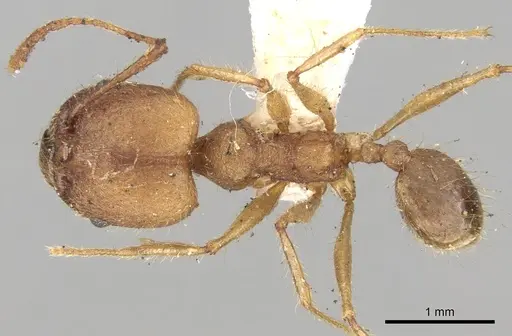
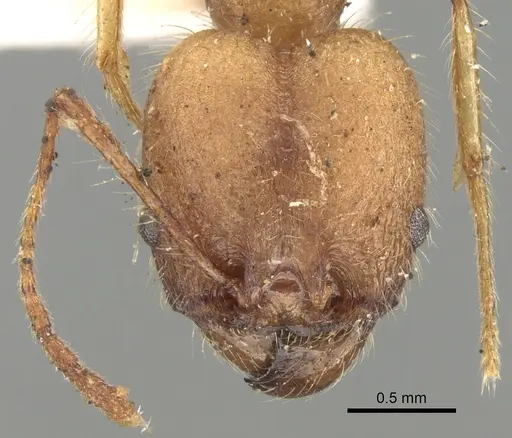
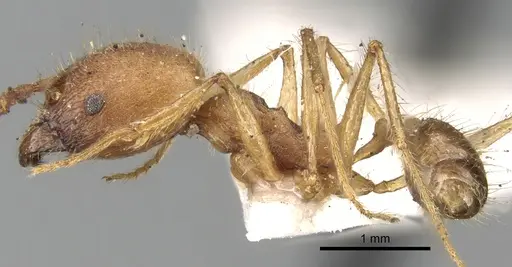
CASENT0281750
View on AntWeb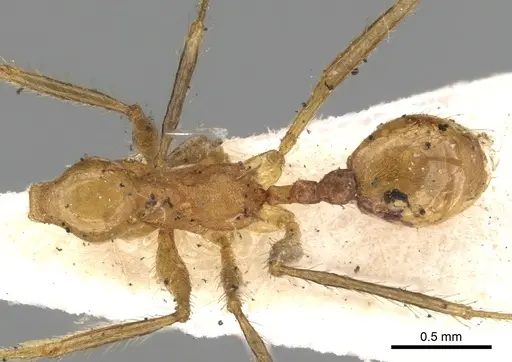
CASENT0635466
View on AntWeb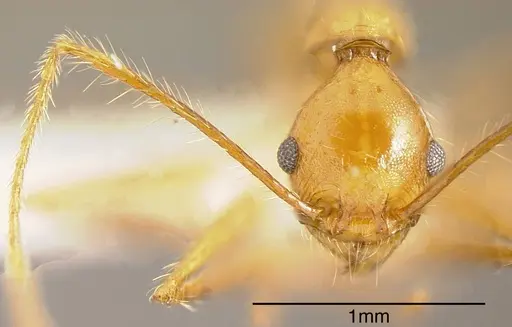
CASENT0904348
View on AntWeb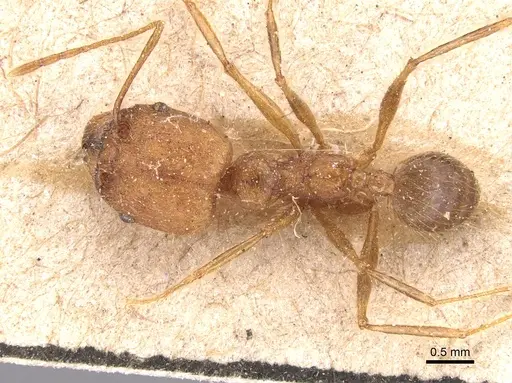
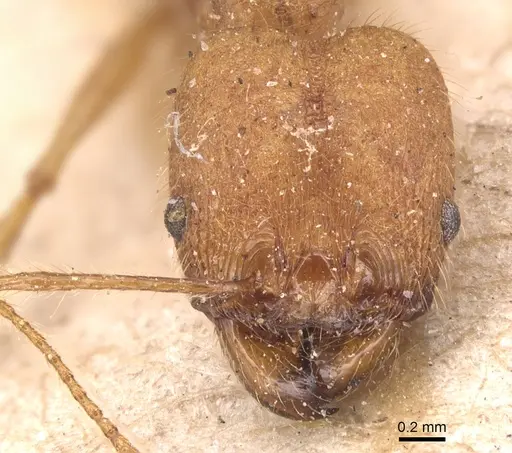
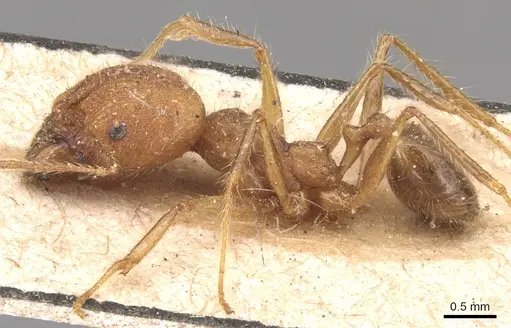
CASENT0904349
View on AntWeb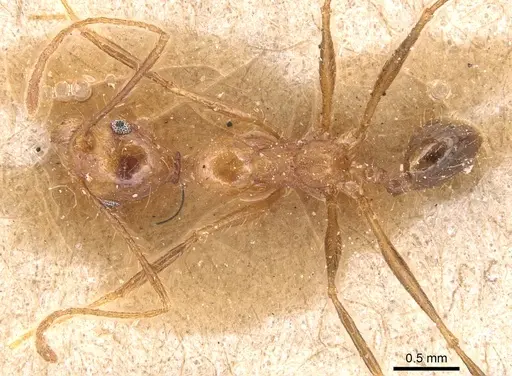
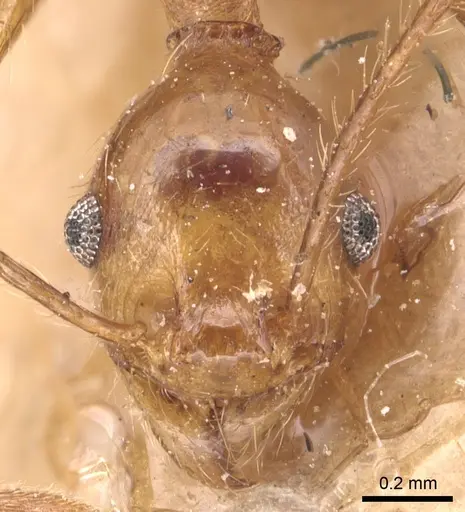
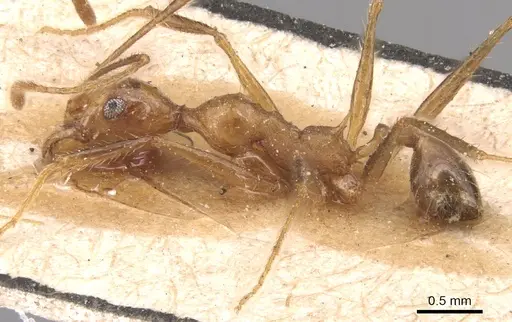
CASENT0908095
View on AntWeb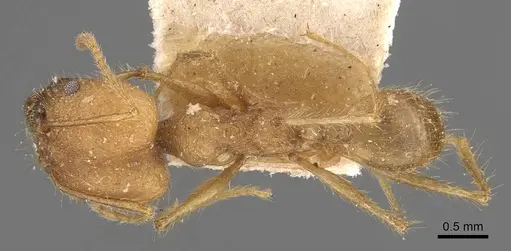
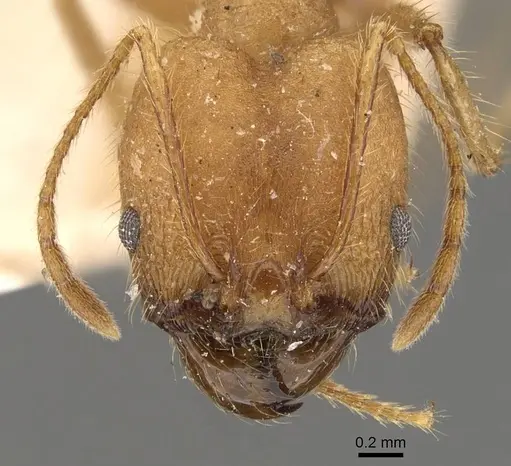
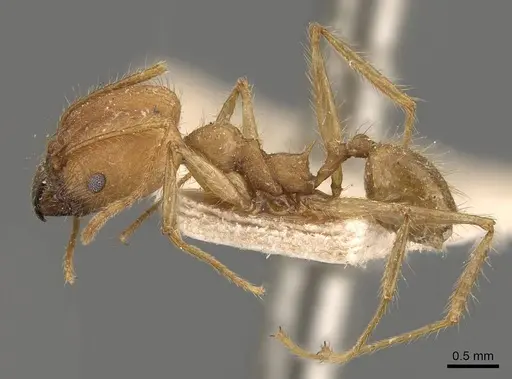
CASENT0908096
View on AntWeb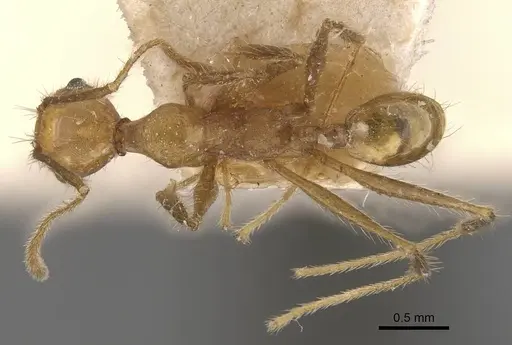
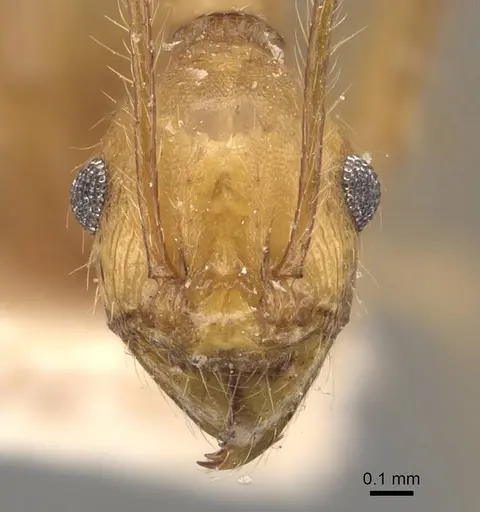
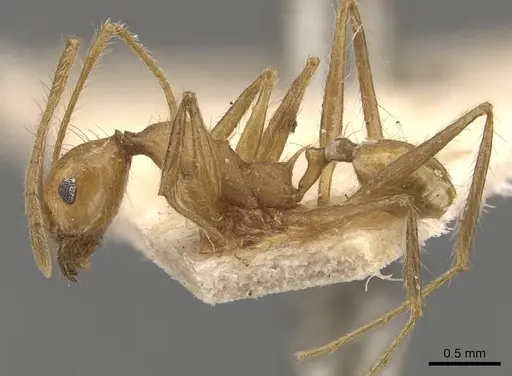
FOCOL1428
View on AntWeb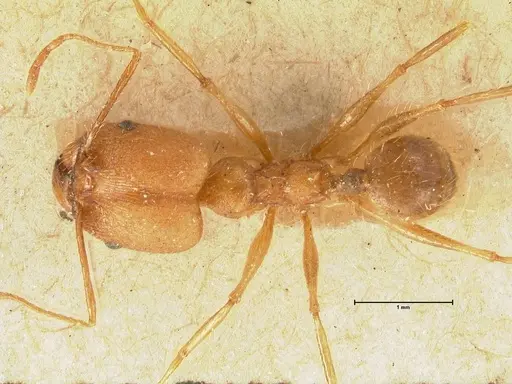
FOCOL1429
View on AntWeb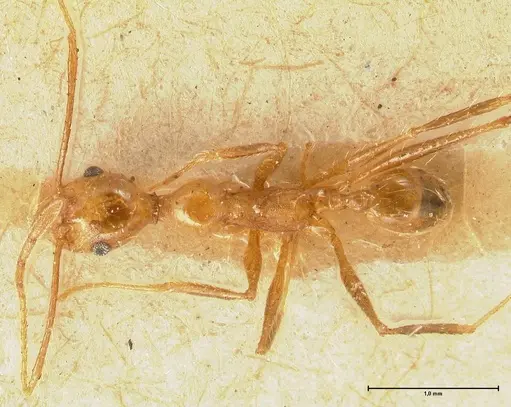
INBIOCRI002279397
View on AntWeb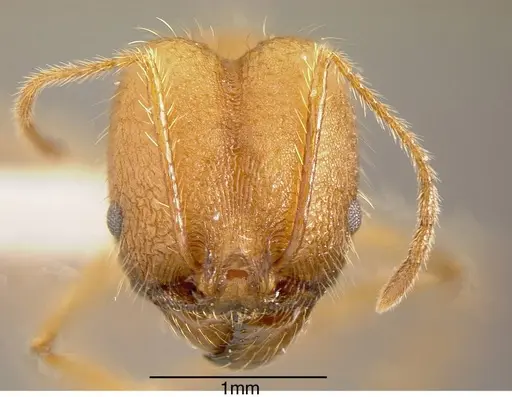
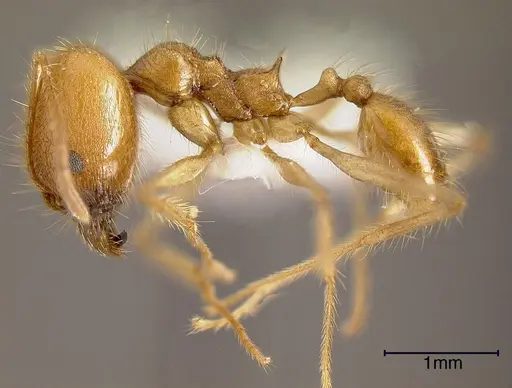
INBIOCRI002279401
View on AntWeb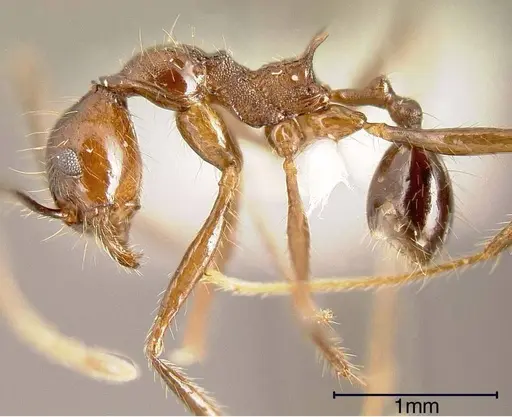
INBIOCRI002279404
View on AntWeb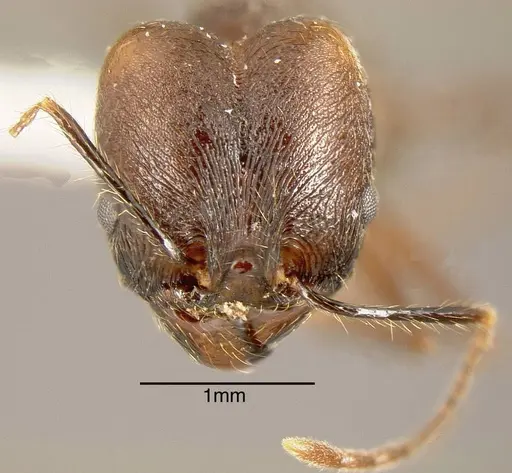
Literature
Loading distribution map...Loading products...