
Pheidole fimbriata
- Sci. Name
- Pheidole fimbriata
- Tribe
- Attini
- Subfamily
- Myrmicinae
- Author
- Roger, 1863
- Distribution
- Found in 13 countries
Introduction
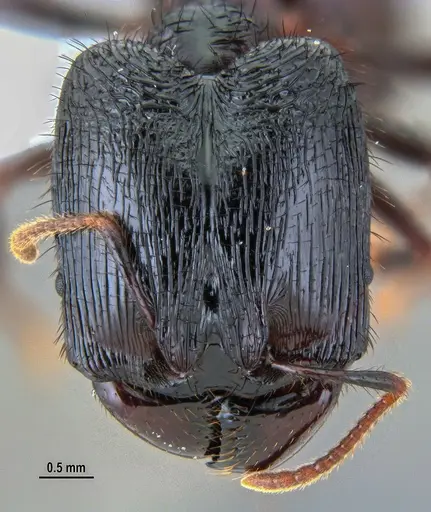
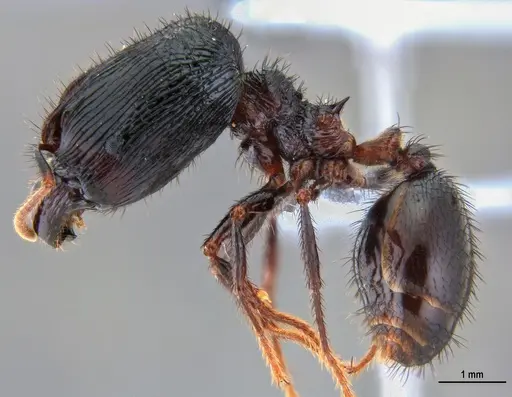
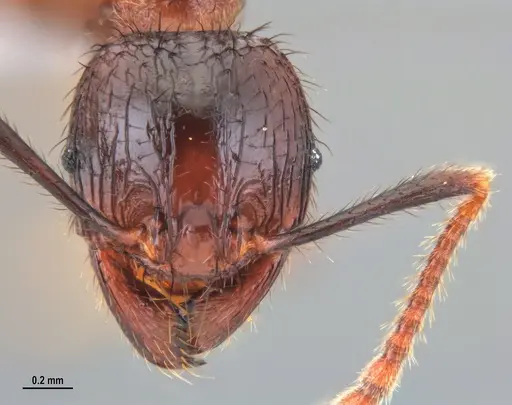
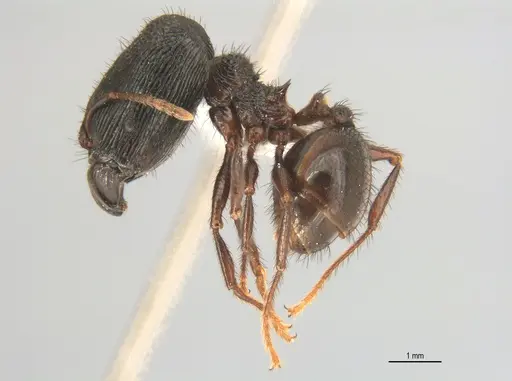
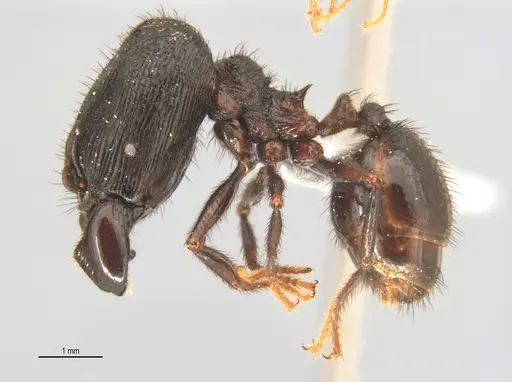
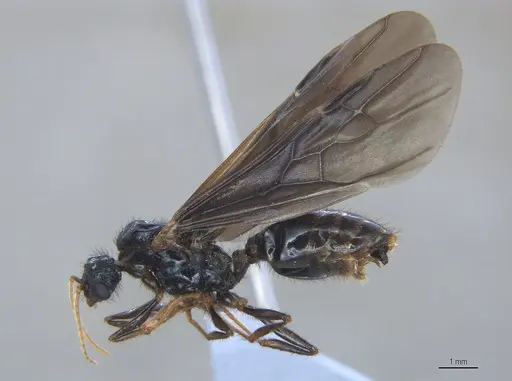
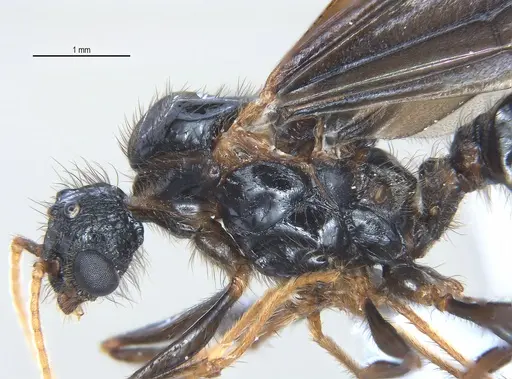
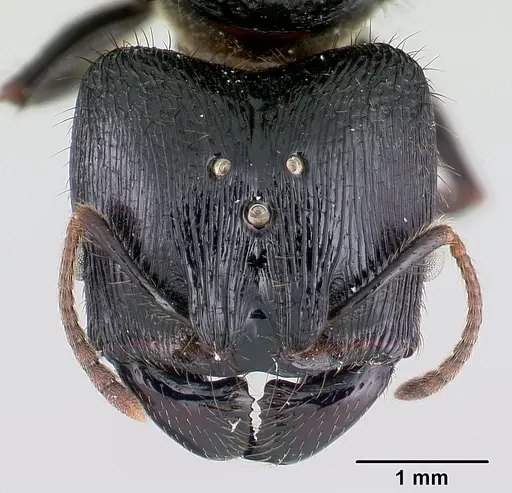
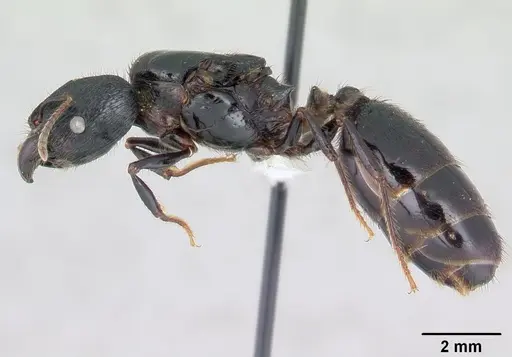
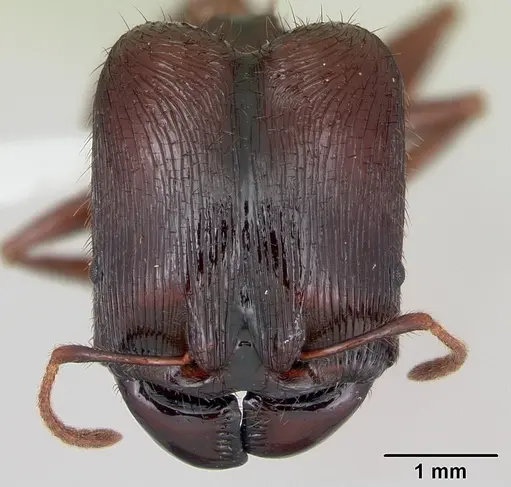
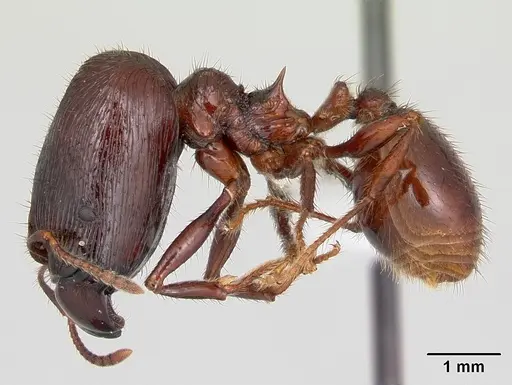
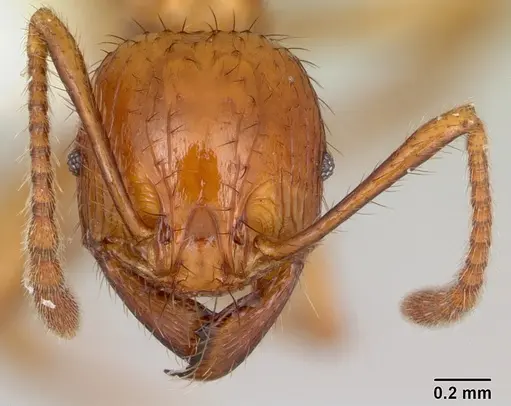
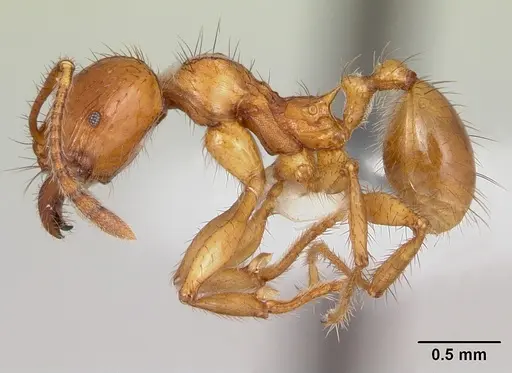
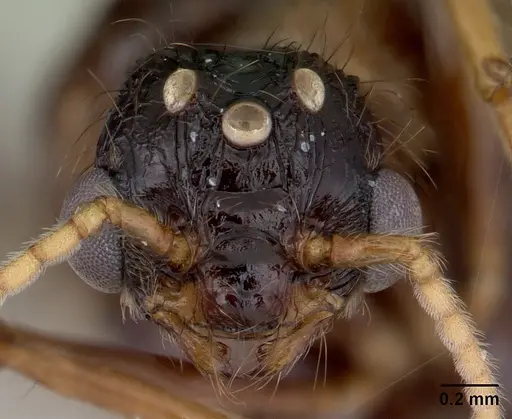
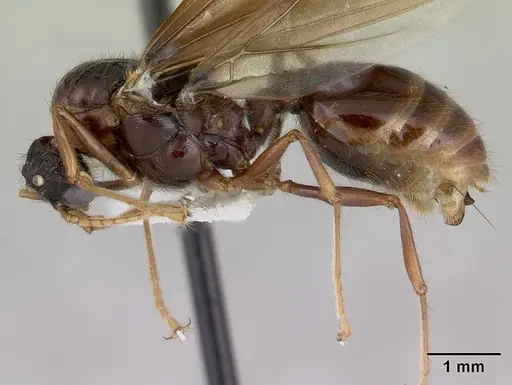
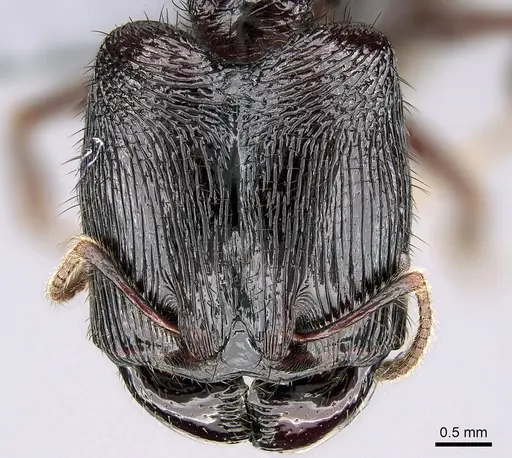
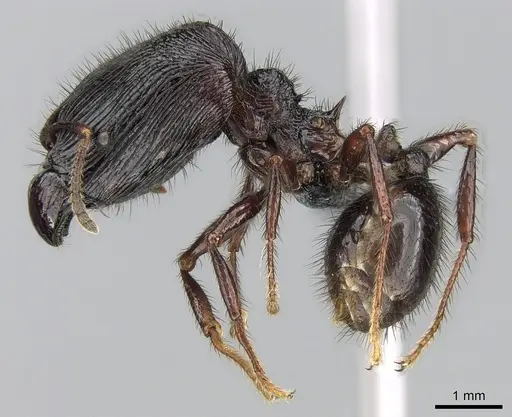
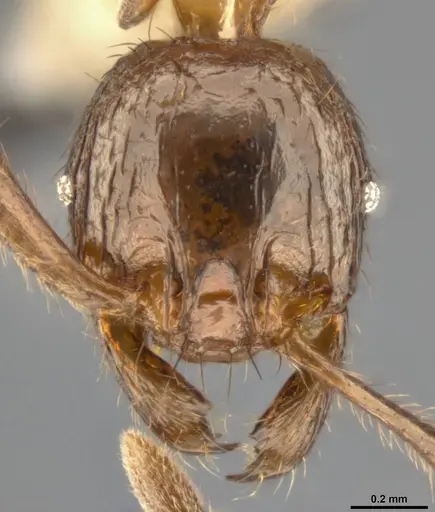
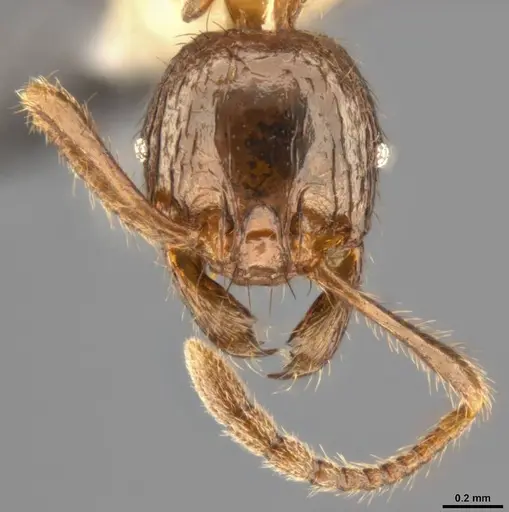
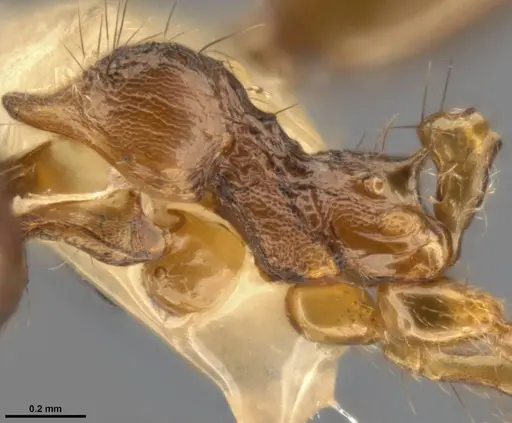
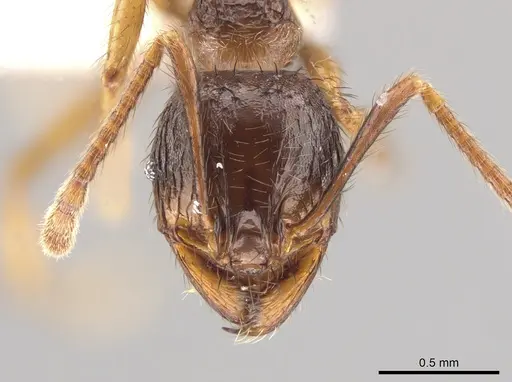
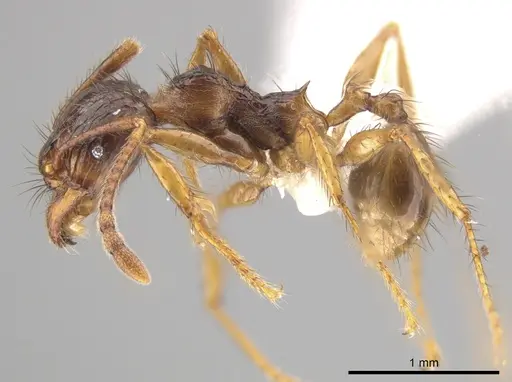
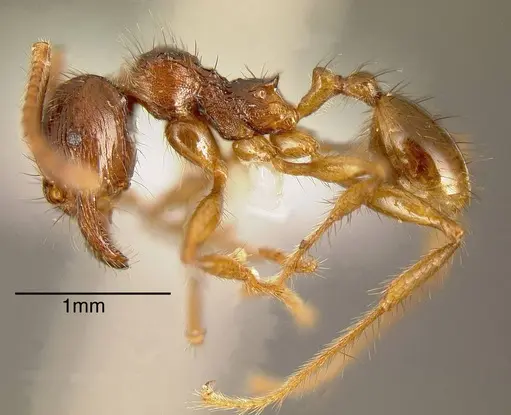
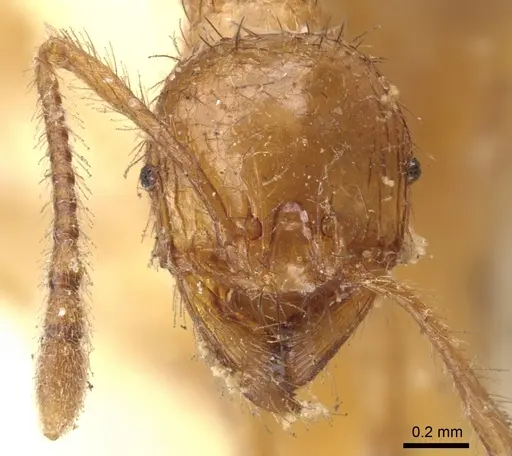
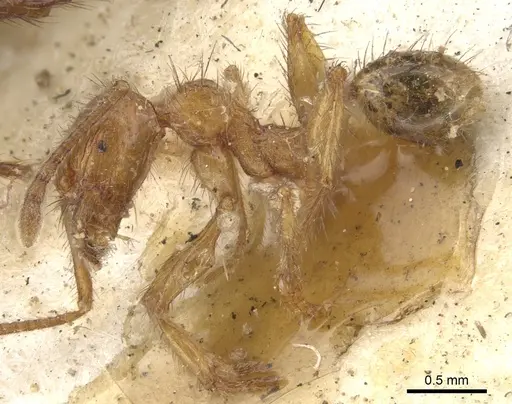
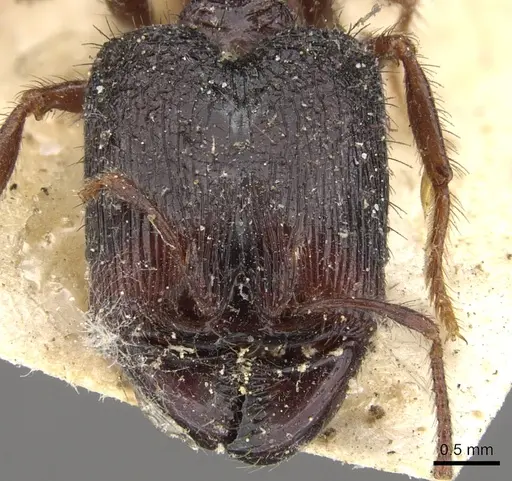
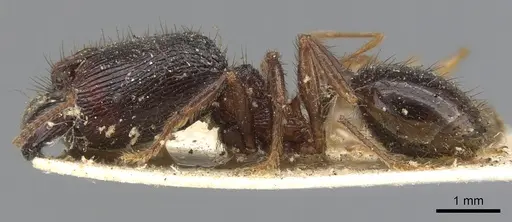
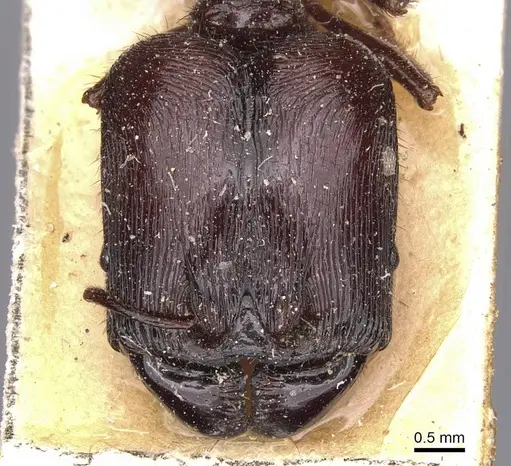
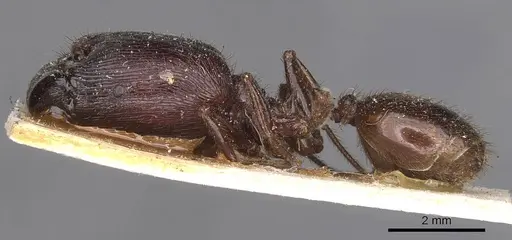
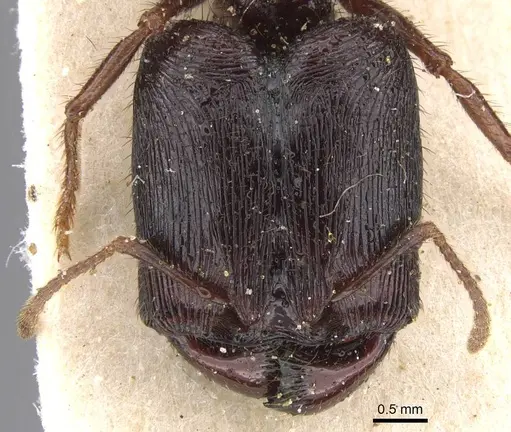
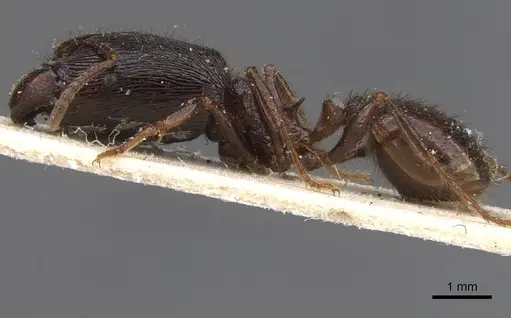
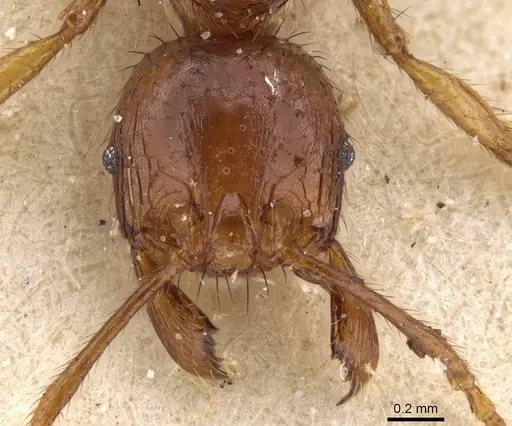
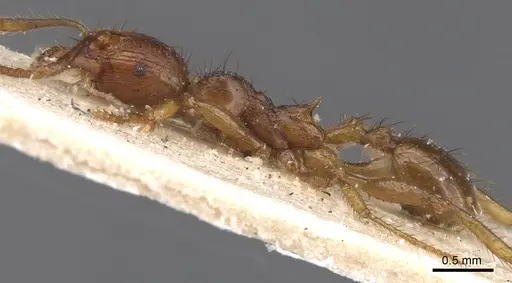
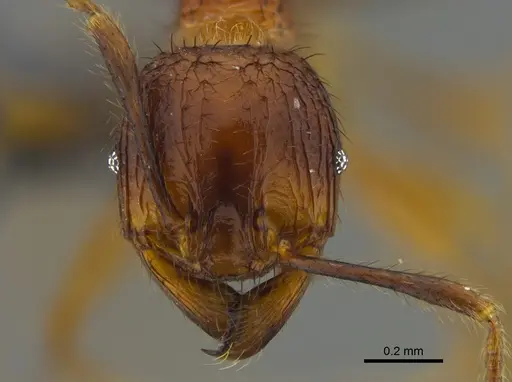
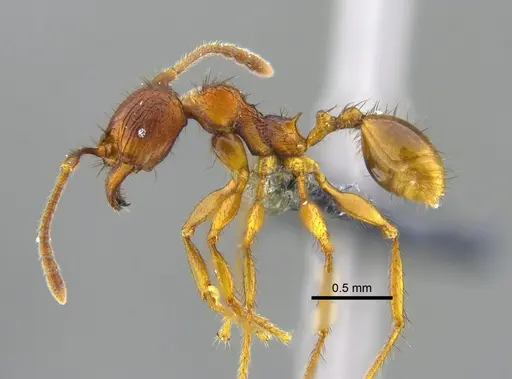
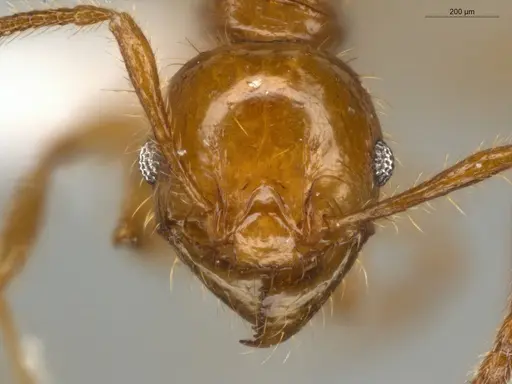
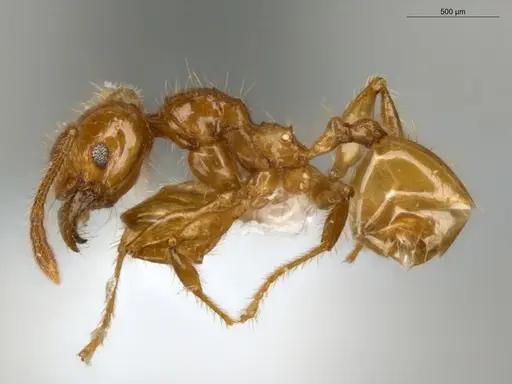
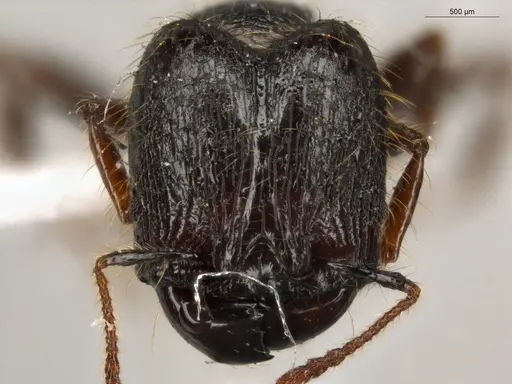
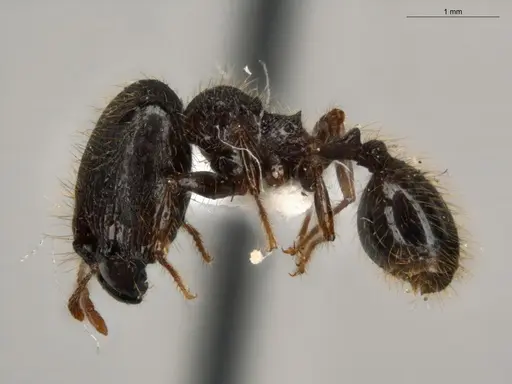
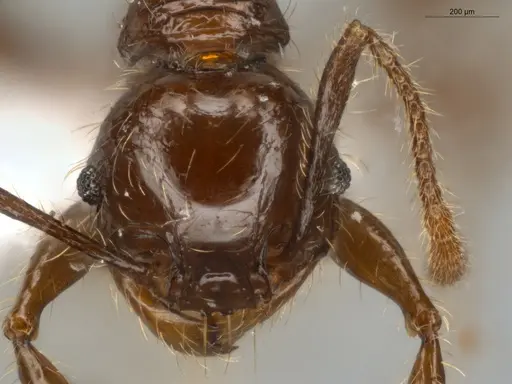
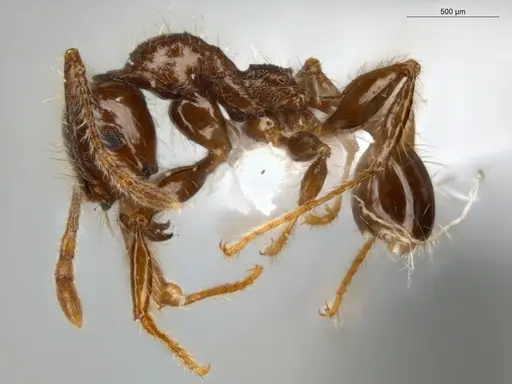
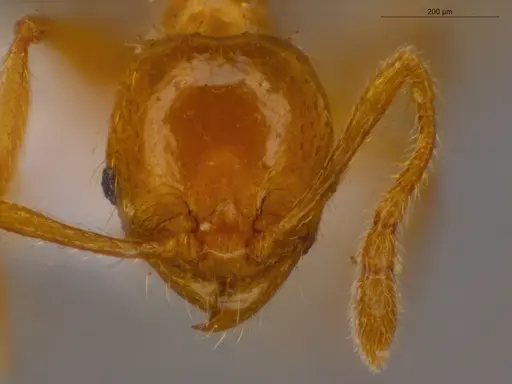
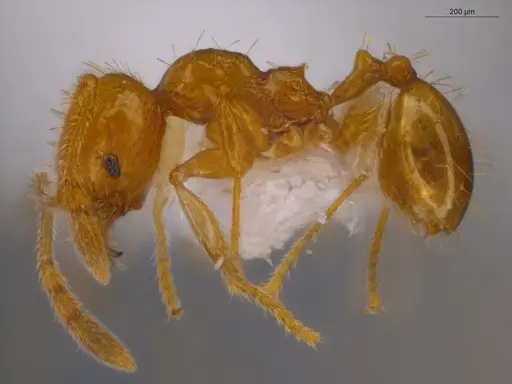
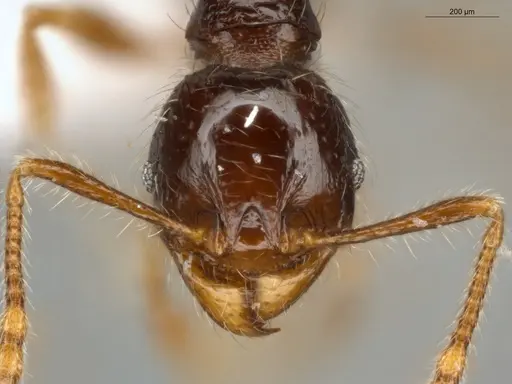
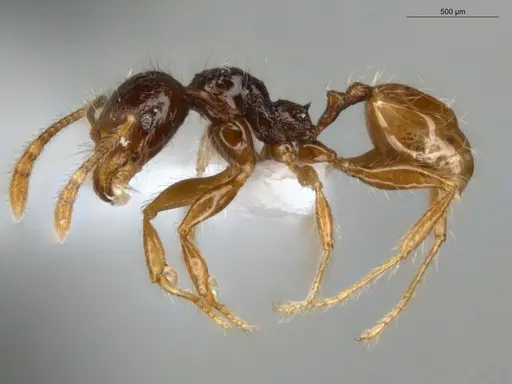
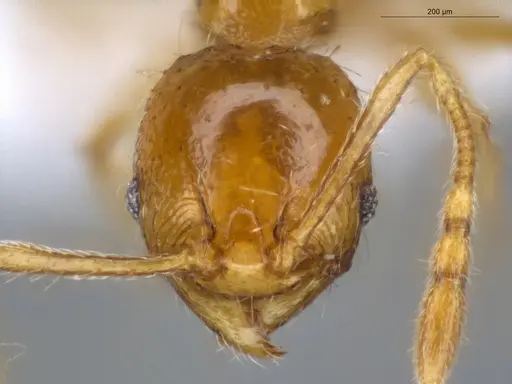
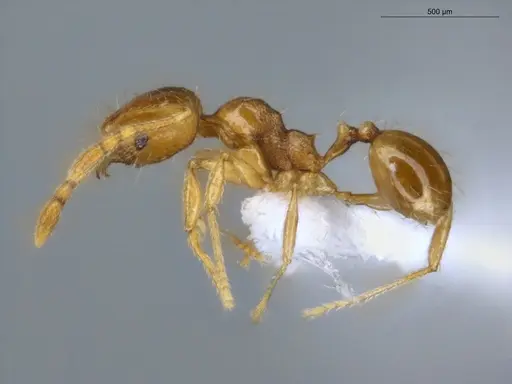
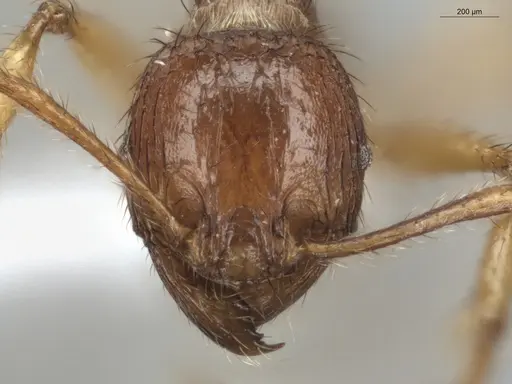
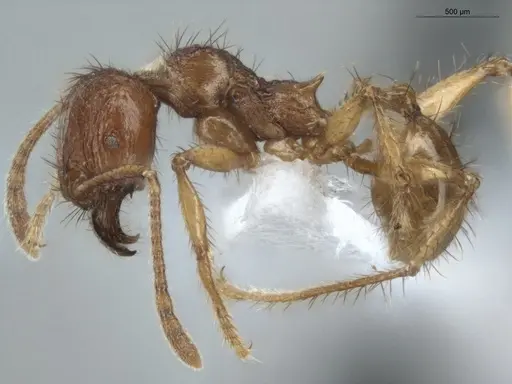
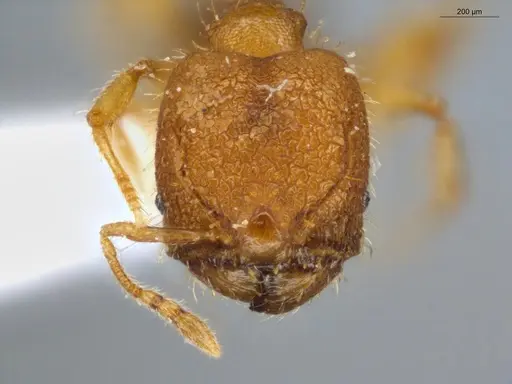
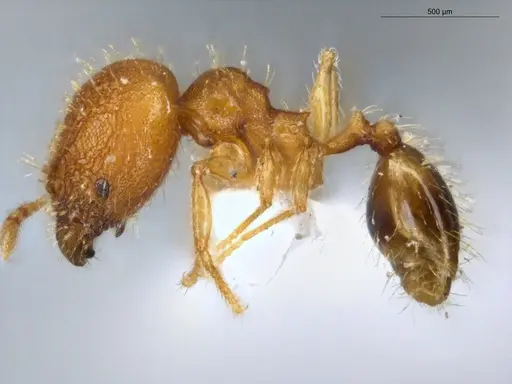
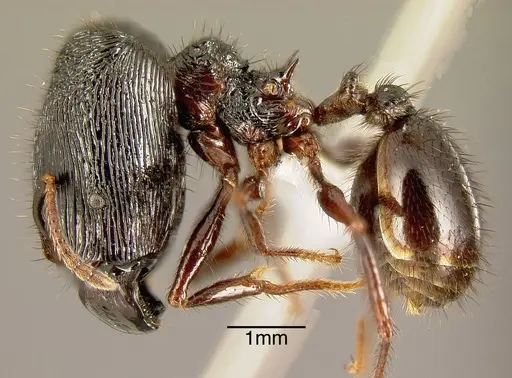
Pheidole fimbriata is one of the most widespread Neotropical ant species, ranging from Mexico down to northern Argentina . This is a dimorphic species with both small workers (minors) and large soldiers (majors). Majors have a distinctive dark reddish-brown color and small eyes, while minors are yellowish-brown . Both castes have a unique fringe of short hairs on the underside of their waist segments, which is how they got their scientific name 'fimbriata' meaning 'fringed' . What makes this species special is its strong nocturnal activity - it's one of the few Pheidole species that forages almost exclusively at night . They live in tropical forest environments and nest in soil or dead sticks on the forest floor . This is also a basal species within the genus Pheidole, meaning it represents an ancient evolutionary lineage .
Quick Summary
- Difficulty: Medium
- Origin & Habitat: Tropical forests throughout the Neotropical region, from Mexico through Central America to northern Argentina. They inhabit the forest floor in tropical rainforests and seasonal forests [1][7].
- Colony Type: Likely monogyne with single queen colonies, based on Pheidole patterns, but unconfirmed from specific literature.
- Size & Growth:
- Queen: Size data unavailable for body length. Inferred from Pheidole genus that queens are typically around 6-8 mm.
- Worker: Size data unavailable for body length. Castes are distinguished by head width and other morphological features [2].
- Colony: Up to several hundred workers, inferred from similar Pheidole species.
- Growth: Moderate
- Development: Unknown, no specific data available for this species. Based on related species, estimate 6-10 weeks at tropical temperatures, but this is an inference. (Development time is inferred from typical Pheidole patterns, direct measurements are not available.)
- Antkeeping:
- Temperature: Keep at 24-28°C. This is a tropical species native to warm Neotropical forests, so they need consistent warmth [4].
- Humidity: Keep nest substrate consistently moist but not waterlogged, as they are flood-intolerant [4].
- Diapause: No, as a tropical species, they do not require hibernation. Keep temperatures stable year-round [1].
- Nesting: In nature they nest in soil and dead sticks on the forest floor. In captivity, a naturalistic setup with soil or a Y-tong/plaster nest works well. They prefer tight chambers scaled to their small size. Avoid flooding, they are flood-intolerant [4].
- Behavior: These ants are primarily nocturnal foragers, one of the few Pheidole species with strong nighttime activity [4]. They are generalist foragers, known to collect seeds and tend aphids for honeydew [8]. Majors defend the colony and help process large food items. They are not aggressive toward keepers but majors can give a mild sting if handled roughly. Escape prevention is important, use fine mesh as minors are tiny.
- Common Issues: flood intolerance, they cannot survive flooded conditions, so keep nest substrate moist but never waterlogged [4]., nocturnal foraging means you may not see activity during the day, this is normal, not a problem., tiny minor workers can escape through standard mesh, use fine mesh or fluon barriers., slow colony establishment means beginners may lose patience, give them time to establish., wild-caught colonies may have parasites that can decimate the colony in captivity.
Housing and Nest Setup
Pheidole fimbriata does well in naturalistic setups that mimic their forest floor habitat. Use a substrate-based nest with moist soil or a plaster/Y-tong nest that holds humidity well. The nest should have small chambers scaled to their tiny size, minors are only about 1mm, so tight passages help them feel secure. Provide a water tube for humidity and a separate outworld for foraging. Because they are nocturnal, place the setup in a location with natural day/night cycles or use a timer to simulate this, you'll see much more activity when lights are off. They are flood-intolerant, so avoid overwatering the substrate [4]. A thin layer of moist substrate (1-2cm) is sufficient, they don't need deep soil like some species.
Feeding and Diet
This species is a generalist forager with a varied diet. In the wild, they collect seeds and tend honeydew-producing insects, plus hunt small invertebrates [8]. In captivity, offer protein sources like small crickets, mealworms, or fruit flies twice weekly. Sugar is important too, offer honey water or sugar water regularly, especially when colonies have many workers. They are known or suspected granivores, so you could occasionally offer tiny seeds, but protein should be the primary food. Remove uneaten prey after 24 hours to prevent mold. Feed more generously as the colony grows, established colonies can consume several prey items per day.
Temperature and Seasonal Care
As a tropical species from Neotropical forests, Pheidole fimbriata needs warm temperatures year-round. Keep the nest at 24-28°C consistently, this range supports normal colony activity and brood development [4]. Unlike temperate species, they do not require hibernation or diapause. A heating cable under one side of the nest creates a temperature gradient so ants can self-regulate. Avoid temperatures below 20°C for extended periods. Room temperature in most homes (22-25°C) is usually suitable, but you may need to add gentle heating in cooler climates. Sudden temperature drops can stress colonies and slow or stop brood development.
Behavior and Colony Dynamics
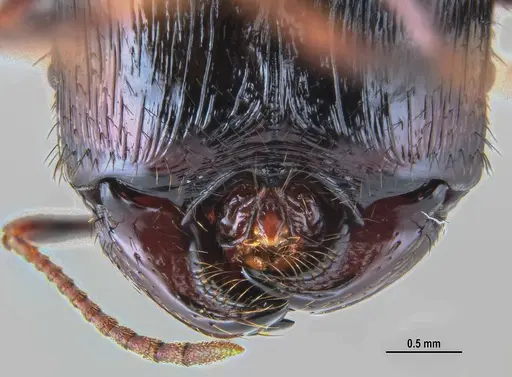
This species is notably nocturnal, they are one of the only Pheidole species with strong nighttime foraging activity [4]. You may see minimal activity during daylight hours, with major activity starting around dusk. The colony contains two distinct worker castes: small minors handle most foraging and brood care, while large majors defend the nest and help process large food items. Majors have distinctive large heads with powerful mandibles. Colonies grow moderately, expect several months to a year before you see significant numbers. Once established, colonies can reach several hundred workers. They are not aggressive but majors will defend if the nest is disturbed, and can deliver a mild sting.
Growth and Development
Pheidole fimbriata is a basal species within the genus Pheidole, meaning it represents an ancient evolutionary lineage [5][6]. This may influence their development patterns. Like other Pheidole, they likely produce nanitic (first) workers that are smaller than normal workers, then subsequent generations grow larger as the colony establishes. Development from egg to worker is unknown for this species, but based on related Pheidole, it may take 6-10 weeks at optimal tropical temperatures (around 26-28°C). Growth is moderate, don't expect rapid colony expansion. The key to healthy development is consistent warmth, adequate humidity, and regular protein feeding.
Frequently Asked Questions
How long does it take for Pheidole fimbriata to produce first workers?
No specific data is available for this species. Based on related Pheidole species, estimate 6-10 weeks from founding to first workers at tropical temperatures. Keep the queen warm (around 26°C) and provide humidity for best results.
Are Pheidole fimbriata good for beginners?
This species is rated as Medium difficulty. They require tropical conditions (warmth and humidity year-round), which means more active temperature management than temperate species. Their nocturnal activity pattern means you won't see as much daytime activity. However, they are not aggressive and don't require special diets. Beginners willing to maintain warm, humid conditions can succeed with this species.
Can I keep multiple Pheidole fimbriata queens together?
This species is likely monogyne, single-queen colonies. Combining unrelated queens is not recommended as they will likely fight. Only keep one queen per colony.
What do I feed Pheidole fimbriata?
Offer protein sources like small crickets, mealworms, or fruit flies twice weekly. They also need sugar, provide honey water or sugar water regularly. They may accept tiny seeds occasionally. Remove uneaten prey after 24 hours.
Why is my Pheidole fimbriata colony not active during the day?
This is normal! Pheidole fimbriata is one of the few Pheidole species that forages almost exclusively at night [4]. You will see most activity in the evening and early morning hours. During the day, workers will mostly stay in the nest.
Do Pheidole fimbriata need hibernation?
No. As a tropical species from Neotropical forests, they do not require hibernation or any cold period. Keep temperatures stable year-round at 24-28°C.
How big do Pheidole fimbriata colonies get?
Based on similar species, colonies likely reach several hundred workers. They are considered a rare species in the wild, so large colonies may take over a year to develop [4]. Patience is key with this species.
What makes Pheidole fimbriata different from other Pheidole?
This species has two unique traits: it is one of the only Pheidole species with strong nocturnal (nighttime) activity, and it is a basal species in the genus phylogeny, representing an ancient evolutionary lineage [4][5][6]. They also have a distinctive fringe of hairs on their waist segments.
When should I move Pheidole fimbriata to a formicarium?
Keep founding colonies in a simple test tube setup until they have 20-30 workers. Once the colony outgrows the test tube or you see workers spending significant time in the outworld, transfer to a naturalistic setup or formicarium. They prefer tight chambers, so avoid overly large spaces.
Report an Issue
The current care sheet is based fully on literature. See inconsistencies, or something that's incorrect? Please , it will be resolved after review from an admin. Contributing to the blogs tab also helps providing information, to make us be able to further improve the caresheets. Thank you for your support!
References

This caresheet is licensed under CC BY-SA 4.0 .
Community Blogs
ANTWEB1047536
View on AntWeb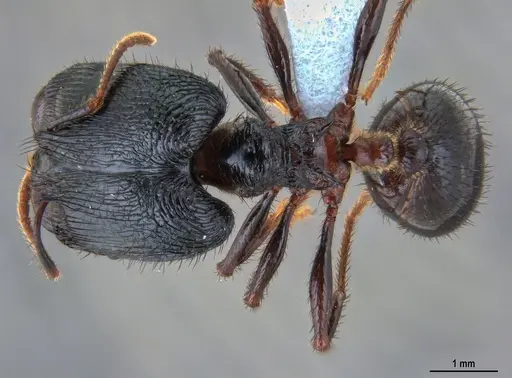
ANTWEB1047722
View on AntWeb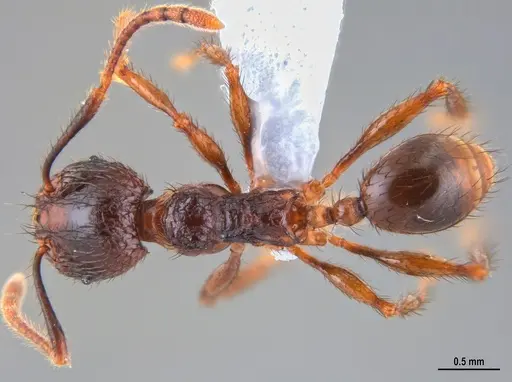
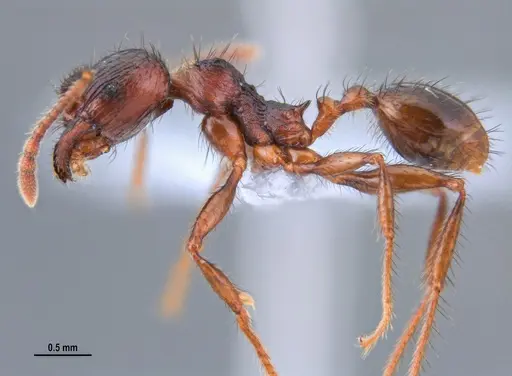
ANTWEB1053379
View on AntWeb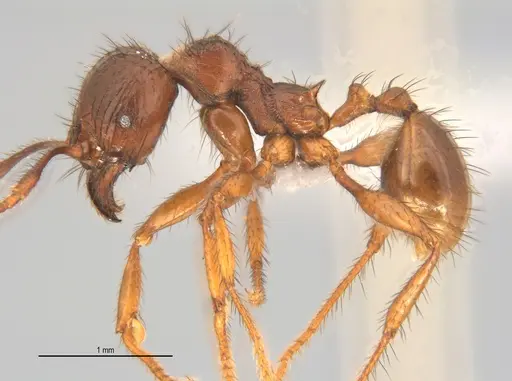
ANTWEB1053382
View on AntWeb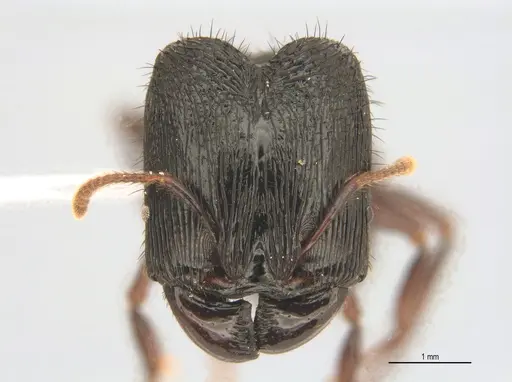
ANTWEB1053384
View on AntWeb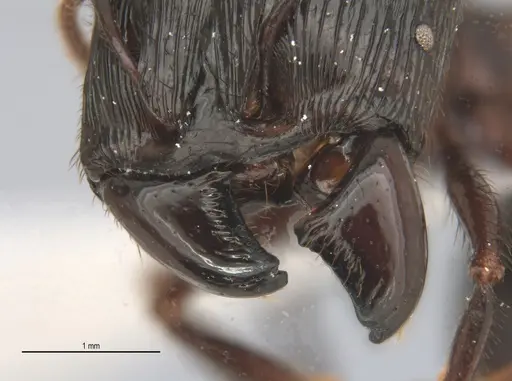
ANTWEB1053733
View on AntWeb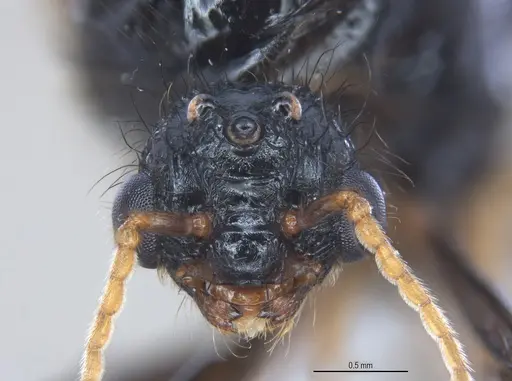
CASENT0178016
View on AntWeb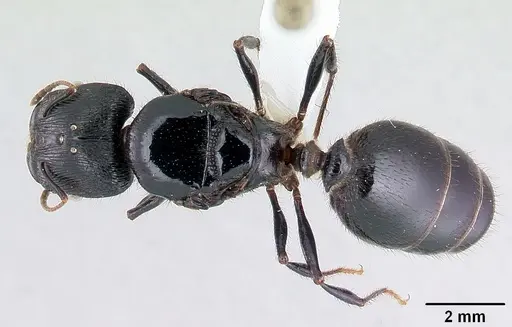
CASENT0178017
View on AntWeb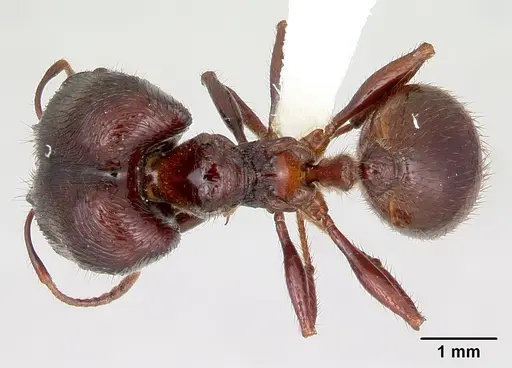
CASENT0178018
View on AntWeb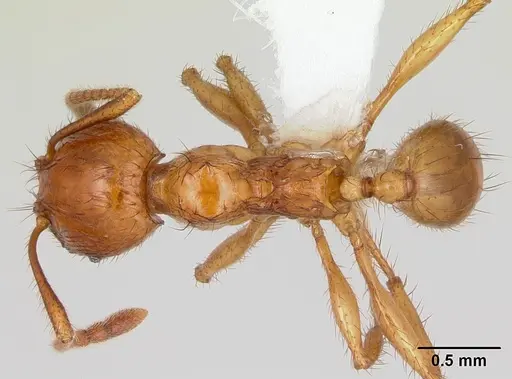
CASENT0178019
View on AntWeb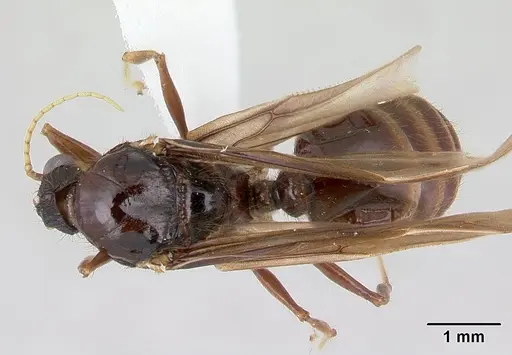
CASENT0235906
View on AntWeb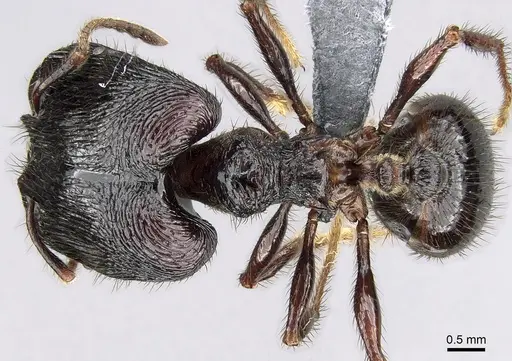
CASENT0283061
View on AntWeb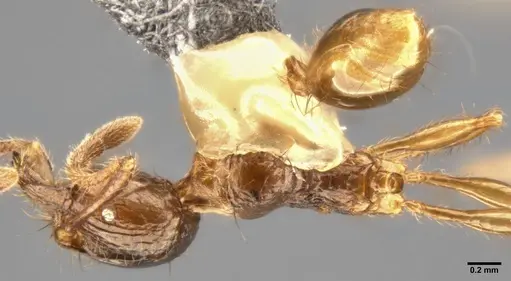
CASENT0623790
View on AntWeb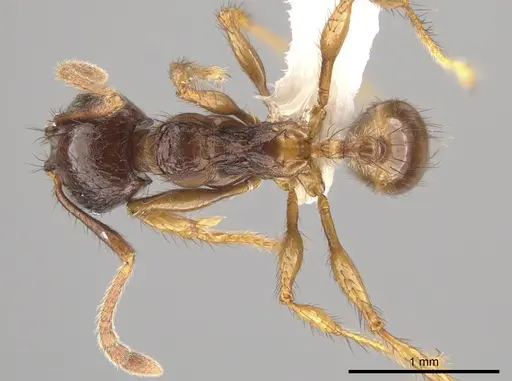
CASENT0635465
View on AntWeb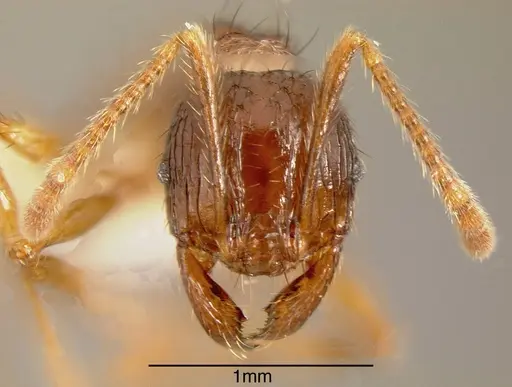
CASENT0901581
View on AntWeb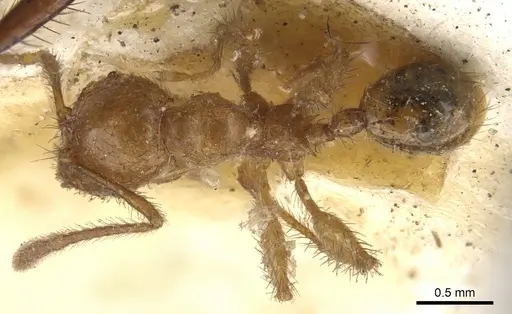
CASENT0901582
View on AntWeb
CASENT0907762
View on AntWeb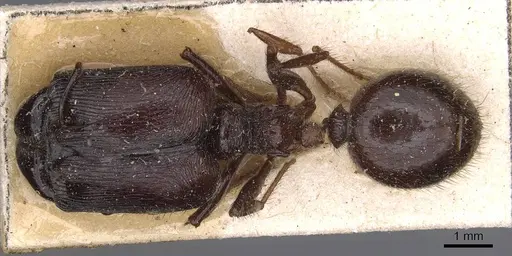
CASENT0913317
View on AntWeb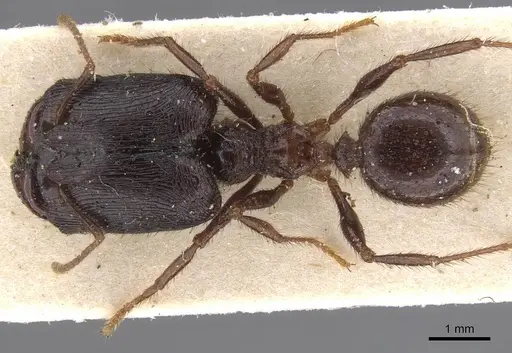
CASENT0913318
View on AntWeb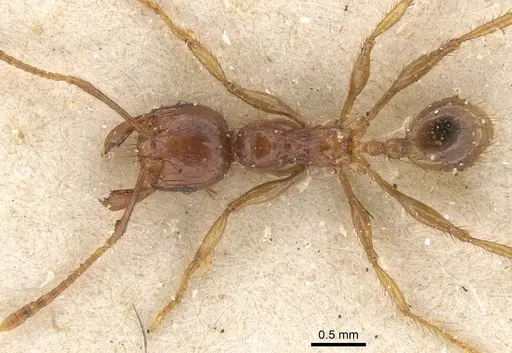
CBUMAGENT42009
View on AntWeb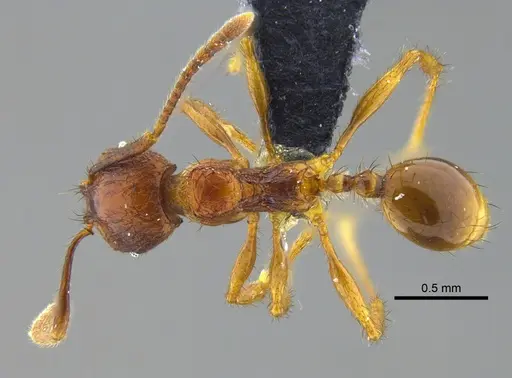
ECOFOG-IT14-0155-25
View on AntWeb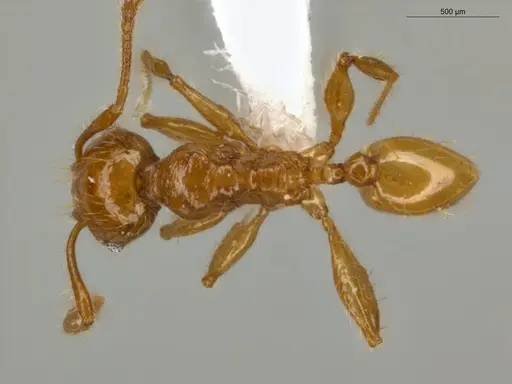
ECOFOG-IT14-0957-44-S
View on AntWeb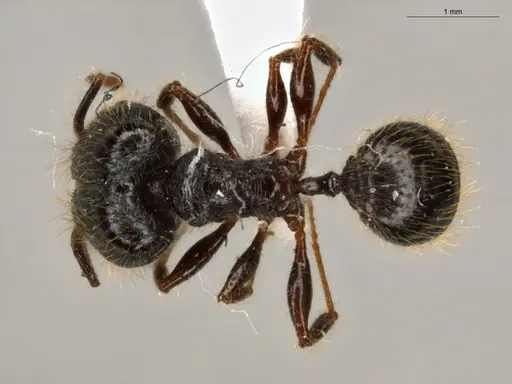
ECOFOG-IT14-0957-44
View on AntWeb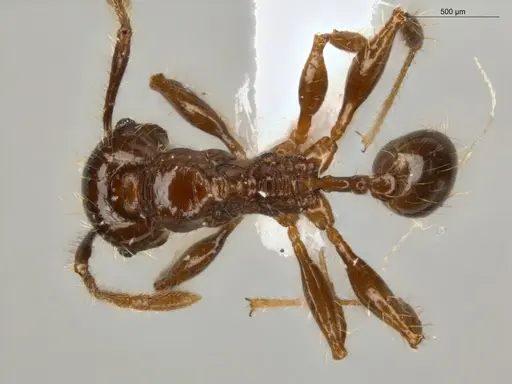
ECOFOG-IT14-0965-74
View on AntWeb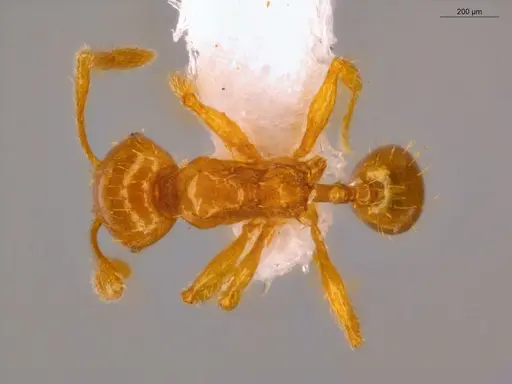
ECOFOG-LA15-0220-04
View on AntWeb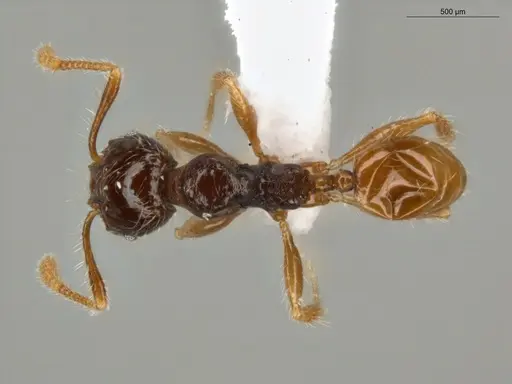
ECOFOG-MI15-0347-29
View on AntWeb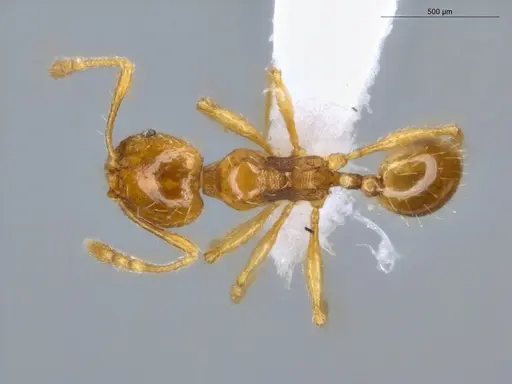
ECOFOG-MI15-0357-43
View on AntWeb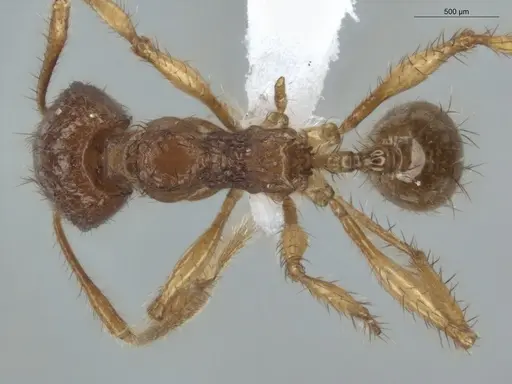
ECOFOG-SL13-0016-14-S
View on AntWeb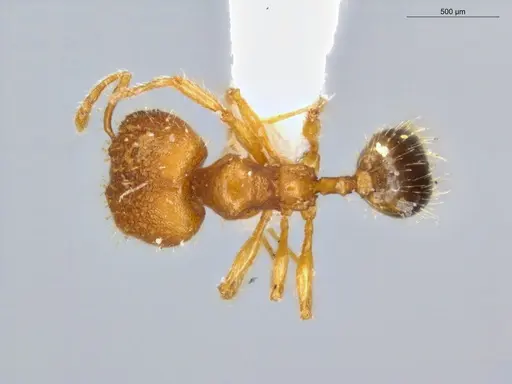
INBIOCRI001254272
View on AntWeb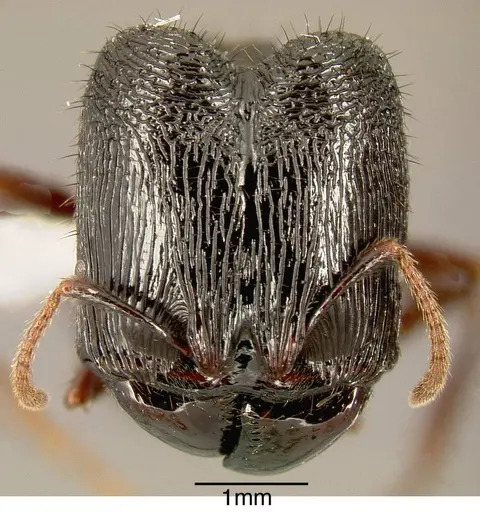
Literature
Loading distribution map...Loading products...