
Pheidole fervens
- Sci. Name
- Pheidole fervens
- Tribe
- Attini
- Subfamily
- Myrmicinae
- Author
- Smith, 1858
- Distribution
- Found in 18 countries
Introduction
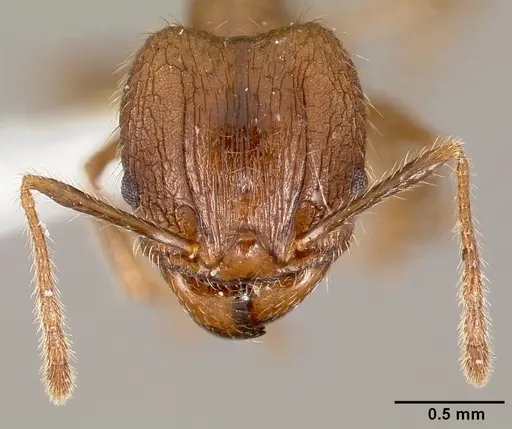
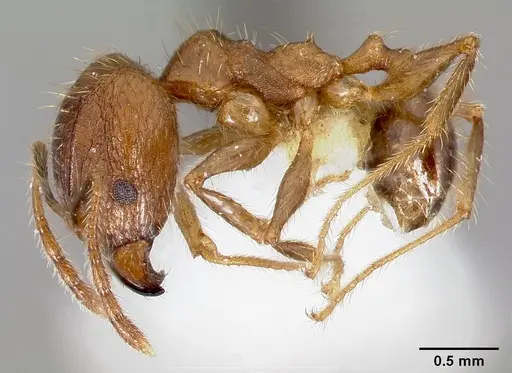
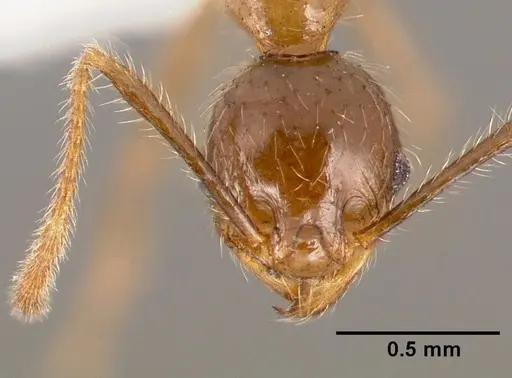
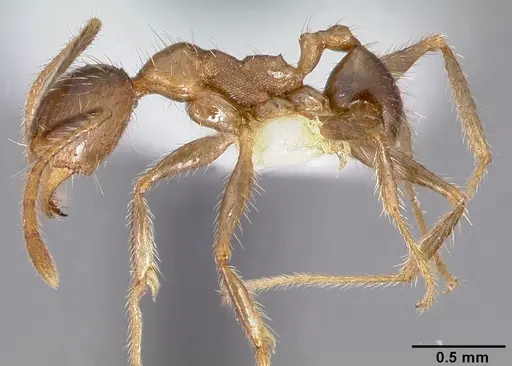
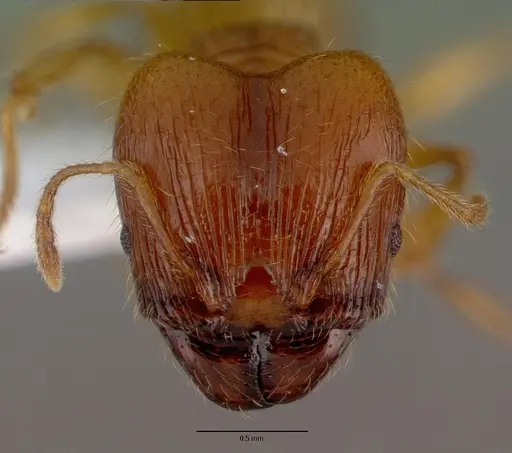
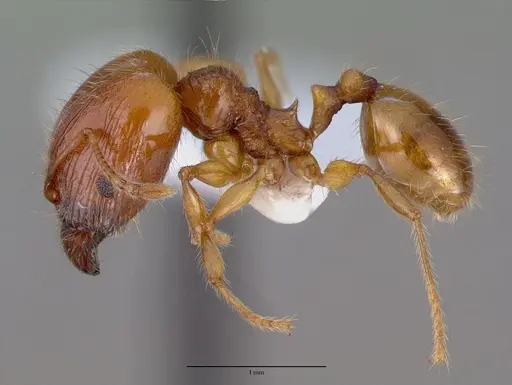
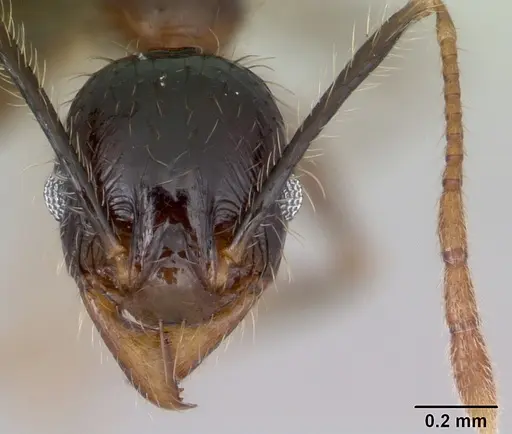
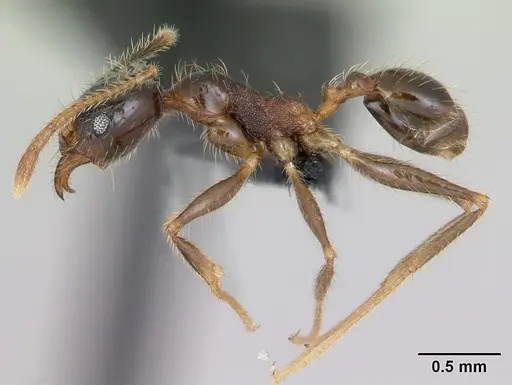
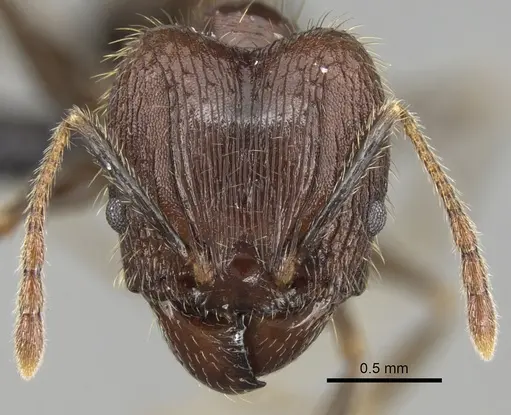
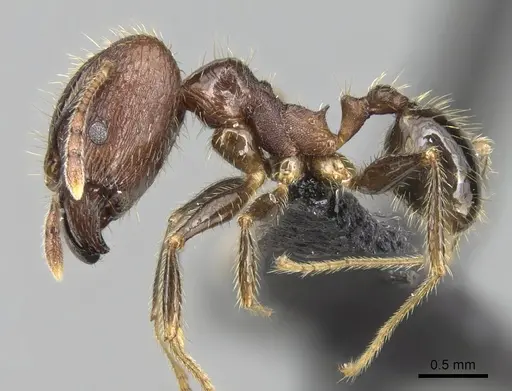
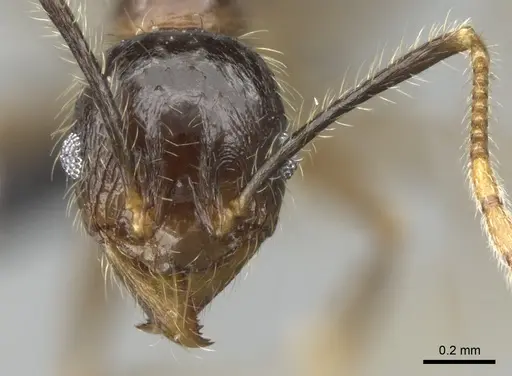
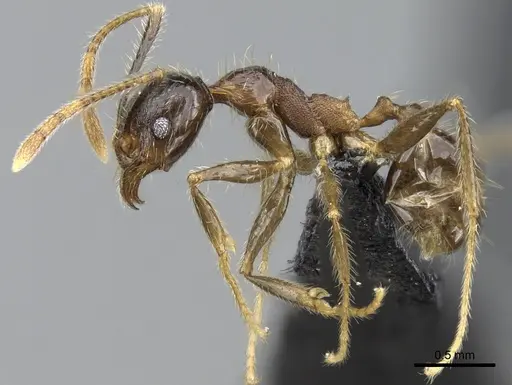
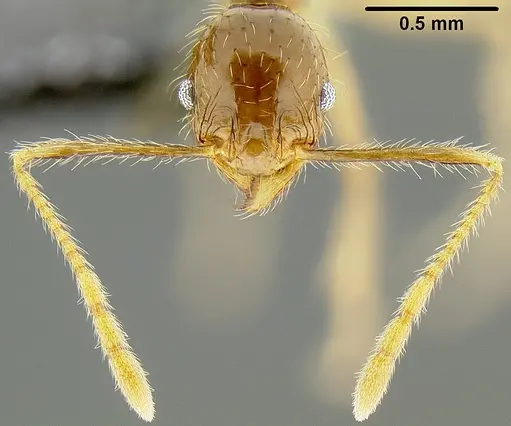
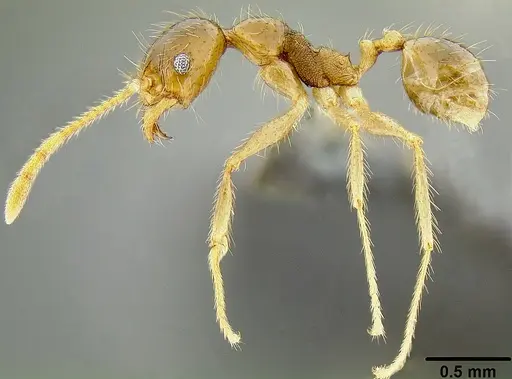
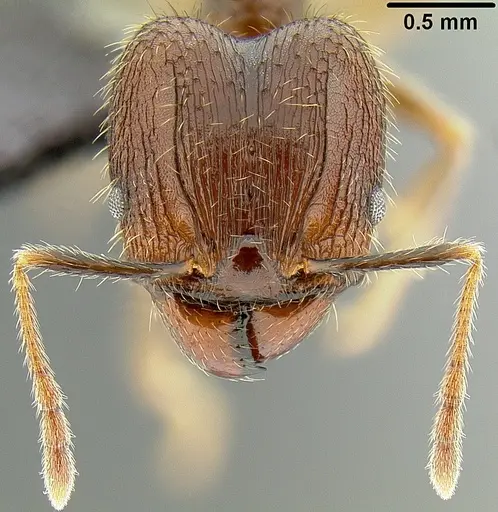
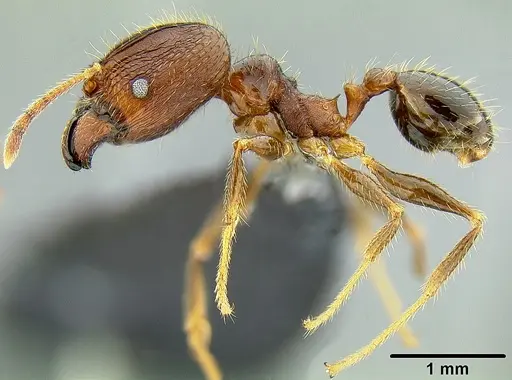
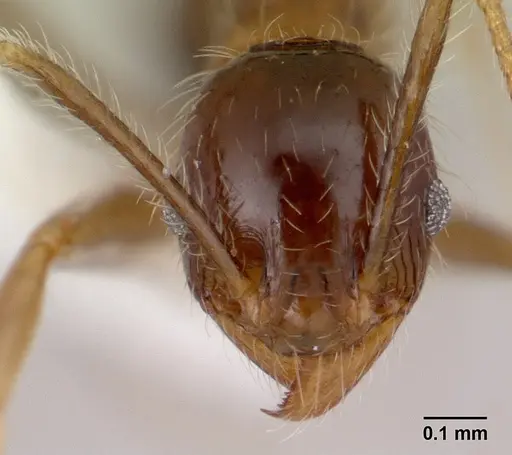
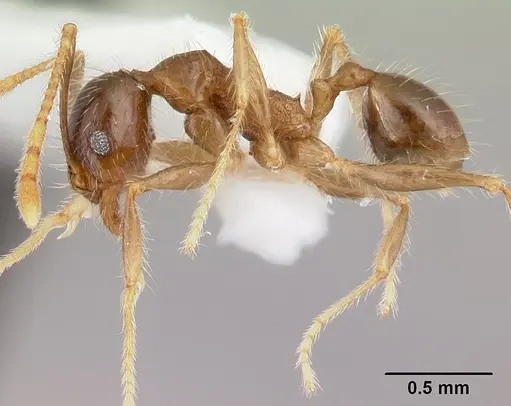
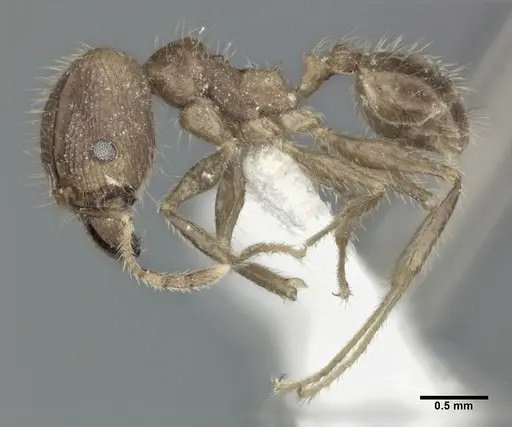
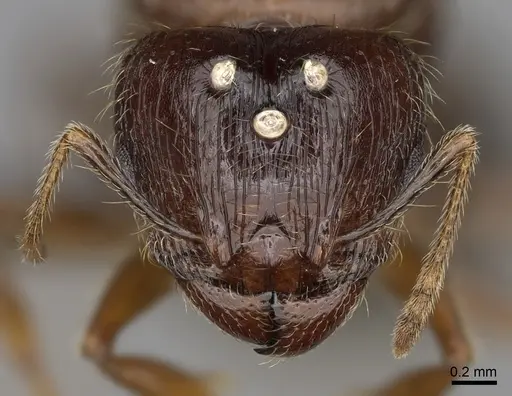
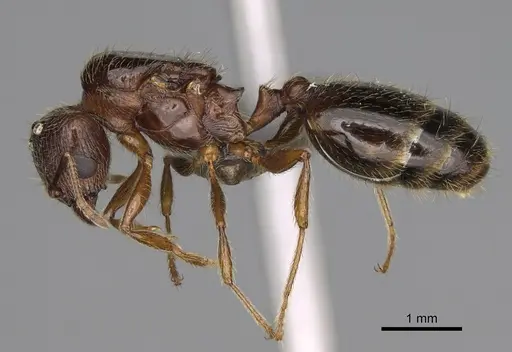
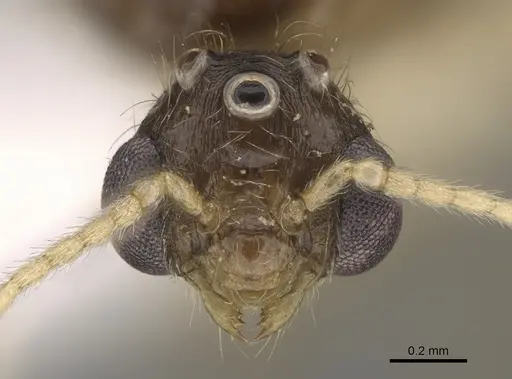
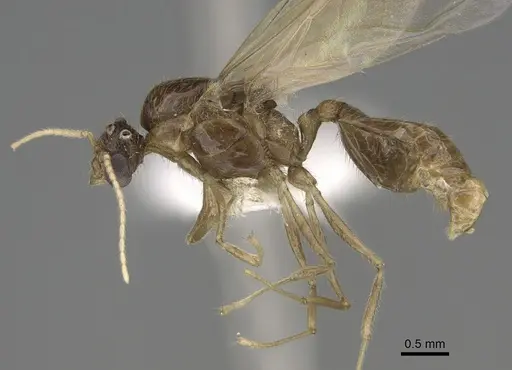
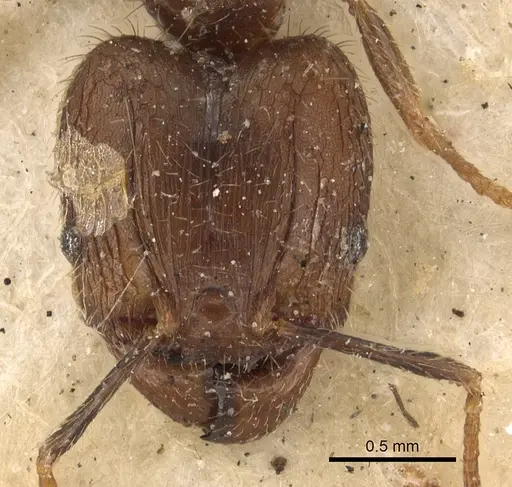
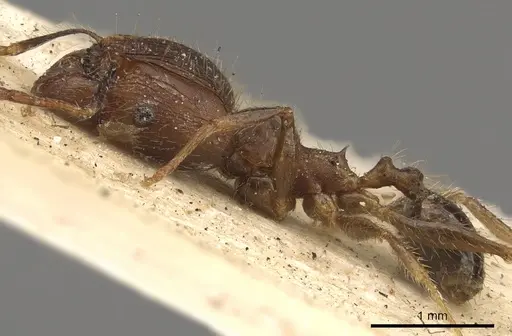
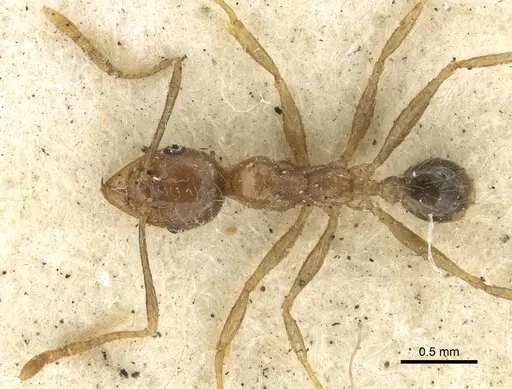
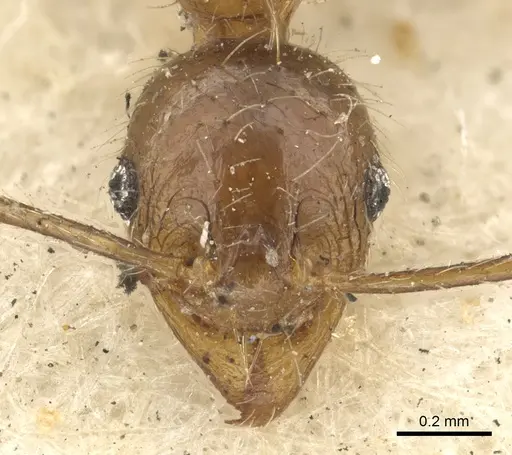
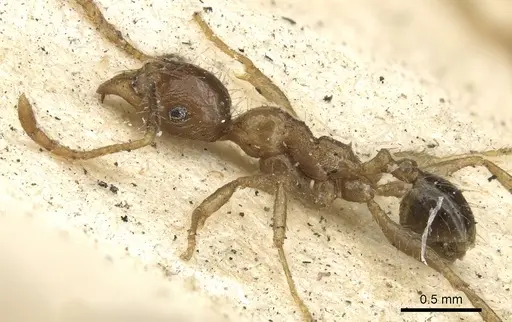
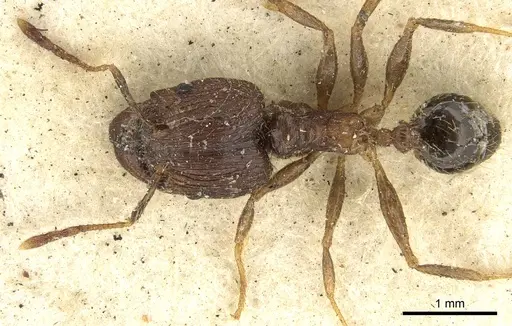
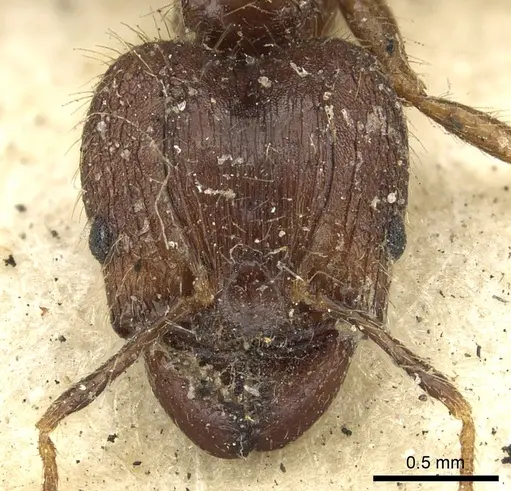
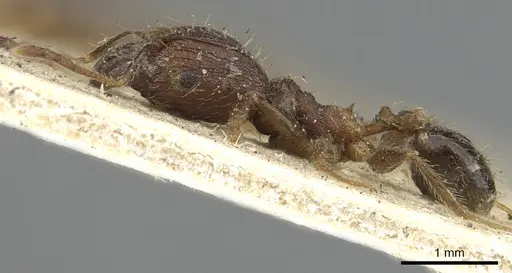
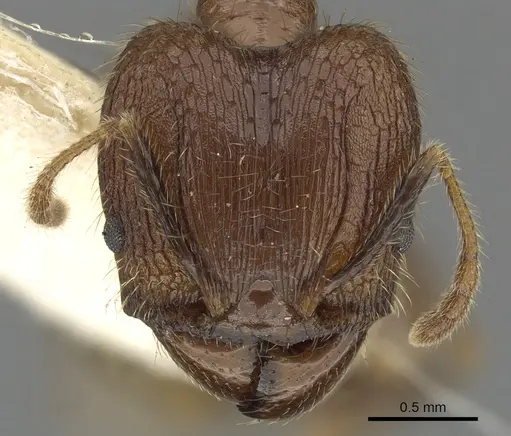
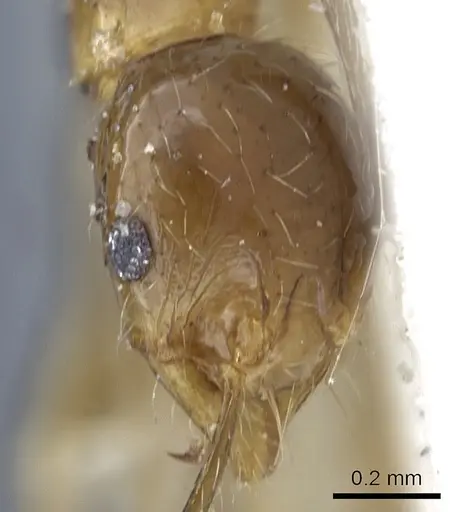
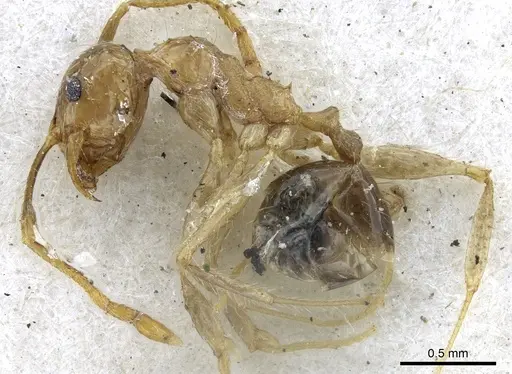
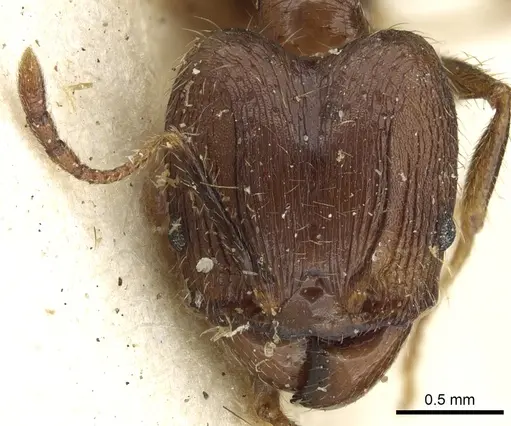
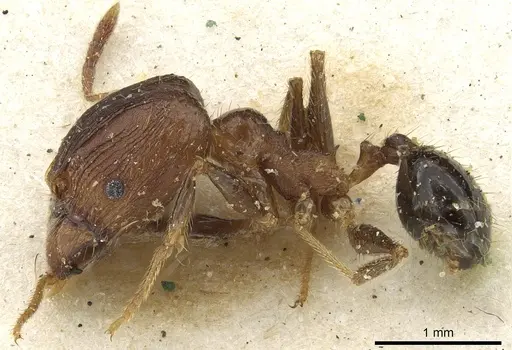
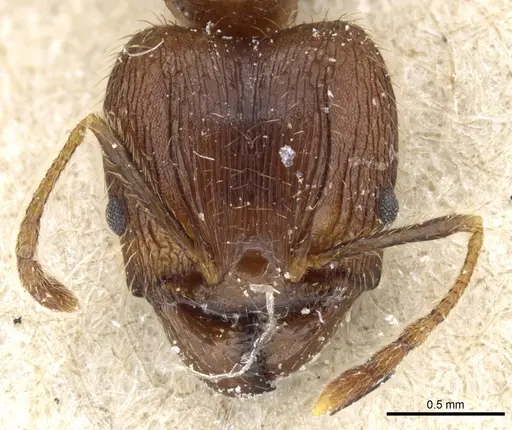
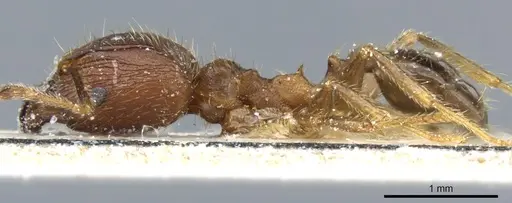
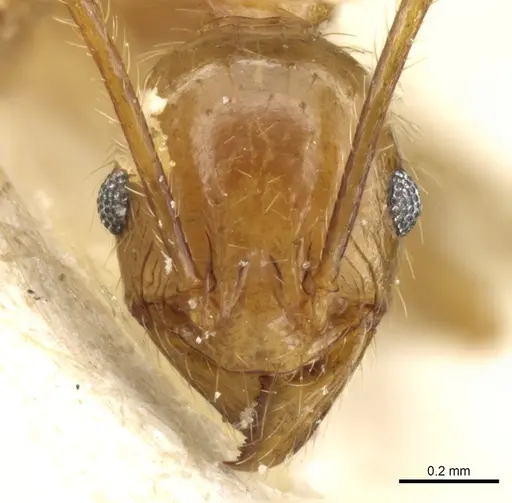
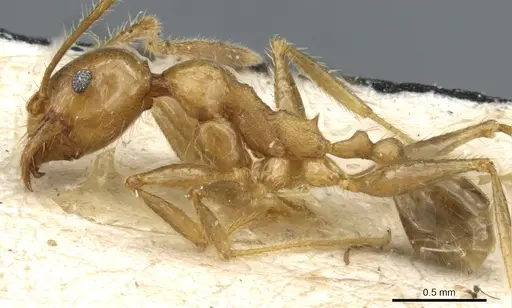
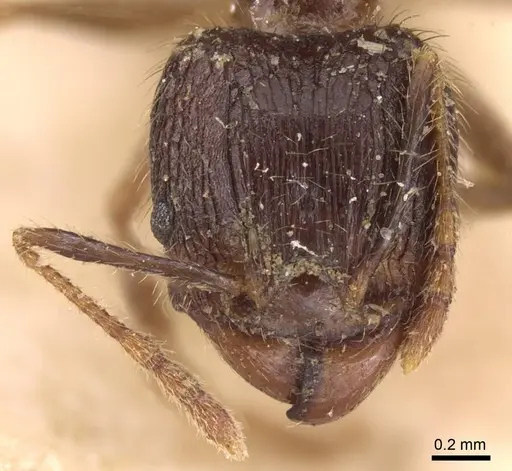
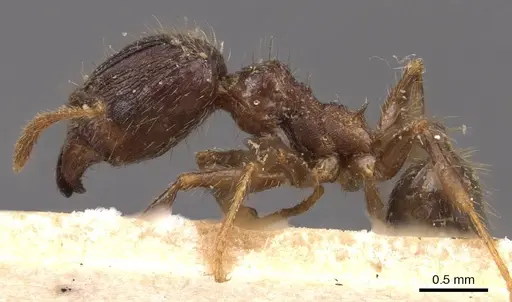
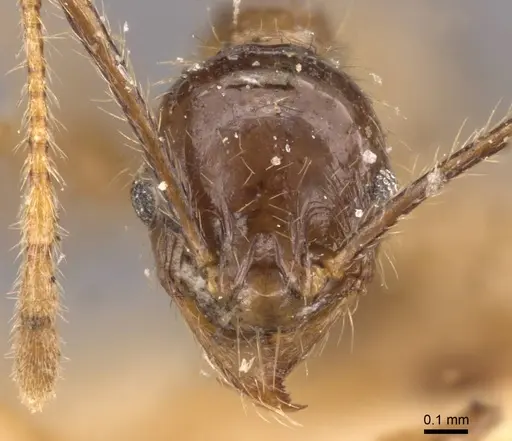
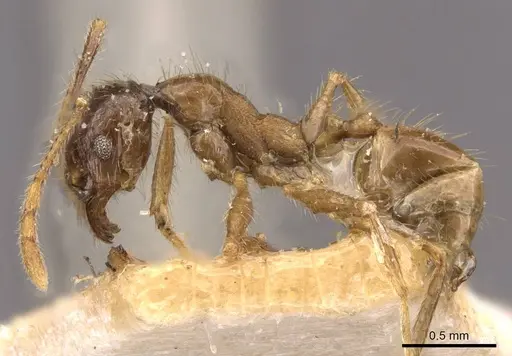
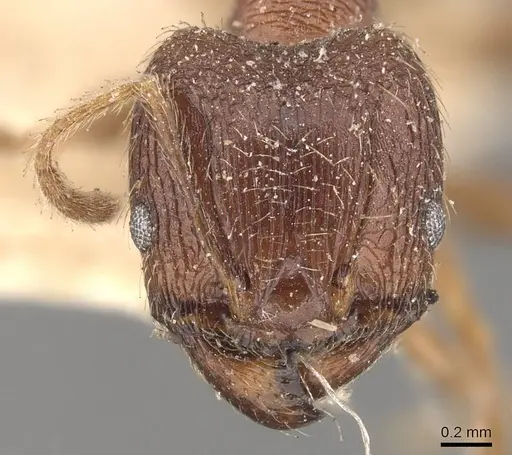
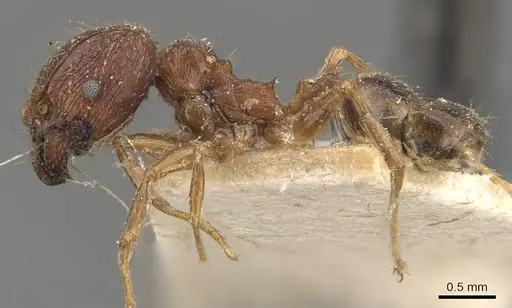
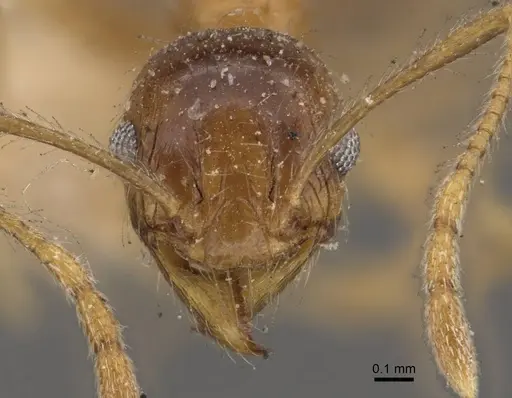
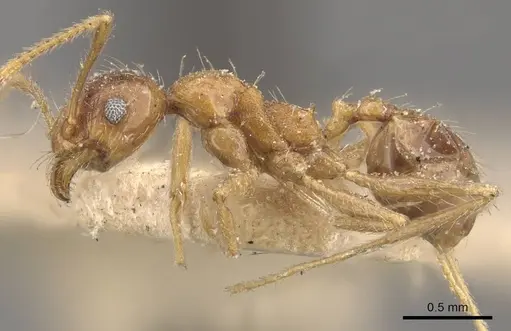
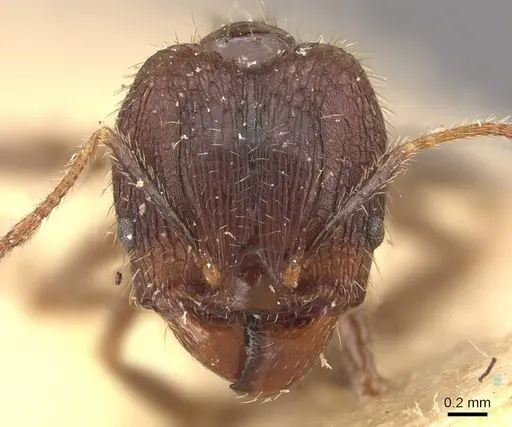
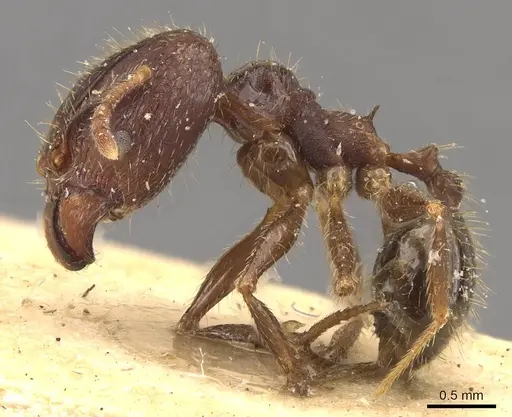
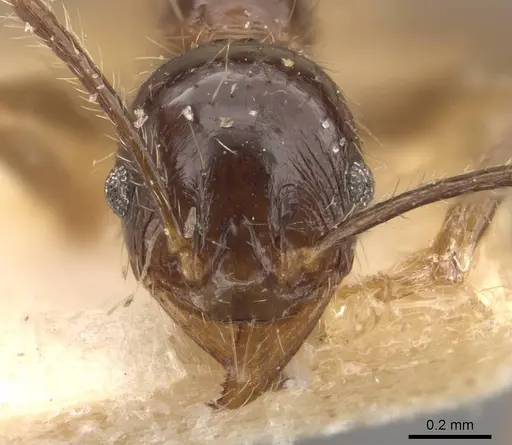
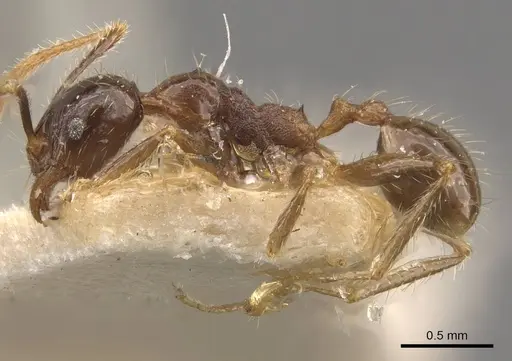
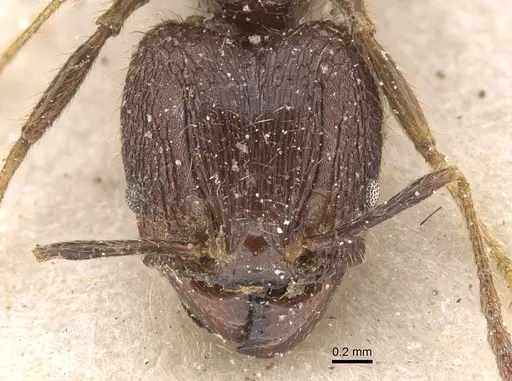
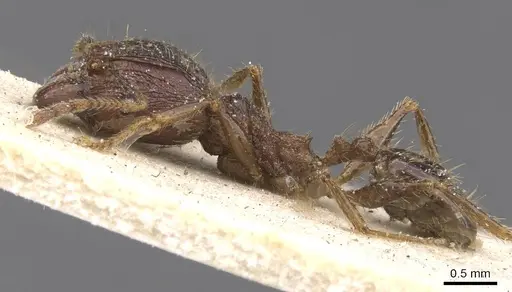
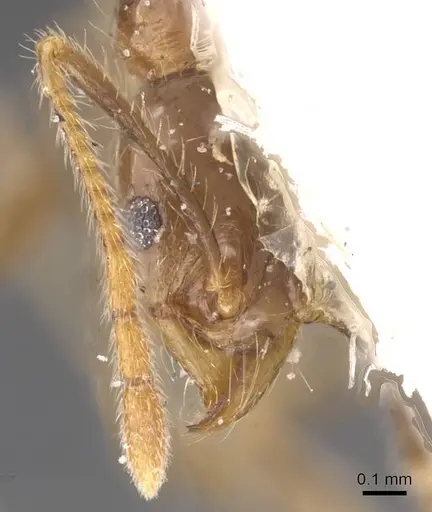
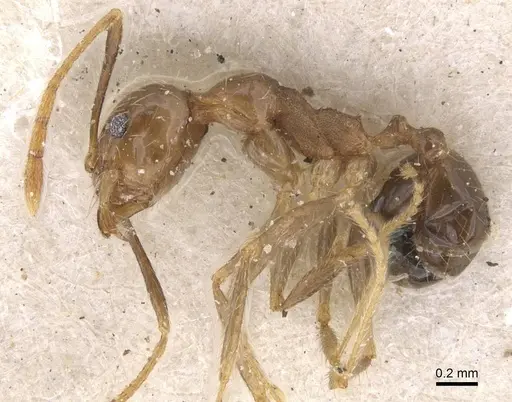
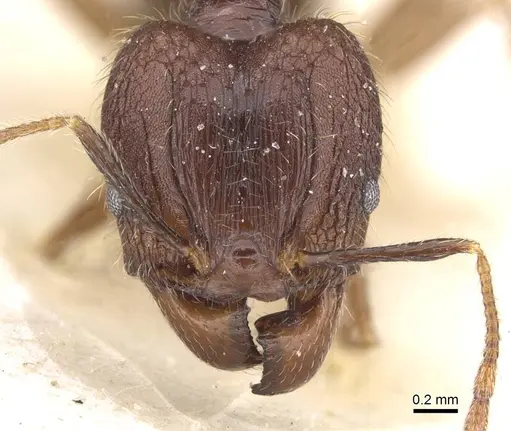
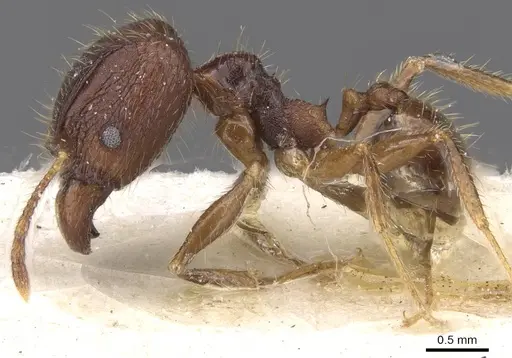
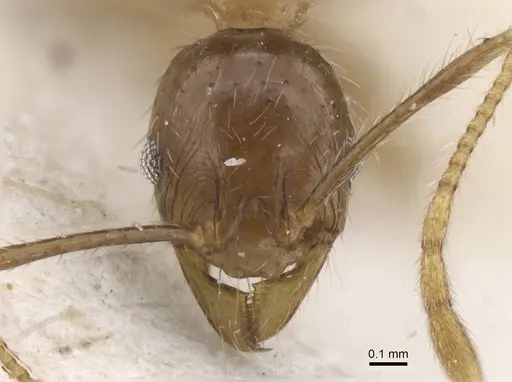
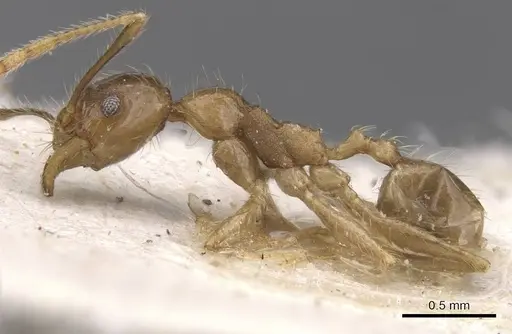
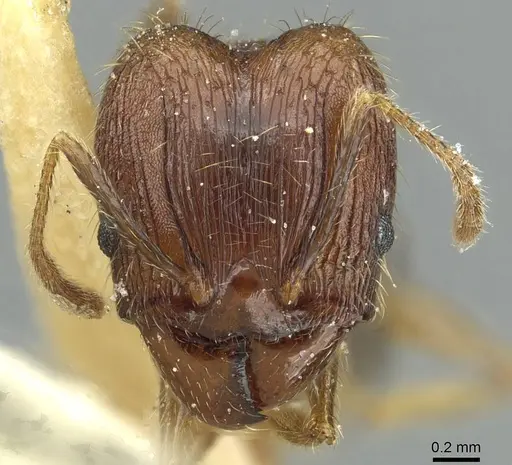
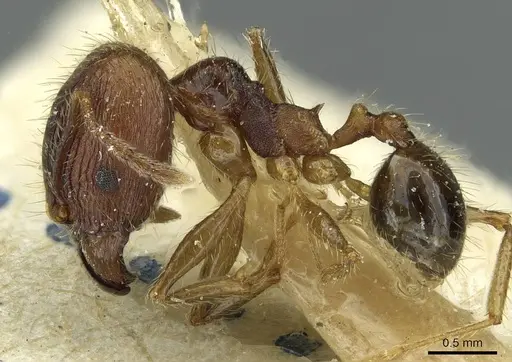
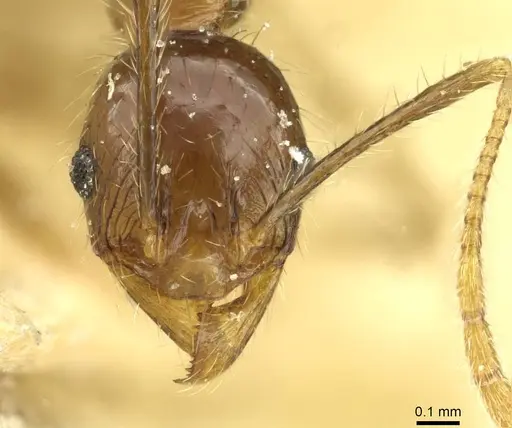
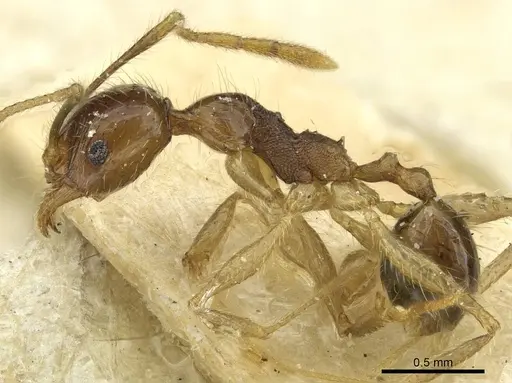
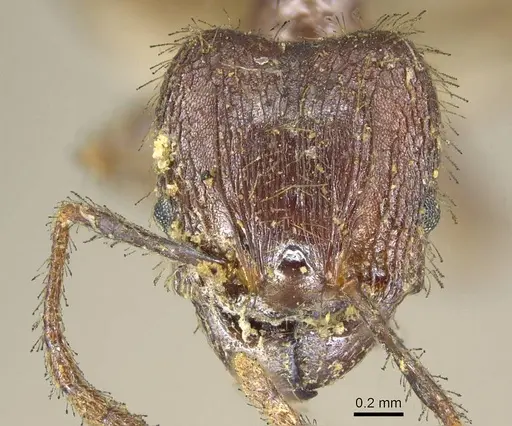
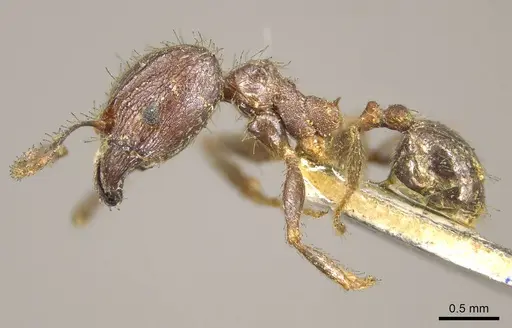
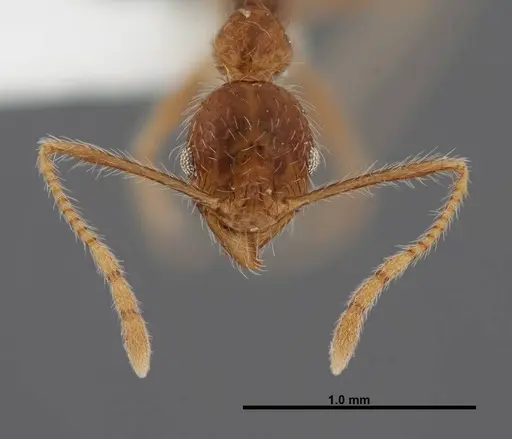
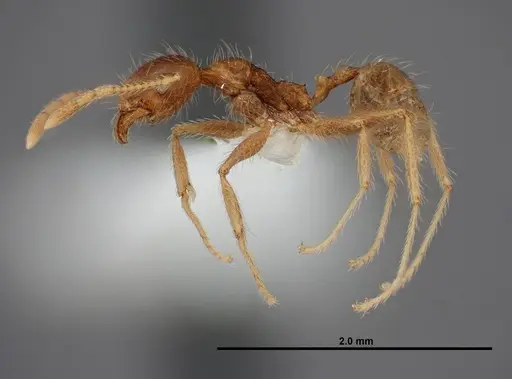
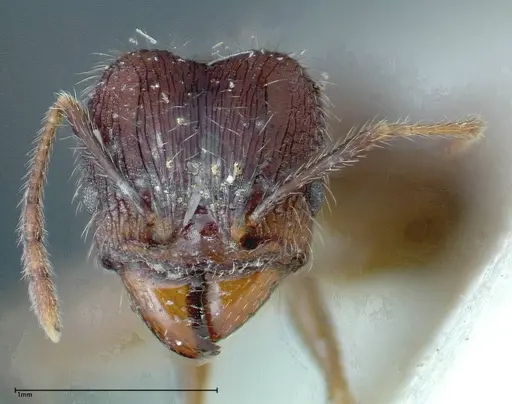
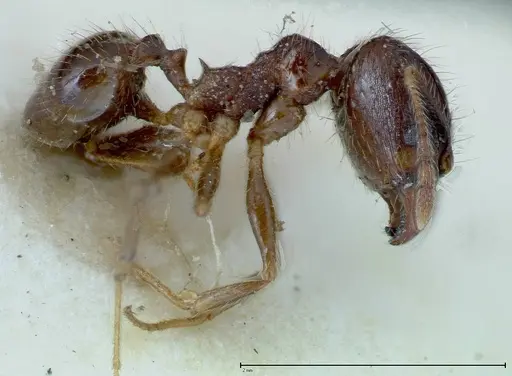
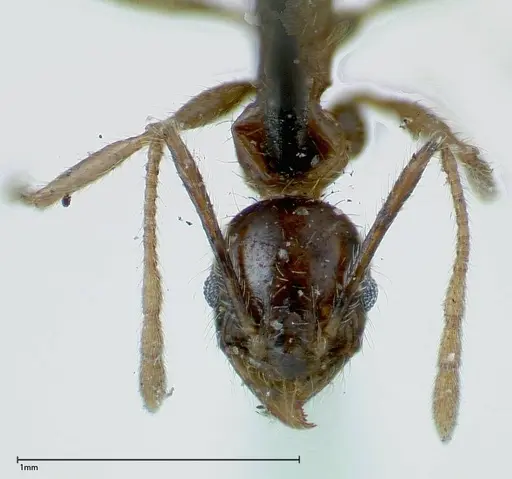
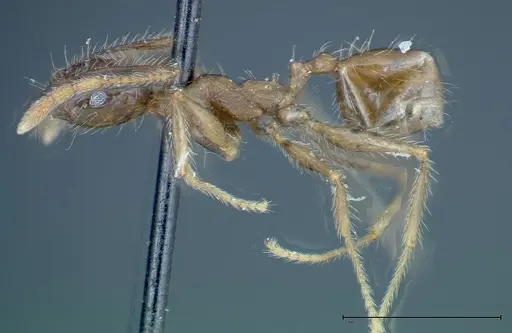
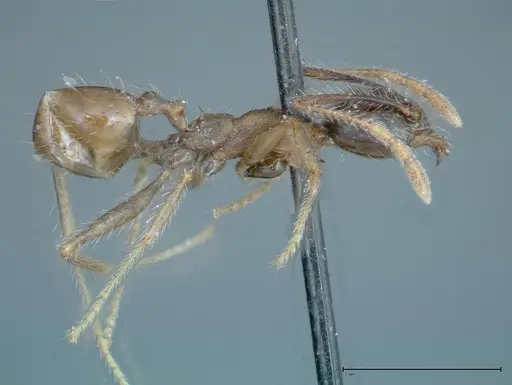
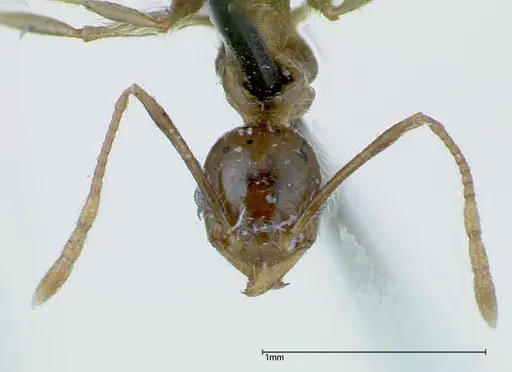
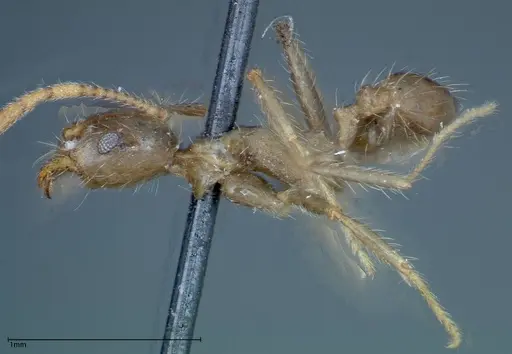
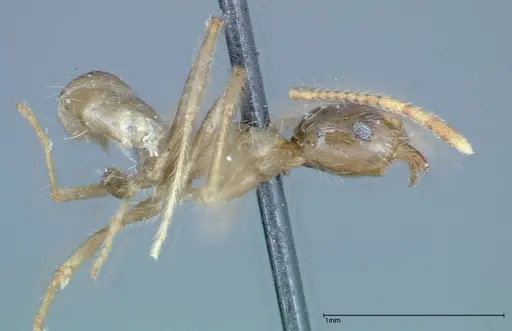
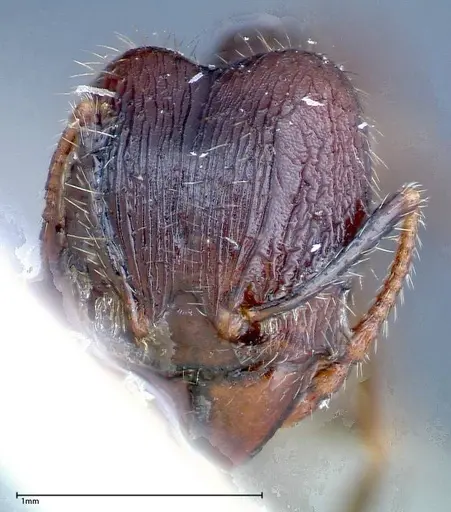
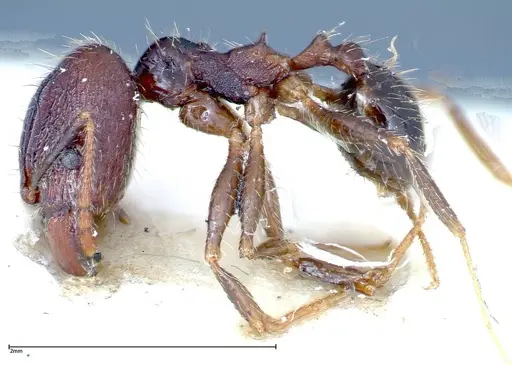
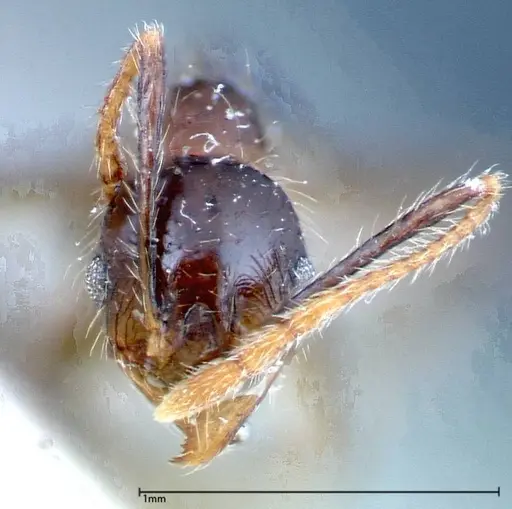
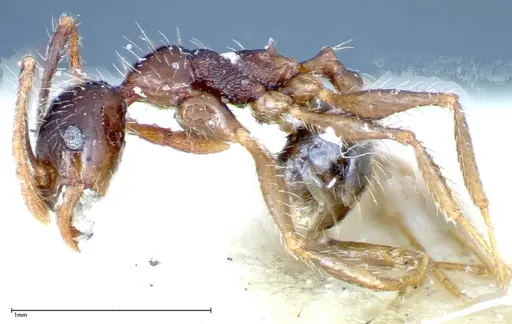
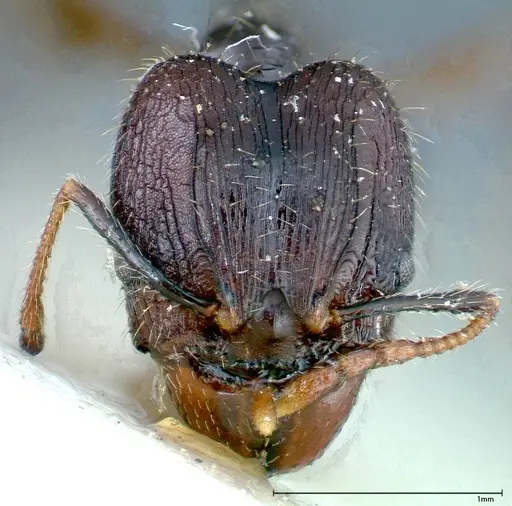
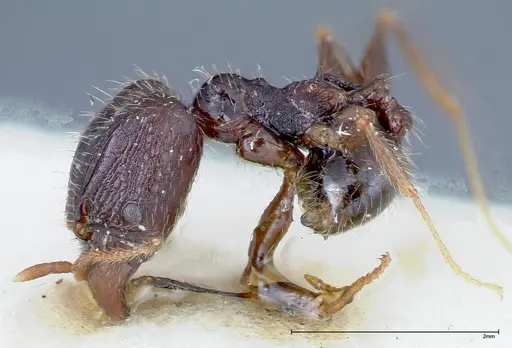
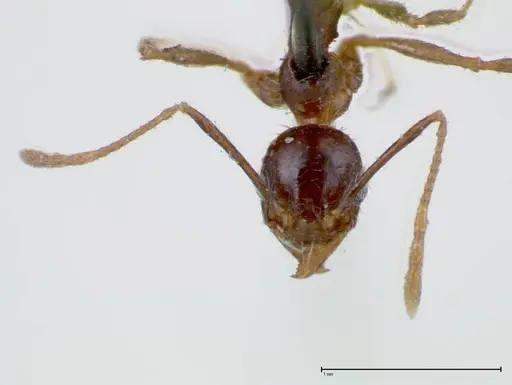
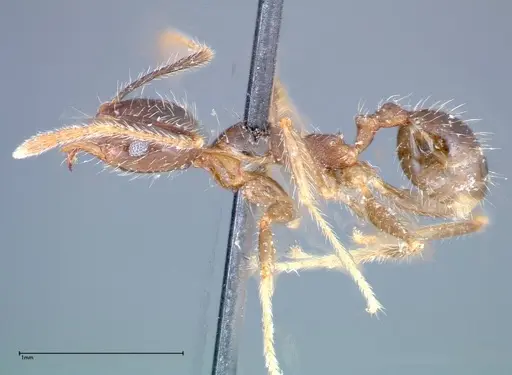
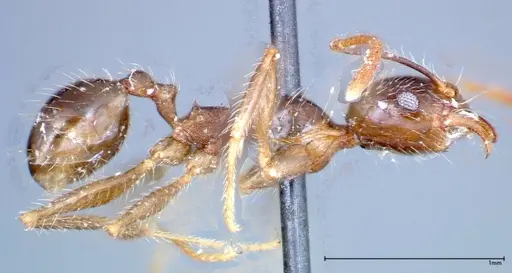
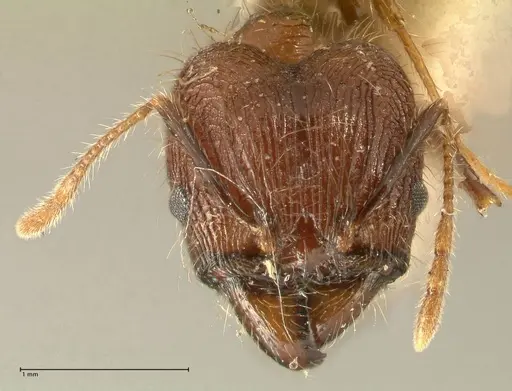
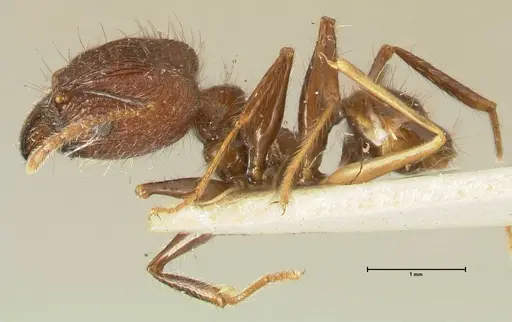
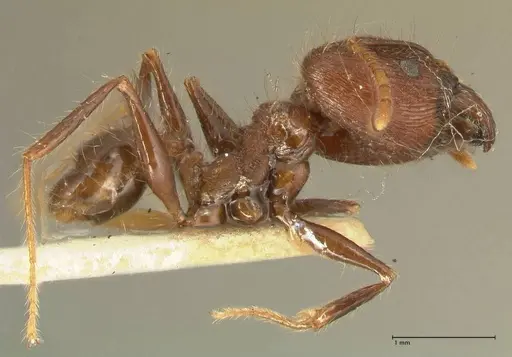
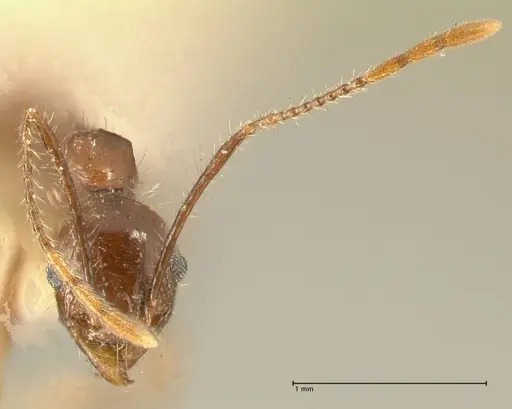
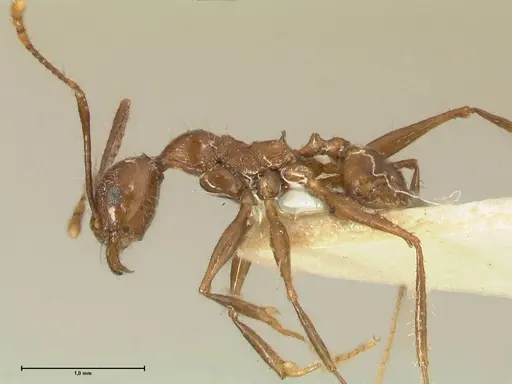
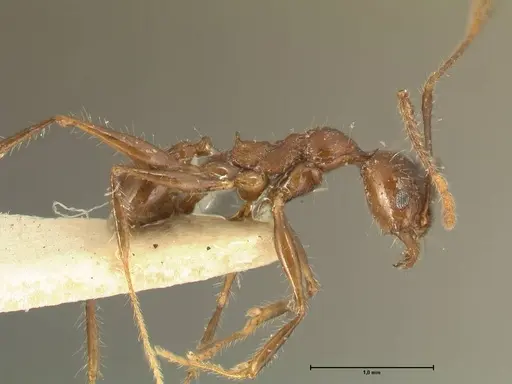
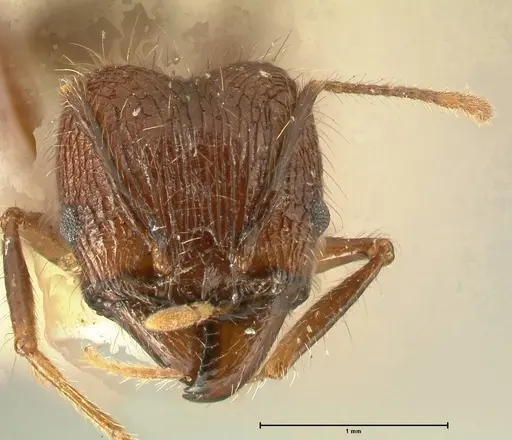
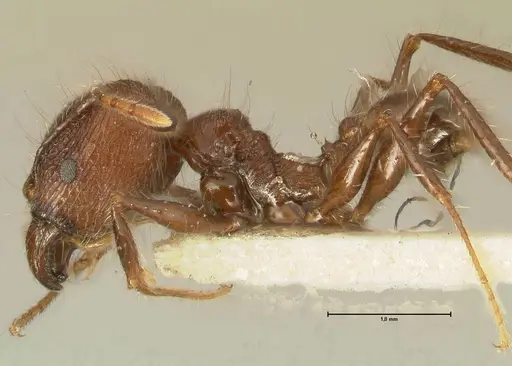
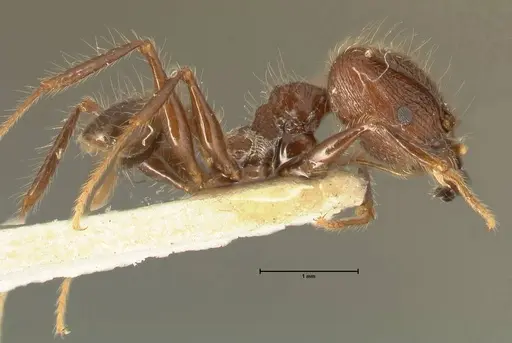
Pheidole fervens is a small to medium-sized ant with strongly dimorphic workers: major workers (soldiers) have large, heavily sculptured heads, while minor workers are smaller with smoother bodies. Soldiers are about 4.5 mm long, and minor workers are about 3 mm long . Queens are 5.6-6.8 mm long . The species is light to reddish-brown, with majors having rugose heads and minors having smooth, shiny surfaces. Native to Singapore and the Oriental region, it has become a widespread invasive tramp species across the Pacific, including Japan, Taiwan, Southeast Asia, Fiji, Samoa, Hawaii, and introduced populations in North America and Australia . P. fervens thrives in disturbed habitats like urban areas, agricultural land, and forest edges, rarely entering intact forests. It forms polygynous colonies with multiple queens and shows aggressive recruitment to food sources, forming busy foraging trails that dominate baits. The species tends aphids for honeydew and competes strongly with other invasive ants .
Quick Summary
- Difficulty: Expert
- Origin & Habitat: Native to Singapore and the Oriental region, now invasive across the Pacific. Found in Japan (southern Kyushu, Ryukyus), Taiwan, China, Southeast Asia, Sri Lanka, and Oceania (Fiji, Samoa, Tonga, Cook Islands, French Polynesia, Hawaii). Introduced to North America (California) and Australia (eradicated). Prefers disturbed habitats: urban areas, agricultural land, forest edges, and coastal zones. Nests in soil, under stones, or in stumps and rotten trunks [3][4][7][8].
- Colony Type: Polygynous, colonies contain multiple queens working together, which contributes to invasive success [9].
- Size & Growth:
- Queen: ~5.6-6.8 mm [2]
- Worker: Soldier ~4.5 mm, worker ~3 mm [1]
- Colony: Unknown maximum, but colonies can be large given invasive success and polygynous structure
- Growth: Moderate to fast once established, inferred from typical Pheidole patterns
- Development: Estimated 6-10 weeks based on genus patterns [1] (Development time not directly studied, warmer temperatures speed growth.)
- Antkeeping:
- Temperature: Keep at 24-28°C. Room temperature (22-26°C) is suitable. Provide a heat gradient if needed [7][8].
- Humidity: Keep nest substrate consistently moist but not waterlogged, with some drier areas. This species prefers moist to moderate rainfall habitats [8][7].
- Diapause: No, as a tropical species, it does not require hibernation. Activity may slow in cooler months, but no cold period is needed.
- Nesting: Use test tubes for founding, then Y-tong, plaster, or naturalistic nests with soil substrate. Nests should have narrow chambers scaled to their size [7].
- Behavior: Active and aggressive foragers with strong recruitment to food sources. Workers form distinct trails and dominate baits. Minor workers are more abundant than majors and do most foraging. Not particularly aggressive toward keepers but will defend nests. Escape risk is moderate due to tiny minor workers, use fine mesh barriers [5][7].
- Common Issues: colonies can grow large and may outgrow small nests quickly, plan for expansion., strong foragers may escape if barriers are not secure, use fluon or fine mesh., multiple queens mean rapid growth once established, monitor food supplies., wild-caught colonies may carry parasites or diseases causing colony failure., overfeeding can lead to mold, remove uneaten food promptly.
Housing and Nest Setup
Pheidole fervens adapts to various nest types. Use test tubes for founding colonies with a water reservoir and cotton separator. As the colony grows, transition to Y-tong, plaster, or naturalistic nests with a moist soil substrate, mimicking their natural nesting in soil or under stones [7]. For the outworld, any standard container works, but use fine mesh on ventilation holes since minor workers are tiny. Provide a dark cover for the nest to encourage colony retention [3][4].
Feeding and Diet
P. fervens is omnivorous with a strong protein preference. Offer small insects like fruit flies or pinhead crickets 2-3 times per week, and keep a sugar source (honey or sugar water) available constantly. In the wild, they tend aphids for honeydew and scavenge dead insects [6][5]. Remove uneaten prey after 24-48 hours to prevent mold.
Temperature and Seasonal Care
Keep temperatures at 24-28°C for optimal activity. Room temperature is suitable, but a heat gradient can help in cooler climates. Avoid prolonged temperatures below 20°C. As a tropical species, no hibernation is needed, but activity may slow in cooler months [7][8].
Colony Development and Growth
Colony founding behavior is unconfirmed. Once established, colonies grow moderately fast with minor workers outnumbering majors. Polygynous structure allows rapid growth. Expect colonies to reach hundreds of workers within the first year under good conditions [9][5].
Behavior and Foraging
P. fervens shows aggressive recruitment to food sources, forming distinct foraging trails. Workers dominate baits quickly. Minor workers are more abundant and do most foraging, while majors defend the nest. The species is primarily ground-nesting but forages on vegetation [5][7].
Legal and Environmental Considerations
WARNING: P. fervens is an invasive species in many regions outside its native range, including Hawaii, Pacific islands, and was eradicated in Australia. Never release colonies outdoors in non-native areas. Check local regulations, some areas require permits for invasive species. Responsible keeping is essential to prevent ecological damage [10][7].
Frequently Asked Questions
How long does it take for Pheidole fervens to get their first workers?
First workers typically emerge in 6-10 weeks after queen lays eggs, assuming warm temperatures around 26-28°C. This is estimated from genus patterns [1].
Can I keep multiple Pheidole fervens queens together?
Yes, P. fervens is naturally polygynous, so multiple queens can coexist in a colony. Monitor for aggression when introducing new queens [9].
What do Pheidole fervens ants eat?
They are omnivorous with a strong protein preference. Offer small insects 2-3 times per week and a constant sugar source. They tend aphids for honeydew in the wild [6][5].
Are Pheidole fervens good for beginners?
No, due to their invasive nature and escape risk from tiny minor workers, they are recommended for experienced keepers. Difficulty is set to Expert.
What temperature do Pheidole fervens need?
Keep them at 24-28°C. Room temperature is suitable, but avoid prolonged temperatures below 20°C [7].
How big do Pheidole fervens colonies get?
Colonies can grow large, but maximum size is unknown. Polygynous structure supports rapid growth [9].
Why are my Pheidole fervens dying?
Common causes include low temperature, improper humidity, mold from uneaten food, or stress. Check nest conditions and remove uneaten prey promptly.
When should I move Pheidole fervens to a formicarium?
Move when the test tube is crowded, typically with 50+ workers. Use Y-tong or plaster nests with vertical space [7].
Report an Issue
The current care sheet is based fully on literature. See inconsistencies, or something that's incorrect? Please , it will be resolved after review from an admin. Contributing to the blogs tab also helps providing information, to make us be able to further improve the caresheets. Thank you for your support!
References

This caresheet is licensed under CC BY-SA 4.0 .
Community Blogs
CASENT0005779
View on AntWeb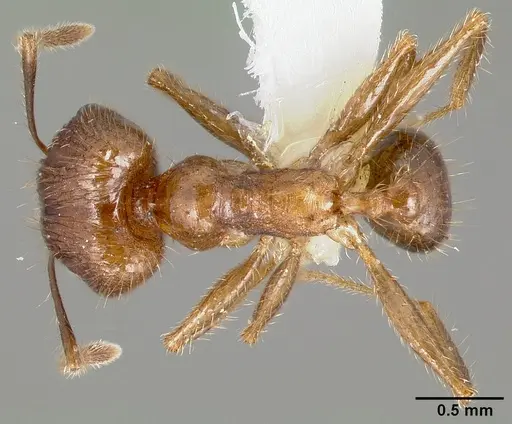
CASENT0005780
View on AntWeb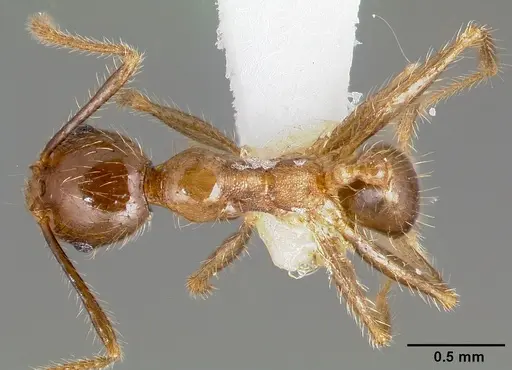
CASENT0008638
View on AntWeb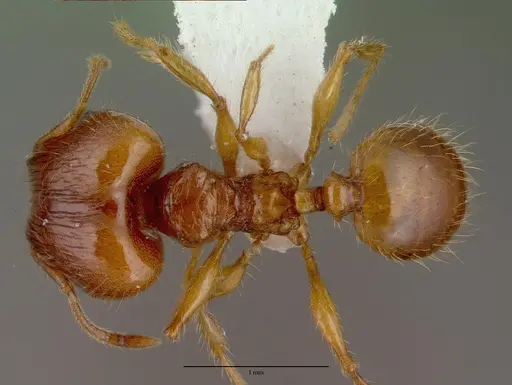
CASENT0059787
View on AntWeb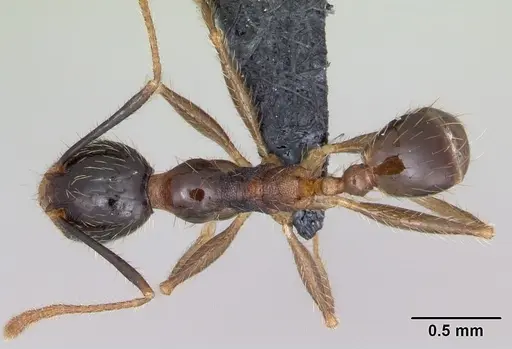
CASENT0060250
View on AntWeb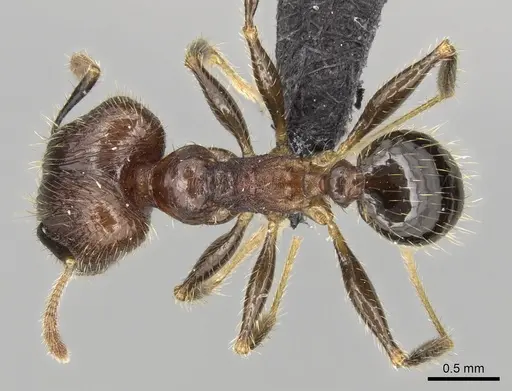
CASENT0060581
View on AntWeb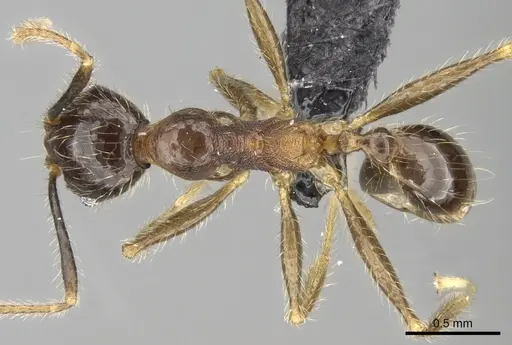
CASENT0171076
View on AntWeb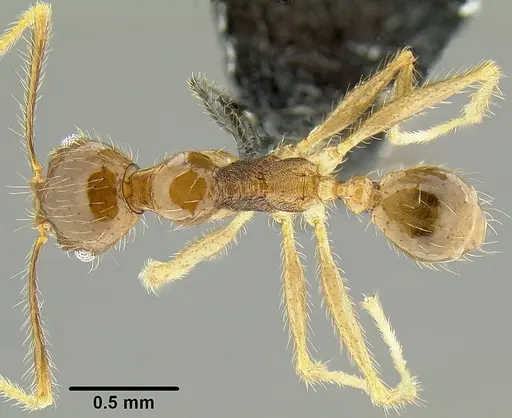
CASENT0171099
View on AntWeb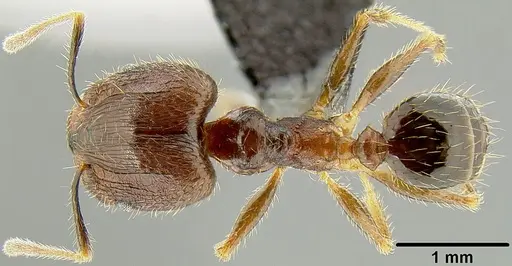
CASENT0178401
View on AntWeb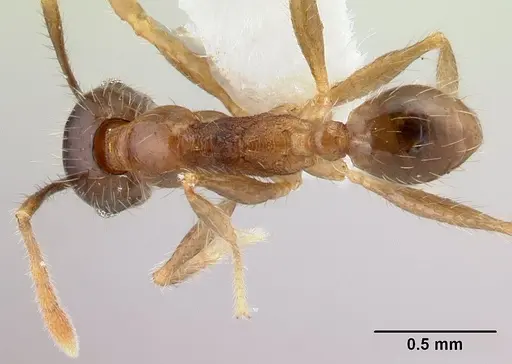
CASENT0178402
View on AntWeb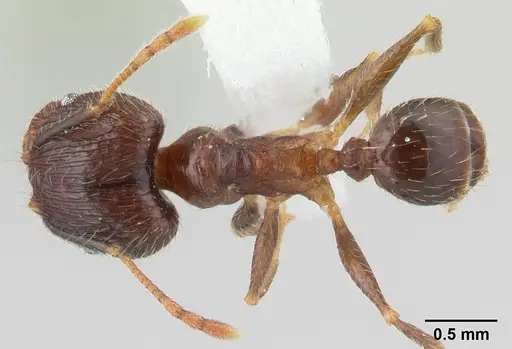
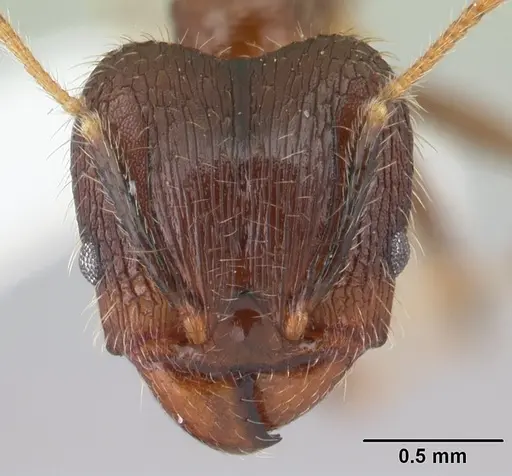
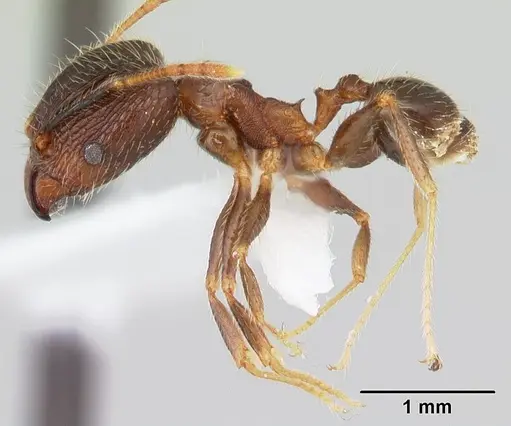
CASENT0246109
View on AntWeb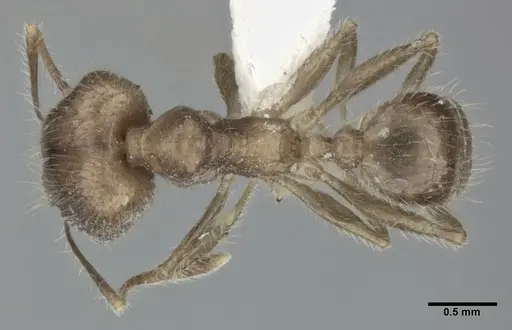
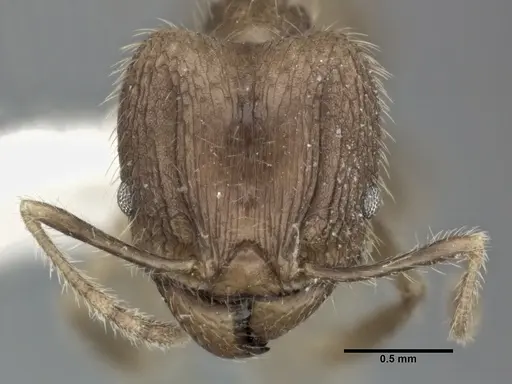
CASENT0248885
View on AntWeb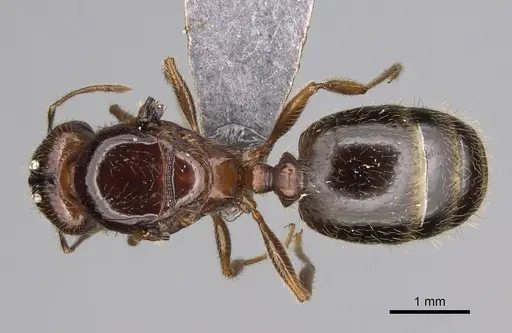
CASENT0862459
View on AntWeb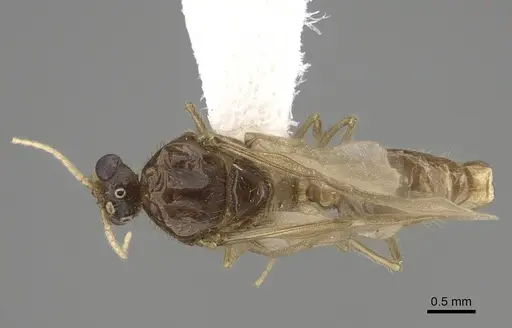
CASENT0901407
View on AntWeb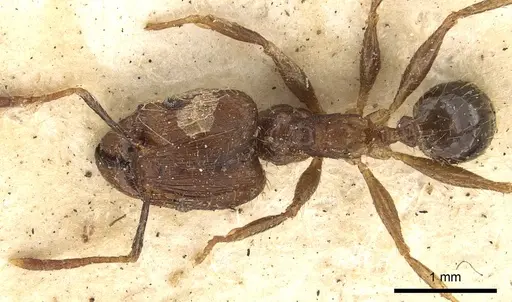
CASENT0901519
View on AntWeb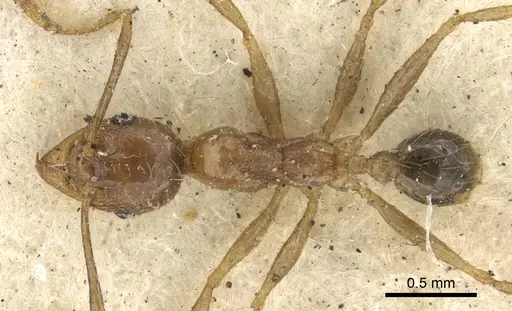
CASENT0901520
View on AntWeb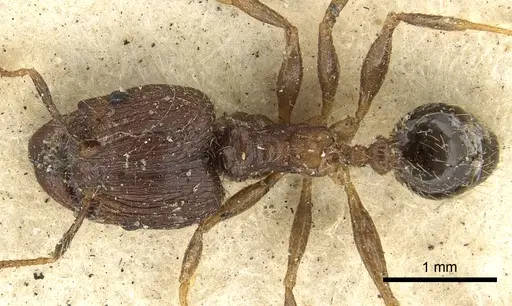
CASENT0901521
View on AntWeb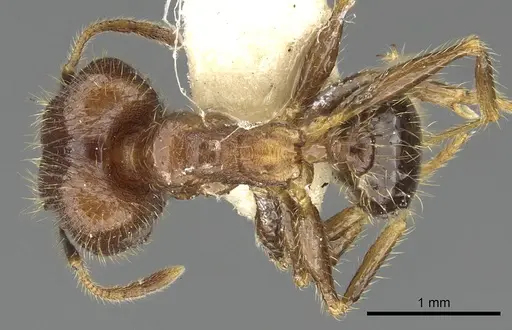

CASENT0901522
View on AntWeb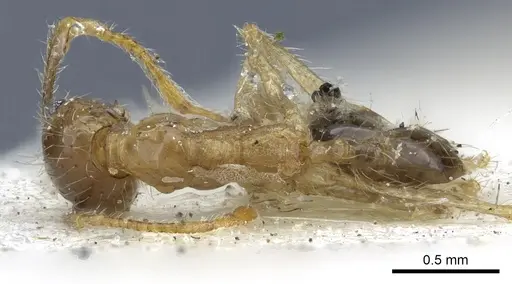
CASENT0901523
View on AntWeb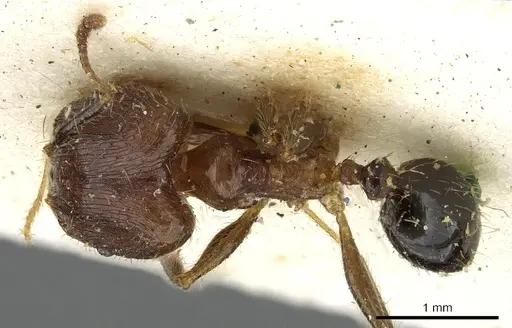
CASENT0904275
View on AntWeb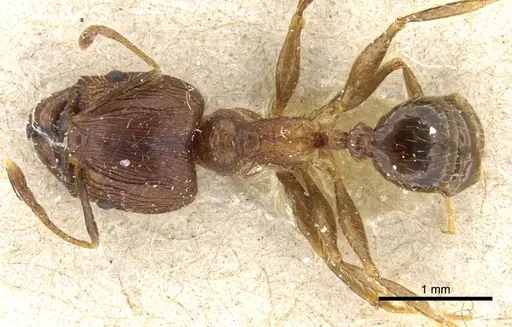
CASENT0904276
View on AntWeb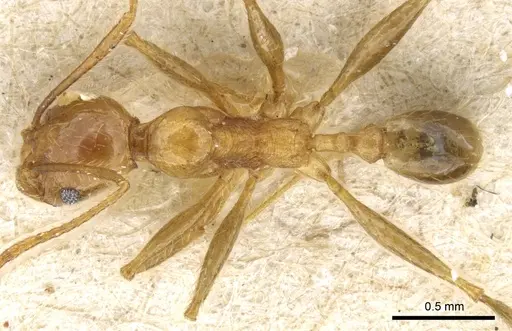
CASENT0907858
View on AntWeb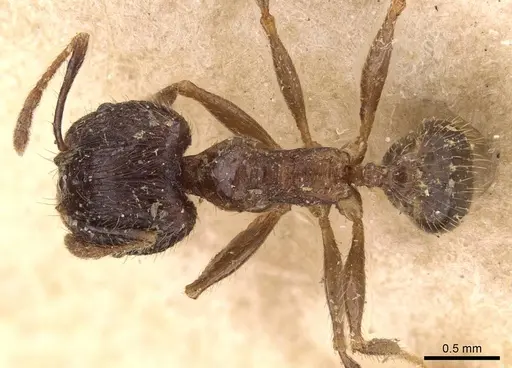
CASENT0907859
View on AntWeb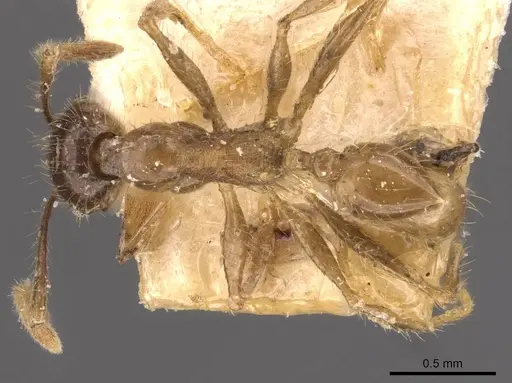
CASENT0907905
View on AntWeb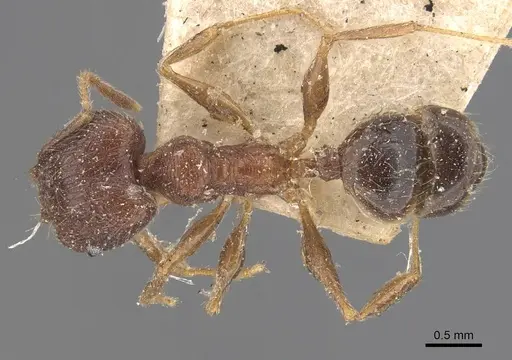
CASENT0907906
View on AntWeb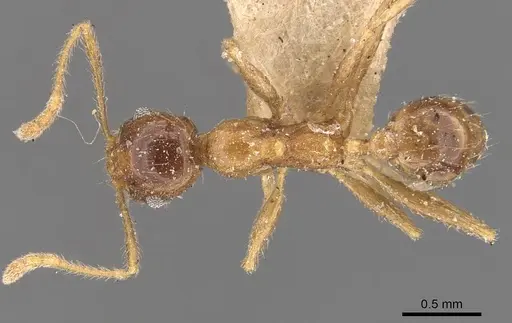
CASENT0907907
View on AntWeb
CASENT0907908
View on AntWeb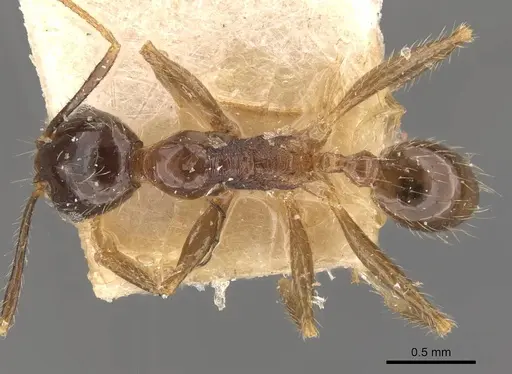
CASENT0913313
View on AntWeb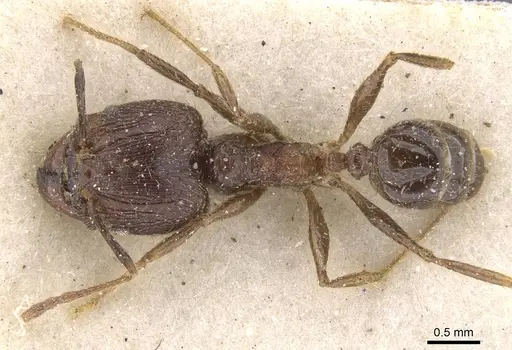
CASENT0913314
View on AntWeb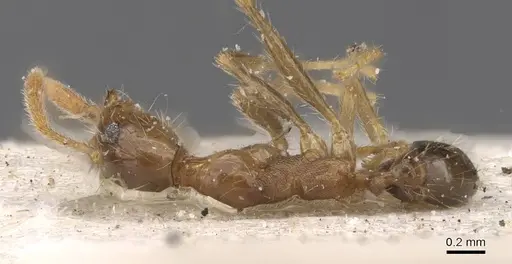
CASENT0913315
View on AntWeb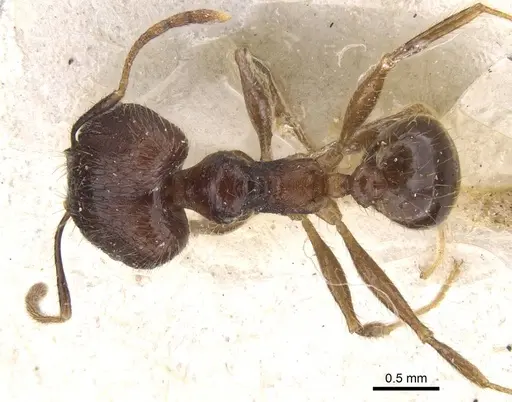
CASENT0913316
View on AntWeb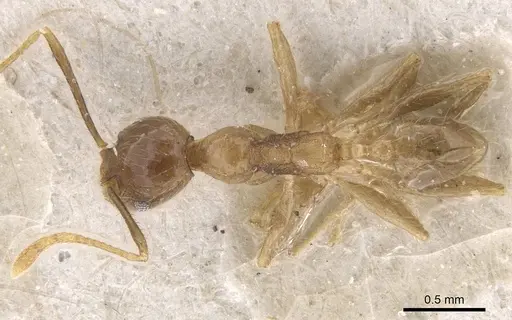
CASENT0913369
View on AntWeb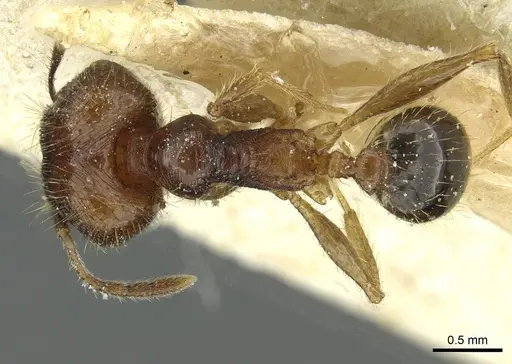
CASENT0913370
View on AntWeb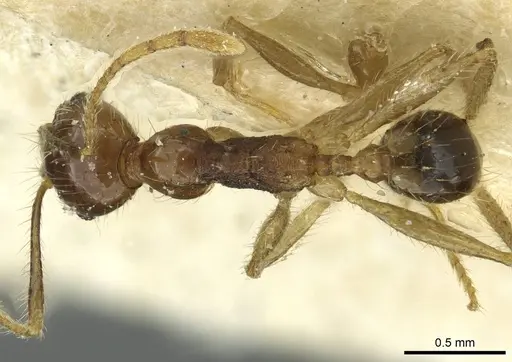
CASENT0916046
View on AntWeb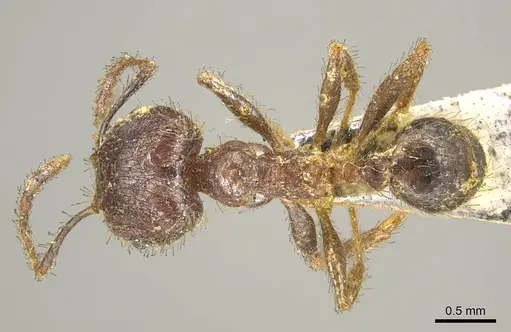
FMNHINS0000083053
View on AntWeb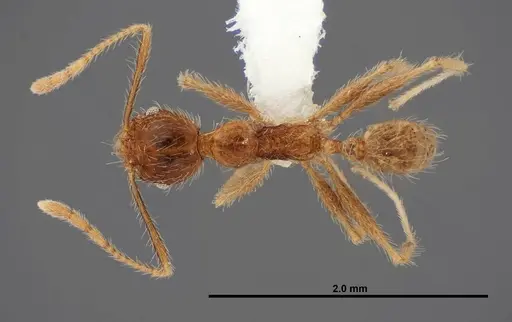
FOCOL0225
View on AntWeb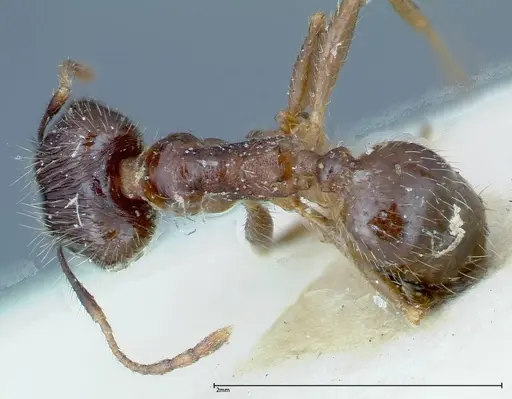
FOCOL0226
View on AntWeb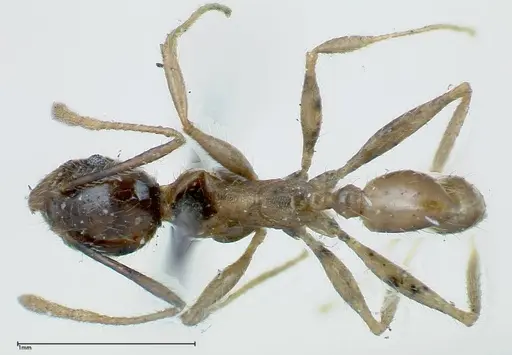
FOCOL0227
View on AntWeb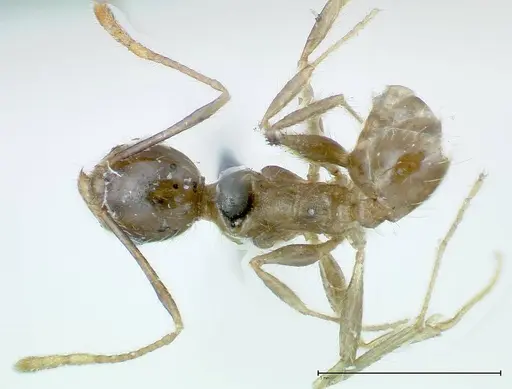
FOCOL0239
View on AntWeb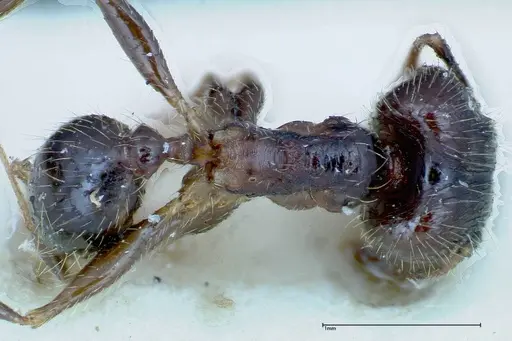
FOCOL0242
View on AntWeb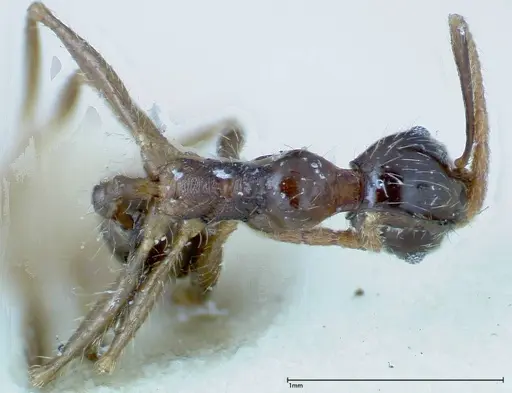
FOCOL0243
View on AntWeb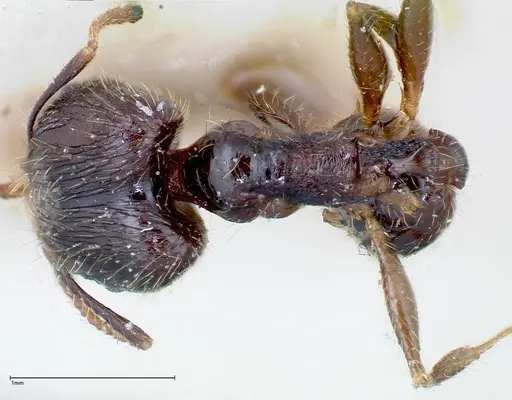
FOCOL0244
View on AntWeb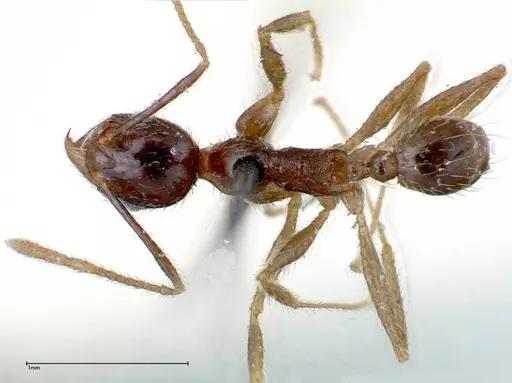
FOCOL1395
View on AntWeb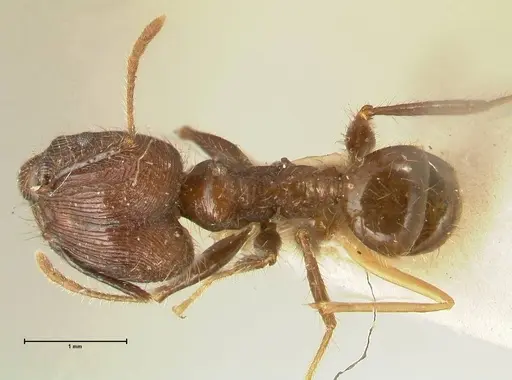
FOCOL1396
View on AntWeb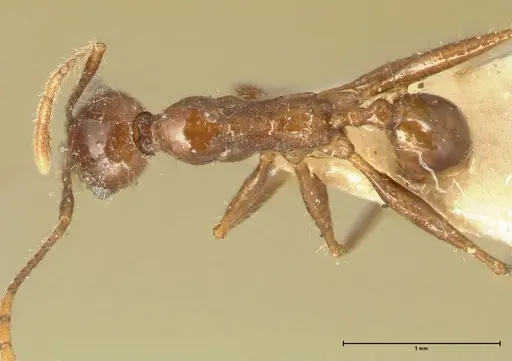
FOCOL1397
View on AntWeb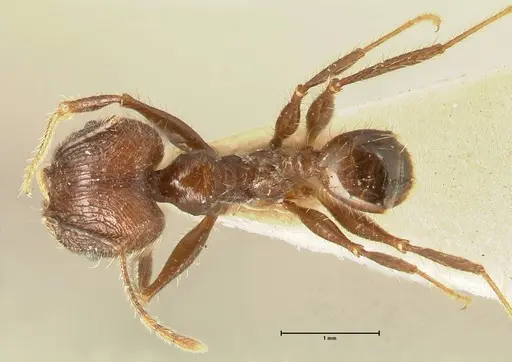
Literature
Loading distribution map...Loading products...