
Pheidole ferruginea
- Sci. Name
- Pheidole ferruginea
- Tribe
- Attini
- Subfamily
- Myrmicinae
- Author
- Salata & Fisher, 2020
- Distribution
- Found in 1 countries
Introduction
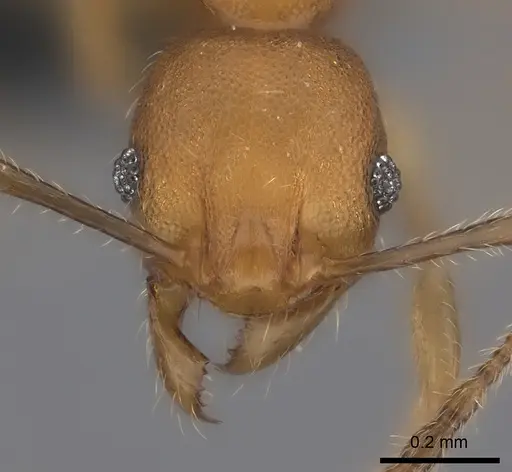
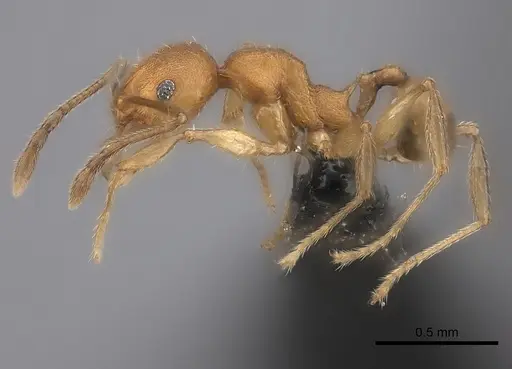
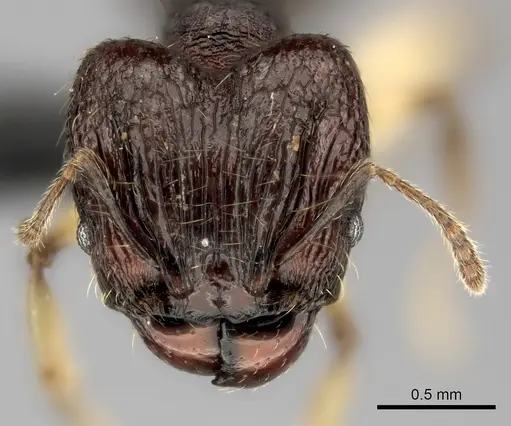
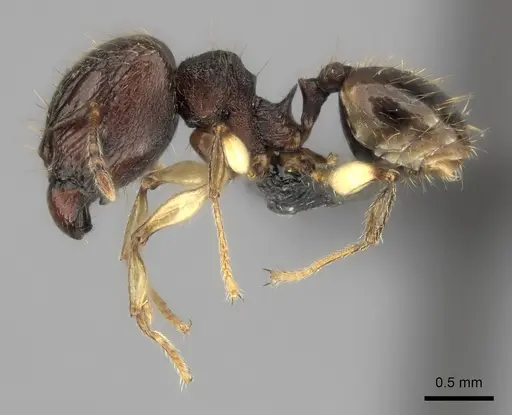
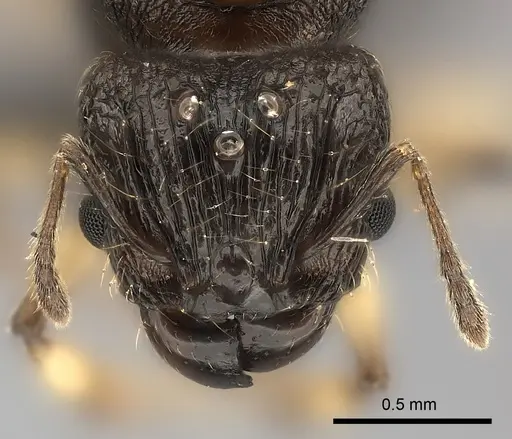
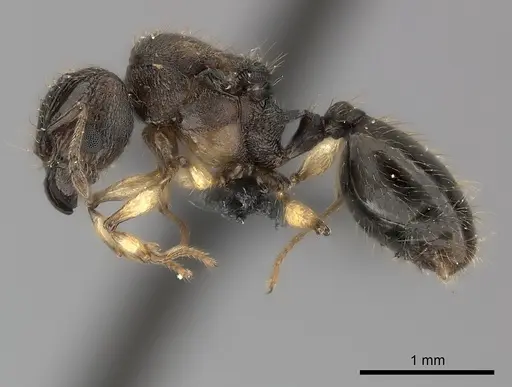
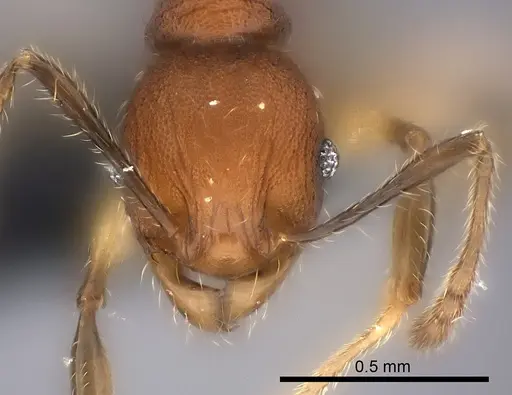
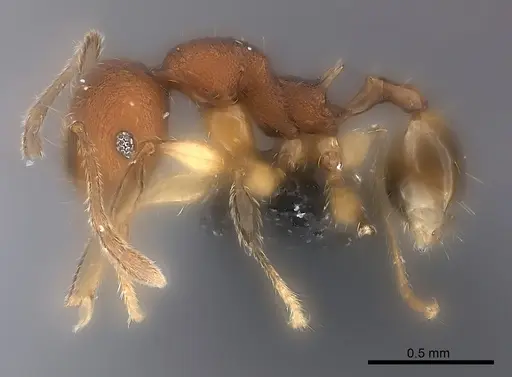
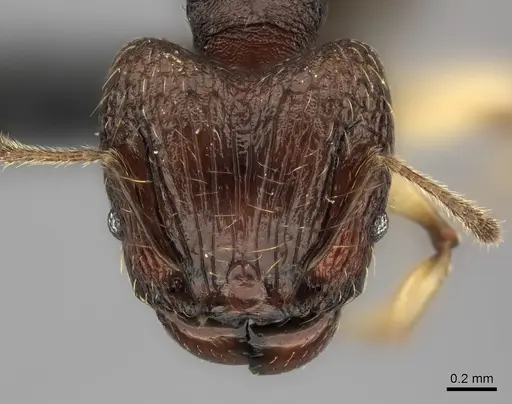
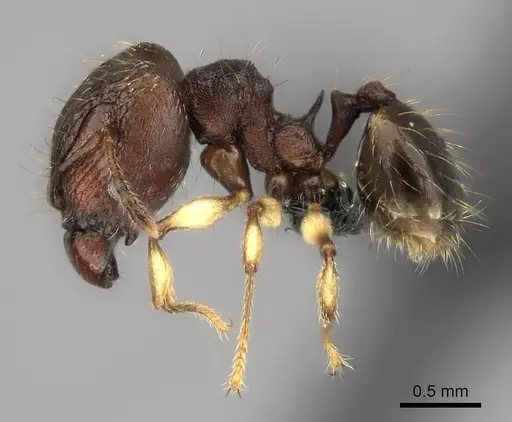
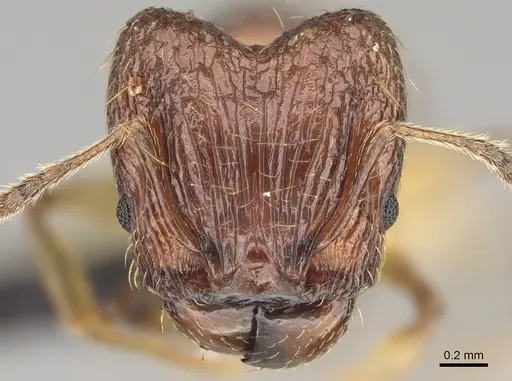
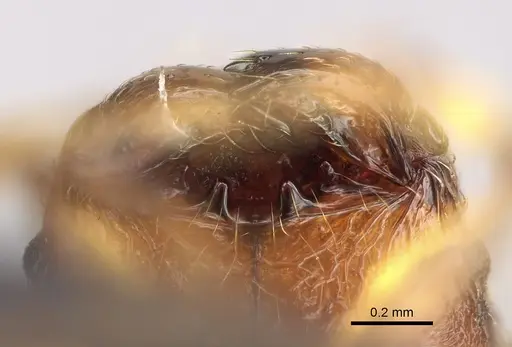
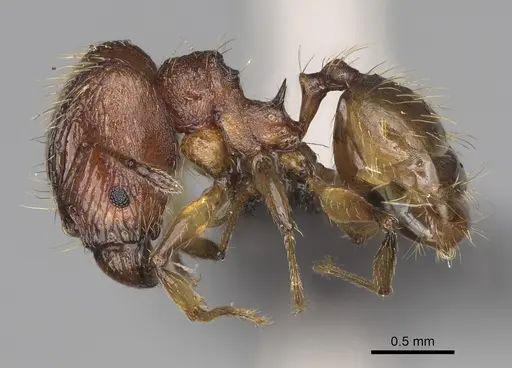
Pheidole ferruginea is a small ant species native to Madagascar, described in 2020 . The name 'ferruginea' means rusty in Latin, referring to the reddish-brown coloration of major workers . This species has two worker castes: major workers with large heads and minor workers that handle daily tasks . Major workers have a cordate head that widens posteriorly, strongly developed antennal scrobes, and long propodeal spines . It is found only in Madagascar, in rainforest habitats at elevations from 20-1312 meters .
Quick Summary
- Difficulty: Medium
- Origin & Habitat: Endemic to Madagascar, found in the Antsiranana region including Parc National de Marojejy. It lives in rainforest, montane rainforest, and littoral rainforest habitats at elevations between 20-1312 meters [1]. Nests are located in rotten logs, tree stumps, rotten sticks on the ground, and sometimes in the petioles of Melastomataceae plants [1].
- Colony Type: Based on Pheidole patterns, likely monogyne with single queen colonies.
- Size & Growth:
- Queen: Size data unavailable, no total length measurements provided in research.
- Worker: Size data unavailable, no total length measurements provided in research.
- Colony: Unknown, no specific colony size data available for this species.
- Growth: Moderate, inferred from typical Pheidole development patterns.
- Development: Unknown, no specific data available on development time. (Development time may vary based on temperature and colony conditions.)
- Antkeeping:
- Temperature: Keep warm, roughly 24-28°C, based on tropical rainforest habitat [1]. Adjust based on colony activity.
- Humidity: Keep nest substrate consistently moist but not waterlogged, as this species nests in rotting wood in rainforests [1].
- Diapause: No, tropical species from Madagascar does not require hibernation [1].
- Nesting: Prefers rotten logs, tree stumps, and damp plant material [1]. In captivity, use Y-tong, plaster, or naturalistic nests with appropriate chambers.
- Behavior: Pheidole ferruginea is generally peaceful toward keepers. They have a sting, as typical for Myrmicinae ants, but are not aggressive unless threatened. Major workers use their large heads to process hard foods, while minor workers handle foraging and brood care. Escape prevention is critical due to their small size.
- Common Issues: escape prevention is critical due to their very small size, they can squeeze through tiny gaps, rotting wood nests can dry out quickly, monitor humidity regularly, colonies may be slow to establish initially, patience is needed during founding, wild-caught colonies may have parasites that can kill them in captivity, overfeeding can lead to mold problems in the nest
Housing and Nest Setup
Pheidole ferruginea naturally nests in rotten logs, tree stumps, and damp plant material [1]. In captivity, you can use Y-tong (AAC) nests, plaster nests, or naturalistic setups with rotting wood. Ensure nest chambers are appropriately sized for small workers. Provide a connected outworld area for foraging and a water tube for drinking. Maintain humidity by keeping the substrate moist but not waterlogged [1].
Feeding and Diet
Based on typical Pheidole diet, this species is omnivorous and will accept small insects, seeds, sugar water, and honey. Offer protein sources like fruit flies or pinhead crickets 2-3 times per week, and provide constant access to sugar water. Remove uneaten food to prevent mold.
Temperature and Seasonal Care
As a tropical species from Madagascar, keep temperatures warm around 24-28°C [1]. Use a heating cable to create a gentle gradient, allowing ants to regulate their temperature. No hibernation is needed, maintain stable conditions year-round.
Colony Growth and Development
Colony growth is moderate, inferred from typical Pheidole patterns. The first workers may emerge several months after founding, but no specific timeline is available. Expect gradual increase in worker numbers over time.
Behavior and Temperament
Pheidole ferruginea has major and minor worker castes. Major workers process hard foods, while minors handle foraging and brood care. They are generally peaceful but will defend their nest if threatened. As typical for Myrmicinae, they have a sting, but it is not medically significant to humans.
Escape Prevention
Due to their very small size, escape prevention is critical. Use tight-fitting lids, fine mesh for ventilation, and apply fluon to barriers. Check regularly for gaps, especially during feeding.
Frequently Asked Questions
How long does it take for Pheidole ferruginea to produce first workers?
No specific data is available on development time for this species. Based on typical Pheidole patterns, it may take several months, but this is an estimate.
Can I keep Pheidole ferruginea in a test tube?
Yes, test tubes work well for founding colonies. Use a standard setup with a water reservoir and keep it warm and humid. Move to a larger nest when the colony grows.
What do Pheidole ferruginea ants eat?
They are omnivores that accept small insects, seeds, sugar water, and honey. Offer protein 2-3 times per week and keep sugar water available.
Are Pheidole ferruginea good for beginners?
This species is rated as medium difficulty. The main challenges are escape prevention due to their tiny size and maintaining warm, humid conditions.
Do Pheidole ferruginea need hibernation?
No, they do not require hibernation as a tropical species from Madagascar [1]. Keep temperatures stable year-round.
When should I move my colony to a formicarium?
Move the colony when it becomes crowded in the test tube, such as when workers cluster near the cotton stopper. No specific worker count is known.
How big do Pheidole ferruginea colonies get?
Colony size is unknown for this species. Typical Pheidole colonies can grow to several hundred workers, but no data is available for P. ferruginea.
Why are my Pheidole ferruginea dying?
Common causes include temperatures too low, humidity issues, mold from overfeeding, escapes, or parasites from wild-caught colonies. Check these parameters and adjust.
Can I keep multiple queens together?
Pheidole ferruginea is likely monogyne, so only one queen per colony is recommended. Combining queens may result in fighting.
What temperature is best for Pheidole ferruginea?
Keep nest temperatures around 24-28°C, based on their tropical rainforest habitat [1].
Where is Pheidole ferruginea found in the wild?
This species is endemic to Madagascar, specifically in rainforest habitats at elevations from 20-1312 meters [1].
Report an Issue
The current care sheet is based fully on literature. See inconsistencies, or something that's incorrect? Please , it will be resolved after review from an admin. Contributing to the blogs tab also helps providing information, to make us be able to further improve the caresheets. Thank you for your support!
References

This caresheet is licensed under CC BY-SA 4.0 .
Community Blogs
CASENT0122564
View on AntWeb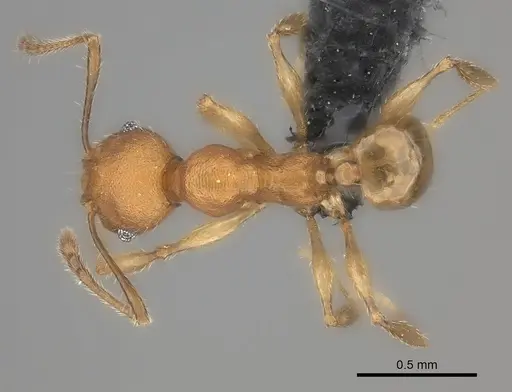
CASENT0128696
View on AntWeb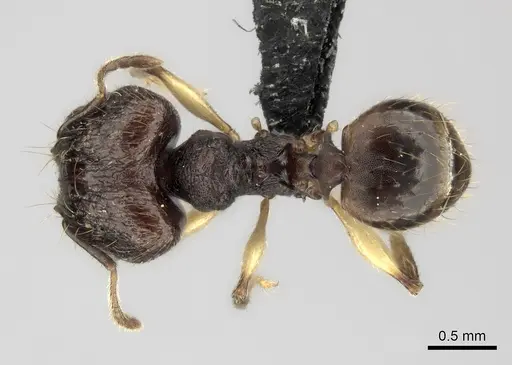
CASENT0150522
View on AntWeb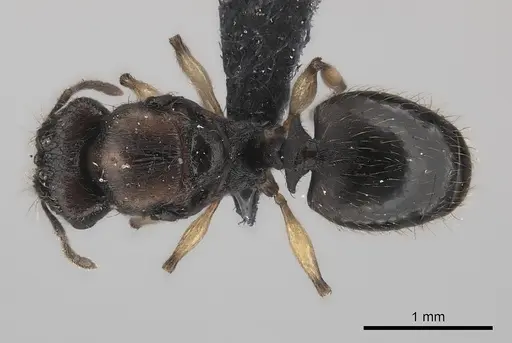
CASENT0150523
View on AntWeb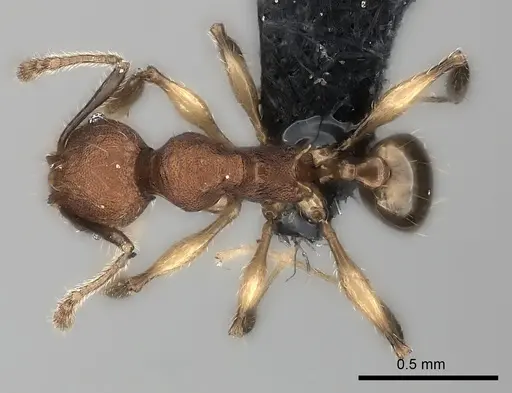
CASENT0153314
View on AntWeb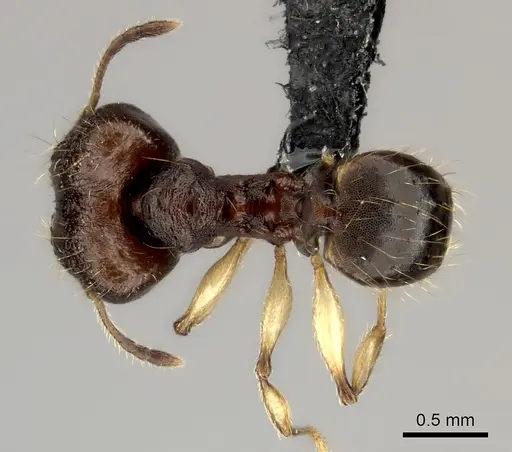
CASENT0198916
View on AntWeb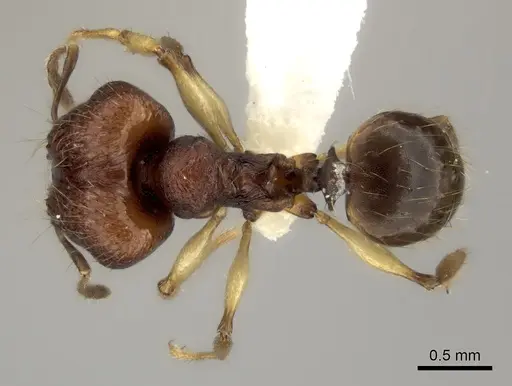
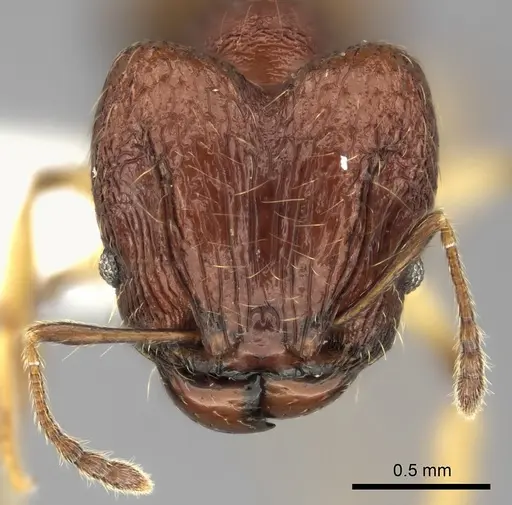
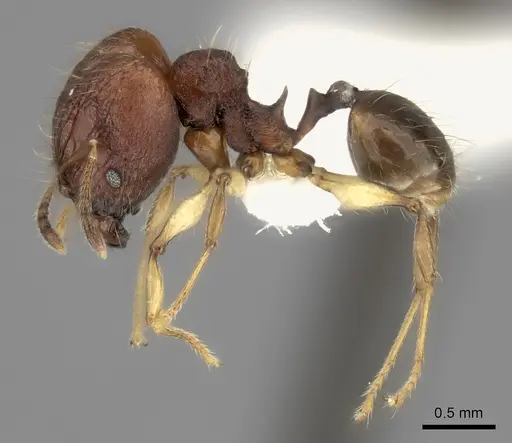
CASENT0217984
View on AntWeb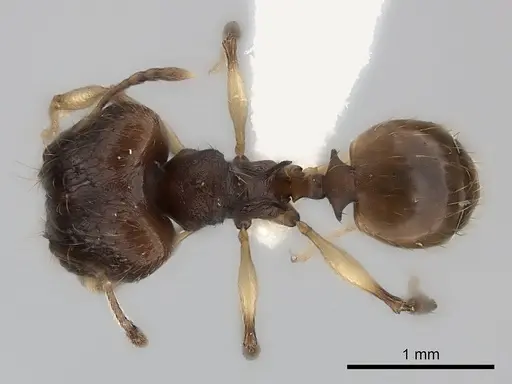
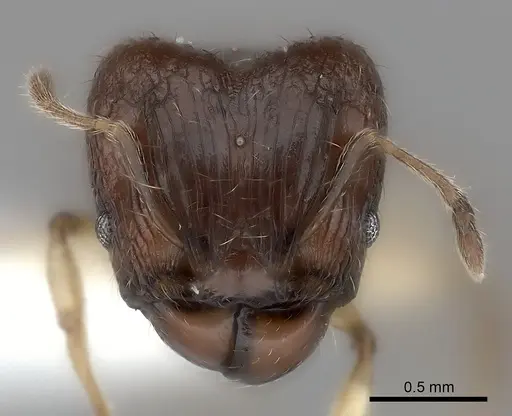
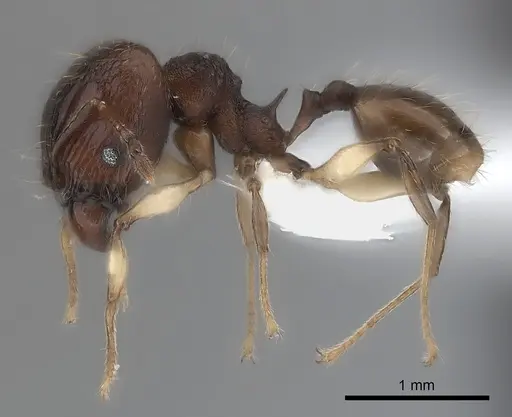
CASENT0217989
View on AntWeb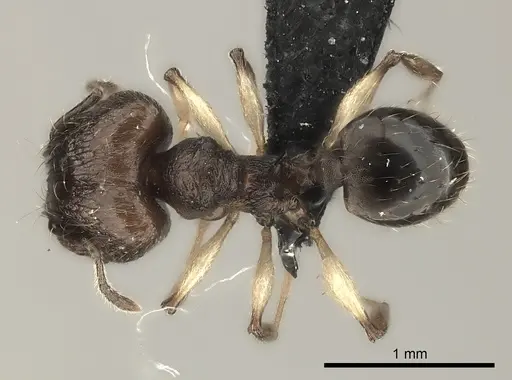
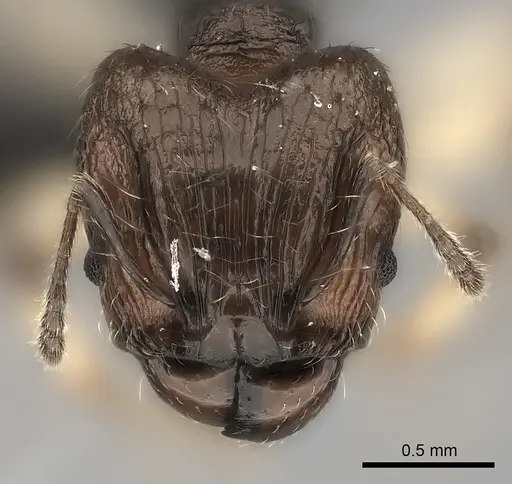
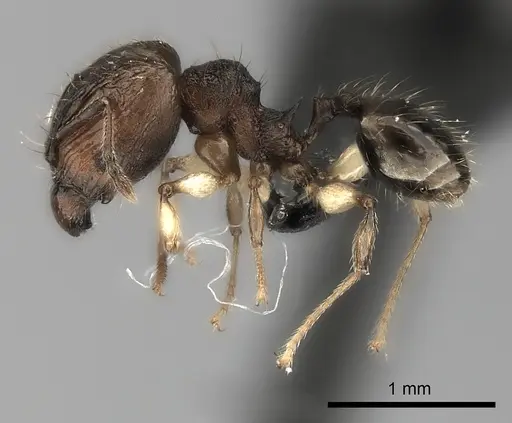
CASENT0217992
View on AntWeb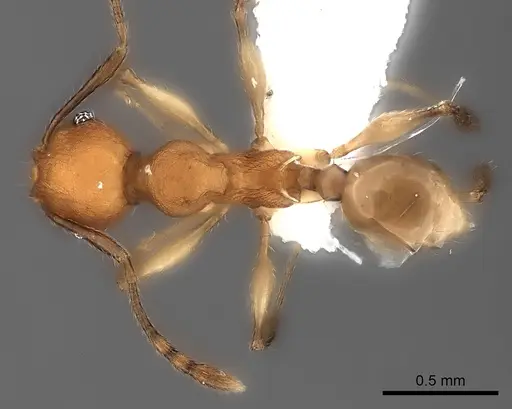
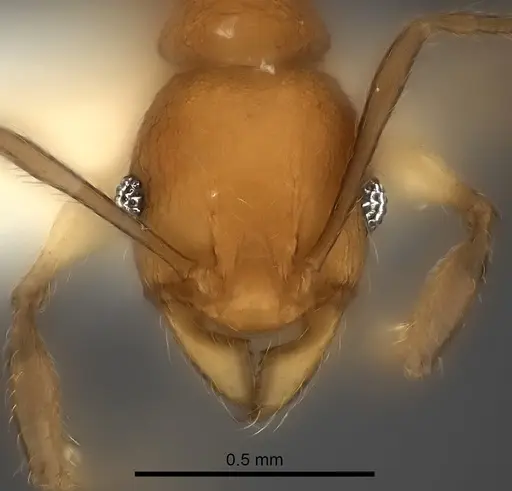
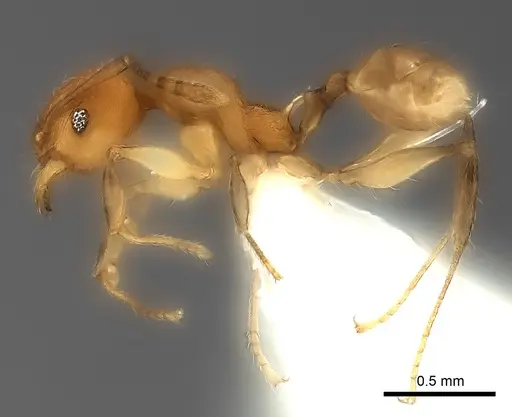
CASENT0217993
View on AntWeb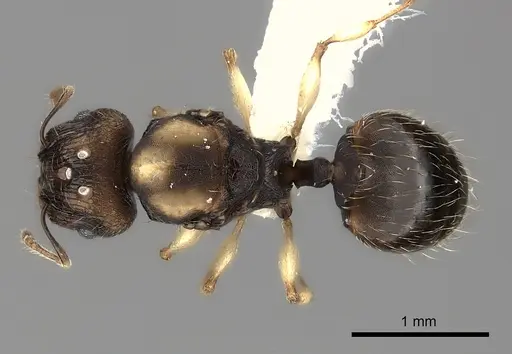
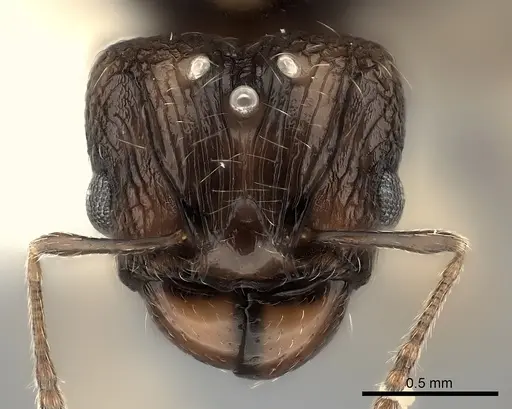
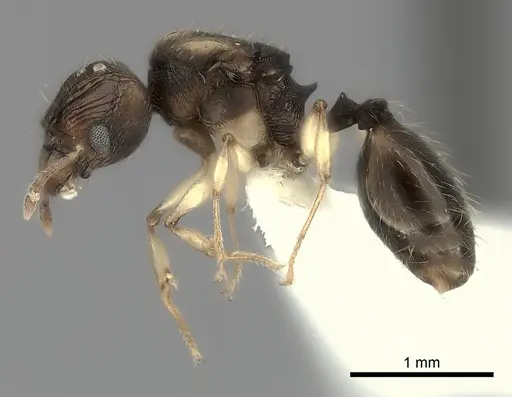
CASENT0235025
View on AntWeb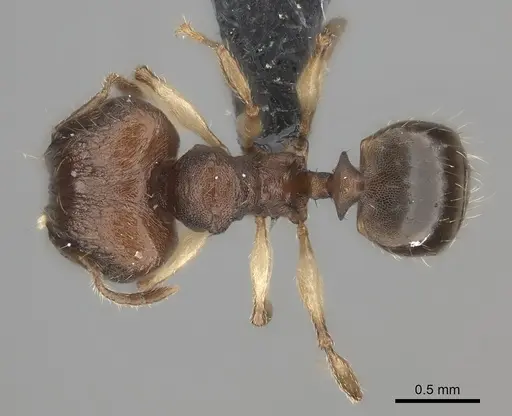
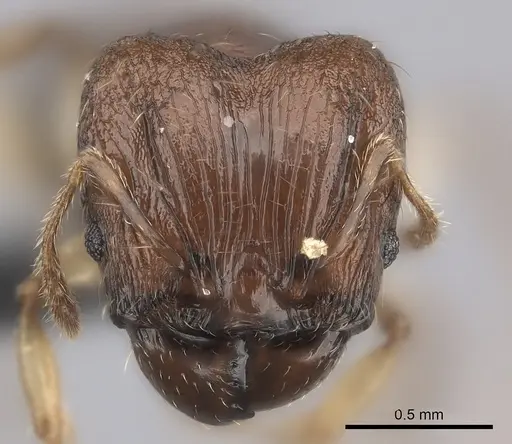
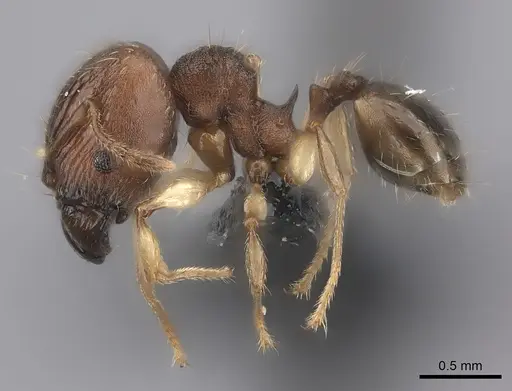
CASENT0494917
View on AntWeb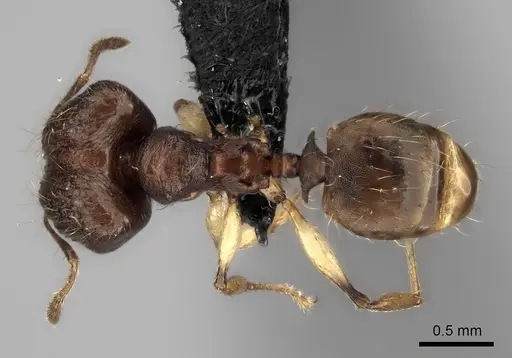
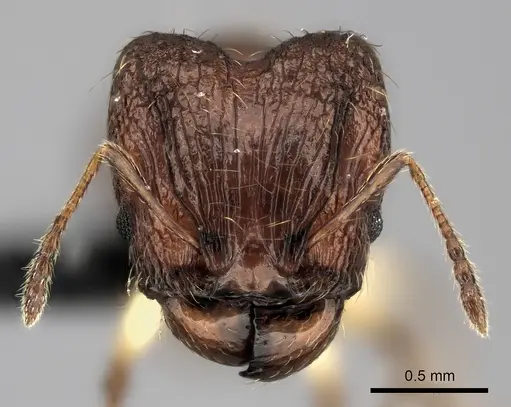
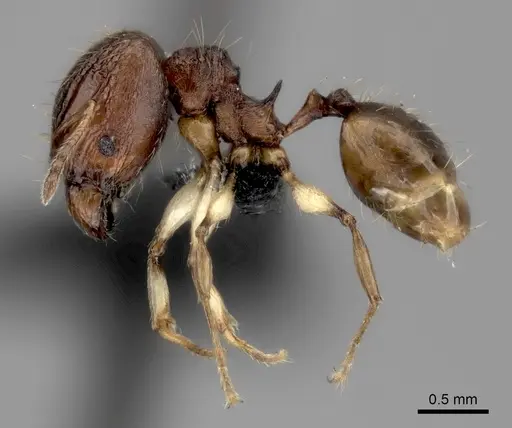
CASENT0494994
View on AntWeb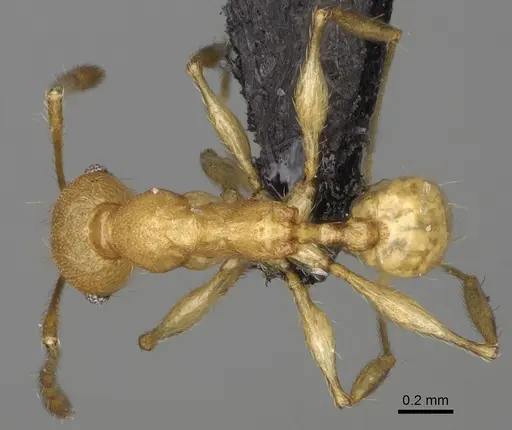
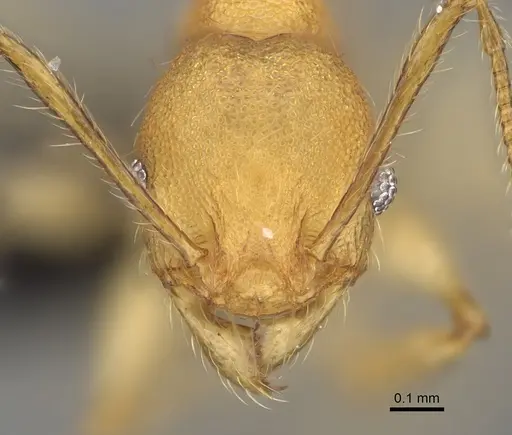
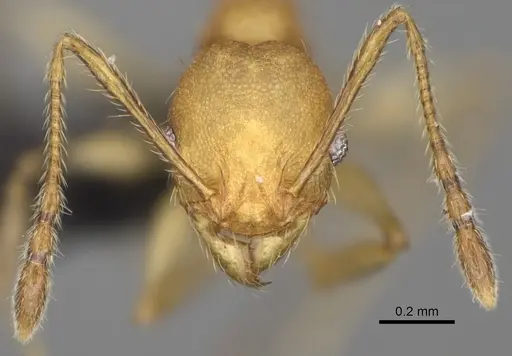
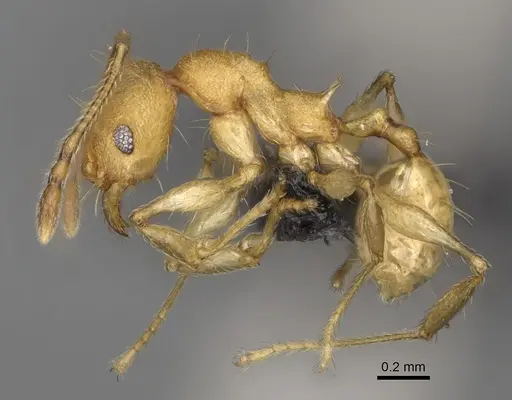
CASENT0494997
View on AntWeb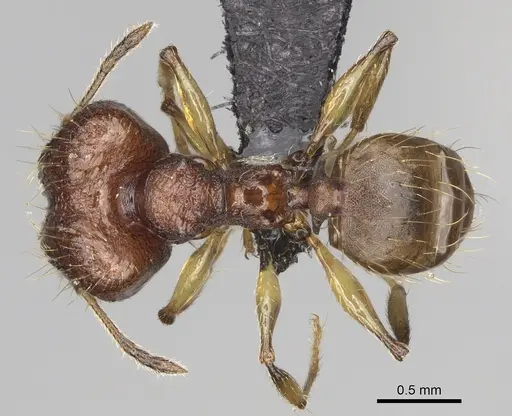
Literature
Loading distribution map...Loading products...