
Pheidole exigua
- Sci. Name
- Pheidole exigua
- Tribe
- Attini
- Subfamily
- Myrmicinae
- Author
- Mayr, 1884
- Distribution
- Found in 11 countries
Introduction
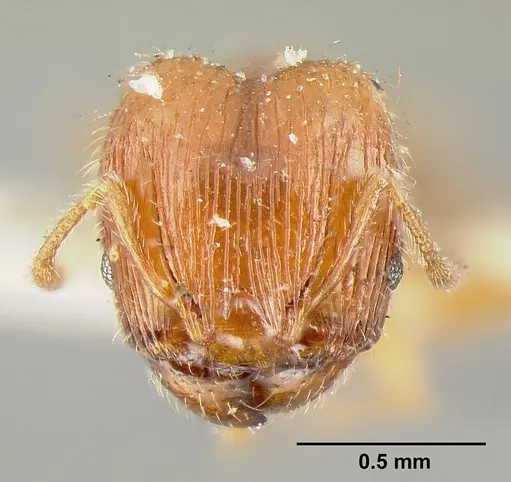
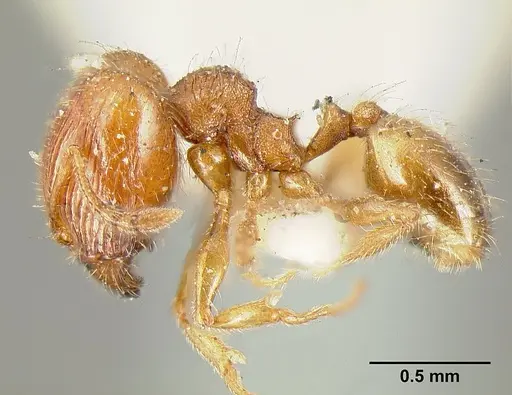
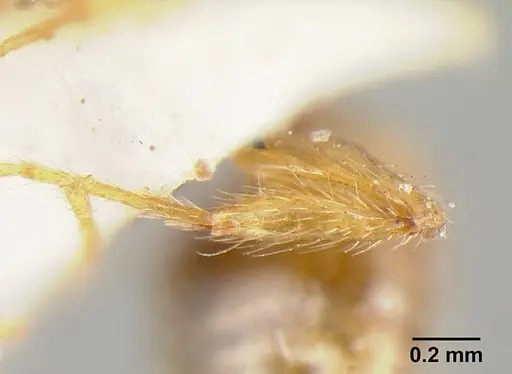
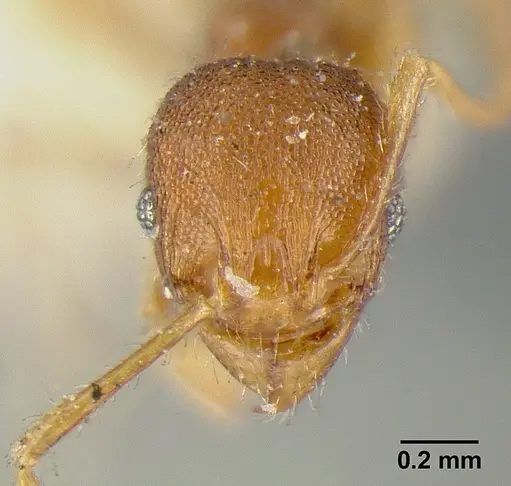
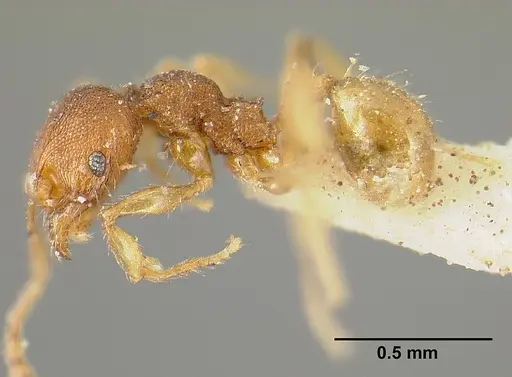
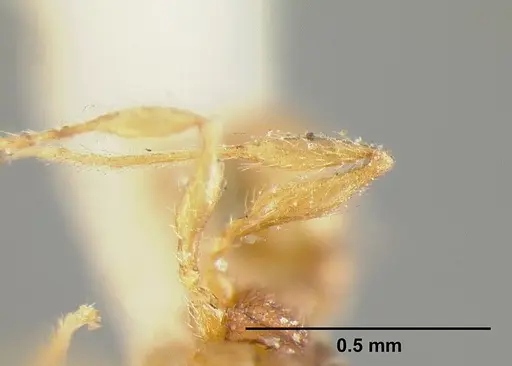
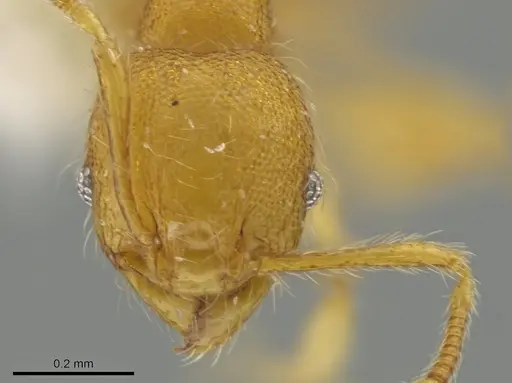
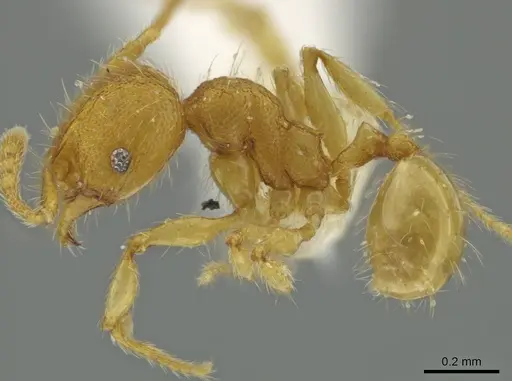
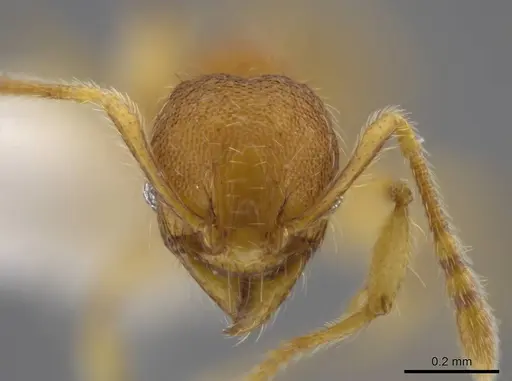
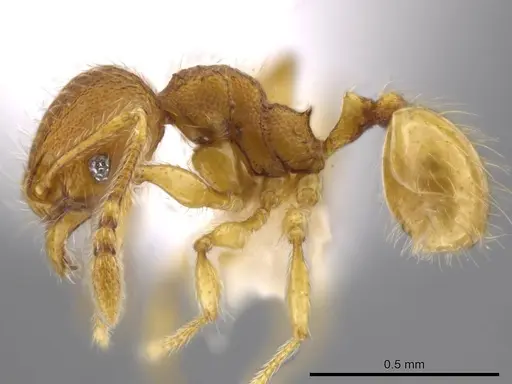
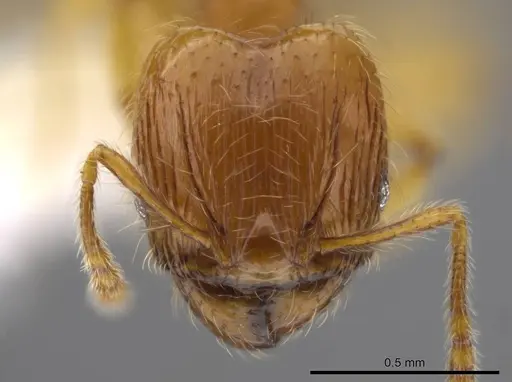
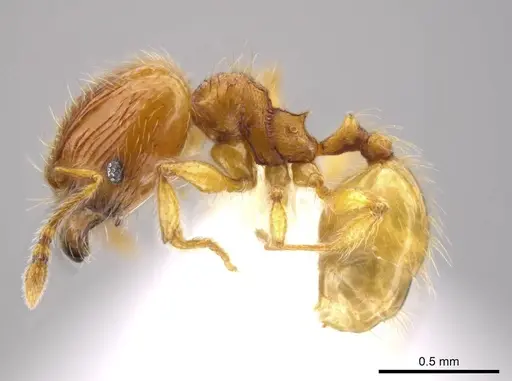
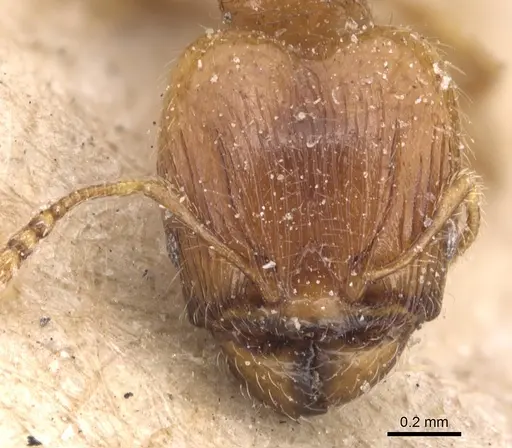
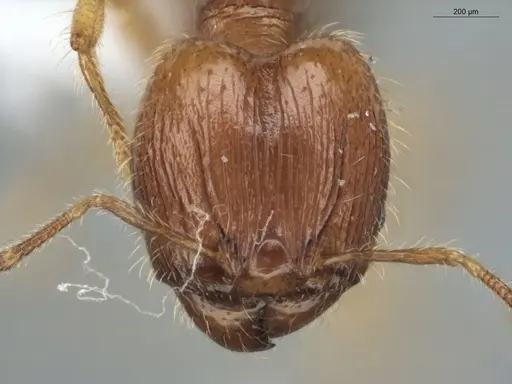
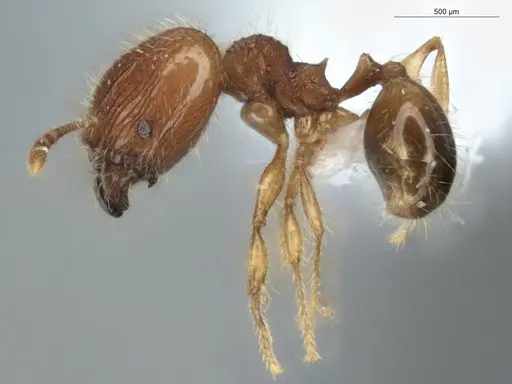
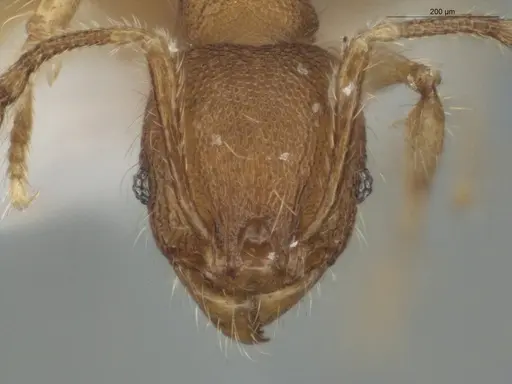
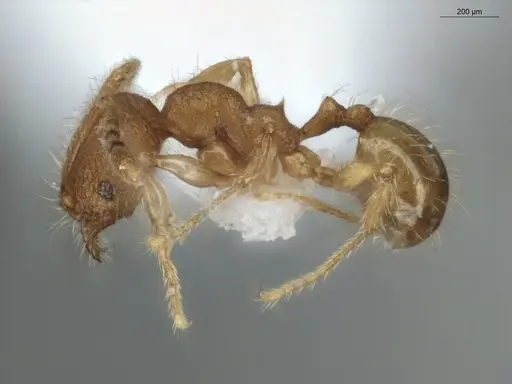
Pheidole exigua is a small Neotropical big-headed ant found across Central America, South America, and the Caribbean islands. Major workers have large heads, with minors measuring about 1.3 mm and majors up to 2.5 mm in total length . The species belongs to the flavens group and was originally described from French Guiana . Body coloration ranges from yellowish to reddish-brown, with majors having a reddish-yellow body and a yellow gaster marked with light brown . This ant inhabits leaf litter and rotting wood in tropical forests, often nesting under stones or logs in dry semi-deciduous areas . It is ground-dwelling and forages in the leaf litter layer, adapting to both grassland and agricultural habitats where it shifts between insectivorous and liquid food collection .
Quick Summary
- Difficulty: Easy
- Origin & Habitat: Neotropical region, including countries like Mexico, Costa Rica, Brazil, and Caribbean islands such as Cuba and Puerto Rico. Inhabits leaf litter and rotting wood in tropical forests [3][1].
- Colony Type: Colony structure unconfirmed, based on Pheidole genus patterns, likely monogyne (single queen).
- Size & Growth:
- Antkeeping:
- Temperature: Keep warm, around 24-28°C, inferred from tropical habitat. Heat tolerance up to 45°C for short periods [4].
- Humidity: Keep moderately humid, with substrate damp but not waterlogged, based on nesting in leaf litter [1][3].
- Diapause: No, tropical species do not require hibernation.
- Nesting: Use test tube setups or Y-tong nests with moist substrate, provide dry areas for humidity regulation [1].
- Behavior: Generally peaceful and non-aggressive, workers are small active foragers focusing on insect prey and liquid foods [4][5]. Escape risk is high due to tiny size (1.3-2.5 mm) [1].
- Common Issues: escape prevention is critical due to very small size, they can squeeze through standard mesh, tropical temperature requirements may be challenging in cooler rooms without heating, limited documentation on captive care may require some trial and error
Housing and Nest Setup
You can keep Pheidole exigua in test tube setups or Y-tong nests. Because workers are tiny (1.3-2.5 mm), ensure no gaps, use fine mesh or cotton to block escapes [1]. Connect a small outworld for foraging. Add damp substrate to mimic natural rotting wood habitats [3]. Keep the nest horizontally oriented to prevent waterlogging [1].
Feeding and Diet
Offer small live prey like fruit flies or pinhead crickets, as they are primarily insectivorous [4]. Provide liquid foods like diluted honey occasionally. Remove uneaten prey after 24 hours to prevent mold [4].
Temperature and Heating
Keep the nest area warm, around 24-28°C, based on their tropical habitat. Use a heating cable on one side to create a gradient. Avoid temperatures below 20°C for extended periods [4].
Humidity and Water
Maintain moderately humid conditions with damp substrate, as they nest in leaf litter [1][3]. Provide a water tube for drinking. Avoid sudden humidity swings [6].
Colony Development
Founding behavior is unconfirmed, queens may seal themselves in, but no specific data exists. Development to first workers is estimated at 6-8 weeks under warm conditions. Colony growth accelerates after nanitics emerge.
Behavior and Temperament
This species is peaceful and non-aggressive, focusing on foraging rather than defense [5]. Majors help process prey, but sting is not medically significant. Small size requires excellent escape prevention [1].
Frequently Asked Questions
How long does it take for Pheidole exigua to produce first workers?
Estimated 6-8 weeks from egg to first worker under optimal warm conditions. This is based on typical Pheidole development patterns.
Can I keep Pheidole exigua in a test tube?
Yes, test tubes work well. Ensure escape prevention with fine mesh due to their small size [1].
What do Pheidole exigua ants eat?
They are primarily insectivorous, eating small prey like fruit flies [4]. Offer liquid foods like honey water occasionally.
Do Pheidole exigua ants need hibernation?
No, as a tropical species, they do not require diapause. Keep them warm year-round.
How big do Pheidole exigua colonies get?
Colony size data is unavailable from current research.
Are Pheidole exigua ants aggressive?
No, they are generally peaceful and non-aggressive [5].
What temperature do Pheidole exigua ants need?
Keep them warm, around 24-28°C, inferred from their tropical habitat.
Why are my Pheidole exigua ants escaping?
Their small size (1.3-2.5 mm) makes them prone to escaping, use fine mesh on all openings [1].
Can I keep multiple queens together?
Pheidole exigua is likely monogyne based on genus patterns, so combining queens is not recommended.
Is Pheidole exigua a good species for beginners?
Yes, it is relatively easy with straightforward care, but escape prevention and warm temperatures are key.
Report an Issue
The current care sheet is based fully on literature. See inconsistencies, or something that's incorrect? Please , it will be resolved after review from an admin. Contributing to the blogs tab also helps providing information, to make us be able to further improve the caresheets. Thank you for your support!
References

This caresheet is licensed under CC BY-SA 4.0 .
Community Blogs
CASENT0601288
View on AntWeb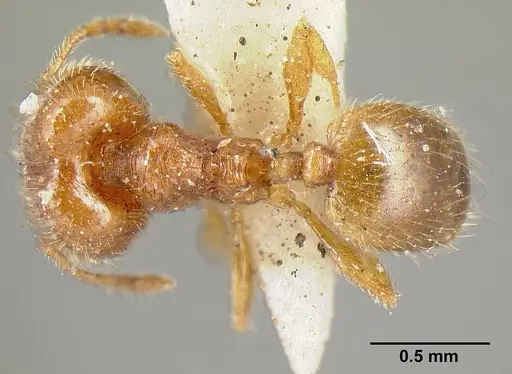
CASENT0601289
View on AntWeb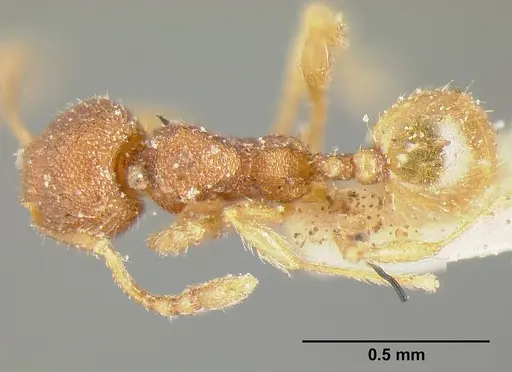
CASENT0630522
View on AntWeb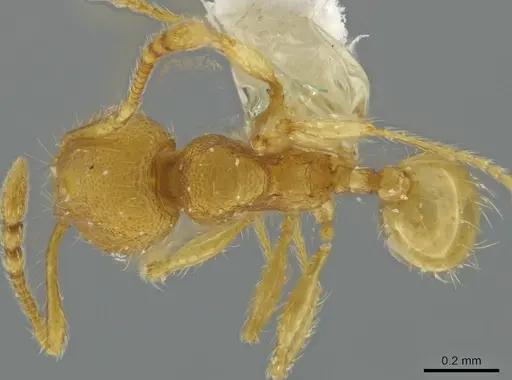
CASENT0630667
View on AntWeb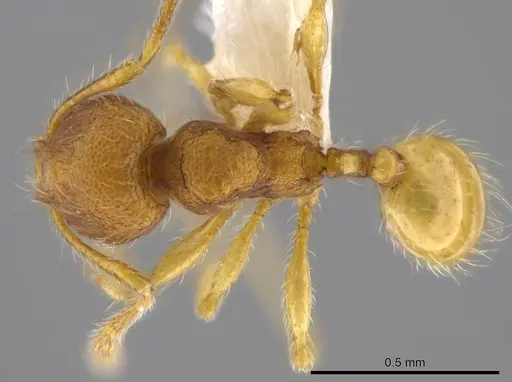
CASENT0630820
View on AntWeb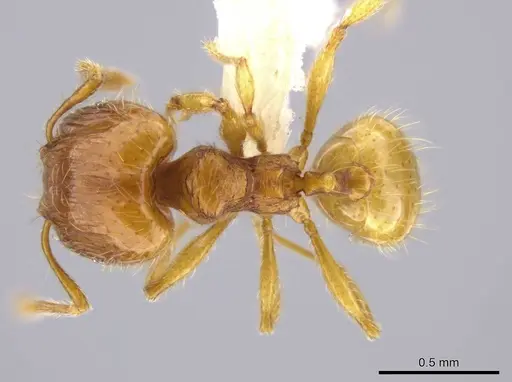
CASENT0904412
View on AntWeb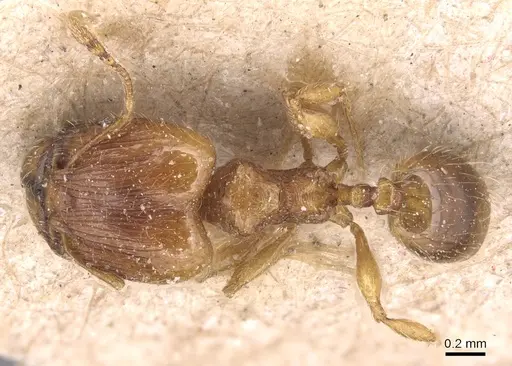
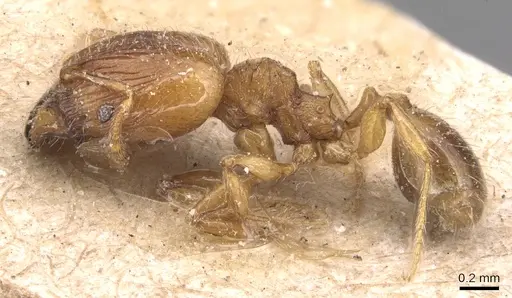
CASENT0904413
View on AntWeb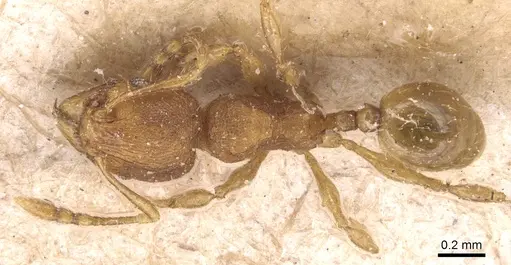
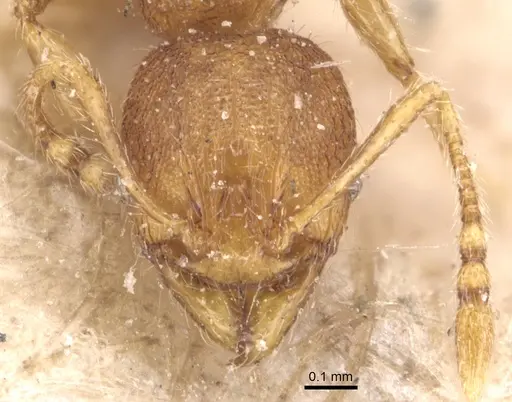
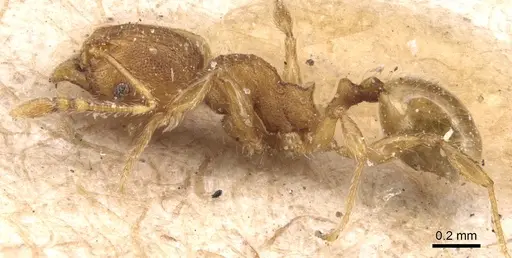
ECOFOG-GAL18-0280-21-S
View on AntWeb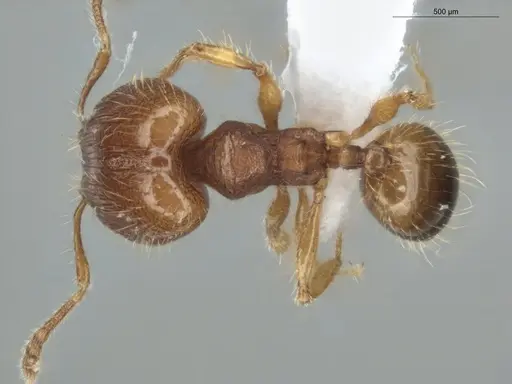
ECOFOG-GAL18-0280-21
View on AntWeb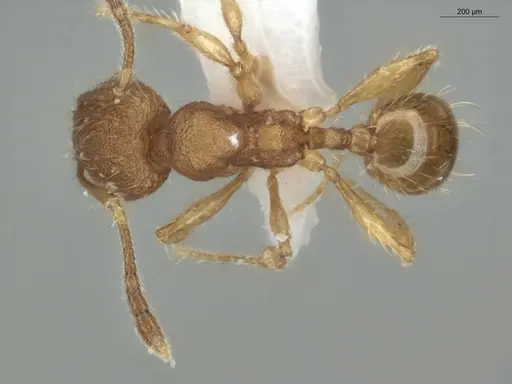
Literature
Loading distribution map...Loading products...