
Pheidole erratilis
- Sci. Name
- Pheidole erratilis
- Tribe
- Attini
- Subfamily
- Myrmicinae
- Author
- Wilson, 2003
- Distribution
- Found in 3 countries
Introduction
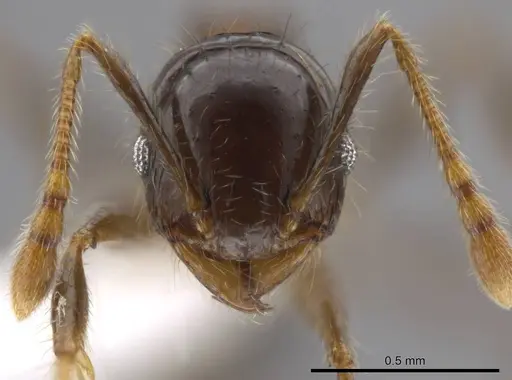
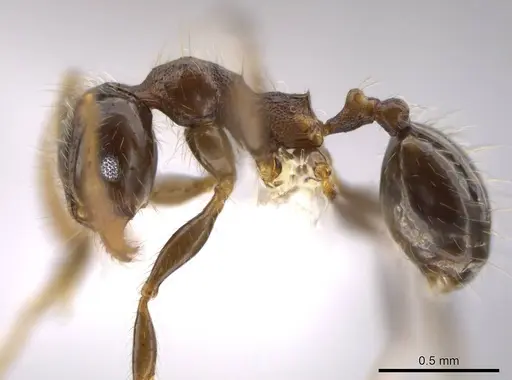
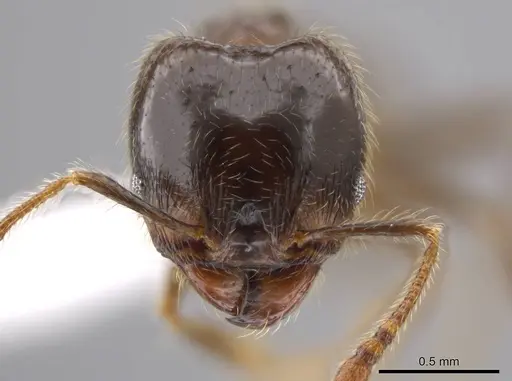
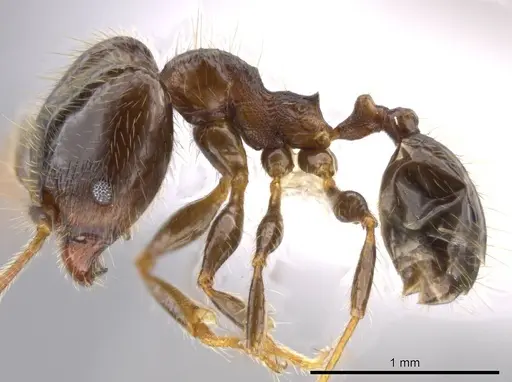
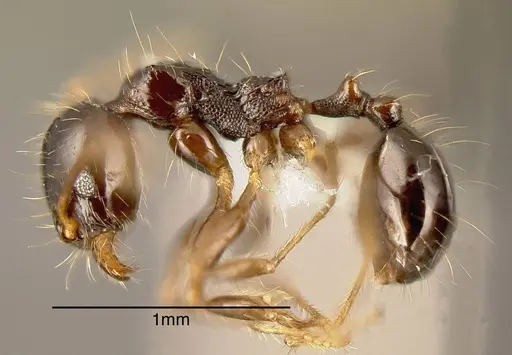
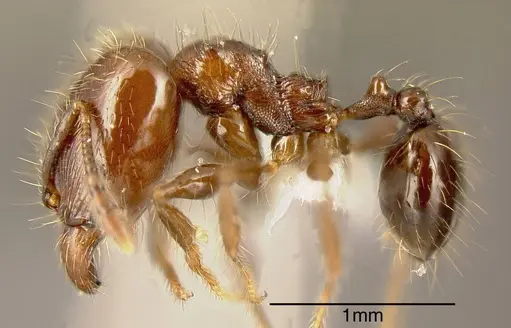
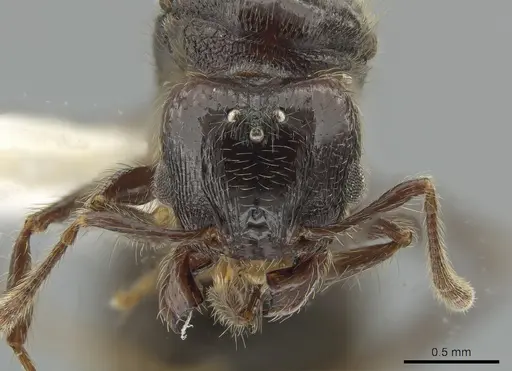
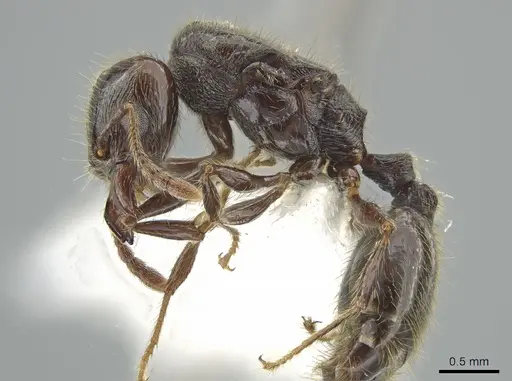
Pheidole erratilis is a big-headed ant species native to the wet forests of Costa Rica and Nicaragua. Workers have two castes: majors with large heads for defense, and minors for foraging and brood care. The species has long hairs and a distinctive 'sharkfin' shape on the shoulder. Majors have a medium brown abdomen with dark yellow tarsi, and light reddish brown body; minors are dark brown with reddish brown appendages . This species was originally described as Pheidole petersoni in 2003 and synonymized in 2009. The name 'erratilis' means 'wanderer' in Latin, referring to its wide habitat range in Costa Rican wet forests, from sea level to 2000m elevation .
Quick Summary
- Difficulty: Medium
- Origin & Habitat: Wet tropical forests of Costa Rica and Nicaragua, from sea level to 2000m elevation. Nests in rotten wood or dead sticks on or near the forest floor [1][2].
- Colony Type: Likely single-queen colonies based on typical Pheidole genus patterns. Colonies contain both major and minor worker castes.
- Size & Growth:
- Queen: size data unavailable
- Worker: size data unavailable
- Colony: Estimated up to several hundred workers based on genus patterns
- Growth: Moderate
- Development: Estimated 6-10 weeks at optimal temperature based on genus patterns (Development time is inferred from related species, actual timing for P. erratilis has not been directly studied)
- Antkeeping:
- Temperature: Keep warm, roughly 24-28°C, based on wet forest habitat [1]
- Humidity: Keep nest substrate consistently moist but not waterlogged, based on wet forest habitat [1]
- Diapause: No, tropical species do not require hibernation
- Nesting: In nature, they nest in rotten wood or dead sticks on the forest floor [1]. In captivity, use Y-tong, plaster, or naturalistic nests with moisture retention
- Behavior: Pheidole ants have two worker castes. Based on Pheidole genus patterns, majors may be used for defense and seed-crushing, while minors handle foraging and brood care. Workers are not aggressive but will defend the colony if threatened. They are not known to sting significantly. Foraging activity is moderate. Escape prevention is important due to small size of minors.
- Common Issues: high humidity needs mean mold can develop if ventilation is poor, balance humidity with adequate airflow, small minor workers can escape through standard barrier setups, use fine mesh and tight-fitting lids, tropical species may struggle if room temperature drops below 22°C, monitor during winter, colonies may be slow to establish initially, patience is needed during the founding phase, wild-caught colonies may have parasites that affect survival in captivity
Nest Preferences and Housing
In the wild, Pheidole erratilis nests in rotten wood or dead sticks on the forest floor, often in damp, shaded areas [1]. One colony was found nesting in necrotic cavities beneath the bracts of a live Costus flower, showing they can use unusual microhabitats. For captive care, provide a nest that retains moisture well, Y-tong, plaster, or naturalistic setups with rotting wood all work. The nest should have chambers sized for the colony. Keep the nest substrate consistently moist but not soggy. Place the nest in a warm area (24-28°C) away from direct sunlight and drafts. The outworld can be decorated with leaf litter to create a humid microclimate.
Feeding and Diet
Pheidole ants are omnivorous, with a diet based on seeds, dead insects, and other protein sources. In the wild, workers are collected in Winkler and Berlese samples but not at baits, suggesting they may not be strongly attracted to sugar baits [1]. In captivity, offer protein sources like small crickets or mealworms 2-3 times per week. Seeds such as millet are often accepted. Sugar water or honey can be offered occasionally. Remove uneaten food after 24-48 hours to prevent mold. Fresh water should always be available.
Temperature and Seasonal Care
As a wet forest species from Costa Rica, Pheidole erratilis requires warm, humid conditions year-round. Keep the nest area at 24-28°C consistently. A heating cable placed on top of the nest can create a gentle temperature gradient. Room temperature is often sufficient if your home stays in the low-mid 20s°C range, but monitor during winter. Unlike temperate species, they do not require a diapause period. Activity may slow slightly during cooler periods, but they should remain active year-round. [1][2]
Understanding Pheidole Castes
Pheidole ants have two distinct worker castes. Major workers have larger heads, which may be used for defense and seed-crushing based on genus patterns. Minor workers are smaller and handle most foraging and brood care. The ratio of majors to minors varies by colony age. When a colony first establishes, the first workers are often smaller than normal. Do not mistake majors for queens, true queens are larger and have a distinct thorax.
Behavior and Colony Dynamics
Pheidole erratilis is a non-aggressive species that focuses on foraging and colony growth. Workers forage individually rather than in large raiding parties. They are primarily ground-nesting and may not venture far from the nest. Colonies grow moderately, it may take several months to a year after founding before you see significant numbers of majors. These ants are not known for painful stings, though majors may bite if threatened. [1]
Escape Prevention
Minor workers are small and can escape through small gaps. Use excellent escape prevention: apply fluon or another barrier to the rim of the outworld, use tight-fitting lids, and ensure connections between nest and outworld are secure. Check for gaps around water tubes and inspect the setup regularly.
Frequently Asked Questions
How long does it take for Pheidole erratilis to produce first workers?
Based on typical Pheidole development, expect 6-10 weeks from egg to first worker at optimal temperature (24-28°C). The exact timing has not been documented for this specific species, so monitor your colony and adjust temperature if development seems slow.
What do Pheidole erratilis ants eat?
They are omnivorous. Offer protein sources like small insects 2-3 times per week, and seeds which majors can crack with their large heads. Sugar water or honey can be offered occasionally. Remove uneaten food after 24-48 hours.
Do Pheidole erratilis ants need hibernation?
No. As a tropical wet forest species from Costa Rica, they do not require hibernation or a diapause period. Keep them warm year-round at 24-28°C. Activity may slow slightly during cooler periods, but they should remain active.
What temperature should I keep Pheidole erratilis at?
Keep the nest at 24-28°C. This is a warm, humid forest species from Costa Rica. A heating cable on top of the nest can help maintain stable temperatures, especially during winter months.
Are Pheidole erratilis good for beginners?
They are rated as medium difficulty. They require warm, humid conditions which can be challenging to maintain consistently. They also need good escape prevention due to their small size. If you have experience with basic antkeeping and can provide the right conditions, they are a rewarding species to keep.
How big do Pheidole erratilis colonies get?
The maximum colony size has not been documented for this species, but typical Pheidole colonies reach several hundred workers. Growth is moderate, colonies take time to establish and may take a year or more to reach significant numbers.
Can I keep multiple Pheidole erratilis queens together?
Pheidole species are typically single-queen colonies. Combining unrelated queens is not recommended as they likely will fight. If you catch a founding queen, keep her alone until she establishes a colony.
What type of nest is best for Pheidole erratilis?
Y-tong (AAC) nests, plaster nests, or naturalistic setups with rotting wood work well. The key is providing moisture retention and chambers scaled to their size. Keep the nest substrate consistently moist but not waterlogged.
Why are my Pheidole erratilis dying?
Common causes include: temperature too low (below 22°C), humidity too low or too high with poor ventilation, poor escape prevention, parasites from wild-caught colonies, or mold from overwatering. Check each of these factors and adjust accordingly.
Report an Issue
The current care sheet is based fully on literature. See inconsistencies, or something that's incorrect? Please , it will be resolved after review from an admin. Contributing to the blogs tab also helps providing information, to make us be able to further improve the caresheets. Thank you for your support!
References

This caresheet is licensed under CC BY-SA 4.0 .
Community Blogs
CASENT0619510
View on AntWeb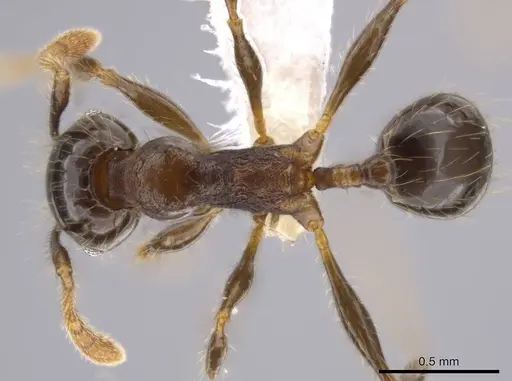
CASENT0619754
View on AntWeb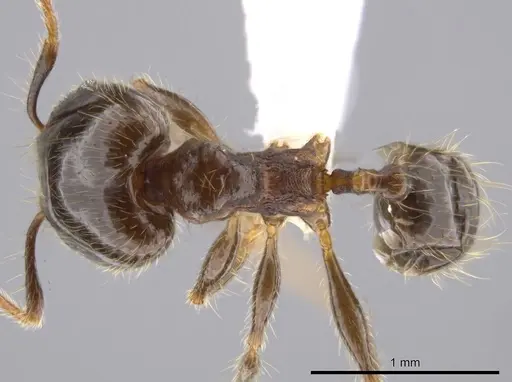
CASENT0635462
View on AntWeb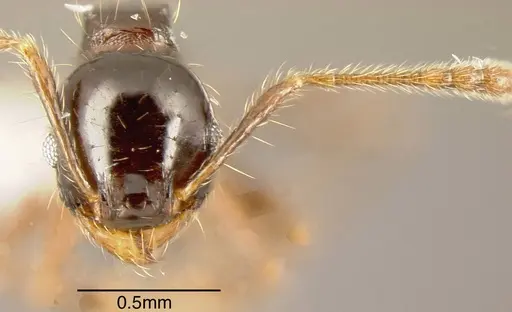
INBIOCRI001282704
View on AntWeb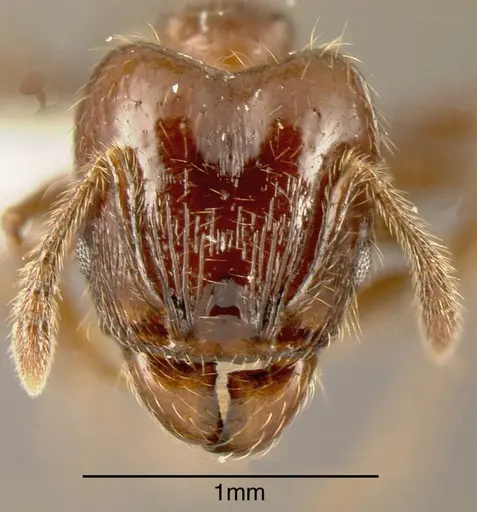
INBIOCRI002281972
View on AntWeb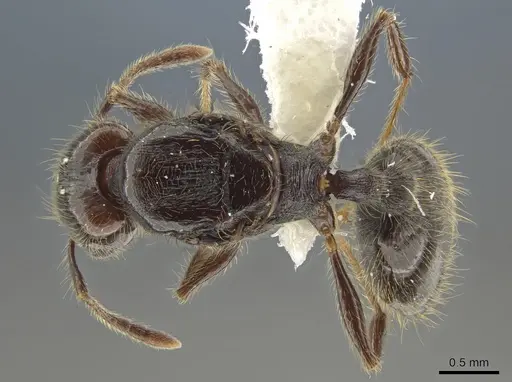
Literature
Loading distribution map...Loading products...