
Pheidole eowilsoni
- Sci. Name
- Pheidole eowilsoni
- Tribe
- Attini
- Subfamily
- Myrmicinae
- Author
- Longino, 2009
- Distribution
- Found in 4 countries
Introduction
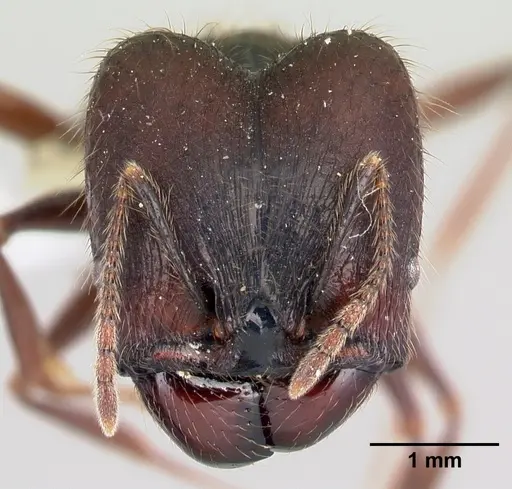
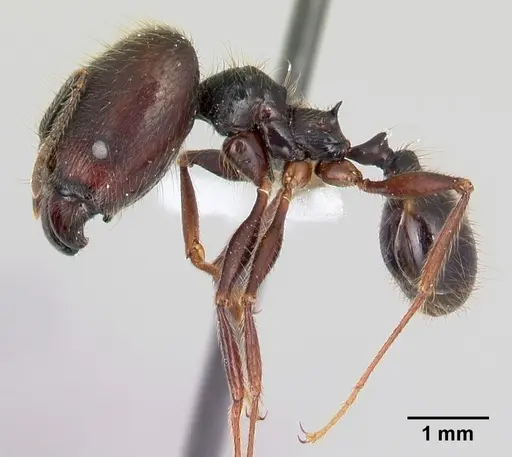
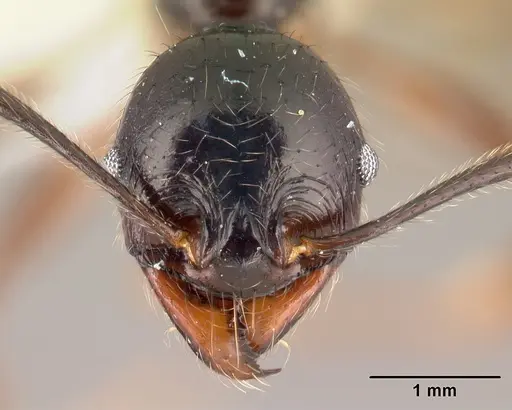
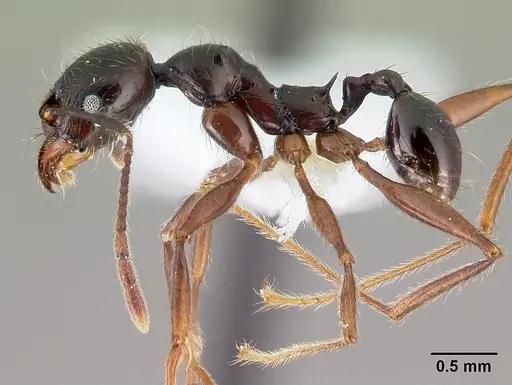
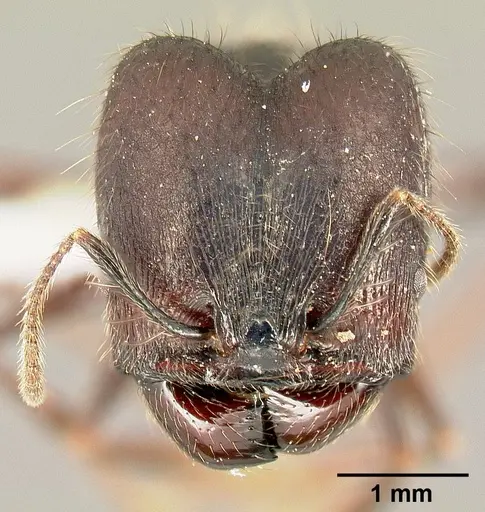
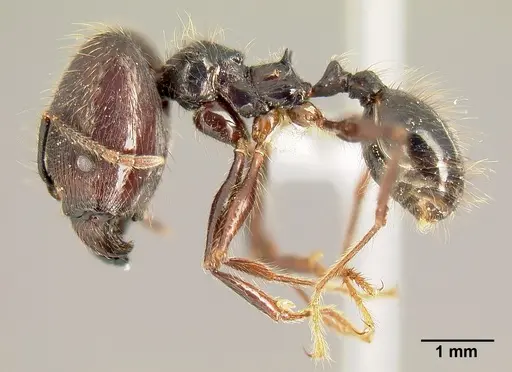
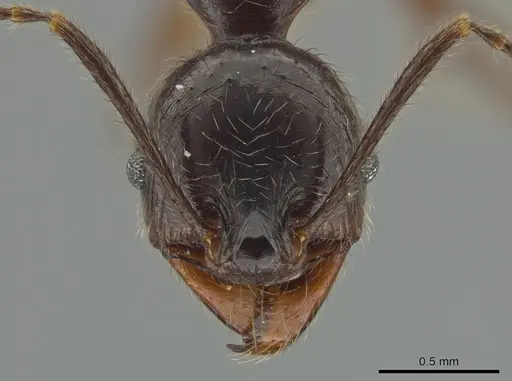
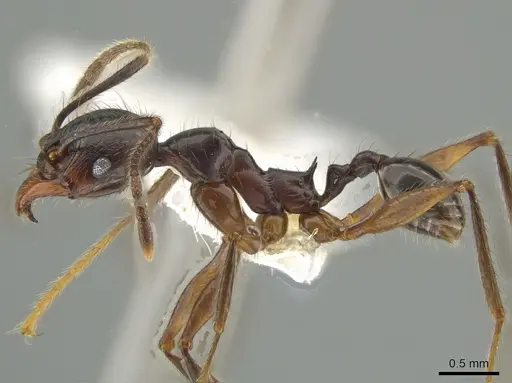
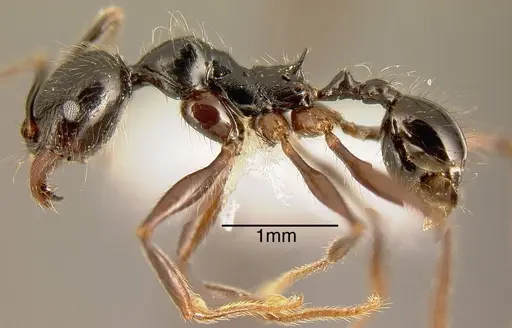
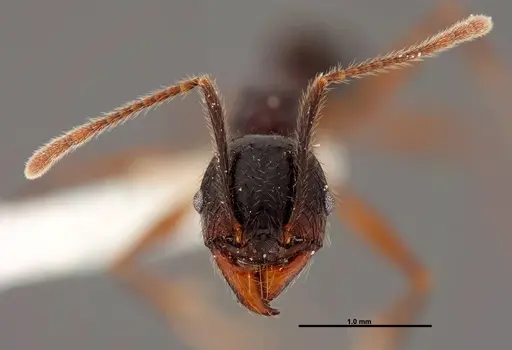
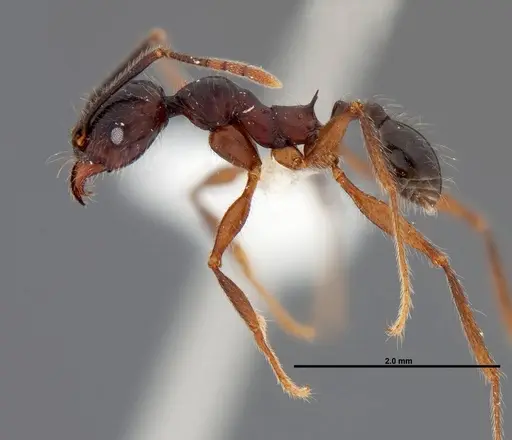
Pheidole eowilsoni is a dark red brown ant species with polymorphic workers. Size data unavailable for full body length. They are found in mature wet forests of Costa Rica, Honduras, and Nicaragua , nesting in clay banks above streams . A key behavior is their use of internal trash middens, containing nematodes, dead ant remains, and plant seeds .
Quick Summary
- Difficulty: Medium
- Origin & Habitat: Mature wet forests in Costa Rica, Honduras, and Nicaragua at elevations of 50-800m [1][2]. Nests in clay banks above streams and under stones [1].
- Colony Type: Single-queen colonies (monogyne) confirmed through nest excavations [1]. Founding behavior is unconfirmed.
- Size & Growth:
- Queen: size data unavailable
- Worker: size data unavailable
- Colony: Unknown maximum size, typical Pheidole colonies can reach several thousand workers
- Growth: Moderate, typical for tropical Pheidole species
- Development: Estimated 5-8 weeks at optimal temperatures (Development time not directly documented for this species.)
- Antkeeping:
- Temperature: Keep at 24-28°C, based on their tropical wet forest habitat [1]. Provide a temperature gradient for self-regulation.
- Humidity: Keep nest substrate consistently moist but not waterlogged, inferred from wet forest habitat [1].
- Diapause: No, tropical species, no hibernation needed.
- Nesting: In nature, they nest in clay banks, in captivity, use moist substrate setups like Y-tong nests or soil formicaria.
- Behavior: Nocturnal foragers [1]. Not aggressive toward keepers, but major workers can deliver a mild sting if handled roughly, sting is general for Myrmicinae subfamily. Escape risk is moderate due to small minor workers, standard barrier methods work well.
- Common Issues: high humidity needs can lead to mold if ventilation is poor, ensure adequate airflow while maintaining moisture., tropical species may struggle in air-conditioned rooms or during winter when indoor humidity drops., colonies may be slow to establish, patience is needed during the founding phase., wild-caught colonies may carry parasites or pathogens that can cause colony losses., major workers are large but minors are tiny, ensure any barriers have appropriately sized openings.
Nest Preferences and Housing
In the wild, Pheidole eowilsoni nests in clay banks above streams, creating tunnel systems roughly 1cm in diameter with multiple chambers [1]. They have also been found beneath stones in rainforest trails [1]. For captive care, replicate these conditions using a naturalistic setup with moist substrate, such as a formicarium with a dirt/gravel mixture or Y-tong nests. The substrate should hold moisture without becoming waterlogged. Avoid completely dry setups, these wet forest ants need consistent moisture. A test tube water reservoir connected to the nest area helps maintain humidity levels.
Feeding and Diet
Pheidole eowilsoni is a generalist forager like most Pheidole species. In the wild, they likely collect seeds, small insects, and honeydew from aphids and scale insects. For captive colonies, offer a varied diet: protein sources like small crickets, mealworms, or fruit flies twice weekly, and sugar sources like honey water or sugar water constantly. The trash midden discovery suggests they process a wide range of organic materials [1]. Seeds may also be accepted, try offering small grass or flower seeds. Observe your colony's preferences and adjust feeding accordingly. Remove uneaten prey after 24-48 hours to prevent mold issues.
Temperature and Seasonal Care
As a tropical wet forest species, Pheidole eowilsoni requires warm temperatures around 24-28°C [1]. These ants are nocturnal foragers in the wild, so provide a day-night cycle but avoid direct sunlight on the nest. A heating cable or mat on one side of the nest can create a temperature gradient, but ensure there's a cooler area for self-regulation. Since they are from a region with relatively constant temperatures, avoid cold temperatures below 20°C. No hibernation or diapause is required.
Behavior and Colony Dynamics
This species shows typical Pheidole polymorphism with distinct minor and major workers. Minor workers handle most daily tasks including foraging and brood care, while major workers specialize in seed processing and colony defense. The discovery of an internal trash midden indicates sophisticated nest hygiene [1]. Foragers are nocturnal, emerging at night to search for food [1]. Colonies are monogyne with a single queen. They are not particularly aggressive but major workers can sting if threatened.
Acquiring and Establishing Colonies
Pheidole eowilsoni is not common in the antkeeping hobby, so acquiring a colony may require specialized breeders. If obtaining a wild-caught colony, watch for potential parasites, the documented trash midden contained nematodes, and wild colonies may carry pathogens [1]. Quarantine new colonies for a few weeks. Founding colonies should be given a quiet, dark location with consistent warmth and humidity. Once workers emerge, begin offering small food items.
Frequently Asked Questions
How long does it take for Pheidole eowilsoni to produce first workers?
The exact time is not documented, but based on typical Pheidole development, it may take 5-8 weeks at optimal temperatures.
What temperature do Pheidole eowilsoni need?
Keep them at 24-28°C, based on their tropical habitat [1].
Can I keep multiple queens together?
No, this species is monogyne with single-queen colonies confirmed [1]. Multiple unrelated queens will likely fight.
What do Pheidole eowilsoni eat?
They are generalist foragers. Offer protein (small insects like crickets, mealworms, fruit flies) twice weekly, and provide constant access to sugar sources (honey water or sugar water) [1].
Do they need hibernation?
No, as a tropical species, they do not require hibernation.
What humidity level do they need?
High humidity is essential, keep the nest substrate consistently moist but not waterlogged.
Are Pheidole eowilsoni good for beginners?
This is a medium-difficulty species. They require warm, humid conditions that may be challenging to maintain consistently.
When should I move them to a formicarium?
Start with a founding setup. Once the colony reaches 50-100 workers and shows active foraging, transition to a larger formicarium.
How big do Pheidole eowilsoni colonies get?
The maximum colony size is not documented, but typical Pheidole species reach several thousand workers.
Report an Issue
The current care sheet is based fully on literature. See inconsistencies, or something that's incorrect? Please , it will be resolved after review from an admin. Contributing to the blogs tab also helps providing information, to make us be able to further improve the caresheets. Thank you for your support!
References

This caresheet is licensed under CC BY-SA 4.0 .
Community Blogs
CASENT0608866
View on AntWeb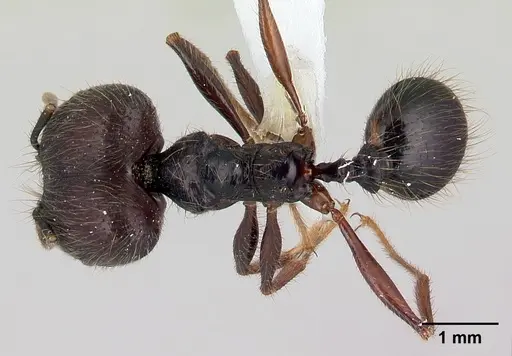
CASENT0608880
View on AntWeb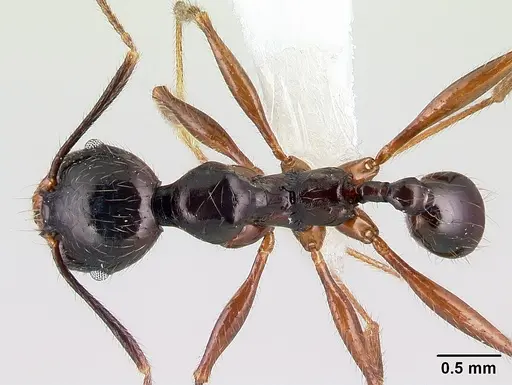
CASENT0608894
View on AntWeb
CASENT0608897
View on AntWeb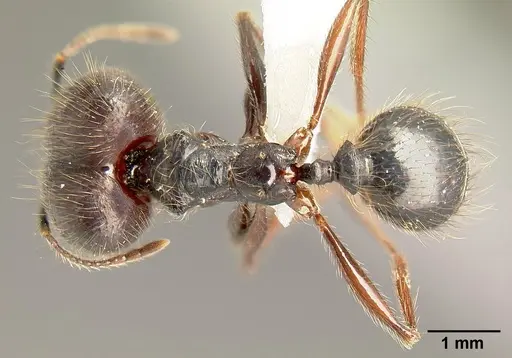
CASENT0619440
View on AntWeb
JTLC000003446
View on AntWeb
JTLC000003559
View on AntWeb
JTLC000007157
View on AntWeb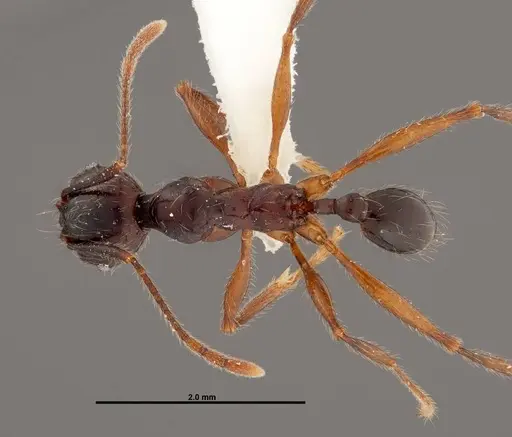
Literature
Loading distribution map...Loading products...