
Pheidole elongicephala
- Sci. Name
- Pheidole elongicephala
- Tribe
- Attini
- Subfamily
- Myrmicinae
- Author
- Eguchi, 2008
- Distribution
- Found in 2 countries
Introduction
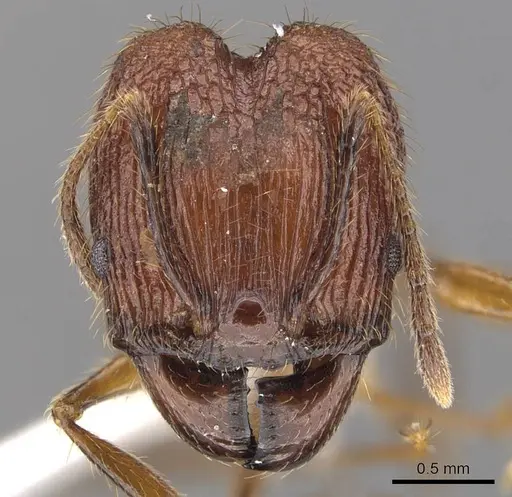
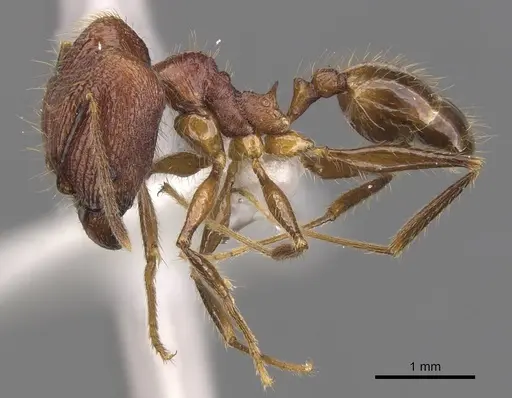
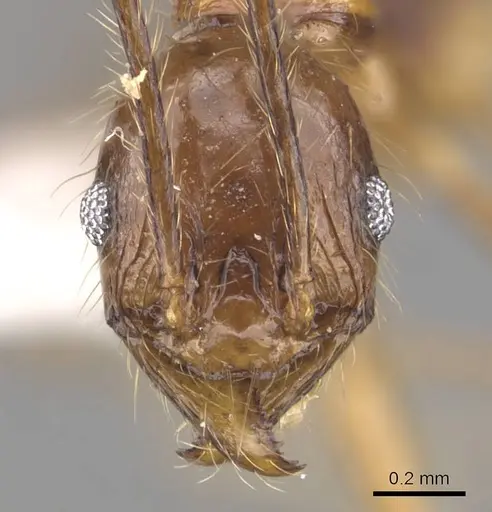
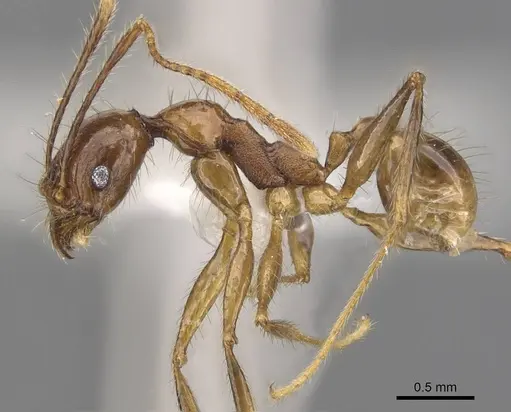
Pheidole elongicephala is a small ant species with major and minor workers. Major workers have a deep yellowish-brown to reddish-brown body with paler appendages, while minor workers are more yellowish-brown. The species is native to northern Vietnam, southern China, and Hainan Island, and was described in 2008 by Katsuyuki Eguchi . This ant has been documented in protected areas like Cuc Phuong National Park and was recently recorded in Macao in 2021,showing its presence in urban areas . It prefers forested habitats and is not found in rubber plantations, indicating a need for intact woody environments .
Quick Summary
- Difficulty: Medium
- Origin & Habitat: Northern Vietnam and southern China, including Hainan Island. Found in woody habitats such as primary and secondary forests, nesting in rotting wood and soil [1][2][4].
- Colony Type: Colony structure is unconfirmed. No specific data on queen number or social structure for this species.
- Size & Growth:
- Queen: Size data unavailable, no total length measurements in research. Inferred from Pheidole genus to be approximately 5-9 mm.
- Worker: Size data unavailable, no total length measurements in research. Inferred from Pheidole genus to be approximately 2-4 mm.
- Colony: Up to several thousand workers, estimated from typical Pheidole species, but no specific data for this species.
- Growth: Moderate, inferred from related Pheidole species patterns.
- Development: 6-8 weeks, estimated based on typical Pheidole development at warm temperatures, as no specific study exists for this species. (Development time is inferred from genus-level data. Warmer temperatures within their range likely accelerate development.)
- Antkeeping:
- Temperature: Keep at 22-26°C, inferred from subtropical range in Vietnam and southern China. Provide a gentle temperature gradient for self-regulation [1][2].
- Humidity: Keep nest substrate consistently moist but not waterlogged, inferred from wood-nesting habitat in rotting wood and soil [1][2].
- Diapause: No true diapause required, inferred from subtropical range with mild winters. Reduce feeding and lower temperatures slightly during winter months.
- Nesting: Provide rotting wood pieces or moist soil nests, based on natural habitat. In captivity, use Y-tong, plaster, or naturalistic setups with wood inclusions [1][2].
- Behavior: Pheidole elongicephala is non-aggressive and not dangerous to keepers. Workers are active foragers on ground and vegetation. Major workers defend the colony and process food. Escape risk is moderate, use standard barriers [5].
- Common Issues: colonies may fail if kept too dry, their wood-nesting biology requires moisture., wild-caught colonies may have parasites that kill them in captivity., slow initial growth can lead to overfeeding by impatient keepers., rotting wood in setups can mold if humidity is not properly managed., lack of specific care information means starting with general Pheidole guidelines and adjusting based on colony response.
Nest Preferences and Housing
Pheidole elongicephala naturally nests in rotting wood and soil. In captivity, provide conditions that mimic this woody, moist habitat. Use a Y-tong nest, plaster nest with wood pieces, or a naturalistic setup with moist substrate. Test tube setups work for founding colonies but transfer to a more substantial nest once the colony grows. Ensure nest material holds moisture without becoming waterlogged [1][2].
Feeding and Diet
These ants are omnivorous. Offer protein sources like small insects (fruit flies, pinhead crickets) 2-3 times per week, and provide sugar water or honey regularly. Remove uneaten prey after 24-48 hours to prevent mold [5].
Temperature and Seasonal Care
Keep the colony at 22-26°C with a slight gradient. This species comes from warm subtropical regions, so room temperature may be suitable. During winter, reduce temperatures to 18-20°C and lower feeding frequency, but full hibernation is not necessary [1][2].
Colony Development and Growth
Colonies grow through production of major and minor workers. First workers emerge in about 6-8 weeks under optimal conditions. Major workers appear once the colony reaches moderate size, helping with defense and food processing. Growth rate is influenced by temperature [5].
Behavior and Defense
Pheidole elongicephala is not aggressive and poses no danger. Workers forage actively, and major workers defend the colony. They may bite if threatened, but their small size makes this harmless. Escape prevention should use standard barriers like Fluon on smooth surfaces [5].
Frequently Asked Questions
How long does it take for Pheidole elongicephala to produce first workers?
Expect first workers in about 6-8 weeks under optimal warm conditions (24-26°C), estimated from typical Pheidole development as no specific study exists [1].
What do Pheidole elongicephala ants eat?
They are omnivorous. Offer small insects like fruit flies as protein 2-3 times per week, and keep sugar water available [5].
Can I keep multiple Pheidole elongicephala queens together?
Not recommended without specific documentation. Colony structure is unconfirmed for this species, so start with a single queen for safer founding.
What temperature do Pheidole elongicephala need?
Keep them at 22-26°C, inferred from their subtropical range. A temperature gradient allows self-regulation [1][2].
What type of nest should I use for Pheidole elongicephala?
Use nests that mimic rotting wood and soil, such as Y-tong, plaster with wood material, or naturalistic setups. Maintain moisture [1][2].
Are Pheidole elongicephala good for beginners?
They are rated medium difficulty due to humidity needs and slow founding stage. Suitable for intermediate keepers.
How big do Pheidole elongicephala colonies get?
Colony size is unconfirmed, but typical Pheidole colonies reach several thousand workers. Major workers appear at moderate size.
Do Pheidole elongicephala need hibernation?
No true hibernation is required. Reduce feeding and temperatures slightly in winter, but full diapause is not necessary [1].
Why is my Pheidole elongicephala colony dying?
Common causes include dry conditions, overfeeding leading to mold, or temperatures outside 22-26°C. Check for parasites in wild-caught colonies.
Report an Issue
The current care sheet is based fully on literature. See inconsistencies, or something that's incorrect? Please , it will be resolved after review from an admin. Contributing to the blogs tab also helps providing information, to make us be able to further improve the caresheets. Thank you for your support!
References

This caresheet is licensed under CC BY-SA 4.0 .
Community Blogs
CASENT0905867
View on AntWeb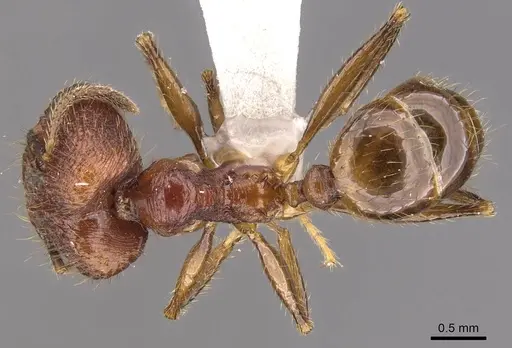
CASENT0905868
View on AntWeb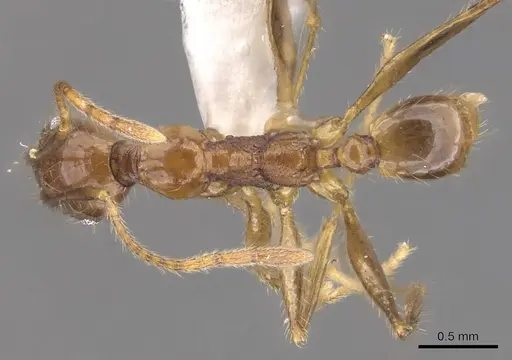
Literature
Loading distribution map...Loading products...