
Pheidole elisae
- Sci. Name
- Pheidole elisae
- Tribe
- Attini
- Subfamily
- Myrmicinae
- Author
- Emery, 1900
- Distribution
- Found in 3 countries
Introduction
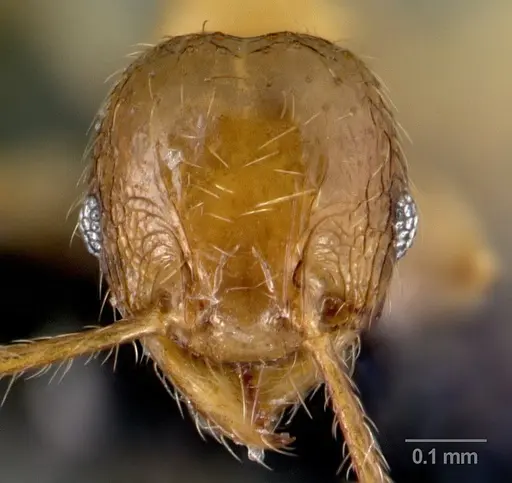
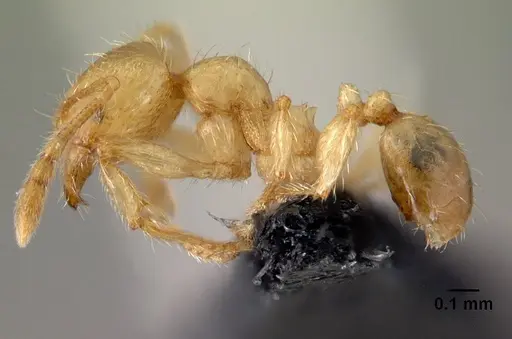
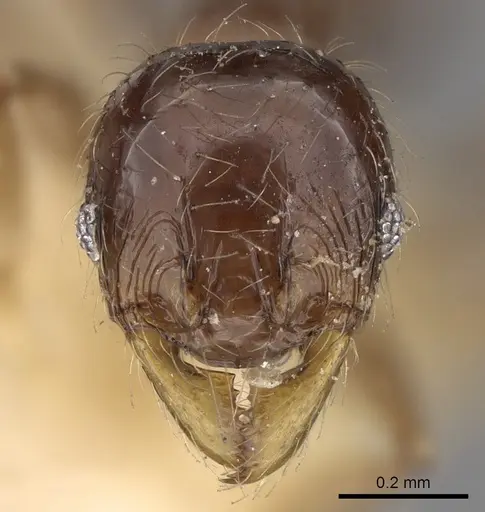
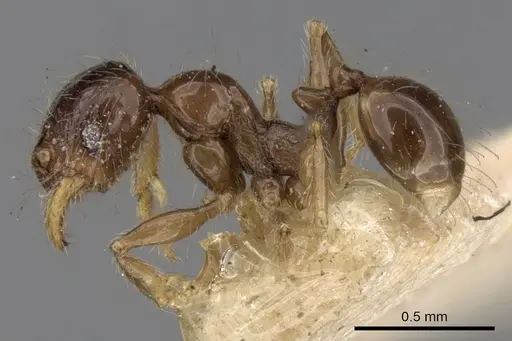
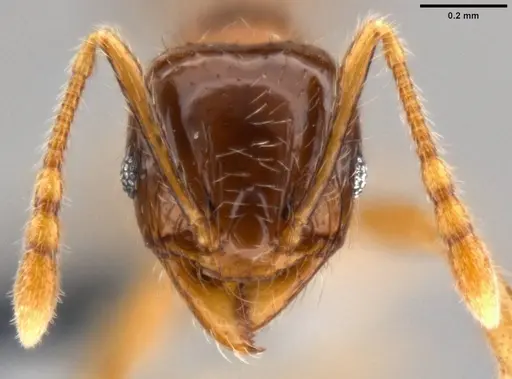
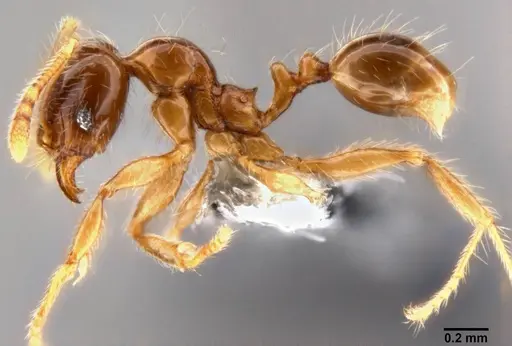
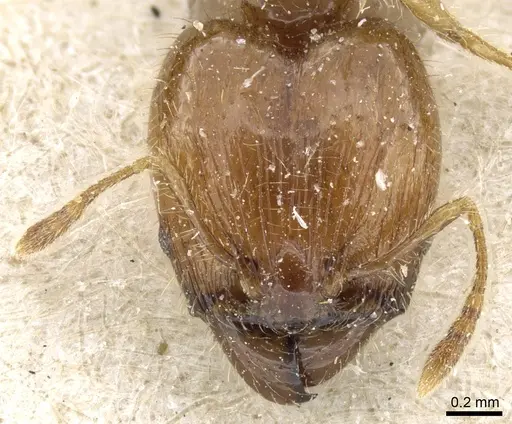
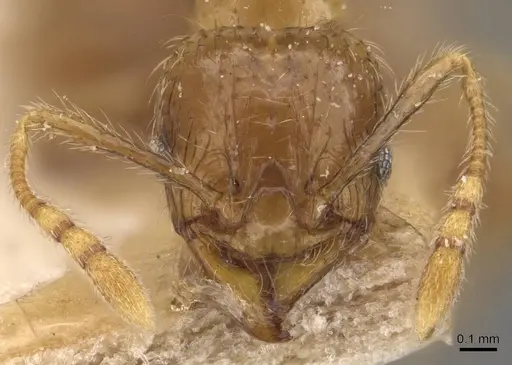
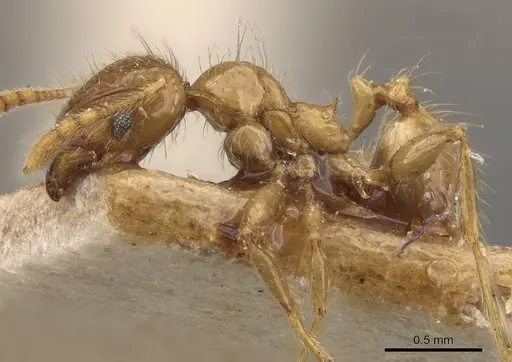
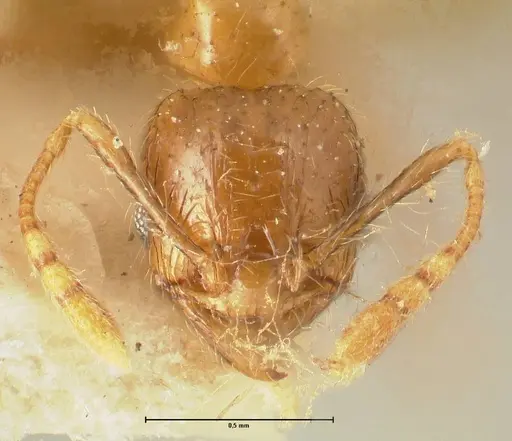
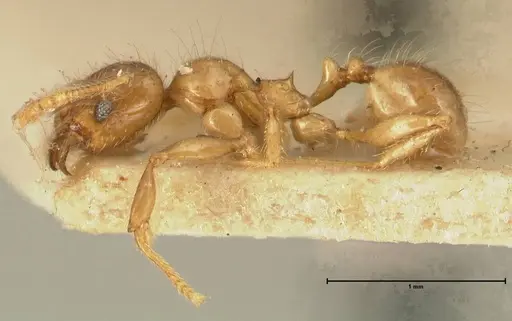
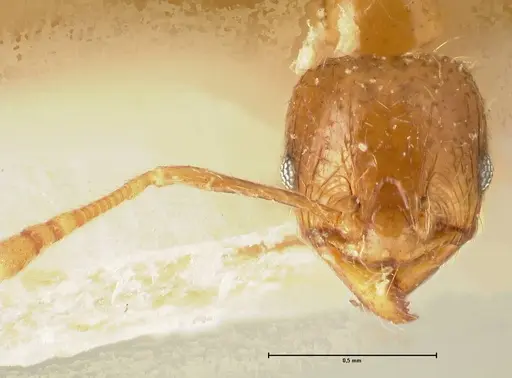
Pheidole elisae is a small tropical ant species native to Southeast Asia, found across Borneo, Indonesia, Malaysia, the Philippines, Singapore, and southern Thailand . Minor workers are 1.7-1.9 mm in total length, while major workers (soldiers) reach 2.5-2.7 mm . Their body coloration ranges from yellowish-brown to brown, with majors typically having a darker gaster. In the wild, they inhabit well-developed lowland and hill forests, nesting in rotting wood . P. elisae is closely related to Pheidole sauberi, Pheidole sarawakana, and Pheidole tandjongensis, with three of these species occurring together in parts of Borneo. It can be identified by the highly prominent petiolar node in both worker castes and a pair of small median processes on the hypostoma of major workers .
Quick Summary
- Difficulty: Easy
- Origin & Habitat: Well-developed forests in lowlands and hill areas of Southeast Asia, from Borneo to Thailand. Nests in rotting wood [1][2].
- Colony Type: Based on Pheidole patterns, likely monogyne with single queens, but this is not confirmed for this species.
- Size & Growth:
- Antkeeping:
- Temperature: Keep warm, roughly 24-28°C, based on tropical habitat inference.
- Humidity: Keep nest substrate consistently moist but not waterlogged, based on rotting wood habitat [1].
- Diapause: No, tropical species do not require hibernation.
- Nesting: Prefers moist, rotting wood or damp test tube setups. Y-tong or plaster nests work well [1].
- Behavior: Pheidole elisae is generally calm and not aggressive, based on genus patterns. Major workers use enlarged heads for defense, but they rarely bite or sting. Escape risk is moderate due to small size, use standard escape prevention.
- Common Issues: high humidity management is critical, too wet causes mold, too dry causes desiccation and colony decline, temperatures below 20°C can slow colony growth and activity significantly, major workers are few in number, this is normal for Pheidole species, test tube setups can flood if water reservoirs are overfilled, wild-caught colonies may have parasites that can devastate captive colonies
Nest Preferences
In the wild, Pheidole elisae nests exclusively in rotting wood within well-developed forest environments [1]. This indicates they need damp, humid conditions with access to wood-based nesting materials. For captive care, Y-tong nests or plaster nests work well because they hold moisture effectively. Test tube setups can work but require careful humidity management, the cotton should stay damp but not soaking wet. Avoid completely dry environments. A naturalistic setup with pieces of damp rotting wood or cork mimics their natural habitat closely.
Feeding and Diet
Pheidole species are generalist feeders with a preference for seeds and protein. Offer a varied diet including small seeds, protein sources like small insects, and sugar sources such as honey water. Minor workers handle foraging, while major workers crush seeds. Feed protein 2-3 times per week and keep sugar water available constantly. Remove uneaten prey after 24-48 hours to prevent mold.
Temperature and Care
As a tropical species, Pheidole elisae requires warm conditions year-round. Keep the nest area at roughly 24-28°C, with a slight temperature gradient if possible. Avoid temperatures below 20°C for extended periods. Unlike temperate species, they do not need hibernation.
Behavior and Colony Structure
Pheidole elisae has distinct worker castes: minor workers (1.7-1.9 mm) handle daily tasks, while major workers (2.5-2.7 mm) have enlarged heads for seed-crushing and defense. Majors are fewer in number, which is normal. The colony is peaceful and non-aggressive toward keepers [1].
Frequently Asked Questions
How long does it take for Pheidole elisae to have first workers?
Expect first workers around 6-8 weeks after queen lays eggs, assuming warm temperatures. Development is faster in warmer conditions.
Can I keep Pheidole elisae in a test tube?
Yes, test tubes work well for founding colonies. Use a standard test tube with a water reservoir for humidity. Once the colony reaches 30-50 workers, consider moving to a larger formicarium.
What do I feed Pheidole elisae?
Offer a varied diet: small seeds, protein like small insects, and constant access to sugar water. Remove uneaten food after 24-48 hours.
Are Pheidole elisae good for beginners?
Yes, they are considered easy to keep. They are forgiving of minor husbandry mistakes and do not require hibernation.
How big do Pheidole elisae colonies get?
Colonies can reach up to 1000 workers, based on typical Pheidole patterns. Growth is moderate.
Do I need to hibernate Pheidole elisae?
No, they are tropical ants and do not require hibernation. Keep them warm year-round.
Why are most of my workers small (minors)?
This is normal. Pheidole have two worker castes, with minors being more numerous.
When should I move my colony to a formicarium?
Move when the colony reaches 30-50 workers and the test tube feels cramped. Ensure the new setup maintains high humidity.
Report an Issue
The current care sheet is based fully on literature. See inconsistencies, or something that's incorrect? Please , it will be resolved after review from an admin. Contributing to the blogs tab also helps providing information, to make us be able to further improve the caresheets. Thank you for your support!
References

This caresheet is licensed under CC BY-SA 4.0 .
Community Blogs
CASENT0179653
View on AntWeb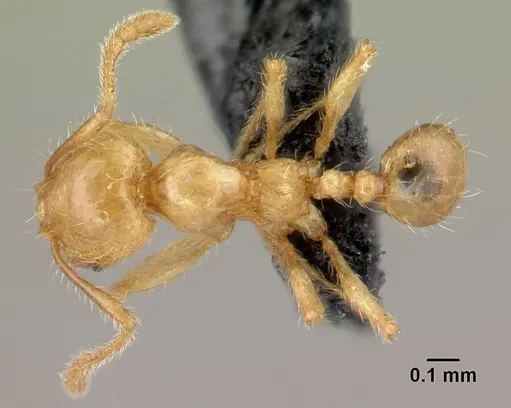
CASENT0281689
View on AntWeb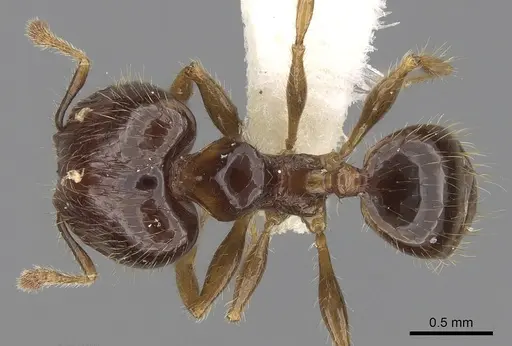
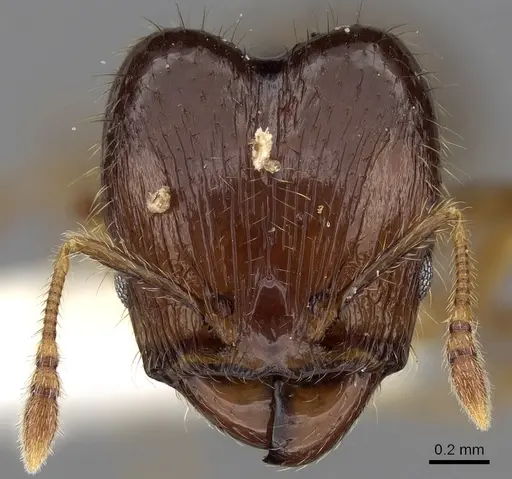
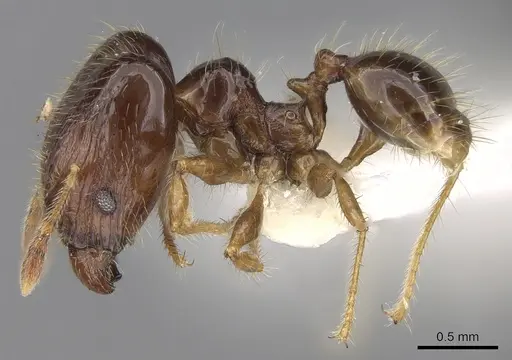
CASENT0281690
View on AntWeb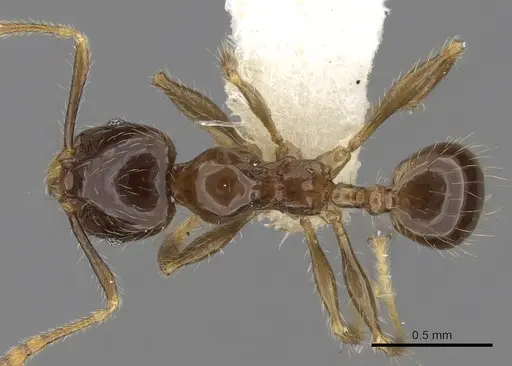
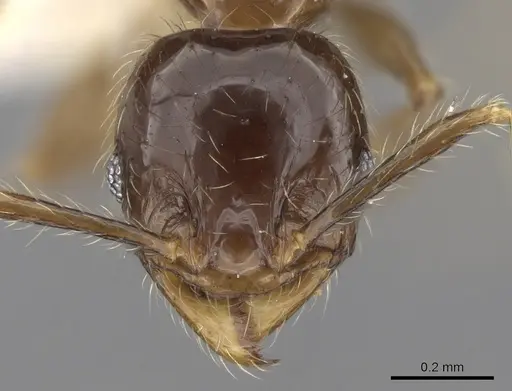
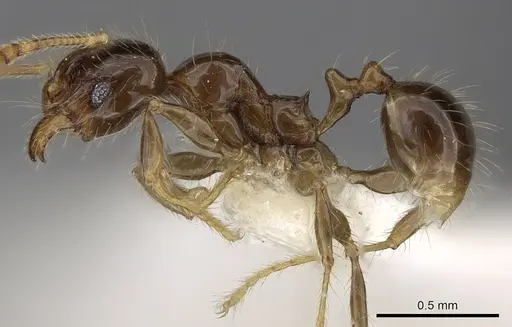
CASENT0281691
View on AntWeb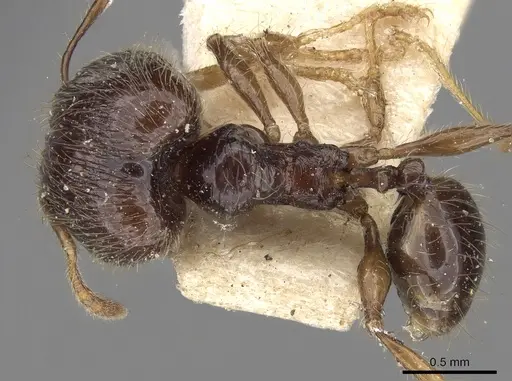
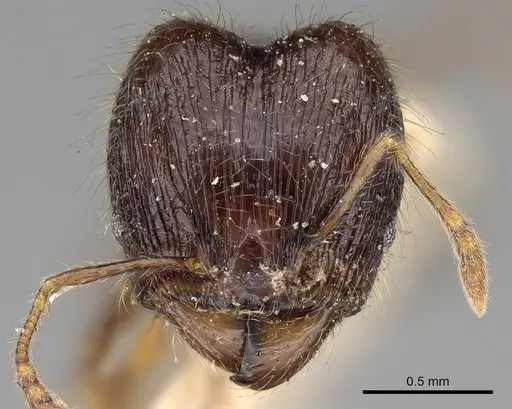
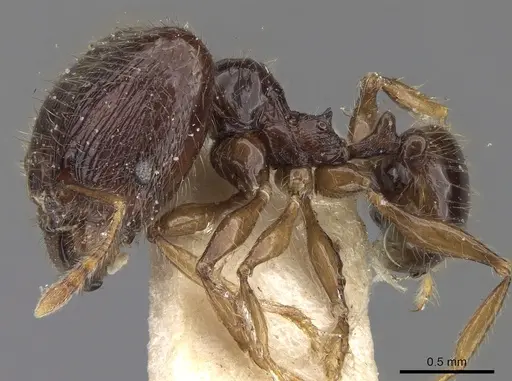
CASENT0281692
View on AntWeb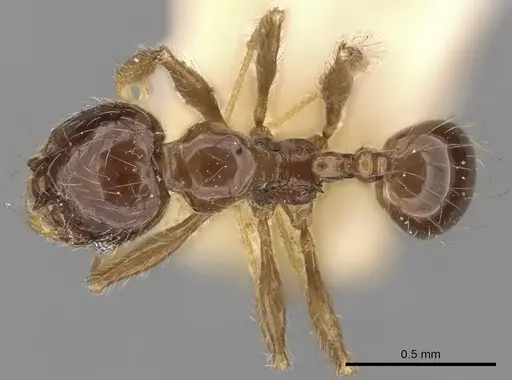
CASENT0282611
View on AntWeb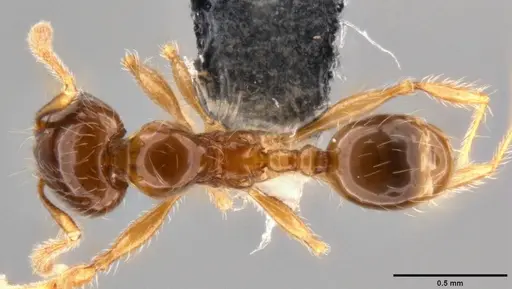
CASENT0904257
View on AntWeb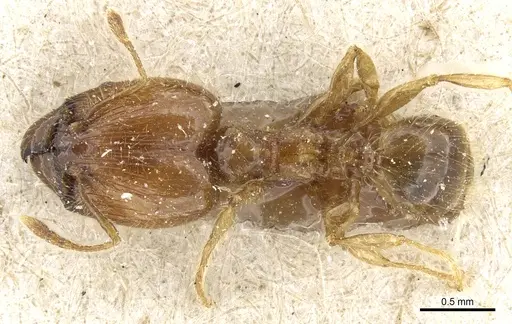
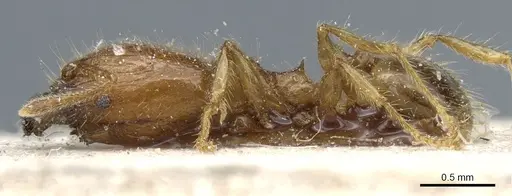
CASENT0907973
View on AntWeb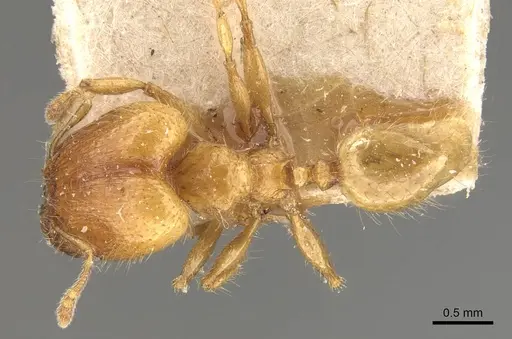
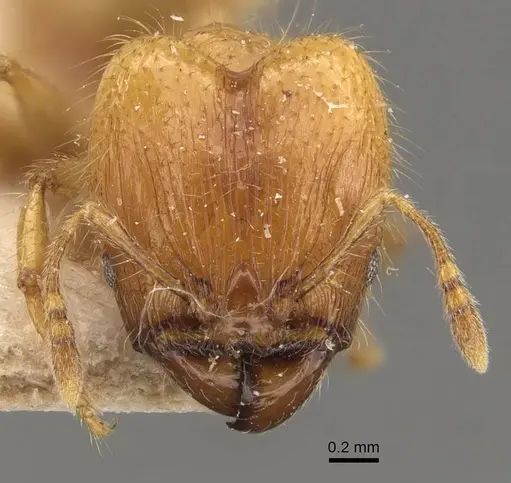
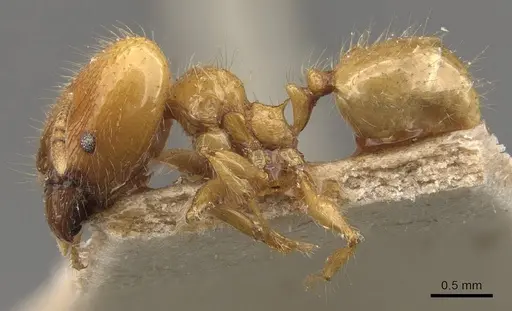
CASENT0907974
View on AntWeb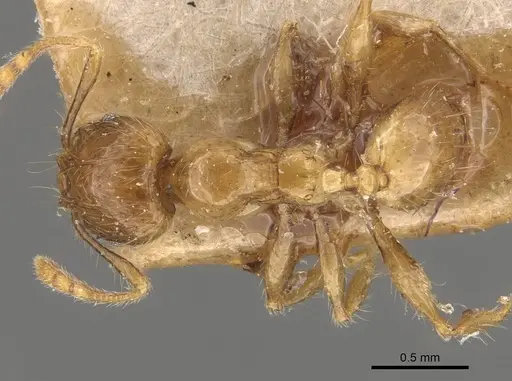
FOCOL1377
View on AntWeb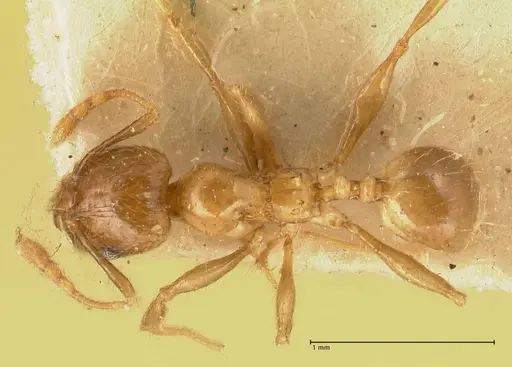
FOCOL1378
View on AntWeb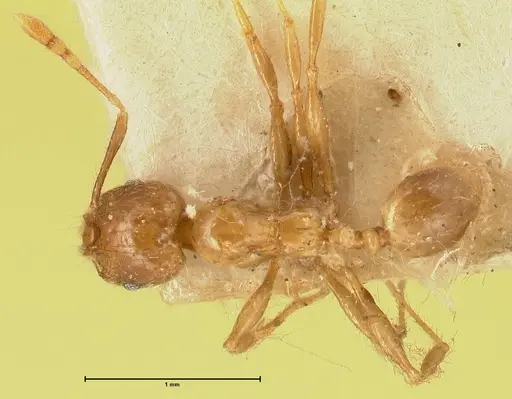
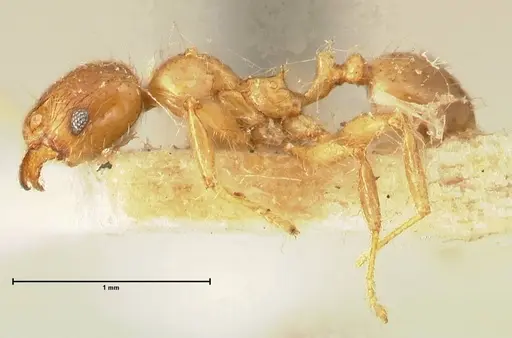
FOCOL1379
View on AntWeb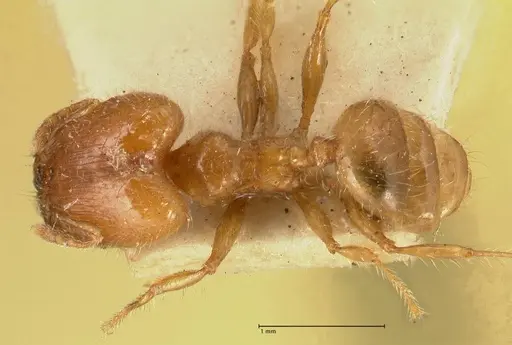
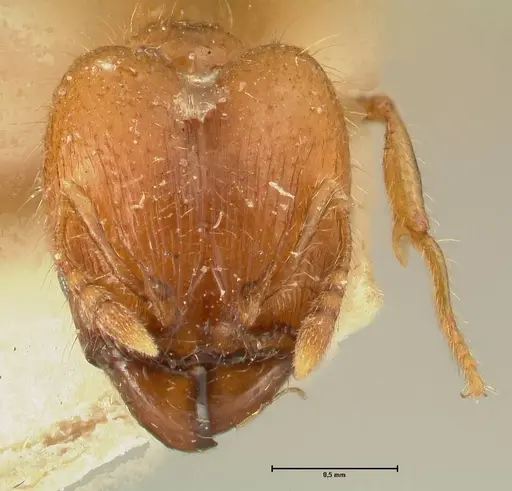
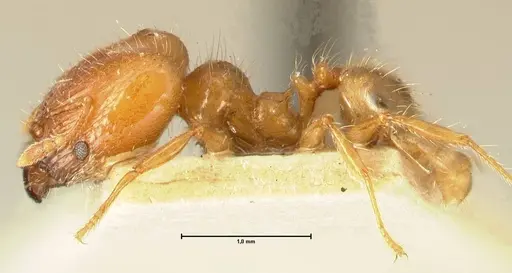
Literature
Loading distribution map...Loading products...