
Pheidole dwyeri
- Sci. Name
- Pheidole dwyeri
- Tribe
- Attini
- Subfamily
- Myrmicinae
- Author
- Gregg, 1969
- Distribution
- Found in 1 countries
Introduction
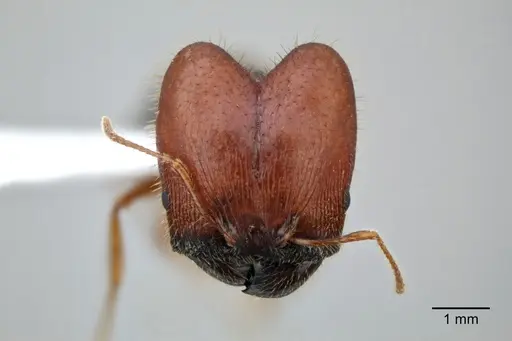
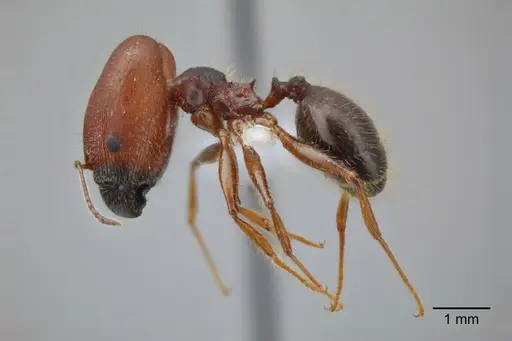
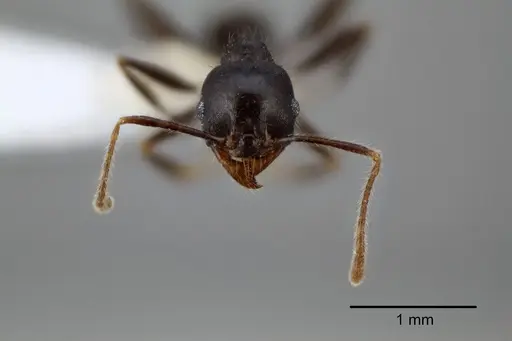
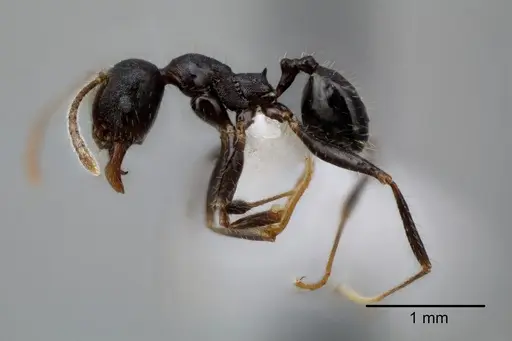
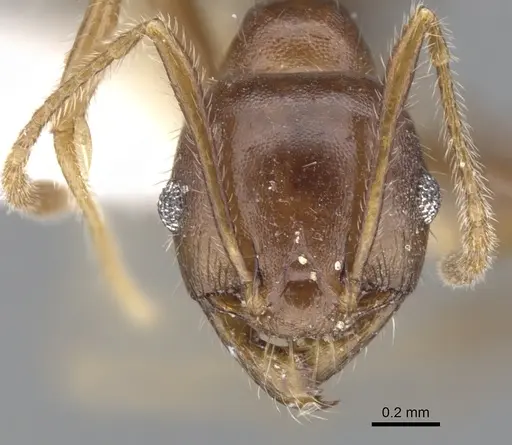
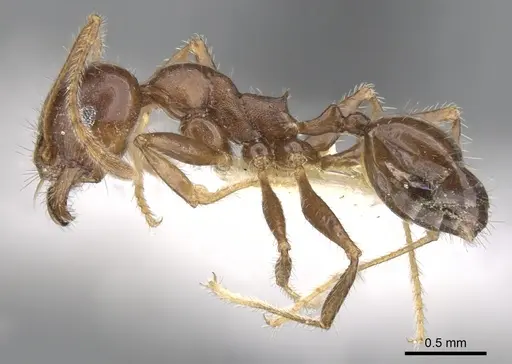
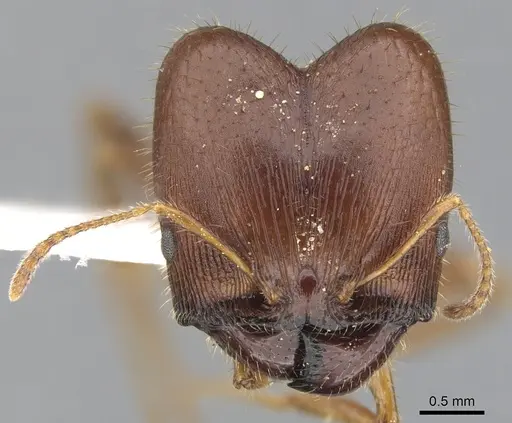
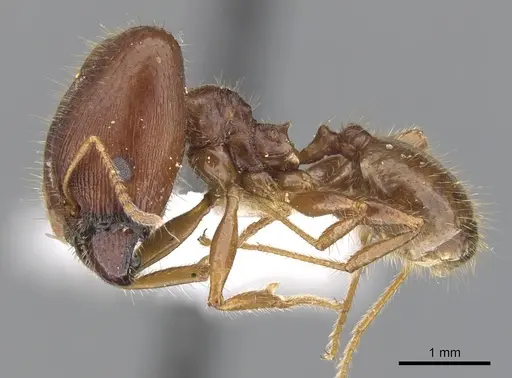
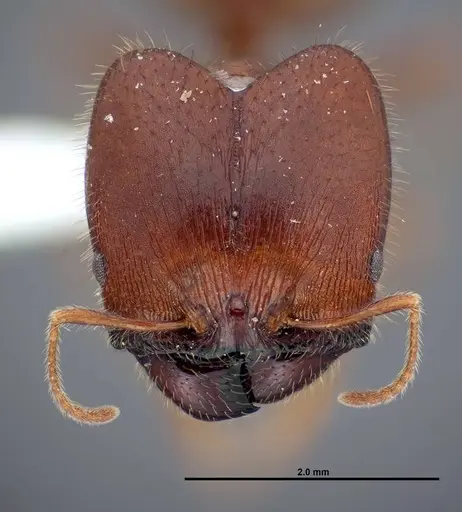
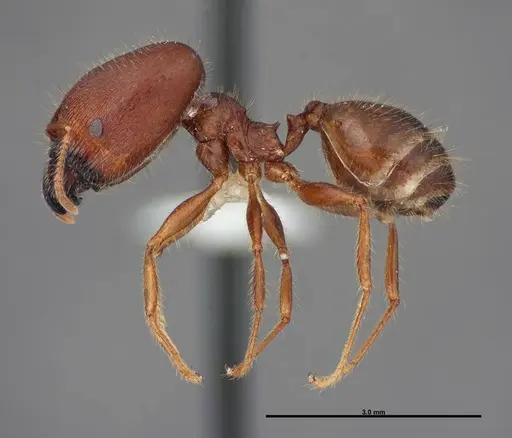
Pheidole dwyeri is a Neotropical ant species endemic to Mexico. Major workers have a large head with a deeply concave occiput, and the species has a 4-segmented antennal club . Body size data is unavailable. It is found in tropical deciduous forests in Nayarit, Jalisco, Morelos, and Puebla at 885-1,311 m elevation . This species has been observed nesting in human structures, specifically electrical installations, indicating adaptability to synanthropic environments .
Quick Summary
- Difficulty: Hard
- Origin & Habitat: Endemic to Mexico, tropical deciduous forests in Nayarit, Jalisco, Morelos, and Puebla at 885-1,311 m elevation [2]
- Colony Type: Unconfirmed, no data on colony structure
- Size & Growth:
- Queen: Size data unavailable
- Worker: Size data unavailable, head measurements are not body size
- Colony: Unknown, no colony size data
- Growth: Unknown
- Development: Unknown, no species-specific data (Development timeline has not been studied.)
- Antkeeping:
- Temperature: Based on tropical deciduous forest habitat, temperatures around 22-28°C may be suitable [2]
- Humidity: Provide a humidity gradient, mostly dry nest chamber with one small moist area, as they inhabit dry forests [2]
- Diapause: Unknown, tropical species may not require diapause
- Nesting: From observations, they nest in electrical installations, in captivity, use soil nests or Y-tong with moist substrate [2]
- Behavior: Observed carrying dead arthropods, suggesting predatory behavior [2]. Escape risk high due to tiny minor workers. Temperament unknown.
- Common Issues: insufficient biological data makes care recommendations speculative., no confirmed founding behavior, unknown if claustral or semi-claustral., colony size and growth rate unknown, making feeding schedules difficult., tropical origin means temperature sensitivity is uncertain., wild-caught colonies may have parasites given very limited captive history.
Species Identification and Distinguishing Features
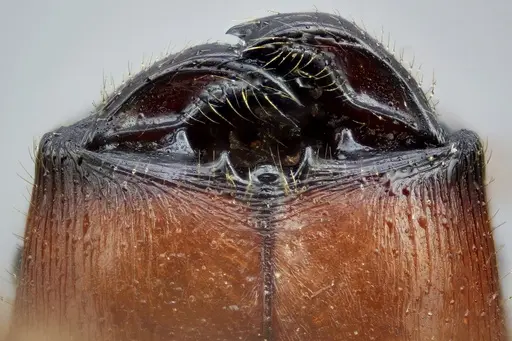
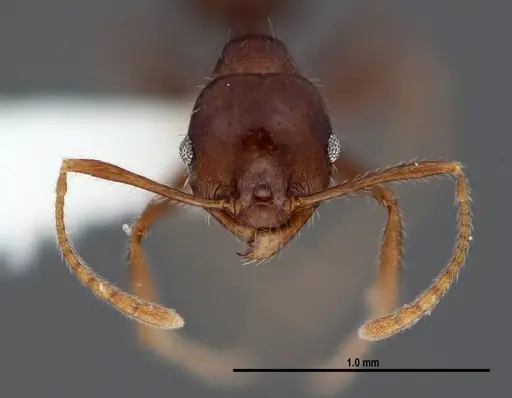
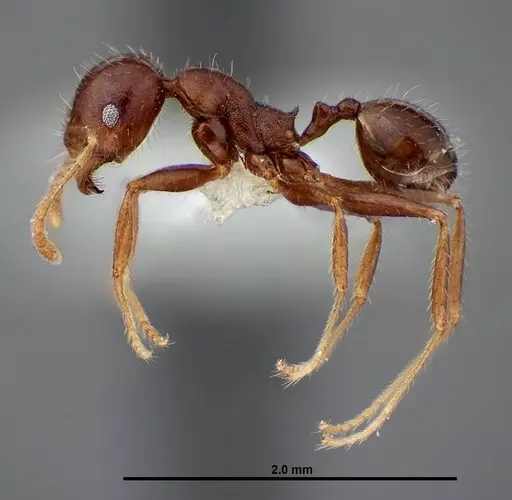
Pheidole dwyeri is one of the most distinctive Pheidole species due to its 4-segmented antennal club, a trait shared by only a few species in the genus. Major workers have a large head with a deeply concave occiput, and head width is more than 2.5 times pronotal width [1][2]. Minor workers are much smaller. The easiest way to distinguish this species from similar large-headed Pheidole like P. titanis or P. megacephala is the 4-segmented antennal club of the major worker [2].
Distribution and Habitat
This species is endemic to Mexico, known only from western coastal states. The type locality is Isla María Cleofas in the Tres Marías Islands, Nayarit. Additional populations have been recorded in Jalisco, Morelos, and Puebla. They inhabit tropical deciduous forest at elevations between 885-1,311 meters. Specimens have been collected during the dry season using tuna bait, suggesting diurnal activity. Colonies have been found nesting in human structures, specifically electrical installations [2].
Natural History and Behavior
What is known about P. dwyeri in the wild is limited. Specimens have been observed carrying different dead arthropods, suggesting they scavenge or prey on other insects. This aligns with typical Pheidole behavior. The collection from tropical deciduous forest during the dry season indicates year-round activity in their native climate. No information exists on nuptial flight timing, colony foundation, or queen behavior for this specific species [2].
Keeping Pheidole dwyeri in Captivity
This species has never been documented in captivity, so all care recommendations are based on its natural habitat. Start with a test tube for founding, then transition to a Y-tong or plaster nest with chambers scaled to their tiny minor workers. Maintain temperatures around 22-28°C, reflecting their tropical origin. Provide a humidity gradient with a mostly dry nest chamber and one small moist area. Feed a typical Pheidole diet: protein sources like small insects and sugar water. Use fine mesh barriers to prevent escapes due to tiny minor workers [2].
Frequently Asked Questions
How do I care for Pheidole dwyeri ants?
Care recommendations are speculative since this species has never been documented in captivity. Based on its tropical deciduous forest origin, provide temperatures around 22-28°C, a humidity gradient, and a diet of small insects and sugar sources. Use fine mesh barriers because minor workers are tiny. Start with a test tube setup for founding colonies [2].
How long does it take for Pheidole dwyeri to produce first workers?
The egg-to-worker timeline is completely unknown for this species. No specific development data exists [2].
What do Pheidole dwyeri ants eat?
They have been observed carrying dead arthropods in the wild, suggesting predatory/scavenging behavior. Feed small insects like fruit flies or pinhead crickets, along with sugar water or honey [2].
Are Pheidole dwyeri ants aggressive?
Aggression levels have not been documented. Pheidole species are generally not aggressive toward humans but will defend their nest [2].
Do Pheidole dwyeri ants need hibernation?
Diapause requirements are unknown. As a tropical species from Mexico, they likely do not require true hibernation [2].
How big do Pheidole dwyeri colonies get?
Colony size is unknown, no colony size data exists in scientific literature [2].
Can I keep multiple Pheidole dwyeri queens together?
Colony structure has not been documented for this species. Pheidole genus is typically monogyne, but some species are polygynous. Do not attempt combining unrelated queens without evidence [2].
What makes Pheidole dwyeri different from other Pheidole?
This species belongs to a small group of Pheidole with a 4-segmented antennal club. Major workers have an exceptionally large head with a deeply concave occiput. It is endemic to Mexico, known only from western coastal states [1][2].
Is Pheidole dwyeri a good species for beginners?
This species cannot be recommended for beginners due to the complete lack of captive care data. Every aspect of their husbandry would be experimental [2].
What is the best nest type for Pheidole dwyeri?
No captive husbandry exists to confirm best practices. Use standard setups: test tube for founding, then a Y-tong or plaster nest with chambers scaled to their tiny minor workers. Ensure escape prevention is excellent due to their small size [2].
Report an Issue
The current care sheet is based fully on literature. See inconsistencies, or something that's incorrect? Please , it will be resolved after review from an admin. Contributing to the blogs tab also helps providing information, to make us be able to further improve the caresheets. Thank you for your support!
References

This caresheet is licensed under CC BY-SA 4.0 .
Community Blogs
CASENT0649577
View on AntWeb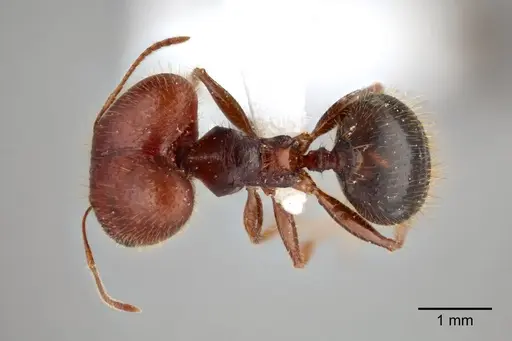
CASENT0649580
View on AntWeb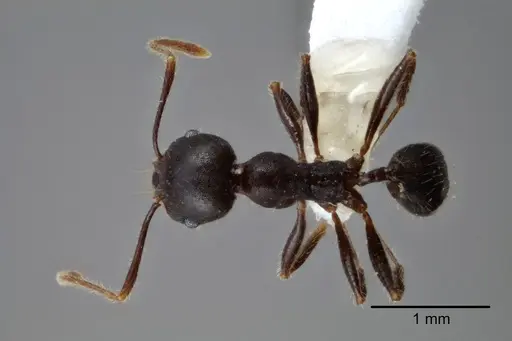
CASENT0901587
View on AntWeb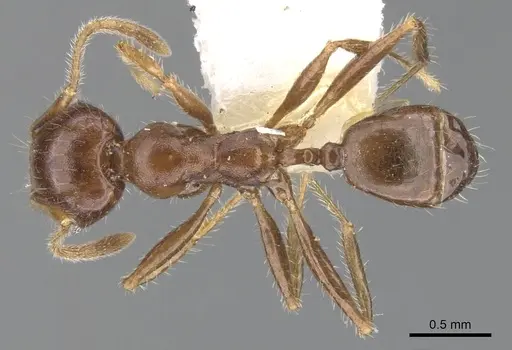
CASENT0901588
View on AntWeb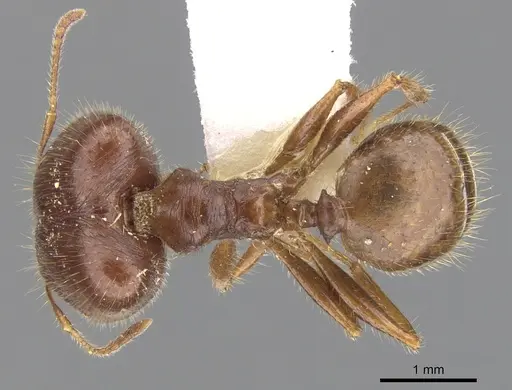
FMNHINS0000083048
View on AntWeb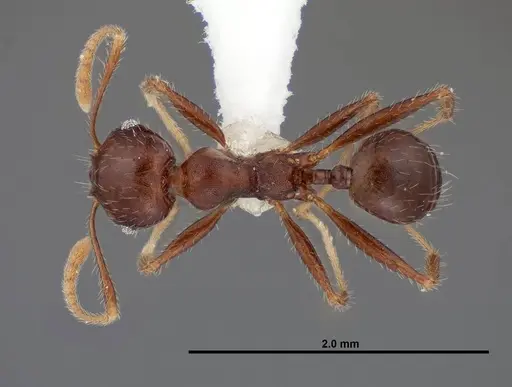
FMNHINS0000083050
View on AntWeb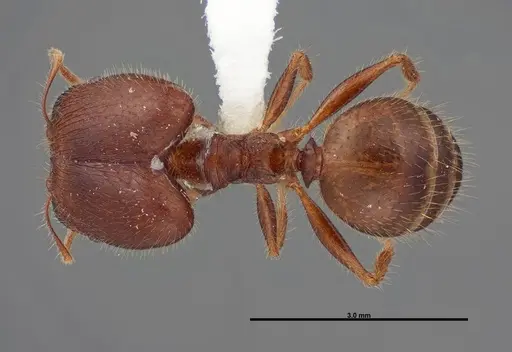
Literature
Loading distribution map...Loading products...