
Pheidole dorsata
- Sci. Name
- Pheidole dorsata
- Tribe
- Attini
- Subfamily
- Myrmicinae
- Author
- Wilson, 2003
- Distribution
- Found in 2 countries
Introduction
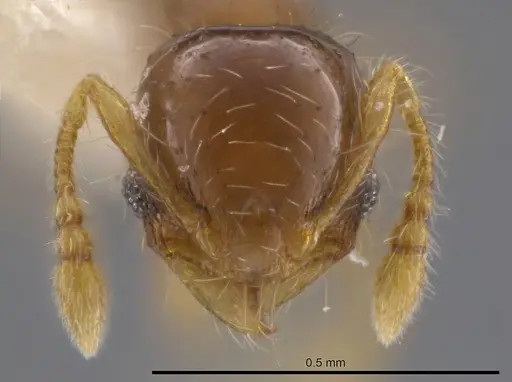
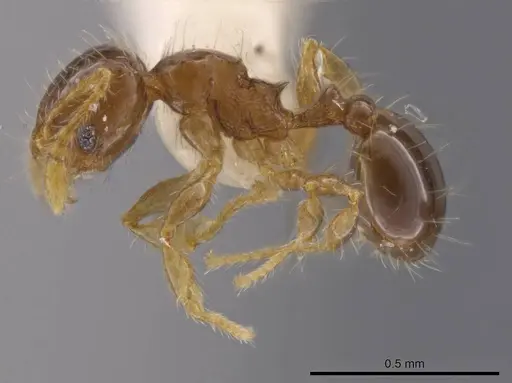
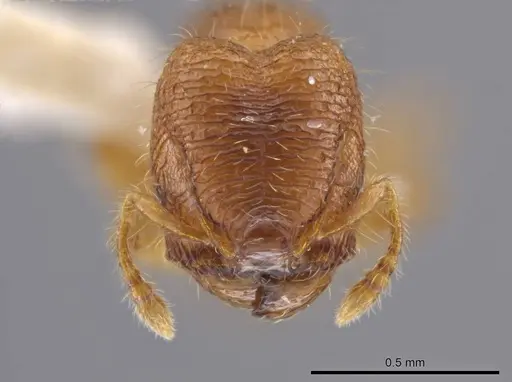
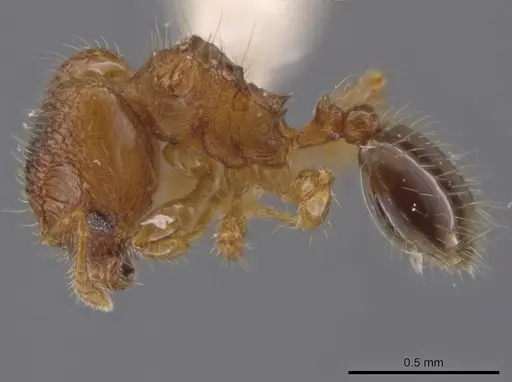
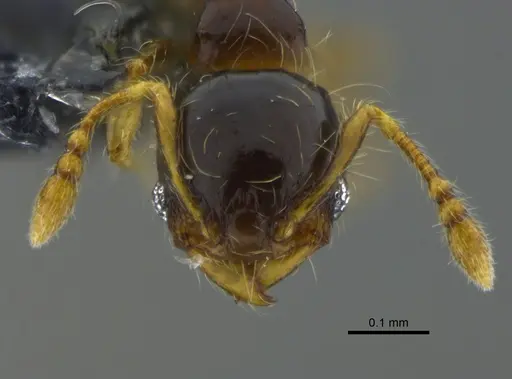
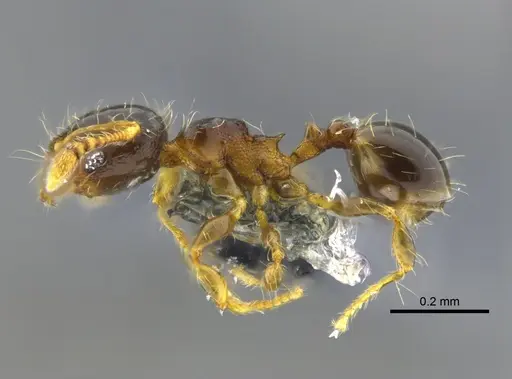
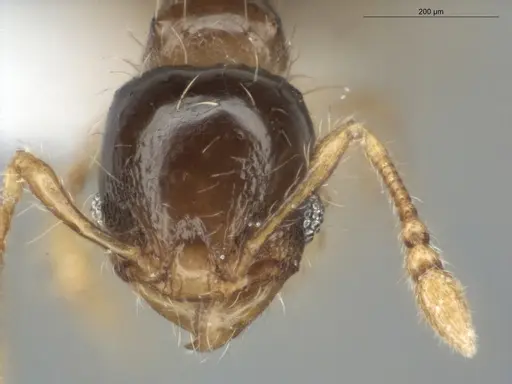
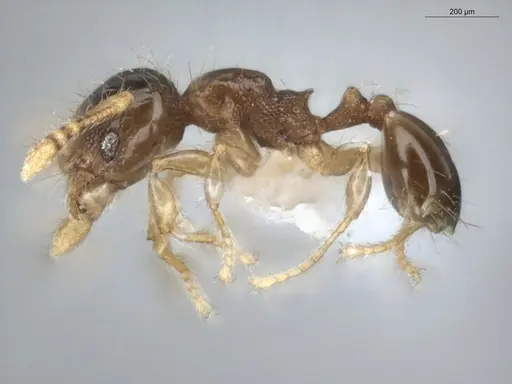
Pheidole dorsata is a Neotropical ant species from the tachigaliae group, described by E.O. Wilson in 2003 . It has a strong size difference between major and minor workers: majors have large heads with transverse ridges on the back and a peaked pronotum, while minors are much smaller with a single long curved hair extending from each corner of their head . The type colony was found in a shaded coffee plantation in Magdalena, Colombia, at 850m elevation . The species is known from Colombia, French Guiana, and Guyana .
Quick Summary
- Difficulty: Medium
- Origin & Habitat: Northern South America, Colombia, French Guiana, and Guyana. Found in shaded coffee plantations and humid tropical forests at elevations around 850m [4][2][3].
- Colony Type: Based on typical Pheidole patterns, likely single-queen (monogyne), but this is not confirmed for this species. The colony has distinct major and minor worker castes.
- Size & Growth:
- Queen: Unknown, not directly measured in available literature
- Worker: Major workers: ~2-3mm (inferred from head width of 0.68mm and typical Pheidole proportions). Minor workers: ~1-1.5mm (inferred from head width of 0.36mm). Total length not provided in published measurements [2].
- Colony: Unknown for this species. Typical Pheidole colonies can reach several hundred to a few thousand workers.
- Growth: Moderate, inferred from related Neotropical Pheidole species
- Development: Estimated 6-8 weeks based on typical Pheidole development at warm temperatures (not studied directly for this species) (Development time is estimated from genus-level data since specific studies are unavailable.)
- Antkeeping:
- Temperature: Keep warm, around 24-28°C. Being from tropical Colombia and Guyana, they need consistent warmth. Avoid letting it drop below 22°C for long periods [3].
- Humidity: High humidity is needed. Keep the nest substrate consistently moist but not waterlogged. They come from shaded, humid leaf-litter environments [3].
- Diapause: Unlikely. As a Neotropical species, they do not require a true hibernation period, but activity may slow slightly during cooler seasons [3].
- Nesting: Prefers humid nest setups. A Y-tong (AAC) or plaster nest with good moisture retention works well. Provide some substrate depth and multiple chambers.
- Behavior: Like most Pheidole, majors will defend the colony with their large heads and mandibles, while minors handle foraging and brood care. They are likely generalist foragers. Escape prevention is important, minors are very small (~1-1.5mm) and can squeeze through tiny gaps. Use fine mesh or smooth barriers.
- Common Issues: high humidity needs can cause mold if ventilation is poor, slow early colony growth, queens may take weeks to produce first workers, wild-caught colonies may carry mites or parasites, temperature below 22°C slows or stops brood development, minors are tiny, ensure they can access all food and water sources
Nest Preferences and Housing
Pheidole dorsata is a leaf-litter ant that naturally nests in humid, shaded environments [3]. In captivity, they do best in nests that can maintain consistent moisture without becoming waterlogged. A Y-tong (AAC) or plaster nest works well, both hold humidity while allowing you to monitor the colony. The type colony was found in a shaded coffee plantation, which tells you they prefer indirect light and stable conditions [3]. Avoid direct sunlight or heating vents that cause rapid drying. Because minors are very small (around 1-1.5mm), ensure any connections between nest areas use tubes wide enough for them to move through but narrow enough to feel secure.
Feeding and Diet
Like other Pheidole species, Pheidole dorsata is likely a generalist feeder that accepts both protein and carbohydrates. In nature, they probably forage for small insects, collect honeydew from aphids, and gather seeds. For captive colonies, offer protein sources like small crickets, mealworms, or fruit flies twice weekly. Provide sugar water, honey, or commercial ant nectar as a constant carbohydrate source. Minors are tiny, so prey items should be appropriately sized, fruit flies and small springtails are ideal. Remove uneaten prey after 24-48 hours to prevent mold in the humid nest. [3]
Temperature and Seasonal Care
Being a Neotropical species from Colombia and Guyana, Pheidole dorsata needs warm conditions [4][2][3]. Maintain temperatures between 24-28°C for optimal brood development. Use a heating cable on one side of the nest to create a gentle gradient, allowing workers to choose their preferred spot. Unlike temperate species, they likely do not require true hibernation, but colony activity may slow during cooler months, this is normal. Avoid letting temperatures drop below 22°C for extended periods, as this can stop brood development entirely [3].
Colony Growth and Development
Pheidole colonies develop through distinct castes, you will see both major and minor workers emerge. Majors develop from larvae that receive more food and develop larger heads for colony defense. The first workers (nanitics) will be smaller than mature workers but should quickly be replaced by normal-sized workers as the colony grows. Based on typical Pheidole development, expect 6-8 weeks from egg to first worker at optimal temperatures. Colonies may remain small (under 100 workers) for the first few months, then accelerate as the queen's laying rate increases. A mature colony can reach several hundred to over a thousand workers [3].
Behavior and Colony Structure
Pheidole dorsata shows the classic Pheidole caste system with distinct major and minor workers [1][2]. Minor workers handle most tasks, foraging, brood care, and nest maintenance. Major workers (soldiers) have enlarged heads and mandibles specialized for defense and seed processing. When threatened, majors will position themselves at nest entrances or along foraging trails. Based on typical Pheidole patterns, the colony likely has a single queen (monogyne), though this is not confirmed for this species. Queens are probably claustral, they seal themselves in during founding and raise the first brood alone using stored fat reserves. After the first workers emerge, the colony grows through the queen's continuous egg production [3].
Frequently Asked Questions
How long does it take for Pheidole dorsata to produce first workers?
Expect 6-8 weeks from egg to first worker at optimal temperatures (24-28°C). This is based on typical Pheidole development patterns since specific studies for this species are not available [3].
What do Pheidole dorsata ants eat?
They are generalist feeders. Offer small protein sources like fruit flies, small crickets, or mealworms twice weekly, plus a constant sugar source like sugar water or honey. Remove uneaten prey after a day to prevent mold [3].
What temperature should I keep Pheidole dorsata at?
Keep them warm at 24-28°C. Being from tropical Colombia and Guyana, they need consistent warmth for proper brood development [3].
Are Pheidole dorsata good for beginners?
They are intermediate in difficulty. The main challenges are maintaining high humidity and keeping temperatures stable. If you have experience with other Pheidole or tropical ant species, this is a manageable species [3].
Do Pheidole dorsata need hibernation?
No, as a Neotropical species from warm regions, they do not require hibernation. They may slow down slightly during cooler months but should not enter true diapause [3].
How big do Pheidole dorsata colonies get?
Colony size is not documented specifically, but typical Pheidole colonies reach several hundred to a few thousand workers. Growth is moderate, expect several months before you see significant numbers [3].
Can I keep multiple Pheidole dorsata queens together?
This is not recommended. While colony structure is not definitively studied for this species, Pheidole are typically monogyne (single queen). Combining unrelated queens usually results in fighting [3].
What humidity do Pheidole dorsata need?
High humidity is needed, keep the nest substrate consistently moist but not waterlogged. These ants come from shaded, humid environments like coffee plantations. Use a moist substrate or water reservoir system to maintain moisture [3].
When should I move Pheidole dorsata to a formicarium?
Keep them in a test tube or founding setup until the colony reaches 30-50 workers. Moving too early can stress the queen and cause brood loss. Once they outgrow the basic setup, transfer to a Y-tong or plaster nest [3].
Report an Issue
The current care sheet is based fully on literature. See inconsistencies, or something that's incorrect? Please , it will be resolved after review from an admin. Contributing to the blogs tab also helps providing information, to make us be able to further improve the caresheets. Thank you for your support!
References

This caresheet is licensed under CC BY-SA 4.0 .
Community Blogs
CASENT0636781
View on AntWeb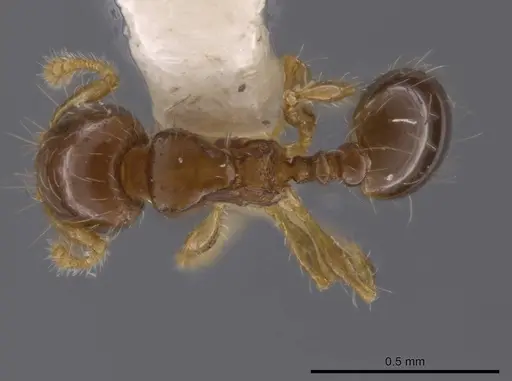
CASENT0636782
View on AntWeb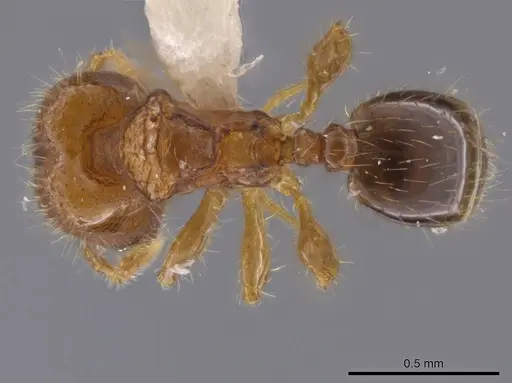
CBUMAGENT42031
View on AntWeb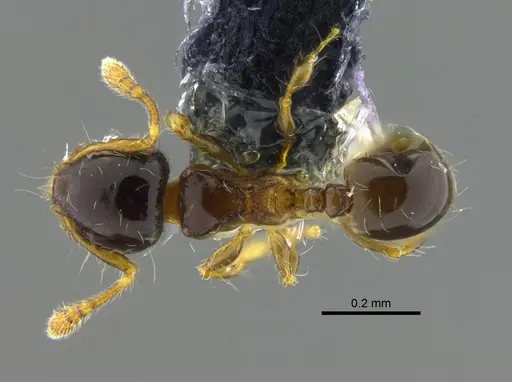
ECOFOG-KR17-0004-09-S
View on AntWeb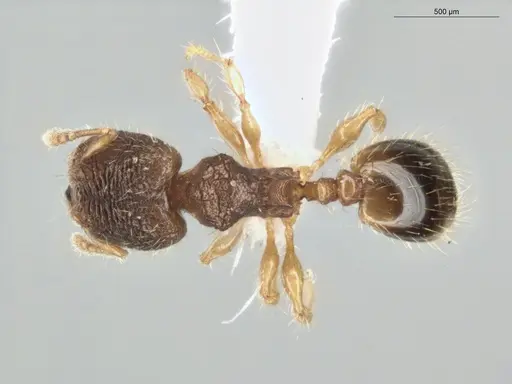
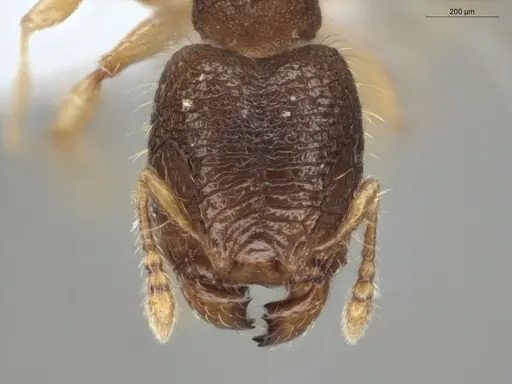
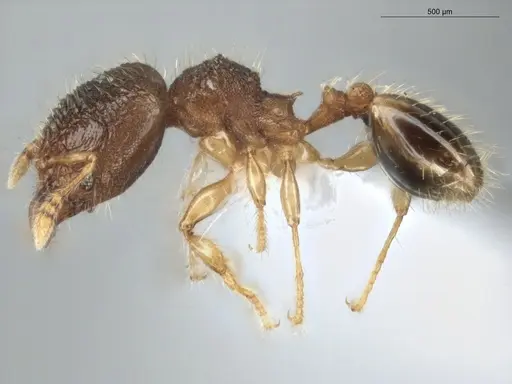
ECOFOG-KR17-0007-10
View on AntWeb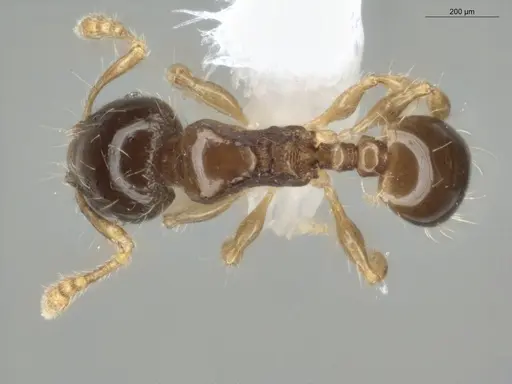
Literature
Loading distribution map...Loading products...