
Pheidole diversipilosa
- Sci. Name
- Pheidole diversipilosa
- Tribe
- Attini
- Subfamily
- Myrmicinae
- Author
- Wheeler, 1908
- Distribution
- Found in 2 countries
Introduction
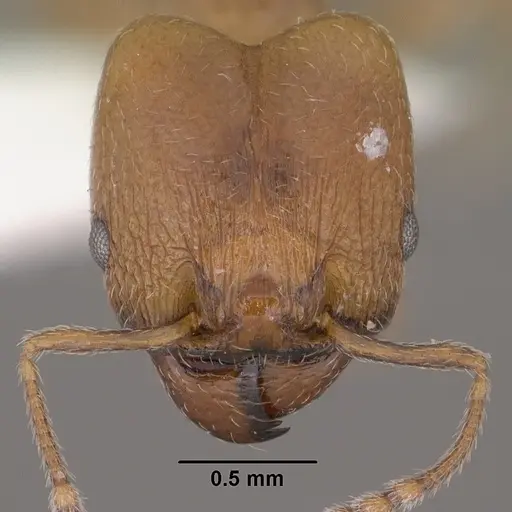
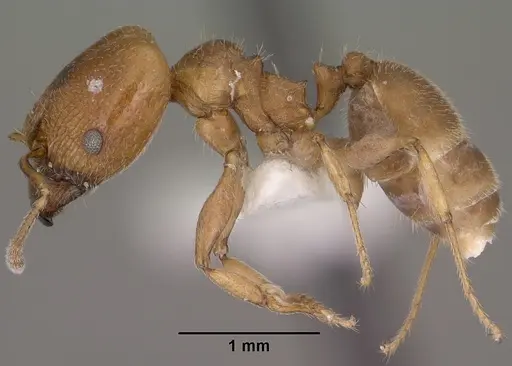
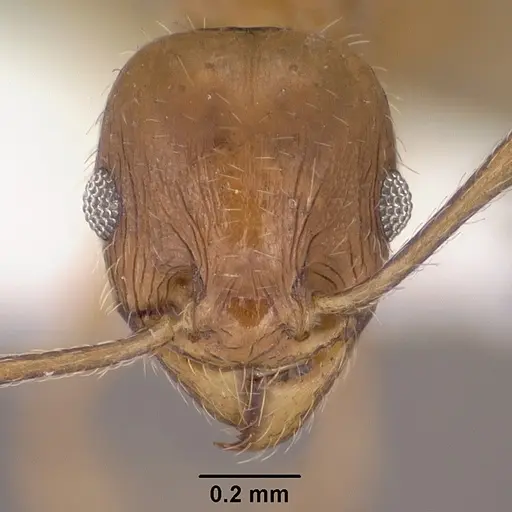
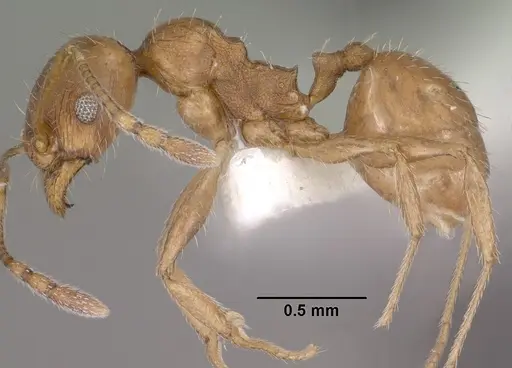
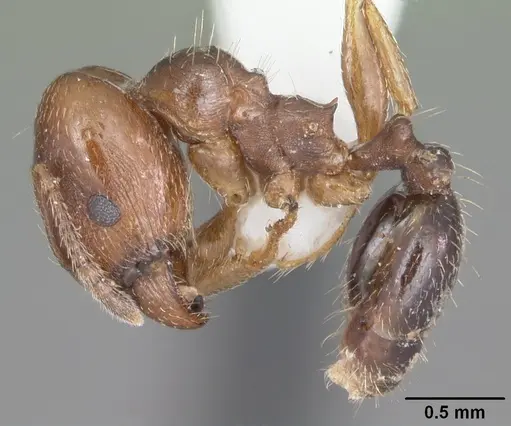
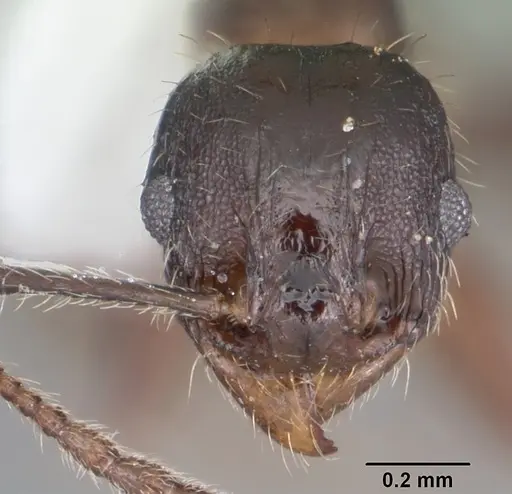
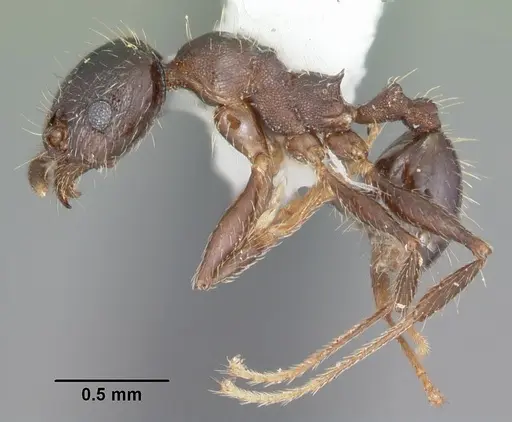
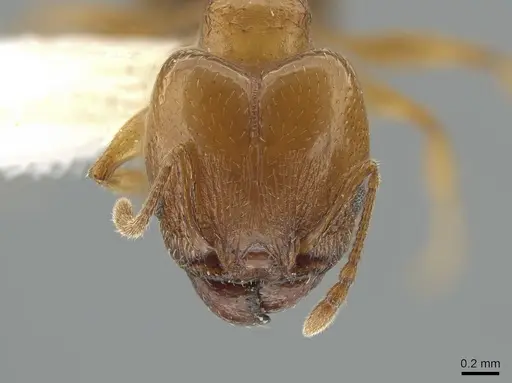
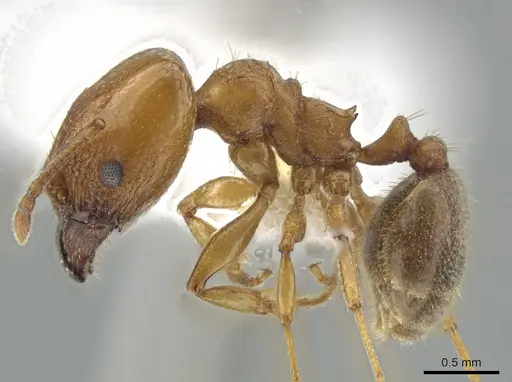
Pheidole diversipilosa is a small to medium-sized ant native to southwestern United States and northern Mexico. It has a medium reddish-brown body with light reddish-brown appendages. Majors are easily recognized by short erect hairs on the gaster. They inhabit oak-pine-juniper forests at mid-elevations (1050-1900m), nesting under rocks or in open soil. Colonies are monogynous and can exceed 1000 workers. A unique aspect of this species is its vulnerability to phorid fly parasitoids, which can restrict foraging and impact colony health.
Quick Summary
- Difficulty: Medium
- Origin & Habitat: Southwestern Texas to mountains of southern and central Arizona, also in Mexico. They live in oak-pine-juniper forests at 1050-1900m elevation, especially in creek valleys. [1]
- Colony Type: Monogyne (single-queen colonies). Colonies have one queen and can grow large. [1]
- Size & Growth:
- Queen: Size data unavailable.
- Worker: Size data unavailable.
- Colony: Up to 1000 workers in mature colonies. [1]
- Growth: Moderate, based on typical Pheidole development patterns.
- Development: Estimated 6-8 weeks at optimal temperature, based on Pheidole genus patterns. (Brood is found in nests starting in April, with sexuals appearing in June. [1])
- Antkeeping:
- Temperature: Keep around 22-26°C with a gentle gradient, as they come from mid-elevations. [1]
- Humidity: Keep substrate moderately moist but not waterlogged, with some drier areas. [1]
- Diapause: Based on geographic range, likely requires winter diapause. Reduce temperatures to 10-15°C for 2-3 months during winter.
- Nesting: Naturalistic setup with soil substrate and flat stones, or Y-tong/plaster nests with chambers scaled to colony size. [1]
- Behavior: Pheidole diversipilosa is aggressive in resource discovery but vulnerable to phorid fly parasitoids, which restrict foraging. Workers are attracted to protein baits like tuna. They are not highly aggressive toward keepers but will defend the nest. Escape risk is moderate due to small worker size. [2][3][1]
- Common Issues: phorid fly attacks can weaken colonies and reduce foraging activity., mold growth from seed caching if food is overprovided., escape risk due to small worker size.
Nest Preferences and Housing
In the wild, Pheidole diversipilosa nests under rocks and in open soil within oak-pine-juniper forests. For captive care, use a naturalistic setup with soil-based substrate to allow digging. Place flat stones on the surface for shelter. Y-tong or plaster nests with appropriate chambers work well. Provide a moisture gradient with drier areas, as colonies can exceed 1000 workers and need space for expansion. [1]
Feeding and Diet
This species is omnivorous with a strong preference for protein. Foragers are attracted to tuna baits and cache seeds in nests. Feed a varied diet including mealworms, small crickets, seeds, and occasional sugar water. Avoid overfeeding to prevent mold from seed caching. Remove uneaten prey after 24-48 hours. [1]
Temperature and Seasonal Care
Keep the nest at 22-26°C with a gentle gradient, mimicking their mid-elevation habitat. During winter, provide a diapause period by reducing temperatures to 10-15°C for 2-3 months and cutting feeding. Brood appears in April and sexuals in June, so expect increased activity in spring and summer. [1]
Behavior and Defense
Pheidole diversipilosa is a dominant ant with high resource discovery rates but is vulnerable to Apocephalus phorid flies, which attack foragers and reduce soldier activity at baits. Leaf litter provides escape cover in the wild. In captivity, add hiding spots to reduce stress. They defend nests aggressively but are not dangerous to humans. [2][3]
Colony Growth and Development
Colonies start with a single queen, but founding behavior is unconfirmed. Growth is moderate, with brood in April and sexuals in June. Mature colonies can exceed 1000 workers, requiring significant space and regular feeding. [1]
Frequently Asked Questions
How long does it take for Pheidole diversipilosa to produce first workers?
The exact timeline is unknown, but brood is found in nests starting in April, suggesting spring growth periods. [1]
Can I keep multiple Pheidole diversipilosa queens together?
No, this species is monogyne, meaning colonies have a single queen. [1]
What do Pheidole diversipilosa eat?
They are omnivorous, attracted to protein baits like tuna, and cache seeds. [1]
How big do Pheidole diversipilosa colonies get?
Mature colonies can exceed 1000 workers. [1]
Do Pheidole diversipilosa need hibernation?
Based on geographic range, likely requires winter diapause. Reduce temperatures to 10-15°C for 2-3 months during winter.
Are Pheidole diversipilosa good for beginners?
They are medium difficulty due to large colony size and vulnerability to parasitoids.
Why are my Pheidole diversipilosa dying?
Common causes include phorid fly attacks, improper temperature, or mold from overfeeding. [2][1]
When should I move Pheidole diversipilosa to a formicarium?
Move them when the colony reaches several hundred workers and the test tube setup becomes crowded.
What makes Pheidole diversipilosa different from other Pheidole?
They have short erect hairs on the gaster and are specifically vulnerable to phorid fly parasitoids. [1][2]
Report an Issue
The current care sheet is based fully on literature. See inconsistencies, or something that's incorrect? Please , it will be resolved after review from an admin. Contributing to the blogs tab also helps providing information, to make us be able to further improve the caresheets. Thank you for your support!
References

This caresheet is licensed under CC BY-SA 4.0 .
Community Blogs
CASENT0102874
View on AntWeb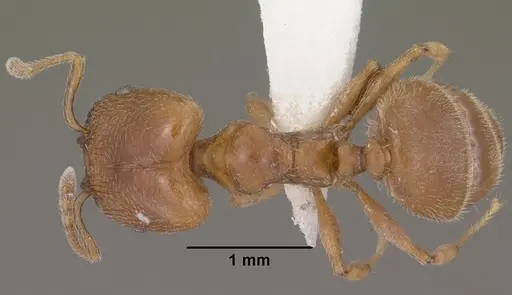
CASENT0102875
View on AntWeb
CASENT0104395
View on AntWeb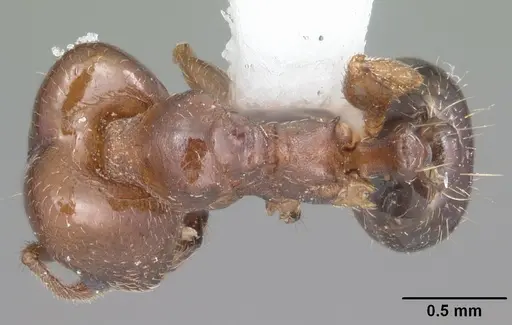
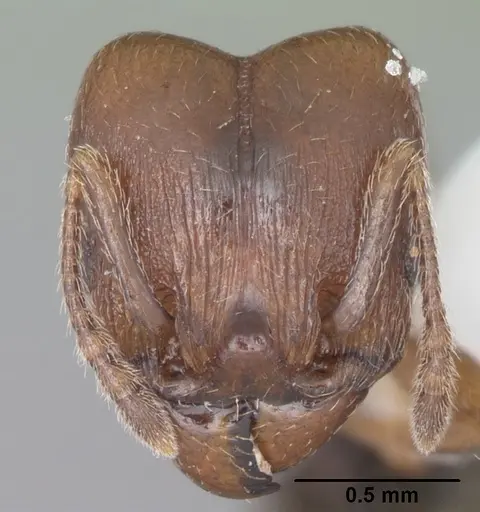
CASENT0104396
View on AntWeb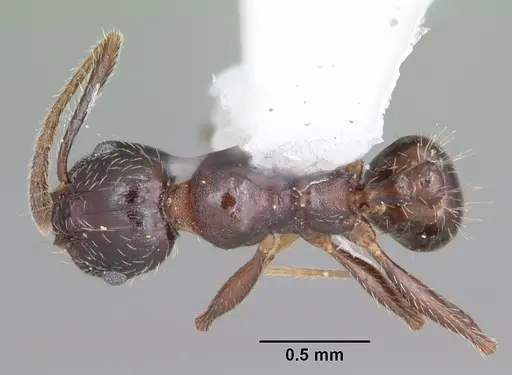
CASENT0619981
View on AntWeb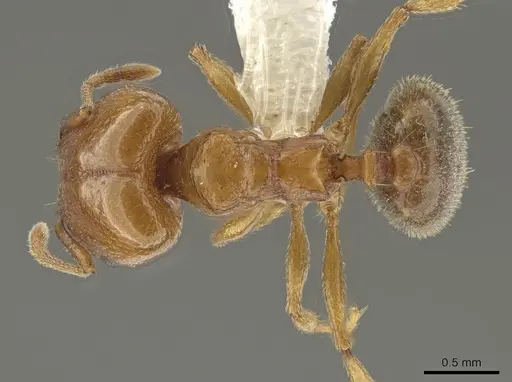
Literature
Loading distribution map...Loading products...