
Pheidole dispar
- Sci. Name
- Pheidole dispar
- Tribe
- Attini
- Subfamily
- Myrmicinae
- Author
- Forel, 1895
- Distribution
- Found in 1 countries
Introduction
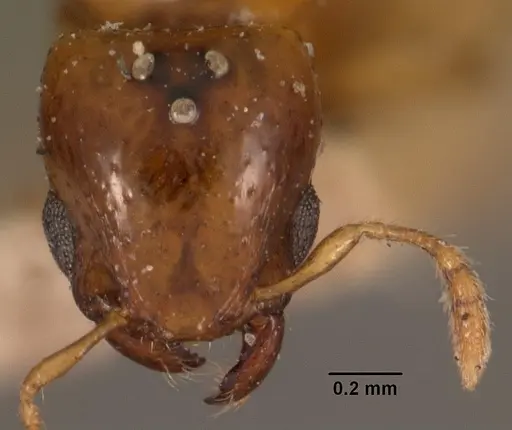
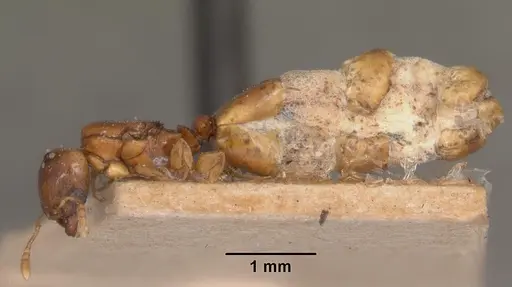
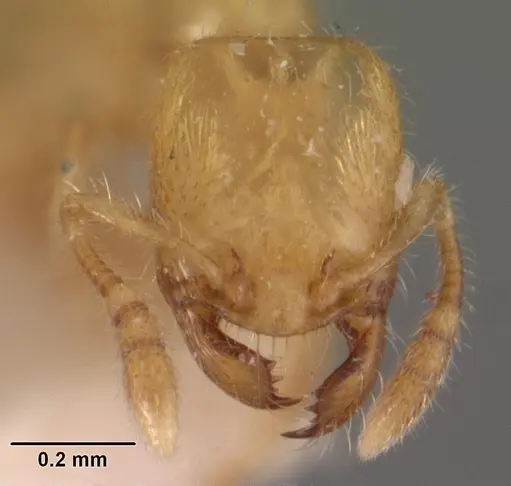
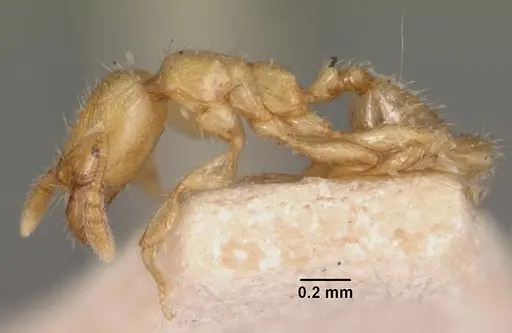
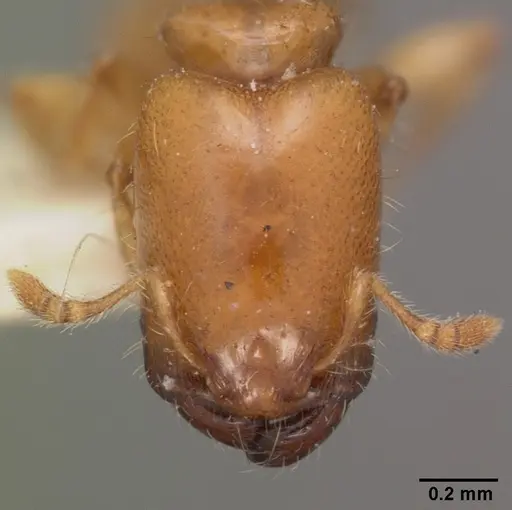
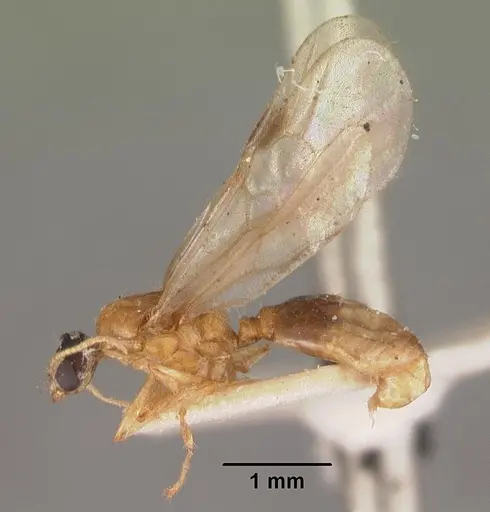
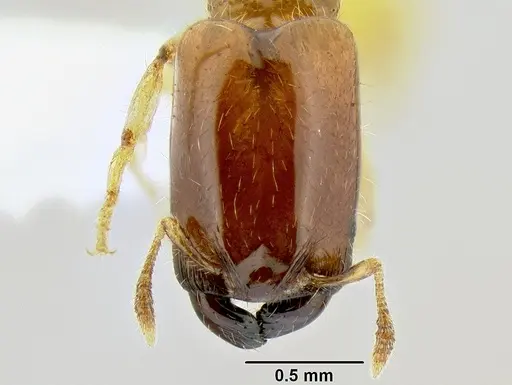
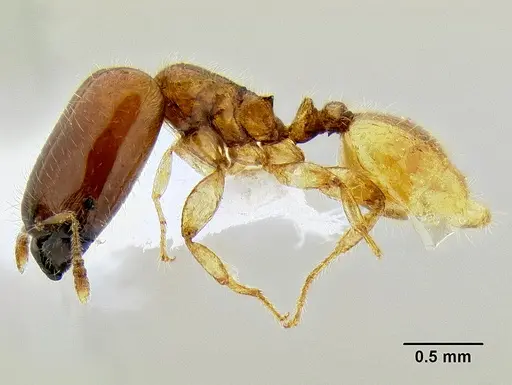
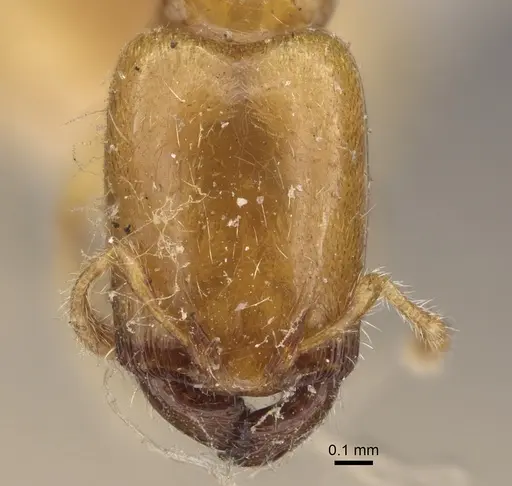
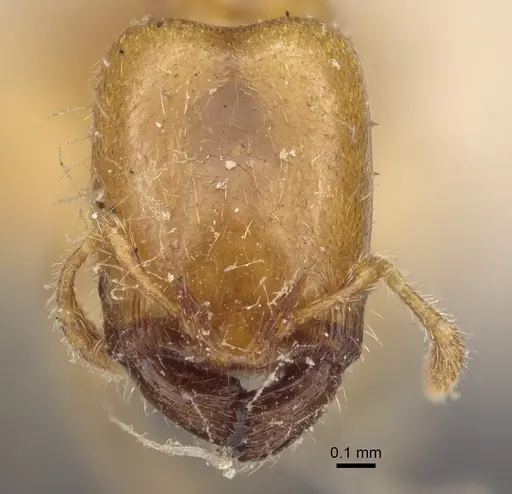
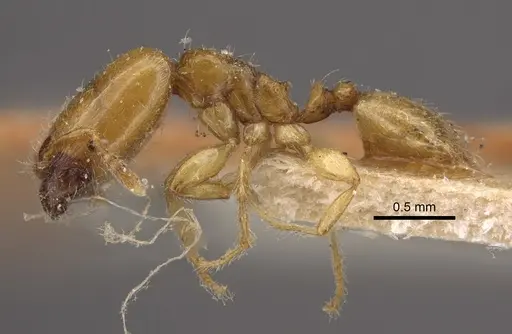
Pheidole dispar is a dimorphic ant species native to Australia, with major workers measuring 2.7-3.5 mm and minor workers 1.5-2.2 mm . It has 11-segmented antennae, lacks antennal scrobes, and has paired hairs on the clypeus . The species is rare and found in diverse habitats from savannah to rainforests across Australia . Nests are typically in soil under rocks . A notable feature is its dimorphic caste system with distinct major and minor workers, but no intermediate forms .
Quick Summary
- Difficulty: Medium
- Origin & Habitat: Australia, found in diverse habitats including Kimberley savannah, Queensland rainforests, and NSW mallee [1]
- Colony Type: Colony structure is unconfirmed. Based on Pheidole patterns, likely monogyne (single queen).
- Size & Growth:
- Antkeeping:
- Behavior: Pheidole dispar ants are poorly documented in captivity. They possess a sting, but as small ants, it is rarely medically significant to humans. Most Pheidole species are not aggressive toward keepers. Escape risk is moderate due to small minor worker size, use standard barrier methods.
- Common Issues: limited wild documentation means care requirements are largely inferred., no information on founding behavior or colony development., escape prevention needed for tiny minor workers., species is rarely encountered so captive colonies may be uncommon., no data on diet preferences, must experiment with standard ant foods.
Natural History and Distribution
Pheidole dispar occupies a broad ecological range in Australia, from open savannah to rainforests [1]. Specimens have been collected at elevations up to 1200 m in rainforest environments, though at low frequency [1]. The species is considered rare and infrequently encountered in its native range. Nests are located in soil under or between rocks, providing protection and stable microclimate conditions [1].
Identification and Morphology
This species shows clear dimorphism with major and minor workers but no intermediate forms. Major workers are robust with a large head, while minor workers are smaller with a more rectangular head. The antennae have 11 segments with a distinct 3-segmented club. A key identification feature is the paired hairs on the clypeus that straddle the midline, with no single central hair. The petiole has a distinct rounded node [1].
Housing and Nesting
In nature, Pheidole dispar nests in soil under or between rocks [1]. For captive care, replicate these conditions using a naturalistic setup with a soil chamber beneath a flat stone or a test tube with moist soil. The soil should be kept slightly moist but never waterlogged, with a humidity gradient so ants can choose their preferred zone [1].
Feeding and Diet
No specific dietary information exists for Pheidole dispar [1]. As a Pheidole species, they likely accept standard ant foods: protein sources like small insects and carbohydrates like honey or sugar water. Experiment to determine preferences.
Temperature and Seasonal Care
The species spans diverse Australian habitats, so it likely tolerates a broad temperature range. Keep at room temperature around 20-25°C as a starting point and monitor colony activity [1]. Diapause requirements are unknown, if seasonal slowdowns occur, provide a cool period around 10-15°C for several months.
Colony Development Expectations
No specific development timeline exists for Pheidole dispar. Based on typical Pheidole genus patterns, but no species-specific data is available [1]. Colony sizes in the wild are unknown, and growth may be modest due to the species' rarity.
Frequently Asked Questions
How long does it take for Pheidole dispar to produce first workers?
Unknown, no species-specific data exists [1].
What do Pheidole dispar ants eat?
No specific dietary information exists [1].
What size colony does Pheidole dispar reach?
Colony size is unknown [1].
Do Pheidole dispar ants need hibernation?
Diapause requirements are unknown [1].
Are Pheidole dispar good for beginners?
Difficulty is medium due to limited documentation [1].
What nest type is best for Pheidole dispar?
Soil nests under rocks [1].
Can I keep multiple queens together?
Colony structure is unconfirmed [1].
What temperature should I keep Pheidole dispar at?
Keep at room temperature around 20-25°C, based on habitat range [1].
Why is Pheidole dispar so rarely kept?
This species is infrequently encountered in the wild [1].
Report an Issue
The current care sheet is based fully on literature. See inconsistencies, or something that's incorrect? Please , it will be resolved after review from an admin. Contributing to the blogs tab also helps providing information, to make us be able to further improve the caresheets. Thank you for your support!
References

This caresheet is licensed under CC BY-SA 4.0 .
Community Blogs
CASENT0102457
View on AntWeb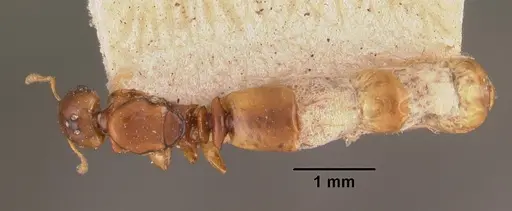
CASENT0102458
View on AntWeb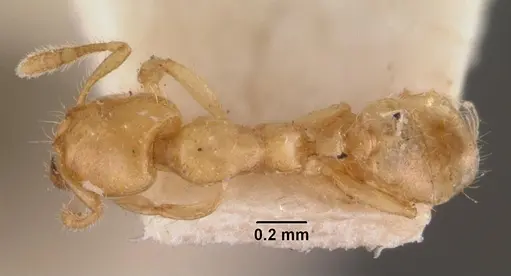
CASENT0102459
View on AntWeb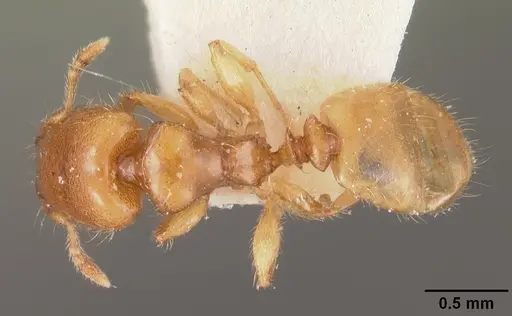
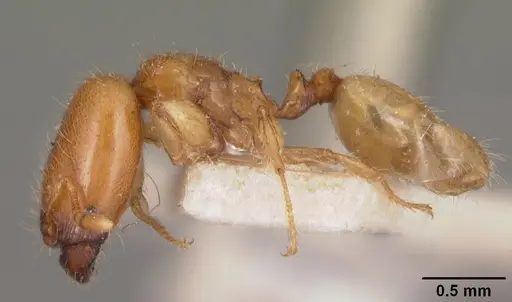
CASENT0102460
View on AntWeb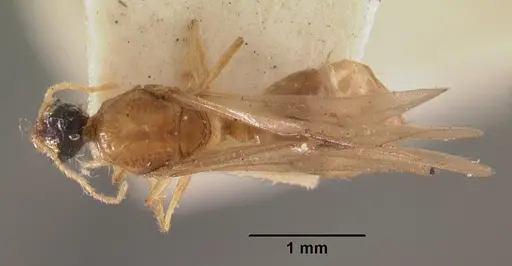
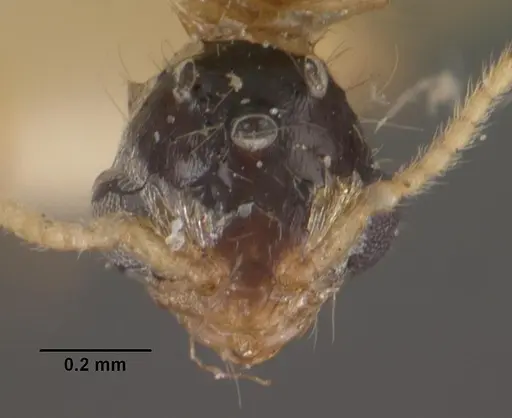
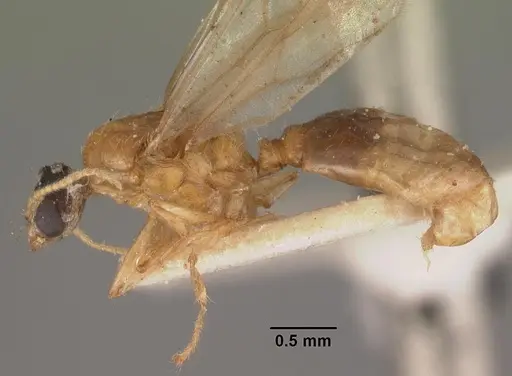
CASENT0106247
View on AntWeb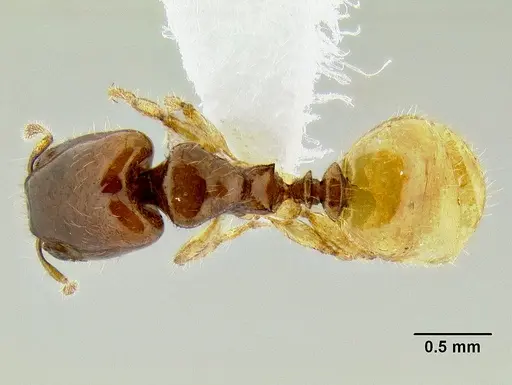
CASENT0917761
View on AntWeb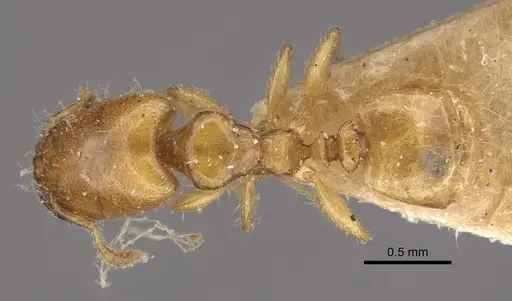
Literature
Loading distribution map...Loading products...