
Pheidole diligens
- Sci. Name
- Pheidole diligens
- Tribe
- Attini
- Subfamily
- Myrmicinae
- Author
- Smith, 1858
- Distribution
- Found in 11 countries
Introduction
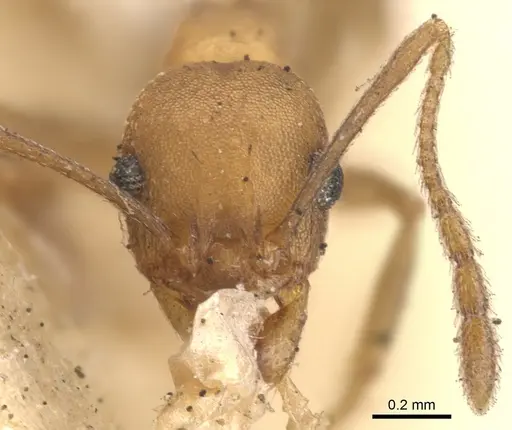
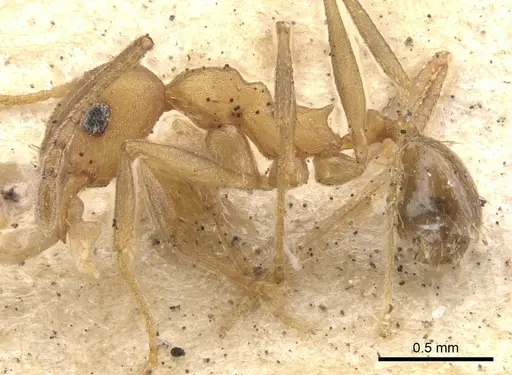
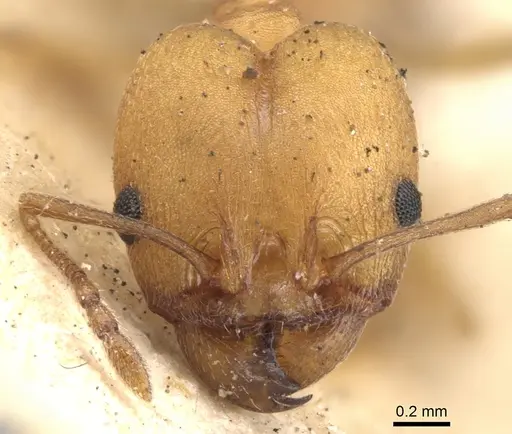
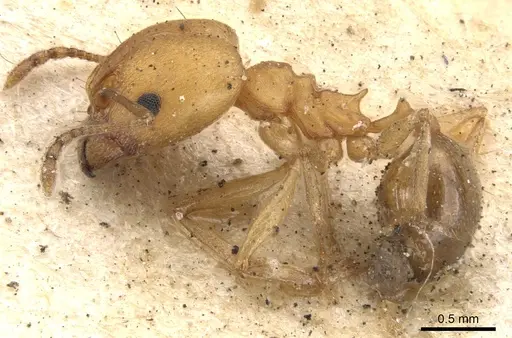
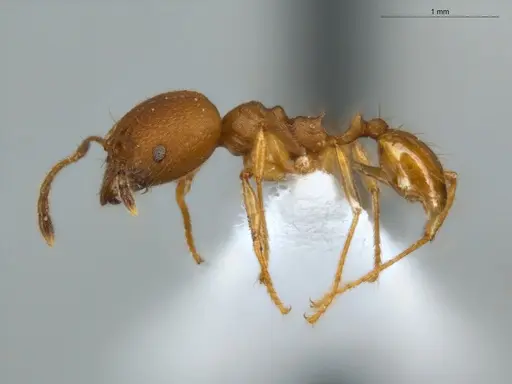
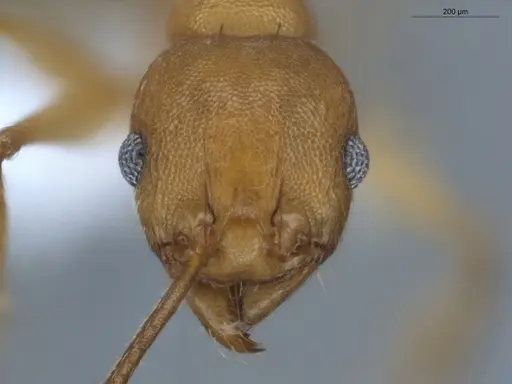
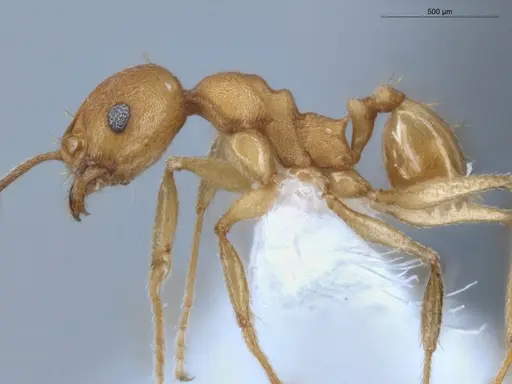
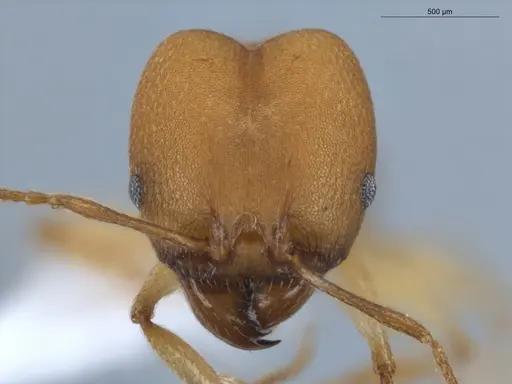
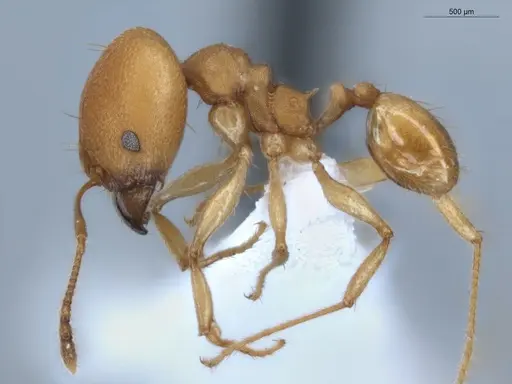
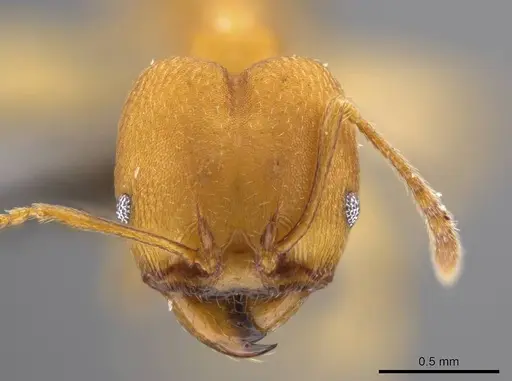
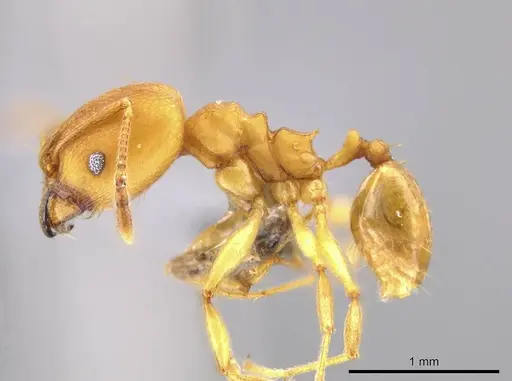
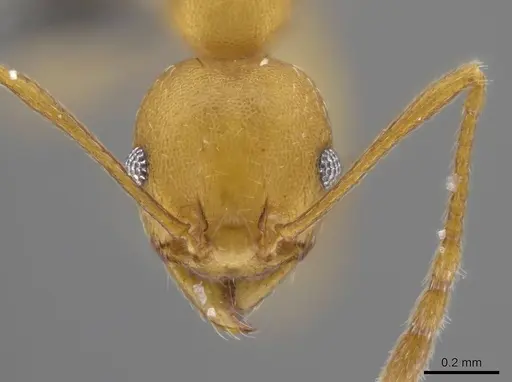
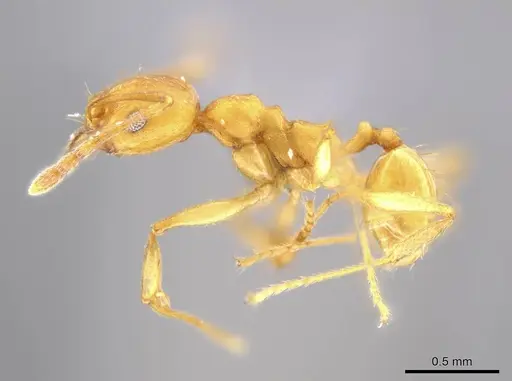
Pheidole diligens is a small ant with two worker castes: majors with enlarged heads and smaller minors. The species is medium yellow to light reddish yellow and is native to the Neotropical region, including Brazil (Pará, Mato Grosso, Goiás, São Paulo), Peru, and French Guiana . It nests in soil beneath logs and in leaf litter of tropical forests, from Amazonian rainforest to seasonally dry Caatinga . This species is highly abundant in its range, representing up to 44% of ants in some pitfall trap studies . It is an aggressive generalist that actively patrols the ground for food, dominating baits and showing strong territorial behavior .
Quick Summary
- Difficulty: Easy
- Origin & Habitat: Neotropical region: Brazil (Pará, Mato Grosso, Goiás, São Paulo), Peru, and French Guiana. Found in Amazonian terra firme rainforest, Atlantic Forest, Cerrado savanna, and seasonally dry Caatinga. Nests in soil beneath logs and in leaf litter [1][2][3].
- Colony Type: Based on Pheidole genus patterns, likely monogyne with a single queen. Colonies produce two worker castes: majors for defense and seed processing, and minors for foraging and brood care.
- Size & Growth:
- Queen: Size data unavailable, no total length measurements in research context
- Worker: Size data unavailable, no total length measurements in research context
- Colony: Up to several hundred workers (inferred from typical Pheidole colony sizes)
- Growth: Moderate to fast
- Development: Estimated 6-8 weeks at warm temperatures (inferred from tropical species patterns) (Development time varies with temperature, warmer conditions speed up development)
- Antkeeping:
- Temperature: Keep at 24-28°C. As a tropical species, they need warm conditions year-round [1].
- Humidity: Keep the nest substrate consistently moist but not waterlogged. Provide a water tube and occasional misting [1].
- Diapause: No, as a tropical species, they do not require hibernation. Keep them warm year-round.
- Nesting: Y-tong (AAC) or plaster nests work well. They are ground-dwelling and prefer enclosed, humid spaces. Provide a foraging area with substrate for digging.
- Behavior: Pheidole diligens is an aggressive, active forager. Workers patrol the ground searching for food, and majors defend the colony vigorously. They are generalist omnivores, accepting protein, sugars, and seeds [5][6]. Escape risk is moderate due to small minors, standard barriers work well.
- Common Issues: colonies can become stressed if kept too dry, always provide moist substrate., aggressive behavior means handling requires care, majors can bite., rapid population growth can lead to overcrowding if not given enough space., wild-caught colonies may contain parasites, quarantine and observe new colonies., they are highly active foragers and need spacious outworlds to prevent boredom.
Housing and Nest Setup
Use Y-tong (AAC) or plaster nests designed for small Myrmicinae. They are ground-dwelling ants that prefer enclosed, humid spaces. For founding colonies, a test tube with a water reservoir works well, keep the cotton moist but not flooded. Once the colony reaches 20-30 workers, move to a proper formicarium. Provide a spacious outworld with substrate like sand or soil for digging. Escape prevention is important, use standard barriers like fluon on container edges [1].
Feeding and Diet
Pheidole diligens is a generalist omnivore. Offer protein sources like small insects (fruit flies, pinhead crickets) and provide sugar water, honey, or diluted syrup regularly. They also accept seeds. Feed protein 2-3 times per week and keep sugar available at all times. Remove uneaten food after 24 hours to prevent mold [5][6].
Temperature and Seasonal Care
Keep the nest area at 24-28°C year-round. As a tropical species, they do not require diapause. Room temperature in most homes is acceptable, but warmer conditions promote activity and growth. Avoid cold drafts and sudden temperature drops [1].
Colony Dynamics and Caste System
Colonies have two worker castes: minor workers handle foraging and brood care, while majors defend the colony and process large food items. The queen is larger than workers and visible in founding colonies. Growth is steady once established [1].
Behavior and Observation
These ants are active foragers that constantly patrol the foraging area. They communicate quickly and dominate food sources. Majors can deliver a noticeable bite, so handle with care. Provide enrichment like seeds or stones in the outworld [5][6].
Frequently Asked Questions
Can I keep Pheidole diligens in a test tube?
Yes, test tubes work well for founding colonies. Keep the water reservoir filled and maintain warm temperatures. Once the colony reaches 20-30 workers, transfer to a proper formicarium [1].
How long until first workers appear?
Expect first workers around 6-8 weeks after queen lays eggs, assuming temperatures around 26-28°C. Development is faster in warmer conditions.
What do Pheidole diligens eat?
They are generalist omnivores. Offer small insects for protein and keep sugar water available at all times. They also accept seeds [5][6].
Are Pheidole diligens good for beginners?
Yes, they are considered easy to keep. They are hardy, adaptable, and accept a wide variety of foods. The main requirements are warm temperatures and consistent moisture [1].
Do they need hibernation?
No, they are a tropical species and do not require hibernation. Keep them warm year-round at 24-28°C.
How big do colonies get?
Pheidole colonies can reach several hundred workers. In the wild, this species is extremely abundant, representing over 40% of ants in some studies [4].
Why are my ants dying?
Common causes include: too dry conditions (keep substrate moist), temperatures below 20°C (provide heat), mold from overwatering, or stress from frequent disturbances. Check water tubes and ventilation.
When should I move to a formicarium?
Move from test tube to formicarium when the colony reaches 20-30 workers or when the test tube becomes cramped. Ensure the new nest has appropriately sized chambers for these small ants.
Report an Issue
The current care sheet is based fully on literature. See inconsistencies, or something that's incorrect? Please , it will be resolved after review from an admin. Contributing to the blogs tab also helps providing information, to make us be able to further improve the caresheets. Thank you for your support!
References

This caresheet is licensed under CC BY-SA 4.0 .
Community Blogs
CASENT0901578
View on AntWeb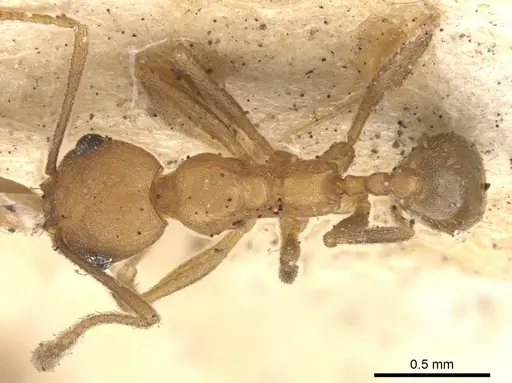
CASENT0901579
View on AntWeb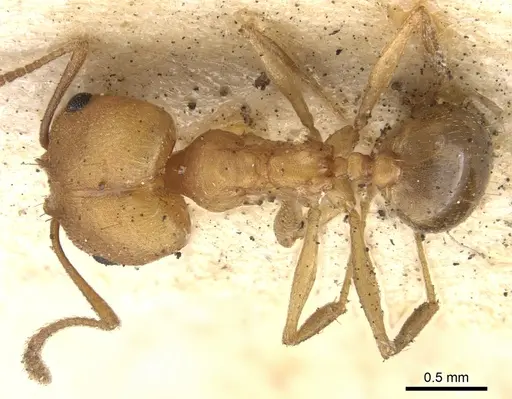
ECOFOG-IT14-0102-90-S
View on AntWeb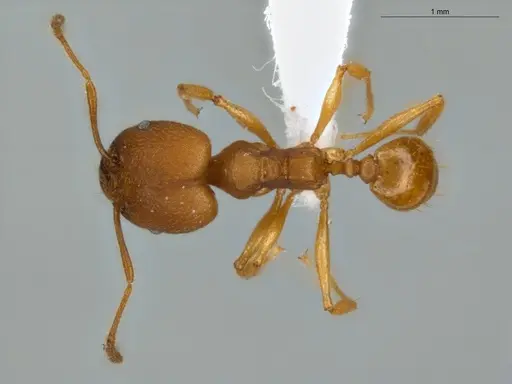
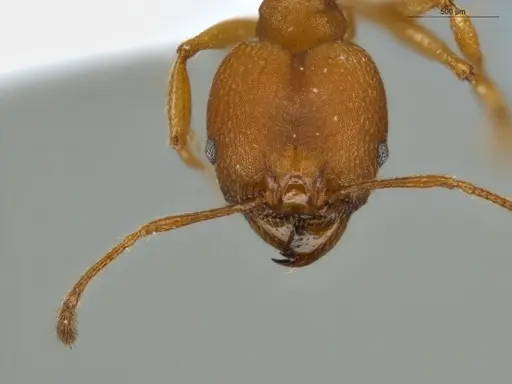
ECOFOG-MAI19-0027-11
View on AntWeb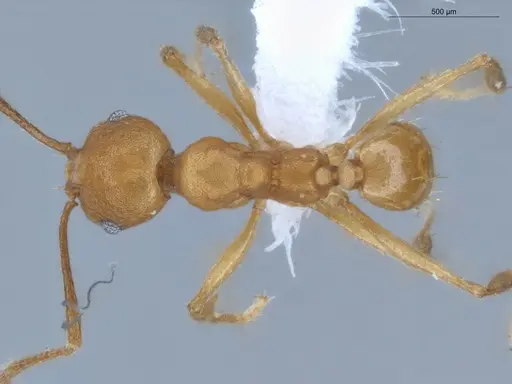
ECOFOG-MAI19-0027-12
View on AntWeb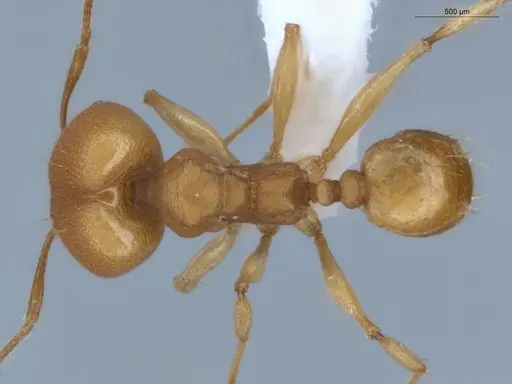
USNMENT00688204
View on AntWeb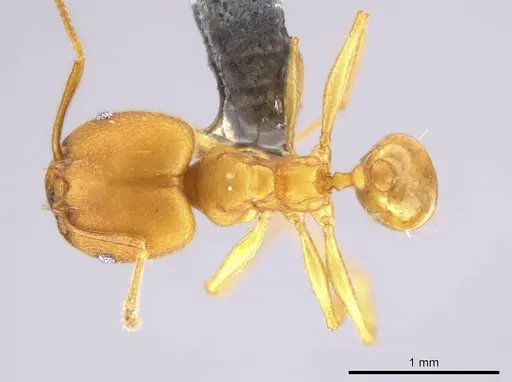
USNMENT00692186
View on AntWeb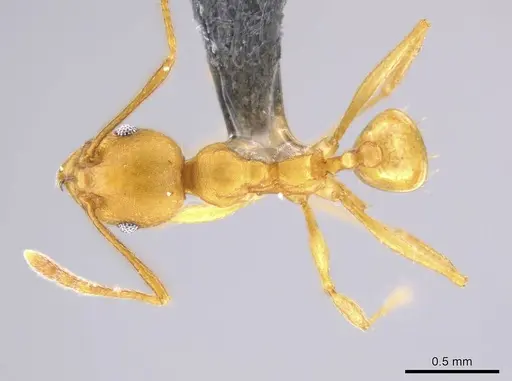
Literature
Loading distribution map...Loading products...