
Pheidole diana
- Sci. Name
- Pheidole diana
- Tribe
- Attini
- Subfamily
- Myrmicinae
- Author
- Forel, 1908
- Distribution
- Found in 2 countries
Introduction
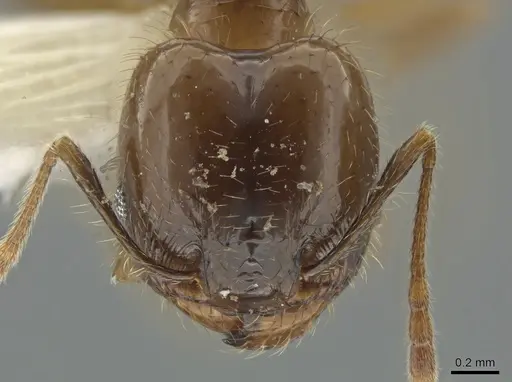
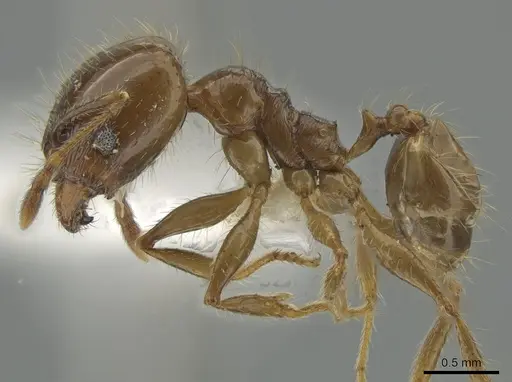
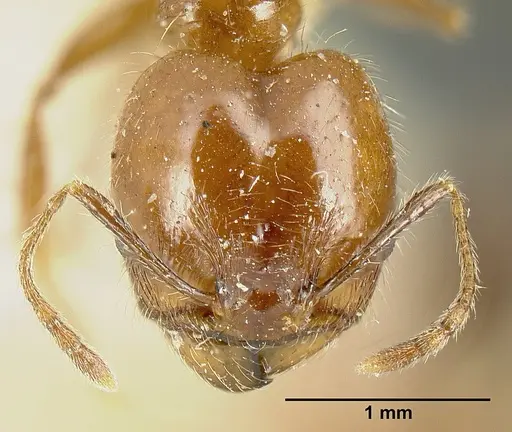
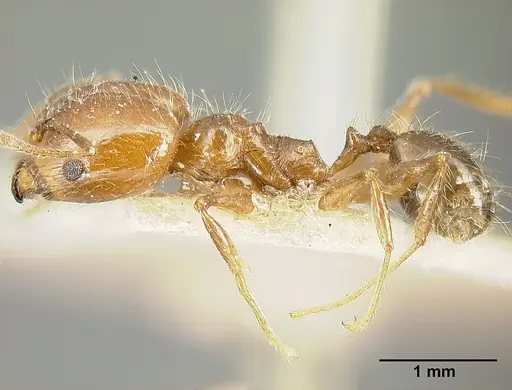
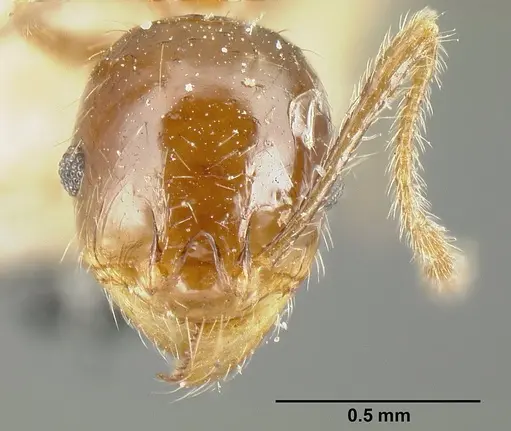
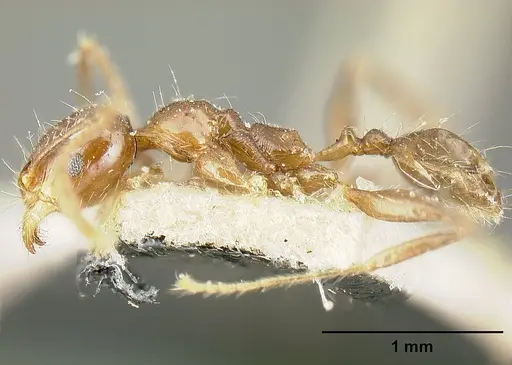
Pheidole diana is a small ant species in the genus Pheidole, known for soldiers with enlarged heads. Workers are small, inferred to be around 2-4 mm based on typical Pheidole sizes . The genus is highly diverse, with soldiers specialized for seed-crushing and defense . This species is found in Central America, inhabiting forest floor environments . Pheidole ants are granivorous, collecting seeds as a primary food source, but they also readily accept protein sources like small insects .
Quick Summary
- Difficulty: Easy
- Origin & Habitat: Central America, forest floor habitats [1]
- Colony Type: Likely monogyne based on Pheidole genus patterns, but unconfirmed for this species [1]
- Size & Growth:
- Queen: Size data unavailable, but inferred from Pheidole genus to be around 6-8 mm
- Worker: Inferred to be 2-4 mm based on Pheidole genus [1]
- Colony: Up to several hundred workers [1]
- Growth: Moderate, inferred from genus patterns
- Development: Estimated 6-8 weeks at optimal temperature, inferred from Pheidole genus [1] (Development time may vary with temperature and feeding conditions.)
- Antkeeping:
- Temperature: Keep at 22-26°C, based on general Pheidole care [1]
- Humidity: Maintain moderate humidity, keep substrate consistently moist but not waterlogged [1]
- Diapause: No, as a Central American species, inferred from range [1]
- Nesting: Use test tube setup for founding colonies, upgrade to Y-tong or plaster nests with narrow chambers once established [1]
- Behavior: Pheidole diana can sting, but it is less medically significant to humans. Workers are generally calm and may flee from threats rather than confront. Escape prevention is critical due to their small size [1].
- Common Issues: escape prevention is critical, their small size allows them to squeeze through tiny gaps, overfeeding can lead to mold problems in nest setups, slow founding phase may cause keepers to abandon colonies prematurely, test tube flooding can kill founding queens, use appropriate water reservoir size, granivorous diet requires seeds to be available, not just protein
Nest Preferences and Setup
Pheidole diana thrives in enclosed, dark nest spaces that mimic their natural forest floor habitat. For founding colonies, a simple test tube setup works well, fill one end with water trapped by a cotton plug, leaving the dry end for the queen [1]. Once the colony reaches 100+ workers, upgrade to a Y-tong or plaster nest with narrow passages, as Pheidole prefer tight spaces over open areas [1]. A small outworld connected to the nest allows for foraging and waste disposal.
Feeding and Diet
Pheidole diana is primarily granivorous, so provide a constant supply of small seeds like sesame or millet [1]. Soldiers stay in the nest to crack seeds using their powerful mandibles. Offer protein sources 2-3 times per week, such as small insects or fruit flies [1]. Sugar water or honey can be offered occasionally, but seeds should form the dietary foundation. Always remove uneaten protein within 24 hours to prevent mold.
Temperature and Seasonal Care
Maintain temperatures between 22-26°C for optimal colony health [1]. This species does not require hibernation as it comes from Central America. Room temperature within this range is typically sufficient. If your home runs cooler, a heating cable placed on top of the nest can provide warmth [1]. Avoid temperatures below 15°C or above 30°C to prevent stress.
Behavior and Colony Dynamics
Pheidole colonies develop distinct castes, minor workers handle foraging and nest maintenance, while major workers (soldiers) specialize in seed-crushing and defense [1]. Workers are non-aggressive and will retreat from threats. They communicate through chemical signals and use tandem running to recruit nestmates to food sources. Major workers typically appear after the colony reaches several dozen workers.
Frequently Asked Questions
How long does it take for Pheidole diana to produce first workers?
First workers typically appear 6-8 weeks after the queen lays her first eggs, assuming temperatures around 24°C, inferred from Pheidole genus patterns [1]. Be patient during the founding phase.
Can I keep multiple Pheidole diana queens together?
Not recommended, as Pheidole diana is likely monogyne. Combining unrelated queens may result in fighting and colony failure [1].
What do Pheidole diana eat?
They are primarily granivorous, offer small seeds as a constant food source. Supplement with protein 2-3 times weekly, such as small insects [1].
Are Pheidole diana good for beginners?
Yes, they are considered easy to keep. They are forgiving of minor care mistakes and do not require hibernation [1].
When should I move my colony to a formicarium?
Move to a formicarium once the colony reaches 100-200 workers. Before this, a test tube setup is sufficient [1].
Why are my Pheidole diana dying?
Common causes include test tube flooding, escape through tiny gaps, mold from overfeeding, or temperatures too low. Check these factors systematically [1].
Do Pheidole diana need hibernation?
No, as a Central American species, they do not require hibernation [1].
Report an Issue
The current care sheet is based fully on literature. See inconsistencies, or something that's incorrect? Please , it will be resolved after review from an admin. Contributing to the blogs tab also helps providing information, to make us be able to further improve the caresheets. Thank you for your support!
References

This caresheet is licensed under CC BY-SA 4.0 .
Community Blogs
CASENT0632932
View on AntWeb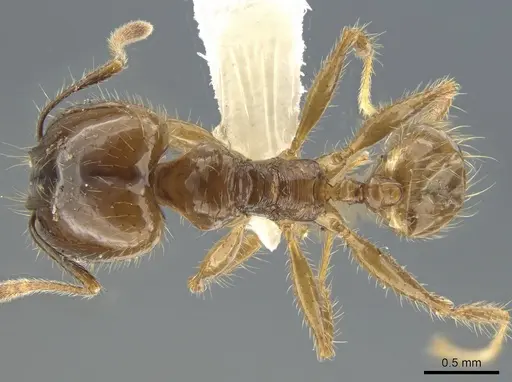
CASENT0635459
View on AntWeb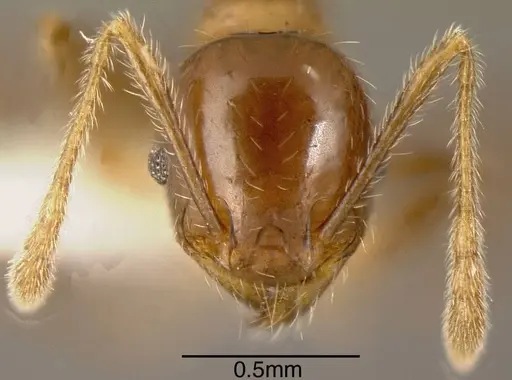
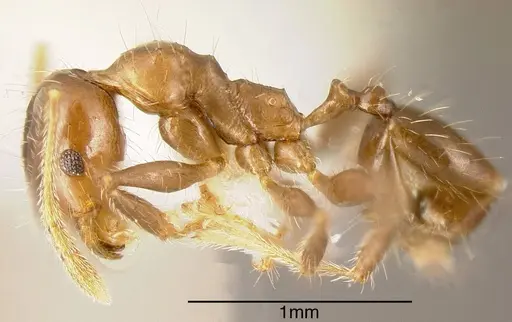
INBIOCRI001283476
View on AntWeb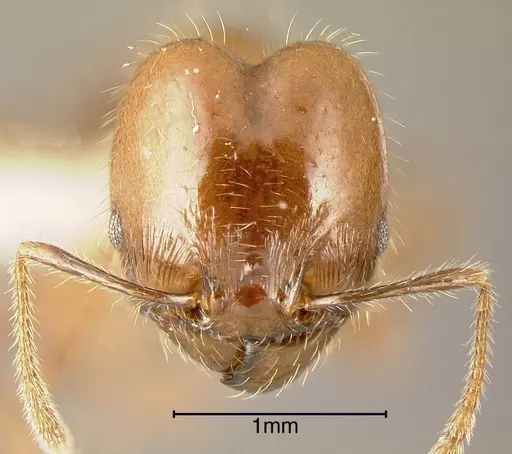
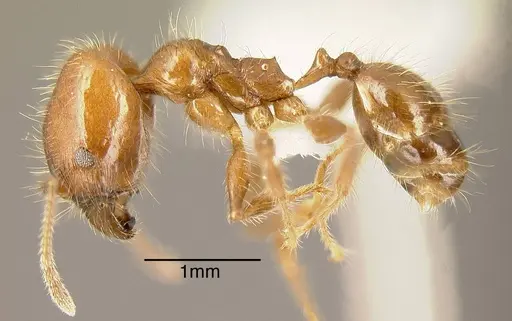
JTLC000014082
View on AntWeb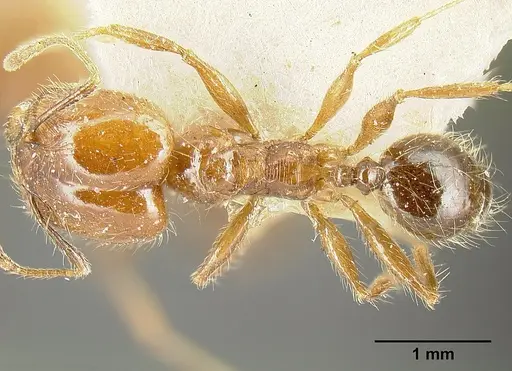
JTLC000014083
View on AntWeb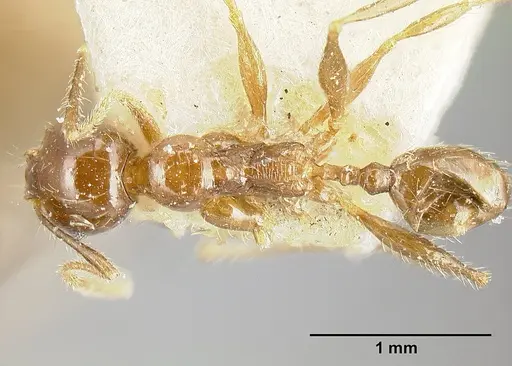
Literature
Loading distribution map...Loading products...