
Desert Big-headed Ant
Pheidole desertorum
- Sci. Name
- Pheidole desertorum
- Tribe
- Attini
- Subfamily
- Myrmicinae
- Author
- Wheeler, 1906
- Common Name
- Desert Big-headed Ant
- Distribution
- Found in 2 countries
Introduction
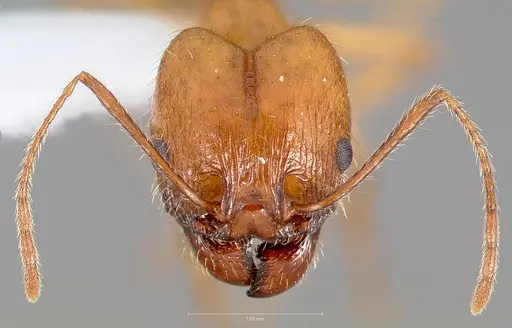
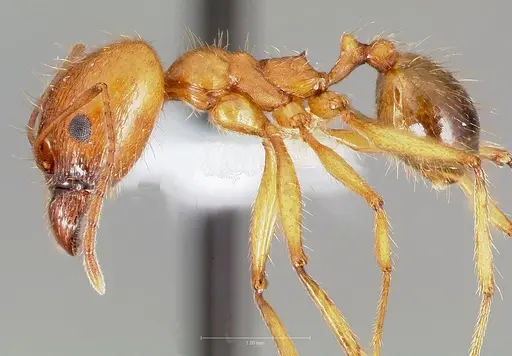
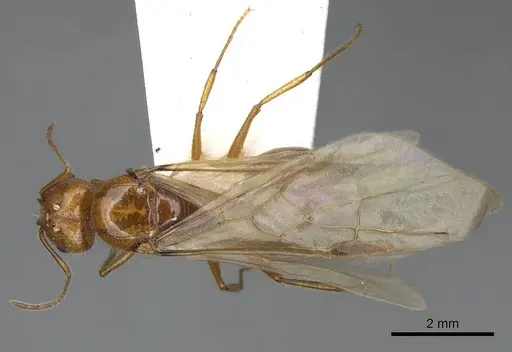
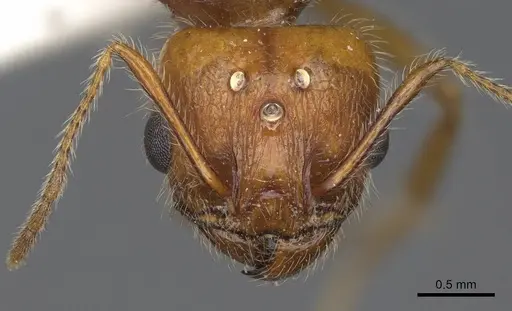
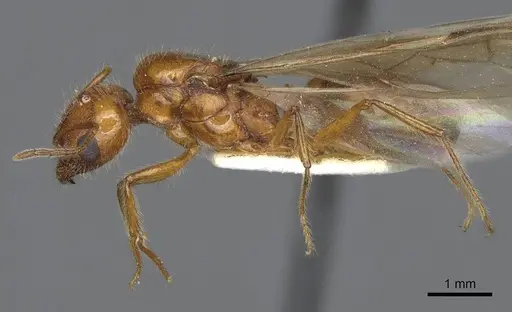
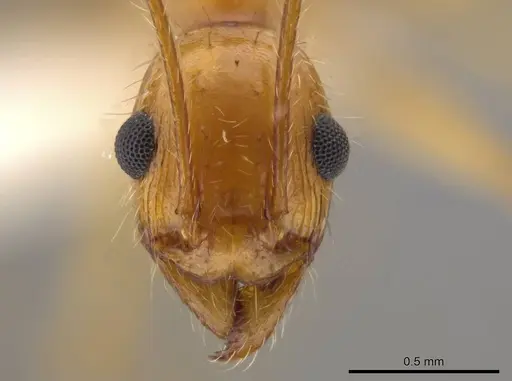
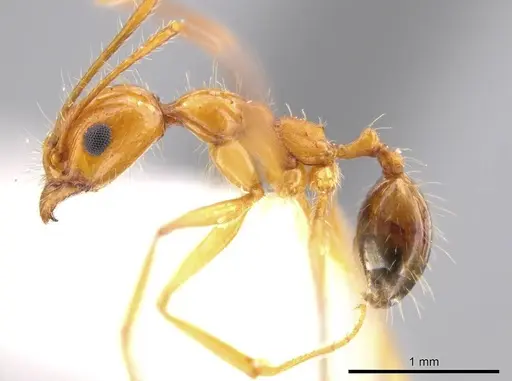
Pheidole desertorum is a small desert ant native to the southwestern United States and northern Mexico. Workers are polymorphic with minors and majors, and the average worker body length is approximately 3.4 mm . They build large crater nests in dry habitats such as desert grasslands and rocky slopes . Colonies can grow to up to 25,000 workers . Unlike many desert ants, they are aggressive predators and scavengers that rarely collect seeds .
Quick Summary
- Difficulty: Medium
- Origin & Habitat: Native to the southwestern United States and northern Mexico, from western Oklahoma to California and south into Mexico [4][5][6]. Inhabits desert habitats including mesquite-acacia bajadas, rocky slopes, and grasslands, often nesting under stones or in crater nests [2].
- Colony Type: Typically monogyne (single queen) based on research [7], but multiple queens have been observed in some nests [2].
- Size & Growth:
- Antkeeping:
- Temperature: Keep at room temperature (20-26°C) with a warm side around 28°C [2].
- Humidity: Low to moderate, keep nest substrate relatively dry with a small water source to avoid mold [2].
- Diapause: Unknown
- Nesting: Test tubes work well for founding colonies. For established colonies, use Y-tong, plaster, or soil nests with dry to moderately moist substrate [2].
- Behavior: These ants are fast-moving, alert, and aggressive when disturbed. They are primarily nocturnal and become active after rainfall [2]. They evacuate nests to pre-established backup sites when threatened by army ants [8][9]. Escape risk is moderate due to their small size, use standard barrier methods.
- Common Issues: colonies may relocate frequently even under stable conditions, this is normal behavior [2]., overfeeding can cause mold in their dry nest, remove uneaten protein promptly., small minor workers can escape through standard barriers, check for gaps., sex-biased colony production is normal, some colonies produce only males or only gynes [11]., major workers are slower than minors, ensure prey is small enough for them to handle.
Housing and Nest Setup
For founding colonies, use a standard test tube setup with water and cotton plug, connected to an outworld. Once the colony has 20-30 workers, upgrade to a Y-tong or plaster nest. Keep the nest substrate dry, misting only occasionally, and provide a small water tube for drinking [2]. Avoid damp substrates to prevent mold, as these are desert-adapted ants [2].
Feeding and Diet
Feed protein-rich foods like small insects (fruit flies, pinhead crickets) twice weekly, removing uneaten prey within 24 hours to prevent mold. They also accept sugar water or honey occasionally [2]. This species is an aggressive predator and scavenger, not a seed-eater [2][3].
Temperature and Seasonal Care
Keep at room temperature (20-26°C) with a warm spot around 28°C using a heating cable if needed [2]. Diapause requirements are unknown, but a cool period in winter may be beneficial based on genus patterns.
Defense and Colony Behavior
When army ants attack, workers evacuate the colony to pre-established backup nests, holding brood and scattering to avoid raiders [8][9]. This behavior, called serial monodomy, involves maintaining multiple nest sites [10]. In captivity, colonies may relocate frequently, which is normal.
Colony Structure and Reproduction
Colonies have a dimorphic worker caste: minors (about 83%) and majors (soldiers, about 17%) [7]. Reproduction is sex-biased, with some colonies producing only males and others only gynes [11]. The population sex ratio is balanced at approximately 50% female [12][13].
Frequently Asked Questions
Are Pheidole desertorum good for beginners?
They are moderate difficulty due to their need for protein-rich foods and frequent nest relocation. Their desert nature makes them forgiving of humidity mistakes [2].
How long does it take for Pheidole desertorum to produce first workers?
First workers typically appear around 6-8 weeks after queen lays eggs, depending on temperature.
Do Pheidole desertorum eat seeds?
No, they are aggressive predators and scavengers that rarely collect seeds [2][3].
How big do Pheidole desertorum colonies get?
Mature colonies can reach up to 25,000 workers [2].
Do Pheidole desertorum need hibernation?
Diapause requirements are unknown, but a cool winter period may be beneficial based on genus patterns.
Can I keep multiple Pheidole desertorum queens together?
This species is typically monogyne, but multiple queens have been observed in some nests [2]. Combining unrelated queens is not recommended.
Why do my Pheidole desertorum keep trying to escape or relocate?
This is normal behavior, they frequently relocate even under stable conditions [2]. Ensure your setup is secure with good escape prevention.
What should I feed my Pheidole desertorum colony?
Protein-rich foods like small insects are essential. Remove uneaten prey within 24 hours to prevent mold [2].
When do Pheidole desertorum have nuptial flights?
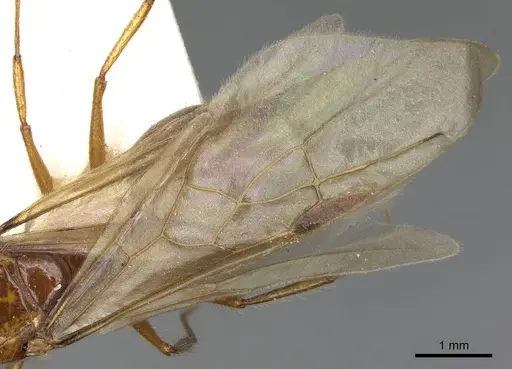
Winged reproductives appear from early June to late August, with mating flights before sunrise after rainfall [2].
Why is my colony producing only males (or only gynes)?
This is normal for this species due to sex-biased reproduction [11][12].
What's the difference between minor and major workers?
Minors are smaller workers that do most foraging, while majors (soldiers) are larger and help with defense and processing prey [7].
Report an Issue
The current care sheet is based fully on literature. See inconsistencies, or something that's incorrect? Please , it will be resolved after review from an admin. Contributing to the blogs tab also helps providing information, to make us be able to further improve the caresheets. Thank you for your support!
References

This caresheet is licensed under CC BY-SA 4.0 .
Community Blogs
CASENT0005736
View on AntWeb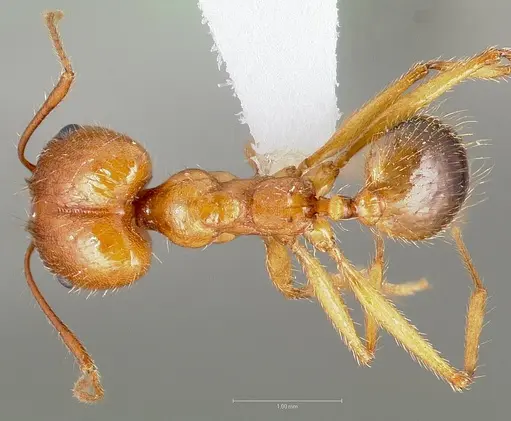
CASENT0005737
View on AntWeb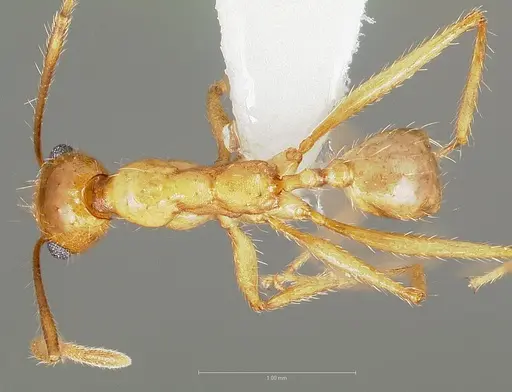
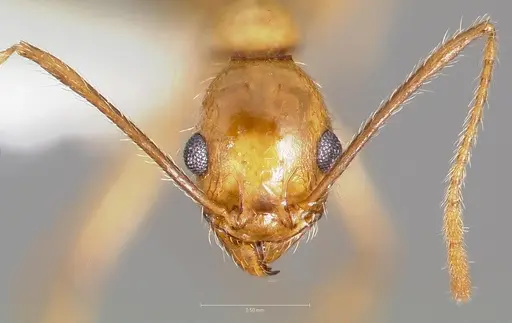
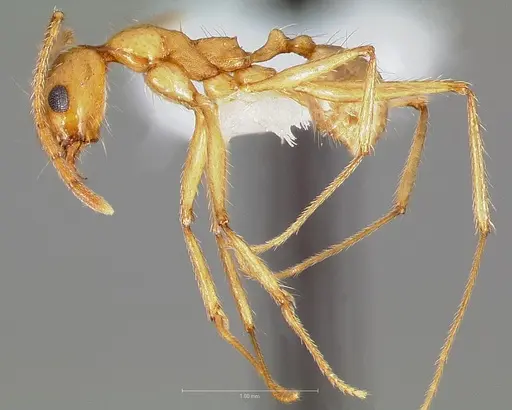
CASENT0102880
View on AntWeb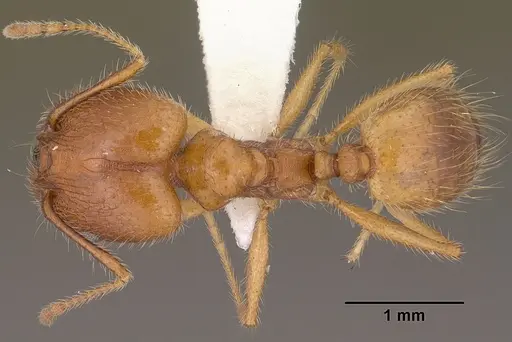
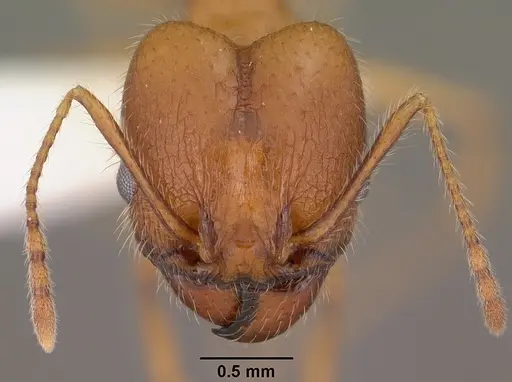
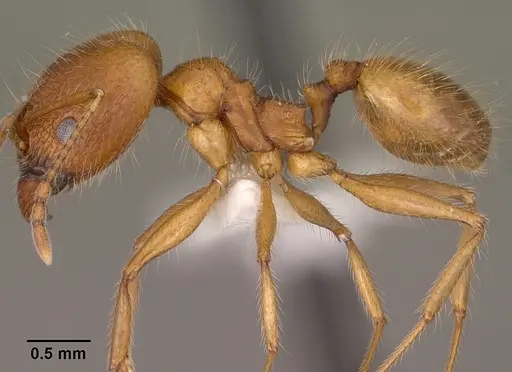
CASENT0102881
View on AntWeb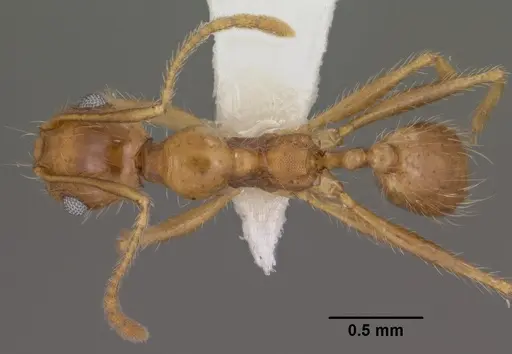
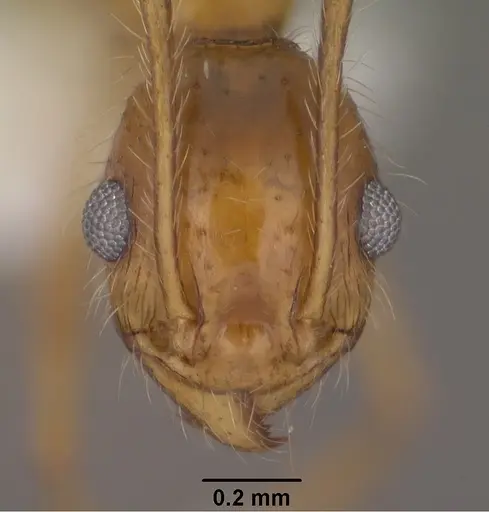
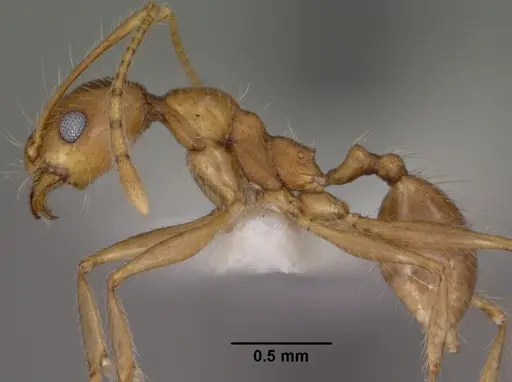
CASENT0631710
View on AntWeb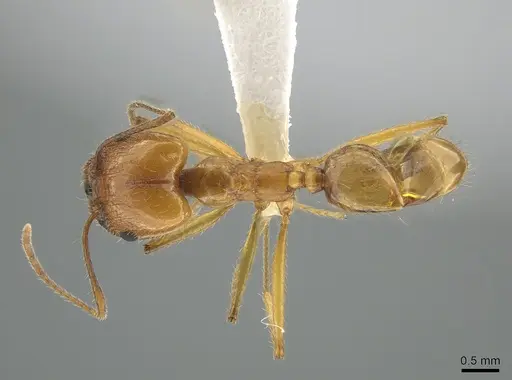
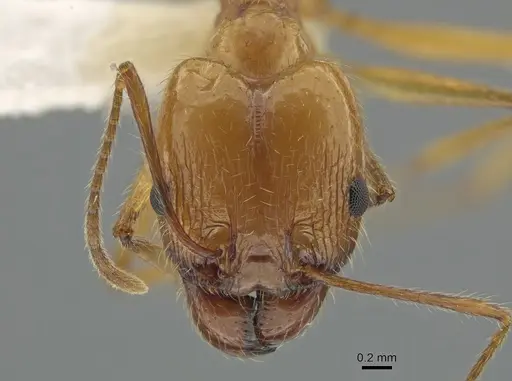
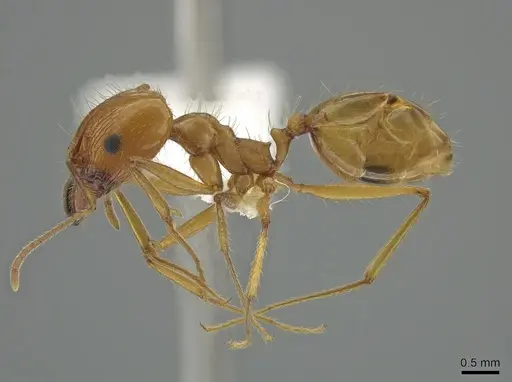
CASENT8368330
View on AntWeb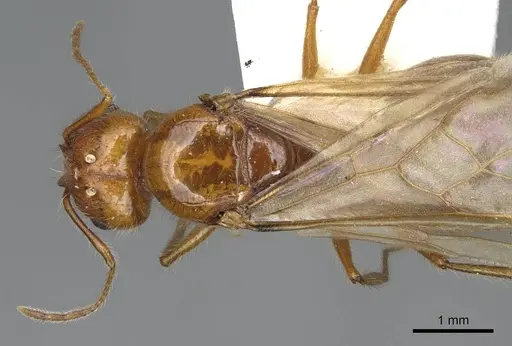
JTLC000013736
View on AntWeb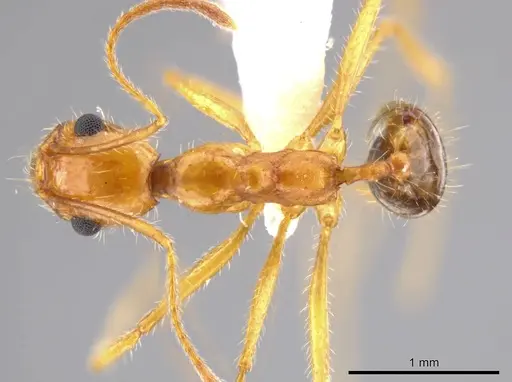
Literature
Loading distribution map...Loading products...