
Pheidole demeter
- Sci. Name
- Pheidole demeter
- Tribe
- Attini
- Subfamily
- Myrmicinae
- Author
- Wilson, 2003
- Distribution
- Found in 1 countries
Introduction
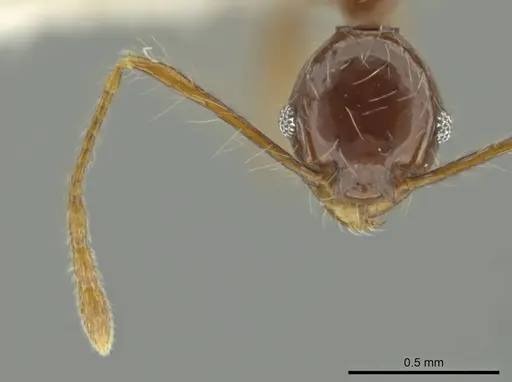
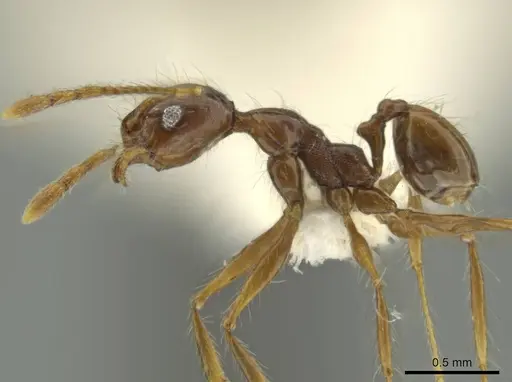
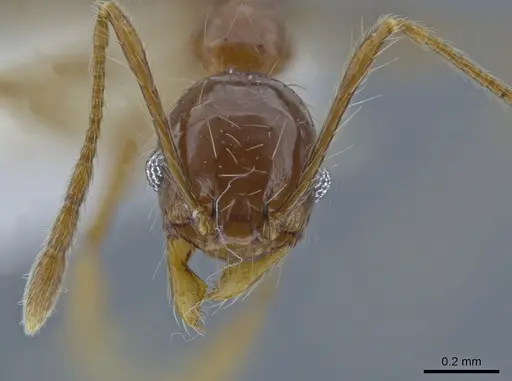
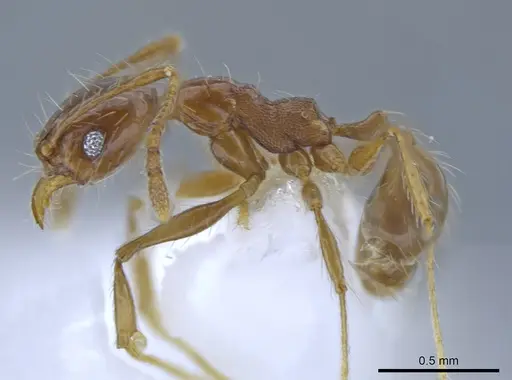
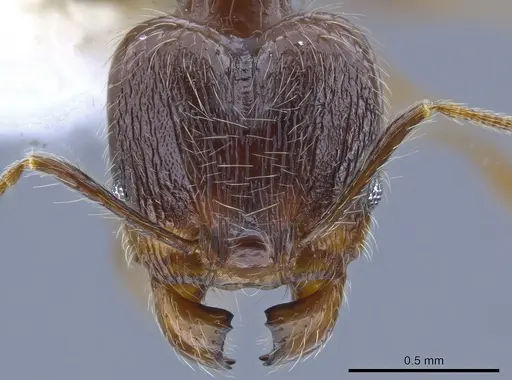
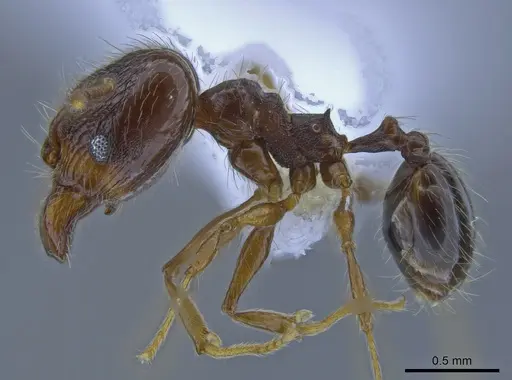
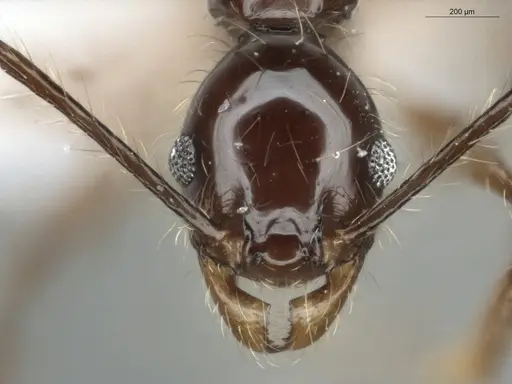
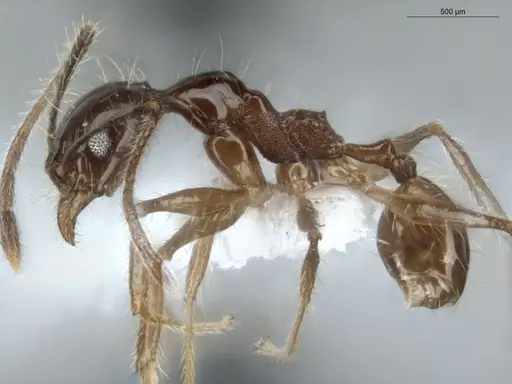
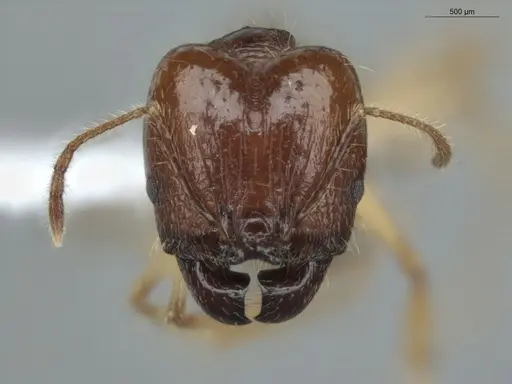
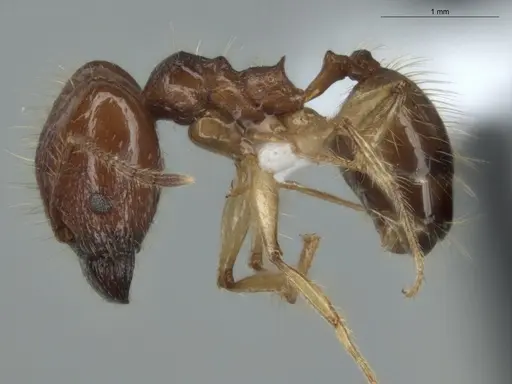
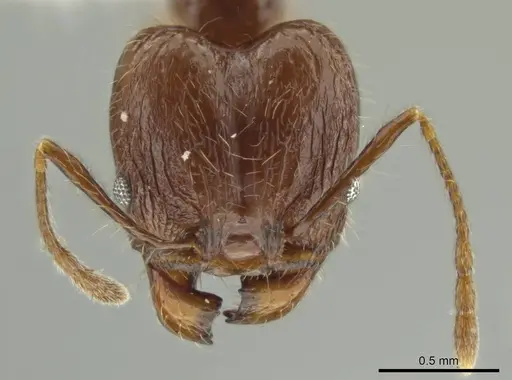
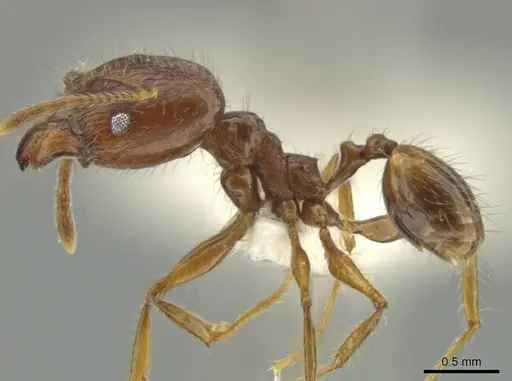
Pheidole demeter is a small Neotropical ant from the diligens group, first described in 2003 . It is only known from the Amazon region of Peru, specifically Cuzco Amazónico near Puerto Maldonado . Colonies nest in rotten sticks or under bark in humid forests . This species has distinct major and minor worker castes, with majors having a 'sharkfin' humeral shape . The species name honors Demeter, the Greek goddess of agriculture.
Quick Summary
- Difficulty: Medium
- Origin & Habitat: Native to the Amazon basin in Peru, found in terra firme and seasonally flooded forests nesting in rotten sticks or under palm bark [1].
- Colony Type: Colony structure is unconfirmed for this species. Many Pheidole species are monogyne (single queen), but this is not documented for P. demeter.
- Size & Growth:
- Queen: Size data unavailable, no total length measurements provided. Inferred from Pheidole genus patterns [1].
- Worker: Size data unavailable, no total length measurements provided. Inferred from Pheidole genus patterns [1].
- Colony: Unknown for this species. Related Pheidole species can reach several hundred workers, but no specific data for P. demeter [1].
- Growth: Moderate, inferred from related Pheidole species [1].
- Development: Estimated 6-8 weeks based on typical Pheidole development at tropical temperatures [1]. (Development time is estimated from genus patterns, actual timing may vary with temperature.)
- Antkeeping:
- Temperature: Keep warm at 24-28°C, as this is a tropical species. A heating gradient can help maintain stable conditions [1].
- Humidity: Keep nest substrate consistently moist but not waterlogged, reflecting their natural humid forest habitat [1].
- Diapause: No, as a tropical species from the Amazon, they do not require hibernation [1].
- Nesting: Provide a humid nest with decaying wood or a Y-tong/plaster nest that retains moisture. Naturalistic setups mimic their wild habitat [1].
- Behavior: Generally peaceful and not aggressive. Minor workers are very small and active foragers, while majors handle seed processing and defense. Escape prevention is critical due to their tiny size [1].
- Common Issues: escape prevention is critical due to their very small size, humidity management can be challenging, too dry causes colony decline, too wet causes mold, wild-caught colonies may have parasites that kill them in captivity, slow initial colony growth during founding phase can lead to overfeeding, tropical species may struggle if room temperature drops below 24°C
Nest Preferences
In the wild, Pheidole demeter nests in rotten sticks at the litter surface or under bark in humid forests [1]. For captive care, use a humid setup with decaying wood pieces or a moisture-retaining nest like Y-tong or plaster. Avoid dry environments and keep the nest shaded.
Feeding and Diet
Pheidole demeter is an omnivore that eats seeds and protein. Offer small seeds, fruit flies, or mealworms, along with sugar water. Feed protein 2-3 times per week and remove uneaten food to prevent mold [1].
Temperature and Care
As a tropical species, keep temperatures between 24-28°C. Use a heating cable on one side of the nest to create a gradient. Monitor with a thermometer to avoid fluctuations [1].
Behavior and Temperament
This species is peaceful and not aggressive toward keepers. Minor workers are extremely small and forage actively, while majors process seeds and defend the colony. Escape prevention is essential due to their tiny size [1].
Colony Founding
Founding behavior is unconfirmed for this species. Do not disturb the queen or offer food during the founding phase. Once workers emerge, begin offering small amounts of sugar water and protein [1].
Growth and Development
Pheidole demeter has major and minor castes. Colony growth is slow initially, then accelerates after workers emerge. Development from egg to worker is estimated at 6-8 weeks at optimal temperatures [1].
Frequently Asked Questions
How long does it take for Pheidole demeter to produce first workers?
Based on typical Pheidole development, expect 6-8 weeks from egg to first worker at 24-28°C. The founding phase is slow, so patience is key [1].
What do Pheidole demeter ants eat?
They eat small seeds, protein sources like fruit flies, and sugar water. Feed protein 2-3 times per week with constant sugar access [1].
Can I keep multiple queens together?
This is not documented for this species. Most Pheidole are monogyne, and combining queens may lead to fighting [1].
What temperature do Pheidole demeter need?
Keep them at 24-28°C. As a tropical species, consistent warmth is important [1].
Do they need hibernation or diapause?
No, as a tropical Amazon species, they do not require hibernation [1].
Why are my Pheidole demeter escaping?
The minor workers are extremely small and can squeeze through tiny gaps. Use fine mesh barriers and check all seals carefully [1].
Are Pheidole demeter good for beginners?
They are rated medium difficulty due to escape prevention and humidity management. If you can handle these, they are rewarding [1].
When should I move them to a formicarium?
Keep them in a small setup during founding. Once the colony has 50+ workers and active foraging, move to a larger nest [1].
How big do Pheidole demeter colonies get?
Colony size is unknown for this species. Related Pheidole can reach several hundred workers, but no specific data for P. demeter [1].
What humidity level do they need?
Keep the nest substrate moist but not waterlogged, reflecting their natural humid forest habitat [1].
Report an Issue
The current care sheet is based fully on literature. See inconsistencies, or something that's incorrect? Please , it will be resolved after review from an admin. Contributing to the blogs tab also helps providing information, to make us be able to further improve the caresheets. Thank you for your support!
References

This caresheet is licensed under CC BY-SA 4.0 .
Community Blogs
CASENT0644186
View on AntWeb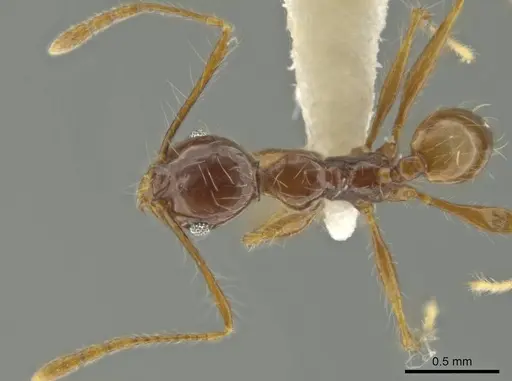
CASENT0650580
View on AntWeb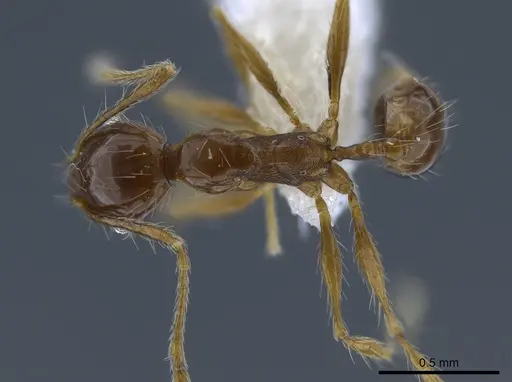
CASENT0650581
View on AntWeb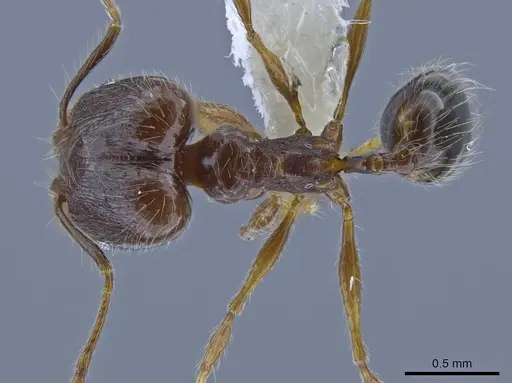
ECOFOG-MI15-0378-45
View on AntWeb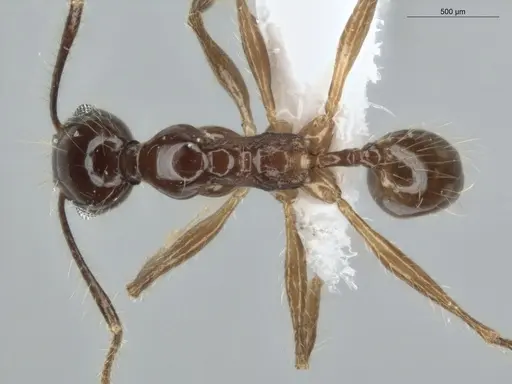
ECOFOG-MI15-0378-52
View on AntWeb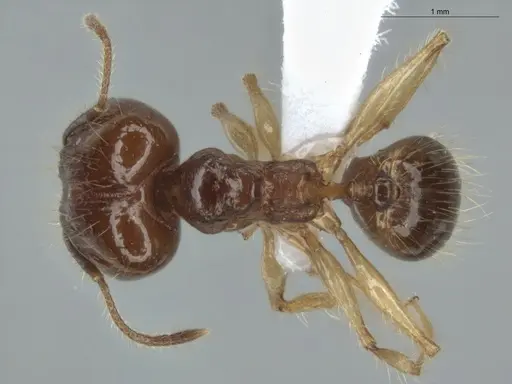
JTLC000016363
View on AntWeb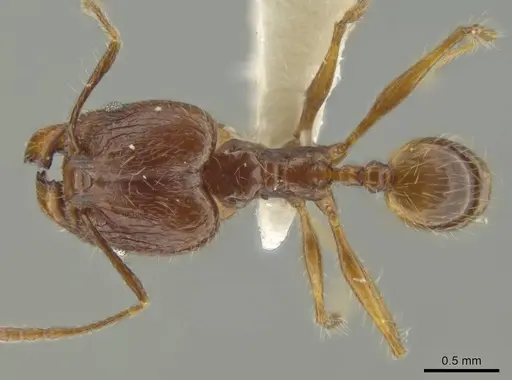
Literature
Loading distribution map...Loading products...