
Pheidole dea
- Sci. Name
- Pheidole dea
- Tribe
- Attini
- Subfamily
- Myrmicinae
- Author
- Santschi, 1921
- Distribution
- Found in 3 countries
Introduction
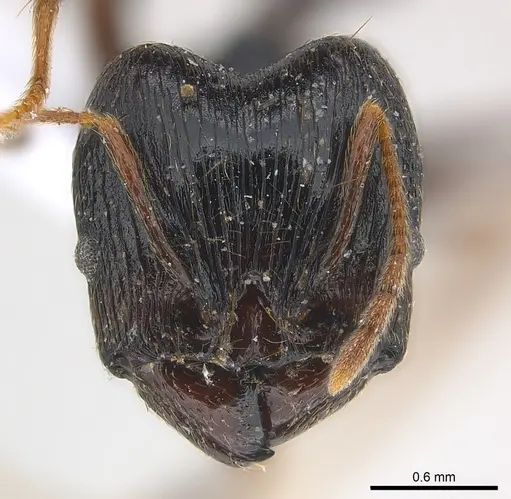
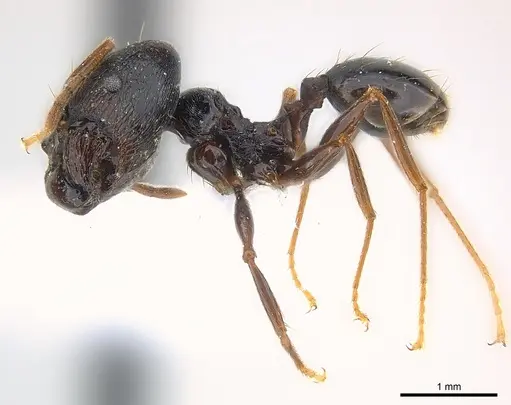
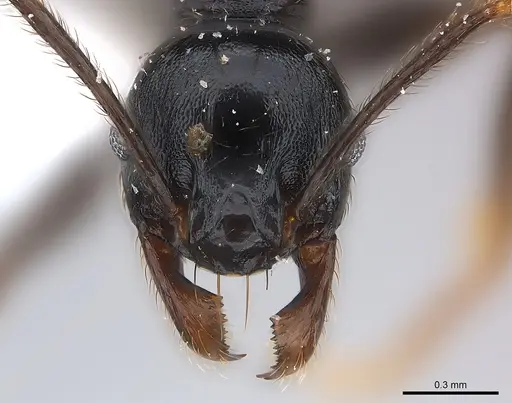
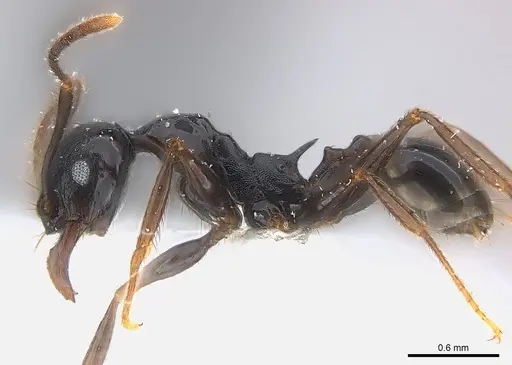
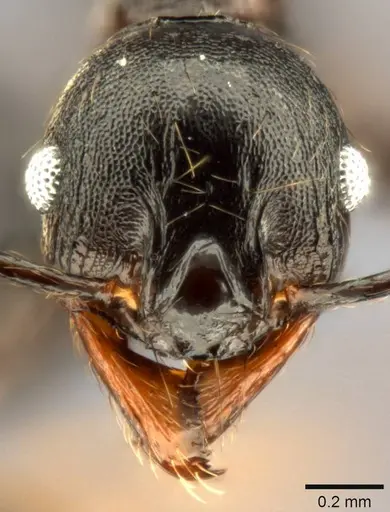
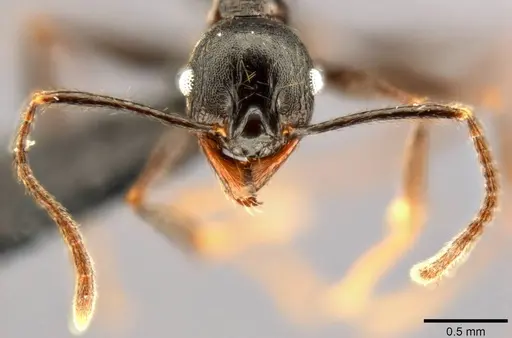
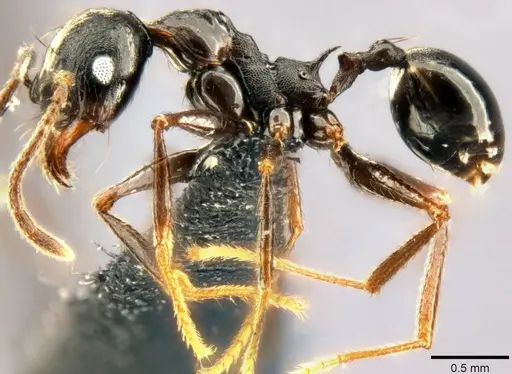
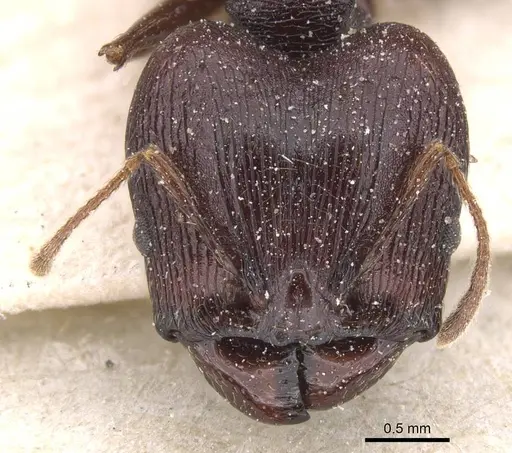
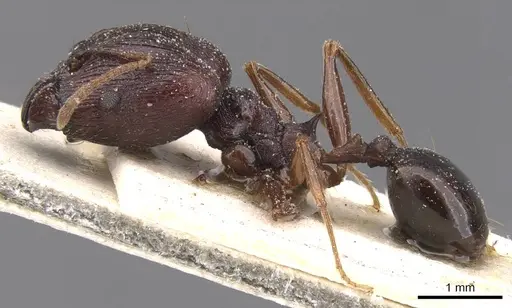
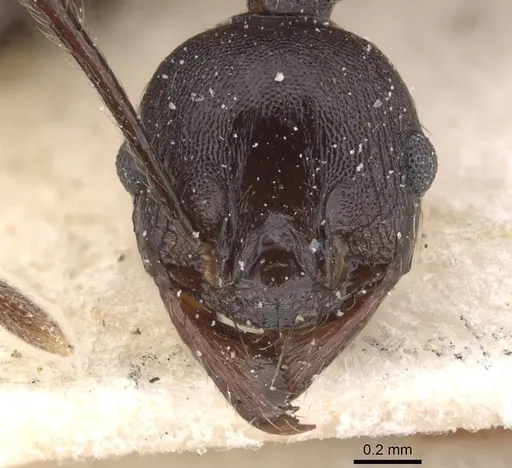
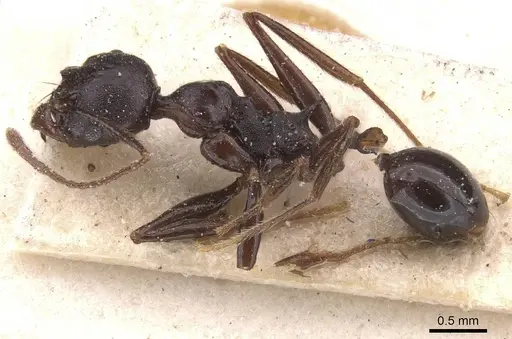
Pheidole dea is a small ant species native to Eastern Africa, belonging to the pulchella species group. Minor workers are brown to dark blackish brown, and major workers have strong, parallel rugae on the face . The species is found in forest habitats in Democratic Republic of Congo, Kenya, Uganda, and Tanzania . This species is notable for its specialized predatory lifestyle. Stable isotope studies show it occupies the third trophic level, making it a more specialized predator than other Pheidole species .
Quick Summary
- Difficulty: Medium
- Origin & Habitat: Eastern Africa, Democratic Republic of Congo, Kenya (Kakamega Forest), Uganda (Rabongo and Budongo Forests), and Tanzania (Gombe). Found in forest habitats, particularly on the forest floor [1][2].
- Colony Type: Colony structure is unconfirmed, based on Pheidole patterns, likely monogyne (single queen) [1].
- Size & Growth:
- Queen: Size data unavailable, no total length measurements provided in research.
- Worker: Size data unavailable, no total length measurements provided. Minor and major workers are dimorphic, with majors being substantially larger [1].
- Colony: Unknown, no colony size data available for this species.
- Growth: Unknown, no development timeline data available.
- Development: Unconfirmed, no direct data, likely 6-10 weeks based on typical Pheidole patterns. (Pheidole species typically develop from egg to worker in 6-10 weeks at warm temperatures, but this has not been specifically studied for Pheidole dea.)
- Antkeeping:
- Temperature: Keep at 24-28°C based on African forest habitat. Room temperature (22-25°C) may be suitable, with a slight heat gradient preferred.
- Humidity: Keep substrate consistently moist but not waterlogged, as this species is from humid tropical forests. Provide a moisture gradient so ants can choose their preferred humidity.
- Diapause: Unknown, tropical species may not require true diapause, but may have reduced activity during cooler seasons.
- Nesting: Forest-floor nesting species, likely prefers humid nests with soil or decaying wood. Y-tong nests, plaster nests, or naturalistic setups with moist substrate work well.
- Behavior: This species appears to be a specialized predator based on its high trophic position [1]. Pheidole species are generally non-aggressive toward humans and not known for painful stings. Escape risk is moderate, minor workers are small, so fine mesh barriers are recommended. Major workers are larger and less likely to escape.
- Common Issues: specialized diet requirements, being a third-trophic-level predator, they may require more protein-rich foods than typical ants., rarely collected in the wild meaning established colonies may be difficult to find., small minor workers require fine mesh barriers to prevent escapes., no specific colony data means keepers must rely on genus-level assumptions., slow growth typical of specialized predators, patience required during founding phase.
Nest Preferences
Pheidole dea is a forest-floor species found in humid tropical environments across Eastern Africa. In captivity, they do best in setups that maintain consistent moisture without becoming waterlogged. Y-tong nests work well because they allow you to control humidity precisely. Plaster nests with water reservoirs are another good option, as they hold moisture steadily. The key is providing a humidity gradient, a moist chamber on one side and slightly drier areas on the other lets the colony self-regulate. Avoid very dry setups or excessive ventilation that would dry out the nest quickly. [1]
Feeding and Diet
This is the most critical aspect of keeping Pheidole dea successfully. Stable isotope studies showed this species occupies the third trophic level, meaning it is a more specialized predator than other Pheidole species [1]. This suggests they need a diet higher in animal protein than typical ants. Offer small live prey regularly, fruit flies, pinhead crickets, small mealworms, and other tiny invertebrates are ideal. You can also offer protein-rich foods like boiled egg, tuna, or cat food, but live prey is likely preferred. Sugar sources should still be available, a drop of honey or sugar water every few days provides energy. The key is prioritizing protein: offer prey or protein foods 2-3 times per week, with sugar available constantly. Remove uneaten protein after 24-48 hours to prevent mold.
Temperature and Care
As a species from tropical African forests, Pheidole dea prefers warm, stable temperatures. Aim for 24-28°C, which you can achieve in most rooms with a small heating cable on one side of the nest if needed. Room temperature (22-25°C) may be sufficient depending on your climate. Watch colony behavior, if workers cluster near the heat source, increase temperature slightly, if they avoid it, reduce heat. Unlike temperate species, they likely do not require a true hibernation diapause, but may show reduced activity during cooler months. Maintain humidity by misting the outworld or adding water to the nest's reservoir when condensation disappears. Do not let the nest dry out completely, but avoid flooding the water chamber.
Behavior and Temperament
Pheidole dea displays the typical Pheidole colony structure with distinct minor workers and major workers (soldiers). The majors have large heads with powerful mandibles, but they are not aggressive toward humans, these ants are not equipped to deliver painful stings, and their mandibles are designed for crushing seed husks and prey, not for biting humans. The species is likely a passive forager rather than an aggressive defender. Minor workers are very small, so escape prevention requires attention, use fine mesh on any openings and apply fluon or other barriers to the rim of the outworld. Colonies are likely to grow moderately fast once established, with the first major workers appearing several months after founding. Expect the colony to be most active in the warm months when food is plentiful. [1]
Acquiring and Founding
Pheidole dea is rarely collected in the wild, in Kakamega Forest it made up only 2.2% of all Pheidole individuals in pitfall samples [1]. This means established colonies may be difficult to obtain from suppliers. If you find a queen, founding behavior is unconfirmed, but based on Pheidole patterns, she may seal herself in a chamber and live off stored fat reserves until her first workers hatch. Provide a founding setup with moist substrate, a test tube with a water reservoir and a small chamber of soil or sand works well. Place the queen in darkness and do not disturb her for 4-6 weeks. Once the first nanitic workers emerge, you can begin offering tiny amounts of food. Growth may be slow initially as the colony establishes itself.
Growth and Development
Specific development timelines for Pheidole dea have not been documented. Based on typical Pheidole patterns, expect 6-10 weeks from egg to first worker at optimal temperatures (around 26°C). The first workers (nanitics) will be smaller than typical minor workers. Major workers typically appear once the colony reaches several dozen workers, as the colony invests in developing the soldier caste. Growth rate is likely moderate, not as fast as some tropical Pheidole that can reach hundreds of workers quickly, but faster than cold-climate species. Patience is key during the founding phase. Once the colony reaches 50+ workers, growth typically accelerates. The specialized predatory nature of this species may mean slower growth than omnivorous Pheidole, as they may require more time to successfully hunt and process protein-rich food.
Frequently Asked Questions
How long does it take for Pheidole dea to produce first workers?
Exact timeline is unconfirmed for this species. Based on typical Pheidole development, expect 6-10 weeks from egg to first worker at 24-28°C. The first workers will be small nanitics. Growth is likely slower than omnivorous Pheidole due to their specialized predatory nature.
What do Pheidole dea ants eat?
They require a protein-rich diet. Stable isotope studies show they are third-trophic-level predators, meaning they eat other predators or specialized prey [1]. Offer small live prey like fruit flies, springtails, and tiny insects. They will also accept protein sources like boiled egg, tuna, or cat food. Sugar water or honey should be available constantly for energy.
Are Pheidole dea ants good for beginners?
This species is rated as Medium difficulty. While not aggressive, the main challenge is their specialized diet, they appear to require more protein than typical ants. They are also rarely available since they are rarely collected in the wild. If you can obtain a colony and commit to providing regular protein-rich foods, they can be rewarding.
What temperature do Pheidole dea ants need?
Keep them at 24-28°C based on their tropical African forest habitat. Room temperature (22-25°C) may work in most homes. A small heating cable on part of the nest can provide extra warmth if needed. Monitor colony activity to find the ideal range for your specific colony.
Can I keep multiple Pheidole dea queens together?
Colony structure is unconfirmed for this species. Most Pheidole are monogyne (single queen), but some species can be polygynous. Combining unrelated foundress queens has not been documented for Pheidole dea. It is not recommended to attempt multi-queen setups without specific evidence this species tolerates it.
How big do Pheidole dea colonies get?
Maximum colony size is unknown, no colony size data has been documented for this species [1]. Based on genus patterns and their rarity in the wild, colonies are likely moderate (several hundred workers) rather than supercolony-sized.
Do Pheidole dea ants need hibernation?
Diapause requirements are unknown. As a tropical species from African forests, they likely do not require true hibernation. However, they may show reduced activity during cooler periods. If you keep them at stable room temperature year-round, they should remain active. No specific winter care protocol has been documented.
What size nest do I need for Pheidole dea?
Start with a test tube setup for the founding queen. Once the colony reaches 20-30 workers, you can move to a small Y-tong or plaster nest. They prefer humid nests with moisture-retaining material. A nest with chambers sized appropriately for their small minor workers works best, avoid chambers that are too large and open.
Why are my Pheidole dea dying?
The most likely cause is inadequate diet, being a specialized predator, they may die without sufficient protein. Check that you are offering prey or protein foods regularly. Other common issues include: nest too dry (keep substrate moist), temperature too cold (increase to 24-28°C), or escapes due to small worker size (check for tiny gaps). Wild-caught colonies may also carry parasites.
Where does Pheidole dea come from?
This species is found in Eastern Africa: Democratic Republic of Congo, Kenya (Kakamega Forest), Uganda (Rabongo and Budongo Forests), and Tanzania (Gombe) [1][2]. They live in forest habitats, particularly on the forest floor in humid tropical environments.
When do Pheidole dea alates (reproductives) appear?
Nuptial flight timing is undocumented for this species. In tropical Pheidole, reproductive alates typically appear during warm, rainy seasons. There is no specific data on when alates are produced or when mating flights occur for Pheidole dea.
Report an Issue
The current care sheet is based fully on literature. See inconsistencies, or something that's incorrect? Please , it will be resolved after review from an admin. Contributing to the blogs tab also helps providing information, to make us be able to further improve the caresheets. Thank you for your support!
References

This caresheet is licensed under CC BY-SA 4.0 .
Community Blogs
CASENT0217097
View on AntWeb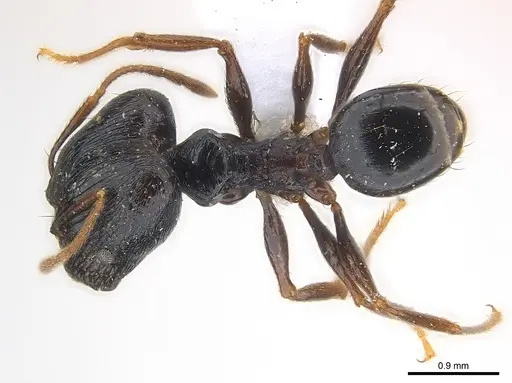
CASENT0217098
View on AntWeb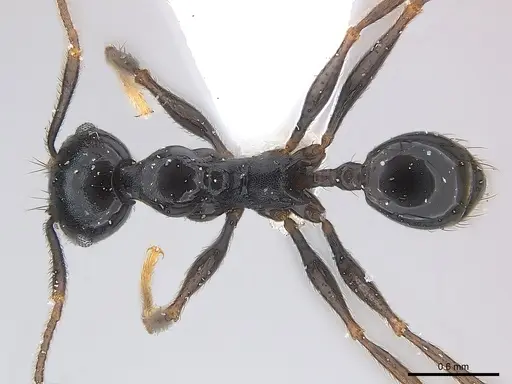
CASENT0283486
View on AntWeb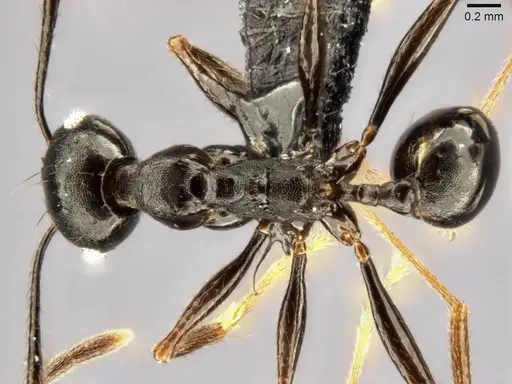
CASENT0913299
View on AntWeb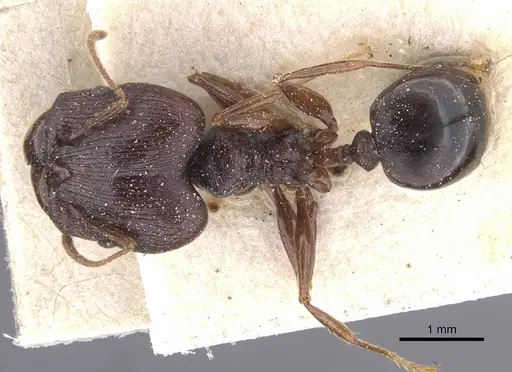
CASENT0913300
View on AntWeb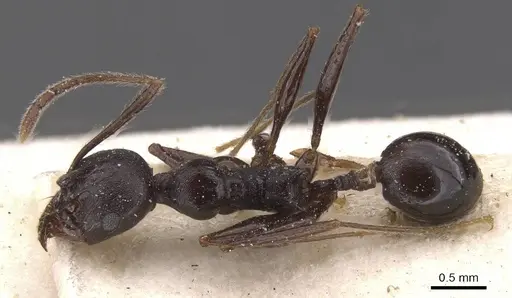
Literature
Loading distribution map...Loading products...