
Pheidole curvistriata
- Sci. Name
- Pheidole curvistriata
- Tribe
- Attini
- Subfamily
- Myrmicinae
- Author
- Salata & Fisher, 2020
- Distribution
- Found in 1 countries
Introduction
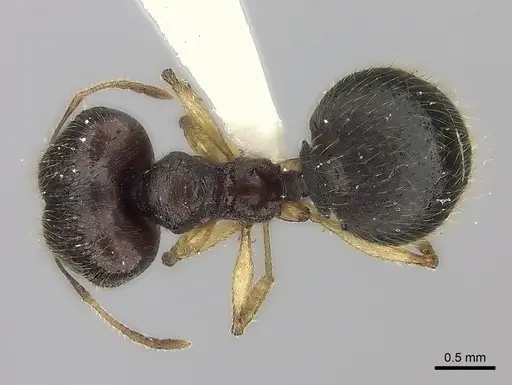
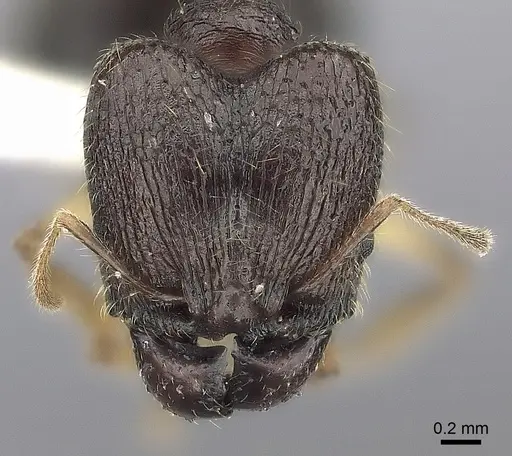
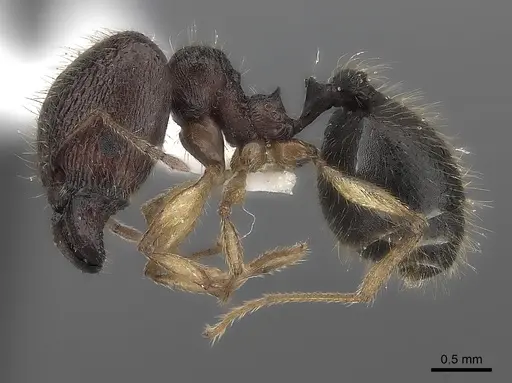
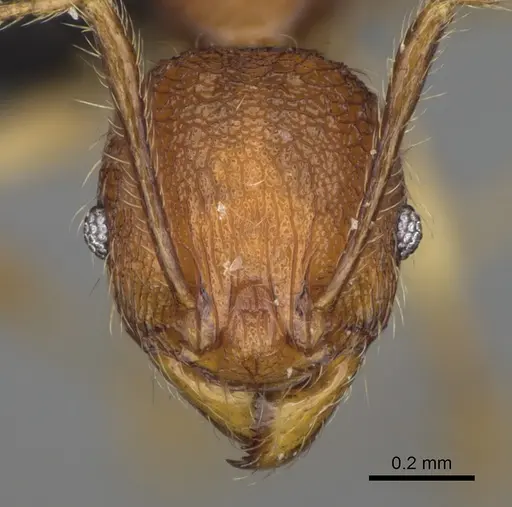
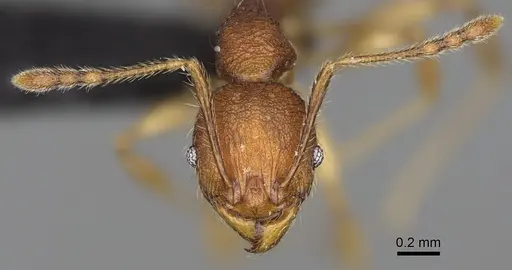
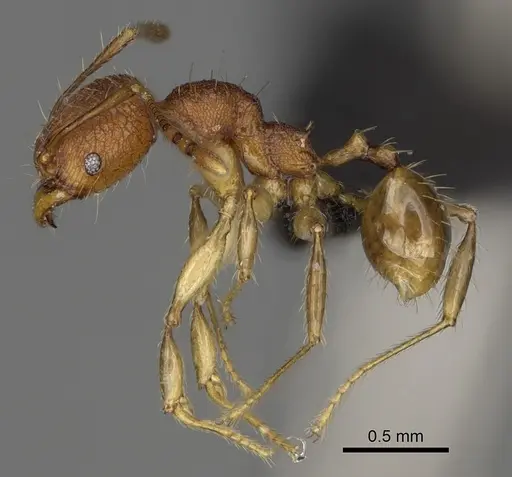
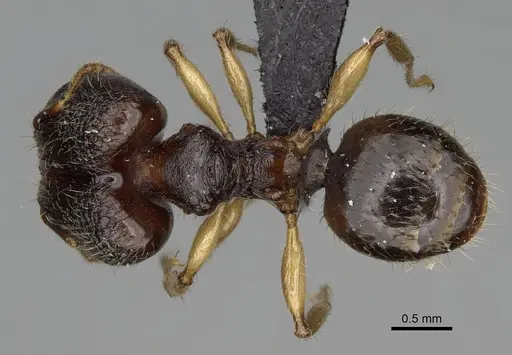
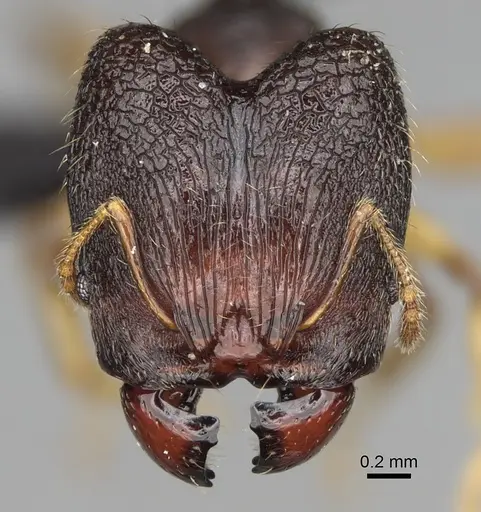
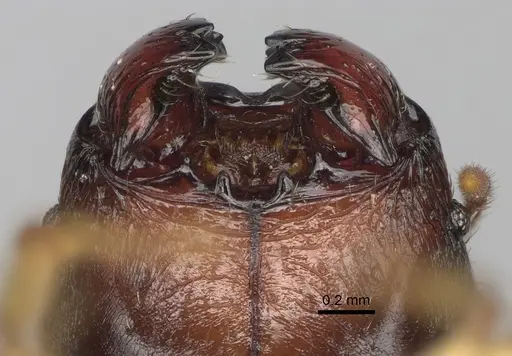
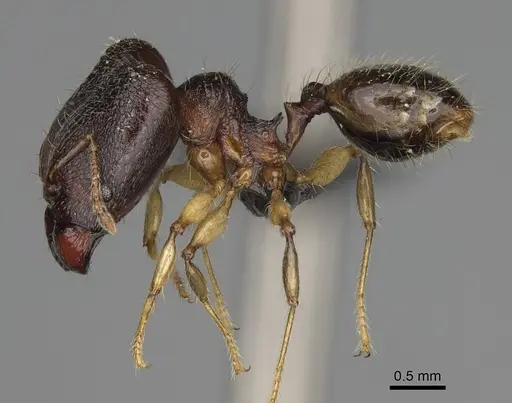
Pheidole curvistriata is a small ant species native to Madagascar, described in 2020. It belongs to the Pheidole curvistriata species group and has major and minor worker castes. Body size data is unavailable from the research, but based on Pheidole genus patterns, workers are small, with majors larger than minors. The species is brown, with minor workers yellowish brown to brown. The name 'curvistriata' refers to curved rugae on the head of minor workers . This species inhabits Madagascar's rainforest and montane rainforest zones at elevations between 530-1150 meters. Nests are found in rotten logs, twigs, and stumps .
Quick Summary
- Difficulty: Medium
- Origin & Habitat: Endemic to Madagascar, found in rainforest and montane rainforest at 530-1150 m elevation. Nests in rotten logs, twigs, and stumps [1][2].
- Colony Type: Colony structure is unconfirmed from research, but Pheidole species are typically monogyne with single queens.
- Size & Growth:
- Queen: Size data unavailable, inferred from Pheidole genus that queens are larger than workers.
- Worker: Size data unavailable, inferred from Pheidole genus.
- Colony: Maximum colony size unknown, based on genus patterns, colonies can be large.
- Growth: Moderate, inferred from genus patterns.
- Development: Estimated 6-8 weeks at optimal temperature, inferred from genus patterns. (Development time inferred from genus-level data.)
- Antkeeping:
- Temperature: Keep warm, roughly 22-26°C, based on habitat inference [1].
- Humidity: Keep nest substrate consistently moist but not waterlogged, as they inhabit rainforests [1].
- Diapause: No diapause required, tropical species [1].
- Nesting: Provide nest options like rotten wood, cork bark, or plaster nests scaled to their small size. Avoid acrylic nests.
- Behavior: Pheidole curvistriata is generally non-aggressive toward keepers. Escape risk is high due to small size, use fine mesh barriers (0.5mm or smaller) [2].
- Common Issues: high humidity management, too wet causes mold, too dry leads to brood death., escape prevention, minor workers are tiny and can squeeze through gaps., slow founding phase, queens may take time to produce first workers., potential colony decline from overfeeding, uneaten food spoils in humid setups., difficulty establishing initial colony, high mortality without proper conditions.
Housing and Nest Setup
Set up a test tube for founding colonies with a water reservoir and cotton plug to maintain humidity. Once the colony has 20-30 workers, move to a nest like cork bark or plaster. Ensure passages are small due to their small size. Connect to an outworld with fine mesh barriers to prevent escapes [1][2].
Feeding and Diet
Offer a varied diet: protein sources like small insects 2-3 times per week, and constant access to sugar water or honey. Remove uneaten protein within 24 hours to prevent mold [2].
Temperature and Humidity Management
Maintain warm conditions around 22-26°C with a humidity gradient. Keep the nest substrate consistently moist but not waterlogged, as they inhabit rainforests [1].
Colony Development and Growth
Colonies grow from founding to maturity. Queens may seal themselves in during founding, but behavior is unconfirmed. First workers emerge after an estimated 6-8 weeks at optimal temperature, inferred from genus patterns [1].
Behavior and Defense
Pheidole curvistriata displays caste-based division of labor. Minor workers handle most tasks, while majors specialize in defense. Defense mechanism is a sting, based on subfamily Myrmicinae [2]. Escape risk is high due to small size [2].
Seasonal Care and Overwintering
As a tropical species, no diapause is required. Maintain stable temperatures year-round [1].
Frequently Asked Questions
How long does it take for Pheidole curvistriata to produce first workers?
Expect first workers to emerge 6-8 weeks after egg laying at optimal temperature, inferred from genus patterns [1].
What size colony does Pheidole curvistriata reach?
Maximum colony size is unknown, but based on genus patterns, colonies can be large [1].
Can I keep multiple Pheidole curvistriata queens together?
Unconfirmed, but Pheidole species are typically monogyne, so keeping multiple queens may lead to fighting.
What do I feed Pheidole curvistriata?
Offer protein sources like small insects 2-3 times per week and constant sugar access [2].
What temperature and humidity do they need?
Keep at roughly 22-26°C with moist substrate, based on habitat inference [1].
Are Pheidole curvistriata good for beginners?
They are rated medium difficulty due to humidity and escape risks, inferred from genus patterns.
When should I move my colony to a formicarium?
Move once the colony has 20-30 workers and the test tube is crowded, using nests like cork bark or plaster.
Why are my ants dying during the founding stage?
Common causes include humidity fluctuations, temperature extremes, and disturbance. Ensure stable conditions [1].
Do they need a hibernation period?
No, as a tropical species, no hibernation is required [1].
How do I prevent escapes?
Use fine mesh (0.5mm or smaller) on all barriers and check connections regularly [2].
Report an Issue
The current care sheet is based fully on literature. See inconsistencies, or something that's incorrect? Please , it will be resolved after review from an admin. Contributing to the blogs tab also helps providing information, to make us be able to further improve the caresheets. Thank you for your support!
References

This caresheet is licensed under CC BY-SA 4.0 .
Community Blogs
Literature
Loading distribution map...Loading products...