
Pheidole cuprina
- Sci. Name
- Pheidole cuprina
- Tribe
- Attini
- Subfamily
- Myrmicinae
- Author
- Wilson, 2003
- Distribution
- Found in 2 countries
Introduction
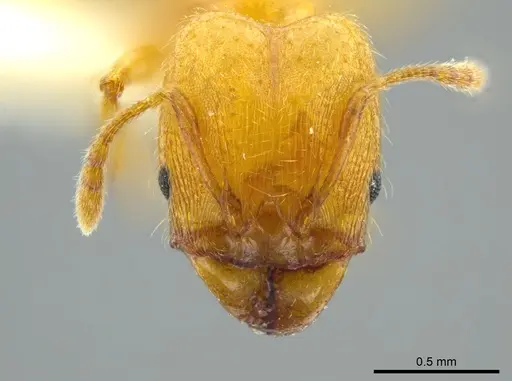
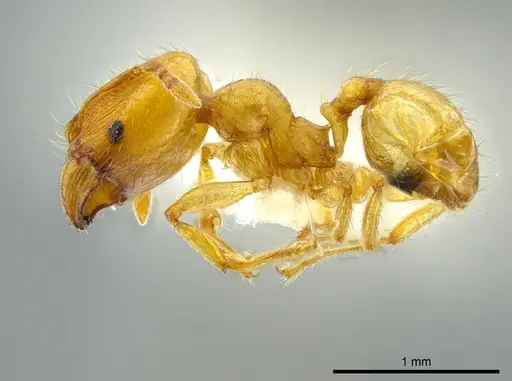
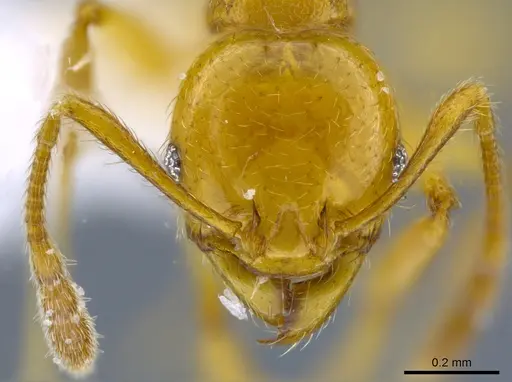
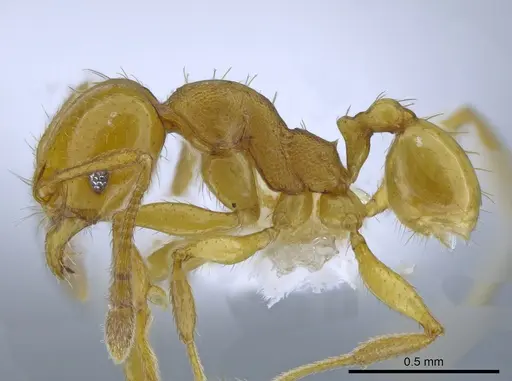
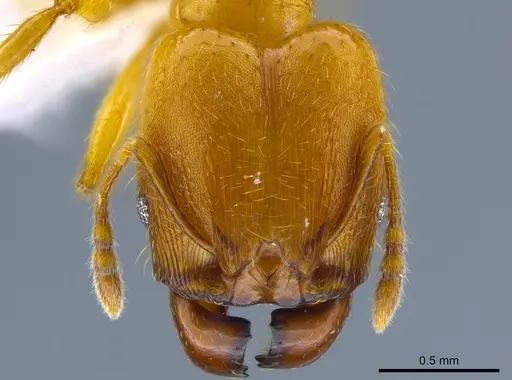
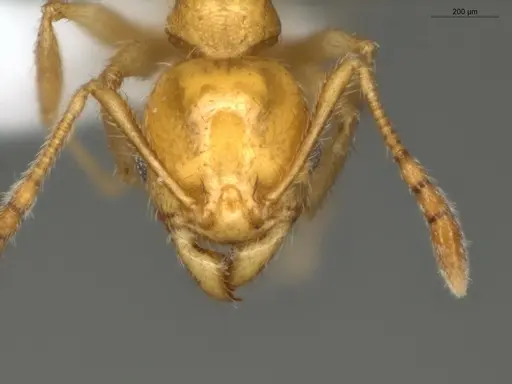
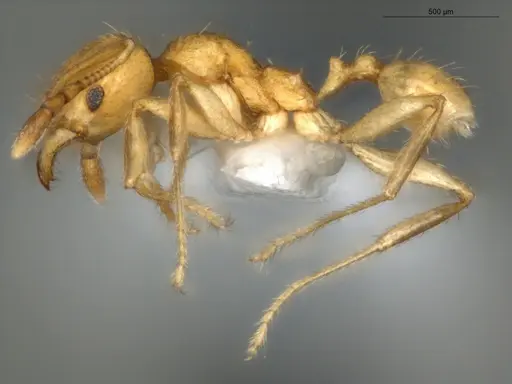
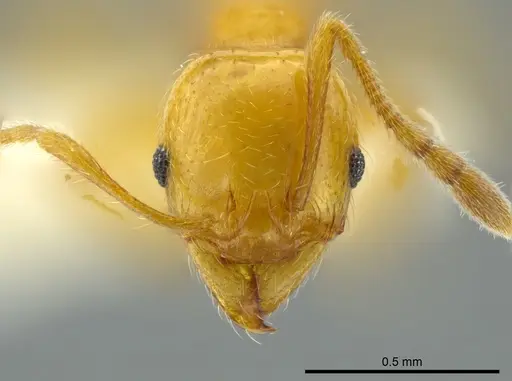
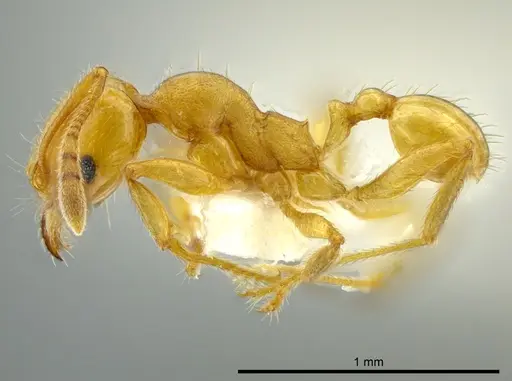
Pheidole cuprina is a small, reddish-yellow ant belonging to the carapuna complex of species. Majors have large heads with longitudinal ridges, while minors are smaller with a broad, concave back of the head. The name cuprina refers to its coppery coloration . This species is known only from Peru and French Guiana in South America, where it lives in tropical rainforest environments. The type colony was found nesting in a rotten branch on the forest floor, containing a single queen and several hundred workers .
Quick Summary
- Difficulty: Medium
- Origin & Habitat: Native to the Neotropical region, specifically Peru and French Guiana. Found in terra firme tropical rainforest at low elevations around 200m, nesting in rotting wood and leaf litter [1][2].
- Colony Type: Monogyne, single queen colonies, based on AntWiki observations of the type colony [1].
- Size & Growth:
- Queen: Size data unavailable, but inferred from Pheidole genus patterns to be approximately 6-7mm total length [1].
- Worker: Size data unavailable, but inferred from Pheidole genus patterns: majors around 5-6mm, minors around 2-3mm total length [1].
- Colony: Up to several hundred workers in mature colonies [1].
- Growth: Moderate
- Development: 6-10 weeks estimated at optimal temperature [1]. (Development is faster in warm, humid conditions typical of their natural habitat.)
- Antkeeping:
- Temperature: Keep at 24-28°C. These tropical ants require warm, stable temperatures. A heating cable on one side of the nest creates a gradient for self-regulation [1].
- Humidity: Keep the nest substrate consistently moist but not waterlogged, as they inhabit humid rainforest [1].
- Diapause: No, as a tropical species, they do not require hibernation. Keep temperatures stable year-round [1].
- Nesting: Use Y-tong (AAC) or plaster nests that retain moisture. Provide chambers scaled to their size. Test tube setups work for founding colonies but may need transfer as the colony grows [1].
- Behavior: Pheidole cuprina is non-aggressive toward keepers. Majors defend the colony if threatened, using their stinger, but it is mild. Workers forage individually for seeds and small prey. Escape prevention is important due to their small size, use standard barriers [1].
- Common Issues: temperatures below 22°C can slow activity and weaken the colony, dry conditions cause brood death and colony decline, small colony size means slow growth, requiring patience, wild-caught colonies may carry parasites, rotting wood nesting preference requires humid, organic-rich substrate
Housing and Nest Setup
Use Y-tong (AAC) or plaster nests with moisture reservoirs for Pheidole cuprina. These hold humidity well and provide a dark, humid environment. For founding colonies, a test tube setup can work, but monitor humidity closely. An outworld allows foraging, and apply fluon to barriers to prevent escapes [1].
Feeding and Diet
Offer a varied diet: seeds like millet for majors to crack, protein sources like fruit flies, and sugar water. Feed protein 2-3 times per week and keep sugar water available. Remove uneaten food to prevent mold [1].
Temperature and Humidity
Keep nest temperature at 24-28°C using a heating cable for a gradient. Humidity should be maintained with moist substrate, avoiding waterlogging. Dry conditions can kill brood [1].
Colony Development
Colonies grow moderately. A claustral queen raises first workers in 6-10 weeks at optimal temperature. Initial workers are few, then foraging begins. Growth to 100 workers may take 6-12 months with good care [1].
Behavior and Observation
Minor workers handle foraging and brood care, while majors crack seeds and defend. When disturbed, majors may display with open mandibles but rarely bite aggressively. This division of labor makes observation rewarding [1].
Frequently Asked Questions
How long does it take for Pheidole cuprina to raise first workers?
Expect 6-10 weeks from egg to first worker at 24-28°C. The queen is claustral, raising brood alone [1].
What do Pheidole cuprina ants eat?
They eat seeds, small insects, and sugar water. Offer protein 2-3 times weekly and keep sugar sources available [1].
Do Pheidole cuprina ants need hibernation?
No, as a tropical species, they do not require hibernation. Keep temperatures stable year-round [1].
How big do Pheidole cuprina colonies get?
Mature colonies have several hundred workers. Growth is moderate, reaching 100 workers in 6-12 months with good care [1].
Can I keep multiple Pheidole cuprina queens together?
This species is likely monogyne, so multiple queens are not typical. Combining queens is risky and not recommended [1].
What temperature is best for Pheidole cuprina?
Keep the nest at 24-28°C. Use a heating cable for a gradient if needed [1].
What humidity level do Pheidole cuprina need?
Keep the substrate consistently moist but not waterlogged, mimicking their humid rainforest habitat [1].
Are Pheidole cuprina good for beginners?
They are intermediate due to humidity and temperature requirements. New antkeepers should research tropical ant care first [1].
When should I move Pheidole cuprina to a formicarium?
Move when the colony reaches 30-50 workers or the test tube is crowded. Use a nest that maintains humidity [1].
Report an Issue
The current care sheet is based fully on literature. See inconsistencies, or something that's incorrect? Please , it will be resolved after review from an admin. Contributing to the blogs tab also helps providing information, to make us be able to further improve the caresheets. Thank you for your support!
References

This caresheet is licensed under CC BY-SA 4.0 .
Community Blogs
CASENT0627921
View on AntWeb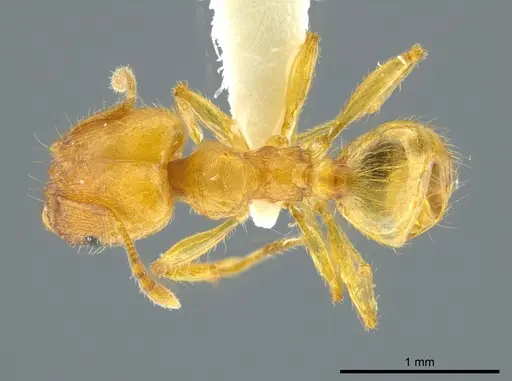
CASENT0650606
View on AntWeb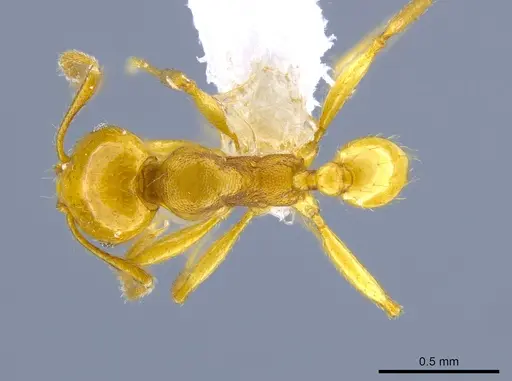
CASENT0650607
View on AntWeb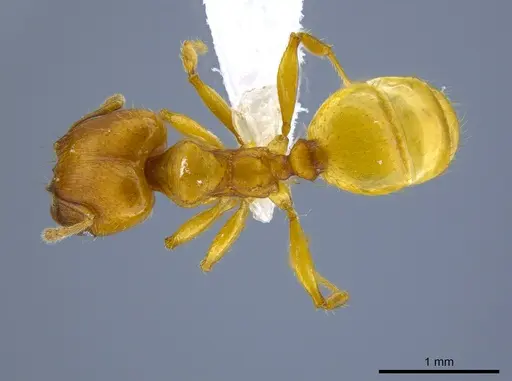
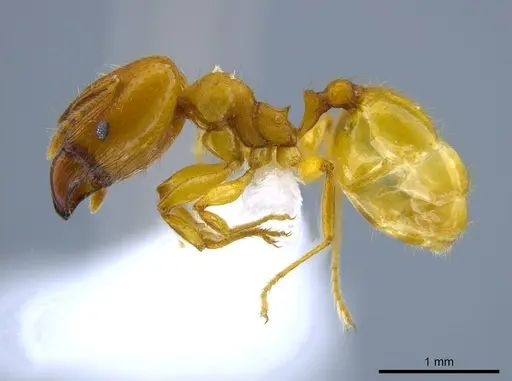
ECOFOG-GAL18-0240-20
View on AntWeb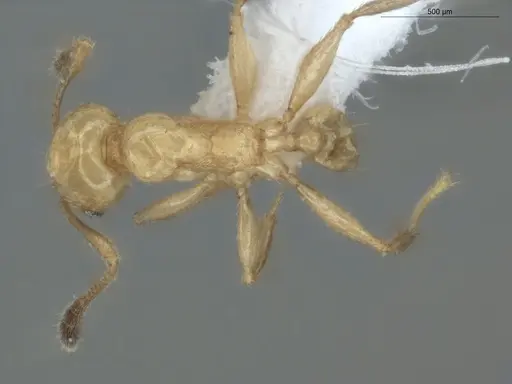
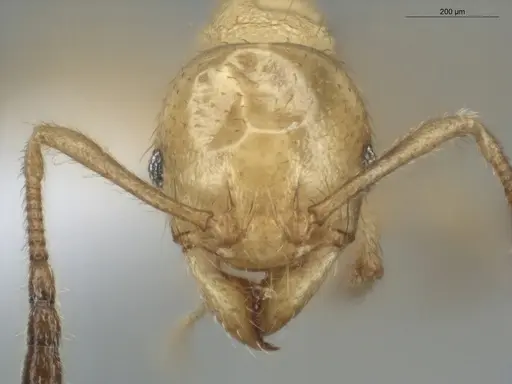
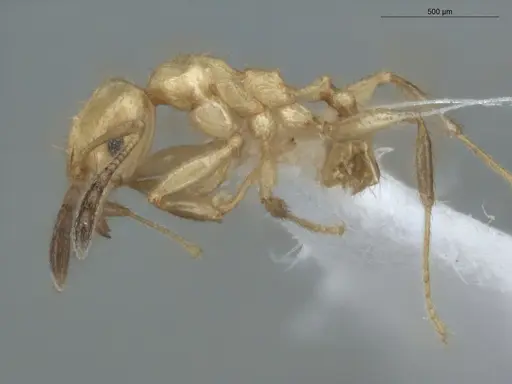
ECOFOG-LA15-0002-03
View on AntWeb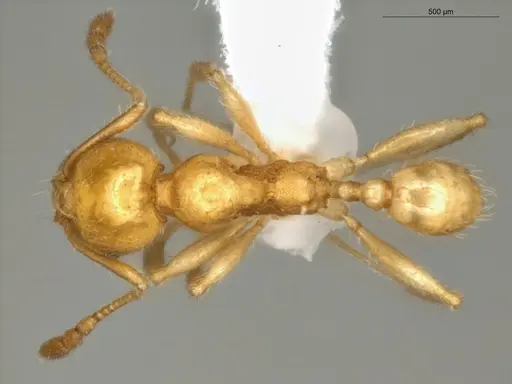
JTLC000016356
View on AntWeb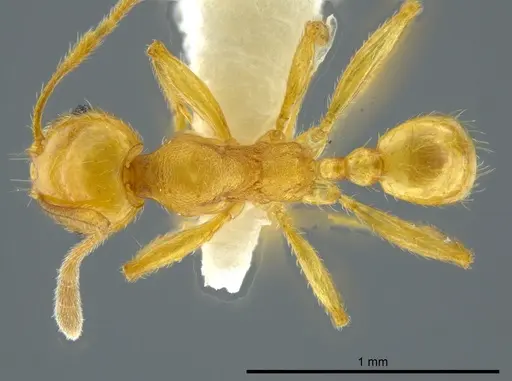
Literature
Loading distribution map...Loading products...