
Pheidole cuevasi
- Sci. Name
- Pheidole cuevasi
- Tribe
- Attini
- Subfamily
- Myrmicinae
- Author
- Wilson, 2003
- Distribution
- Found in 2 countries
Introduction
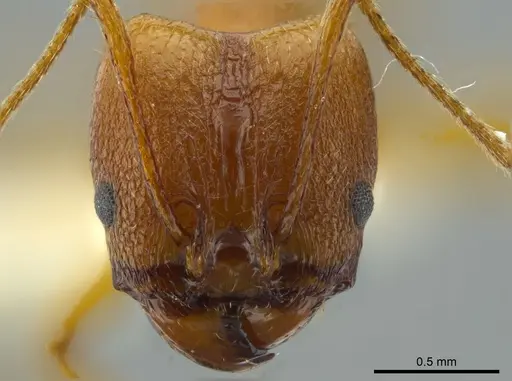
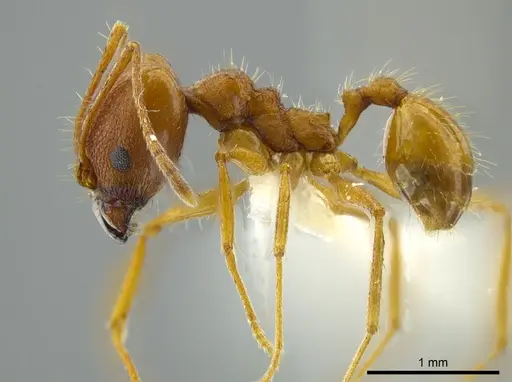
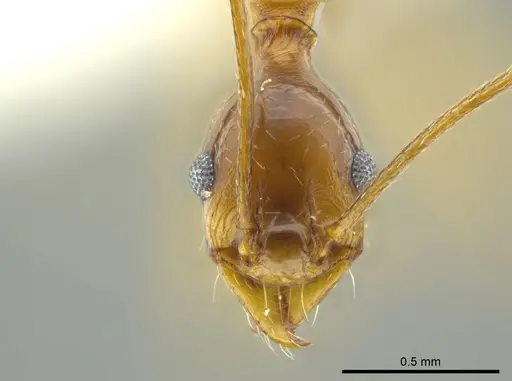
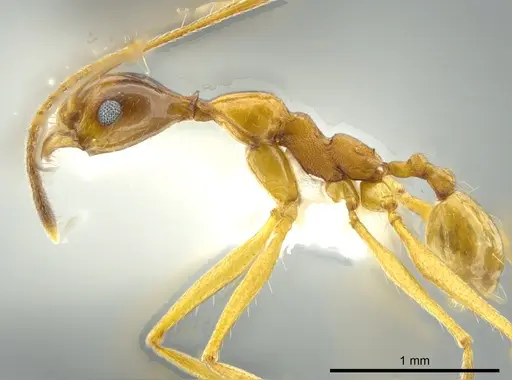
Pheidole cuevasi is a small Neotropical ant from the "jujuyensis complex" of the larger fallax group. It is known for exceptionally long antennal scapes and petiolar pedicels, giving workers an elegant, slender appearance . Both major and minor workers are reddish yellow ("orange") in color . Majors develop the large head typical of the genus, while minors are tiny and delicate. The species was described from a colony nesting in a large crumbling dead log in terra firme rainforest near Cuzco Amazónico, Peru . It has also been found in Brazil (Mato Grosso and Amazonas) and Colombia, suggesting a broader Amazonian distribution . As a member of the hyperdiverse genus Pheidole, it likely exhibits the classic soldier-worker caste system, but specific details about its natural history remain poorly documented.
Quick Summary
- Difficulty: Medium
- Origin & Habitat: Amazon basin of Peru, Brazil, and Colombia. Inhabits terra firme (dry land) rainforest, nesting inside large crumbling dead logs [1][3].
- Colony Type: Unknown, no data available on social structure. Based on typical Pheidole patterns, likely monogyne (single queen), but this is unconfirmed.
- Size & Growth:
- Queen: Unknown, not described in any source.
- Worker: Data unavailable. Original description only provides head measurements, not body length. Based on related Pheidole, majors may be ~5-12mm total length, minors ~2-5mm.
- Colony: Unknown, no published records of colony size.
- Growth: Unknown, no data. General Pheidole suggest moderate growth.
- Development: Unknown, no data for this species. Based on tropical Pheidole, estimated 6-10 weeks at 26°C, but this is speculative. (Development likely depends on temperature and food availability. Data is lacking for this species.)
- Antkeeping:
- Temperature: Maintain warm conditions typical of tropical rainforest, roughly 24-28°C. Avoid prolonged temperatures below 20°C. A thermal gradient helps workers self-regulate.
- Humidity: High humidity is expected from rainforest origin. Keep the nest substrate consistently moist but not waterlogged. The species nests in rotting wood that retains moisture, so avoid letting the nest dry out completely.
- Diapause: No true diapause expected, this is a tropical species. Activity may slow during cooler months, but maintain temperatures above 20°C and offer food year-round.
- Nesting: Provide a nest that mimics rotting wood: Y-tong (AAC), plaster, or naturalistic setups with cork or decayed wood. Chambers must be small to suit the tiny minors, and all connections must be gap-free to prevent escapes [1].
- Behavior: General Pheidole behavior: minors handle most foraging and brood care, while majors defend the nest and crush hard food items. They are not aggressive to keepers but will defend the colony if disturbed. Foraging appears to be nocturnal or crepuscular. The extremely small size of minors makes escape prevention the top priority.
- Common Issues: escape prevention is critical, minor workers are extremely tiny and can squeeze through microscopic gaps, standard barriers may not be sufficient., humidity management is tricky, the nest can dry out quickly due to small volume, but overwatering can cause mold., life history is poorly known, keepers should be prepared for unexpected challenges and adapt care based on observation.
Nest Preferences
In the wild, Pheidole cuevasi nests inside large crumbling dead logs in terra firme rainforest [1]. For captive care, provide a nest that mimics this environment: dark, enclosed chambers with access to decaying wood material. Y-tong (AAC), plaster, or naturalistic nests with cork or rotting wood work well. Keep chambers small to match the tiny minors, and ensure all connections are airtight. The nest substrate should be kept moist but not waterlogged to replicate the conditions inside a decaying log [1].
Feeding and Diet
Pheidole species are generalist omnivores. In captivity, offer a varied diet: sugar water, honey, or diluted maple syrup as a constant carbohydrate source. For protein, provide small insects like fruit flies, pinhead crickets, or mealworms. Majors are adapted to crush seeds, so fine seeds or grains may also be accepted. Feed protein 2-3 times per week and remove uneaten prey after 24 hours to prevent mold. Keep sugar sources available at all times but replace regularly to avoid spoilage.
Temperature and Care
This ant comes from the warm Amazon basin, so stable temperatures are important. Keep the nest at 24-28°C, a heating cable on one side creates a useful thermal gradient. Avoid drops below 20°C for extended periods, as this tropical species does not tolerate cold. Room temperature within the target range may be sufficient without extra heating. Monitor temperature closely and adjust seasonally if needed.
Behavior and Temperament
Pheidole cuevasi shows typical Pheidole caste structure. Minor workers are tiny and handle most daily tasks, foraging, brood care, and nest maintenance. Majors serve as soldiers and use their large heads to block nest entrances or crush food. The colony is generally peaceful but will defend the nest if provoked. Majors may emerge in force when the colony is disturbed. Foraging likely occurs at night or during twilight. The small size of minors demands excellent escape prevention.
Escape Prevention
Escape prevention is the single most critical challenge for this species. Minor workers are extremely tiny (only ~2mm total length if inferred from genus), and they can slip through gaps that would contain most other ants. Apply fluon or PTFE barriers on all outworld edges. Check all connections between nest and outworld for tiny gaps, especially around tubing and lids. Even pinhole-sized openings can lead to escapes. Use airtight lids and seal any cracks with non-toxic silicone or petroleum jelly. Regular inspections are essential.
Frequently Asked Questions
How long until first workers in Pheidole cuevasi colonies?
This is unknown for this species. Based on other tropical Pheidole, first workers (nanitics) may appear 6-10 weeks after the queen lays eggs at around 26°C, but this is a rough estimate and may vary.
Can I keep multiple Pheidole cuevasi queens together?
Not recommended unless you are an experienced keeper. There is no data on pleometrosis for this species. Starting with a single mated queen is the safest approach.
What do Pheidole cuevasi ants eat?
They accept a generalist diet: sugar water, honey, or maple syrup for carbohydrates, and small insects like fruit flies, pinhead crickets, or mealworms for protein. Fine seeds or grains may also be taken, given the majors' seed-crushing ability.
Are Pheidole cuevasi good for beginners?
This species is rated medium difficulty. Their tiny size makes escape prevention challenging, so they are not ideal for absolute beginners. Keepers with some experience managing small ants will have better success.
What temperature do Pheidole cuevasi need?
Keep them at 24-28°C, mimicking their tropical rainforest origin. Avoid prolonged exposure below 20°C.
Do Pheidole cuevasi need hibernation?
No, as a tropical species they do not require true hibernation. You may see reduced activity during cooler months, but maintain temperatures above 20°C and continue offering food.
When should I move Pheidole cuevasi to a formicarium?
Wait until the colony has at least 20-30 workers before considering a move. For Pheidole species, it is safer to keep them in their founding setup longer rather than moving too early. A Y-tong or plaster nest works well once they outgrow a test tube.
Why are my Pheidole cuevasi escaping?
Almost certainly because your escape prevention is not adequate. These tiny minors can squeeze through microscopic gaps. Check all barriers, connections, and seals. Apply fluon or PTFE to all outworld edges, and ensure lids are fully airtight. Even standard setups may need extra reinforcement.
How big do Pheidole cuevasi colonies get?
Colony size is not documented for this species. Based on typical Pheidole of similar size, colonies may eventually number several hundred workers, but this is speculative. Growth is moderate and may take many months to reach significant size.
Report an Issue
The current care sheet is based fully on literature. See inconsistencies, or something that's incorrect? Please , it will be resolved after review from an admin. Contributing to the blogs tab also helps providing information, to make us be able to further improve the caresheets. Thank you for your support!
References

This caresheet is licensed under CC BY-SA 4.0 .
Community Blogs
CASENT0627920
View on AntWeb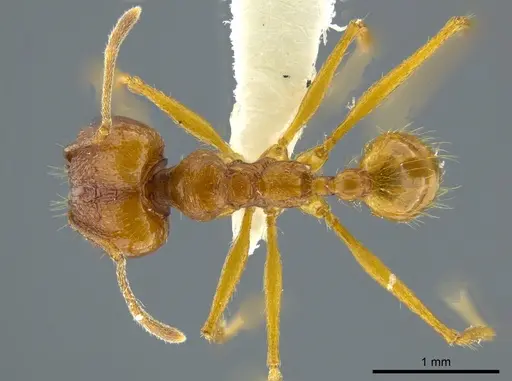
JTLC000016355
View on AntWeb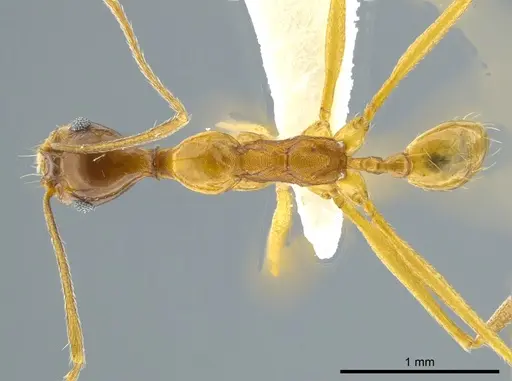
Literature
Loading distribution map...Loading products...