
Pheidole cubaensis
- Sci. Name
- Pheidole cubaensis
- Tribe
- Attini
- Subfamily
- Myrmicinae
- Author
- Mayr, 1862
- Distribution
- Found in 1 countries
Introduction
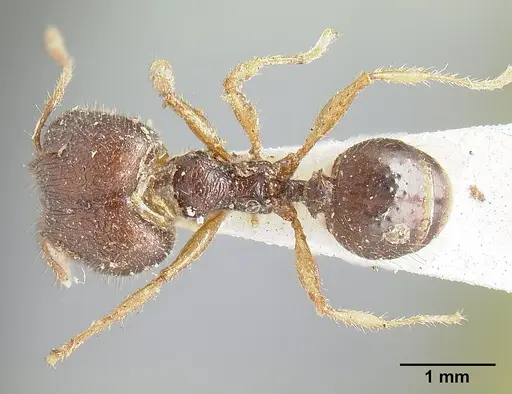
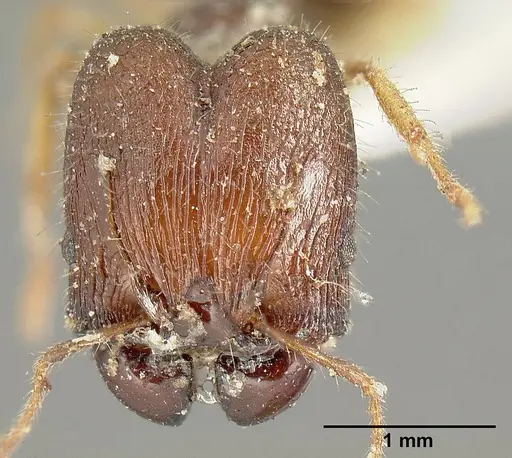
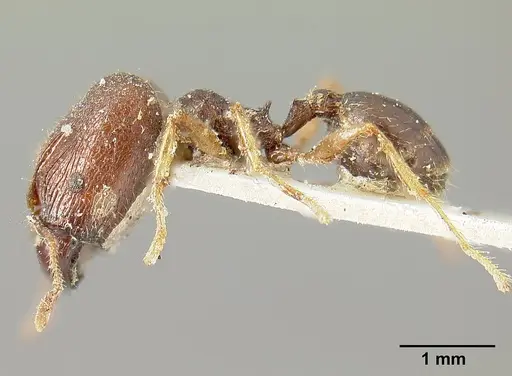
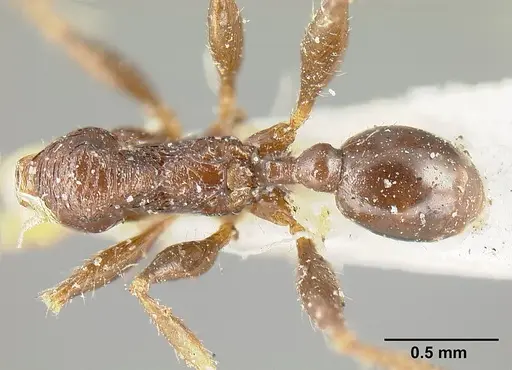
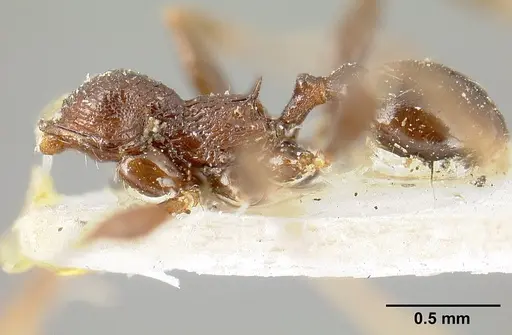
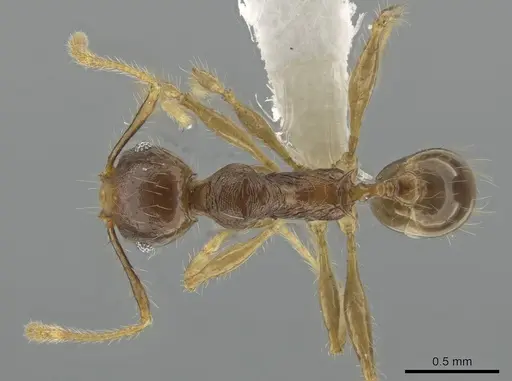
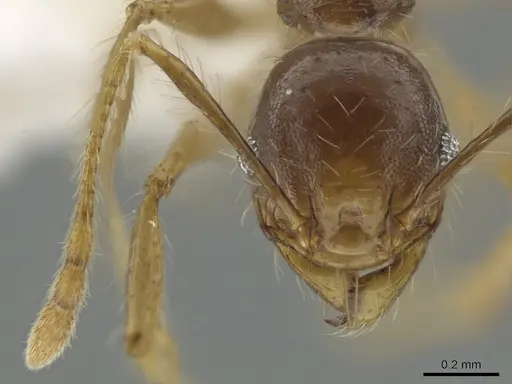
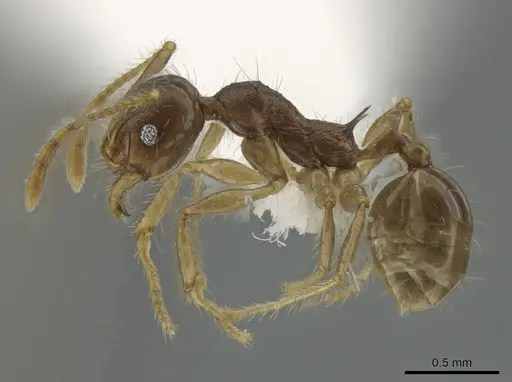
Pheidole cubaensis is a large, dark reddish brown ant endemic to Cuba. The major workers have deep antennal scrobes (grooves where the antennae rest) and a rough, sculptured head surface. The body is dark reddish brown with yellowish brown legs and antennae. This species belongs to the scrobifera group and is considered rare despite its size, few collections have been made even after extensive surveys . A colony with winged reproductives was found in 1953,confirming sexual reproduction in Cuba's tropical climate .
Quick Summary
- Difficulty: Medium
- Origin & Habitat: Endemic to Cuba, found only on this Caribbean island. The only documented colony collection was from Blanco's Woods in Las Villas Province [4][2][3].
- Colony Type: Likely monogyne (single queen) based on typical Pheidole patterns, though colony structure has not been directly documented for this species.
- Size & Growth:
- Queen: No direct measurements available, estimated from genus patterns (roughly 12–15 mm).
- Worker: Major workers approximately 6–8 mm, minor workers approximately 3–4 mm (estimated from head dimensions and typical Pheidole proportions) [3].
- Colony: Unknown for this species, typical Pheidole colonies reach several hundred to a few thousand workers.
- Growth: Moderate
- Development: Estimated 6–8 weeks at tropical temperatures (25–28°C), based on related Pheidole species. (Development time is an estimate, warmer temperatures within the safe range may accelerate growth.)
- Antkeeping:
- Temperature: Keep at 24–28°C (inferred from tropical Cuban origin). A heating cable on one side creates a suitable gradient. Room temperature may work if your home stays in the low–mid 20s°C.
- Humidity: Keep the nest substrate consistently moist but not waterlogged. Provide a water tube. Avoid complete drying.
- Diapause: No – as a tropical species, no hibernation needed [2]. Keep temperatures consistent year-round.
- Nesting: Y-tong (AAC) or plaster nests work well. For founding, a test tube setup with a water reservoir is fine. Provide darkness for the queen.
- Behavior: Typical Pheidole temperament – generally non‑aggressive, but majors will defend the colony if threatened. Workers forage actively for seeds and insects. Majors have a functional sting (subfamily trait) but it is mild for humans. Escape risk is moderate, use standard barrier methods.
- Common Issues: tropical species needs warmth – temperatures below 20°C slow or stop brood development, wild‑caught colonies are hard to find because the species is rare and endemic to Cuba, major workers are large, cut up larger prey into manageable pieces for the colony, as a ground‑nesting species, provide a secure substrate in the outworld to prevent escapes during foraging
Housing and Nest Setup
For founding colonies, a standard test tube setup works well. Fill the tube with a water reservoir and plug with cotton, giving the queen darkness. Once the colony reaches about 20–30 workers, you can move them to a proper formicarium. Y‑tong (AAC) nests are excellent for Pheidole – the porous material maintains stable humidity. Plaster nests also work. For the outworld, provide a foraging area with a soil or sand substrate deep enough for workers to carry prey and seeds comfortably. Include a water tube for drinking access.
Feeding and Diet
Pheidole cubaensis is omnivorous with a strong preference for protein. Offer small insects like fruit flies, pinhead crickets, mealworms, and waxworms. Cut larger prey into pieces – majors can handle bigger items than minors. Seeds (especially oily ones like sunflower seeds) are also accepted. Sugar water or honey can be offered occasionally, but protein should make up the majority of the diet. Feed every 2–3 days, adjusting based on consumption. Remove uneaten prey after 24 hours to prevent mold.
Temperature and Seasonal Care
As a Cuban endemic, this species needs warm conditions year‑round. Maintain temperatures between 24–28°C for optimal brood development. Below 20°C, brood may develop slowly or stall. A heating cable on the top of the nest (never underneath) creates a gentle gradient. Room temperature is acceptable if your home stays consistently in the low‑to‑mid 20s°C. No hibernation or cooling period is needed – this tropical species remains active year‑round. Avoid drafts and temperature swings. [2]
Colony Growth and Development
Major workers (soldiers) appear once the colony reaches a certain size threshold, typically several dozen workers. The first workers (nanitics) are smaller than mature workers. Pheidole colonies grow at a moderate rate over several months to years. A colony found in 1953 contained winged reproductives, indicating mature colonies produce sexuals [3]. To support major development, ensure generous protein feeding. A healthy colony may eventually reach several hundred to over a thousand workers.
Behavior and Defense
Pheidole cubaensis has distinct major and minor workers. Majors have well‑developed mandibles and a functional sting (mild to humans). The species is not particularly aggressive but will defend the nest if disturbed. Workers forage actively, using chemical trails to food sources. The deep antennal scrobes visible in majors are a distinctive feature of the scrobifera group [3]. Observe colony behavior during feeding – active recruitment to food sources is common.
Frequently Asked Questions
How long does it take for Pheidole cubaensis to produce first workers?
Expect first workers (nanitics) in approximately 6–8 weeks at optimal temperatures of 25–28°C. This is an estimate based on typical Pheidole development patterns, as specific timing has not been documented for this species.
What do Pheidole cubaensis ants eat?
They are omnivorous but prefer protein. Offer small insects like fruit flies, small crickets, and mealworms. Seeds (especially oily seeds) are also accepted. Occasional sugar water or honey can be given as a treat. Protein should make up the majority of their diet for healthy brood development.
What temperature do Pheidole cubaensis ants need?
Keep them warm at 24–28°C year‑round. This is a tropical Cuban species that does not tolerate cold well. A heating cable on the nest or room temperature in the low‑mid 20s°C is ideal. Avoid temperatures below 20°C.
How big do Pheidole cubaensis colonies get?
Colony size is not documented for this specific species, but typical Pheidole colonies reach several hundred to a few thousand workers. The presence of major workers indicates a mature colony.
Can I keep multiple Pheidole cubaensis queens together?
This species is likely monogyne (single queen) based on typical Pheidole patterns. Combining unrelated queens is not recommended as they likely will fight. Only keep one queen per colony.
Do Pheidole cubaensis need hibernation?
No. As a tropical species endemic to Cuba, they do not require hibernation or cooling periods. Keep temperatures consistent and warm year‑round.
What size nest do I need for Pheidole cubaensis?
Start with a test tube for the founding colony. Once the colony reaches 20–30 workers, upgrade to a Y‑tong (AAC) or plaster formicarium. This is a moderately large Pheidole, so ensure chambers are appropriately sized.
Are Pheidole cubaensis good for beginners?
This species is rated as medium difficulty. They are more challenging than common species like Lasius or Tetramorium because they need warm tropical conditions and are less commonly available. However, their care requirements are straightforward once temperature needs are met.
Where is Pheidole cubaensis found in the wild?
This species is endemic to Cuba – it is found nowhere else in the world. It was first described by Mayr in 1862 and remains a rare species despite its relatively large size.
How do I identify Pheidole cubaensis majors?
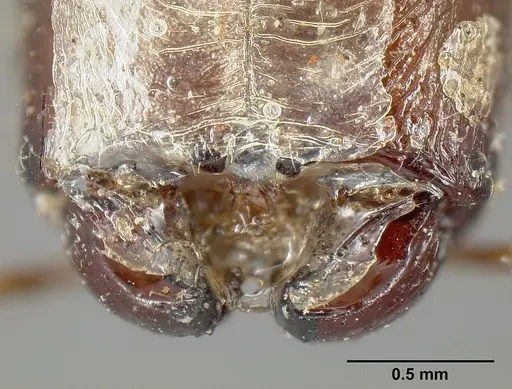
Major workers have distinctive deep antennal scrobes (grooves where the antennae rest), a rough sculptured head surface, and a dark reddish brown body with yellowish legs. [3]
Why is my Pheidole cubaensis colony not growing?
Check temperature first – they need 24–28°C for proper brood development. Also ensure they have adequate protein food. Poor nutrition or cold temperatures are the most common causes of slow growth. If the colony is still small, they may simply need more time – Pheidole colonies grow moderately, not rapidly.
Report an Issue
The current care sheet is based fully on literature. See inconsistencies, or something that's incorrect? Please , it will be resolved after review from an admin. Contributing to the blogs tab also helps providing information, to make us be able to further improve the caresheets. Thank you for your support!
References

This caresheet is licensed under CC BY-SA 4.0 .
Community Blogs

Literature
Loading distribution map...Loading products...