
Pheidole crozieri
- Sci. Name
- Pheidole crozieri
- Tribe
- Attini
- Subfamily
- Myrmicinae
- Author
- Wilson, 2003
- Distribution
- Found in 1 countries
Introduction
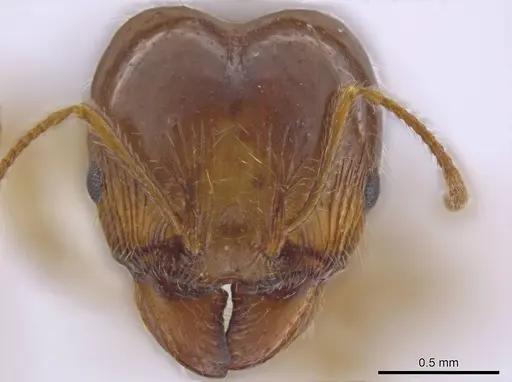
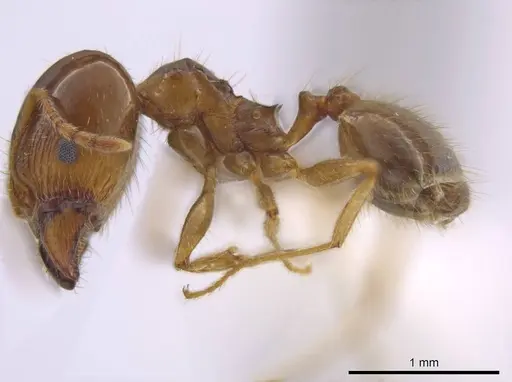
Pheidole crozieri is a small ant species native to Peru, first described in 2003. It belongs to the diligens group and is known only from the Lima region, where it likely inhabits dry forest areas. Body size data is unavailable, but major workers have characteristically large heads, a trait common in Pheidole species. They are light brown with yellowish-brown appendages. The biology of this species is largely unknown, as no specific studies on its behavior or ecology have been conducted.
Quick Summary
- Difficulty: Medium
- Origin & Habitat: Native to Peru, specifically the Lima region, in dry forest habitats. [1][2]
- Colony Type: Colony structure is unconfirmed, no data on queen number or social structure. [2]
- Size & Growth:
- Antkeeping:
- Temperature: Specific requirements unknown, based on genus patterns, keep warm around 22-26°C. [2]
- Humidity: Specific requirements unknown, based on genus patterns, moderate humidity is typical. [2]
- Diapause: Unknown, Peru has mild climate, so diapause may not be required. [2]
- Nesting: Unknown, standard antkeeping setups may work, but specific preferences are unconfirmed. [2]
- Behavior: Temperament and aggression are unknown, however, minor workers are very small, so escape prevention is critical. [2]
- Common Issues: tiny minor workers mean escapes are likely without fine mesh barriers., nothing is known about their specific dietary needs, experimentation may be required., slow founding phase is normal for ants, queens may take time to establish., wild-caught colonies may have parasites since nothing is known about their health in captivity., overheating is a risk, keep temperatures below 30°C.
Nest Preferences and Setup
No specific nest preferences are known for Pheidole crozieri. Standard test tube setups may work for founding colonies, but specific requirements are unconfirmed. Once established, general antkeeping nests like Y-tong or plaster may be suitable, but avoid overly damp conditions. [2]
Feeding and Diet
Dietary needs are unknown for this species. Based on Pheidole genus patterns, offering a mix of seeds and protein sources may be appropriate, but experimentation is needed. [2]
Temperature and Seasonal Care
Temperature requirements are unknown, however, keeping the colony warm around 22-26°C is recommended based on genus patterns. Avoid temperatures above 30°C. [2]
Behavior and Colony Dynamics
Behavior is largely unknown. Minor workers are very small, so escape prevention is critical. Colonies may grow slowly, but no specific data is available. [2]
Frequently Asked Questions
How long does it take for Pheidole crozieri to produce first workers?
Development time is unknown for this species. No data on egg-to-worker timeline is available. [2]
What do Pheidole crozieri ants eat?
Dietary needs are unknown. Based on genus patterns, seeds and protein sources may be appropriate, but experimentation is required. [2]
Can I keep multiple Pheidole crozieri queens together?
Colony structure is unconfirmed, so it is not recommended to combine queens. Start with one queen per colony. [2]
What temperature do Pheidole crozieri need?
Specific requirements are unknown, but keeping them at 22-26°C is recommended based on genus patterns. Avoid temperatures above 30°C. [2]
Are Pheidole crozieri good for beginners?
They are moderate difficulty due to unknown biology and tiny worker size, which requires excellent escape prevention. [2]
How big do Pheidole crozieri colonies get?
Colony size is unknown, no data is available for this species. [2]
Do Pheidole crozieri need hibernation?
Diapause requirements are unknown, based on Peru's mild climate, it may not be required. [2]
When should I move Pheidole crozieri from a test tube to a formicarium?
No specific guidelines are known, move them when the test tube shows signs of stress, such as condensation issues or low water. [2]
Why are my Pheidole crozieri dying?
Common causes include escapes due to tiny size, overheating, overwatering, or poor founding success. Since biology is unknown, parasites in wild-caught colonies may also be a factor. [2]
Report an Issue
The current care sheet is based fully on literature. See inconsistencies, or something that's incorrect? Please , it will be resolved after review from an admin. Contributing to the blogs tab also helps providing information, to make us be able to further improve the caresheets. Thank you for your support!
References

This caresheet is licensed under CC BY-SA 4.0 .
Community Blogs
CASENT0636780
View on AntWeb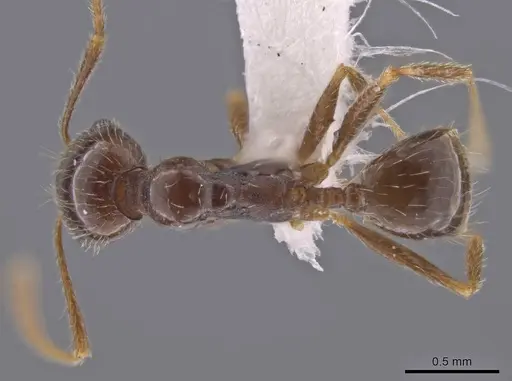
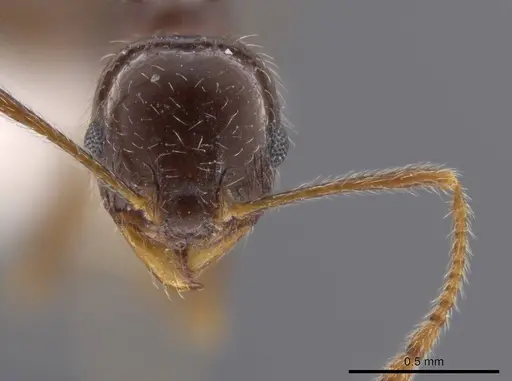
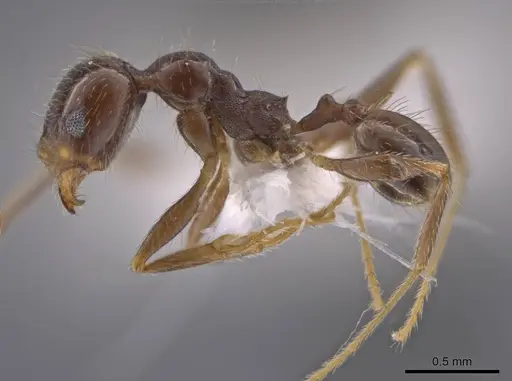
JTLC000016354
View on AntWeb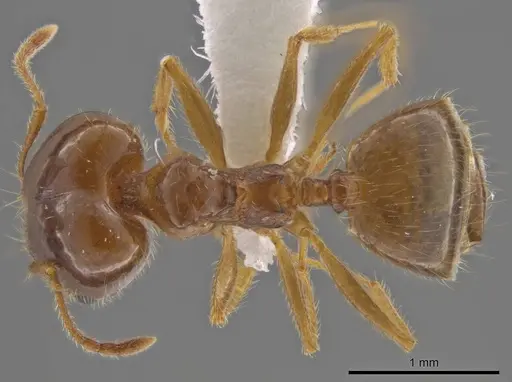
Literature
Loading distribution map...Loading products...