
Pheidole cramptoni
- Sci. Name
- Pheidole cramptoni
- Tribe
- Attini
- Subfamily
- Myrmicinae
- Author
- Wheeler, 1916
- Distribution
- Found in 11 countries
Introduction
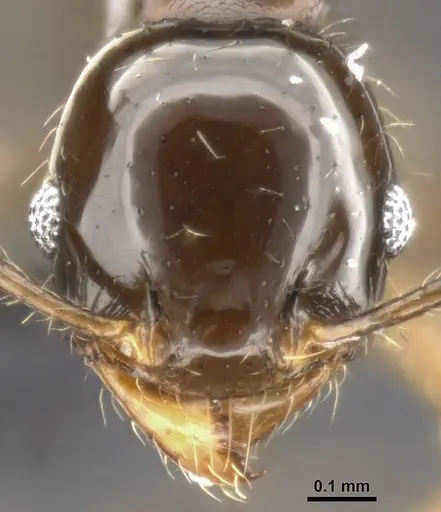
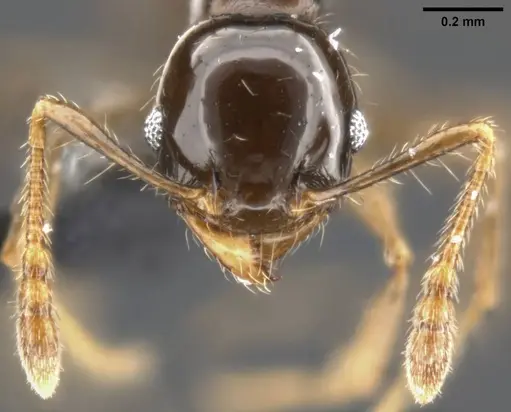
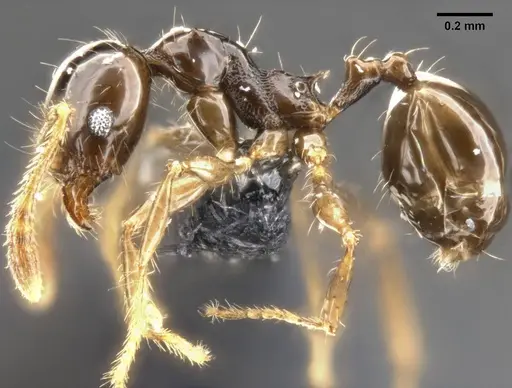
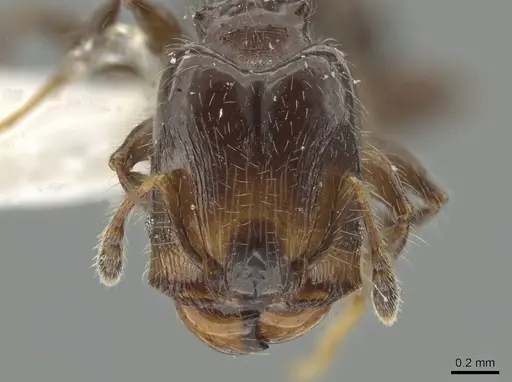
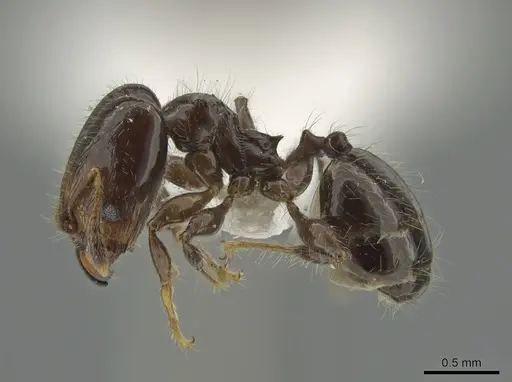
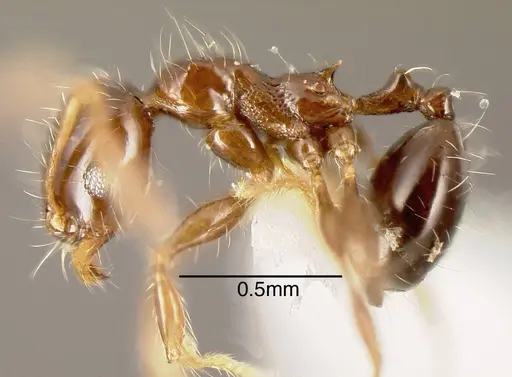
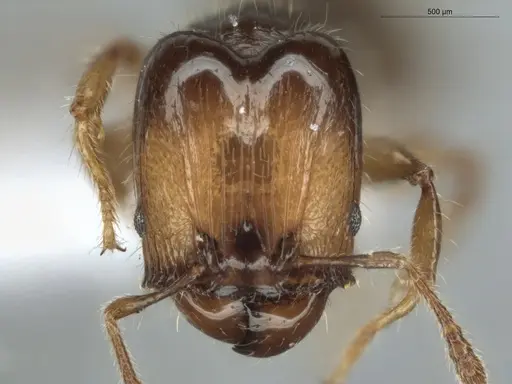
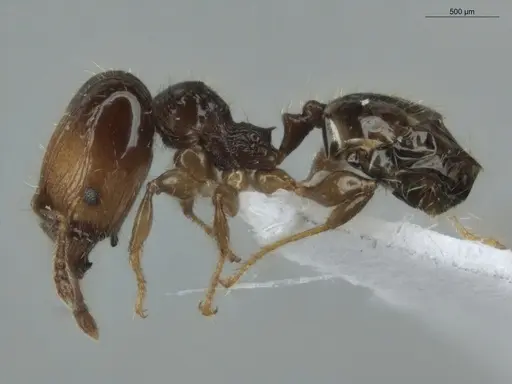
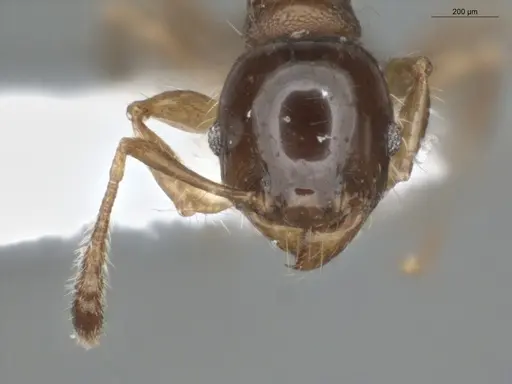
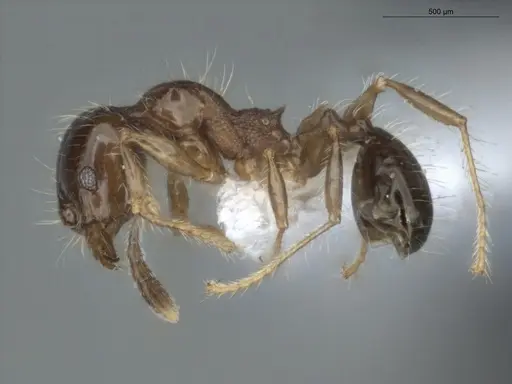
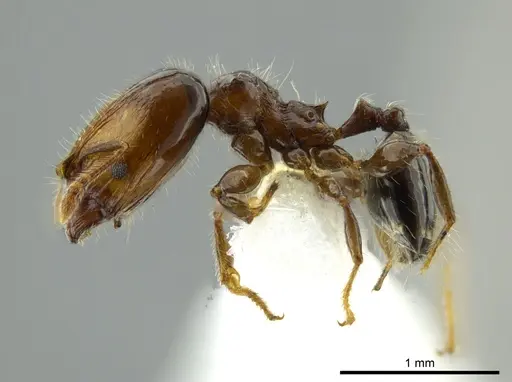
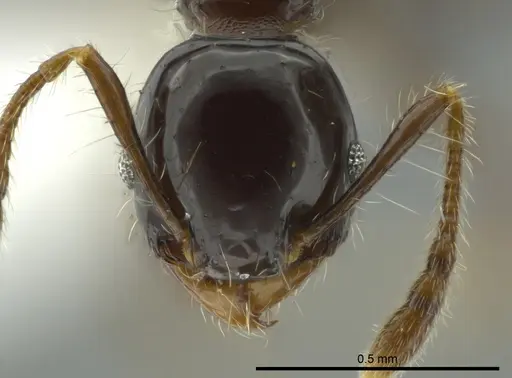
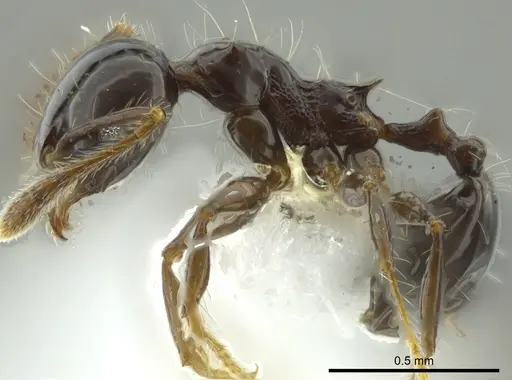
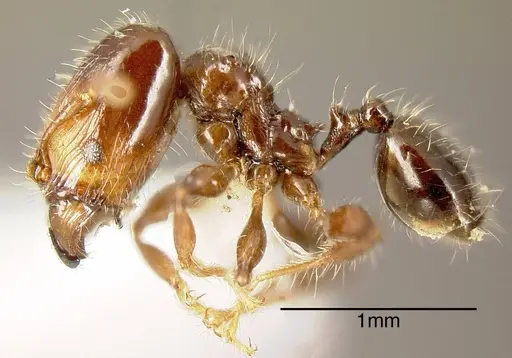
Pheidole cramptoni is a dimorphic ant species native to the Neotropical region, ranging from Mexico and Central America down to Brazil, Ecuador, Peru, and Guyana . You will find two worker castes: large major workers with bicolored heads (yellow anterior half, yellowish-brown posterior half) and smaller minor workers that are uniformly yellowish-brown . Majors have distinctive triangular frontal lobes and very large propodeal spiracles . This species nests in rotting wood, hollow branches, and the cavities of myrmecophyte plants like Cordia and Piper . Winged reproductives have been collected from April through November .
Quick Summary
- Difficulty: Medium
- Origin & Habitat: Neotropical rainforest regions from Mexico to Brazil, including Costa Rica, Guyana, Ecuador, Peru, and Colombia. They nest in rotting cavities of live branches, dead sticks, and hollow plant structures like Cordia and Piper [1][2].
- Colony Type: Based on Pheidole genus patterns, likely monogyne (single-queen colonies). Colonies produce both major and minor workers.
- Size & Growth:
- Queen: size data unavailable, inferred from Pheidole genus (~6-8mm)
- Worker: size data unavailable, inferred from Pheidole genus (~2-5mm)
- Colony: Up to several hundred workers [3], estimated from typical Pheidole patterns.
- Growth: Moderate
- Development: Estimated 6-10 weeks at stable warm temperatures [1] (Development speed depends on consistent heat.)
- Antkeeping:
- Temperature: Keep warm and stable, roughly 24-28°C based on tropical rainforest habitat [1].
- Humidity: Keep the nest substrate consistently moist but not waterlogged, matching their rainforest and rotting wood habitat [1].
- Diapause: No diapause required based on tropical geographic range [1].
- Nesting: Naturalistic setups like cork bark, plaster, or soil nests with moisture chambers work best. They also accept test tube setups for founding [1]. Avoid completely dry environments.
- Behavior: These ants are generalist foragers with broad flood tolerance [3]. Minor workers handle most foraging and brood care, while major workers defend the colony and help process larger food items [1]. They are not highly aggressive but will defend if threatened. Minor workers are small, so escape prevention is critical. Use fine mesh barriers and tight-fitting lids.
- Common Issues: drying out the nest substrate kills the colony quickly, small minor workers escape through standard mesh, use fine mesh barriers, rotting wood nests can develop mold if overwatered, balance moisture carefully, tropical colonies stop developing brood if room temperature drops below 22°C, wild-caught colonies may arrive with parasites or in poor condition
Housing and Nest Setup
Pheidole cramptoni thrives in naturalistic setups that mimic their rainforest habitat. You can use cork bark nests, plaster nests with water chambers, or soil nests [1]. For founding colonies, standard test tubes with a cotton-plugged water reservoir work well. Keep the cotton moist but not dripping. The ants prefer darker, more humid nesting areas. Whatever setup you choose, ensure excellent escape prevention. These ants are small and can squeeze through surprisingly tight gaps. Avoid acrylic nests entirely, stick to Y-tong, plaster, soil, or 3D-printed options [1].
Feeding and Diet
Pheidole cramptoni acts as a generalist omnivore. You should offer protein sources like small insects (fruit flies, pinhead crickets, small mealworms) and carbohydrate sources like sugar water, honey, or maple syrup [1]. In the wild, they forage for prey and honeydew from aphids and scale insects [3]. Feed small prey items that minor workers can handle. They will recruit nestmates to help process larger prey. Provide protein twice weekly and keep sugar water available at all times. Remove uneaten prey after 24 to 48 hours to prevent mold growth.
Temperature and Humidity Management
As a Neotropical rainforest species, Pheidole cramptoni requires warm and humid conditions. Keep temperatures in the 24 to 28°C range year-round [1]. They tolerate brief fluctuations, but prolonged cold slows brood development. Maintain humidity by keeping the nest substrate consistently damp to the touch. In test tubes, the water reservoir provides moisture. For naturalistic setups, mist the nest area regularly and fill the moisture chamber. Avoid placing the nest near air conditioning vents or in rooms with temperature swings [1].
Colony Development and Observation
Pheidole colonies grow by producing both major and minor workers. The first workers (nanitics) will be smaller than normal workers. Once major workers appear, the colony enters a steady growth phase. Colonies remain relatively small compared to some genera [3]. Growth rate is moderate, typical for tropical Myrmicinae. Watching them reveals the classic Pheidole dynamic. Minor workers handle most foraging and brood care. Major workers defend the colony and help process large food items. When you offer food, minor workers form pheromone trails within minutes. Majors arrive to tackle larger prey. This division of labor makes them engaging to observe.
Frequently Asked Questions
How long does it take for Pheidole cramptoni to produce first workers?
Expect first workers in approximately 6 to 10 weeks after the queen lays eggs, assuming stable warm temperatures around 26°C. Development speed depends on consistent heat. Warmer conditions speed growth while cooler temperatures slow it [1].
Can I keep Pheidole cramptoni in a test tube?
Yes, test tubes work well for founding colonies. Use a standard test tube with a cotton-plugged water reservoir. Keep the cotton moist and place the tube in a dark, humid location. Move to a larger setup once the colony reaches a comfortable size [1].
What do I feed Pheidole cramptoni?
Offer a varied diet. Provide small insects like fruit flies or pinhead crickets for protein. Keep sugar water, honey, or maple syrup available for carbohydrates. Feed protein twice weekly and remove uneaten prey after 24 hours [1].
Are Pheidole cramptoni good for beginners?
They sit at medium difficulty. They tolerate a range of conditions better than many tropical species, but they require consistently high humidity. Their small size demands strict escape prevention. They suit keepers with some experience handling small ant species [1].
Do Pheidole cramptoni need hibernation?
No, they do not require hibernation. As a Neotropical species, they expect year-round warm temperatures. Maintain temperatures of 24 to 28°C year-round without attempting to cool them down [1].
How big do Pheidole cramptoni colonies get?
Colonies typically reach up to several hundred workers at maturity. This is smaller than many common pet ant species. The presence of major workers makes even smaller colonies appear more impressive [3].
Why are my Pheidole cramptoni dying?
The most common causes are drying out the nest, temperatures below 22°C, or escape issues. Check that the nest stays consistently damp, temperatures remain in the 24 to 28°C range, and escape prevention is tight. Wild-caught colonies may also arrive with parasites [1].
Report an Issue
The current care sheet is based fully on literature. See inconsistencies, or something that's incorrect? Please , it will be resolved after review from an admin. Contributing to the blogs tab also helps providing information, to make us be able to further improve the caresheets. Thank you for your support!
References

This caresheet is licensed under CC BY-SA 4.0 .
Community Blogs
CASENT0282957
View on AntWeb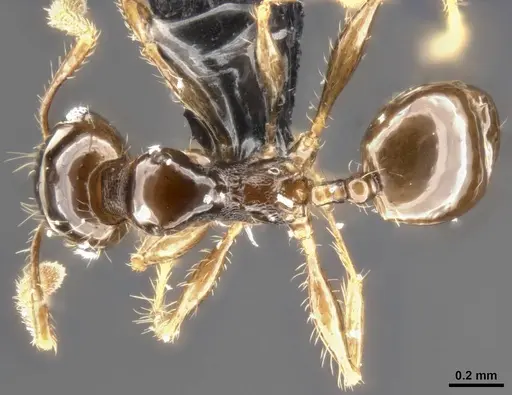
CASENT0629353
View on AntWeb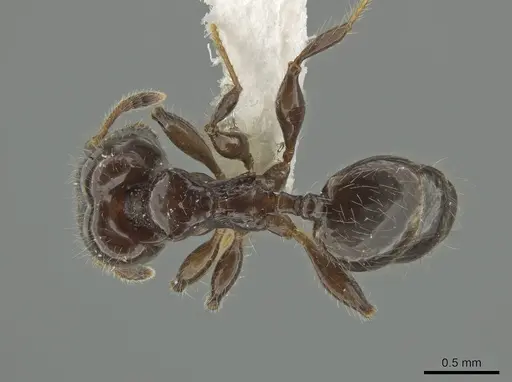
CASENT0635457
View on AntWeb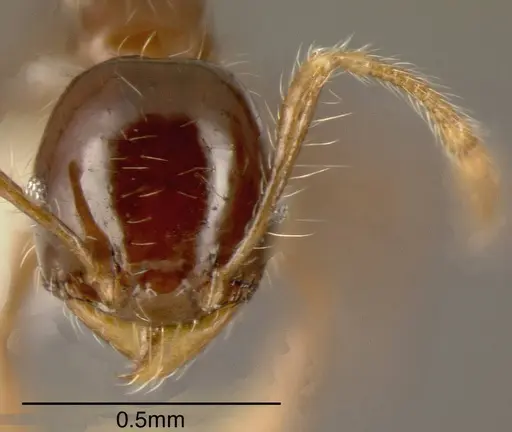
ECOFOG-GAL18-0159-23-S
View on AntWeb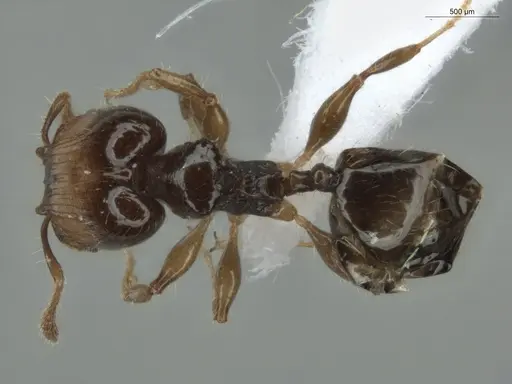
ECOFOG-IT14-0069-44
View on AntWeb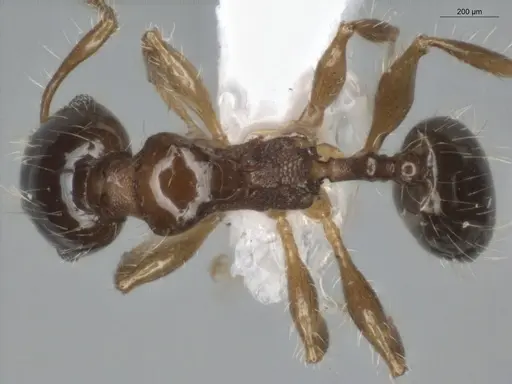
ECOFOG-MI15-0134-26
View on AntWeb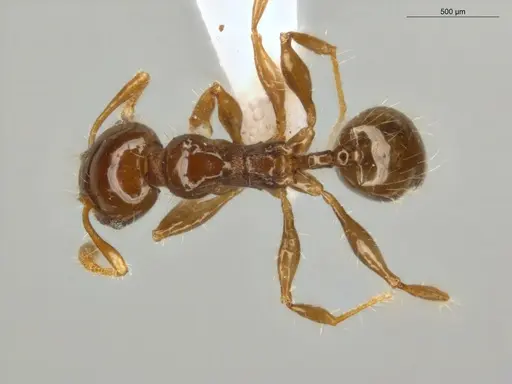
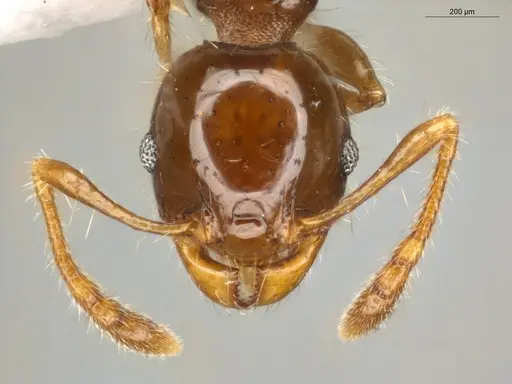
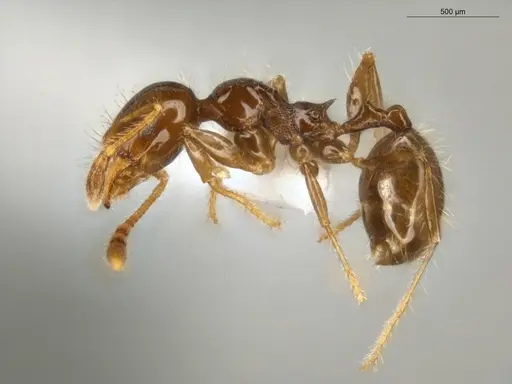
INB0003613109
View on AntWeb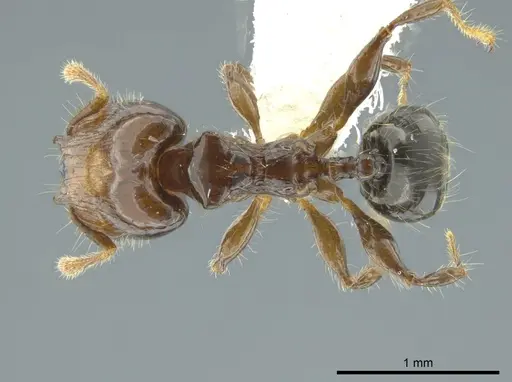
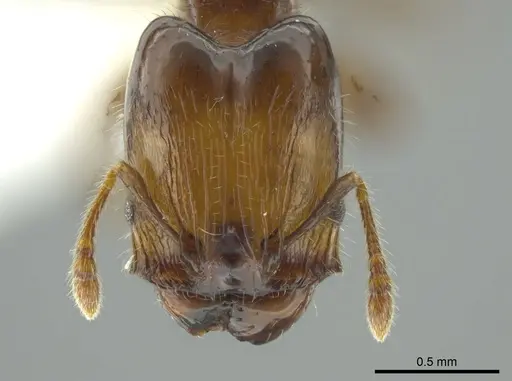
INB0003613114
View on AntWeb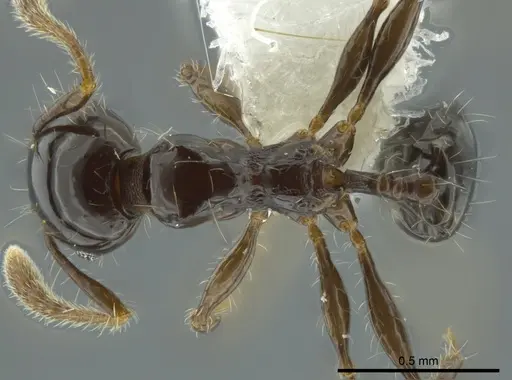
INBIOCRI001282205
View on AntWeb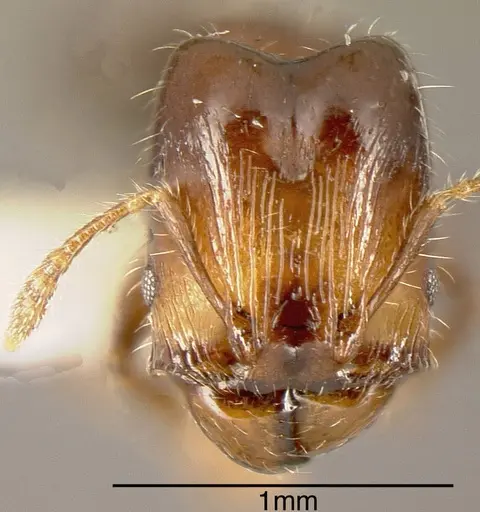
Literature
Loading distribution map...Loading products...