
Pheidole constipata
- Sci. Name
- Pheidole constipata
- Tribe
- Attini
- Subfamily
- Myrmicinae
- Author
- Wheeler, 1908
- Distribution
- Found in 2 countries
Introduction
Pheidole constipata is a small ant with two worker castes: majors and minors. It is known only from central Texas, specifically Austin and New Braunfels areas . The species nests under stones in juniper and juniper-oak-mesquite woodland habitats . This ant faces conservation challenges due to competition from the invasive red imported fire ant (Solenopsis invicta) and is parasitized by the scuttle fly Microselia texana .
Quick Summary
- Difficulty: Hard
- Origin & Habitat: Central Texas, USA, Austin and New Braunfels areas. Found in juniper and juniper-oak-mesquite woodland, nesting under stones [1][2].
- Colony Type: Likely monogyne based on genus patterns, with major and minor worker castes [2].
- Size & Growth:
- Queen: size data unavailable
- Worker: size data unavailable
- Colony: Unknown
- Growth: Unknown
- Development: Unconfirmed, based on typical Pheidole patterns, expect 6-10 weeks at warm temperatures. (Development timeline is unconfirmed.)
- Antkeeping:
- Temperature: Based on central Texas habitat, aim for room temperature around 20-24°C.
- Humidity: Keep nest substrate moderately moist, with a water source available.
- Diapause: Yes, likely based on central Texas climate, reduce temperature to 10-15°C during winter months.
- Nesting: Natural nesting under stones, in captivity, use test tube setup for founding colonies, and small formicarium for established colonies [2].
- Behavior: Pheidole constipata is ground-nesting and forages on the ground surface. Like other Pheidole species, majors help defend the colony and process food. Their very small size requires careful escape prevention [2].
- Common Issues: very limited range makes wild collection difficult and potentially harmful to native populations [1], very small size requires fine mesh barriers to prevent escapes [2], no captive breeding data exists, this is an extremely rare species in the antkeeping hobby, invasive fire ants (Solenopsis invicta) are a major threat in their native range [3], parasitized by Microselia texana scuttle flies, wild-caught colonies may have internal parasites [4]
Natural History and Distribution
Pheidole constipata is known only from central Texas, around Austin and New Braunfels. It was first described in 1908 based on specimens found under stones [2]. Additional colonies have been documented at Pedernales Falls State Park, nesting under stones in woodland habitats [2]. The species is negatively affected by the invasive red imported fire ant, and is only found in areas not yet occupied by fire ants [3]. It is also parasitized by the scuttle fly Microselia texana [4].
Identification and Morphology
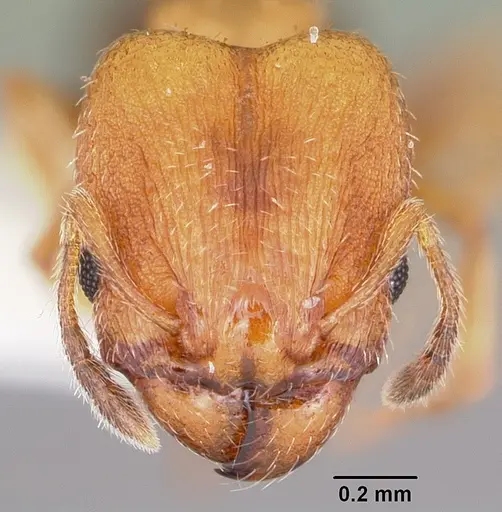
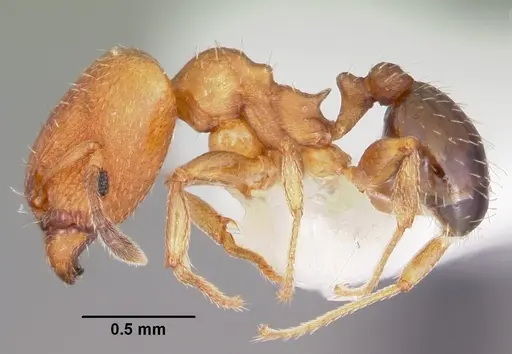
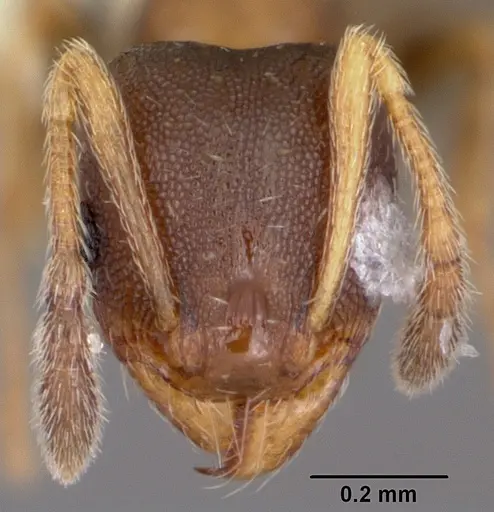
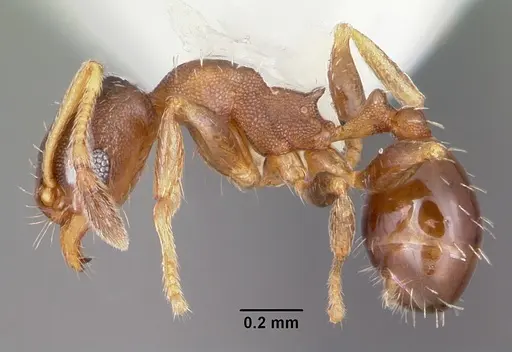
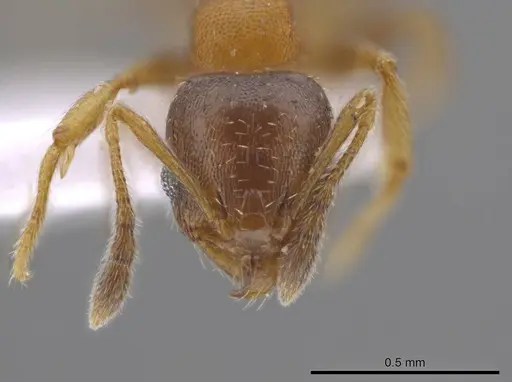
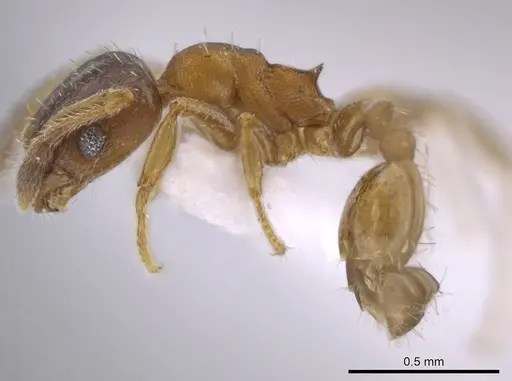
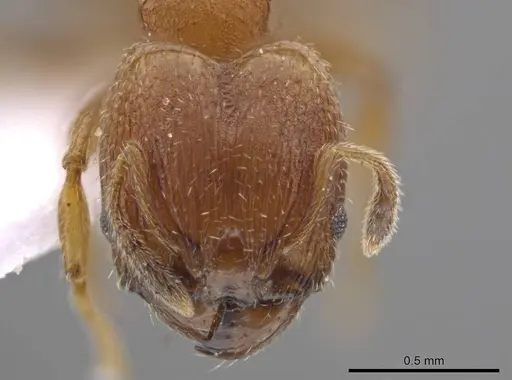
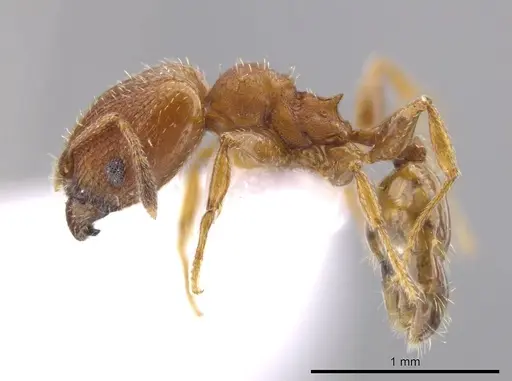
Pheidole constipata has major and minor worker castes. Majors are reddish-yellow with sparse club-shaped hairs. Minors have a dark yellow mesosoma and yellowish-brown head and gaster. Both castes have elliptical postpetioles [2].
Housing and Nesting
In the wild, they nest under stones in shaded, moist areas. For captivity, use a test tube setup for founding colonies. For established colonies, use a small formicarium with appropriately scaled chambers [2].
Feeding and Diet
Pheidole constipata is omnivorous. Offer sugar water or honey for energy, and protein sources like small insects. Feed protein 2-3 times per week [2].
Temperature and Seasonal Care
As a Texas species, they tolerate temperatures from 15-30°C, with optimal around 20-24°C. During winter, reduce temperature to 10-15°C for diapause [2].
Conservation and Legal Considerations
This species is of conservation concern due to its limited range and threats from fire ants. Never release outside native range. If kept, ensure no exposure to invasive species [2][3].
Frequently Asked Questions
How long does it take for Pheidole constipata to develop from egg to worker?
The exact development timeline is unconfirmed for this specific species. Based on typical Pheidole patterns, expect approximately 6-10 weeks from egg to first worker at optimal temperatures (around 22-24°C).
What do Pheidole constipata ants eat?
Like other Pheidole species, they are omnivorous. Offer sugar water or honey as an energy source, and small protein sources such as fruit flies, small mealworms, or tiny crickets. Feed protein 2-3 times per week with sugar available constantly [2].
Can I keep multiple Pheidole constipata queens together?
This species is likely monogyne based on genus patterns. Multiple unrelated queens would likely fight. Only keep one queen per colony [2].
What temperature do Pheidole constipata ants need?
Based on their central Texas habitat, aim for room temperature around 20-24°C. They likely tolerate 15-30°C but grow best in the moderate range. Reduce to 10-15°C during winter diapause [2].
How big do Pheidole constipata colonies get?
Colony size data is not available for this species. Most Pheidole colonies can reach several hundred to a few thousand workers, but the maximum size for this rare species is unknown.
Are Pheidole constipata good for beginners?
This species is not recommended for beginners. It is extremely rare in the antkeeping hobby with no captive breeding data available. Additionally, their very small size requires careful attention to escape prevention.
Do Pheidole constipata need hibernation?
Yes, likely. Central Texas experiences winter temperatures cold enough to trigger diapause. Reduce temperatures to around 10-15°C during winter months (roughly November-February) and stop feeding [2].
When do Pheidole constipata have nuptial flights?
Winged males have been documented on May 27 in Texas, suggesting nuptial flights occur in late spring (May-June). Exact timing is not well-documented for this rare species [2].
Why are my Pheidole constipata dying?
Without specific captive data, common issues likely include: improper humidity (too wet or too dry), temperature stress, escape leading to colony loss, or parasites from wild-caught colonies. This species is also threatened by invasive fire ants, ensure your colony is not exposed to Solenopsis invicta [4][3].
What is the best nest type for Pheidole constipata?
A test tube setup works well for founding colonies. For established colonies, a small formicarium with appropriately scaled, tight-fitting chambers suits their tiny size. Naturalistic setups with soil and stones also work well [2].
Report an Issue
The current care sheet is based fully on literature. See inconsistencies, or something that's incorrect? Please , it will be resolved after review from an admin. Contributing to the blogs tab also helps providing information, to make us be able to further improve the caresheets. Thank you for your support!
References

This caresheet is licensed under CC BY-SA 4.0 .
Community Blogs
CASENT0104785
View on AntWeb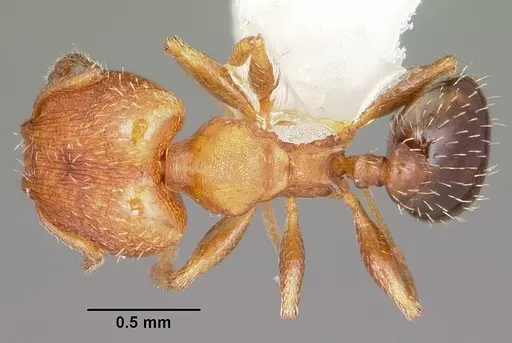
CASENT0104786
View on AntWeb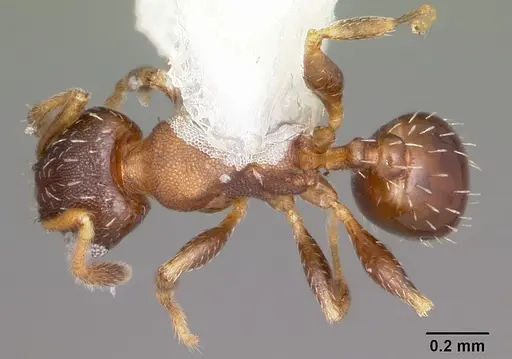
CASENT0635942
View on AntWeb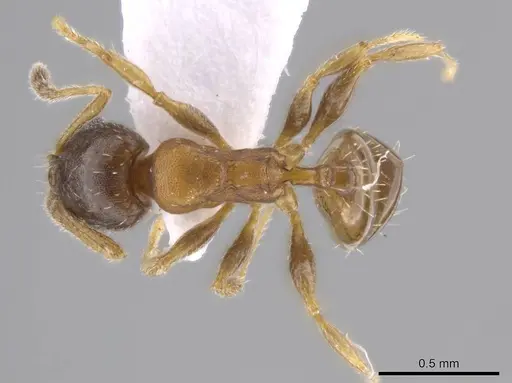
CASENT0635943
View on AntWeb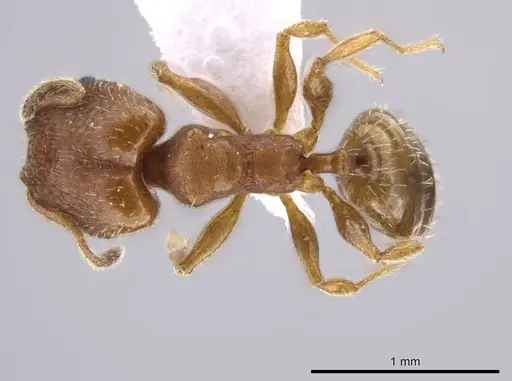
Literature
Loading distribution map...Loading products...