
Pheidole concinna
- Sci. Name
- Pheidole concinna
- Tribe
- Attini
- Subfamily
- Myrmicinae
- Author
- Santschi, 1910
- Distribution
- Found in 1 countries
Introduction
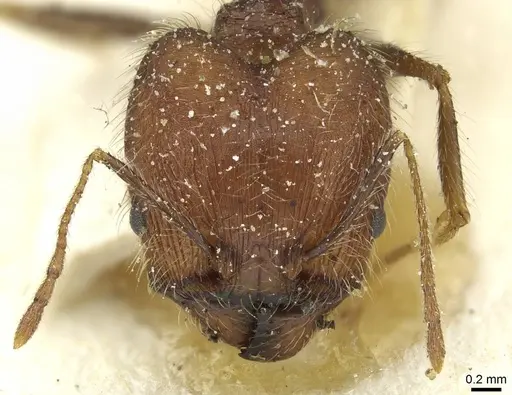
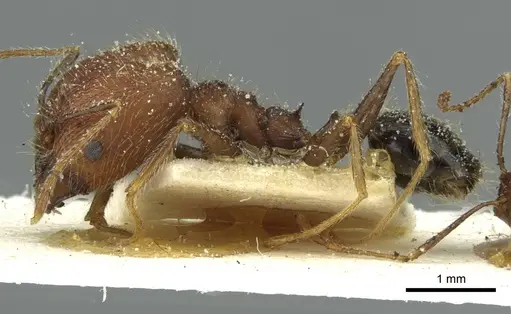
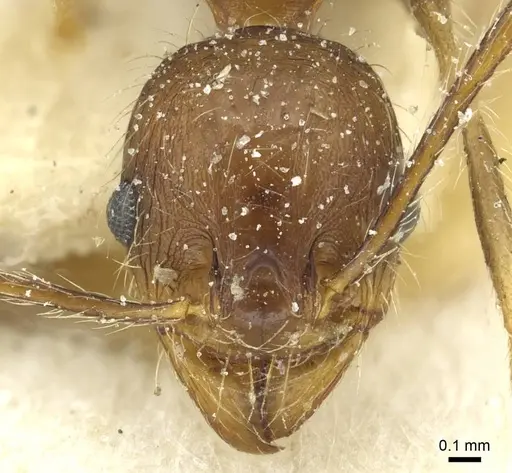
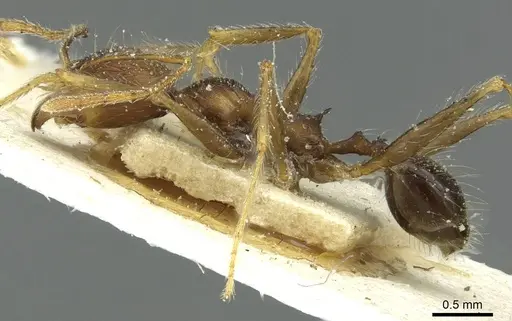
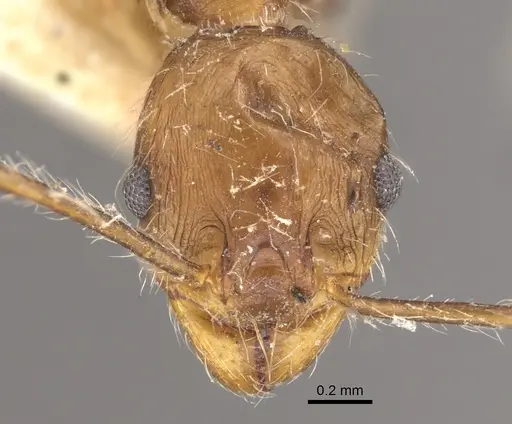
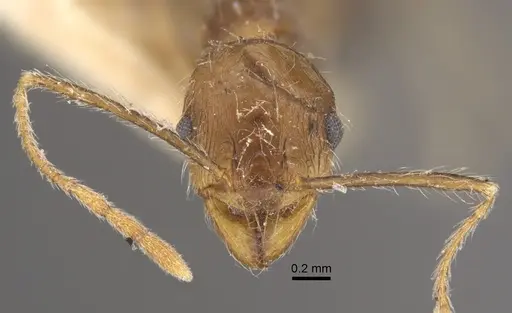
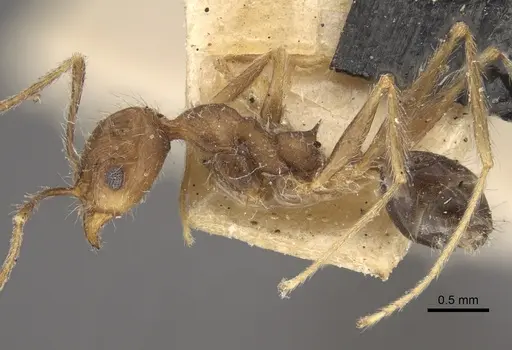
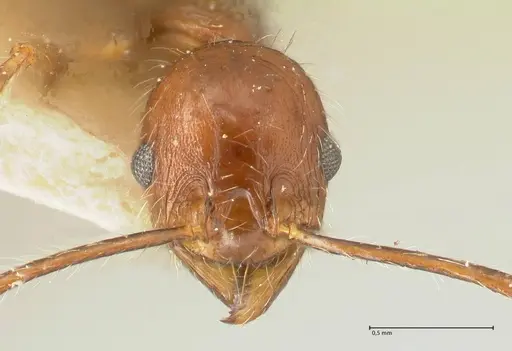
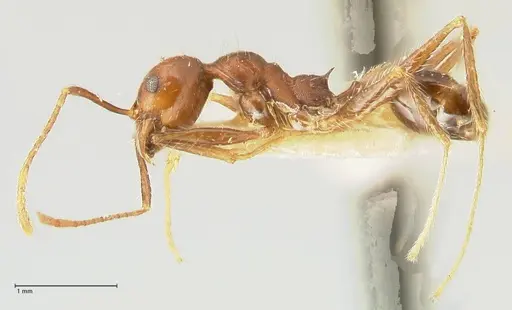
Pheidole concinna is an ant species native to the Afrotropical region, found in Benin, Congo, and Gabon . It nests in the ground and is often observed in mango orchards, where it serves as prey for weaver ants . The species was originally described from Congo in 1910 and shows color variation, with Gabon specimens appearing paler than the type .
Quick Summary
- Difficulty: Easy
- Origin & Habitat: Afrotropical region, Benin, Congo, Gabon. Found in mango orchards and ground nests in tropical areas [1].
- Colony Type: Unconfirmed, typical for Pheidole genus, but not specified in literature.
- Size & Growth:
- Queen: Size data unavailable, inferred from Pheidole genus to be up to 10mm
- Worker: Size data unavailable, inferred from Pheidole genus: minor workers up to 3mm, major workers up to 5mm
- Colony: Up to several hundred workers, inferred from Pheidole genus patterns [1].
- Growth: Moderate
- Development: Estimated 6-8 weeks at tropical temperatures, based on related species [1]. (Development likely faster due to tropical origin.)
- Antkeeping:
- Behavior: Generally peaceful and not aggressive. Major workers use enlarged heads for defense. Escape risk is high due to small worker size, use fine mesh barriers [1].
- Common Issues: colonies may decline if kept too cold, maintain warm temperatures year-round., major workers can get stuck in narrow tubing if connections are too small., overfeeding can lead to mold in nest setups, remove uneaten food promptly., wild-caught colonies may have parasites that need treatment., queen loss during founding is common, ensure stable conditions.
Housing and Nest Setup
Pheidole concinna is a ground-nesting species that adapts well to various captive setups. Y-tong (AAC) nests work well, providing dark, tight chambers they prefer [1]. Plaster nests are also suitable and allow moisture control. For founding colonies, a test tube setup with a water reservoir works, queen seals herself in and raises first workers there [1]. As the colony grows, transition to a formicarium. Ensure tubing is wide enough for major workers to pass through [1]. A foraging area with soil or sand mimics natural habitat [1].
Feeding and Diet
Pheidole concinna is omnivorous. Feed small insects like fruit flies or pinhead crickets 2-3 times weekly, provide a constant sugar source such as sugar water or honey, and optionally offer seeds for major workers to process [1]. Remove uneaten food promptly to prevent mold [1].
Temperature and Seasonal Care
As a tropical species, Pheidole concinna requires warm temperatures year-round. Maintain nest temperatures around 24-28°C [1]. Use a heating cable on one side to create a gradient [1]. No hibernation is needed [1].
Colony Development and Growth
Pheidole concinna colonies develop moderately fast. A claustral queen (if confirmed) would seal herself in and raise first brood on stored fat reserves [1]. First workers emerge in 6-8 weeks at optimal temperatures [1]. Colony grows to several hundred workers over time [1].
Behavior and Colony Structure
This species has distinct worker castes: minor workers handle foraging and brood care, while major workers process seeds and defend the nest [1]. It is preyed upon by weaver ants, indicating peaceful behavior [1]. Colonies are likely single-queen, but unconfirmed [2].
Frequently Asked Questions
How long does it take for Pheidole concinna to raise first workers?
Expect first workers to emerge in 6-8 weeks at optimal temperatures of 25-28°C [1]. The queen raises the first brood on stored fat reserves [1].
What do Pheidole concinna ants eat?
They are omnivorous. Feed small insects 2-3 times weekly, provide sugar sources like honey or sugar water, and offer seeds for major workers [1].
Do Pheidole concinna ants need hibernation?
No. As a tropical species from Benin, Congo, and Gabon, they do not require hibernation and should be kept warm year-round [1].
What size colony does Pheidole concinna reach?
Colonies likely reach up to several hundred workers, based on Pheidole genus patterns [1].
Can I keep multiple Pheidole concinna queens together?
This species is likely monogyne, but unconfirmed. Combining queens is not recommended unless observed accepting each other [1].
What nest type is best for Pheidole concinna?
Y-tong (AAC), plaster, or soil nests work well. For founding, a test tube setup suffices. Ensure tubing is wide enough for major workers [1].
Are Pheidole concinna good for beginners?
Yes, they are considered easy to keep. They are adaptable and have straightforward needs, but escape risk is high due to small size [1].
When should I move Pheidole concinna to a formicarium?
Move when the colony reaches 50+ workers or the test tube is crowded. Ensure appropriate chamber sizes [1].
Why are my Pheidole concinna major workers dying?
Major workers have shorter lifespans. Sudden deaths may indicate temperature stress, mold, or parasites. Check conditions and nutrition [1].
Report an Issue
The current care sheet is based fully on literature. See inconsistencies, or something that's incorrect? Please , it will be resolved after review from an admin. Contributing to the blogs tab also helps providing information, to make us be able to further improve the caresheets. Thank you for your support!
References

This caresheet is licensed under CC BY-SA 4.0 .
Community Blogs
CASENT0283319
View on AntWeb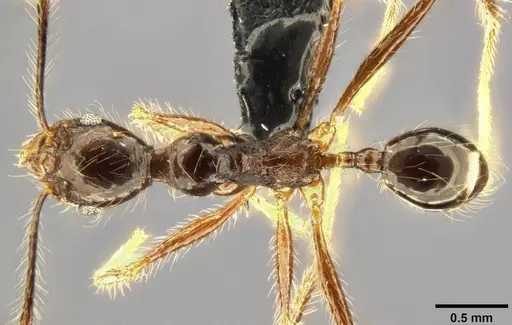
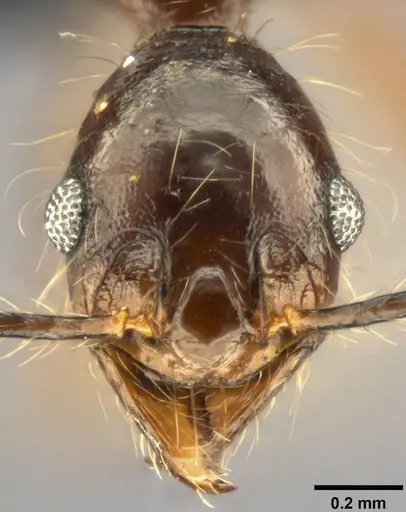
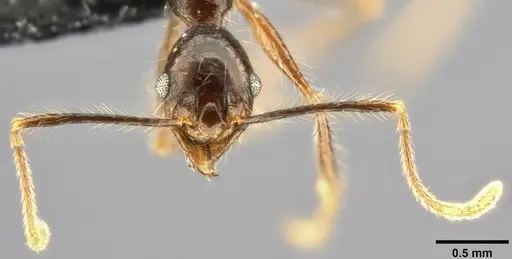
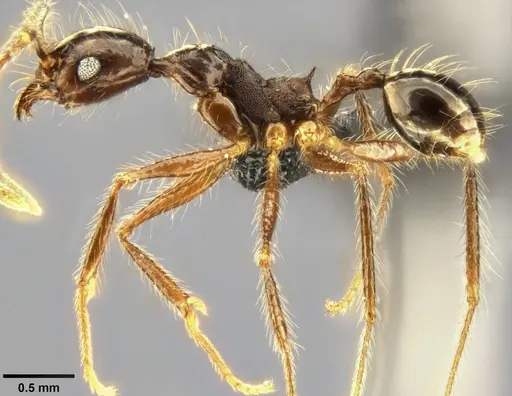
CASENT0913292
View on AntWeb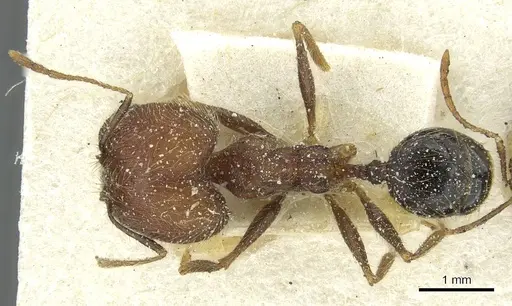
CASENT0913293
View on AntWeb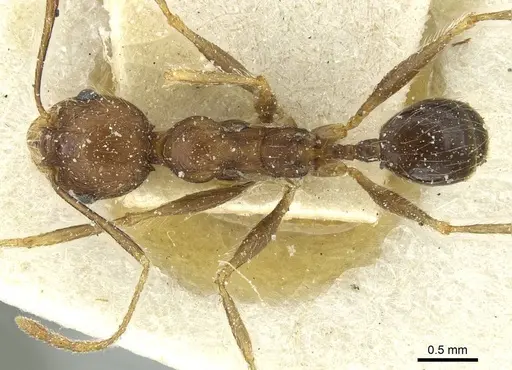
CASENT0917763
View on AntWeb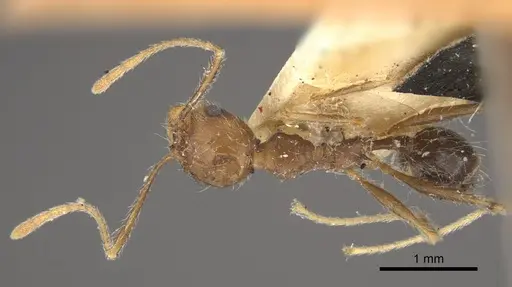
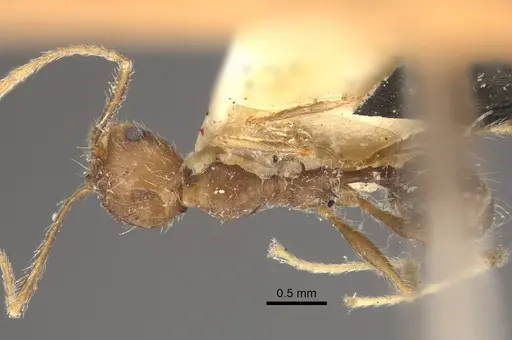
FOCOL1338
View on AntWeb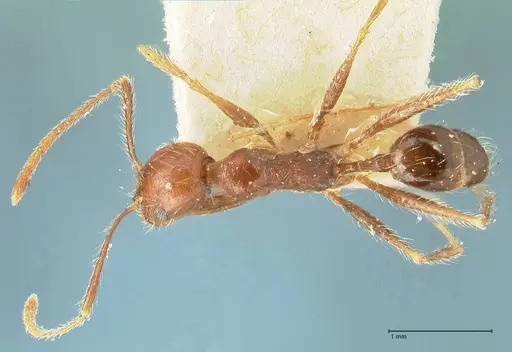
Literature
Loading distribution map...Loading products...