
Pheidole comata
- Sci. Name
- Pheidole comata
- Tribe
- Attini
- Subfamily
- Myrmicinae
- Author
- Smith, 1858
- Distribution
- Found in 2 countries
Introduction
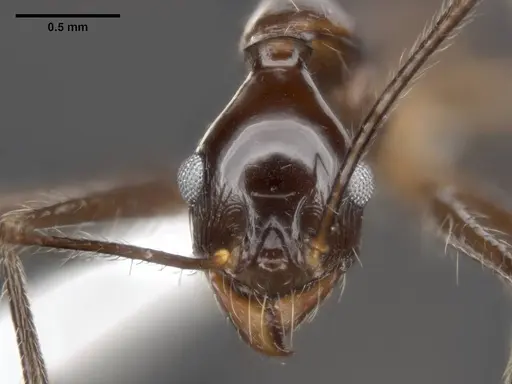
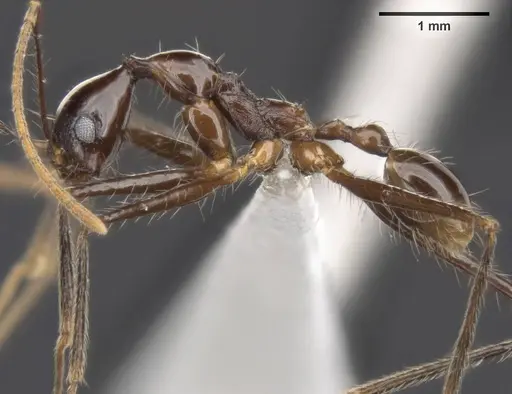
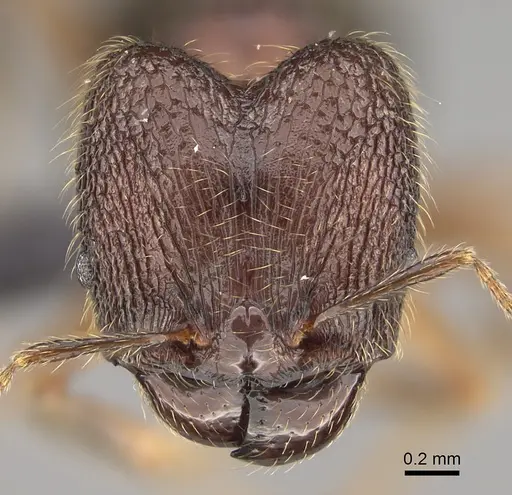
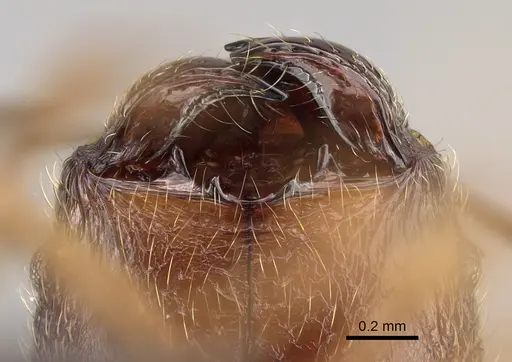
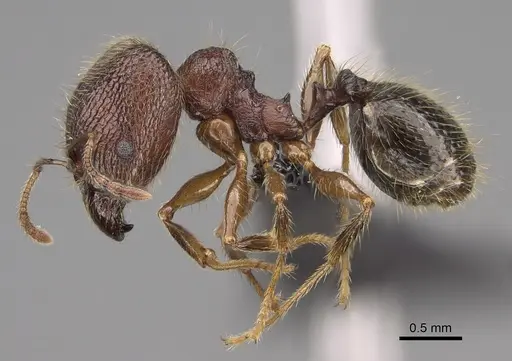
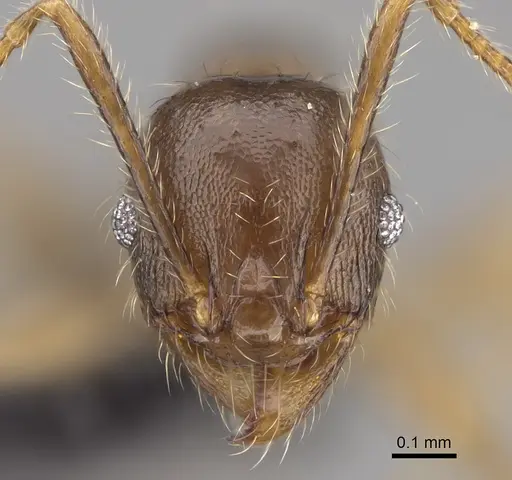
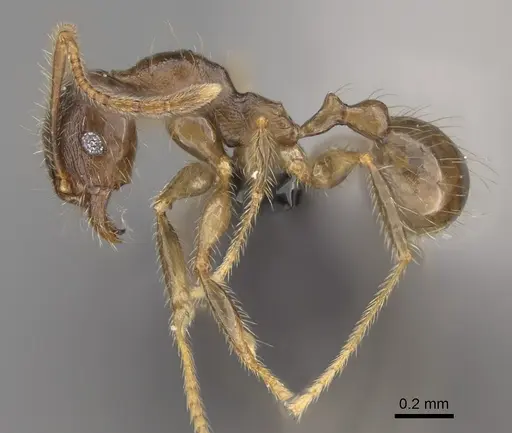
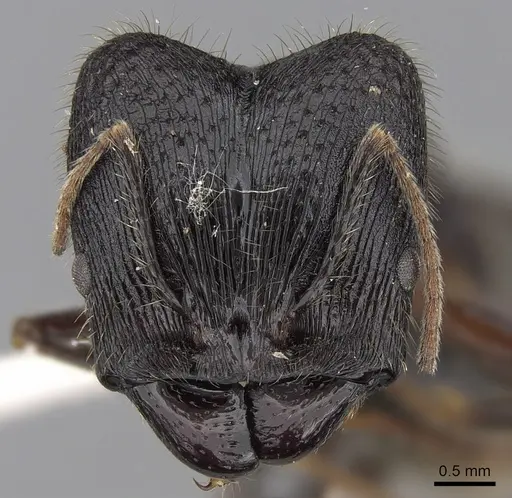
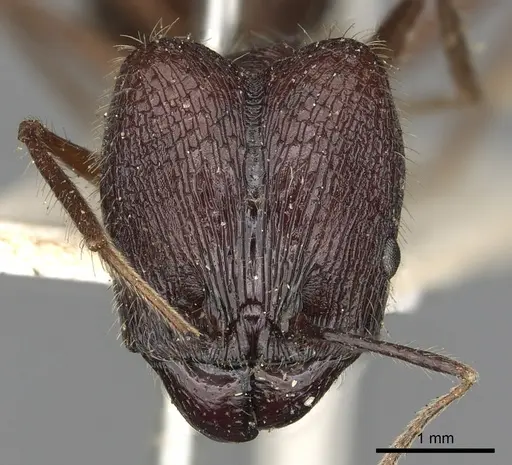
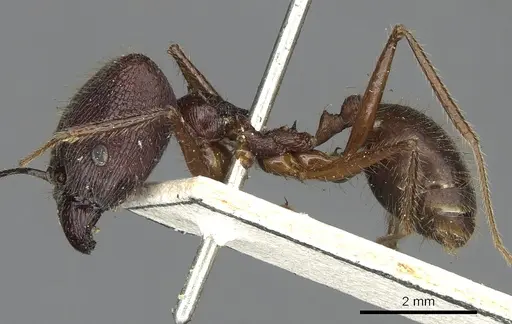
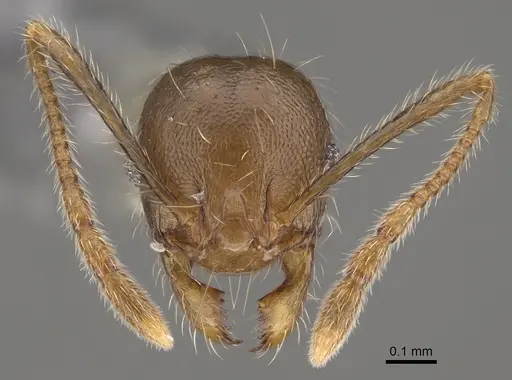
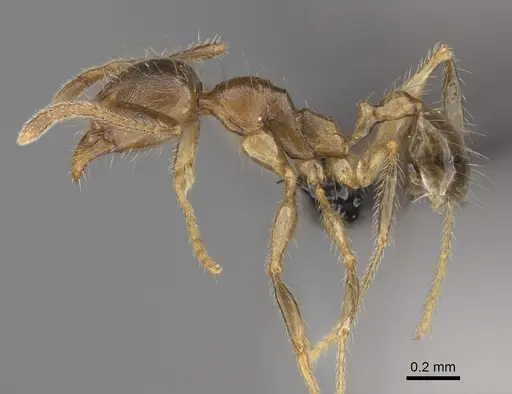
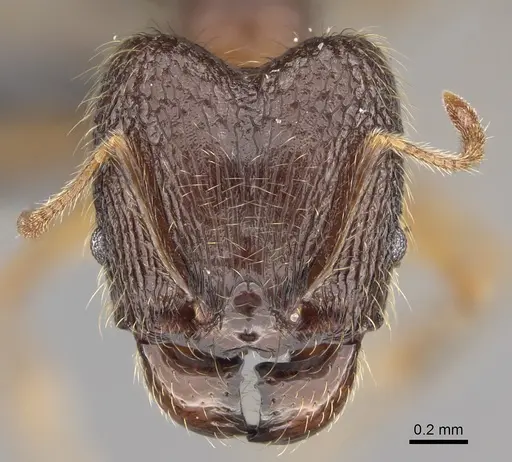
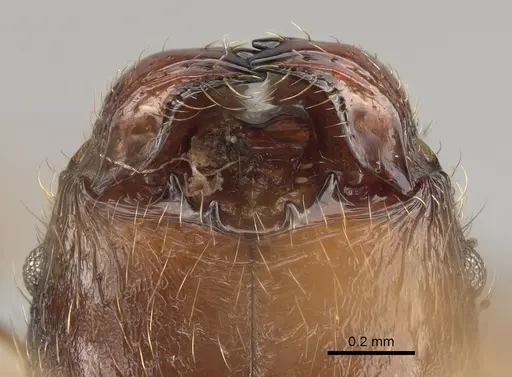
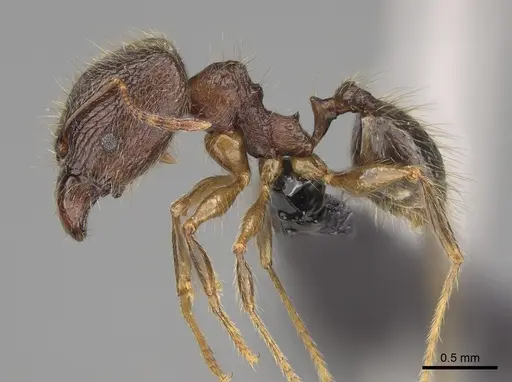
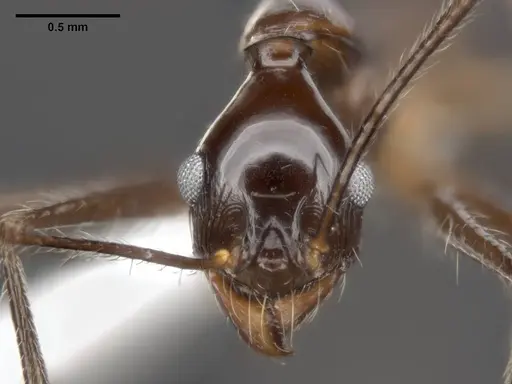
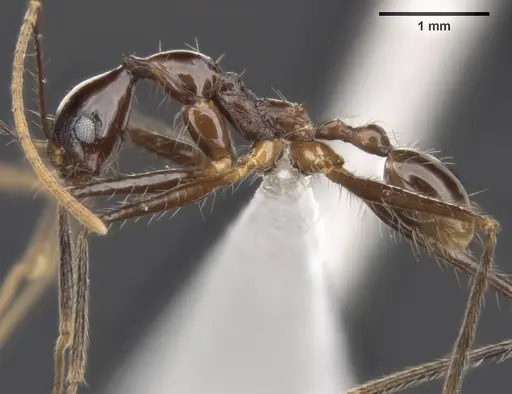
Pheidole comata is a medium-sized ant species native to Southeast Asia, with majors measuring 6.8-8.3 mm total length and minors 4.1-5.1 mm total length . It is found in Borneo, Indonesia, Malaysia, and Thailand , inhabiting well-developed forests in hill areas up to approximately 1100 meters altitude, typically nesting in fallen rotting logs . This species is closely related to Pheidole longipes and Pheidole montana, sharing traits like antennae without a conspicuous club and minors with an elongated neck, which distinguish it from other Indo-Chinese Pheidole .
Quick Summary
- Difficulty: Medium
- Origin & Habitat: Native to Southeast Asia, found in Borneo, Indonesia, Malaysia, and Thailand. Inhabits well-developed forests in hill areas up to 1100m altitude, typically nesting in fallen rotting logs [2][3][1].
- Colony Type: Unconfirmed, no specific study on queen number or social structure.
- Size & Growth:
- Queen: Unconfirmed, no documented queen measurements for this species.
- Worker: Majors: 6.8-8.3 mm TL, Minors: 4.1-5.1 mm TL [1].
- Colony: Unknown, no colony size data available.
- Growth: Moderate, inferred from typical Pheidole development patterns.
- Development: Unknown, no specific study on development timeline for this species. (Development time is unconfirmed, Pheidole species typically develop in 6-10 weeks under warm conditions, but this is estimated.)
- Antkeeping:
- Temperature: Keep at 24-28°C, inferred from tropical forest habitat [1].
- Humidity: Requires high humidity, forest-floor species need moist conditions. Keep nest substrate damp but not waterlogged [1].
- Diapause: No, tropical species do not require diapause [1].
- Nesting: In captivity, use naturalistic setups with rotting wood or cork, or Y-tong/plaster nests with high humidity [1].
- Behavior: Majors are specialized soldiers with large mandibles for defense and seed processing, minors handle brood care and foraging. They are active foragers and will defend their nest. Escape prevention is important due to their size [1].
- Common Issues: high humidity requirements can lead to mold if ventilation is poor, balance is critical., tropical species may struggle in cool rooms without heating., colonies may be slow to establish, patience is needed during founding., wild-caught colonies may harbor parasites that can devastate captive colonies., major workers can deliver a noticeable bite if provoked.
Nest Preferences and Housing
Pheidole comata naturally nests in fallen rotting logs in forest environments [1]. In captivity, you can use setups with cork, rotting wood pieces, or well-moistened plaster or Y-tong nests. Maintain consistently high humidity without creating stagnant conditions. For founding colonies, a test tube setup can work if kept humid, but move them to a more suitable nest once the colony grows. They prefer chambers and passages scaled to their size.
Feeding and Diet
Like most Pheidole species, P. comata is likely omnivorous, collecting protein and carbohydrates. In the wild, they scavenge on dead insects and collect honeydew. For captive colonies, offer protein sources like small crickets or mealworms 2-3 times per week, and keep a constant sugar source like honey water available. Remove uneaten prey after 24-48 hours to prevent mold. [1]
Temperature and Seasonal Care
Being a tropical species, P. comata requires warm conditions. Keep the nest area at 24-28°C, with a slight gradient for self-regulation. Room temperature may suffice in warm climates, but heating may be needed in cooler areas. They do not require diapause, but may show reduced activity in cooler months. [1]
Behavior and Colony Dynamics
Pheidole comata exhibits worker polymorphism with majors and minors. Majors use their large mandibles for defense and processing hard food, while minors handle brood care and foraging. They are active foragers that recruit workers to food sources. Majors will defend the nest vigorously, and escape prevention is important due to their size. [1]
Frequently Asked Questions
How long does it take for Pheidole comata to produce first workers?
No specific study exists on development timeline for this species. Pheidole species typically develop from egg to worker in 6-10 weeks under warm conditions, but this is estimated.
What size colony does Pheidole comata reach?
The maximum colony size is unknown, no specific study documents colony sizes for this species.
Can I keep multiple Pheidole comata queens together?
This has not been studied for this species. Pheidole are typically monogyne, but without specific data, combining queens is not recommended.
What temperature is best for Pheidole comata?
Keep them at 24-28°C, inferred from their tropical forest habitat [1].
Are Pheidole comata good for beginners?
This species is rated as Medium difficulty. While manageable, they require high humidity and warm temperatures, making them better suited for keepers with some experience.
What do Pheidole comata eat?
They are omnivorous. Offer small insects as protein 2-3 times per week and keep a constant sugar source available [1].
Do Pheidole comata need hibernation?
No, being a tropical species, they do not require diapause [1].
When should I move Pheidole comata to a formicarium?
Wait until the colony has enough workers, but no specific number is known. Use nests that maintain high humidity, such as Y-tong or plaster nests.
Why are my Pheidole comata dying?
Common causes include temperature too low, humidity imbalances, mold from poor ventilation, or parasites from wild-caught colonies. Check environmental parameters.
Report an Issue
The current care sheet is based fully on literature. See inconsistencies, or something that's incorrect? Please , it will be resolved after review from an admin. Contributing to the blogs tab also helps providing information, to make us be able to further improve the caresheets. Thank you for your support!
References

This caresheet is licensed under CC BY-SA 4.0 .
Community Blogs
ANTWEB1008101
View on AntWeb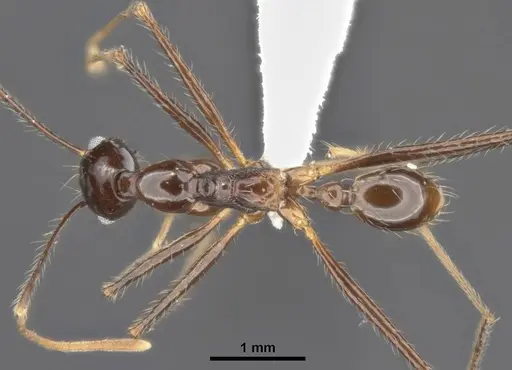
CASENT0208726
View on AntWeb
CASENT0208811
View on AntWeb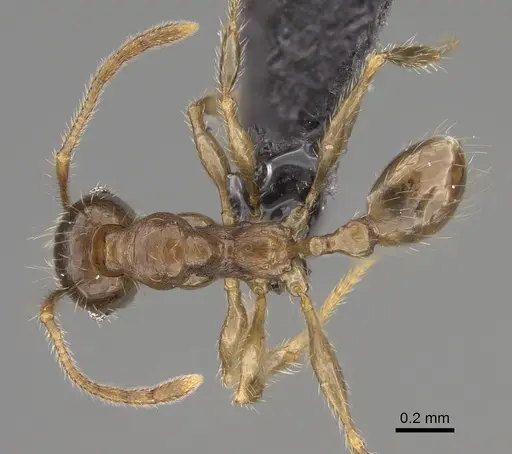
CASENT0281704
View on AntWeb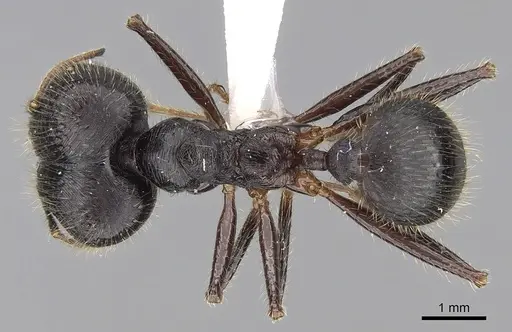
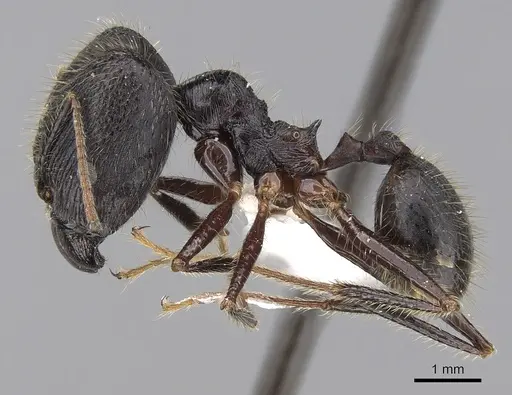
CASENT0281705
View on AntWeb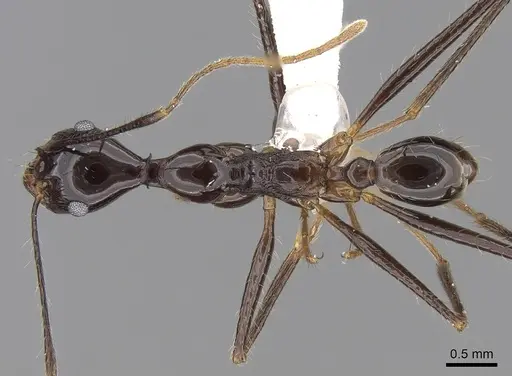
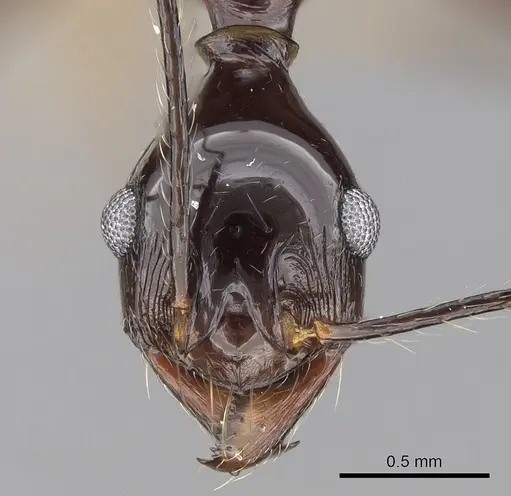
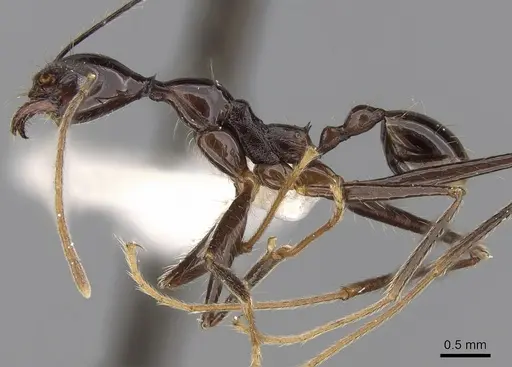
CASENT0901504
View on AntWeb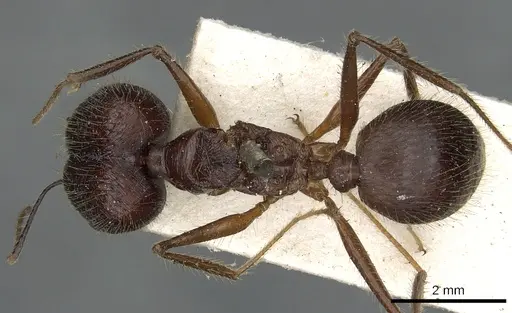
CASENT0923262
View on AntWeb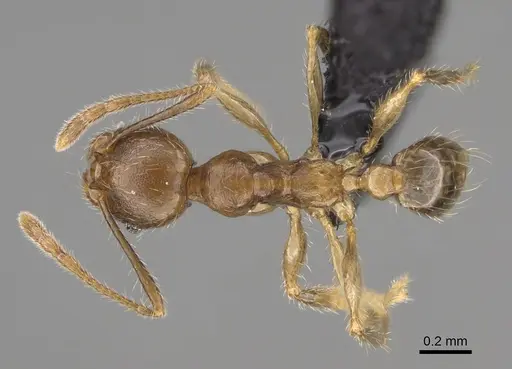
CASENT0923278
View on AntWeb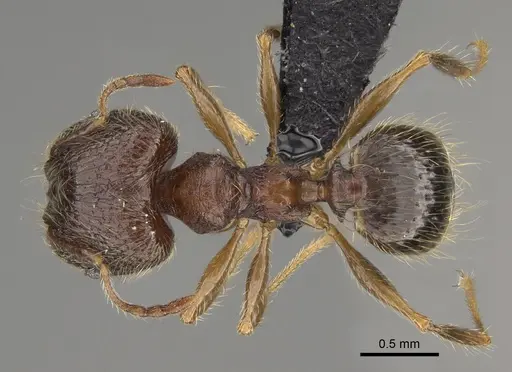
MCZ-ENT00511499
View on AntWeb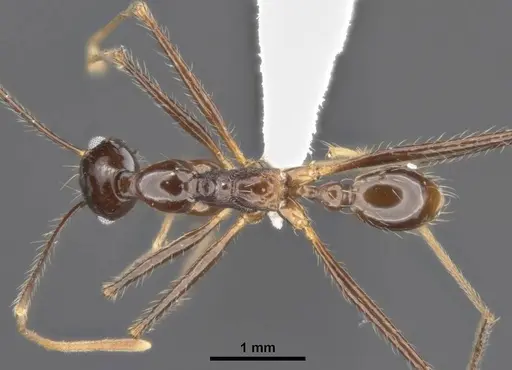
Literature
Loading distribution map...Loading products...