
Clyde's Big-headed Ant
Pheidole clydei
- Sci. Name
- Pheidole clydei
- Tribe
- Attini
- Subfamily
- Myrmicinae
- Author
- Gregg, 1950
- Common Name
- Clyde's Big-headed Ant
- Distribution
- Found in 2 countries
Introduction
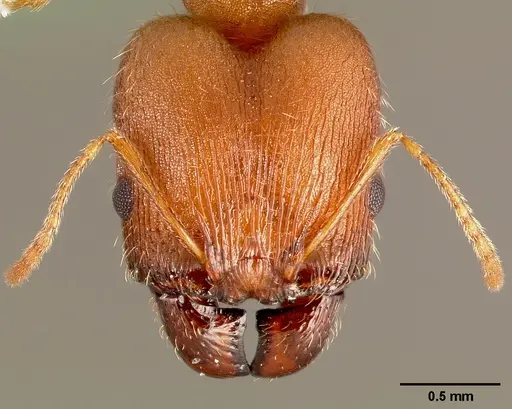
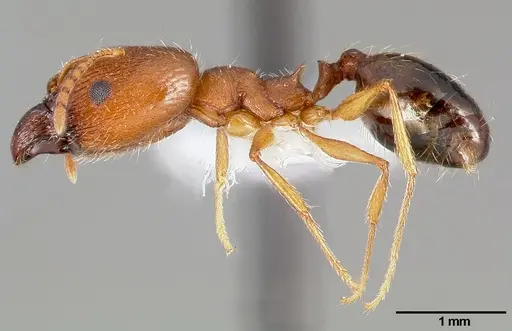
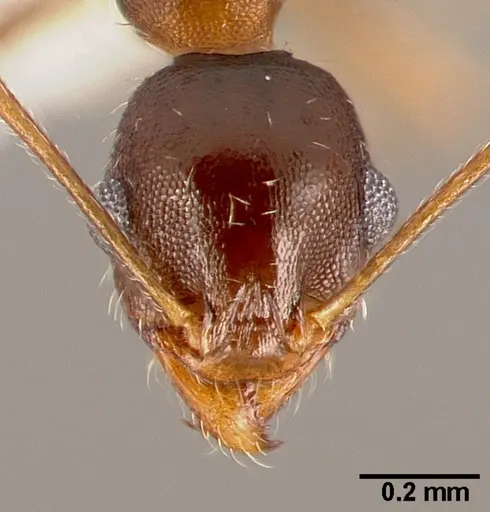
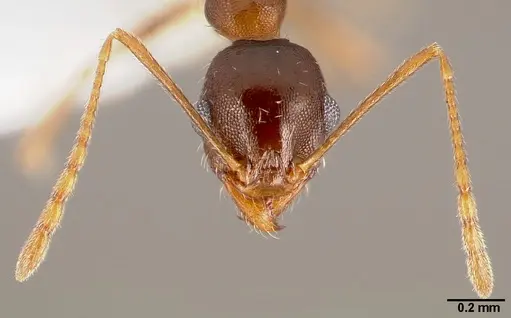
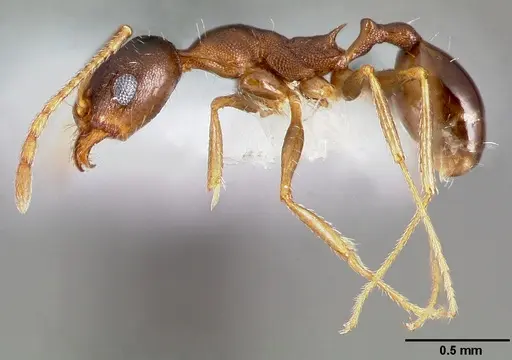
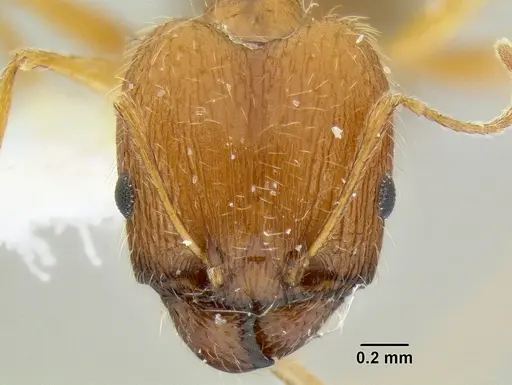
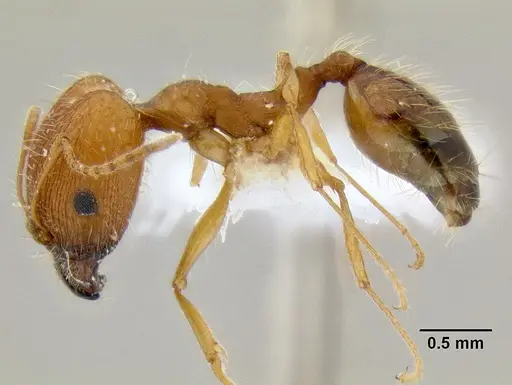
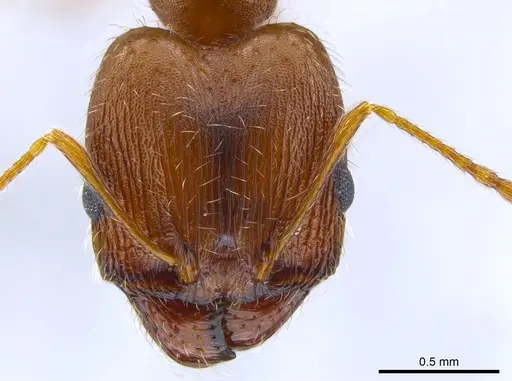
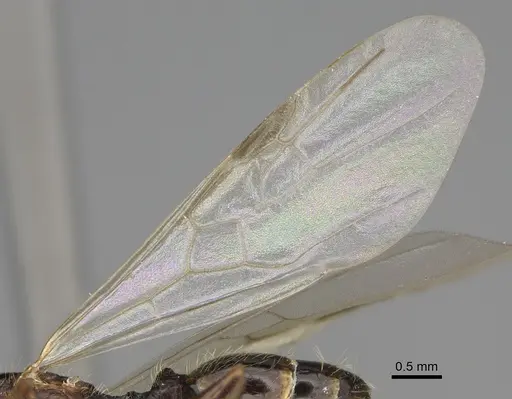
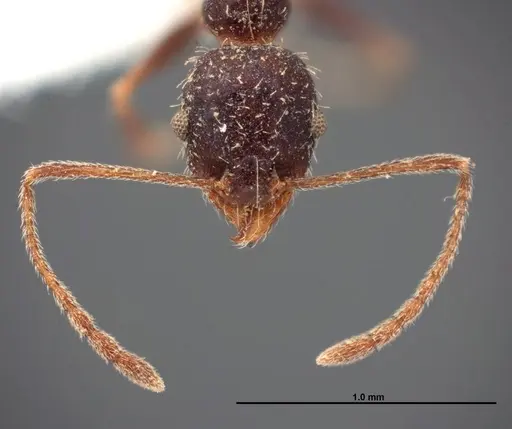
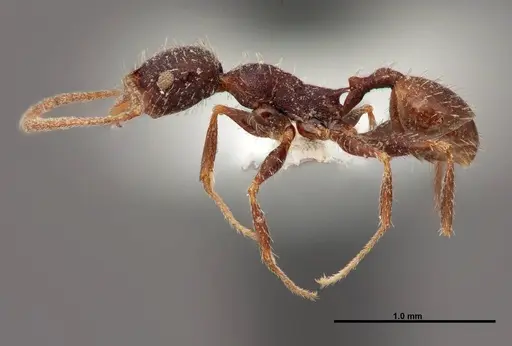
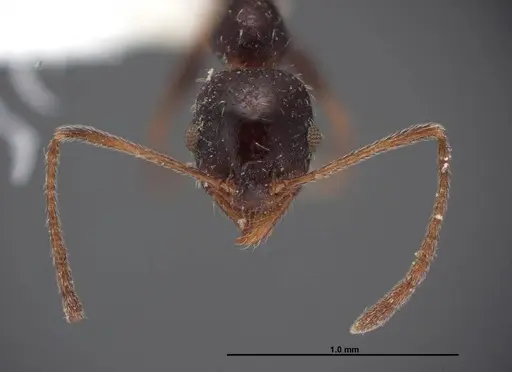
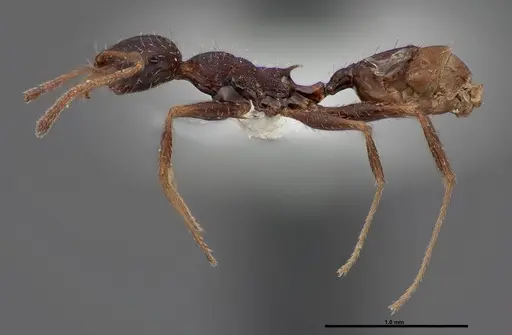
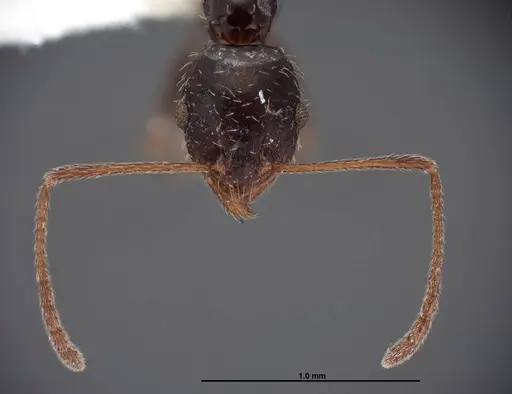
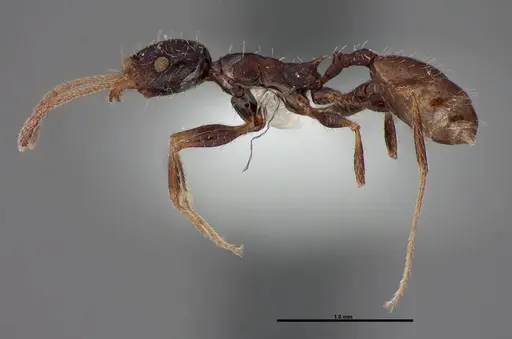
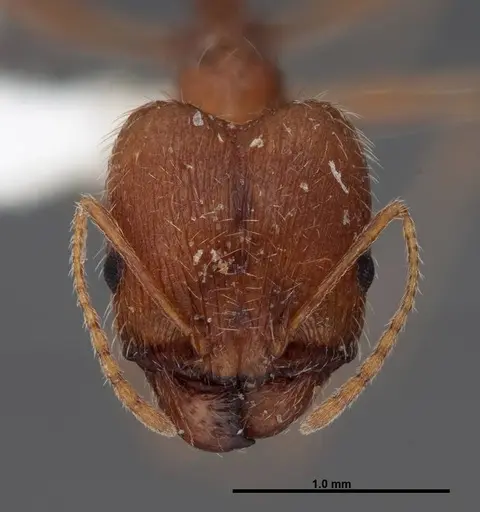
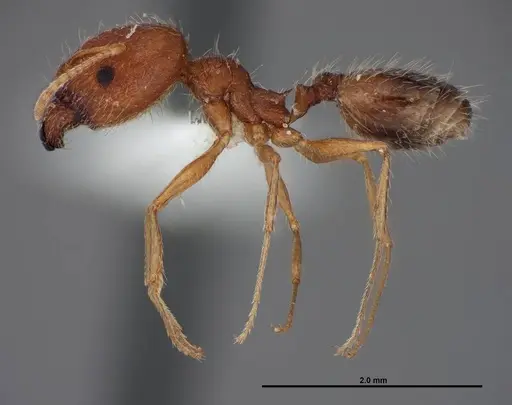
Pheidole clydei is a small ant native to the American Southwest and northern Mexico. It has two worker castes: majors with reddish-yellow heads and mesosomas, and minors that are light brown . The species is found in desert canyons from New Mexico and Arizona through southern Nevada and California into northern Mexico . It inhabits rock crevices, nesting in cracks between boulders or in narrow fissures in solid rock . This ant is known for its unusual nesting behavior and caste specialization. Majors act as aggressive nest guards, while minors handle all foraging duties, making them efficient insect scavengers .
Quick Summary
- Difficulty: Medium
- Origin & Habitat: Desert canyons of the American Southwest, from New Mexico and Arizona through southern Nevada and California into northern Mexico, found in riparian areas from 150 to 2200 meters elevation [1].
- Colony Type: Likely monogyne (single queen) based on typical Pheidole patterns, but not directly confirmed for this species.
- Size & Growth:
- Queen: Size data unavailable
- Worker: Size data unavailable
- Colony: Unknown
- Growth: Moderate
- Development: Unknown, no specific data available (Development time may vary based on temperature and feeding)
- Antkeeping:
- Temperature: Keep at warm temperatures, roughly 22-28°C, but specific requirements are unconfirmed.
- Humidity: Keep nest substrate dry to slightly moist, with a humidity gradient, as this species inhabits dry desert canyons [1].
- Diapause: Unknown, no data on hibernation requirements
- Nesting: Rock-crevice specialist. Use Y-tong (AAC) nests with narrow chambers or plaster nests to mimic natural rock crevices. Avoid large open spaces [1].
- Behavior: Majors are highly aggressive guards that defend the nest entrance, while minors are docile scavengers that forage for insects. This species is carnivorous and does not eat seeds [5][1]. Escape risk is moderate due to small size, use standard escape prevention.
- Common Issues: colonies may fail if kept too damp, desert species prone to mold in overly humid conditions [1], majors can be aggressive and may bite if provoked, though their small size limits harm, slow growth compared to some tropical species may frustrate beginners, wild-caught colonies from rock crevices may be difficult to locate and collect, they refuse sugar, new keepers may waste time offering sweet foods this species won't accept [5]
Nest Preferences and Housing
Pheidole clydei exclusively nests in rock crevices, such as between boulders or in narrow cracks in solid rock [1]. In captivity, use Y-tong (AAC) nests with narrow chambers or plaster nests to mimic these conditions. Avoid large open spaces in the nest, as these ants prefer cramped quarters. The outworld can be standard, but provide hiding spots for minors during foraging.
Feeding and Diet
This species is strictly carnivorous and will not eat seeds. Minors forage for insects and arthropod remains, acting as scavengers [5][1]. In captivity, offer small insects like fruit flies, crickets, or mealworms. Protein-rich foods are essential, sugar water is typically rejected. Feed every 2-3 days, removing uneaten prey to prevent mold.
Caste Behavior and Colony Roles
Majors serve as aggressive nest guards, standing just inside the entrance to attack intruders. Minors handle all foraging duties, following scent trails but not forming organized columns [1]. This division of labor makes the nest nearly impregnable. When keeping this species, you will see majors clustered at the entrance while minors move through the outworld.
Temperature and Seasonal Care
As a desert species, Pheidole clydei prefers warm conditions. Keep temperatures around 22-28°C, with a slight gradient allowing the colony to choose their preferred spot. Winter activity may decrease, but hibernation requirements are unknown. Room temperature in the low-mid 20s°C is a good starting point [1].
Frequently Asked Questions
What do Pheidole clydei ants eat?
They are strictly carnivorous scavengers. Feed them small insects like fruit flies, crickets, or mealworms. They do not eat seeds or sugar [5][1].
What type of nest is best for Pheidole clydei?
They are rock-crevice specialists. Use Y-tong (AAC) nests with narrow chambers or plaster nests to mimic natural conditions. Avoid acrylic nests and large open spaces [1].
How long does it take for Pheidole clydei to produce workers?
Exact development time is unknown. Based on typical ant patterns, it may take several weeks at warm temperatures, but no specific data is available.
Are Pheidole clydei good for beginners?
Medium difficulty. They have interesting caste behavior and don't require hibernation, but their specific nesting needs and strict diet may challenge beginners.
Can I keep multiple queens together?
Not recommended. Pheidole clydei is likely monogyne, and combining unrelated queens could result in fighting.
Do Pheidole clydei need hibernation?
Unknown. As a desert species, they may not require true hibernation. Many southwestern ants do fine at room temperature year-round with reduced winter activity.
Why are my Pheidole clydei minors dying outside the nest?
This could indicate stress, mold from too much humidity, or disease. Ensure the nest is dry to slightly moist, as they inhabit dry desert canyons [1].
How big do Pheidole clydei colonies get?
Colony size is unknown. No specific data on maximum worker count is available.
When do Pheidole clydei alates (reproductives) appear?
Nuptial flight timing is unknown for this species. If you maintain a healthy colony, reproductives may develop over time.
Report an Issue
The current care sheet is based fully on literature. See inconsistencies, or something that's incorrect? Please , it will be resolved after review from an admin. Contributing to the blogs tab also helps providing information, to make us be able to further improve the caresheets. Thank you for your support!
References

This caresheet is licensed under CC BY-SA 4.0 .
Community Blogs
CASENT0005745
View on AntWeb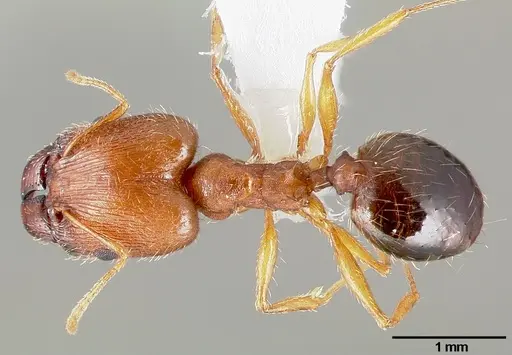
CASENT0005746
View on AntWeb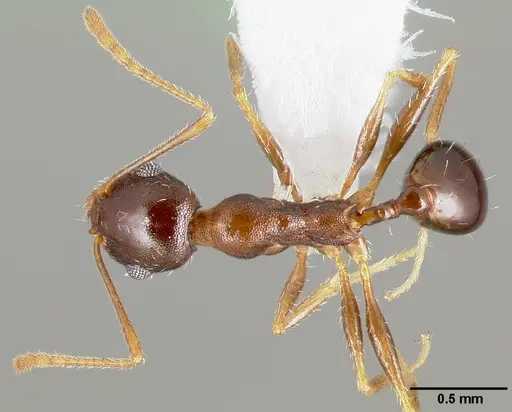
CASENT0106117
View on AntWeb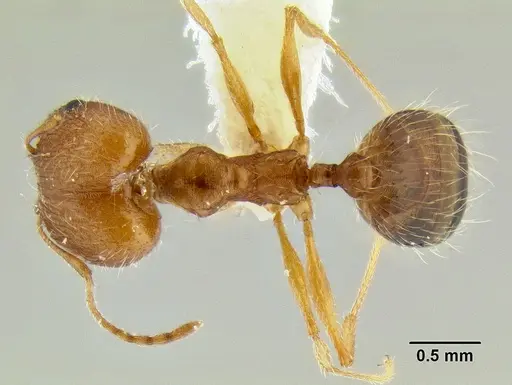
CASENT0638263
View on AntWeb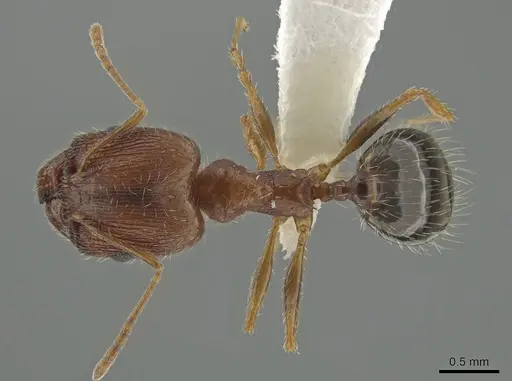
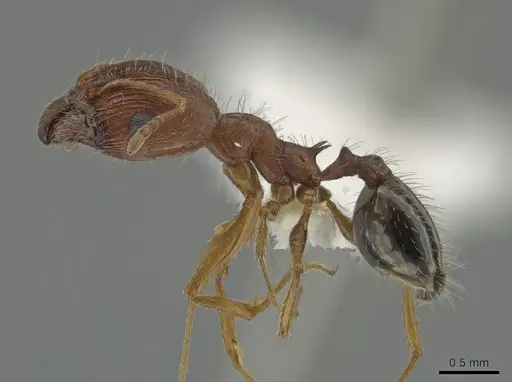
CASENT0862458
View on AntWeb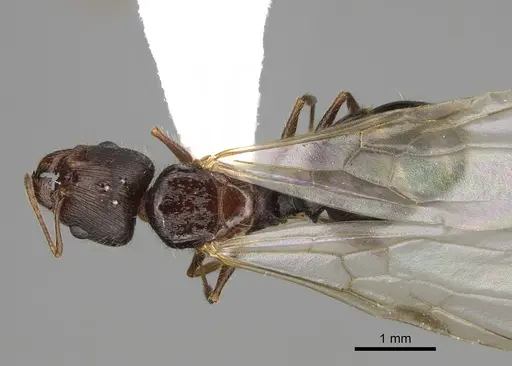
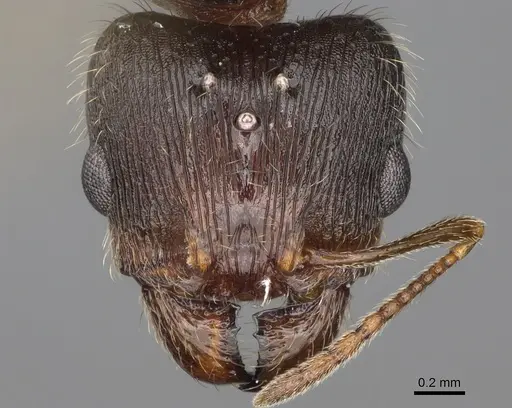
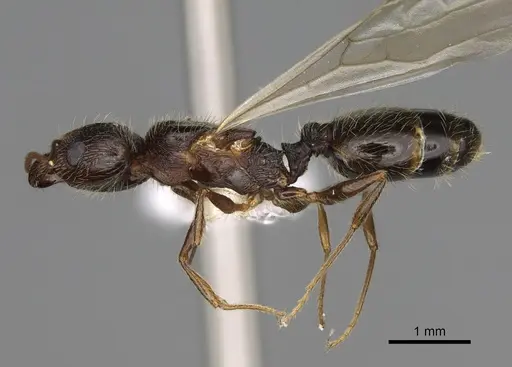
FMNHINS0000062678
View on AntWeb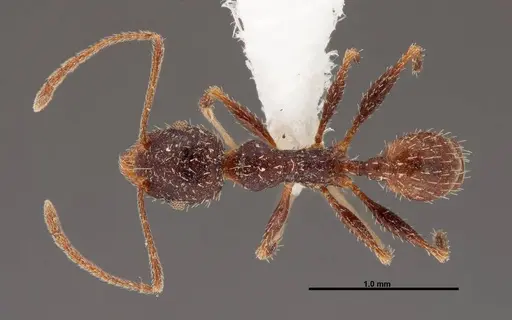
FMNHINS0000062679
View on AntWeb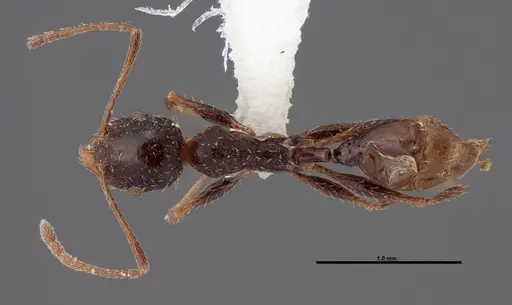
FMNHINS0000062680
View on AntWeb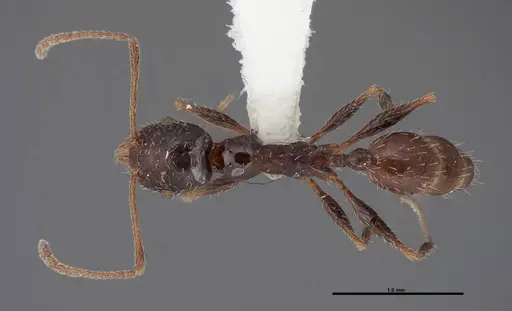
FMNHINS0000062810
View on AntWeb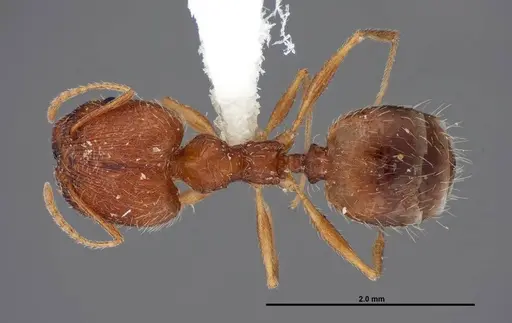
Literature
Loading distribution map...Loading products...