
San Clemente Island Big-headed Ant
Pheidole clementensis
- Sci. Name
- Pheidole clementensis
- Tribe
- Attini
- Subfamily
- Myrmicinae
- Author
- Gregg, 1969
- Common Name
- San Clemente Island Big-headed Ant
- Distribution
- Found in 2 countries
Introduction
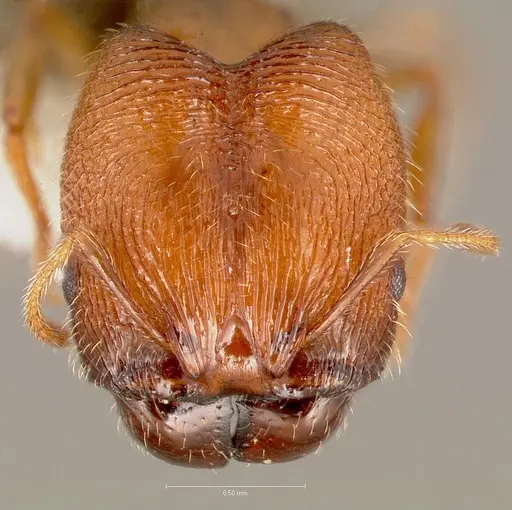
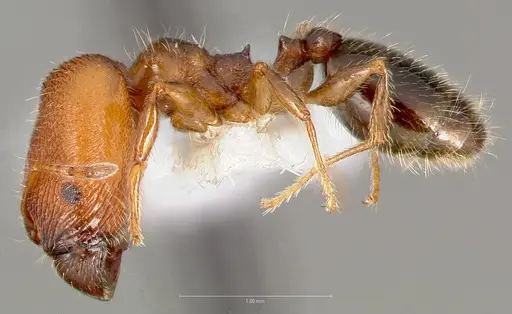
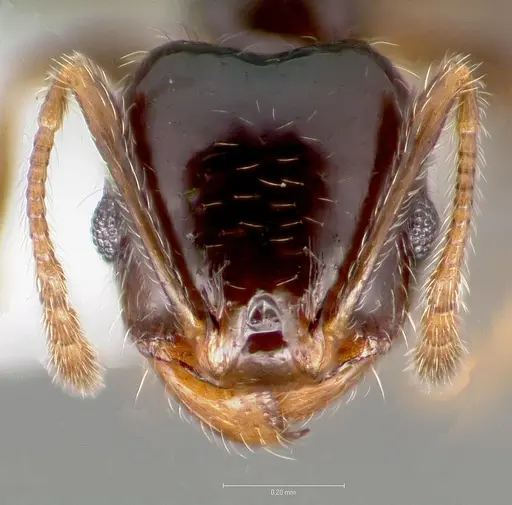
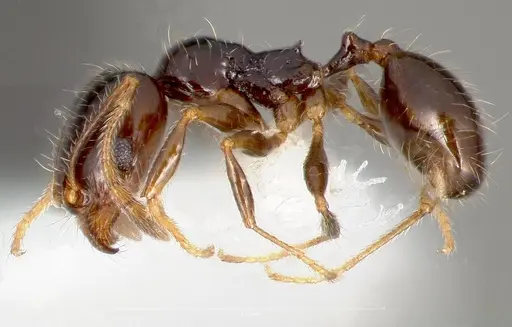
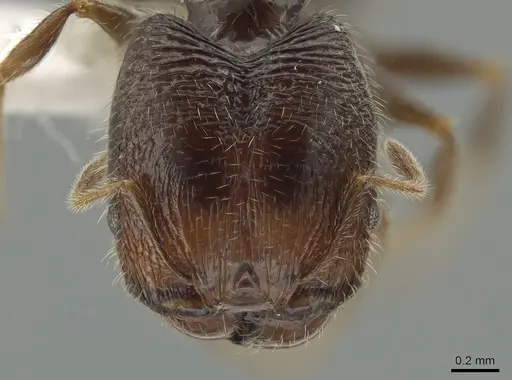
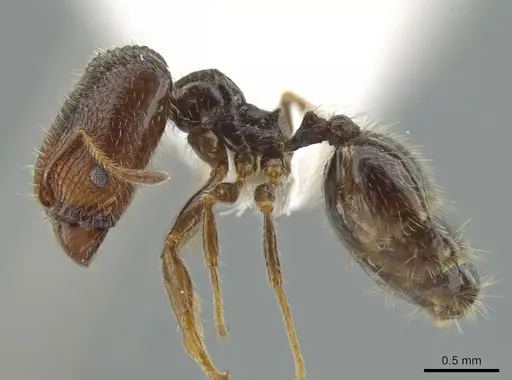
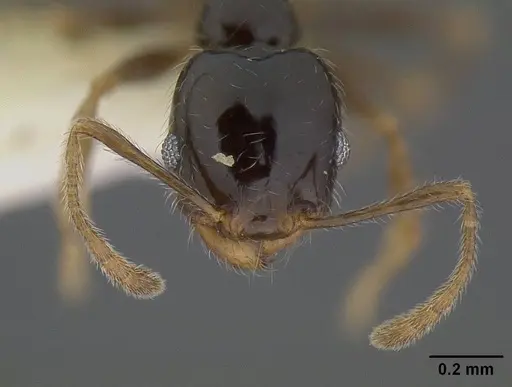
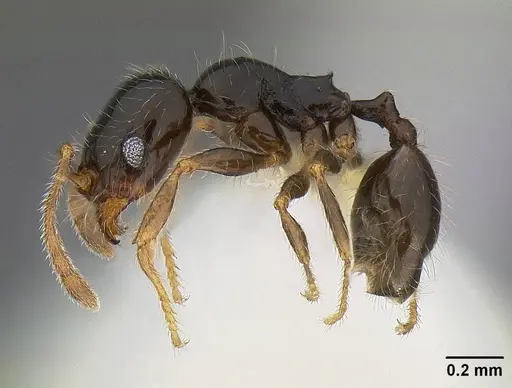
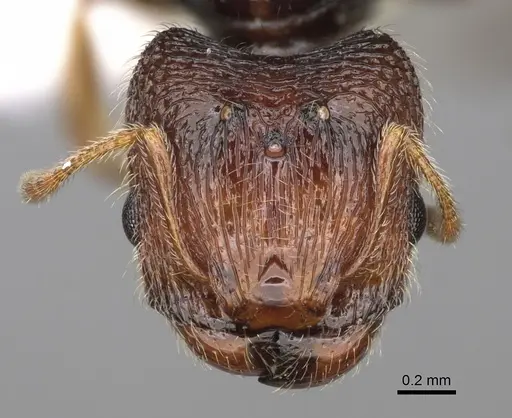
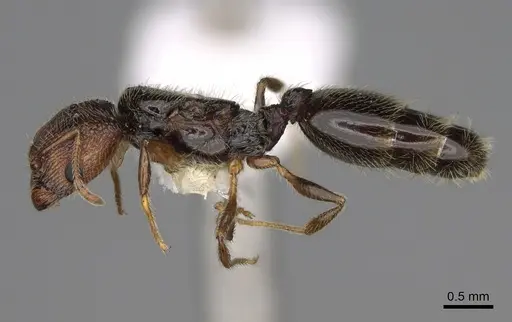
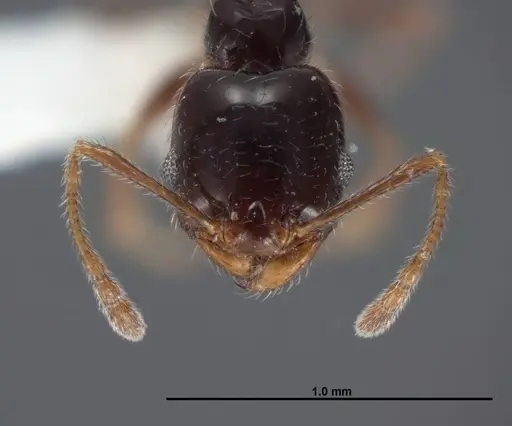
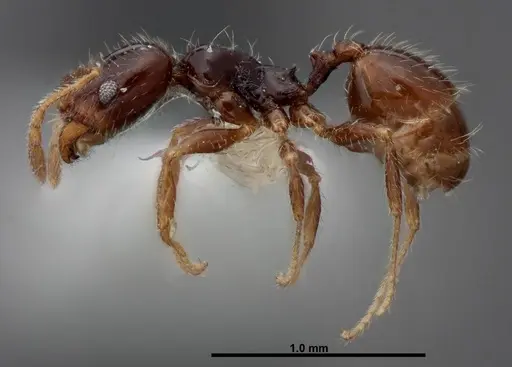
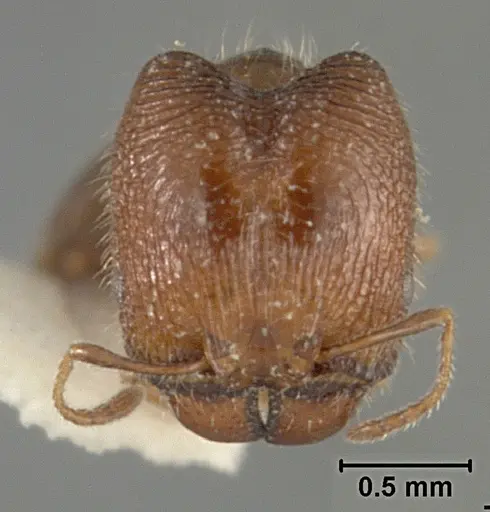
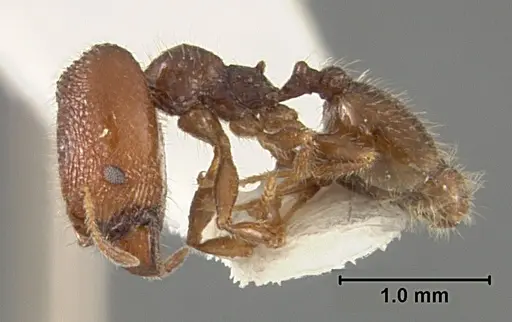
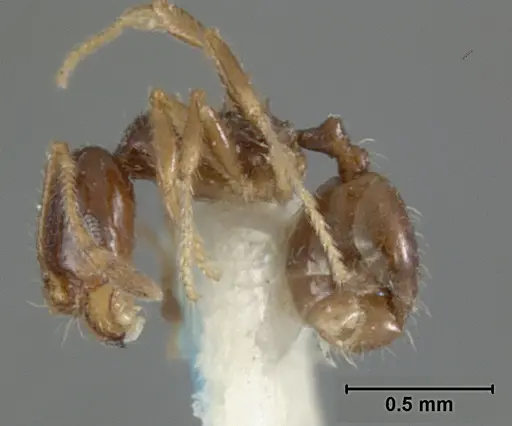
Pheidole clementensis is a small ant native to southern California and northern Baja California . It belongs to the Pheidole californica complex and is known for having an unusually high proportion of major workers . Major workers have a dark yellow head that may show brown spots, while minor workers are dark brown with yellow appendages . This species is primarily granivorous, harvesting seeds from plants such as Cassia and grasses . Colonies nest under stones in dry, sunny areas, and minor workers are nocturnal foragers, starting their activity before sundown .
Quick Summary
- Difficulty: Easy
- Origin & Habitat: Native to southern California and northern Baja California, found in foothill and coastal habitats. Most common on San Clemente Island, nesting under stones in dry, sunny areas [4][2][3].
- Colony Type: Colony structure is unconfirmed, but based on Pheidole patterns, likely single-queen (monogyne) colonies.
- Size & Growth:
- Queen: Size data unavailable for full body length, inferred from Pheidole genus to be approximately 7-9 mm.
- Worker: Size data unavailable for full body length, head measurements are available but not representative of body size.
- Colony: Up to several hundred workers, estimated from related species.
- Growth: Moderate
- Development: Estimated 6-8 weeks at optimal temperature, inferred from genus patterns. (Development time may vary with temperature, specific data for this species not available.)
- Antkeeping:
- Temperature: Keep at room temperature, roughly 20-24°C, as inferred from their habitat in southern California.
- Humidity: Keep nest substrate dry, with occasional light misting. This species prefers dry conditions typical of their coastal scrub habitat [4].
- Diapause: Unknown, no specific data on diapause requirements for this species.
- Nesting: Use test tubes for founding colonies. For established colonies, Y-tong or plaster nests with dry conditions are suitable. They naturally nest under stones, so provide a shallow, dry nesting area [4].
- Behavior: Minor workers are nocturnal and forage for seeds before sundown. Major workers make up an unusually high percentage of the population and help with seed processing. The species is docile and not aggressive, with small size posing escape risks [4].
- Common Issues: escape prevention is critical due to small size, use fine mesh and tight-fitting lids., overly humid conditions can cause colony decline, keep nesting area dry [4]., wild-caught colonies may require careful acclimation., mold growth in the nest can be fatal, ensure good ventilation and dry conditions.
Housing and Nest Setup
Pheidole clementensis does well in standard test tube setups for founding colonies. Use a test tube with a water reservoir plugged with cotton, the ants will use the moisture gradient to regulate their environment. For larger colonies, a Y-tong (AAC) nest works excellently, or you can use a plaster nest. The key requirement is DRY conditions. These ants come from the dry coastal scrub and desert habitats of southern California, so they thrive in environments that would kill more humidity-dependent species. Provide a shallow outworld for foraging where you can offer seeds and occasional protein. Ensure all connections are tight-fitting, these tiny ants can squeeze through small gaps. [4]
Feeding and Diet
As a seed-harvesting ant, Pheidole clementensis primarily collects and consumes seeds. In captivity, you can offer various small seeds, sesame seeds, millet, dandelion seeds, and commercial ant seeds all work well. They prefer the seeds of Cassia plants in the wild, but will readily accept most small seeds. Beyond seeds, they also benefit from occasional protein: small insects like fruit flies, tiny crickets, or frozen bloodworms. Sugar water or honey can be offered occasionally, though they are primarily seed-eaters. Remove uneaten seeds periodically to prevent mold. A consistent seed supply should be available, with protein offered 1-2 times per week. [4][5]
Temperature and Seasonal Care
This species tolerates a wide temperature range but prefers warm conditions. Room temperature (20-24°C) is ideal for normal colony activity. During the summer months, they can handle temperatures into the high 20s°C without issue. Diapause requirements are unknown for this species, so no specific winter rest period is recommended. Do not refrigerate the colony, maintain stable conditions year-round.
Behavior and Colony Structure
One of the most distinctive traits of Pheidole clementensis is the unusually high proportion of major workers in the colony. Major workers do not forage, they stay in the nest and help with seed processing and colony defense. Minor workers are nocturnal, beginning their foraging runs shortly before sundown. This is an unusual trait among ants, as most seed-harvesting species forage during the day. The colony is peaceful and non-aggressive. They are not known to sting, and their primary defense is simply retreating into the nest. [4]
Growth and Development
Colony growth follows typical Pheidole patterns. The queen raises the first brood alone, and the first workers begin foraging to support colony growth. After that, the colony expands steadily with new workers hatching every few weeks during the active season. The development time from egg to worker is estimated at 6-8 weeks at optimal temperature, similar to related seed-harvesting Pheidole species. Growth rate is moderate, not as fast as some tropical species but faster than cold-climate ants.
Frequently Asked Questions
Is Pheidole clementensis a good ant for beginners?
Yes, this species is excellent for beginners. They are docile, easy to care for, and have straightforward requirements: dry housing, seeds for food, and occasional protein. They don't require high humidity or complex setups.
What do Pheidole clementensis ants eat?
They are primarily seed-eaters (granivorous). Offer small seeds like sesame, millet, or dandelion seeds. They also accept occasional protein like fruit flies, small crickets, or bloodworms. Sugar water or honey can be offered occasionally.
How long does it take for the first workers to emerge?
Expect first workers around 6-8 weeks after the queen lays eggs, at optimal room temperature. This is typical for Pheidole species and may vary slightly based on temperature.
Do they need hibernation or diapause?
Diapause requirements are unknown for this species. No specific winter rest period is recommended, but maintaining stable conditions is important.
What humidity level do they need?
Keep conditions dry. These ants come from the dry coastal scrub and desert habitats of southern California and Baja California. Avoid damp conditions and ensure good ventilation to prevent mold.
When should I move them to a formicarium?
You can keep them in test tubes for the founding stage. Once the colony reaches a crowded state, transfer to a Y-tong nest or plaster formicarium with a dry setup.
Why are there so many major workers in this species?
This is a distinctive trait of Pheidole clementensis, they naturally have an unusually high proportion of major workers compared to most Pheidole species. The majors help process seeds and provide colony defense.
Are the minor workers active during the day?
No, minor workers are nocturnal. They begin foraging shortly before sundown, which is unusual among seed-harvesting ants that typically forage during the day.
Can I keep multiple queens together?
Colony structure is unconfirmed, but based on Pheidole patterns, this species is likely monogyne (single-queen). Only keep one queen per colony to avoid conflicts.
What is the maximum colony size?
Colony size is not specifically documented, but based on related Pheidole species, colonies likely reach up to several hundred workers.
Where is Pheidole clementensis found in the wild?
This species is native to southern California and northern Baja California. It is most common on San Clemente Island, particularly on the seaward side, where it nests under stones in foothill and coastal habitats.
Report an Issue
The current care sheet is based fully on literature. See inconsistencies, or something that's incorrect? Please , it will be resolved after review from an admin. Contributing to the blogs tab also helps providing information, to make us be able to further improve the caresheets. Thank you for your support!
References

This caresheet is licensed under CC BY-SA 4.0 .
Community Blogs
CASENT0005755
View on AntWeb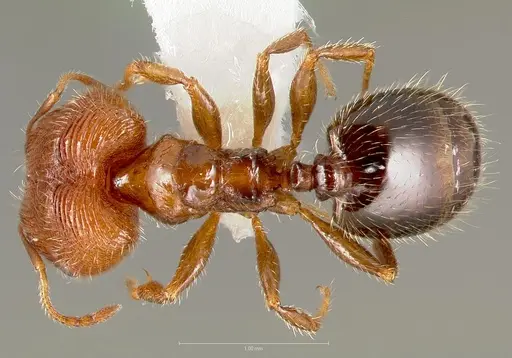
CASENT0005756
View on AntWeb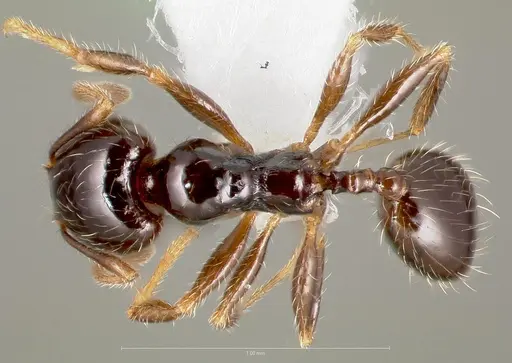
CASENT0619561
View on AntWeb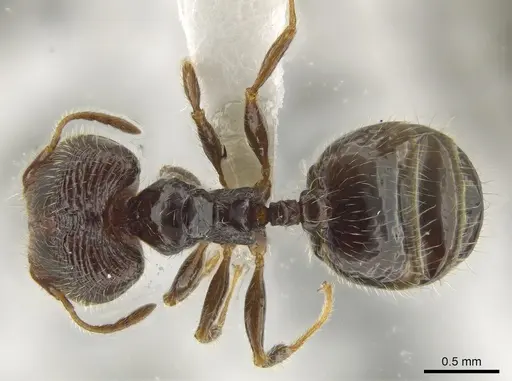
CASENT0844200
View on AntWeb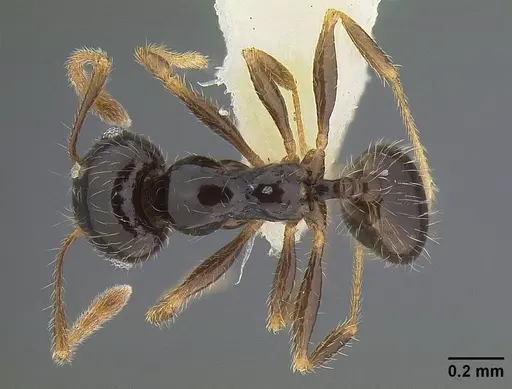
CASENT0862457
View on AntWeb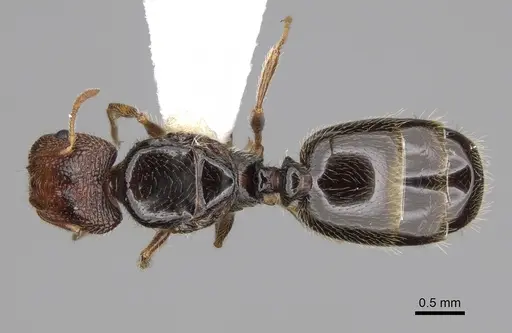
CASENT0901562
View on AntWeb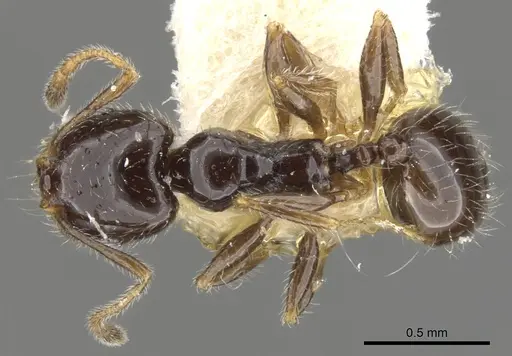
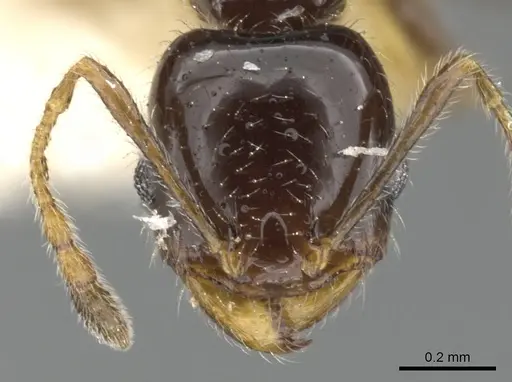
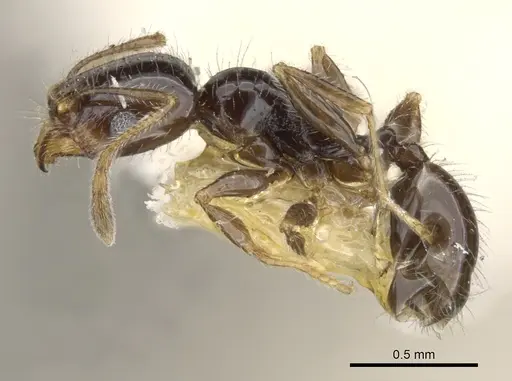
CASENT0901563
View on AntWeb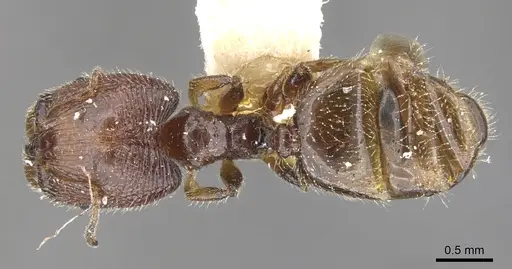
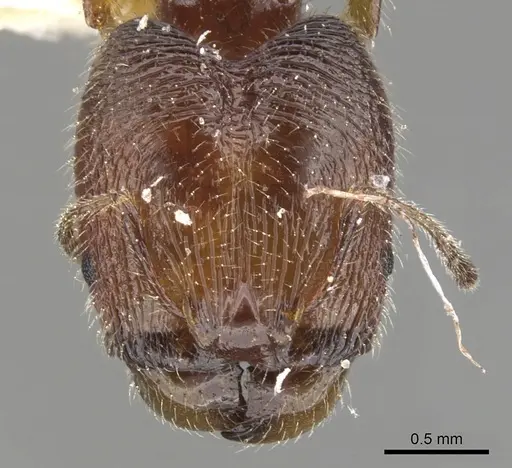
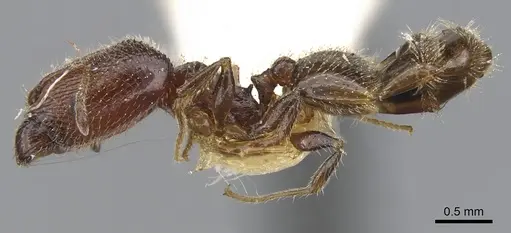
FMNHINS0000083042
View on AntWeb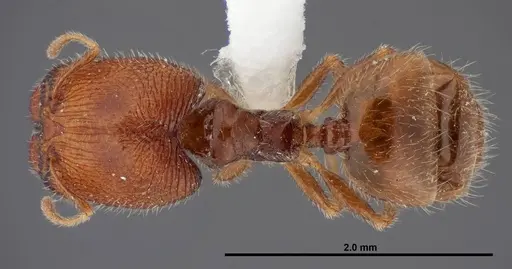
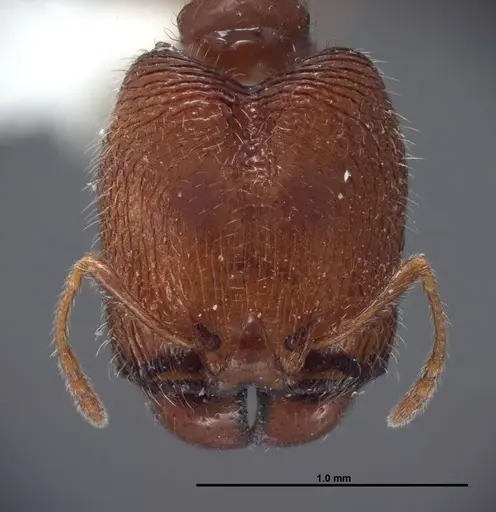
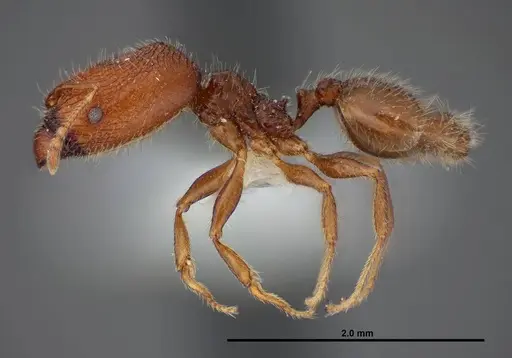
FMNHINS0000083043
View on AntWeb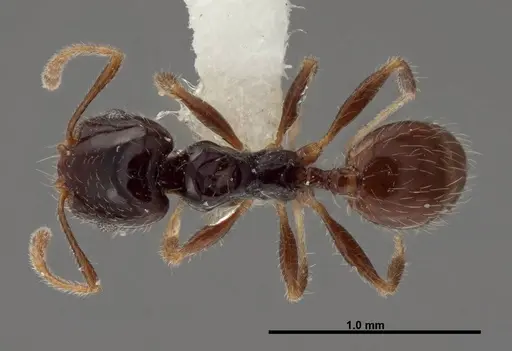
USNMENT01129601
View on AntWeb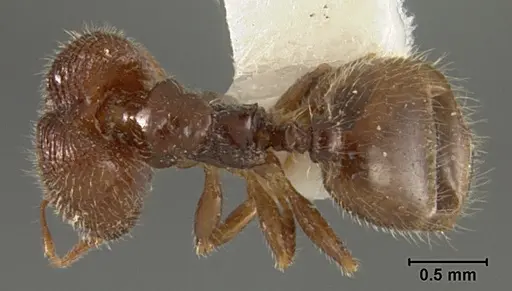
USNMENT01129602
View on AntWeb
Literature
Loading distribution map...Loading products...