
Pheidole citrina
- Sci. Name
- Pheidole citrina
- Tribe
- Attini
- Subfamily
- Myrmicinae
- Author
- Wilson, 2003
- Distribution
- Found in 5 countries
Introduction
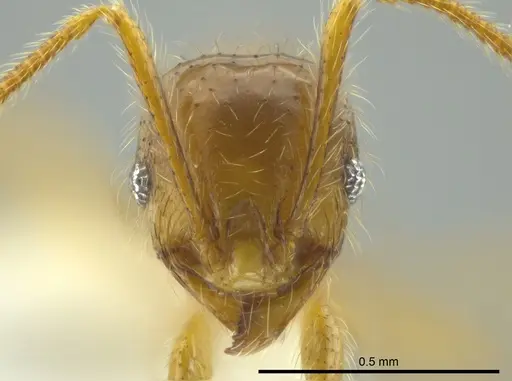
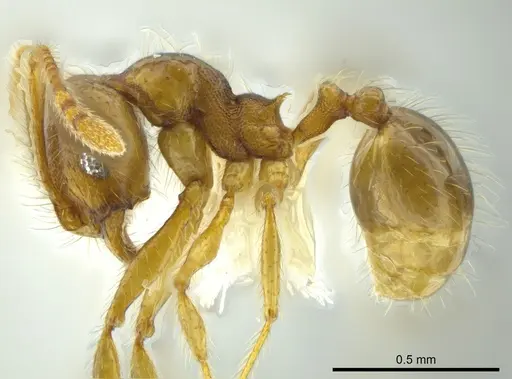
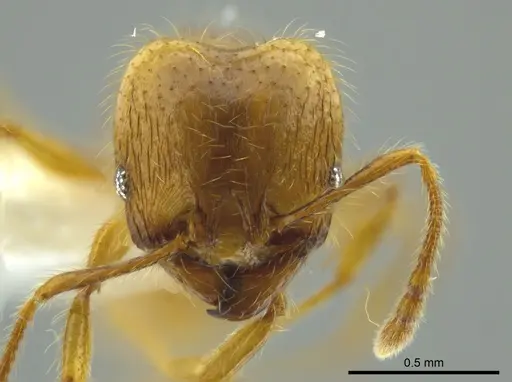
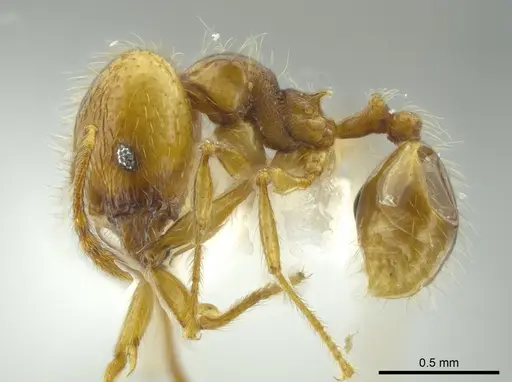
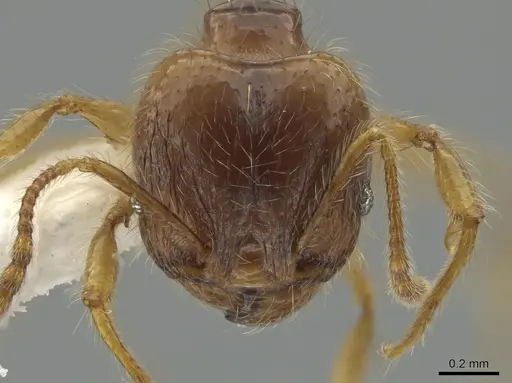
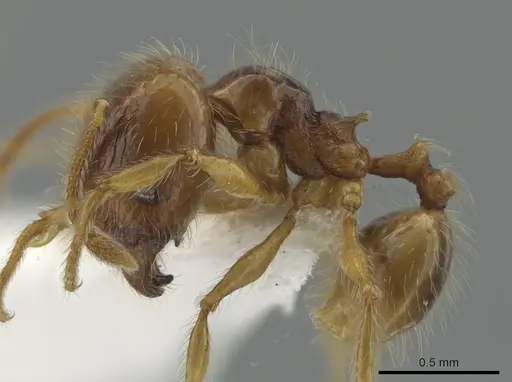
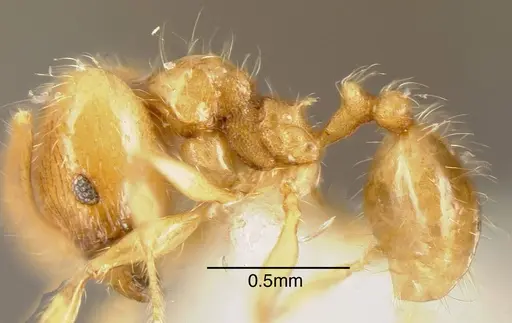
Pheidole citrina is a very small, bright yellow ant belonging to the flavens group . The species was described by Wilson in 2003 from Costa Rica . Major workers have a distinctive strongly curved propodeal spine . This dimorphic species has major and minor workers . Body size data is unavailable for this species. In the wild, they live in wet tropical forests in the leaf litter layer . The most distinctive feature is the strongly curved propodeal spine in major workers, which appears melted backward .
Quick Summary
- Difficulty: Medium
- Origin & Habitat: Atlantic lowlands of Costa Rica, also found in Guatemala, Honduras, Mexico, and Nicaragua [2]. In nature they live in wet tropical forests, specifically in leaf litter [1].
- Colony Type: Unconfirmed, no specific literature on queen number, but based on Pheidole patterns, likely monogyne.
- Size & Growth:
- Queen: Size data unavailable, no total length measurements in literature.
- Worker: Size data unavailable, no total length measurements in literature.
- Colony: Unknown, no colony size data in literature.
- Growth: Moderate, inferred from tropical species patterns.
- Development: Estimated 4-6 weeks at optimal temperatures, based on typical Pheidole development patterns [1]. (Development time is inferred from genus-level data, as species-specific measurements are not available.)
- Antkeeping:
- Temperature: Keep warm, roughly 24-28°C, as a tropical species [1].
- Humidity: Keep the nest substrate consistently moist but not waterlogged, reflecting their wet forest habitat [1].
- Diapause: No, tropical species do not require hibernation [1].
- Nesting: In nature they nest in leaf litter and soil [1]. In captivity, use small test tubes for founding and small formicaria for established colonies, with moist substrate.
- Behavior: Dimorphic with minor workers handling tasks and majors serving as soldiers [2]. They are not aggressive toward keepers but can sting if provoked. Their very small size means escape prevention is critical.
- Common Issues: escape prevention is critical due to their very small size, use fine mesh and tight-fitting lids., tropical humidity requirements can lead to mold if ventilation is poor., overfeeding can lead to mold in small nest setups.
Nest Preferences
In the wild, Pheidole citrina nests in leaf litter and upper soil layers of wet tropical forests [1]. They prefer confined, humid spaces. For captive colonies, a small test tube setup works well for founding queens. The test tube should have a tight water reservoir and be kept in a dark, quiet location during founding. Once the colony grows, transition to a small formicarium with chambers scaled to their tiny size. Keep the nest humid but ensure some dry areas exist so ants can regulate moisture.
Feeding and Diet
Pheidole citrina is omnivorous like most Pheidole species [1]. In captivity, offer small protein sources like fruit flies or pinhead crickets 2-3 times per week. Provide sugar sources like honey water at all times. Remove uneaten food after 24 hours to prevent mold. Prey items should be tiny due to their small size.
Temperature and Care
As a tropical species, Pheidole citrina requires warm conditions year-round [1]. Keep the nest area at roughly 24-28°C. A heating cable can create a temperature gradient. Avoid temperature drops below 22°C. Maintain humidity by keeping the nest substrate moist and providing a water tube.
Behavior and Colony Structure
Pheidole citrina is dimorphic, with minor workers handling daily tasks and major workers defending the colony [2]. Colonies are not aggressive but majors can sting if threatened. Their small size makes them quick movers, and workers use chemical trails for foraging.
Growth and Development
A newly mated queen may seal herself in a chamber to raise first workers, but founding behavior is unconfirmed. The first workers emerge after several weeks at optimal temperature. Growth is moderate, with major workers appearing as the colony size increases.
Frequently Asked Questions
How long does it take for Pheidole citrina to produce first workers?
Expect first workers to emerge in 4-6 weeks at optimal temperature, based on typical Pheidole development patterns [1].
Can I keep Pheidole citrina in a test tube?
Yes, test tubes work well for founding colonies. Use a small test tube with a tight water reservoir and keep it in a dark, humid location [1].
What do Pheidole citrina ants eat?
They are omnivorous. Offer small protein sources like fruit flies and sugar sources like honey water [1].
What temperature do Pheidole citrina ants need?
Keep them warm, roughly 24-28°C, as a tropical species [1].
How big do Pheidole citrina colonies get?
Colony size data is unavailable in literature.
Do Pheidole citrina ants need hibernation?
No, they do not require hibernation as a tropical species [1].
Why are my Pheidole citrina ants escaping?
Their very small size means they can squeeze through tiny gaps. Use fine mesh and tight lids for escape prevention.
When should I move my Pheidole citrina colony to a formicarium?
Move them when the test tube becomes crowded, typically around 30-50 workers, but colony size is unconfirmed.
Are Pheidole citrina ants good for beginners?
They are moderate difficulty due to humidity requirements and escape risks.
Report an Issue
The current care sheet is based fully on literature. See inconsistencies, or something that's incorrect? Please , it will be resolved after review from an admin. Contributing to the blogs tab also helps providing information, to make us be able to further improve the caresheets. Thank you for your support!
References

This caresheet is licensed under CC BY-SA 4.0 .
Community Blogs
CASENT0623856
View on AntWeb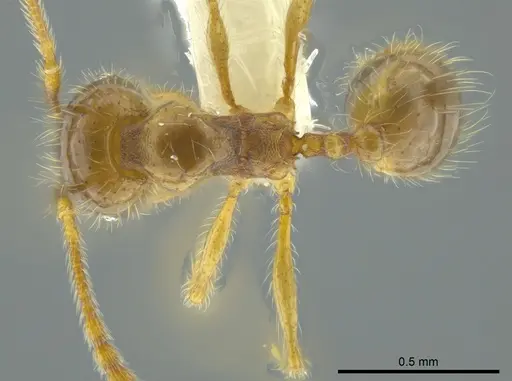
CASENT0624045
View on AntWeb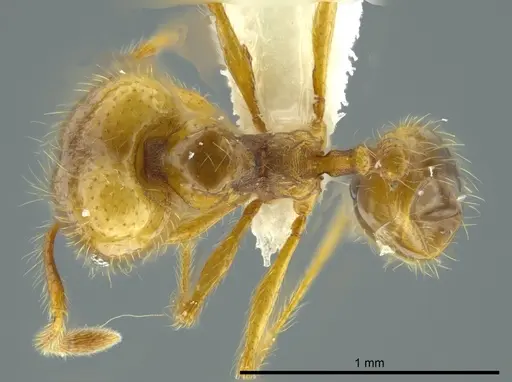
CASENT0635455
View on AntWeb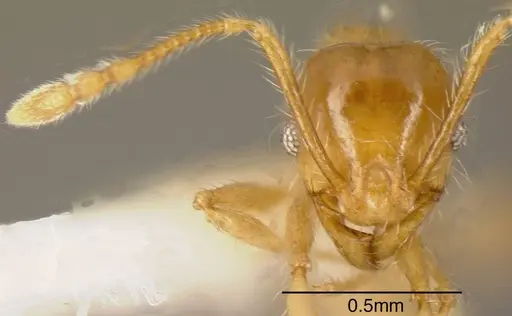
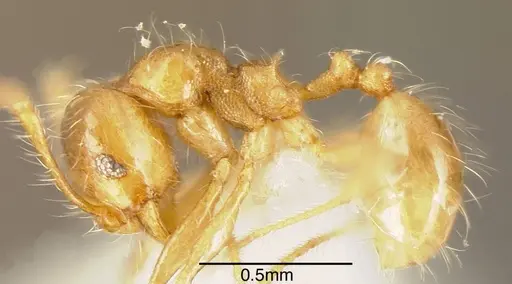
CASENT0635903
View on AntWeb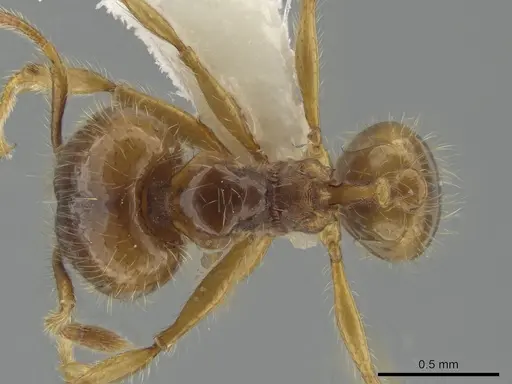
INBIOCRI002281499
View on AntWeb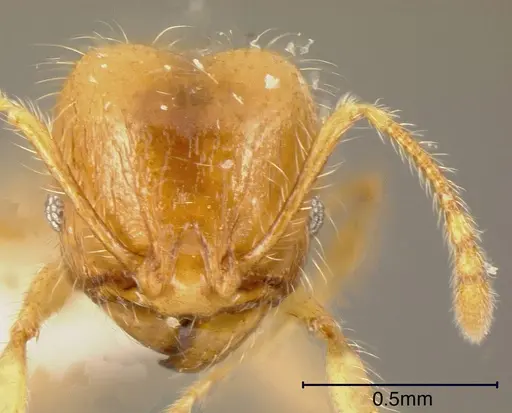
Literature
Loading distribution map...Loading products...