
Pheidole cicatricosa
- Sci. Name
- Pheidole cicatricosa
- Tribe
- Attini
- Subfamily
- Myrmicinae
- Author
- Stitz, 1917
- Distribution
- Found in 2 countries
Introduction
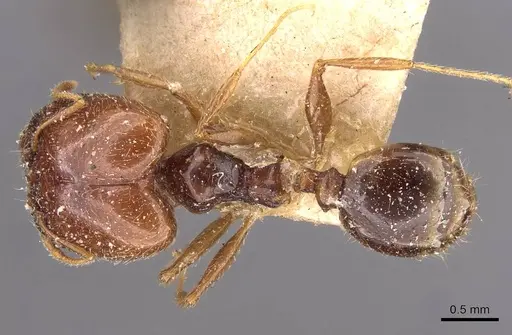
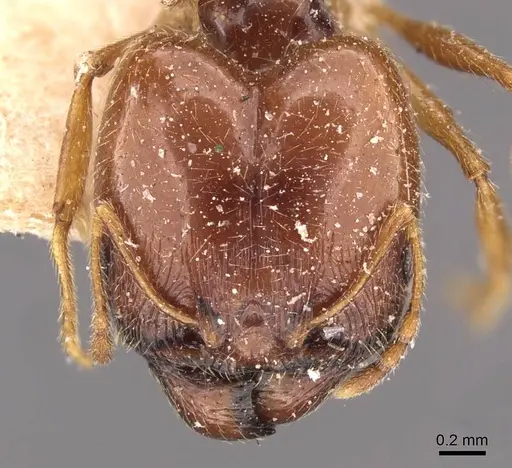
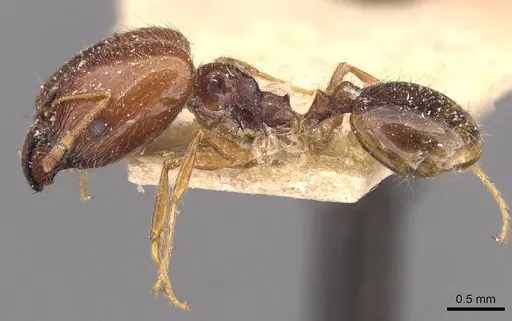
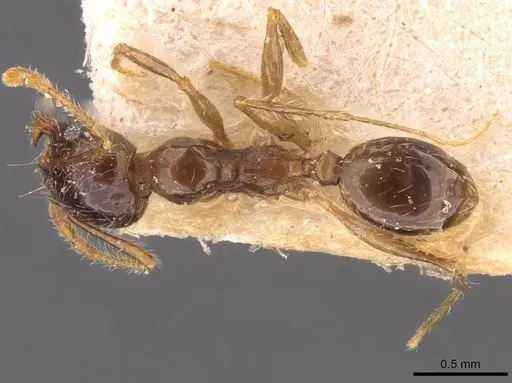
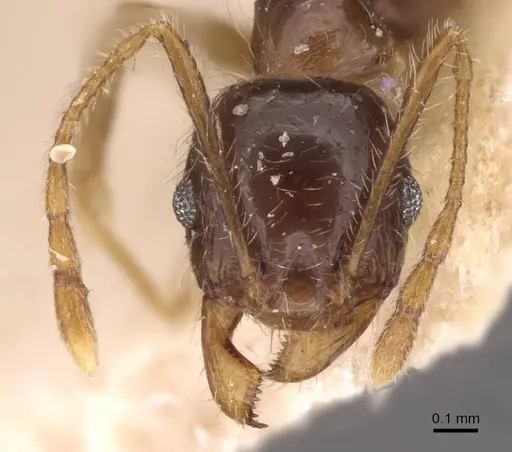
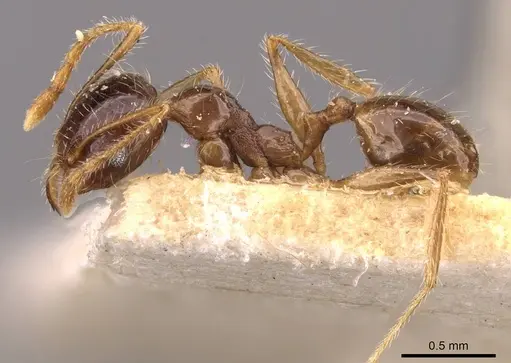
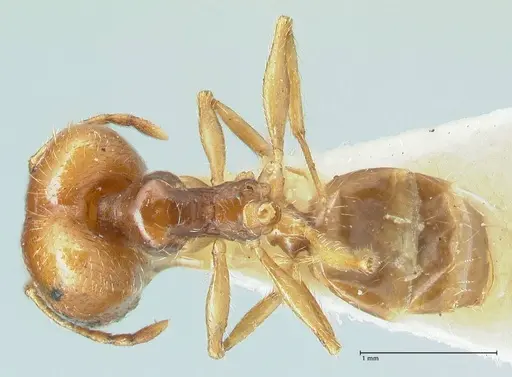
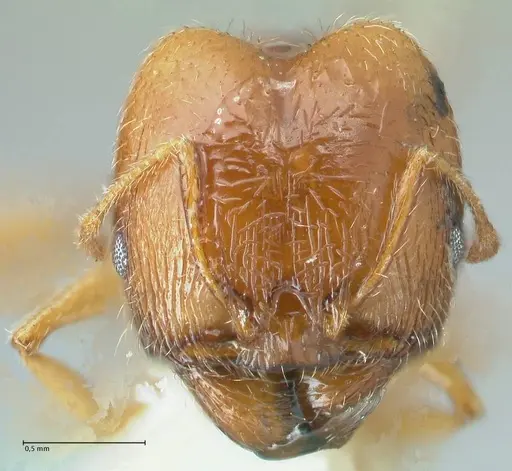
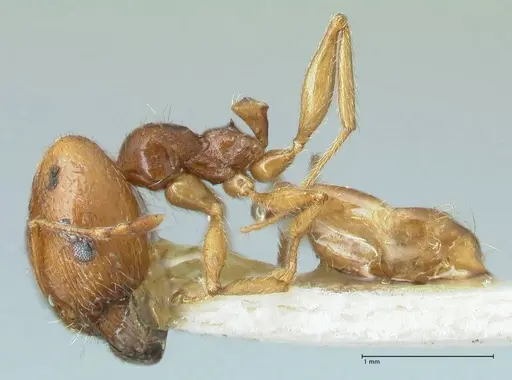
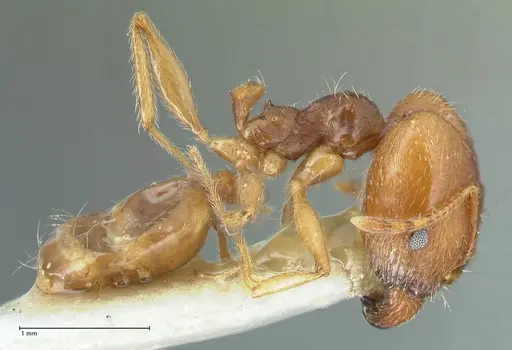
Pheidole cicatricosa is a species of big-headed ant in the genus Pheidole. Like other Pheidole species, it likely has minor and major worker castes, with majors having enlarged heads. This species was previously considered a variety of Pheidole pallidula but was elevated to species status in 2016 . It is found in North Africa and the Middle East, including Algeria, Libya, Tunisia, Egypt, Iran, Israel, and Mali . Habitats include montane parkland in Iran , sandy coastal areas in Tunisia , and desert regions in Israel . This species shows adaptability to arid and semi-arid conditions. One interesting aspect is its taxonomic history, as it was recently separated from Pheidole pallidula based on morphological differences .
Quick Summary
- Difficulty: Easy
- Origin & Habitat: Native to North Africa and the Middle East, found in montane parkland, sandy coastal areas, and desert regions [1][2][5][3].
- Colony Type: Unconfirmed, no specific data on queen number for this species.
- Size & Growth:
- Queen: Size data unavailable, no total length measurements found in literature.
- Worker: Size data unavailable, no total length measurements found in literature.
- Colony: Up to a few thousand workers, estimated based on typical Pheidole colonies.
- Growth: Moderate, inferred from genus patterns.
- Development: Approximately 6-8 weeks at optimal temperature, inferred from genus patterns. (Development time may vary with temperature.)
- Antkeeping:
- Temperature: Keep at warm temperatures, roughly 22-28°C, based on the species' occurrence in warm regions.
- Humidity: Provide moderate humidity, keep nest substrate consistently moist but not waterlogged.
- Diapause: May benefit from a cool period in winter (15-18°C for 2-3 months), but not strictly required in heated environments.
- Nesting: Accepts various nest types such as test tubes, Y-tong nests, or plaster nests. Provide a connected outworld for foraging.
- Behavior: Pheidole cicatricosa is generally docile but will defend the nest if threatened. Major workers handle defense and food processing. Escape risk is moderate, use standard barrier methods.
- Common Issues: colonies may decline if kept too cold, maintain warm temperatures., major workers may intimidate beginners but these ants are not dangerously aggressive., seed-eating means colonies need protein and seeds, not just sugar water., wild-caught colonies may carry parasites, quarantine and observe new colonies., slow initial growth during founding phase can concern impatient keepers.
Housing and Nest Setup
Pheidole cicatricosa adapts well to various captive setups. Test tube setups work excellently for founding colonies, use a standard test tube with a water reservoir sealed with cotton, providing a dark chamber for the queen. For established colonies, Y-tong (AAC) nests, plaster nests, or 3D-printed nests all work well. The species accepts both dry and moderately humid nest conditions, making it forgiving for beginners. Provide a connected outworld for foraging. Use a substrate in the outworld if you want to observe natural foraging behaviors. Escape prevention is straightforward, these ants are not exceptional climbers on smooth surfaces, so standard barrier methods work.
Feeding and Diet
Like other Pheidole species, P. cicatricosa is a generalist omnivore. Offer protein sources such as small insects (fruit flies, small crickets, mealworms), and also provide seeds which major workers can process with their powerful jaws. Sugar sources like honey water or sugar water are readily accepted. Feed protein 2-3 times per week and keep sugar water available at all times. Major workers will assist in breaking down larger prey items. Remove uneaten prey after 24-48 hours to prevent mold.
Temperature and Seasonal Care
Maintain temperatures between 22-28°C for optimal colony activity and growth. The species naturally occurs in warm regions including desert areas, so it handles moderate heat well. Room temperature in most homes (20-24°C) is suitable. In cooler climates, a small heating cable on one side of the nest can provide a gradient. During winter in temperate regions, the colony may naturally slow down. A cool period around 15-18°C for 2-3 months during winter may support natural colony cycles, but this is not strictly required if maintained at room temperature year-round.
Colony Development and Growth
Pheidole colonies grow through distinct phases. After the founding period, the first workers (nanitics) emerge and begin foraging. Major workers typically appear after the colony reaches a certain size. The development from egg to worker takes approximately 6-8 weeks at optimal temperature, though this is estimated from genus-level data. Colonies can reach several hundred workers within the first year under good conditions. The presence of major workers with their distinctive large heads is a key aspect of keeping Pheidole.
Behavior and Temperament
Pheidole cicatricosa displays typical Pheidole behavior: active foraging, colony defense by majors, and generalist feeding. Workers search the outworld for food and will recruit nestmates to large food finds. Major workers defend the nest and assist with processing large food items including seeds. The species is not particularly aggressive toward keepers but will bite if threatened. Observation is rewarding, watch how majors and minors cooperate.
Frequently Asked Questions
How long does it take for Pheidole cicatricosa to raise first workers?
Expect first workers (nanitics) to emerge approximately 6-8 weeks after the queen lays her first eggs, assuming temperatures around 24-27°C. This timing is estimated from typical Pheidole development as specific data for this species is not available.
Can I keep multiple Pheidole cicatricosa queens together?
Not recommended. Like most Pheidole species, this ant likely forms single-queen colonies. Combining unrelated queens typically results in fighting. Only keep one queen per colony.
What do I feed Pheidole cicatricosa?
Offer a varied diet: protein (small insects like fruit flies, pinhead crickets, mealworms) 2-3 times per week, seeds regularly, and sugar water or honey constantly. Major workers will crack seeds with their large mandibles.
Are Pheidole cicatricosa good for beginners?
Yes, this species is beginner-friendly. It tolerates a range of temperatures and humidity levels, accepts various foods readily, and does not require special equipment. The main challenges are typical of any ant: maintaining proper feeding and avoiding disturbance during founding.
How big do Pheidole cicatricosa colonies get?
Colonies can reach up to a few thousand workers at maturity, based on typical Pheidole colony development.
Do Pheidole cicatricosa need hibernation?
True hibernation is not strictly required in heated indoor environments. However, a slight cool period (15-18°C) for 2-3 months during winter may support natural colony cycles, especially if your room temperature drops seasonally.
When should I move my colony to a formicarium?
Move to a larger nest when the test tube becomes crowded or the colony shows signs of outgrowing its space, typically when you see 50+ workers and the water tube is depleted. Pheidole ants do well in formicaria once established.
Why are my major workers dying?
Major workers have shorter lifespans than minors in many Pheidole species. Some turnover is normal. However, if you see many majors dying rapidly, check for stress from temperature extremes, poor nutrition, or disturbance. Ensure the colony is not overcrowded.
Report an Issue
The current care sheet is based fully on literature. See inconsistencies, or something that's incorrect? Please , it will be resolved after review from an admin. Contributing to the blogs tab also helps providing information, to make us be able to further improve the caresheets. Thank you for your support!
References

This caresheet is licensed under CC BY-SA 4.0 .
Community Blogs
Literature
Loading distribution map...Loading products...