
Pheidole chalca
- Sci. Name
- Pheidole chalca
- Tribe
- Attini
- Subfamily
- Myrmicinae
- Author
- Wheeler, 1914
- Distribution
- Found in 1 countries
Introduction
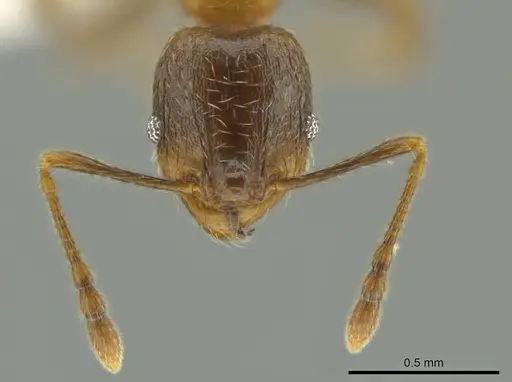
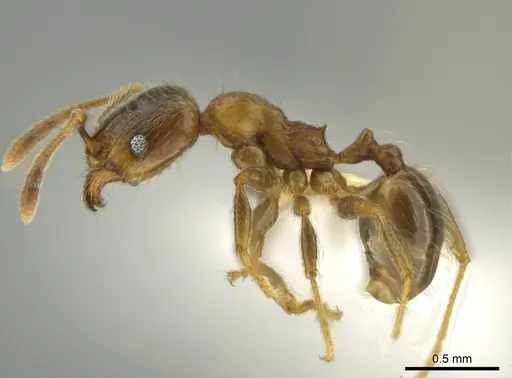
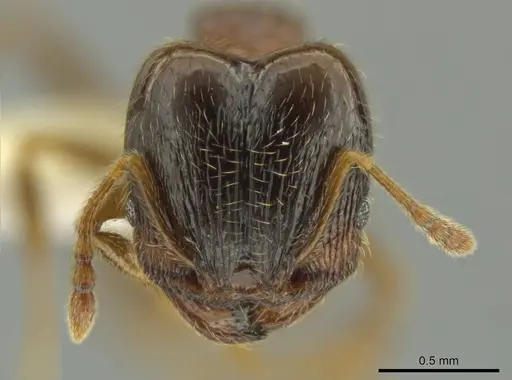
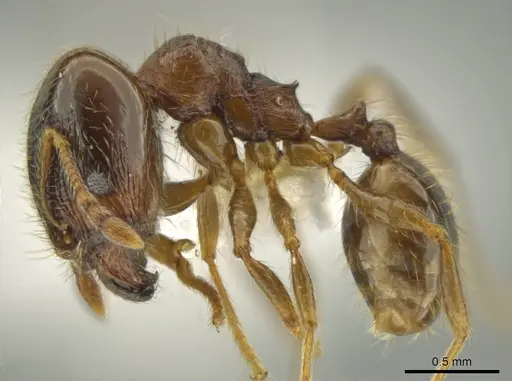
Pheidole chalca is a small to medium-sized ant with a polymorphic caste system, featuring major (soldier) and minor workers. Major workers have a square head with a smooth, shiny posterior third, and are bicolorous with the anterior third of the head and occiput yellow, while the remainder is brown; the body is yellowish to light brown with light yellow appendages. Minor workers are brownish yellow throughout. This species is endemic to central Mexico, found in Hidalgo, Veracruz, Puebla, and Tlaxcala at elevations from 1700 to 2900 meters, nesting under stones or in underground chambers in clay soil .
Quick Summary
- Difficulty: Easy
- Origin & Habitat: Central Mexico (Hidalgo, Veracruz, Puebla, Tlaxcala) in oak-pine woodland and pine forest at 1700-2900 m elevation. Nests under stones or in chambers about 15 cm below the surface in dense clay soil [1][2].
- Colony Type: Unconfirmed, based on Pheidole patterns, likely monogyne (single queen colony), but no specific literature confirms this for P. chalca.
- Size & Growth:
- Queen: Size data unavailable, inferred from Pheidole genus (~7-9 mm)
- Worker: Size data unavailable, minor workers are small, but body length not specified in literature
- Colony: Up to several hundred workers, estimated from typical Pheidole species
- Growth: Moderate
- Development: Estimated 6-10 weeks at optimal temperature based on genus patterns (Development time is inferred from related Pheidole species. Montane origin may slow development.)
- Antkeeping:
- Temperature: Keep cool, around 18-22°C, based on montane habitat at high elevations [2]. Avoid temperatures above 25°C.
- Humidity: Provide a humidity gradient, nest substrate should be moist but not waterlogged, based on nesting in clay soil [1].
- Diapause: Yes, likely requires winter diapause due to montane origin, for 2-3 months at 10-15°C [2].
- Nesting: Use soil substrate or Y-tong nest with narrow chambers. Provide under-stone sites or flat surfaces in the outworld to simulate natural nesting [1].
- Behavior: Workers are active foragers that search along trails. They are not particularly aggressive but will defend their nest. Major workers help process larger prey. Use fine mesh barriers due to small size of minor workers.
- Common Issues: overheating can kill colonies, this species is adapted to cool montane conditions, minor workers may escape through standard mesh, use fine mesh or fluon barriers, colonies may establish slowly due to montane origin, patience required, skipping winter diapause may weaken colonies over time, wild colonies are rare in the hobby, may be difficult to acquire
Nest Preferences
In the wild, Pheidole chalca nests under stones or digs chambers about 15 cm below the surface in dense clay soil. They inhabit oak-pine woodland at lower elevations and pine forest at higher elevations. For captive colonies, use a naturalistic setup with soil substrate or a Y-tong nest with narrow chambers. Provide a moisture reservoir or regular misting to maintain moderate humidity. Include flat stones in the outworld to simulate natural under-stone sites [1][2].
Feeding and Diet
Pheidole chalca are generalist omnivores. Workers forage along trails and collect small insects, honeydew, and nectar. In captivity, offer protein sources like small crickets or fruit flies twice weekly, and sugar water or honey water constantly. Fresh water should always be available [1].
Temperature and Seasonal Care
This montane species requires cool conditions. Keep nest area at 18-22°C and avoid temperatures above 25°C. During winter, provide diapause at 10-15°C for 2-3 months. Do not feed during deep hibernation but ensure moisture is available. Gradually return to normal temperatures in spring [2].
Behavior and Colony Structure
Pheidole chalca has a polymorphic caste with major and minor workers. Major workers have large heads and serve as soldiers, minors handle foraging and nursing. Colonies are founded by a single queen, but founding behavior is unconfirmed. Workers forage in visible trails and are not overly aggressive but defend the nest [1].
Frequently Asked Questions
How long does it take for Pheidole chalca to raise first workers?
Expect first workers in 6-10 weeks after queen lays eggs, assuming optimal temperature around 20°C. This is an estimate based on related Pheidole species [2].
What temperature do Pheidole chalca ants need?
Keep them cool at 18-22°C, as they are adapted to high elevations. Avoid temperatures above 25°C [2].
Do Pheidole chalca ants need hibernation?
Yes, they likely require a winter diapause of 2-3 months at 10-15°C due to their montane origin [2].
How big do Pheidole chalca colonies get?
Specific colony size data is not available, but typical small Pheidole species reach up to several hundred workers. Growth is moderate.
What do Pheidole chalca ants eat?
They are generalist omnivores. Offer small insects for protein and sugar water or honey water constantly [1].
Can I keep multiple Pheidole chalca queens together?
Pheidole chalca is likely monogyne, so combining unrelated queens is not recommended as they may fight.
Are Pheidole chalca ants good for beginners?
Yes, they are considered easy to keep. They are not aggressive, tolerate moderate humidity, and have straightforward feeding requirements. The main challenge is providing cooler temperatures and winter diapause.
What size nest does Pheidole chalca need?
Start with a test tube setup for founding queens. Once the colony has 20-30 workers, move to a small Y-tong or naturalistic nest with soil depth [1].
Why are my Pheidole chalca workers dying?
Overheating is the most common cause, as this is a cool-adapted species. Check temperatures are below 25°C. Other issues include low humidity or lack of protein [2].
Report an Issue
The current care sheet is based fully on literature. See inconsistencies, or something that's incorrect? Please , it will be resolved after review from an admin. Contributing to the blogs tab also helps providing information, to make us be able to further improve the caresheets. Thank you for your support!
References

This caresheet is licensed under CC BY-SA 4.0 .
Community Blogs
CASENT0631888
View on AntWeb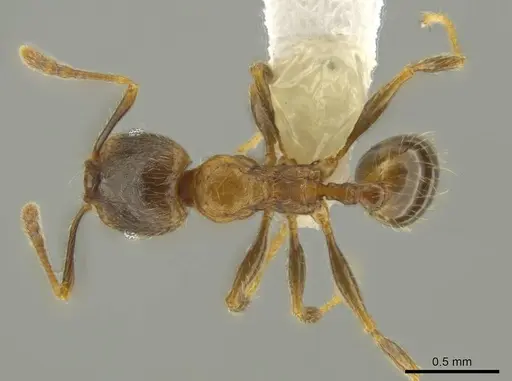
CASENT0631889
View on AntWeb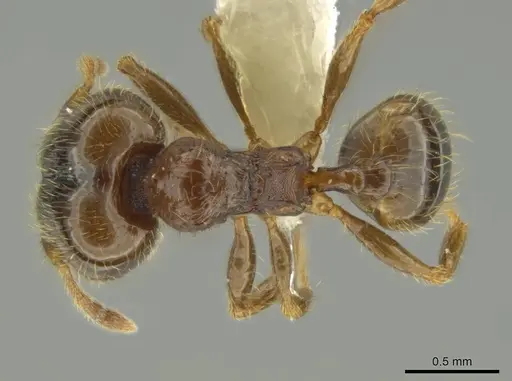
Literature
Loading distribution map...Loading products...