
Pheidole cavifrons
- Sci. Name
- Pheidole cavifrons
- Tribe
- Attini
- Subfamily
- Myrmicinae
- Author
- Emery, 1906
- Distribution
- Found in 2 countries
Introduction
Pheidole cavifrons is a small ant species native to the southern grasslands of South America, found in Argentina, Uruguay, and southern Brazil. The species belongs to the aberrans group and was originally described from Uruguay. In the wild, they show a strong preference for ground-level nesting, with research showing a strict association to the ground stratum (Indicator Value of 91.3) , and they have been found nesting in termite mounds in Rio Grande do Sul, Brazil .
Quick Summary
- Difficulty: Medium
- Origin & Habitat: Native to the Neotropical region, specifically the southern grasslands of Argentina, Uruguay, and southern Brazil (Rio Grande do Sul, Paraná, Santa Catarina). They inhabit subtropical grasslands and have been recorded in both native pastures and modified agricultural areas like vineyards [3][1][4].
- Colony Type: Colony structure is unconfirmed for this species. Pheidole species typically form single-queen colonies (monogyne), but no specific data exists for P. cavifrons.
- Size & Growth:
- Queen: Size data unavailable for full body length [2].
- Worker: Size data unavailable for full body length [2].
- Colony: Unknown for this specific species. Based on related Pheidole species, colonies may reach several hundred workers.
- Growth: Unknown, no development data exists for this species. Based on typical Pheidole patterns, expect moderate growth.
- Development: Estimated 6-10 weeks at warm temperatures, based on typical Pheidole genus development. (Pheidole species typically produce nanitic workers that are smaller than normal. Warm temperatures (24-28°C) may accelerate development.)
- Antkeeping:
- Temperature: Keep at 24-28°C, inferred from subtropical habitat.
- Humidity: Keep nest substrate consistently moist but not waterlogged, based on ground-nesting behavior at 10-20cm depth [3].
- Diapause: Likely required for winter rest, inferred from southern latitude.
- Nesting: Ground-nesting species, use soil or plaster nests with depth, as they occur at 10-20cm in soil [3].
- Behavior: These ants are not aggressive toward keepers and are generally calm. As with most Pheidole, majors may block nest entrances when threatened. Escape risk is high due to small size, ensure fine mesh barriers. They are ground-dwelling and explore outworlds regularly [1].
- Common Issues: small size means escapes are likely without fine mesh barriers and tight-fitting lids, no specific development data means growth can be unpredictable, patience is required, humidity control is important, too dry and brood will desiccate, too wet and mold becomes a problem, winter diapause requirements are inferred but not confirmed, observe colony behavior in winter, as a ground-nesting species, they need deeper nest chambers than surface-nesting ants
Housing and Nest Setup
Pheidole cavifrons does well in naturalistic setups that mimic ground-nesting habits. Use a Y-tong (AAC) nest or plaster formicarium with moist soil. Provide depth of at least 10-20cm, as research shows they occur at this depth in soil [3]. Keep the nest substrate consistently moist. Attach an outworld with a proper connection tube. Because they are tiny, ensure all connections are escape-proof [1].
Feeding and Diet
These ants are omnivorous. Offer protein sources like small insects (fruit flies, crickets) 2-3 times per week, and provide sugar water or honey constantly. Remove uneaten prey after 24-48 hours to prevent mold. Pheidole majors rely on minors to process food.
Temperature and Seasonal Care
Maintain temperatures between 24-28°C for optimal activity. A heating cable can create a gradient. During winter, expect reduced activity, a diapause period at 15-18°C for 2-3 months is likely beneficial. Reduce feeding during this period.
Understanding Major and Minor Workers
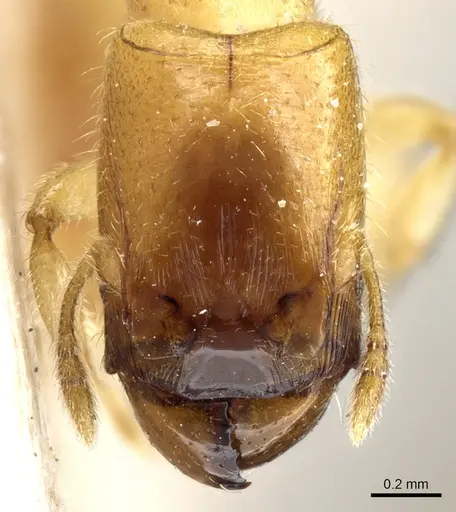
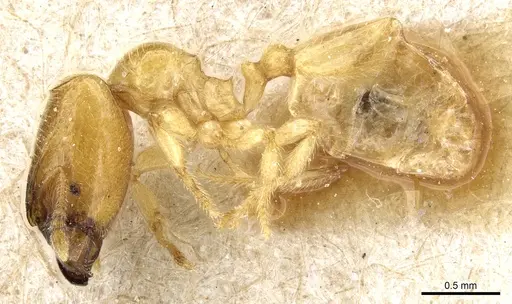
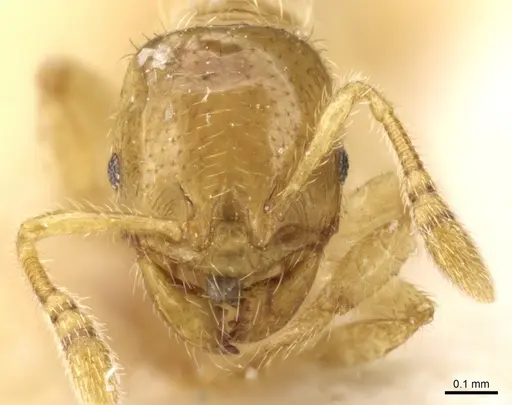
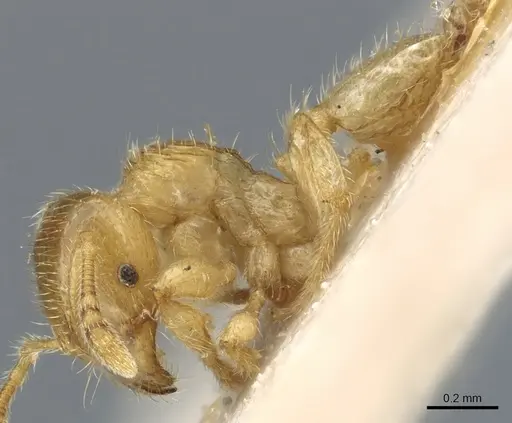
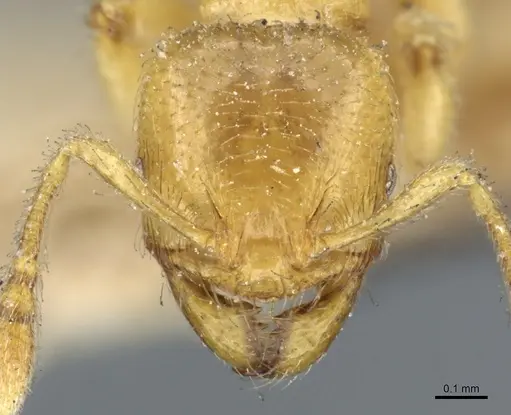
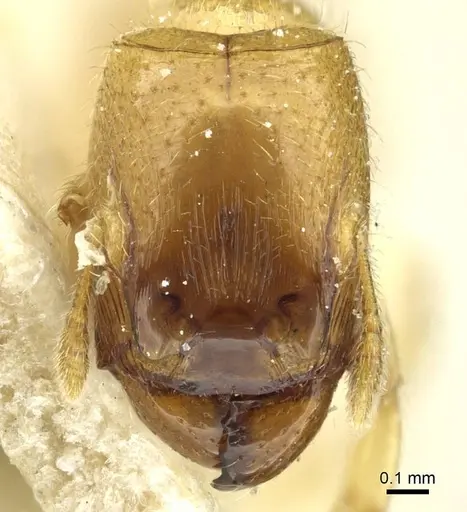
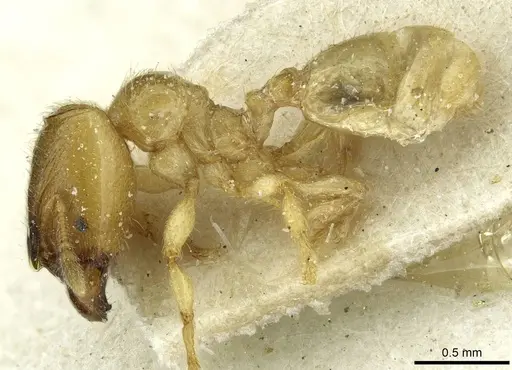
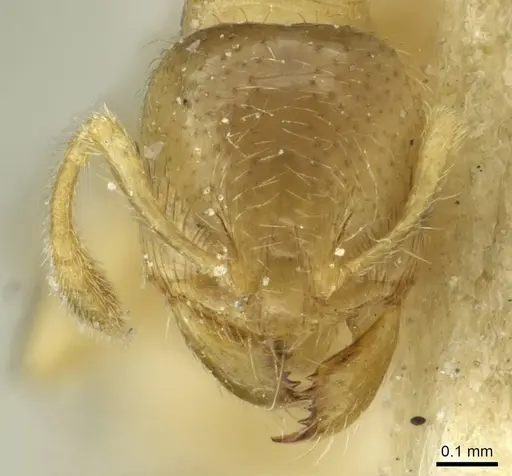
Pheidole cavifrons has two worker castes: minor workers (foragers) and major workers (soldiers). Minors are smaller and pale yellow, majors have elongated heads and defend the nest. Majors appear as the colony grows. [2]
Colony Development and Patience
Growing a colony requires patience. Expect slow initial growth, first workers may appear in 6-10 weeks at warm temperatures. Do not disturb the founding queen excessively.
Frequently Asked Questions
How long does it take for Pheidole cavifrons to produce first workers?
No specific data exists, but based on typical Pheidole patterns, expect 6-10 weeks from egg to first worker at optimal temperatures (24-28°C).
Can I keep multiple Pheidole cavifrons queens together?
Not recommended unless documented. Most Pheidole are single-queen species, and combining queens may cause fighting.
What do Pheidole cavifrons eat?
They are omnivorous. Offer small insects for protein and sugar water or honey for energy.
What temperature is best for Pheidole cavifrons?
Keep them at 24-28°C, inferred from their subtropical habitat.
Do Pheidole cavifrons need hibernation?
Likely yes, based on their southern range. A winter rest period of 2-3 months at 15-18°C is probably beneficial.
Why aren't my Pheidole cavifrons producing majors?
This is normal. Major workers typically appear once the colony reaches several dozen workers. Be patient.
Are Pheidole cavifrons good for beginners?
They are moderate difficulty due to small size and lack of specific care data. Experience with small ants helps.
How big do Pheidole cavifrons colonies get?
Specific data is not available, but related species may reach several hundred workers.
What nest type is best for Pheidole cavifrons?
A naturalistic setup with soil or plaster nests works best, as they are ground-nesting species [3].
Report an Issue
The current care sheet is based fully on literature. See inconsistencies, or something that's incorrect? Please , it will be resolved after review from an admin. Contributing to the blogs tab also helps providing information, to make us be able to further improve the caresheets. Thank you for your support!
References

This caresheet is licensed under CC BY-SA 4.0 .
Community Blogs
CASENT0904311
View on AntWeb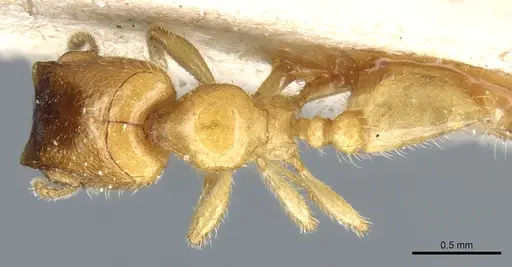
CASENT0904312
View on AntWeb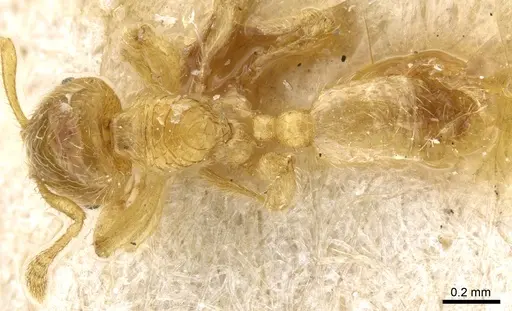
CASENT0904315
View on AntWeb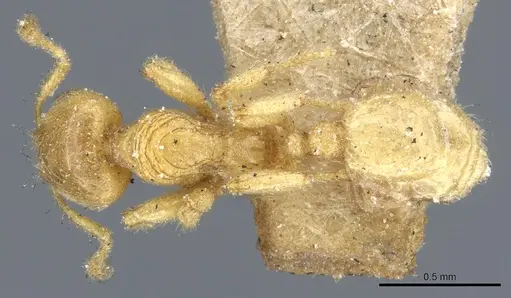
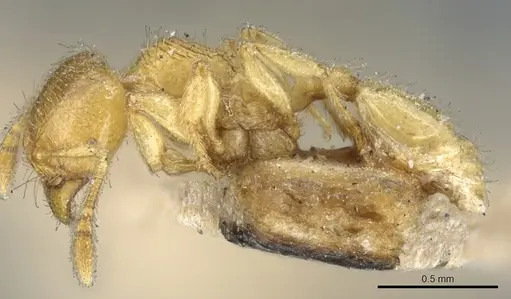
CASENT0908303
View on AntWeb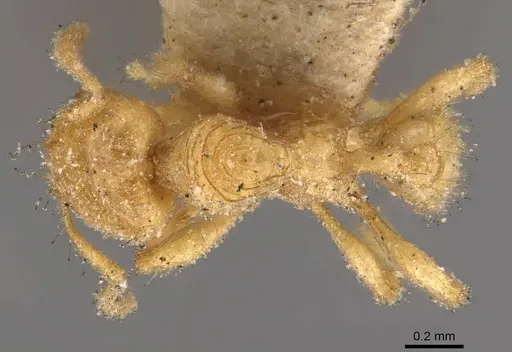
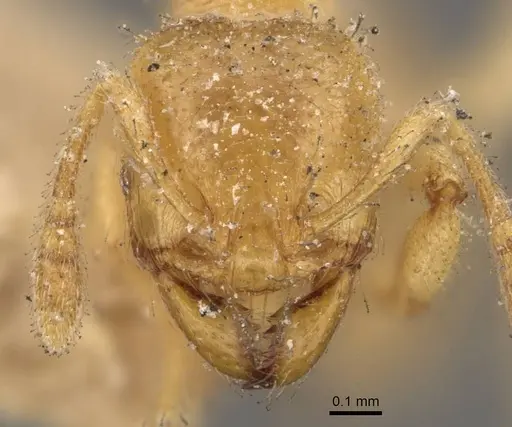
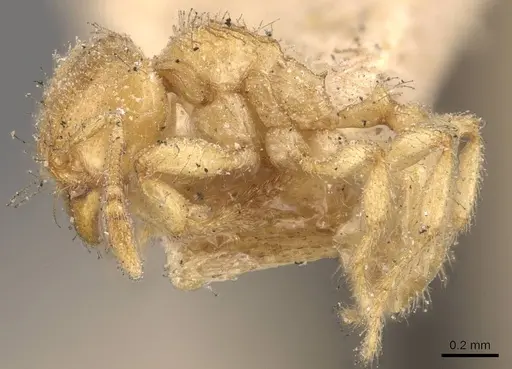
CASENT0913288
View on AntWeb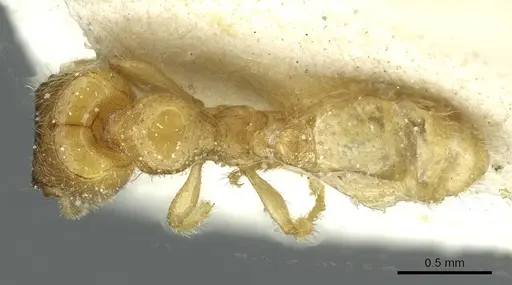
CASENT0913289
View on AntWeb
Literature
Loading distribution map...Loading products...