
Pheidole carinote
- Sci. Name
- Pheidole carinote
- Tribe
- Attini
- Subfamily
- Myrmicinae
- Author
- Longino, 2009
- Distribution
- Found in 1 countries
Introduction
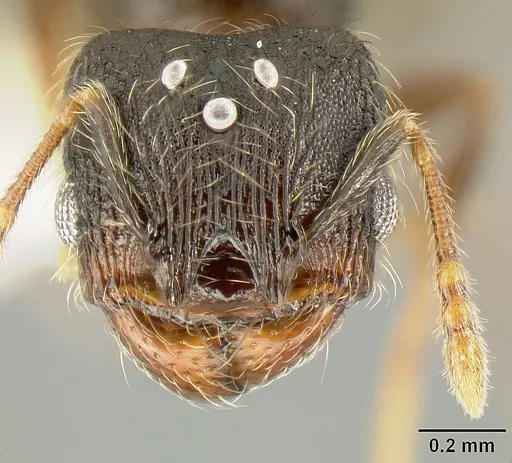
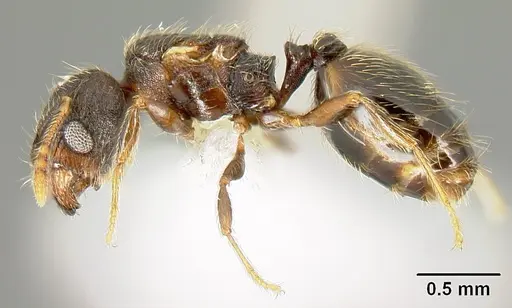
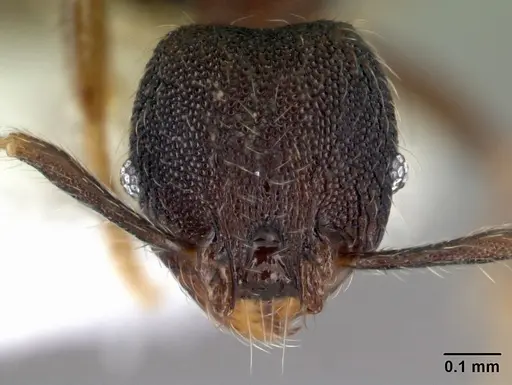
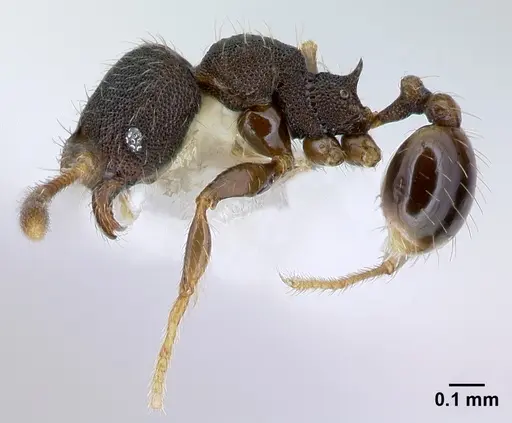
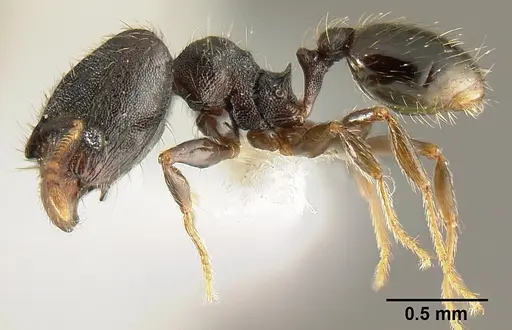
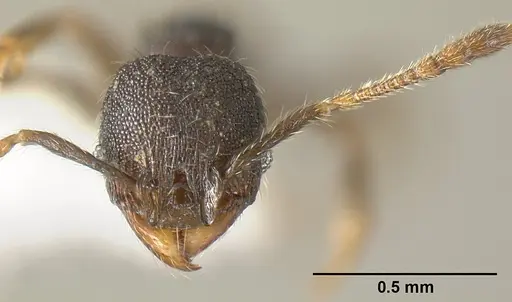
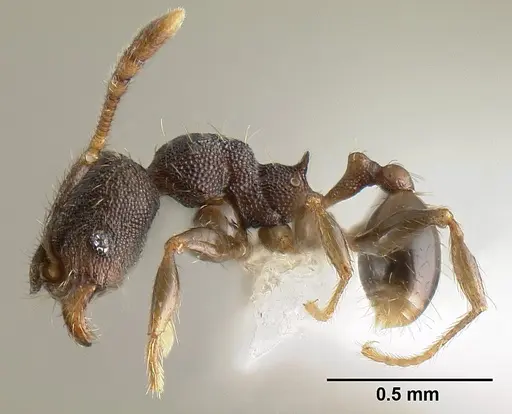
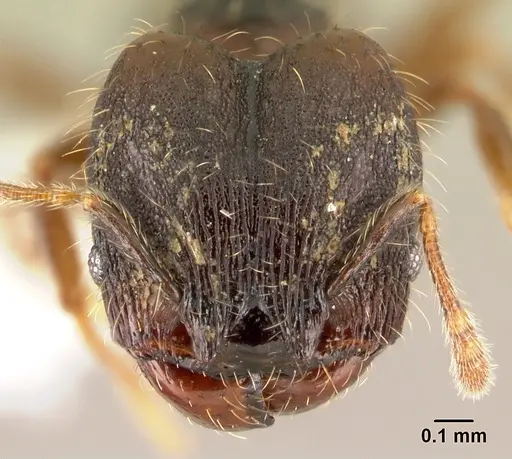
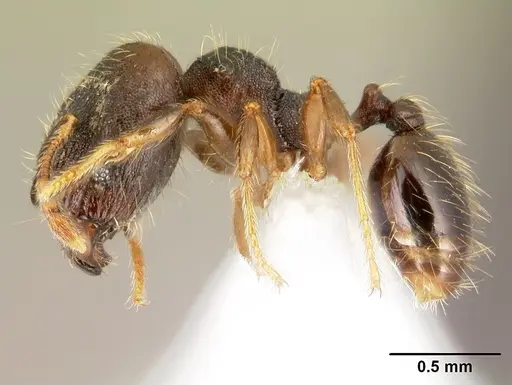
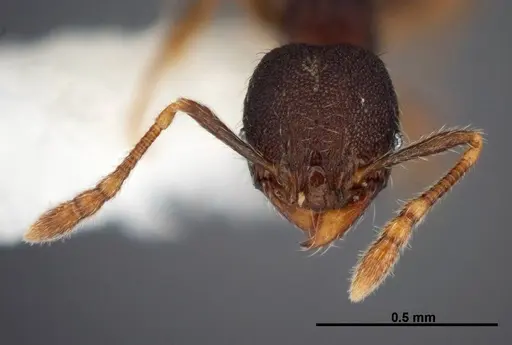
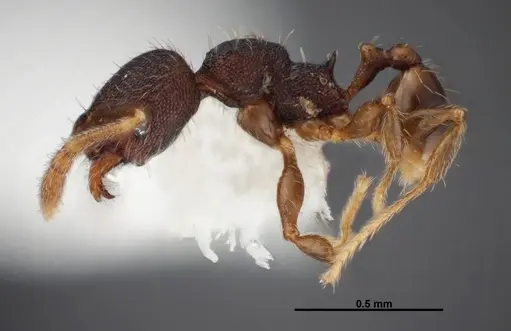
Pheidole carinote is a tiny rainforest ant native to the Osa Peninsula in Costa Rica. It lives in leaf litter on the rainforest floor and is known from Winkler samples of sifted leaf litter . Body size data is unavailable, as no total length measurements are provided in the research . The species is named for the distinctive enlarged frontal carinae on minor workers, which project over the face . Major workers have similar but less pronounced ridges. Both castes are reddish-brown in color.
Quick Summary
- Difficulty: Expert
- Origin & Habitat: Lowland rainforest of the Osa Peninsula in Costa Rica, Central America, living in sifted leaf litter [1][2].
- Colony Type: Unconfirmed, no specific data on queen number or social structure for this species.
- Size & Growth:
- Queen: Size data unavailable, no total length measurements provided
- Worker: Size data unavailable, no total length measurements provided
- Colony: Unknown, no colony size data available
- Growth: Unknown
- Development: Unknown, no development timeline data available (Development time is not documented for this species.)
- Antkeeping:
- Temperature: Keep warm, roughly 24-28°C, based on tropical lowland rainforest habitat [1].
- Humidity: Keep substrate consistently moist but not waterlogged, based on rainforest floor habitat [1].
- Diapause: No diapause required, as a tropical species from Costa Rica [1].
- Nesting: Use naturalistic setup with moist leaf litter or small nests with tight chambers, based on habitat preferences [1].
- Behavior: Minor workers forage and care for brood, major workers defend the colony. They are not aggressive toward keepers, but escape prevention is critical due to their tiny size. Based on Pheidole patterns [1].
- Common Issues: workers can escape through standard mesh due to very small size, high humidity can lead to mold if ventilation is poor, low temperatures can kill the colony, wild-caught colonies may have parasites
Housing and Nest Setup
Use a naturalistic setup with moist leaf litter or small nests made of Y-tong, plaster, or soil with tight chambers. Their tiny size requires small tunnels and chambers. Avoid large open spaces. Connect the nest to an outworld for foraging [1].
Feeding and Diet
Offer small seeds as a primary food source, supplemented with tiny insects like fruit flies. Protein sources should be offered occasionally. Remove uneaten food promptly to prevent mold. Diet is inferred from general Pheidole patterns [1].
Temperature and Humidity
Keep temperatures around 24-28°C using a heating cable if needed. Maintain high humidity with moist substrate, but avoid waterlogging. Mist occasionally and provide a water tube [1].
Behavior and Colony Dynamics
Colonies have minor and major workers. Minor workers forage and care for brood, major workers defend the nest. They are not aggressive but can sting, though stingers are too small to penetrate human skin. Escape prevention is critical due to tiny size [1].
Escape Prevention
Use fine mesh (0.5mm or smaller) on ventilation holes. Ensure all lids fit tightly and apply barriers like fluon. Check connections regularly to prevent escapes [1].
Frequently Asked Questions
How long does it take for Pheidole carinote to produce first workers?
Unknown, no development timeline data is available for this species. Estimates from related Pheidole species are not applicable without specific research.
Can I keep multiple queens together?
No specific data exists for this species. Starting with a single queen is recommended due to unconfirmed colony structure.
What do Pheidole carinote ants eat?
They likely eat small seeds and insects, based on general Pheidole patterns. Offer grass seeds, millet, and tiny prey like fruit flies [1].
What temperature do they need?
Keep them warm, roughly 24-28°C, based on their tropical rainforest habitat [1].
Do they need hibernation?
No, as a tropical species from Costa Rica, they do not require diapause [1].
How big do colonies get?
Colony size is unknown for this species. No data on maximum worker count is available.
Why are my ants dying?
Common causes include temperatures below 20°C, improper humidity leading to mold, escapes due to tiny size, or parasites from wild-caught colonies. Ensure proper conditions and escape prevention.
When should I move them to a formicarium?
No specific data exists. Transition when the colony has enough workers, but avoid forcing them to move.
Are Pheidole carinote good for beginners?
No, this is an expert-level species due to tiny size, specific care needs, and lack of available information.
Report an Issue
The current care sheet is based fully on literature. See inconsistencies, or something that's incorrect? Please , it will be resolved after review from an admin. Contributing to the blogs tab also helps providing information, to make us be able to further improve the caresheets. Thank you for your support!
References

This caresheet is licensed under CC BY-SA 4.0 .
Community Blogs
CASENT0608842
View on AntWeb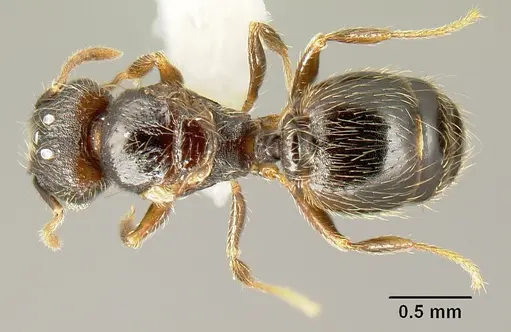
CASENT0608843
View on AntWeb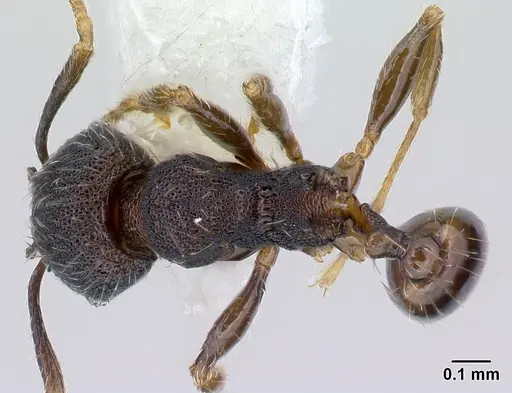
JTLC000014045
View on AntWeb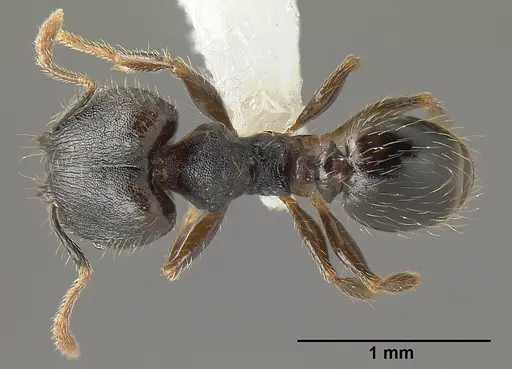
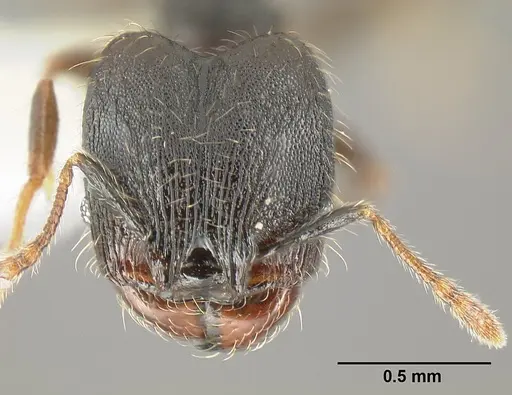
JTLC000014049
View on AntWeb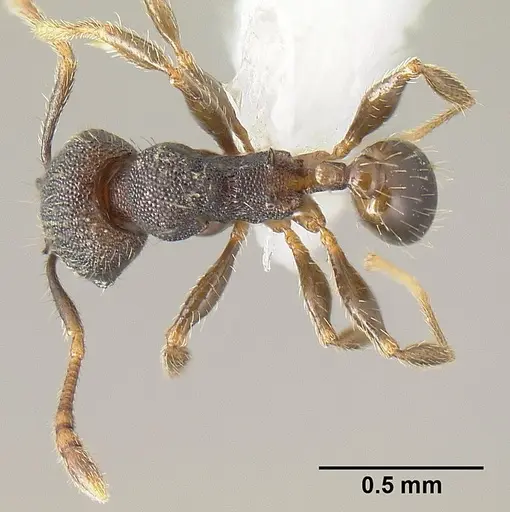
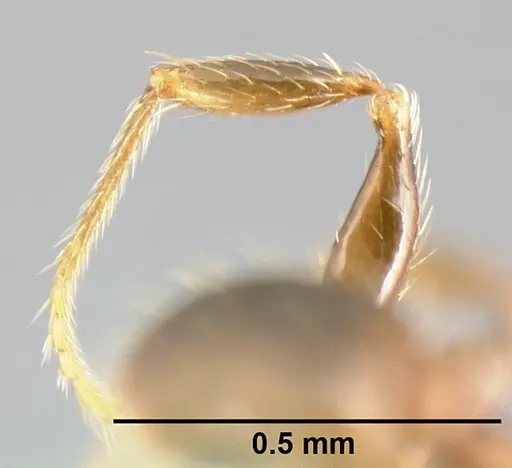
JTLC000014050
View on AntWeb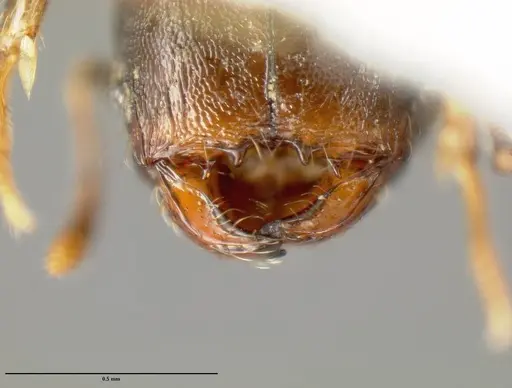
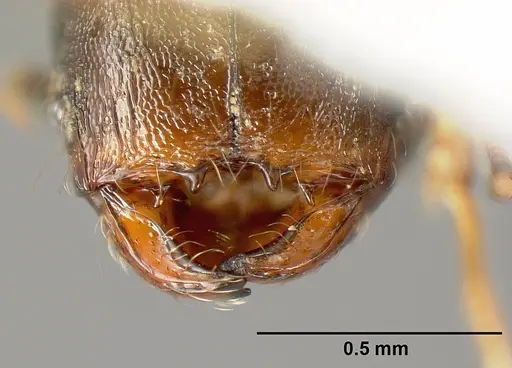
JTLC000014056
View on AntWeb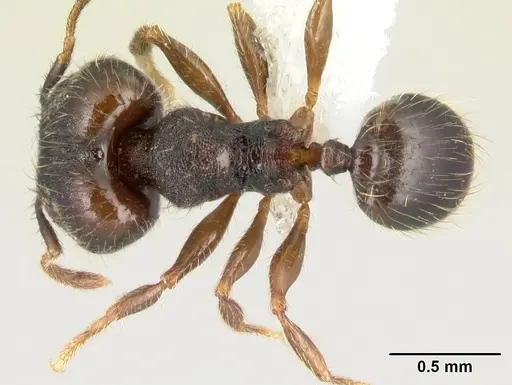
JTLC000014059
View on AntWeb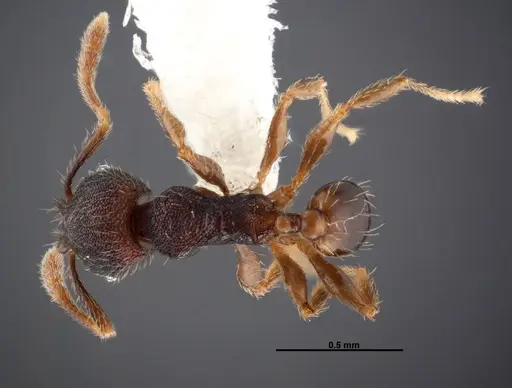
Literature
Loading distribution map...Loading products...