
Pheidole cariniceps
- Sci. Name
- Pheidole cariniceps
- Tribe
- Attini
- Subfamily
- Myrmicinae
- Author
- Eguchi, 2001
- Distribution
- Found in 2 countries
Introduction
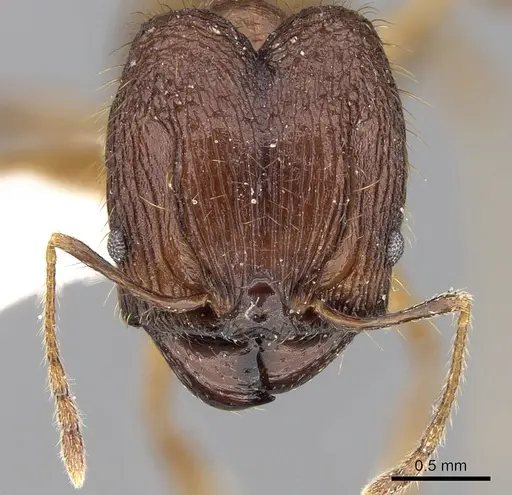
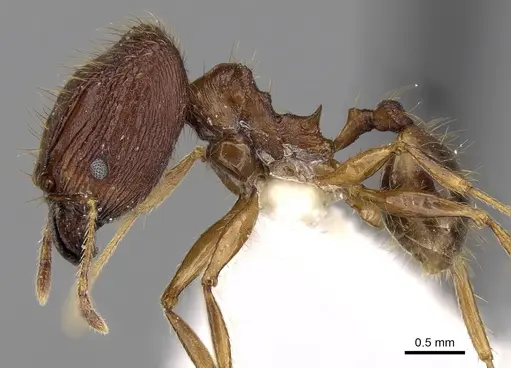
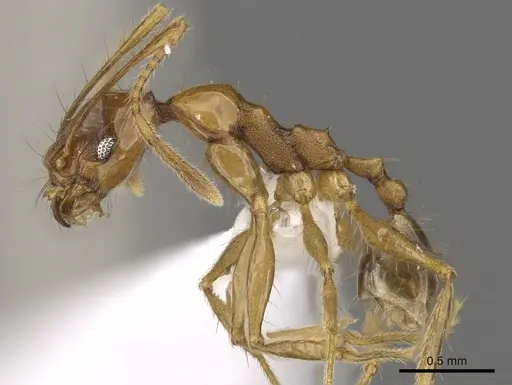
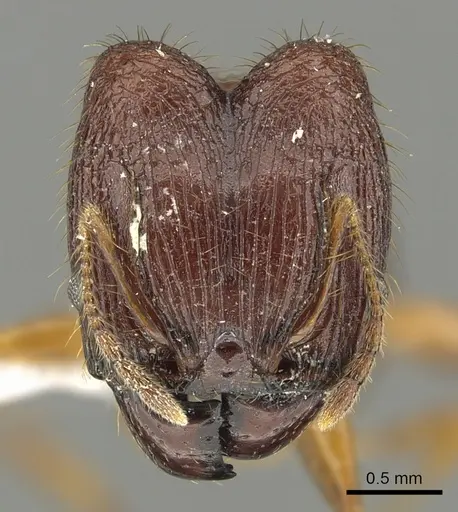
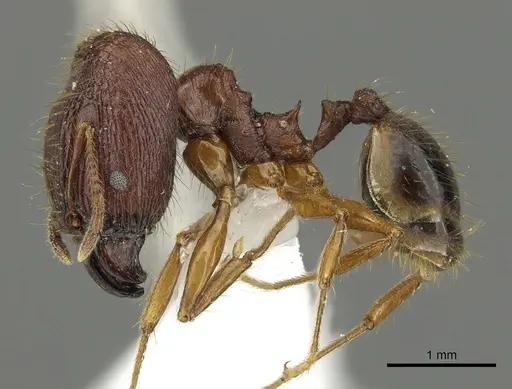
Pheidole cariniceps is a small to medium-sized ant species native to Southeast Asia, with workers in two castes: majors with total length 3.7-4.6 mm and minors with total length 2.0-2.4 mm . The species is found across Borneo, Brunei, Indonesia, Malaysia, the Philippines, Singapore, and Thailand , inhabiting well-developed lowland and hill forests where it nests in the soil . A notable behavior of Pheidole cariniceps is seed dispersal through myrmecochory, where workers carry seeds an average of 20 cm from the parent plant, aiding in plant regeneration .
Quick Summary
- Difficulty: Easy
- Origin & Habitat: Native to the Indomalaya region, including Borneo, Brunei, Indonesia, Malaysia, Philippines, Singapore, and Thailand. Inhabits lowland and hill forests, nesting in soil [2], and is also found in rubber plantations and secondary forests [4][5].
- Colony Type: Colony structure is unconfirmed. Based on typical Pheidole genus patterns, likely single-queen (monogyne) colonies.
- Size & Growth:
- Queen: Size data unavailable, no published measurements found. Based on Pheidole genus patterns, likely ~5-8 mm, inferred from Pheidole genus
- Worker: Major: 3.7-4.6 mm, Minor: 2.0-2.4 mm (total length) [1]
- Colony: Unknown, no specific data on maximum colony size available.
- Growth: Moderate, inferred from Pheidole genus patterns.
- Development: Estimated 6-8 weeks at warm tropical temperatures, based on genus-level data for Pheidole species. (Development time may vary with temperature, no species-specific study found.)
- Antkeeping:
- Temperature: Keep at 24-28°C, based on the species' tropical habitat [2].
- Humidity: Keep substrate moderately moist, as this species nests in soil in humid forests [2].
- Diapause: No, this is a tropical species from constant-warmth environments [2].
- Nesting: Prefers nests in soil or moist substrate. In captivity, test tube setups or plaster nests work well [1].
- Behavior: Pheidole cariniceps is a generalist forager active both day and night [6]. Workers possess a sting, but it is mild to humans. They are moderate in size and can climb smooth surfaces, posing a moderate escape risk. Seed dispersal behavior is observed [3].
- Common Issues: humidity management is key, too dry and colonies stagnate, too wet and mold becomes a problem., tropical species requires consistent warmth, cold temperatures below 20°C can slow or stop brood development., small colony stages are vulnerable, founding colonies need minimal disturbance., escape prevention should be adequate though not extreme, they are moderate climbers., wild-caught colonies may contain parasites that can decimate captive colonies.
Housing and Nest Setup
Pheidole cariniceps does well in standard test tube setups for founding colonies. Once the colony reaches a moderate size, you can move them to a small formicarium. This species nests in soil in the wild, so provide a moist substrate in the nest chamber [2]. Plaster nests or test tubes with moisture retention work well. Maintain humidity without flooding, a water tube can help [1]. For the outworld, a simple plastic container with escape prevention is sufficient, as they are not extreme escape artists.
Feeding and Diet
Pheidole cariniceps is a generalist omnivore. Offer protein sources like small insects 2-3 times per week, and keep sugar water available at all times. They are known to disperse seeds in the wild [3], showing dietary flexibility. Prey items should be appropriately sized for their small workers [7].
Temperature and Seasonal Care
This tropical species requires warmth around 24-28°C [2]. No diapause is needed. They are active day and night [6], so consistent temperatures are important. Avoid cold drafts.
Colony Development
Pheidole colonies produce major workers (soldiers) once the colony reaches a certain size. A founding queen raises the first workers alone. Colonies grow progressively, with majors appearing when the colony has around 50-100 workers, though this varies based on genus patterns.
Behavior and Foraging
Pheidole cariniceps forages in leaf litter both day and night [6] and is known for seed dispersal [3]. Workers are moderate climbers but not exceptional escape artists. They defend the nest with bites and stings, though mild.
Frequently Asked Questions
How long does it take for Pheidole cariniceps to produce first workers?
Based on typical Pheidole development, expect 6-8 weeks from egg to first worker at warm tropical temperatures (24-28°C). The queen seals herself in during founding and raises the first brood alone until workers emerge.
What do Pheidole cariniceps eat?
They are generalist omnivores. Offer small insects (fruit flies, pinhead crickets, small mealworms) for protein 2-3 times per week, and keep sugar water or honey available at all times. They've been documented dispersing seeds in the wild, showing their dietary flexibility [3].
Are Pheidole cariniceps good for beginners?
Yes, this species is rated as easy to keep. They're a hardy tropical species that doesn't require special hibernation care. The main requirements are maintaining warmth (24-28°C) and adequate humidity. Their small size and generalist diet make them manageable for new antkeepers.
How big do Pheidole cariniceps colonies get?
Exact maximum colony size is unconfirmed for this species, but based on typical Pheidole patterns, colonies can reach several hundred workers. The presence of major workers (soldiers) appears when colonies reach moderate size.
Do Pheidole cariniceps need hibernation?
No. This is a tropical species from Southeast Asia where temperatures remain warm year-round. No diapause or hibernation period is required [2]. Keep them warm consistently.
What temperature do Pheidole cariniceps need?
Keep them at 24-28°C (warm tropical conditions). This species comes from lowland and hill forests in Southeast Asia where temperatures are consistently warm [2]. A heating cable on one side of the nest can help maintain warmth if your room is cooler.
Can I keep multiple Pheidole cariniceps queens together?
Not recommended. While colony structure is unconfirmed for this species, combining unrelated queens carries risks of fighting. Pheidole colonies are typically single-queen (monogyne). Start with one founding queen per setup.
When should I move Pheidole cariniceps to a formicarium?
You can keep them in test tubes for quite a while. Move to a formicarium or larger setup once the colony reaches 30-50 workers and the test tube setup feels cramped. They do well with simple nest setups that retain moisture.
Why is my Pheidole cariniceps colony not growing?
Check three things: temperature (should be 24-28°C), humidity (substrate should be moist but not waterlogged), and food quality. Cold temperatures below 20°C will stop brood development. Also ensure the queen is still laying eggs and the colony isn't stressed by excessive disturbance.
Report an Issue
The current care sheet is based fully on literature. See inconsistencies, or something that's incorrect? Please , it will be resolved after review from an admin. Contributing to the blogs tab also helps providing information, to make us be able to further improve the caresheets. Thank you for your support!
References

This caresheet is licensed under CC BY-SA 4.0 .
Community Blogs
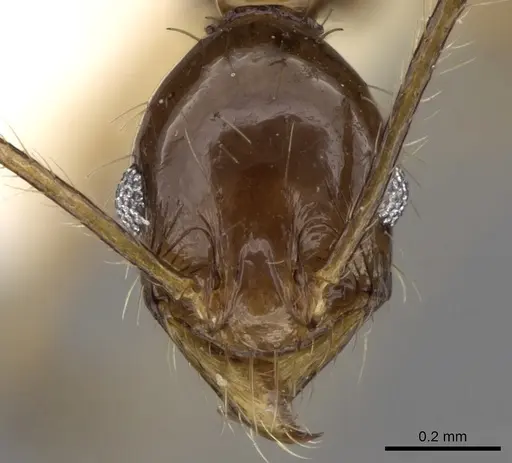
CASENT0281658
View on AntWeb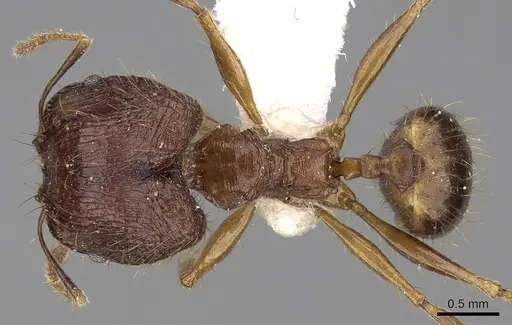
CASENT0281659
View on AntWeb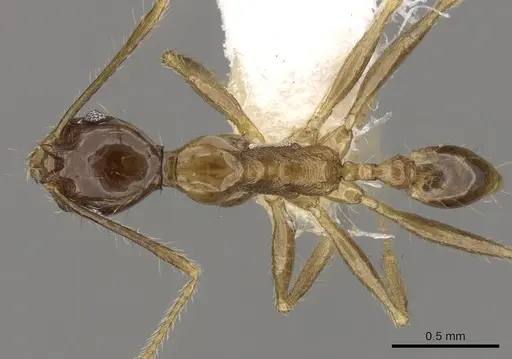
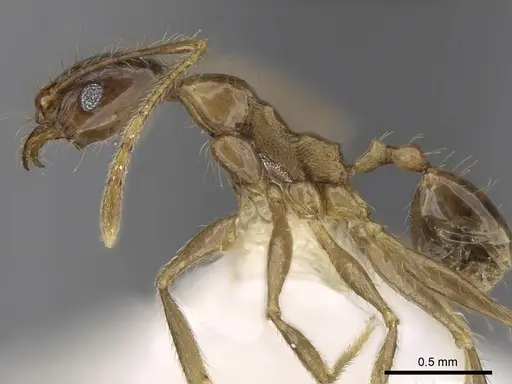
CASENT0901628
View on AntWeb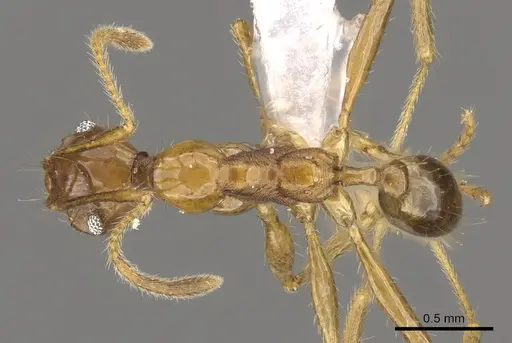
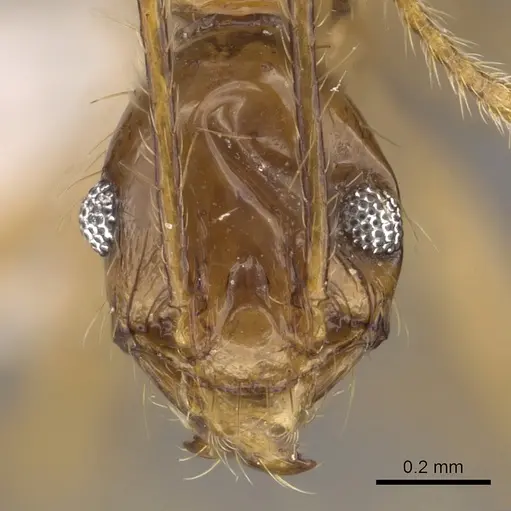
CASENT0901629
View on AntWeb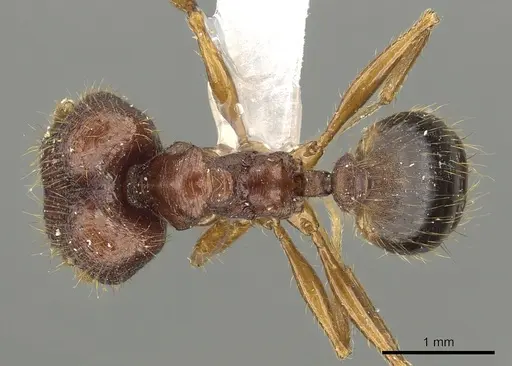
Literature
Loading distribution map...Loading products...