
Pheidole cardiella
- Sci. Name
- Pheidole cardiella
- Tribe
- Attini
- Subfamily
- Myrmicinae
- Author
- Wilson, 2003
- Distribution
- Found in 2 countries
Introduction
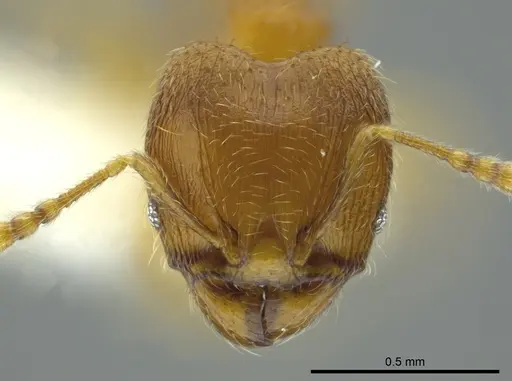
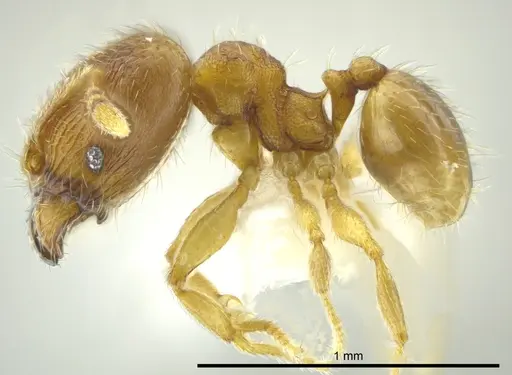
Pheidole cardiella is a small Neotropical ant from the flavens group, with major workers having a heart-shaped head and minors being smaller. It is native to the Amazon basin, recorded from Ecuador, Peru, and Colombia, inhabiting terra firme and seasonally flooded rainforest . Colonies are small and often polydomous, occupying multiple nest sites in leaf litter and soil .
Quick Summary
- Difficulty: Medium
- Origin & Habitat: Amazon rainforest of Ecuador, Peru, and Colombia. Found in both terra firme and seasonally flooded rainforest, nesting in soil, leaf litter, and small pieces of rotten wood [3].
- Colony Type: Monogyne (single queen colonies)
- Size & Growth:
- Antkeeping:
- Temperature: Keep warm, roughly 24-28°C, based on tropical habitat [3].
- Humidity: Keep substrate consistently moist but not waterlogged, as they nest in soil and leaf litter [3].
- Diapause: No, tropical species do not require hibernation [3].
- Nesting: Naturalistic setup with moist soil, leaf litter, and rotting wood. Y-tong or plaster nests work well [3].
- Behavior: Workers are active foragers. Majors can deliver a mild sting. Escape risk is high due to small size, ensure tight lids [3].
- Common Issues: tropical species may struggle if temperatures drop below 22°C, use a heating cable if your room is cool [3]., small colony size means slower population growth, don't expect rapid expansion., multi-nest behavior means they may not settle in a single formicarium, provide connected spaces [3]., wild-caught colonies may have parasites or stress from collection, quarantine and monitor closely., high humidity needs can lead to mold if ventilation is poor, balance moisture with airflow [3].
Housing and Nest Setup
Pheidole cardiella does best in a naturalistic setup that recreates its rainforest leaf-litter habitat. A Y-tong nest with moist plaster or soil substrate works well, or use a terrarium-style setup with soil, leaf litter, and small pieces of rotting wood. Provide consistently moist substrate, these ants nest in soil and decaying wood in the wild [3]. Given their polydomous nature, offering connected chambers may help them feel comfortable. A small outworld for foraging completes the setup.
Feeding and Diet
This species is omnivorous. Offer a mix of protein and carbohydrates. Protein sources include small insects like fruit flies or mealworms, while carbohydrates can come from sugar water, honey, or honeydew. Feed protein every 2-3 days and keep a constant sugar source available. Remove uneaten prey after 24 hours to prevent mold. Given their small colony size, offer small portions [3].
Temperature and Humidity
Keep the nest area warm at roughly 24-28°C, as they are from the Amazon rainforest [3]. Humidity should be high, keep the substrate moist but not soggy. Mist the outworld occasionally, but avoid water pooling. Good ventilation is important to prevent mold while maintaining humidity [3].
Colony Dynamics and Growth
Colonies stay relatively small, likely up to a few hundred workers at maximum [3]. Major workers with heart-shaped heads appear once the colony reaches a certain size. Growth is moderate, be patient with founding colonies. The queen will lay eggs, and first workers emerge after several weeks [3].
Behavior and Defense
Pheidole cardiella is not particularly aggressive, but majors can deliver a mild sting if threatened. When disturbed, major workers often block nest entrances with their large heads. Workers are active foragers in the leaf litter, searching for seeds, insects, and sugary liquids [3].
Frequently Asked Questions
How long does it take for Pheidole cardiella to have first workers?
Expect first workers around 6-8 weeks after the queen lays eggs, assuming temperatures around 26°C. This is an estimate based on typical Pheidole development [3].
What do Pheidole cardiella ants eat?
They are omnivorous. Offer small insects for protein and sugar water, honey, or honeydew for carbohydrates [3].
How big do Pheidole cardiella colonies get?
Colonies remain relatively small, up to a few hundred workers at maximum [3].
What temperature do Pheidole cardiella need?
Keep them warm at roughly 24-28°C, as they are a tropical Amazon species [3].
Do Pheidole cardiella need hibernation?
No. As a tropical species, they do not require diapause or hibernation [3].
Can I keep multiple queens together?
No. This species is monogyne, colonies have a single queen. Combining unrelated queens is not recommended [3].
What is the best nest type for Pheidole cardiella?
A naturalistic setup with moist soil or a Y-tong nest with damp substrate works well, mimicking their wild habitat [3].
Are Pheidole cardiella good for beginners?
They are rated Medium difficulty. Their tropical nature requires consistent warmth and humidity, which needs more attention than room-temperature species.
Why are my Pheidole cardiella dying?
Common causes are temperatures below 22°C, too dry conditions, or mold from overwatering. Check heating, humidity, and remove uneaten food promptly [3].
Report an Issue
The current care sheet is based fully on literature. See inconsistencies, or something that's incorrect? Please , it will be resolved after review from an admin. Contributing to the blogs tab also helps providing information, to make us be able to further improve the caresheets. Thank you for your support!
References

This caresheet is licensed under CC BY-SA 4.0 .
Community Blogs
CASENT0624244
View on AntWeb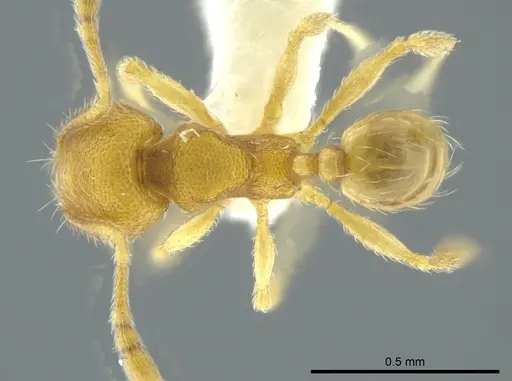
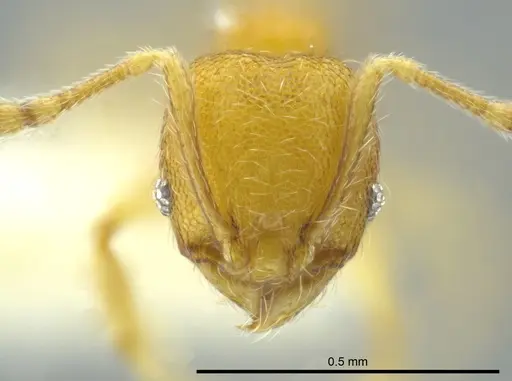
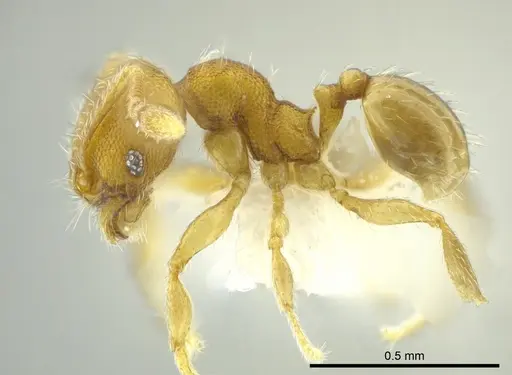
JTLC000016340
View on AntWeb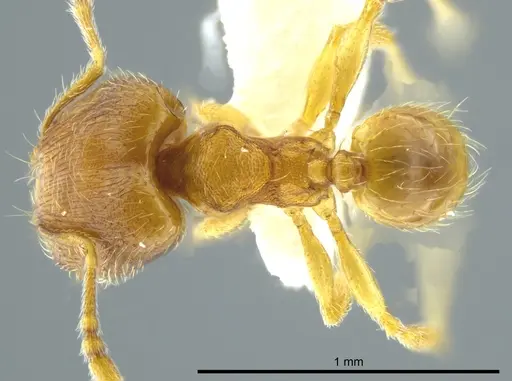
Literature
Loading distribution map...Loading products...