
Pheidole capellinii
- Sci. Name
- Pheidole capellinii
- Tribe
- Attini
- Subfamily
- Myrmicinae
- Author
- Emery, 1887
- Distribution
- Found in 2 countries
Introduction
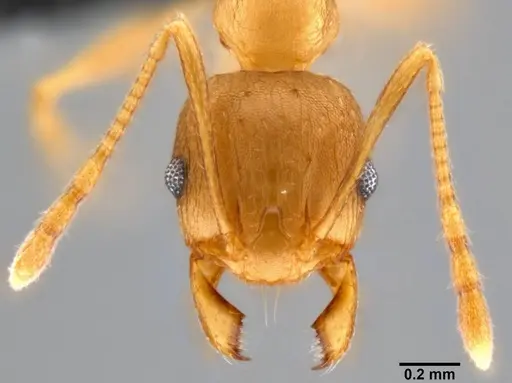
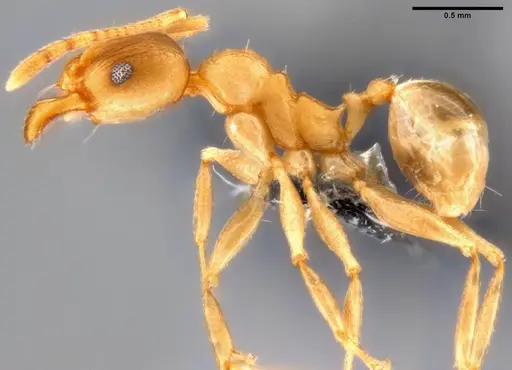
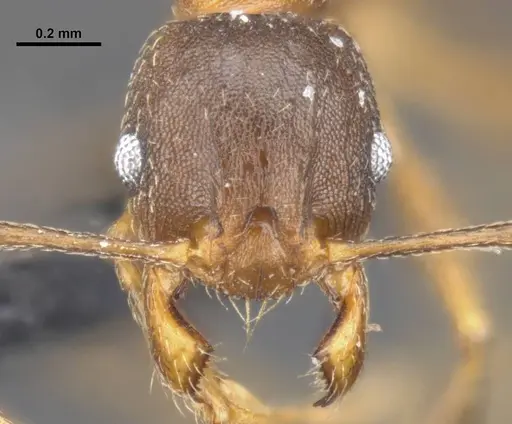
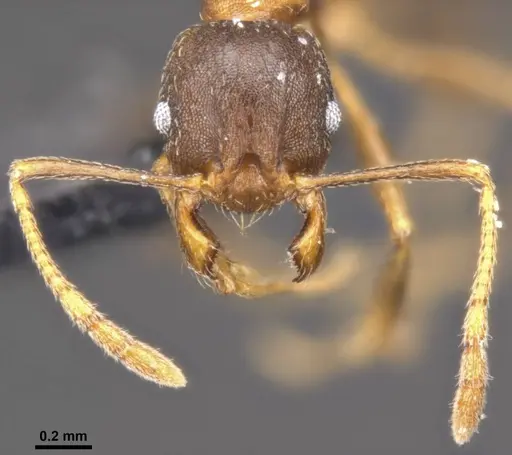
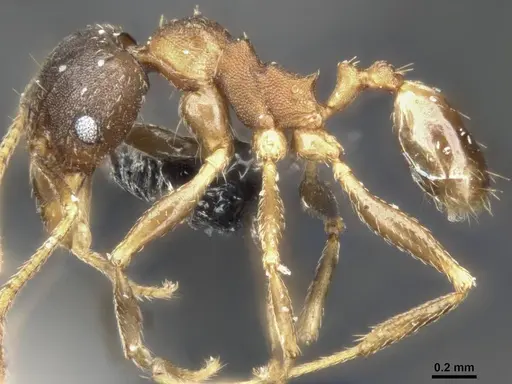
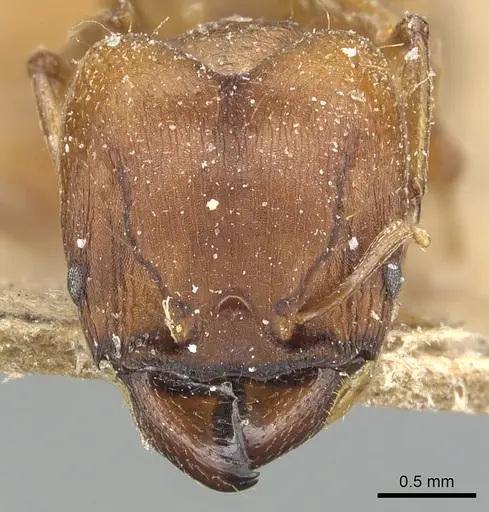
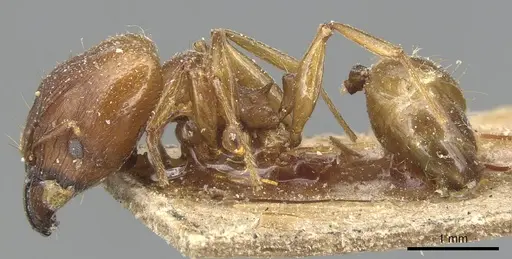
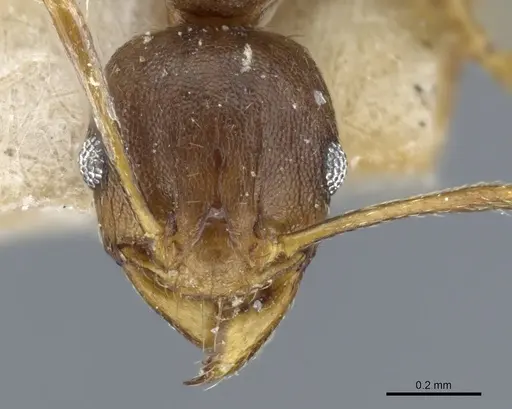
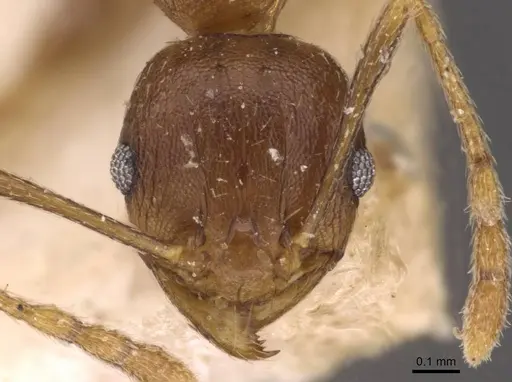
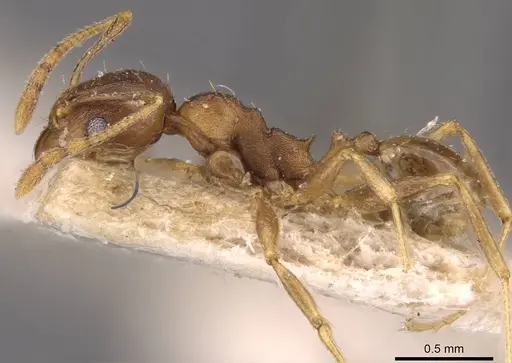
Pheidole capellinii is a dimorphic ant species with major and minor workers. Major workers have a body length of 4.0-4.6 mm, while minor workers are 2.0-2.5 mm . This species is native to Southeast Asia and southern China, including Vietnam, Thailand, Sumatra, Java, and Chinese provinces like Guangxi, Hunan, and Yunnan. It occurs in open habitats such as annual cropping fields and mixed deciduous forests, nesting directly in the soil . Pheidole capellinii belongs to the Generalized Myrmicinae functional group, meaning it is an adaptable forager that can exploit various food resources . The species has been confused with synonyms like Pheidole lighti and Pheidole attila, but taxonomic revisions have clarified its identity .
Quick Summary
- Difficulty: Medium
- Origin & Habitat: Native to Southeast Asia and southern China (Vietnam, Thailand, Sumatra, Java, Guangxi, Hunan, Yunnan). Found in open habitats like agricultural fields and mixed deciduous forests, nesting in soil under leaf litter or in ground cavities [2][3][4].
- Colony Type: Unconfirmed, no specific data on queen number or social structure from research.
- Size & Growth:
- Queen: Size data unavailable, inferred from Pheidole genus to be approximately 6-8 mm
- Worker: Major: 4.0-4.6 mm, Minor: 2.0-2.5 mm [1]
- Colony: Estimated up to several hundred workers
- Growth: Moderate
- Development: Estimated 6-8 weeks at 24-28°C, inferred from tropical species patterns (Development time is temperature-dependent, warmer temperatures within range may speed up growth.)
- Antkeeping:
- Temperature: Keep warm, roughly 24-28°C, based on tropical origin
- Humidity: Keep nest substrate consistently moist but not waterlogged, as this is a soil-nesting species
- Diapause: No true hibernation required due to tropical origin, a slight temperature reduction in winter may benefit colony health
- Nesting: Soil-nesting species, use a naturalistic setup with compact soil or a formicarium with a soil chamber [2][3]
- Behavior: Generally non-aggressive but will defend the nest vigorously. Major workers serve as defenders and help process larger food items. Workers are active foragers for protein and sugar sources. Escape risk is moderate due to their size and ground-nesting behavior
- Common Issues: colonies may decline if substrate dries out completely, monitor moisture regularly, major workers can still escape through small gaps, use standard barrier methods, slow founding phase means new colonies need patience, avoid disturbing queens during claustral founding, tropical species may struggle in cool rooms below 20°C, provide heating if needed, wild-caught colonies may contain parasites, quarantine and observe new colonies
Nest Preferences and Housing
Pheidole capellinii is a soil-nesting species that naturally excavates chambers in the ground. In captivity, use a naturalistic setup with compact soil or a formicarium that includes a soil chamber. A Y-tong or plaster nest with narrow chambers works well, as these ants prefer tighter spaces for humidity and security. For founding colonies, a test tube setup with a soil chamber is suitable. Once the colony grows, move to a larger formicarium with multiple chambers. Provide a water tube connected to the nest for drinking water [2][3].
Feeding and Diet
As Generalized Myrmicinae, these ants are opportunistic feeders. Offer protein sources like small insects (fruit flies, crickets) and carbohydrates such as sugar water or honey. In the wild, they forage for insect prey and may tend aphids for honeydew. Feed minor workers small prey items, while major workers help process larger items. Remove uneaten food after 24 hours to prevent mold [5].
Temperature and Seasonal Care
These are tropical ants, so keep temperatures warm around 24-28°C for optimal growth. A gentle heat gradient allows workers to regulate their conditions. Unlike temperate species, they do not require true hibernation, but a slight temperature reduction in winter may be beneficial. Avoid prolonged temperatures below 18°C.
Behavior and Colony Dynamics
Pheidole capellinii has distinct worker castes: minor workers handle foraging and brood care, while major workers specialize in defense and processing larger food items. Colonies grow moderately, with major workers appearing once the colony reaches sufficient size. Workers are active foragers but not particularly aggressive toward humans.
Growth and Development
Development from egg to worker is estimated at 6-8 weeks at 24-28°C, based on typical tropical ant patterns. The queen lays eggs that develop through larval and pupal stages before emerging as nanitic workers. After nanitics emerge, the queen is fed by workers, and the colony enters a growth phase. Major workers appear once resources are sufficient.
Founding and Colony Establishment
Founding behavior is unconfirmed, but based on Pheidole patterns, queens may engage in claustral founding, sealing themselves in a chamber while living off stored fat reserves. Do not disturb founding queens. After 4-8 weeks, first workers emerge, and the colony needs feeding. Start with small amounts of sugar water and protein once workers appear.
Frequently Asked Questions
How long does it take for Pheidole capellinii to have first workers?
Expect first workers in 6-8 weeks after egg-laying, assuming temperatures around 24-28°C, based on tropical species patterns.
What do Pheidole capellinii ants eat?
They accept both protein and sugar foods, such as small insects and sugar water, as Generalized Myrmicinae [5].
What temperature do Pheidole capellinii need?
Keep them at roughly 24-28°C, based on their tropical origin.
Are Pheidole capellinii good for beginners?
They are intermediate-level due to the claustral founding phase and need for proper humidity and temperature.
How big do Pheidole capellinii colonies get?
Colonies are estimated to reach up to several hundred workers at maturity.
Can I keep multiple Pheidole capellinii queens together?
Colony type is unconfirmed, but based on Pheidole patterns, they are likely single-queen colonies, combining queens is not recommended.
Do Pheidole capellinii need hibernation?
No true hibernation is required due to tropical origin, a slight temperature reduction in winter may benefit.
What type of nest should I use for Pheidole capellinii?
Use a soil-nesting setup, such as a naturalistic soil chamber or a Y-tong/plaster nest with soil [2][3].
Why are my Pheidole capellinii dying?
Common causes include dry substrate, cool temperatures, overfeeding, or disturbance during founding. Check environmental conditions first.
Report an Issue
The current care sheet is based fully on literature. See inconsistencies, or something that's incorrect? Please , it will be resolved after review from an admin. Contributing to the blogs tab also helps providing information, to make us be able to further improve the caresheets. Thank you for your support!
References

This caresheet is licensed under CC BY-SA 4.0 .
Community Blogs
CASENT0282653
View on AntWeb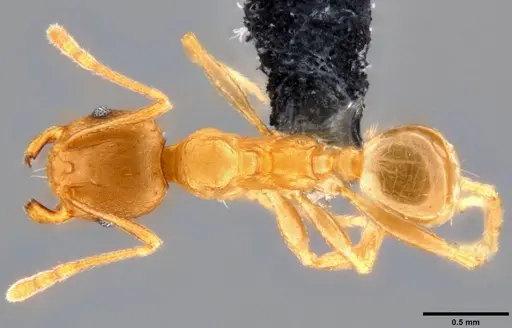
CASENT0284034
View on AntWeb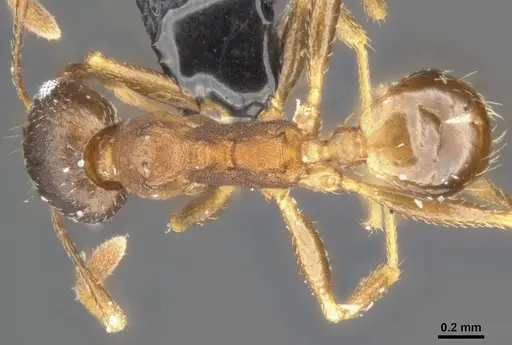
CASENT0904242
View on AntWeb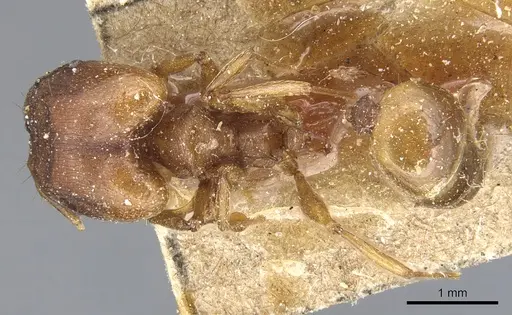
CASENT0904252
View on AntWeb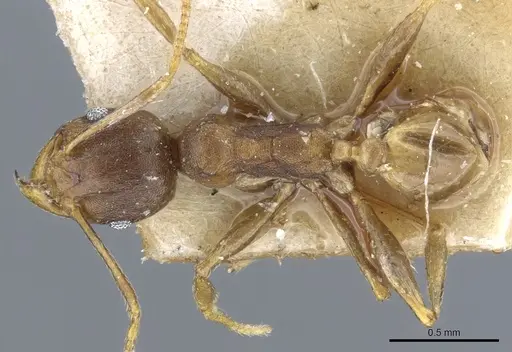
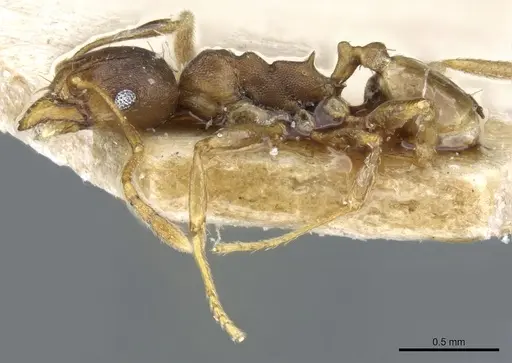
CASENT0907860
View on AntWeb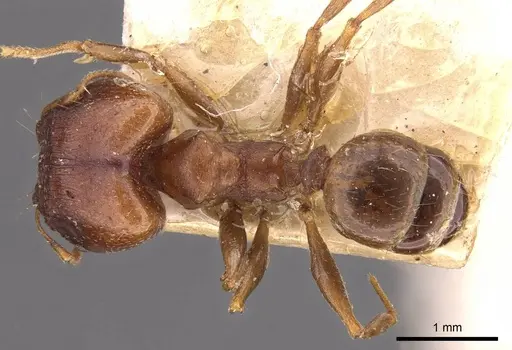
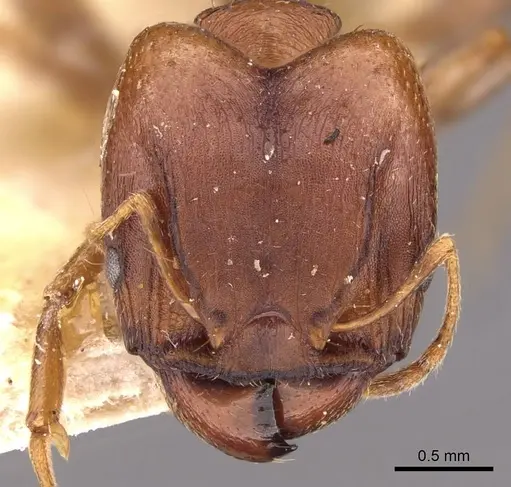
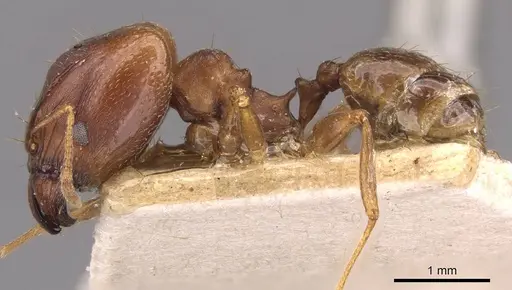
CASENT0907861
View on AntWeb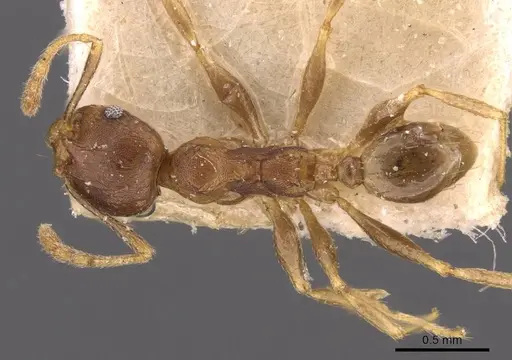
Literature
Loading distribution map...Loading products...