
California Big-headed Ant
Pheidole californica
- Sci. Name
- Pheidole californica
- Tribe
- Attini
- Subfamily
- Myrmicinae
- Author
- Mayr, 1870
- Common Name
- California Big-headed Ant
- Distribution
- Found in 3 countries
Introduction
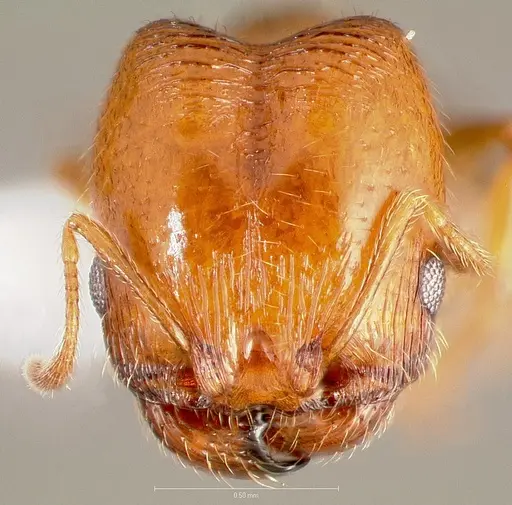
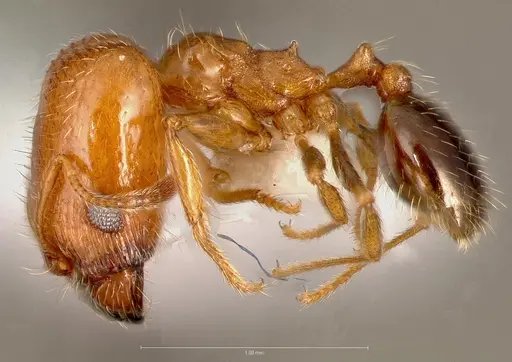
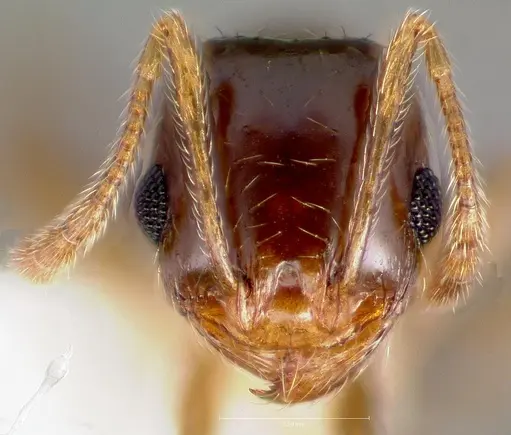
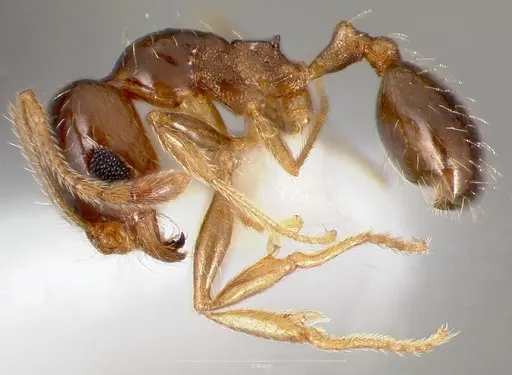
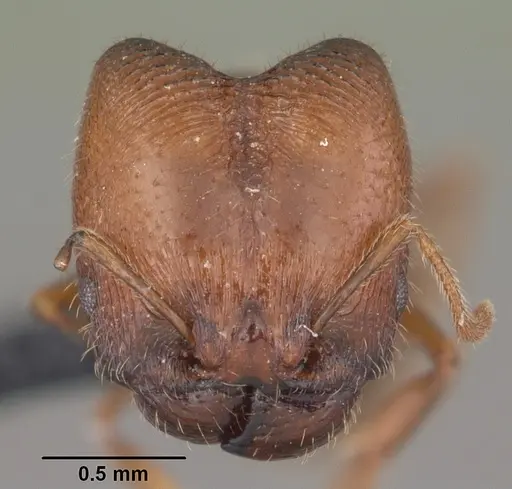
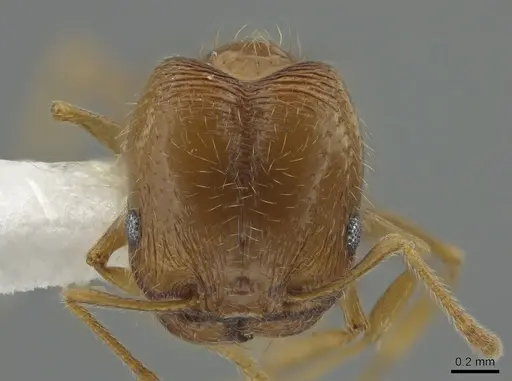
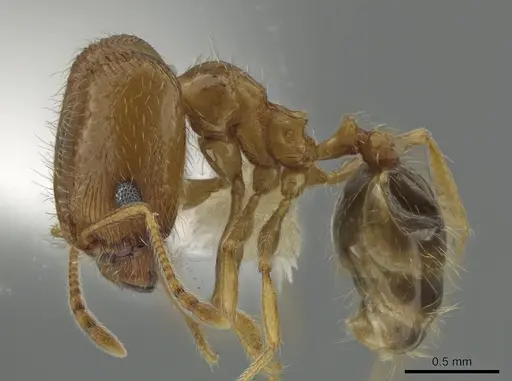
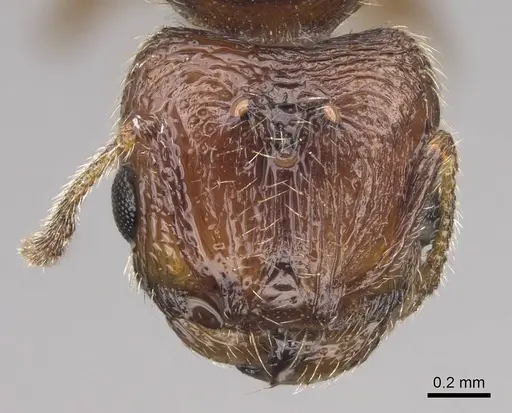
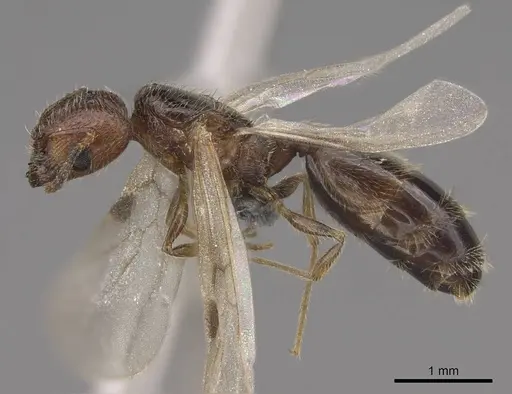
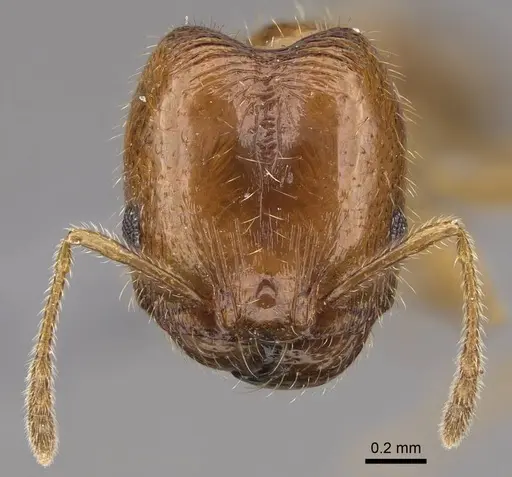
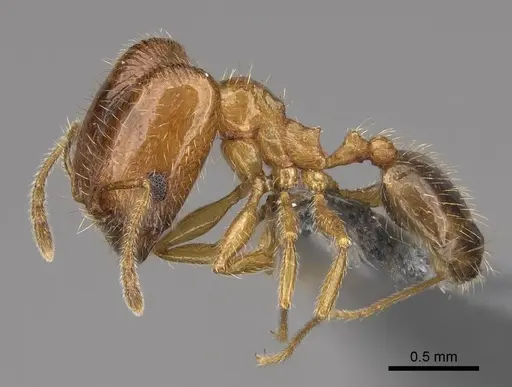
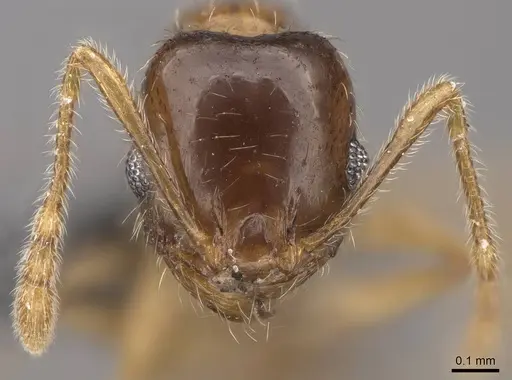
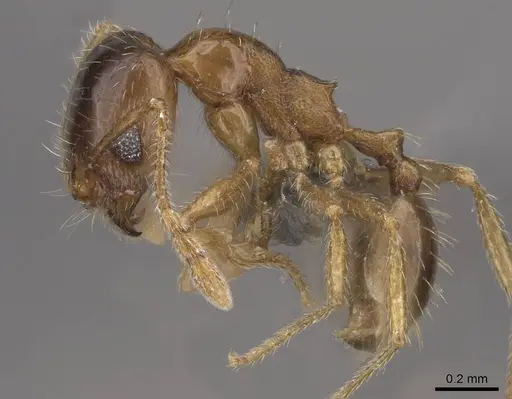
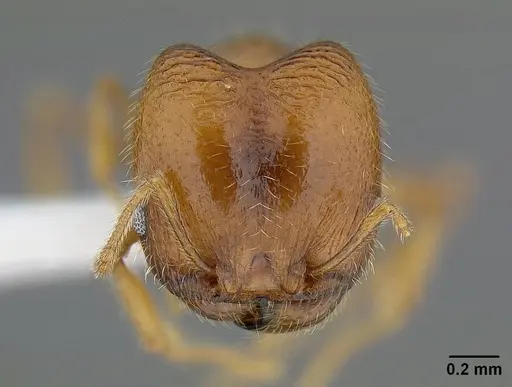
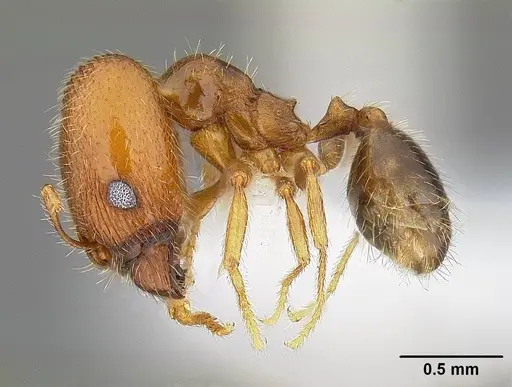
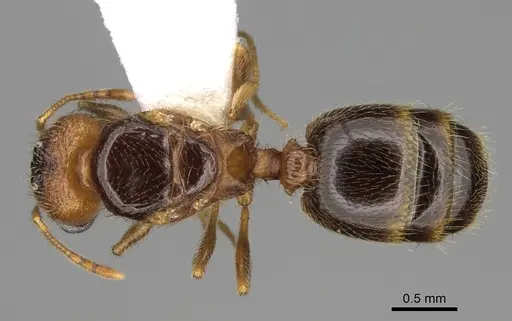
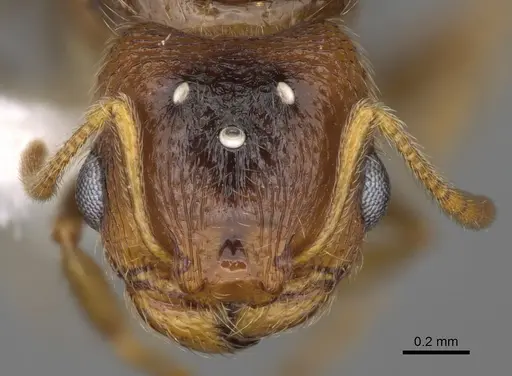
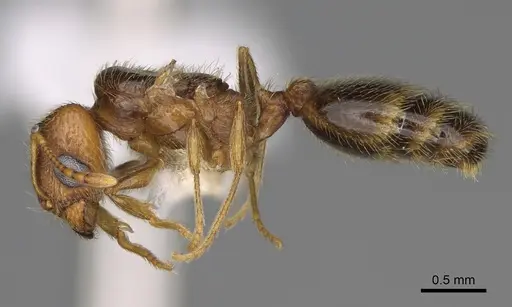
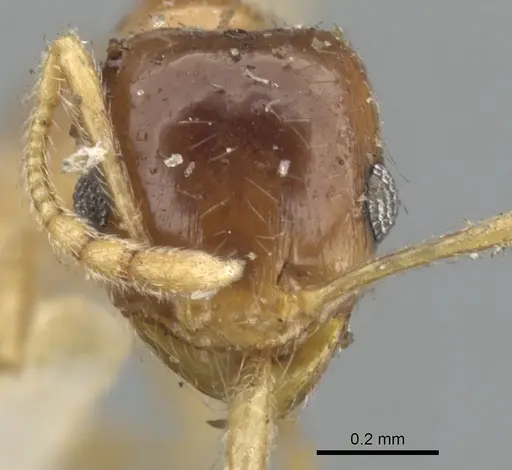
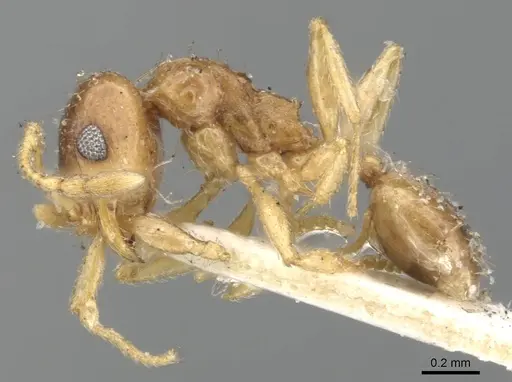
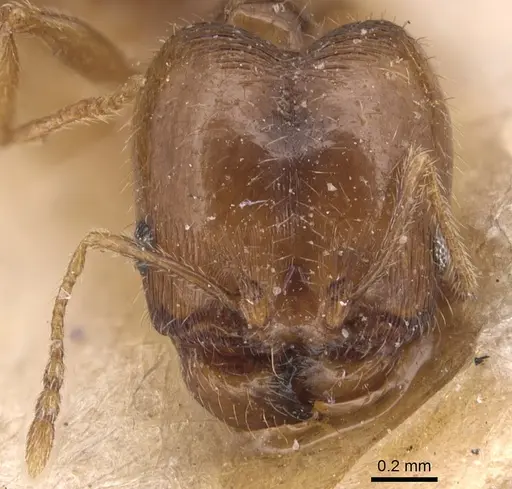
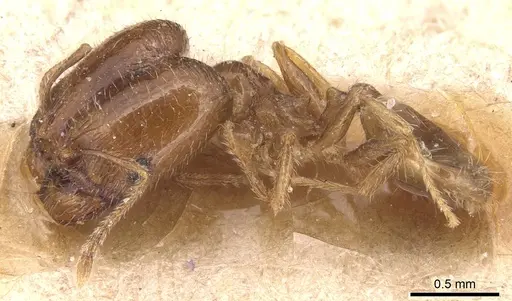
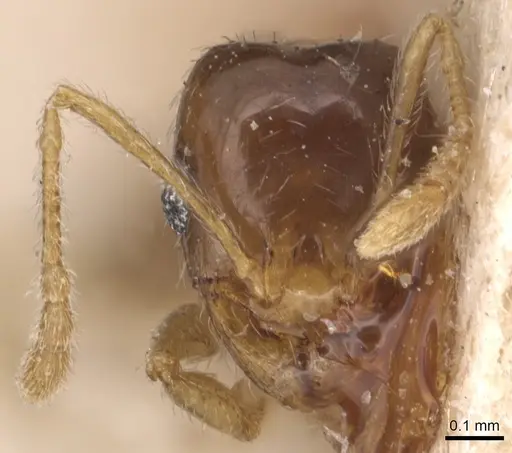
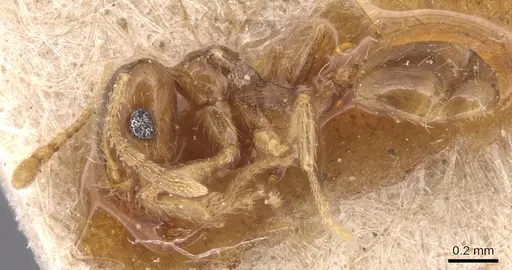
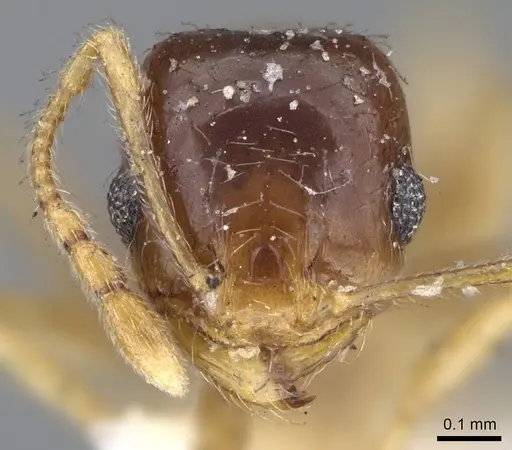
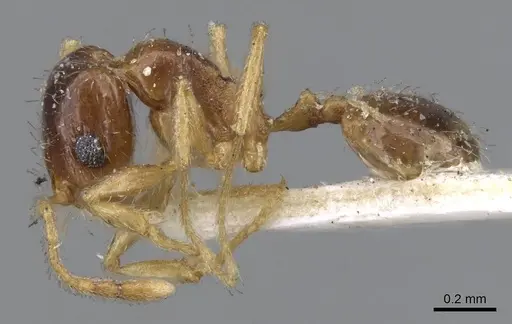
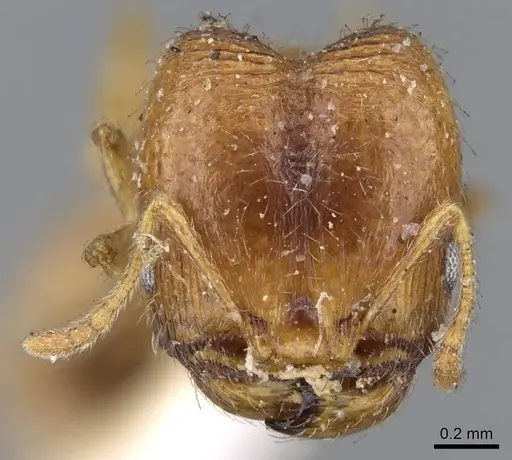
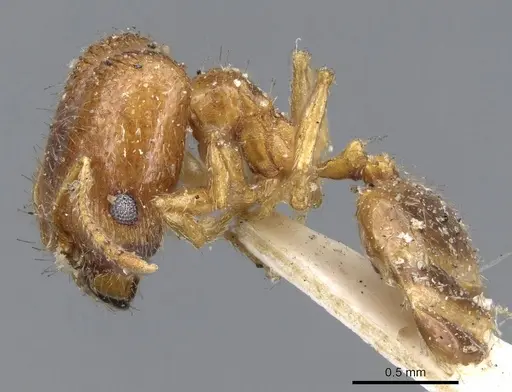
Pheidole californica is a small yellow ant native to the western United States and northern Mexico. Major workers (soldiers) have enlarged heads and measure about 2.5 mm in length, while minor workers are about 4.7 mm in length . The species belongs to the pilifera group and is found from California north to Washington, east to Idaho and New Mexico, and into northern Mexico . It inhabits grasslands, scrubland, and desert margins, nesting under objects, in oak galls, or in sandy soil . This ant is a dominant species in California grasslands, making up over 35% of ground-dwelling ant workers in some studies . It is frequently displaced by invasive Argentine ants, indicating it is relatively non-aggressive .
Quick Summary
- Difficulty: Easy
- Origin & Habitat: Western Nearctic region, from California to Washington, Idaho, New Mexico, and northern Mexico [2][3]. Inhabits grasslands, scrubland, and desert margins, nesting in soil under objects or in oak galls [4].
- Colony Type: Based on Pheidole genus patterns, likely monogyne with a single queen, but unconfirmed in literature.
- Size & Growth:
- Queen: Size data unavailable, no specific measurements in research context.
- Worker: Major workers ~2.5 mm, minor workers ~4.7 mm total length [1].
- Colony: Up to 1,848 workers based on field studies [5].
- Growth: Moderate, inferred from genus patterns.
- Development: Estimated 6-8 weeks based on typical Pheidole development. (Development time may vary with temperature, specific data unavailable.)
- Antkeeping:
- Temperature: Keep at room temperature, roughly 20-24°C, based on typical antkeeping practices.
- Humidity: Keep nest substrate consistently moist but not waterlogged, reflecting natural soil nesting habits.
- Diapause: Yes, based on geographic range into northern latitudes, require winter diapause for 2-3 months at 10-15°C.
- Nesting: Use test tube setups for founding colonies, for established colonies, Y-tong or plaster nests with a connection to an outworld.
- Behavior: Calm and non-aggressive, workers are active foragers that collect seeds. Displaced by invasive Argentine ants in competitive encounters [6]. Escape risk is low due to size and behavior.
- Common Issues: displacement by invasive ants, keep away from areas with Argentine ants., small colony size initially, patience needed during founding., seed storage can attract mold if humidity is too high., majors may appear alarming but are not defensive.
Housing and Nest Setup
For founding colonies, use a test tube setup with water and cotton, and place the queen in the humid chamber. Once workers emerge, connect to an outworld. For established colonies, use Y-tong or plaster nests with a substrate layer. Provide a water source and foraging area. Escape prevention is straightforward with standard barriers due to their size.
Feeding and Diet
Offer seeds like grass seeds or bird seed continuously, and protein sources like small insects 2-3 times per week. They are attracted to cookie crumbs like Pecan Sandies [7]. Remove uneaten prey after 24 hours.
Temperature and Seasonal Care
Maintain room temperature around 20-24°C. During winter, reduce to 10-15°C for 2-3 months to simulate diapause. Ensure a small water source remains available during diapause.
Behavior and Colony Dynamics
Workers forage for seeds and tend to low-growing vegetation. Majors have large mandibles but are not defensive. The species is displaced by Argentine ants in 75% of encounters, indicating non-aggressive behavior [6].
Growth and Development
After mating, the queen lays eggs and raises first workers alone. Major workers develop once the colony reaches several hundred workers, based on nutritional signals [8]. Growth accelerates after the first year.
Frequently Asked Questions
How long does it take for Pheidole californica to produce first workers?
Expect first workers to emerge 6-8 weeks after egg laying, depending on temperature.
What do I feed Pheidole californica?
Offer seeds continuously and protein sources like small insects 2-3 times weekly. They are attracted to cookie crumbs [7].
Can I keep multiple queens together?
Unconfirmed, but based on genus patterns, likely monogyne. Multiple queens may fight.
Do they need hibernation?
Yes, based on geographic range, a winter diapause of 2-3 months at 10-15°C is recommended.
Are Pheidole californica good for beginners?
Yes, they are calm, non-aggressive, and easy to care for.
How big do colonies get?
Colonies can reach up to 1,848 workers based on field studies [5].
When should I move them to a formicarium?
Wait until the colony has 20-30 workers and the test tube setup is crowded, then connect to an outworld.
Why are my ants dying?
Common causes include too much moisture causing mold, temperatures outside tolerance, or excessive disturbance. Ensure moderate humidity and minimal handling.
Report an Issue
The current care sheet is based fully on literature. See inconsistencies, or something that's incorrect? Please , it will be resolved after review from an admin. Contributing to the blogs tab also helps providing information, to make us be able to further improve the caresheets. Thank you for your support!
References

This caresheet is licensed under CC BY-SA 4.0 .
Community Blogs
CASENT0005751
View on AntWeb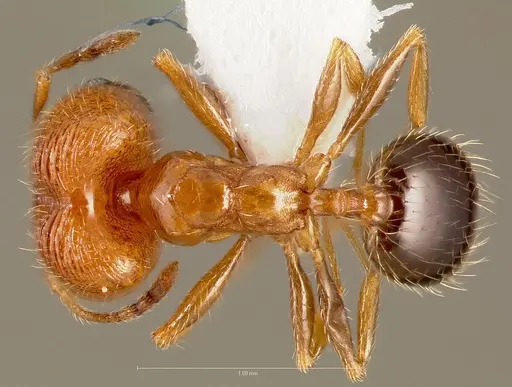
CASENT0005752
View on AntWeb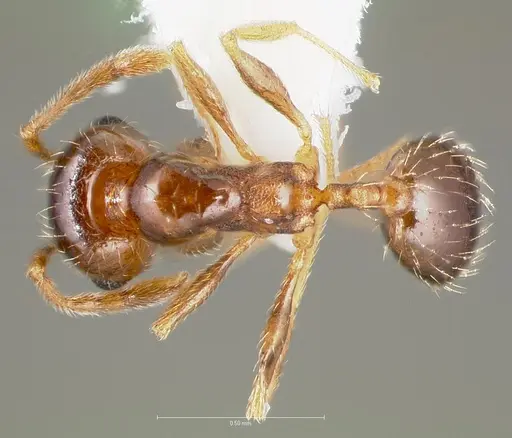
CASENT0006750
View on AntWeb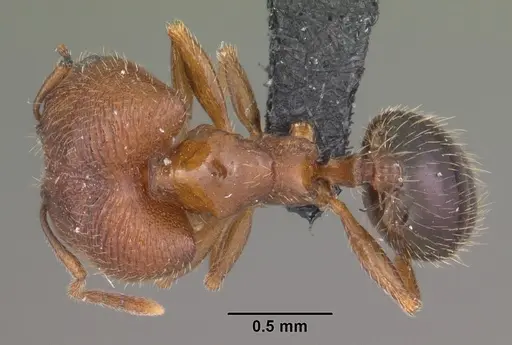
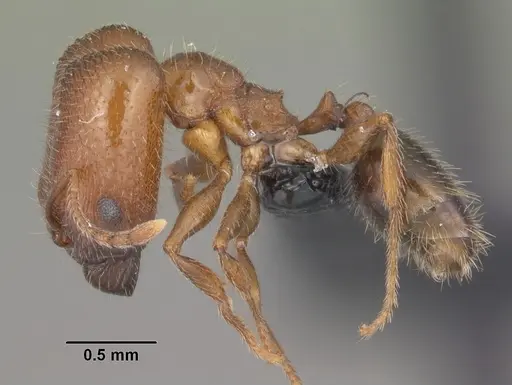
CASENT0006758
View on AntWeb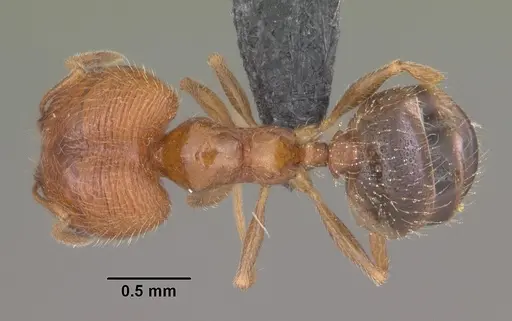
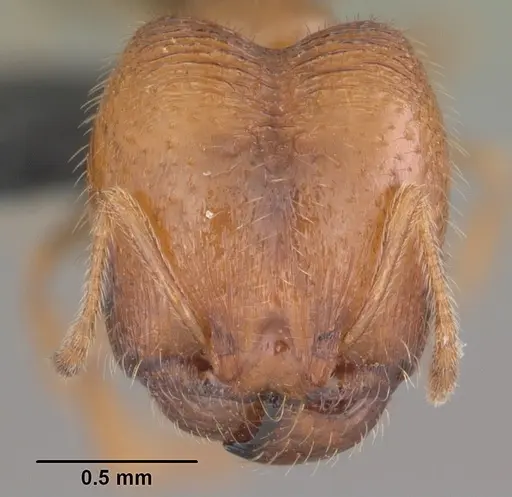
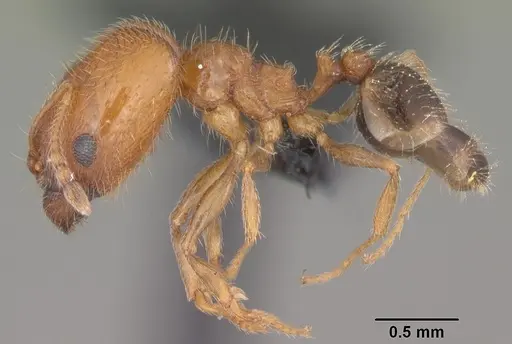
CASENT0635446
View on AntWeb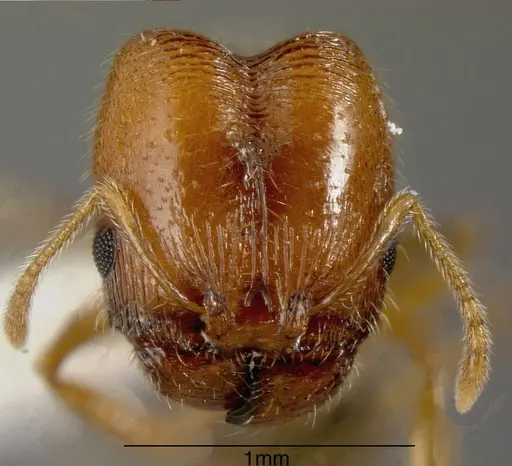
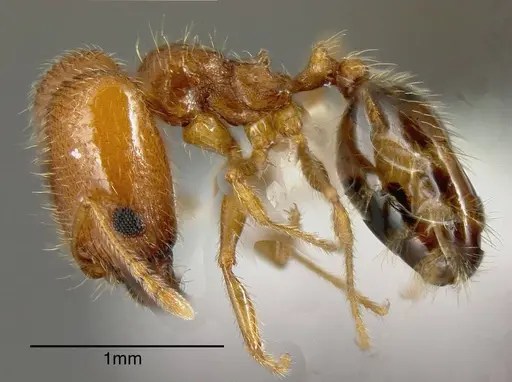
CASENT0635447
View on AntWeb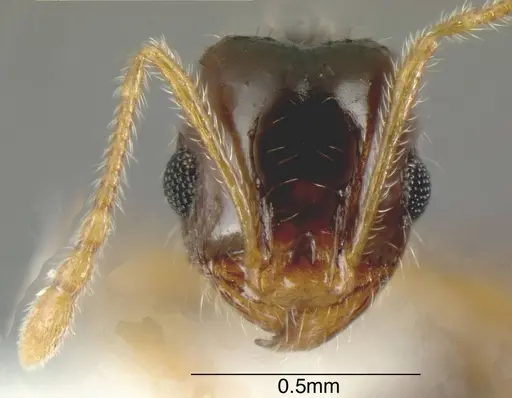
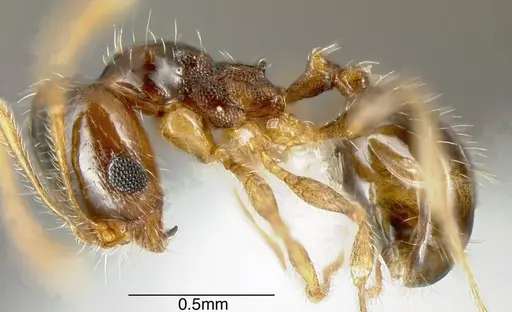
CASENT0644699
View on AntWeb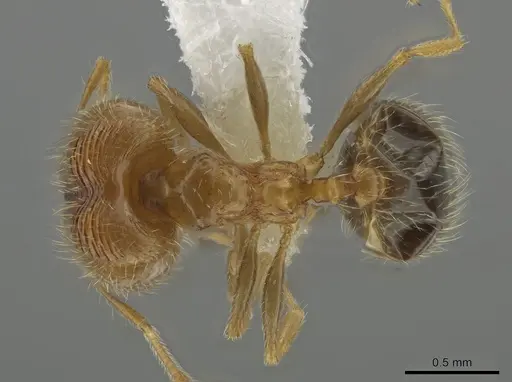
CASENT0724013
View on AntWeb
CASENT0724865
View on AntWeb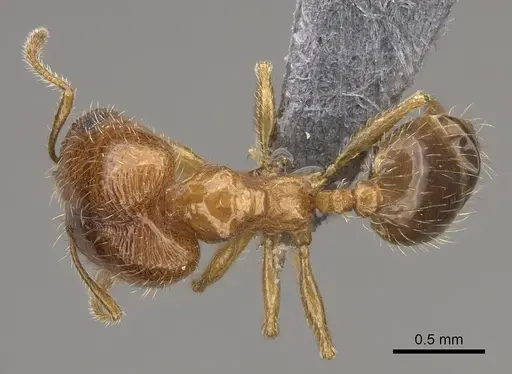
CASENT0724938
View on AntWeb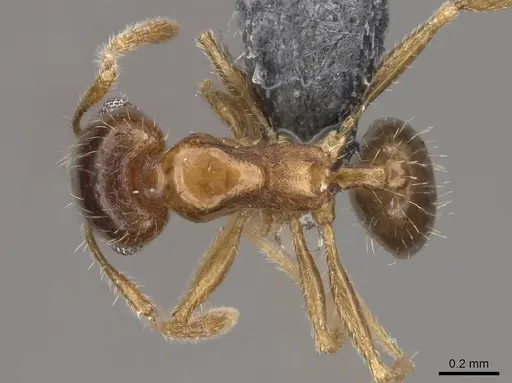
CASENT0732621
View on AntWeb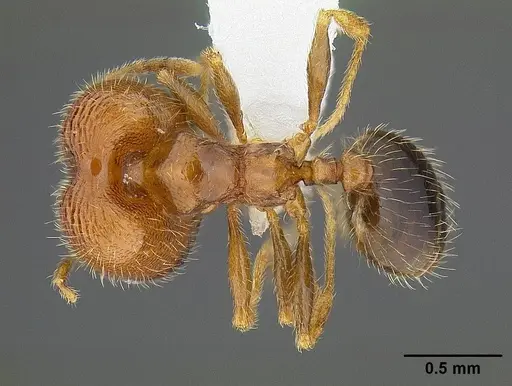
CASENT0862456
View on AntWeb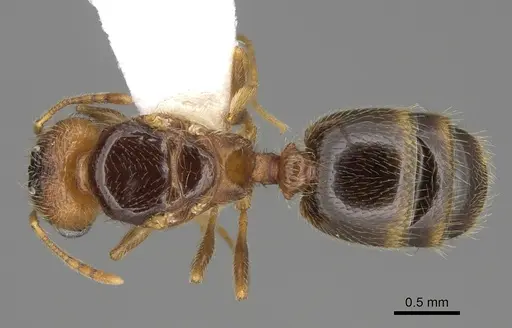
CASENT0901561
View on AntWeb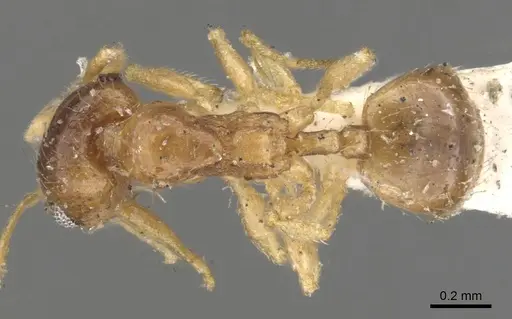
CASENT0904440
View on AntWeb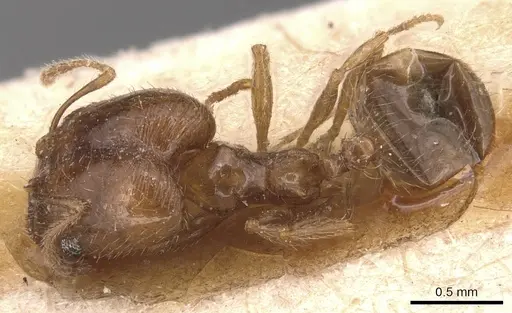
CASENT0904441
View on AntWeb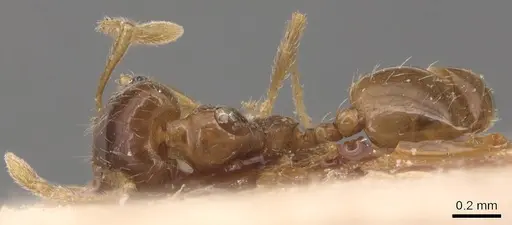
CASENT0919770
View on AntWeb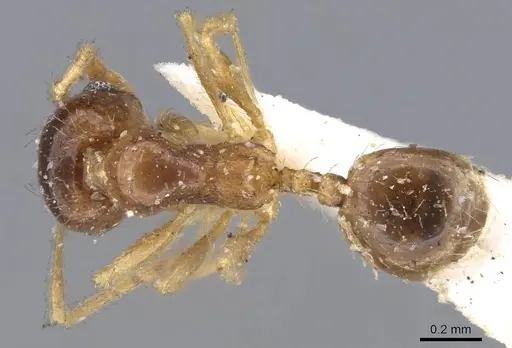
CASENT0919771
View on AntWeb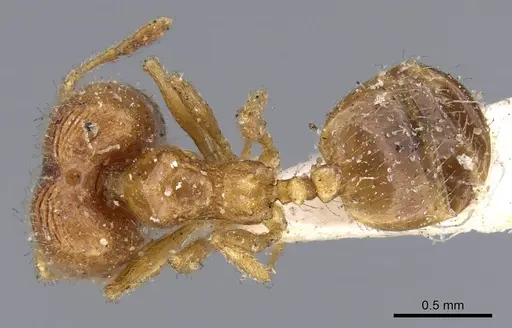
Literature
Loading distribution map...Loading products...