
Southern House ant
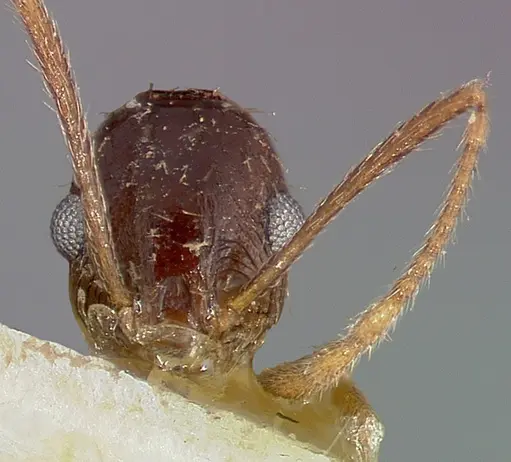
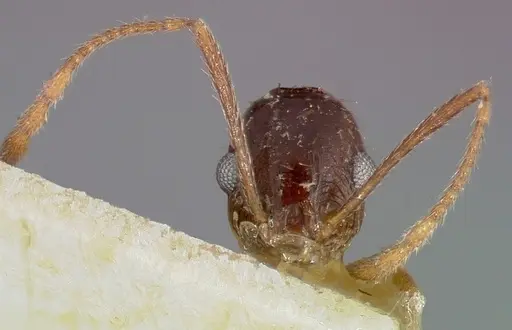
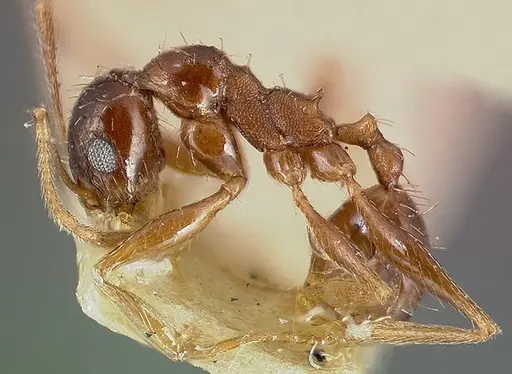
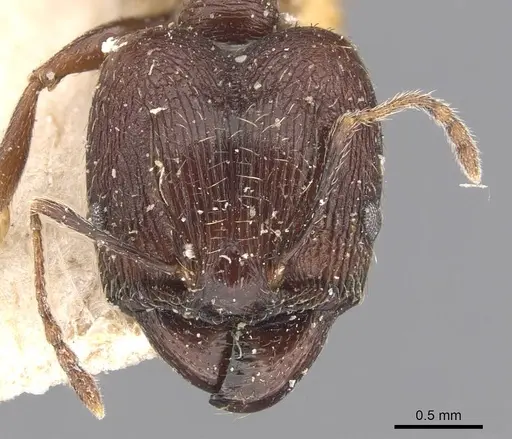
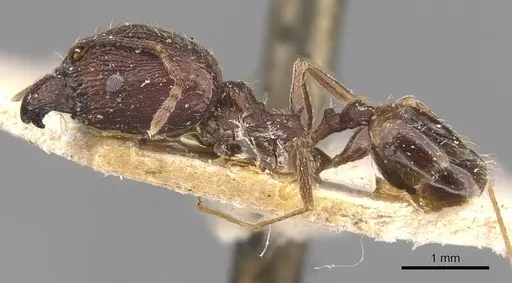
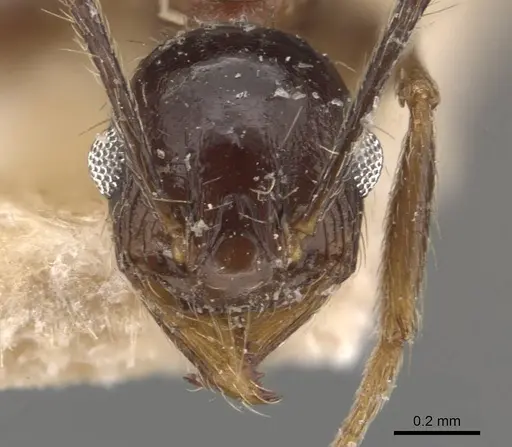
Pheidole caffra
- Sci. Name
- Pheidole caffra
- Tribe
- Attini
- Subfamily
- Myrmicinae
- Author
- Emery, 1895
- Common Name
- Southern House ant
- Distribution
- Found in 5 countries
Introduction
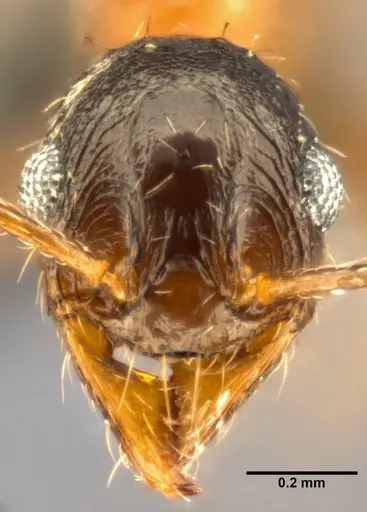
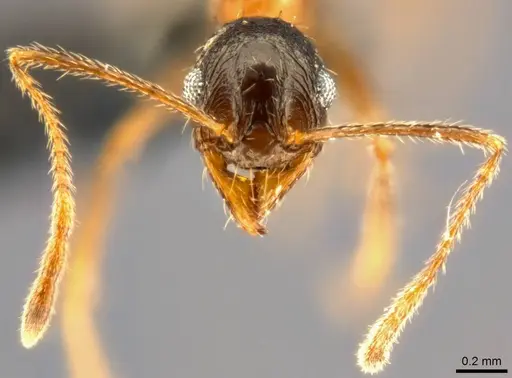
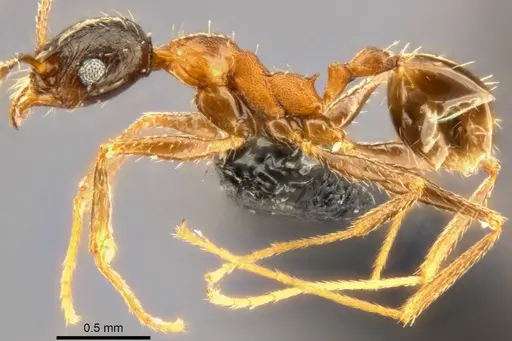
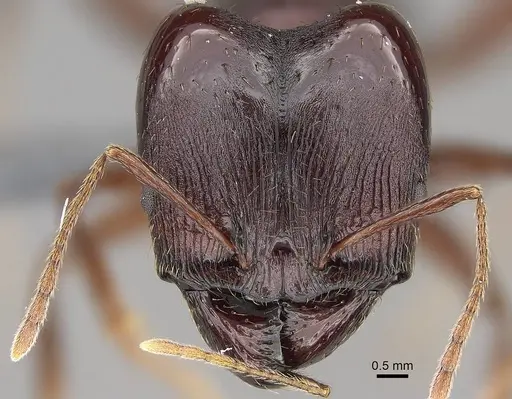
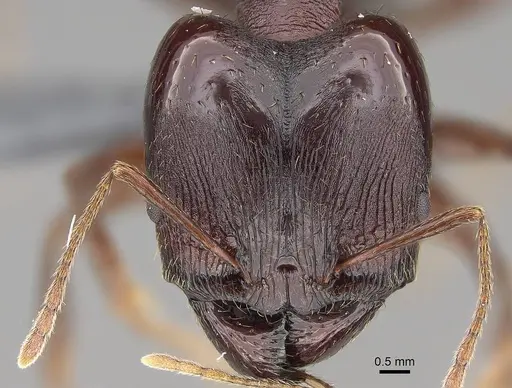
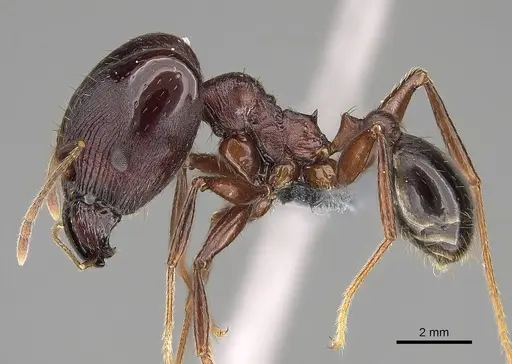
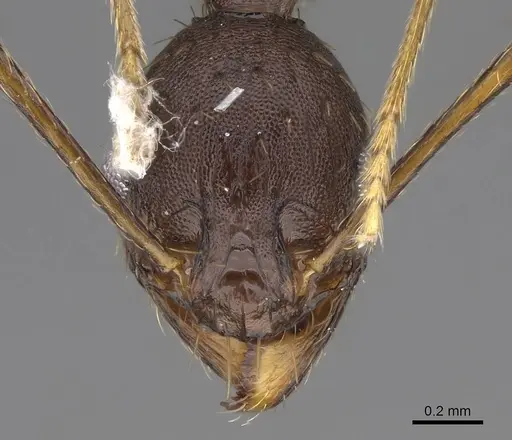
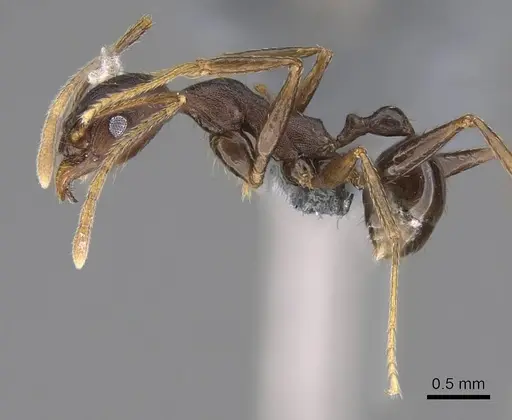
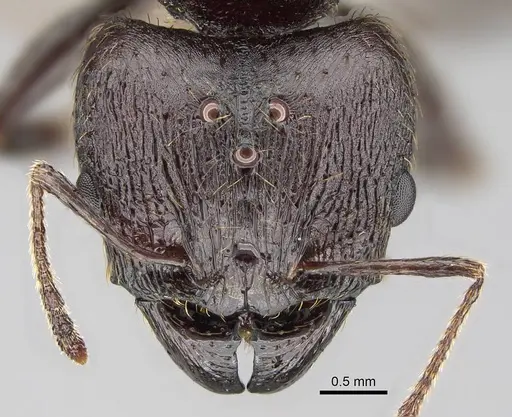
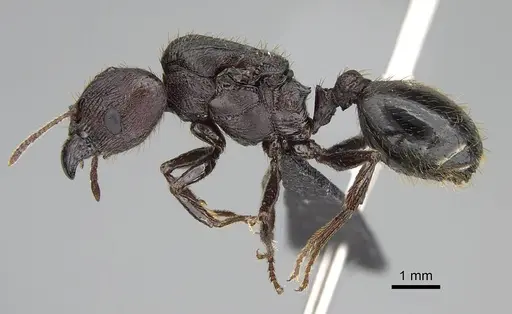
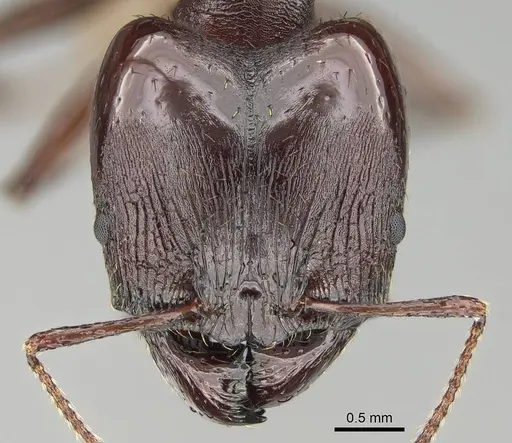
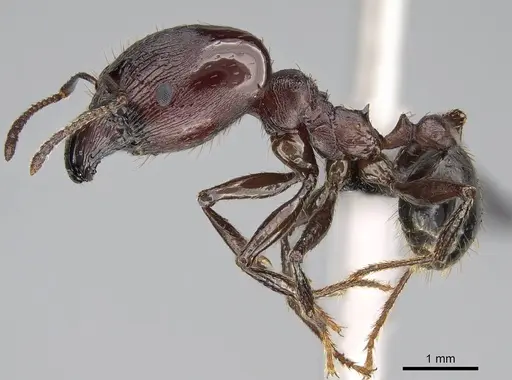
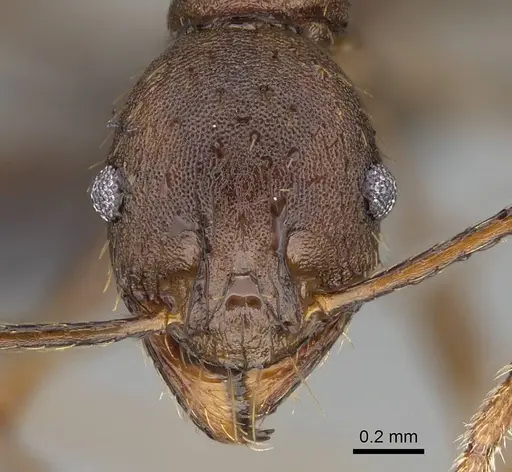
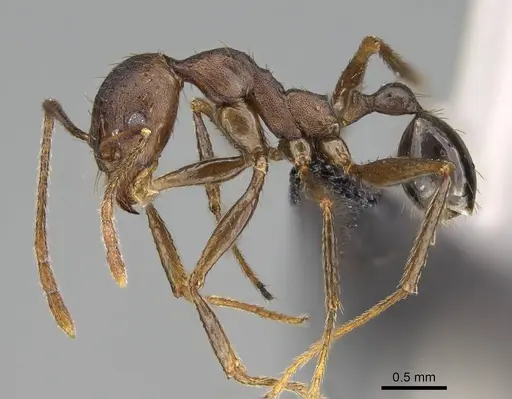
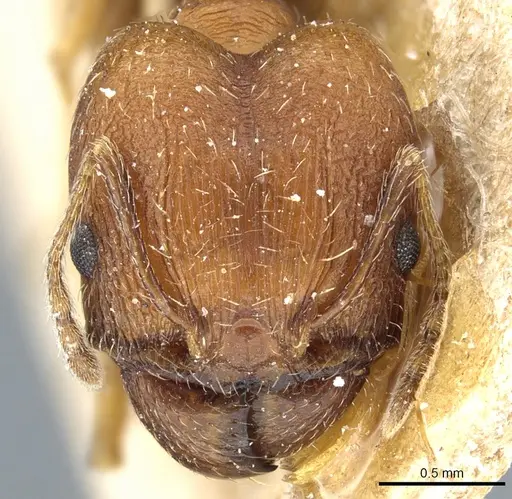
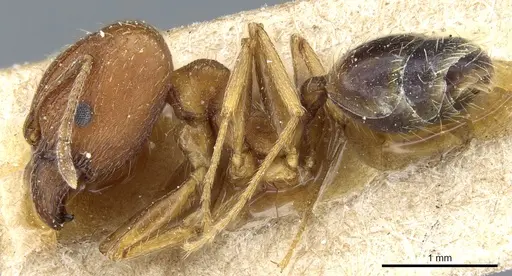
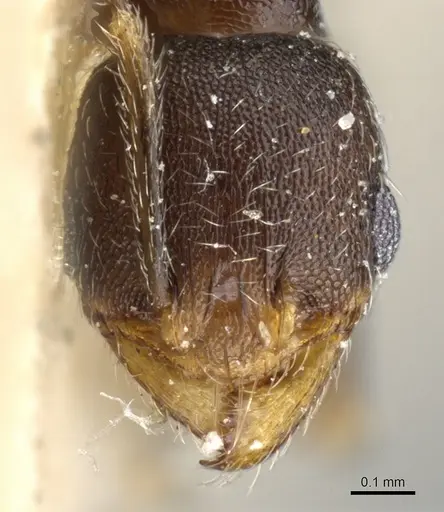
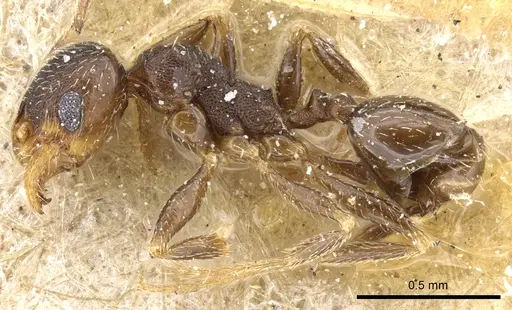
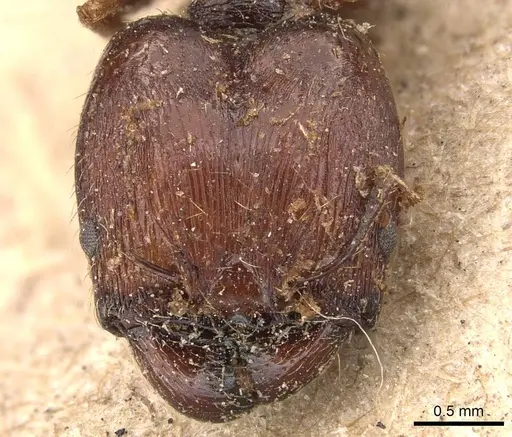
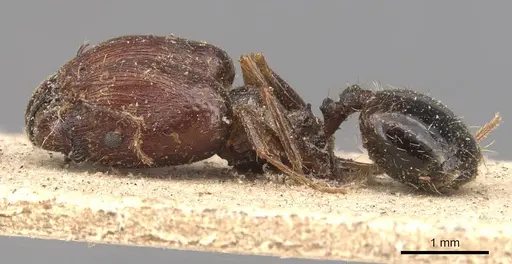
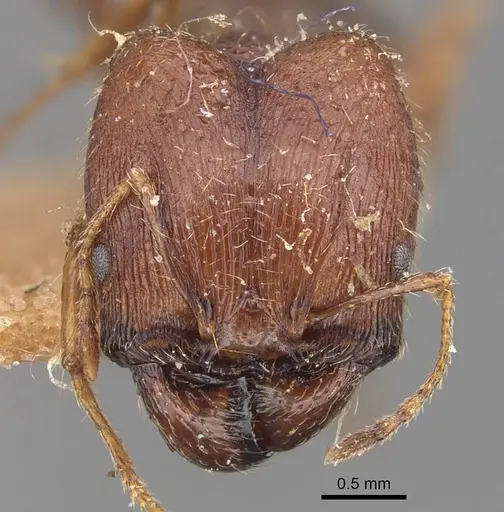
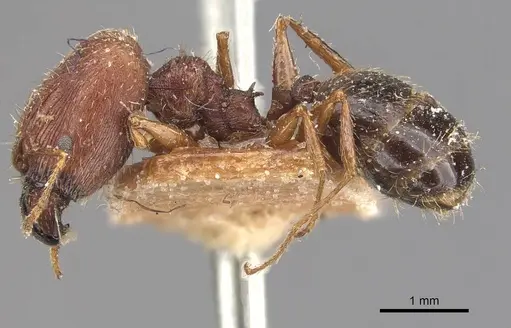
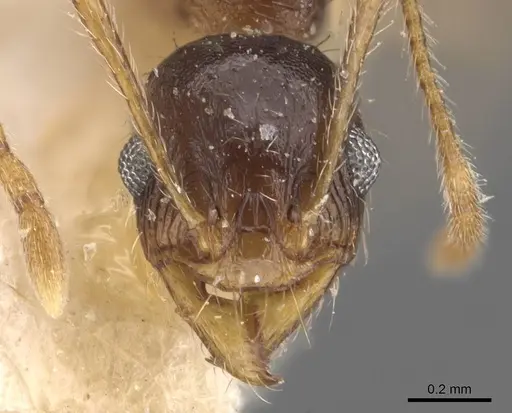
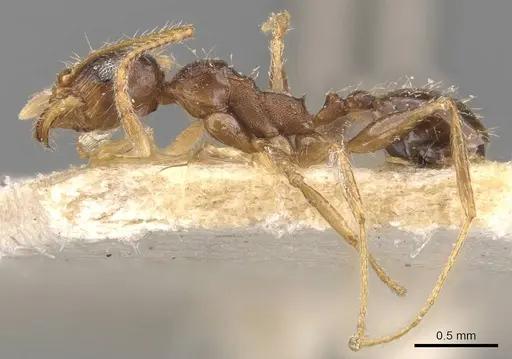
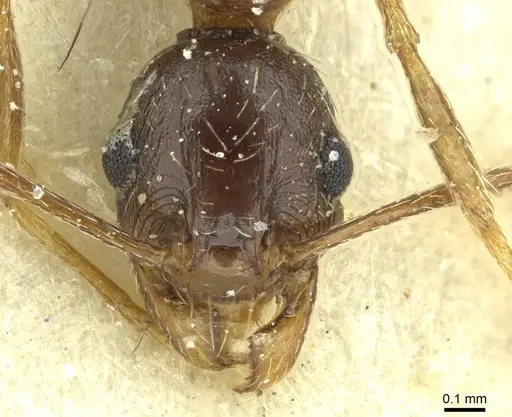
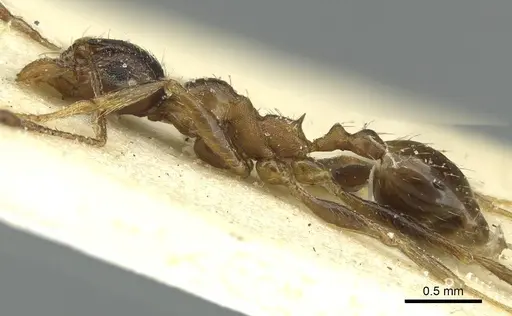
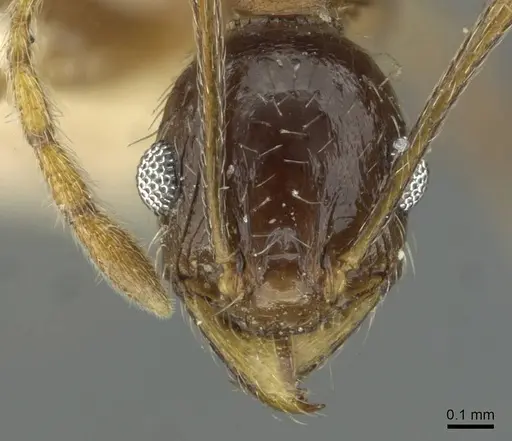
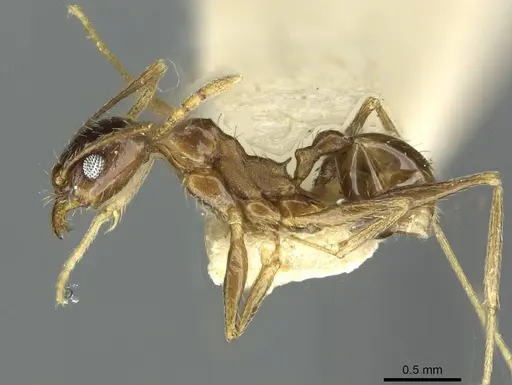
Pheidole caffra is a dimorphic ant species native to the Afrotropical region, found across central and southern Africa including Nigeria, South Africa, Tanzania, Democratic Republic of Congo, and Eritrea . Minor workers are around 2-3 mm and major workers around 4-6 mm, inferred from Pheidole genus patterns . They nest in soil under rocks or in rotting wood in woodland habitats . This species hosts the beetle Paussus anxius in their nests, a specialized myrmecophile .
Quick Summary
- Difficulty: Easy
- Origin & Habitat: Afrotropical region including Nigeria, South Africa, Tanzania, Democratic Republic of Congo, and Eritrea, found in woodland habitats, nesting in soil under rocks [1][2][3][4].
- Colony Type: Based on Pheidole genus patterns, likely monogyne with single queen colonies.
- Size & Growth:
- Queen: ~7-9 mm, inferred from Pheidole genus patterns [4]
- Worker: Minor workers ~2-3 mm, major workers ~4-6 mm, inferred from Pheidole genus patterns [4]
- Colony: Up to several thousand workers, inferred from typical Pheidole colony growth
- Growth: Moderate
- Development: Estimated 6-8 weeks at warm temperatures, inferred from Pheidole genus patterns (Development time may vary with temperature and feeding)
- Antkeeping:
- Temperature: Keep at 24-28°C, these are tropical ants from Africa. A heating cable can create a gradient
- Humidity: Keep nest substrate moist but not waterlogged, they nest in soil in woodland areas [4]
- Diapause: No, tropical species do not require hibernation
- Nesting: Y-tong or plaster nests work well. Provide some moisture retention [4]
- Behavior: Pheidole caffra is generally non-aggressive toward keepers. Major workers defend the nest if threatened. They are seed-harvesters and omnivores [4]. Escape risk is moderate, use fine mesh barriers.
- Common Issues: colonies may decline if kept too cold, maintain warm temperatures., poor escape prevention can lead to escapes., overfeeding can lead to mold, remove uneaten food promptly., founding colonies are vulnerable, queens need quiet, dark locations.
Housing and Nest Setup
You can house Pheidole caffra in various setups depending on colony size. For founding colonies, a test tube setup works well, the queen will seal herself in and raise her first brood there. As the colony grows, move them to a Y-tong nest or a plaster formicarium. These ants prefer some moisture in their nest, so provide a water reservoir or occasional misting [4]. For a naturalistic setup, use a container with soil or sand and place a flat stone on top for nesting under. Ensure excellent escape prevention with fine mesh barriers [4].
Feeding and Diet
Pheidole caffra is an omnivorous seed-harvester. Offer seeds like millet, protein sources like mealworms, and sugar water or honey water. Major workers use enlarged heads to crack seeds, so provide small seeds. Feed protein 2-3 times per week and keep sugar sources available. Remove uneaten food after 24-48 hours to prevent mold [4].
Temperature and Seasonal Care
Keep the nest area at 24-28°C year-round. Use a heating cable or heat mat on one side to create a gradient. As a tropical species, they do not require hibernation. Maintain stable warm temperatures to avoid slowing growth [4].
Colony Growth and Development
Colonies grow from a few workers to several hundred in the first year, then expand to thousands. Major workers appear as the colony matures, serving as seed-crushers and defenders. Queens can live many years in captivity.
Behavior and Temperament
This species is calm and manageable. They are not aggressive toward keepers and rarely sting. When disturbed, major workers may defend the nest mildly. Foragers are active and use chemical trails to recruit nestmates [4].
Frequently Asked Questions
How long does it take for Pheidole caffra to have first workers?
Expect first workers in about 6-8 weeks at warm temperatures (25-28°C), inferred from Pheidole genus patterns [4].
What do Pheidole caffra ants eat?
They are omnivores that accept seeds, protein insects, and sugar sources. Offer small seeds, mealworms, and honey water [4].
What temperature do Pheidole caffra need?
Keep them warm at 24-28°C. As a tropical species, they do not tolerate cool temperatures well [4].
Do Pheidole caffra need hibernation?
No, they are a tropical species and do not require hibernation.
How big do Pheidole caffra colonies get?
Mature colonies can reach several thousand workers, inferred from typical Pheidole growth [4].
Can I keep multiple Pheidole caffra queens together?
This species is likely monogyne based on genus patterns, so combining unrelated queens is not recommended.
What is the best nest type for Pheidole caffra?
Y-tong or plaster nests work well, with some moisture retention [4].
Are Pheidole caffra good for beginners?
Yes, they are considered easy to keep, tolerant of basic care mistakes, and do not require complex setups.
Why are my Pheidole caffra dying?
Common causes include temperatures too low, mold from overfeeding, or stress during founding. Maintain warmth and hygiene [4].
Report an Issue
The current care sheet is based fully on literature. See inconsistencies, or something that's incorrect? Please , it will be resolved after review from an admin. Contributing to the blogs tab also helps providing information, to make us be able to further improve the caresheets. Thank you for your support!
References

This caresheet is licensed under CC BY-SA 4.0 .
Community Blogs
CASENT0003145
View on AntWeb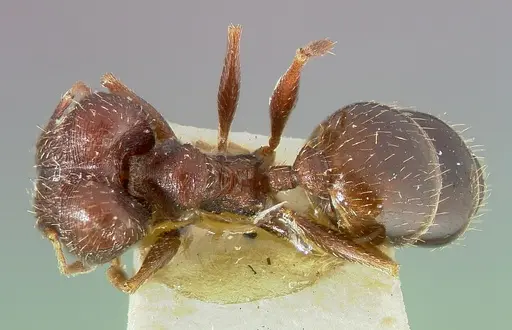

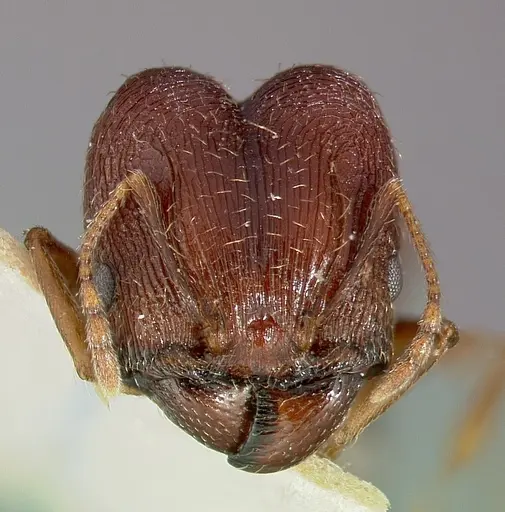

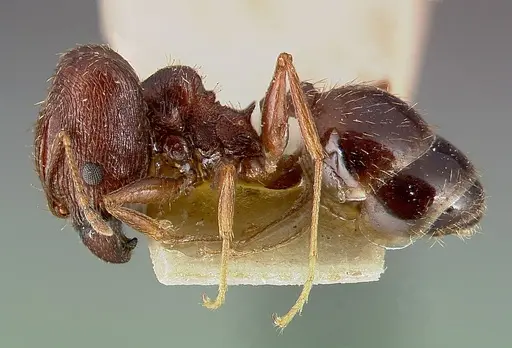

CASENT0006021
View on AntWeb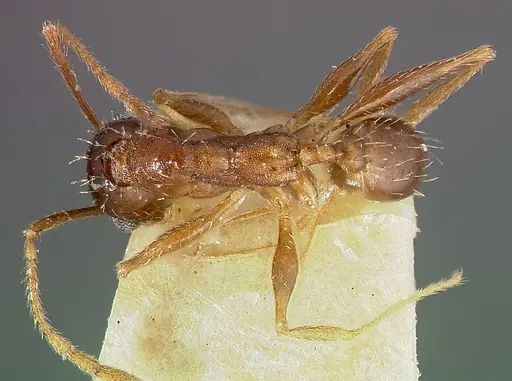
CASENT0281614
View on AntWeb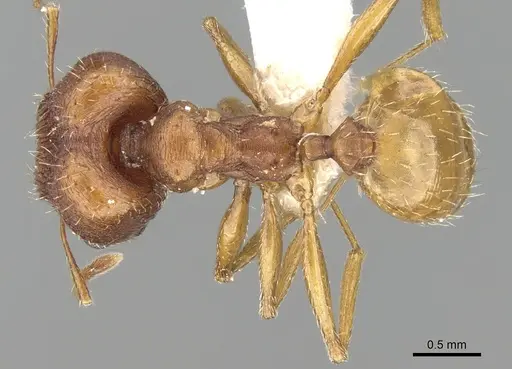
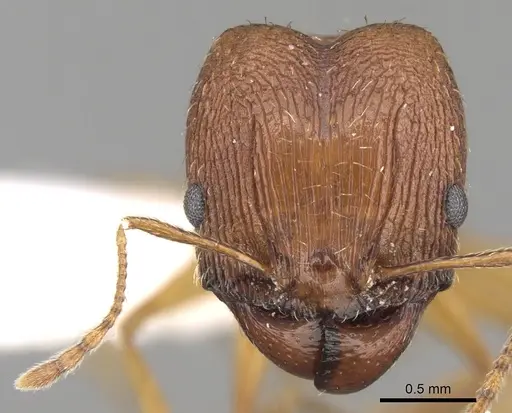
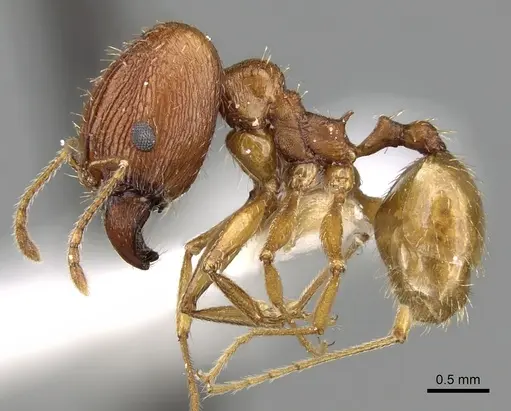
CASENT0281615
View on AntWeb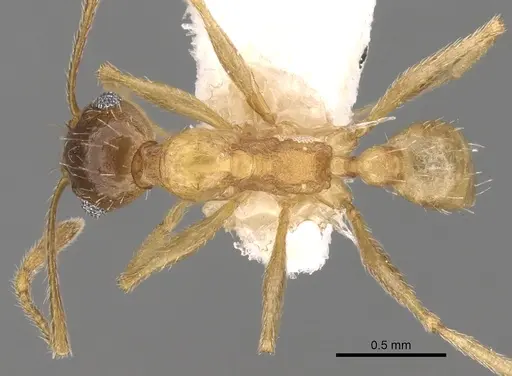
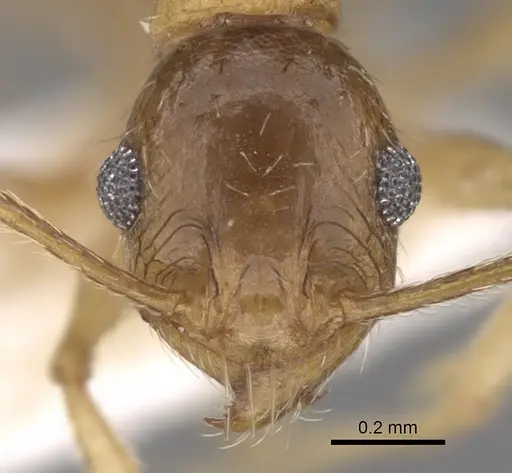
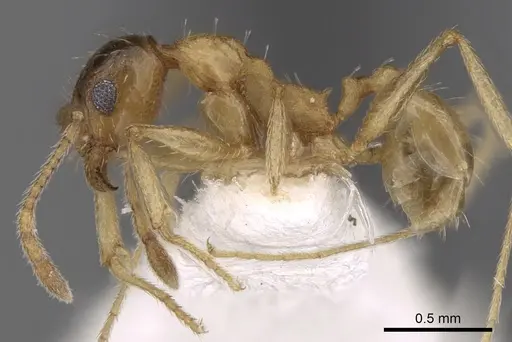
CASENT0282877
View on AntWeb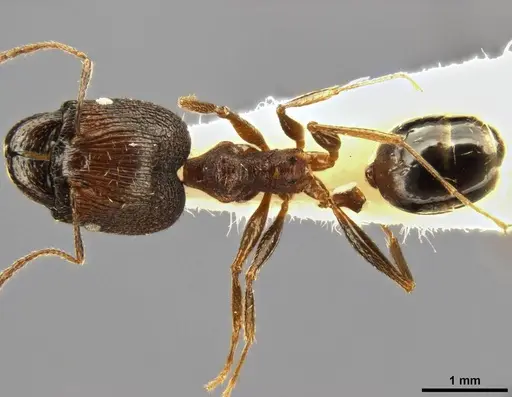
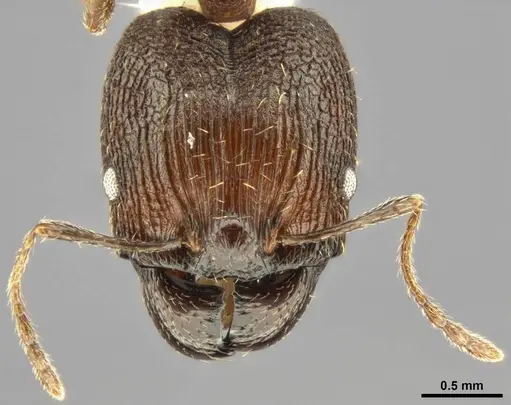
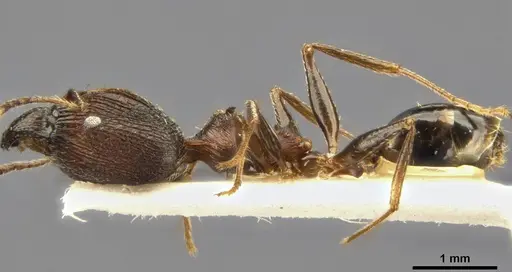
CASENT0283108
View on AntWeb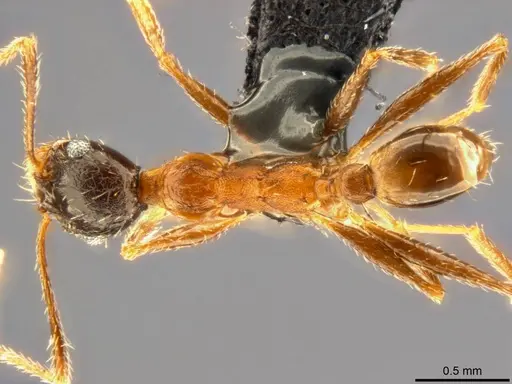
CASENT0785931
View on AntWeb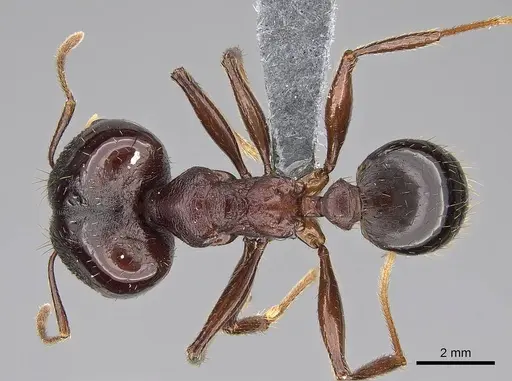
CASENT0785932
View on AntWeb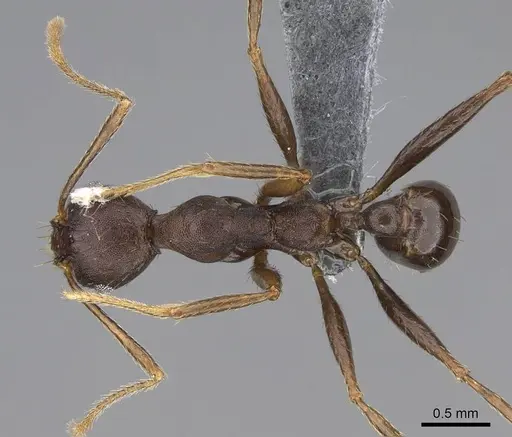
CASENT0822201
View on AntWeb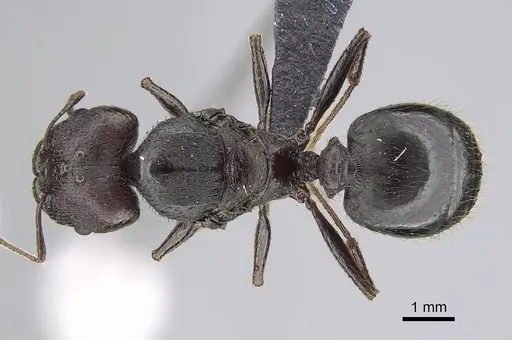
CASENT0822202
View on AntWeb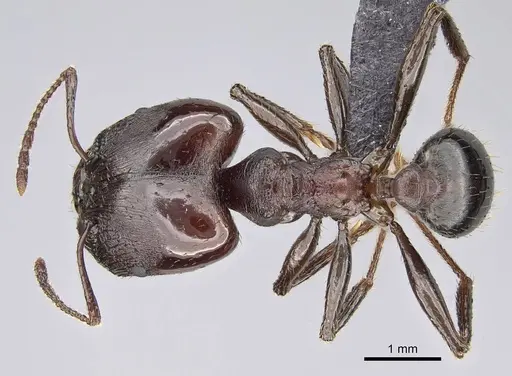
CASENT0822203
View on AntWeb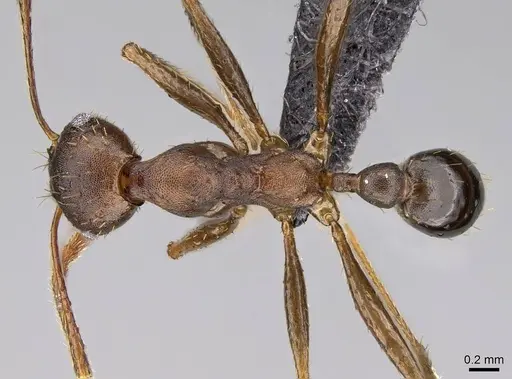
CASENT0904210
View on AntWeb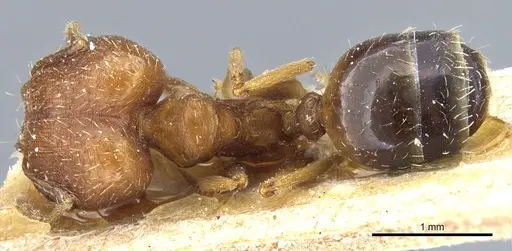
CASENT0904211
View on AntWeb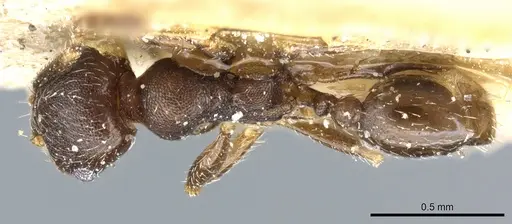
CASENT0907815
View on AntWeb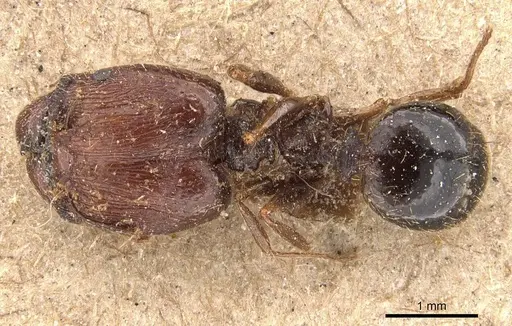
CASENT0907816
View on AntWeb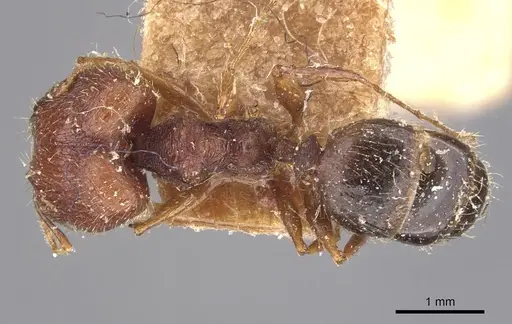
CASENT0907817
View on AntWeb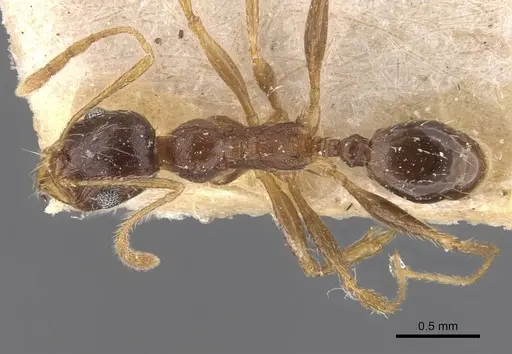
CASENT0907818
View on AntWeb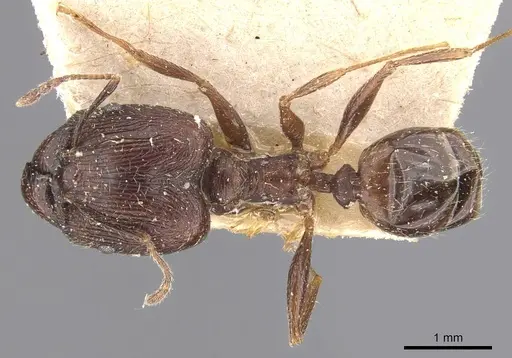
CASENT0907819
View on AntWeb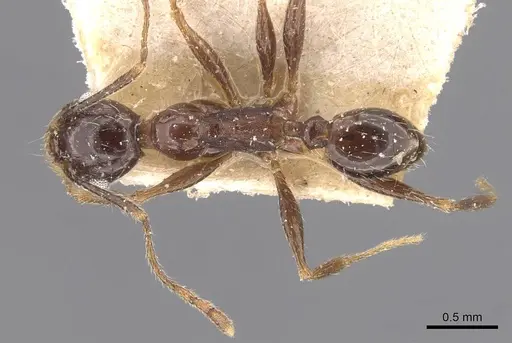
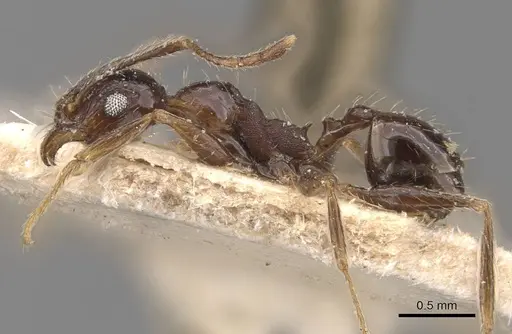
CASENT0913284
View on AntWeb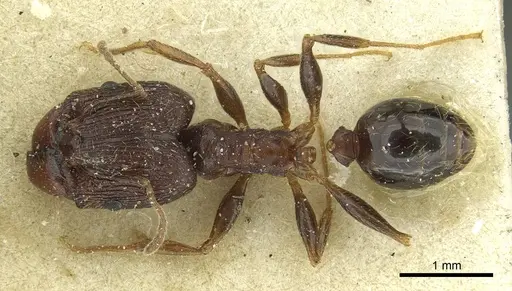
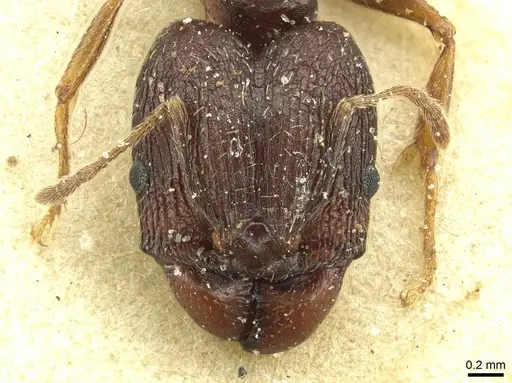
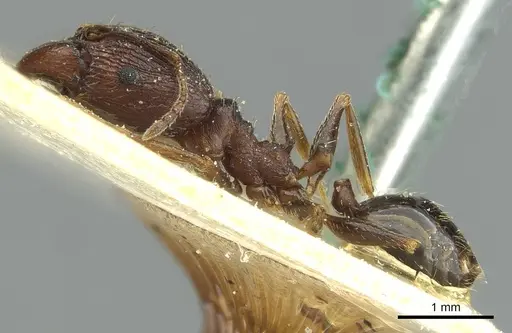
CASENT0913285
View on AntWeb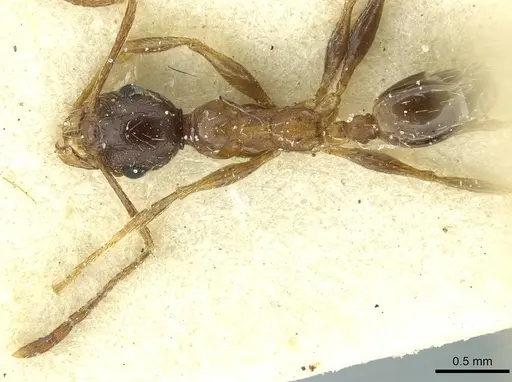
CASENT0914274
View on AntWeb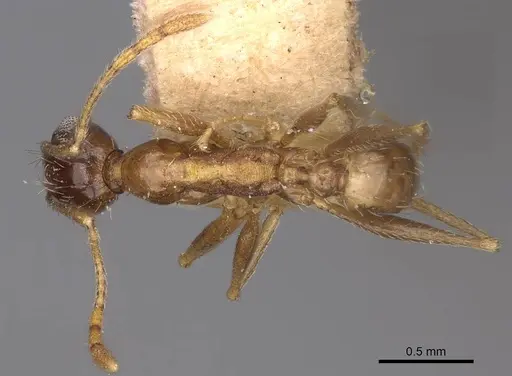
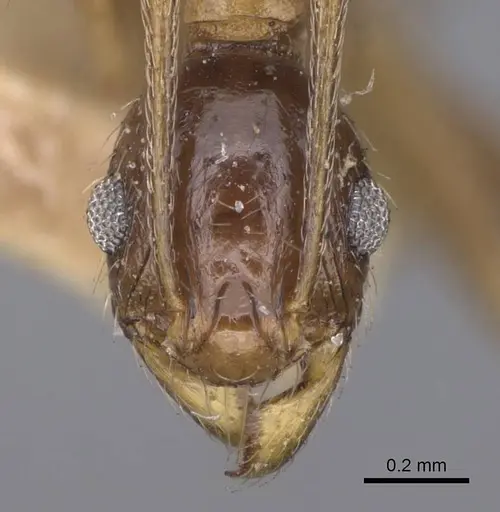
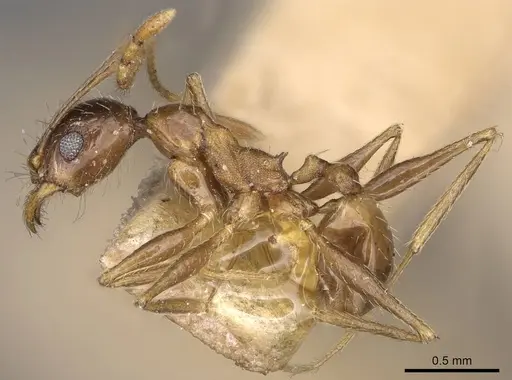
CASENT0917762
View on AntWeb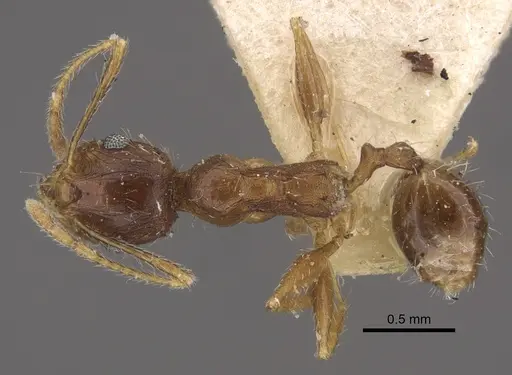
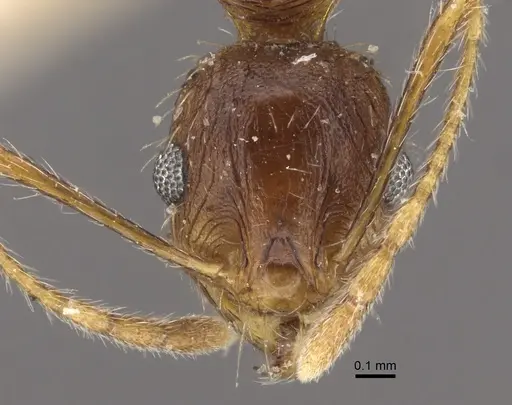
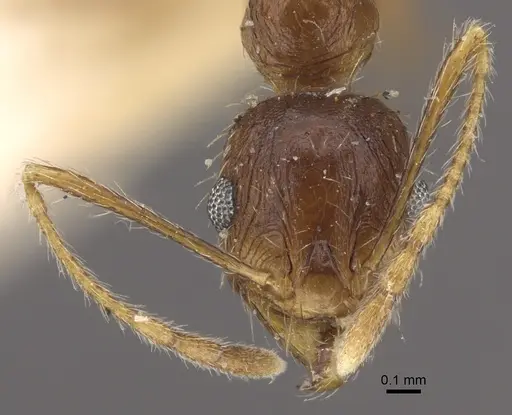
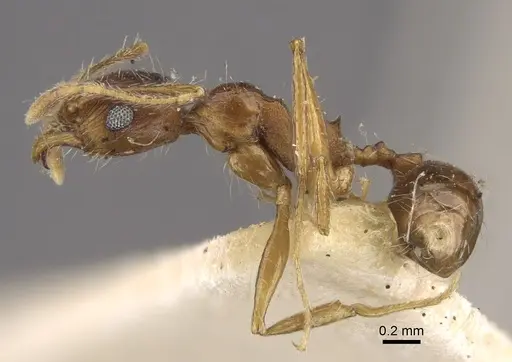
LACMENT323602
View on AntWeb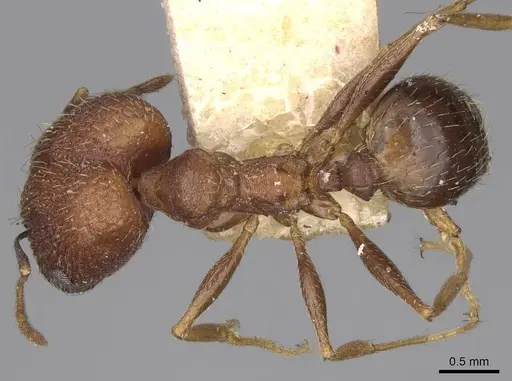
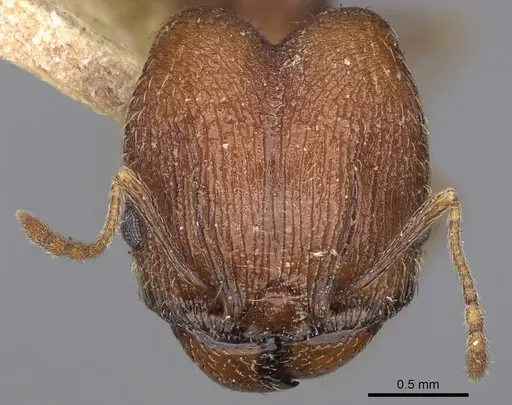
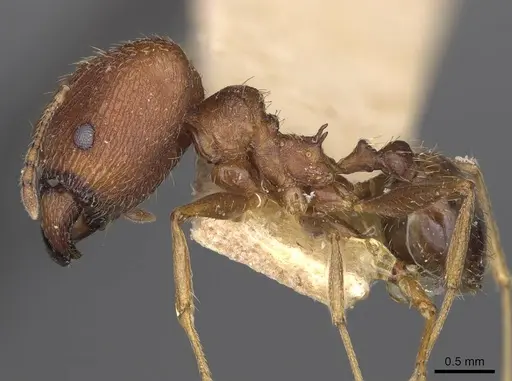
RMCAENT000017752
View on AntWeb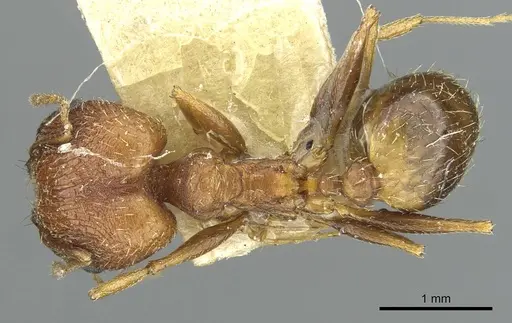
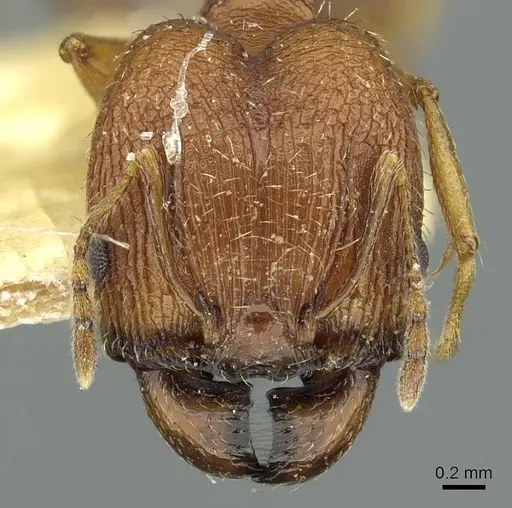
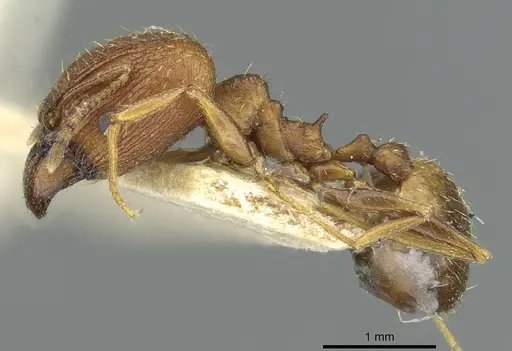
RMCAENT000017753
View on AntWeb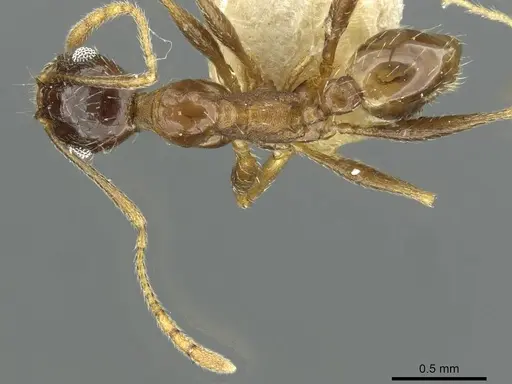
Literature
Loading distribution map...Loading products...