
Pheidole buchholzi
- Sci. Name
- Pheidole buchholzi
- Tribe
- Attini
- Subfamily
- Myrmicinae
- Author
- Mayr, 1901
- Distribution
- Found in 4 countries
Introduction
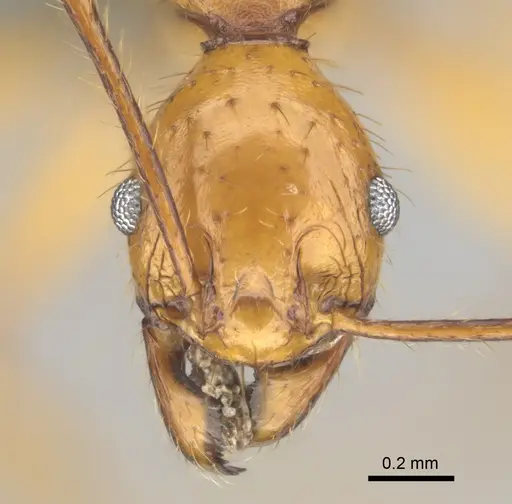
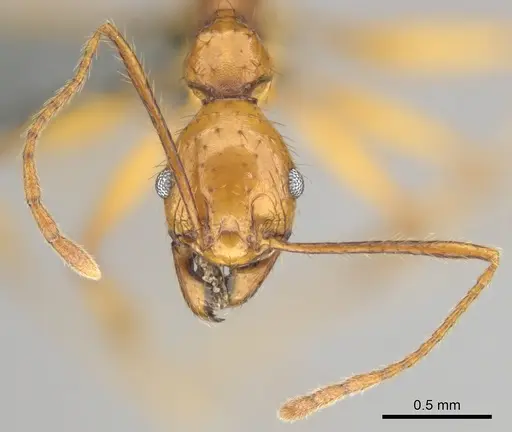
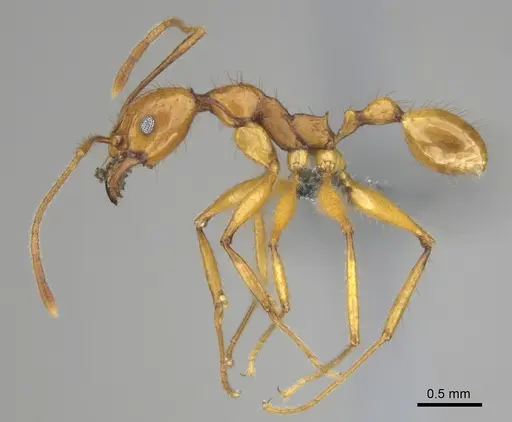
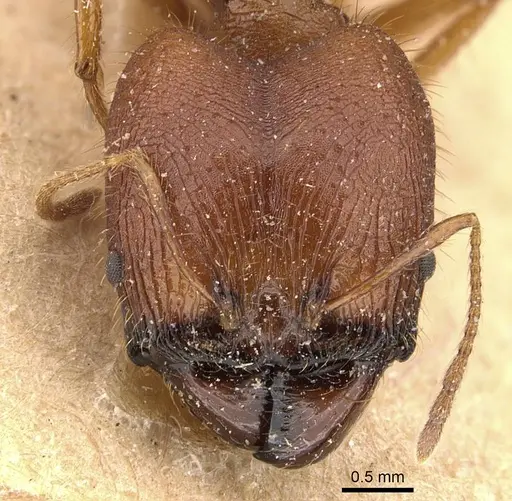
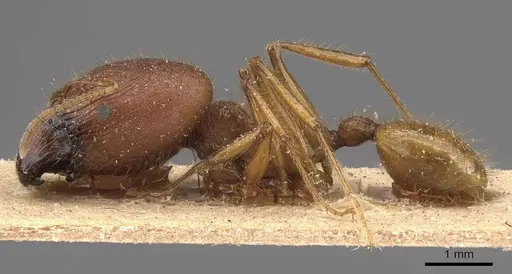
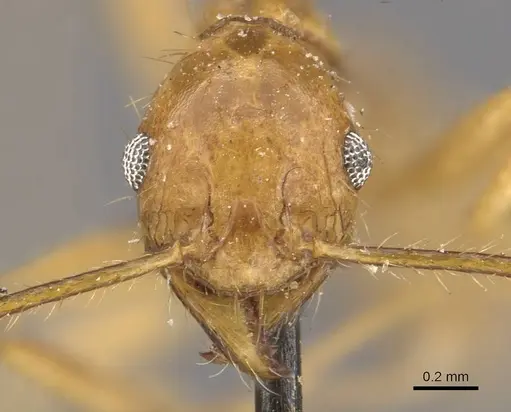
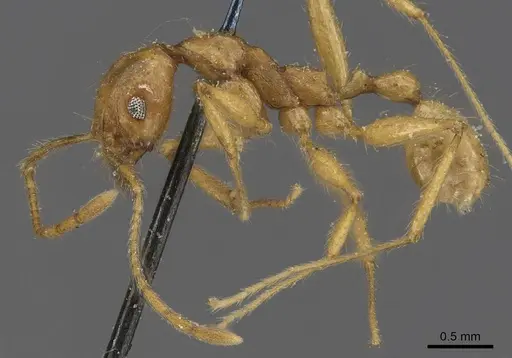
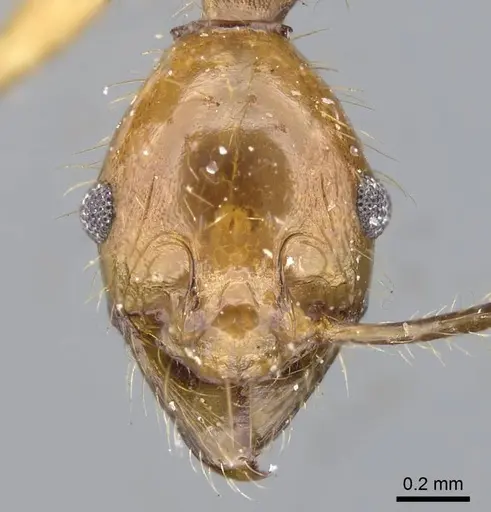
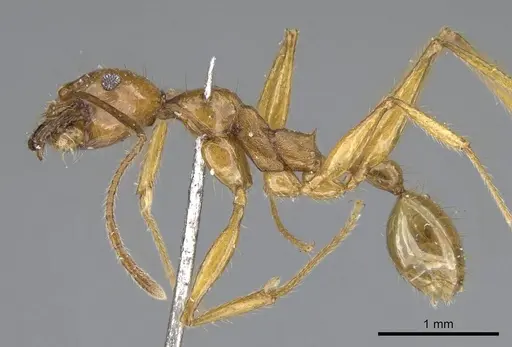
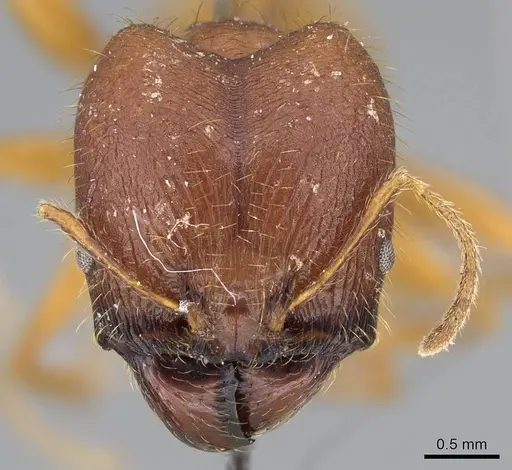
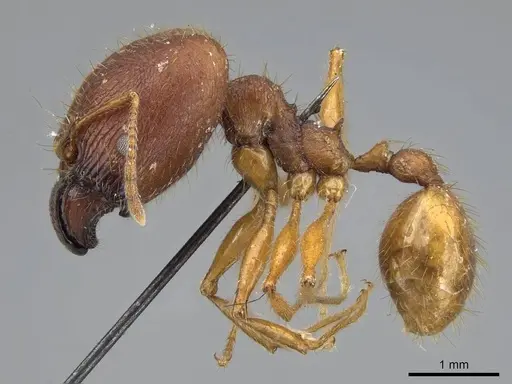
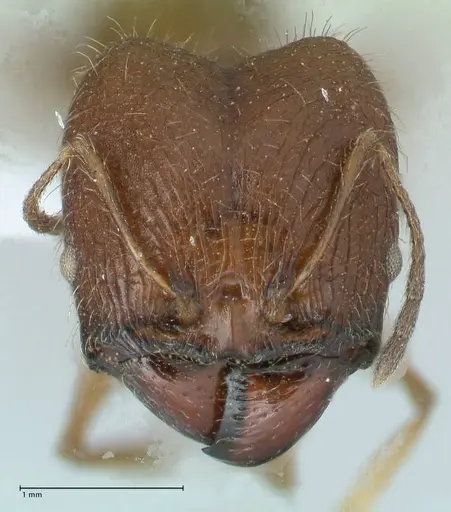
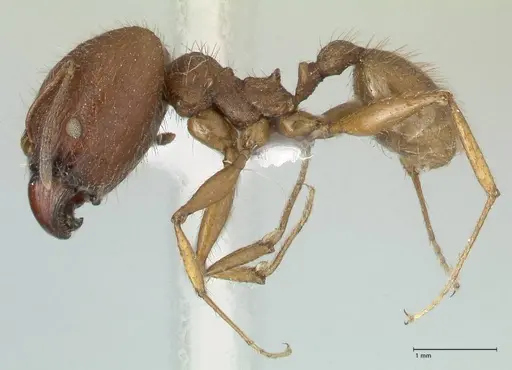
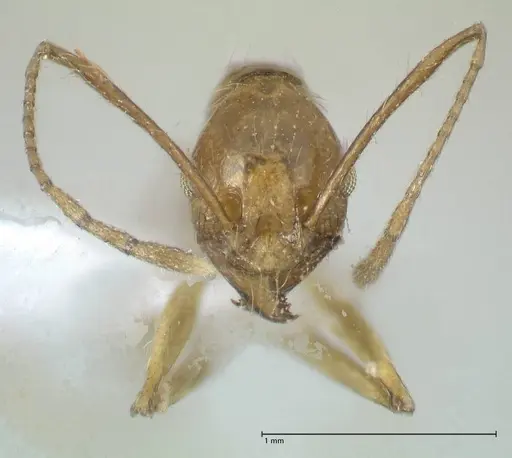
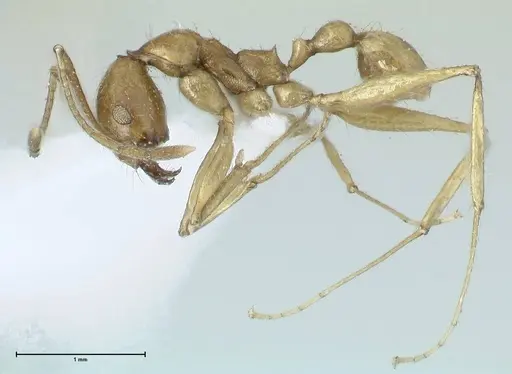
Pheidole buchholzi is an ant species native to West and Central Africa. Like all Pheidole species, they have a caste system with major workers (soldiers) and minor workers. The species is found in Cameroon, Democratic Republic of Congo, Guinea, and Ivory Coast, occurring in forest margins, savanna transitional zones, and urban environments . What makes P. buchholzi particularly interesting is its success in human-modified landscapes. Research in Côte d'Ivoire shows this species is the most abundant ant in urban green spaces and along forest edges, demonstrating exceptional adaptability to disturbed environments .
Quick Summary
- Difficulty: Easy
- Origin & Habitat: West and Central Africa, found in Cameroon, Democratic Republic of Congo, Guinea, and Ivory Coast. Naturally occurs in forest margins and savanna transitional zones, but has become highly successful in urban and suburban environments [1][2][3].
- Colony Type: Colony structure is unconfirmed from research data.
- Size & Growth:
- Queen: size data unavailable
- Worker: size data unavailable
- Colony: unknown, no specific data available
- Growth: Moderate to fast, inferred from tropical habitat
- Development: Unknown, no specific data available (Development likely faster in warm climates, but no specific timeline confirmed.)
- Antkeeping:
- Temperature: Keep warm, roughly 24-28°C, based on tropical habitat inference.
- Humidity: Keep nest substrate consistently moist but not waterlogged.
- Diapause: No, tropical species, no hibernation needed.
- Nesting: Flexible, use test tubes for founding, and Y-tong (AAC) or plaster nests for established colonies.
- Behavior: Generally peaceful but defensive when threatened. Major workers can deliver a mild sting. Active foragers with high escape risk due to small size. Ensure escape-proof setup.
- Common Issues: escape prevention, small size requires fine mesh and sealed connections., overheating, keep below 30°C., moisture balance, avoid waterlogging., monitor colony growth to prevent overcrowding.
Housing and Nest Setup
For founding colonies, a standard test tube setup works well. Once the colony reaches a suitable size, move them to a formicarium. Use Y-tong (AAC) nests or plaster nests. Ensure the outworld is escape-proof with fine mesh and barriers.
Feeding and Diet
Pheidole buchholzi likely harvests seeds and supplements with insects and honeydew, as typical for Attini tribe. In captivity, offer seeds, small insects, and sugar water. Protein is important for brood development.
Temperature and Seasonal Care
This is a tropical species that does best at warm temperatures. Maintain around 24-28°C. No hibernation needed.
Colony Growth and Development
Colony development is unconfirmed from research. Based on typical Pheidole patterns, queens may seal themselves in a chamber and raise first workers. Major workers appear as colony grows.
Behavior and Temperament
This species is generally calm but defensive when nest is threatened. Major workers can sting. They are active foragers and successful in urban environments [2][3]. Escape risk is high due to small size.
Common Challenges
Main challenges include escape prevention, temperature management, and moisture balance. Ensure setup is sealed, keep warm but not overheated, and avoid waterlogging.
Frequently Asked Questions
Is Pheidole buchholzi good for beginners?
Based on its adaptability and success in urban environments, it may be suitable for beginners [2]. However, no specific research on beginner-friendliness exists.
How long does it take for the first workers to appear?
Unknown, no specific data available. Based on typical Pheidole patterns in warm climates, it may take several weeks.
What do I feed Pheidole buchholzi?
Offer a mix of seeds, insects, and sugary liquids, as typical for Attini tribe.
Can I keep multiple queens together?
Unknown, research data does not confirm queen number. Based on typical Pheidole patterns, colonies are often monogyne, but this is unconfirmed.
Do they need hibernation?
No, as a tropical species, they do not require hibernation.
How big do colonies get?
Unknown, no specific data available.
Why are my ants escaping?
Their small size allows them to squeeze through tiny gaps. Use fine mesh and seal all connections.
When should I move them to a formicarium?
Unknown, no specific data. Based on typical ant care, when the test tube becomes crowded.
Are they aggressive toward other ant species?
They are not particularly aggressive, but major workers defend the nest vigorously [2].
What temperature is ideal for Pheidole buchholzi?
Keep them warm, roughly 24-28°C, based on tropical habitat inference.
Report an Issue
The current care sheet is based fully on literature. See inconsistencies, or something that's incorrect? Please , it will be resolved after review from an admin. Contributing to the blogs tab also helps providing information, to make us be able to further improve the caresheets. Thank you for your support!
References

This caresheet is licensed under CC BY-SA 4.0 .
Community Blogs
CASENT0003237
View on AntWeb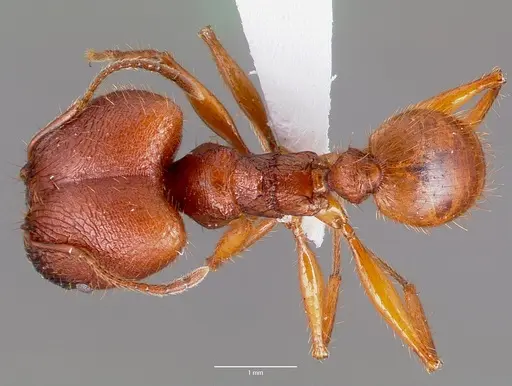
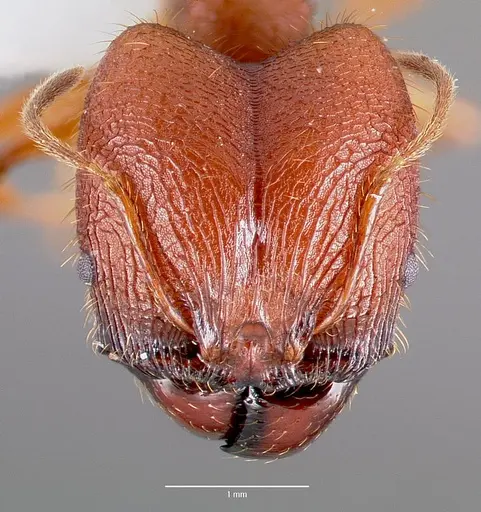
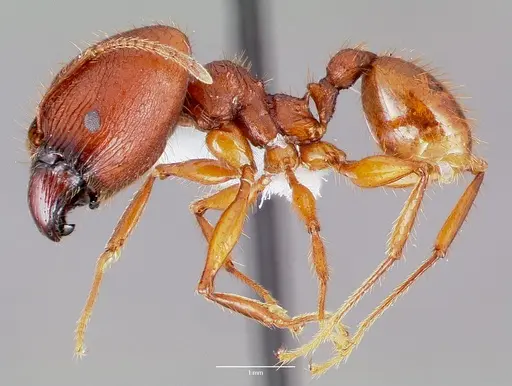
CASENT0815793
View on AntWeb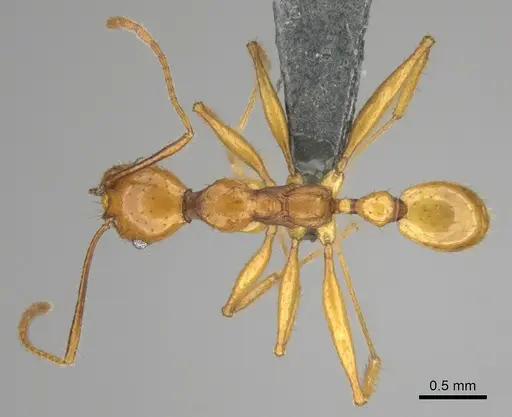
CASENT0907813
View on AntWeb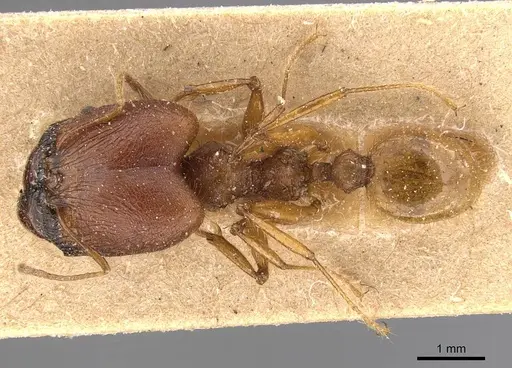
CASENT0907814
View on AntWeb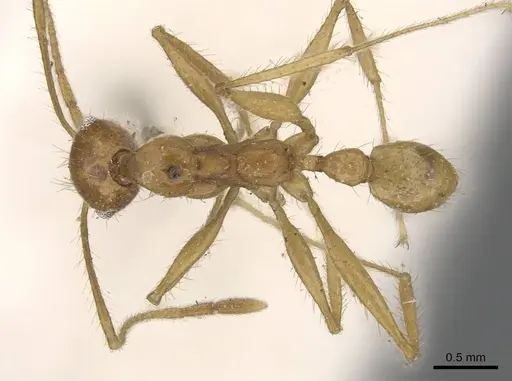
CASENT0922189
View on AntWeb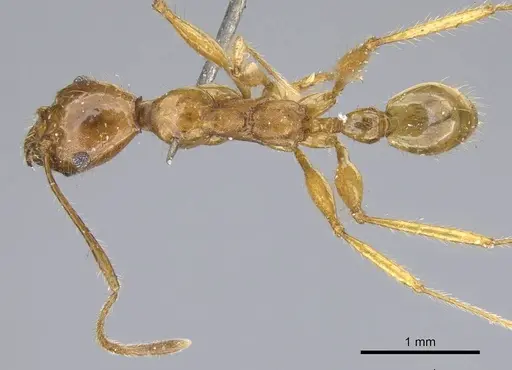
CASENT0922190
View on AntWeb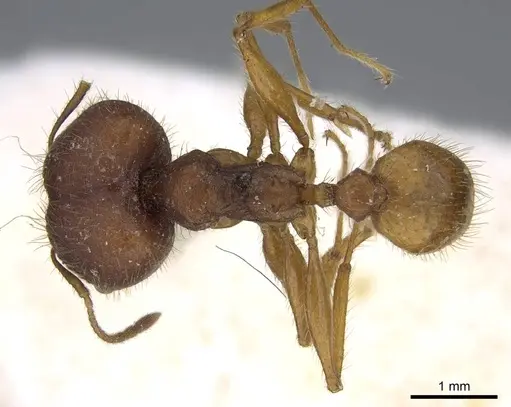
FOCOL1788-1
View on AntWeb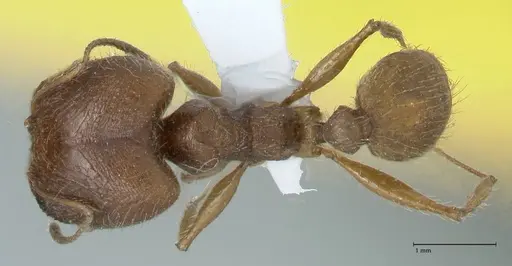
FOCOL1788-2
View on AntWeb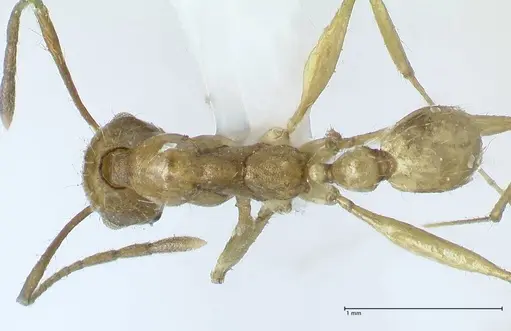
Literature
Loading distribution map...Loading products...