
Pheidole breviseta
- Sci. Name
- Pheidole breviseta
- Tribe
- Attini
- Subfamily
- Myrmicinae
- Author
- Santschi, 1919
- Distribution
- Found in 2 countries
Introduction
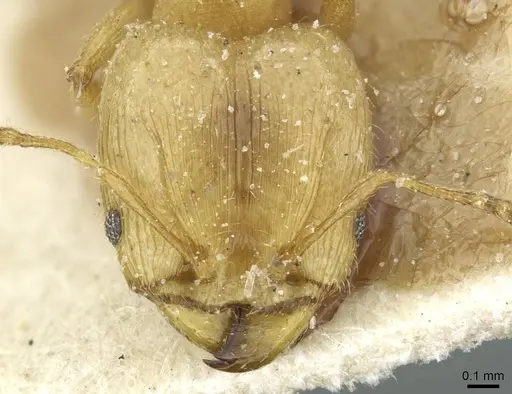
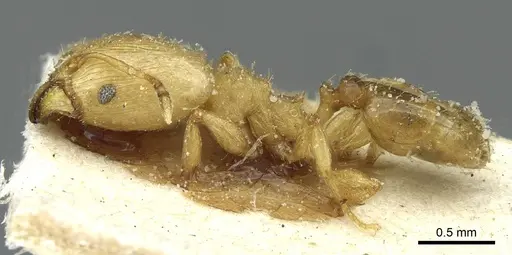
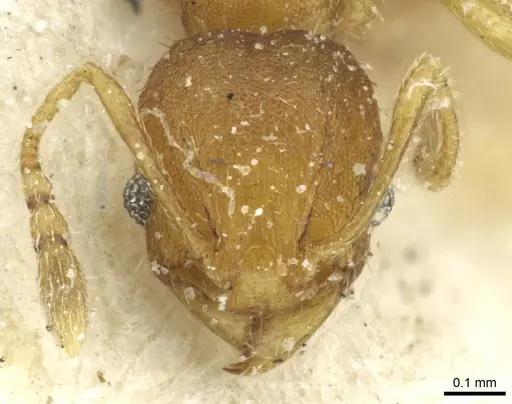
Pheidole breviseta is a species of ant in the flavens group, first described from Argentina. Little is known about its biology, as it is only known from type specimens. Morphologically, major workers have a smooth occiput and short hairs . It is found in grassland habitats in Argentina and southern Brazil, including low grassland, high grassland, and Cerrado areas .
Quick Summary
- Difficulty: Hard
- Origin & Habitat: Native to the Neotropical region, specifically Argentina (Córdoba) and southern Brazil (Santa Catarina, Paraná). Found in grassland habitats including low grassland, high grassland, and Cerrado areas. Strongly associated with ground stratum [2][3][4].
- Colony Type: Unknown, no colony structure data exists for this species.
- Size & Growth:
- Queen: Size data unavailable, no total length measurements exist for this species.
- Worker: Size data unavailable, no total length measurements exist for this species.
- Colony: Unknown, no colony size data exists.
- Growth: Unknown
- Development: Unconfirmed, estimated 6-10 weeks based on typical Pheidole development patterns [1]. (Development time is inferred from related species in the genus.)
- Antkeeping:
- Temperature: Based on distribution in temperate regions, keep around 22-26°C with a gentle gradient [2][3].
- Humidity: Grassland species typically tolerate drier conditions, keep substrate moist but not waterlogged [2][3].
- Diapause: Likely required, ants from this region may need a winter rest period. Provide a 2-3 month diapause at 10-15°C based on regional patterns [2][3].
- Nesting: Use a test tube setup initially, transitioning to a small formicarium with tight, enclosed spaces. They are ground-nesting ants [1].
- Behavior: This species is unstudied in captivity. Based on genus patterns, expect typical Pheidole behavior: majors may handle defense, minors forage. Their small size means escape prevention is critical [1].
- Common Issues: no captive husbandry data exists, this is an entirely untested species in the antkeeping hobby, tiny size makes escape likely without fine mesh barriers, unknown dietary requirements may make feeding challenging, no information on founding behavior or colony development in captivity, wild-caught colonies may have parasites or diseases with no documented treatment
Species Overview and Identification
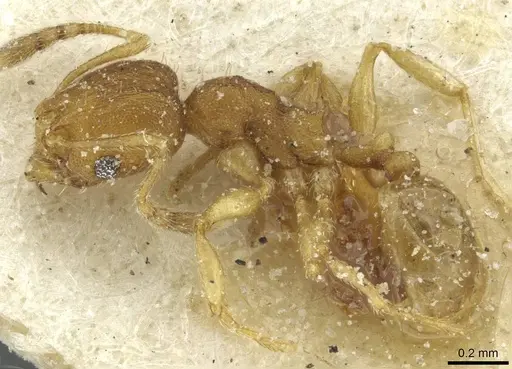
Pheidole breviseta is a member of the flavens species group, characterized by its small size and yellow coloration. The major workers have a smooth occiput (back of the head), a distinctive horn-like postpetiole, and relatively short hairs. Both major and minor workers are concolorous medium yellow. This species was originally described from Argentina and has since been recorded in southern Brazil, particularly in grassland habitats of Santa Catarina and Paraná states [1].
Natural Habitat and Distribution
Pheidole breviseta is found in the Neotropical region, specifically in Argentina (the type locality in Córdoba province) and southern Brazil (Santa Catarina and Paraná states). It inhabits grassland ecosystems including low grassland, high grassland, and Cerrado habitats. Research shows it has a strict association with the ground stratum, meaning it forages and nests at ground level rather than in vegetation [2][3][4].
Housing and Nest Setup
Since this species has never been kept in captivity, housing recommendations are based on typical Pheidole care and what is known about its natural history. Use a standard test tube setup for the founding colony. Once workers arrive, you can maintain them in the test tube or transition to a small formicarium. They are ground-nesting ants that prefer enclosed, tight spaces. Provide a small outworld for foraging. Given their extremely small size, escape prevention is critical, use fine mesh on all openings [1].
Feeding and Diet
No specific dietary information exists for Pheidole breviseta. However, Pheidole species are typically generalist foragers that accept both protein and carbohydrate sources. For captivity, offer a varied diet including protein sources like small insects and carbohydrate sources like sugar water. Feed protein 2-3 times per week and keep a constant sugar water source available [1].
Temperature and Seasonal Care
No specific temperature data exists for this species. Based on its distribution in Argentina and southern Brazil, aim for temperatures in the low-to-mid 20s Celsius. A temperature gradient allows the colony to self-regulate. Regarding diapause, ants from this region likely experience cooler winters and would benefit from a rest period. Provide a 2-3 month winter dormancy at 10-15°C during the colder months [2][3].
Challenges and Considerations
This is one of the least known ant species in the antkeeping hobby, absolutely no captive husbandry information exists. Before attempting to keep this species, consider that all care advice is speculative and based on genus-level patterns. The extremely small size makes them prone to escape and requires excellent barrier systems. Nothing is known about their founding behavior, development timeline, or specific dietary needs in captivity [1].
Frequently Asked Questions
Has Pheidole breviseta ever been kept in captivity?
No, this species has never been documented in the antkeeping hobby. There is no captive husbandry data available. All care recommendations are speculative and based on typical Pheidole genus behavior [1].
What does Pheidole breviseta look like?
Pheidole breviseta is a small yellow ant. Major workers have a smooth back of the head, a horn-like postpetiole, and relatively short hairs. Both majors and minors are medium yellow in color [1].
Where is Pheidole breviseta found?
This species is native to the Neotropical region. The type locality is Alta Gracia, Córdoba, Argentina. It has also been recorded in southern Brazil, specifically in Santa Catarina and Paraná states [2][4].
What habitat does Pheidole breviseta live in?
It lives in grassland habitats including low grassland, high grassland, and Cerrado areas. Research shows it has a strong preference for the ground stratum, it forages and nests at ground level rather than in vegetation [2][3].
How big do Pheidole breviseta colonies get?
Colony size is unknown, no data exists on maximum colony size for this species [1].
What do I feed Pheidole breviseta?
No specific dietary data exists. Based on typical Pheidole behavior, offer protein sources like small insects and carbohydrate sources like sugar water [1].
What temperature and humidity does Pheidole breviseta need?
Keep temperatures around 22-26°C with a gentle gradient. Humidity should be moderate, with substrate kept moist but not waterlogged [2][3].
Is Pheidole breviseta good for beginners?
No, this species is not recommended for beginners. It has never been kept in captivity, meaning there is no established care protocol. All advice is speculative [1].
Can I keep multiple queens together?
No information exists about colony structure for this species. Most Pheidole are monogyne (single queen), but this has not been confirmed for breviseta. Do not attempt combining unrelated queens without data [1].
How long does it take for the first workers to hatch?
The egg-to-worker timeline is unconfirmed for this species. Based on typical Pheidole development, estimate 6-10 weeks from egg to first worker at optimal temperature [1].
Why is so little known about this ant?
Pheidole breviseta is only known from type specimens collected decades ago. It was described in 1919 and has rarely been studied since. The scientific literature contains no information about its biology, behavior, or colony structure [1].
Report an Issue
The current care sheet is based fully on literature. See inconsistencies, or something that's incorrect? Please , it will be resolved after review from an admin. Contributing to the blogs tab also helps providing information, to make us be able to further improve the caresheets. Thank you for your support!
References

This caresheet is licensed under CC BY-SA 4.0 .
Community Blogs
CASENT0913280
View on AntWeb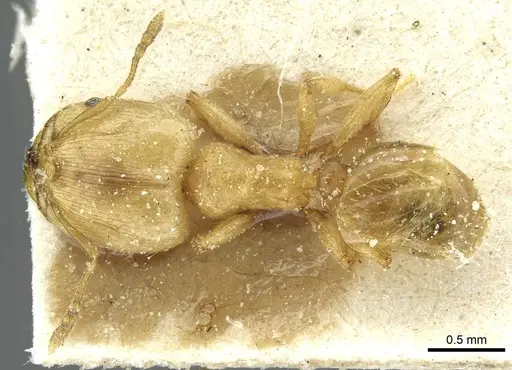
CASENT0913281
View on AntWeb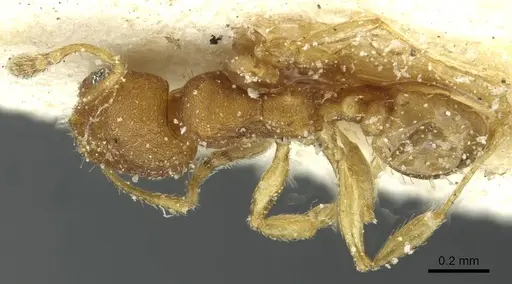
Literature
Loading distribution map...Loading products...