
Pheidole bos
- Sci. Name
- Pheidole bos
- Tribe
- Attini
- Subfamily
- Myrmicinae
- Author
- Forel, 1893
- Distribution
- Found in 2 countries
Introduction
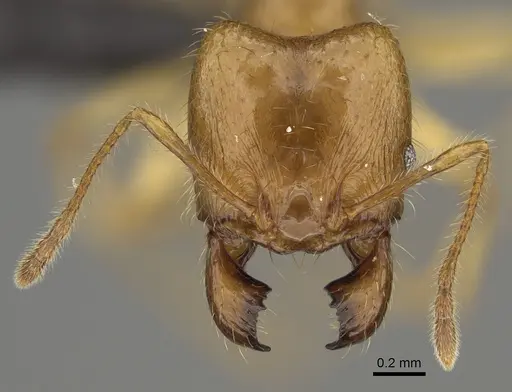
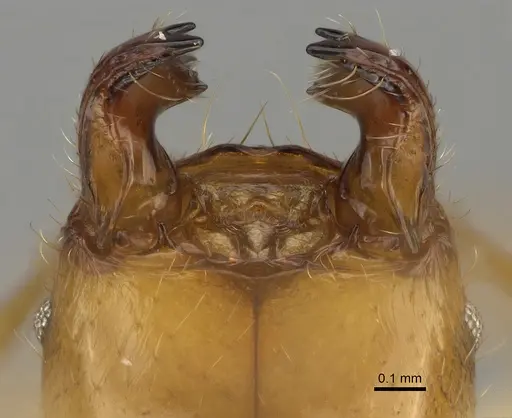
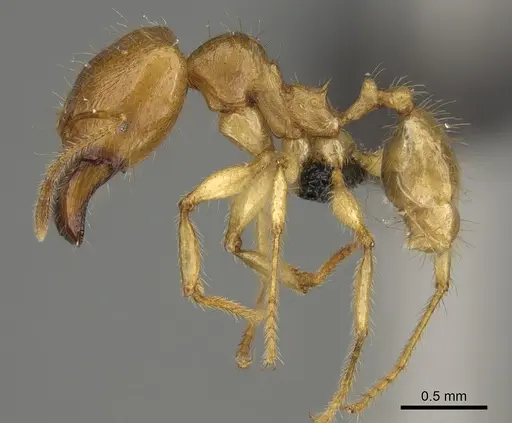
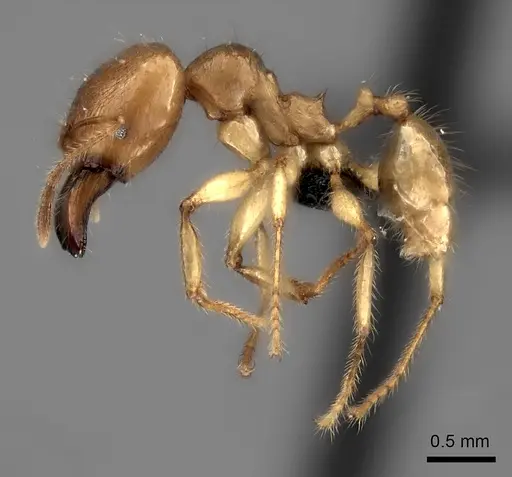
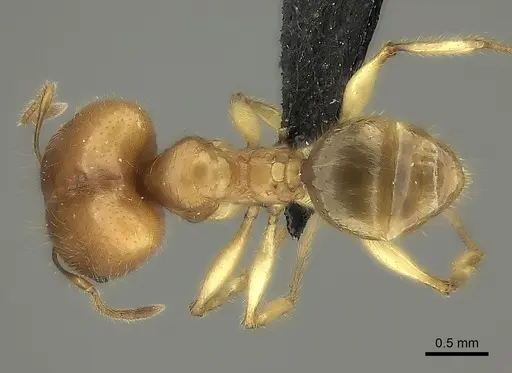
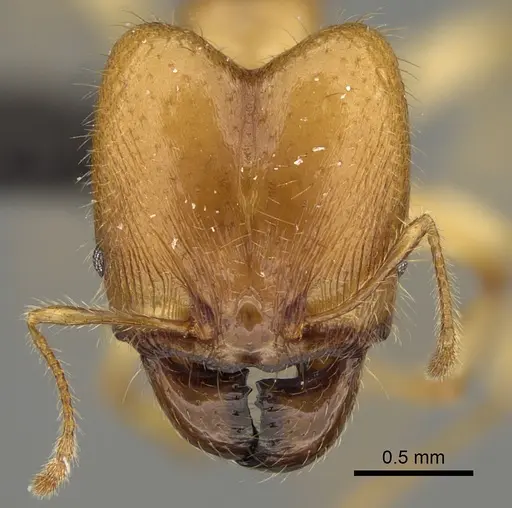
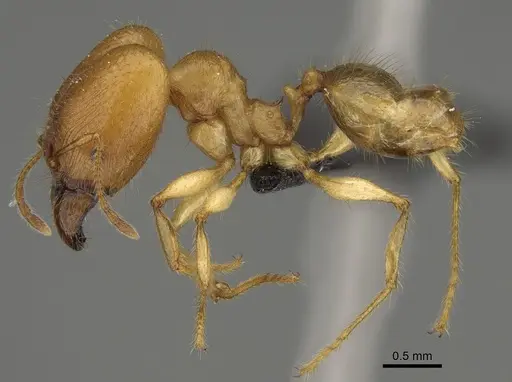
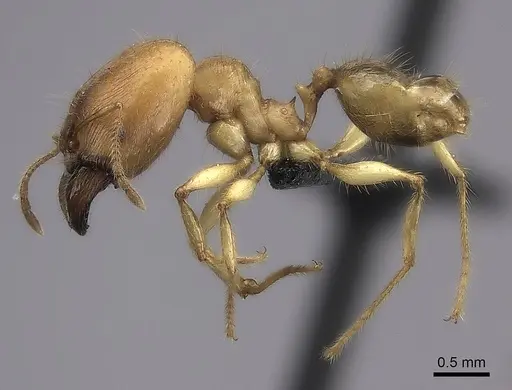
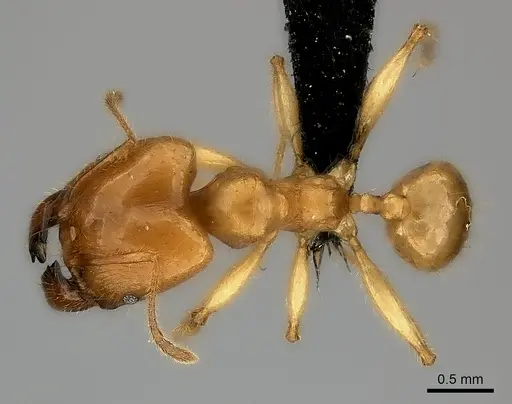
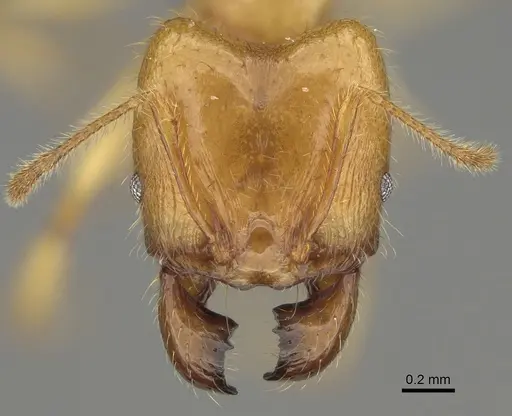
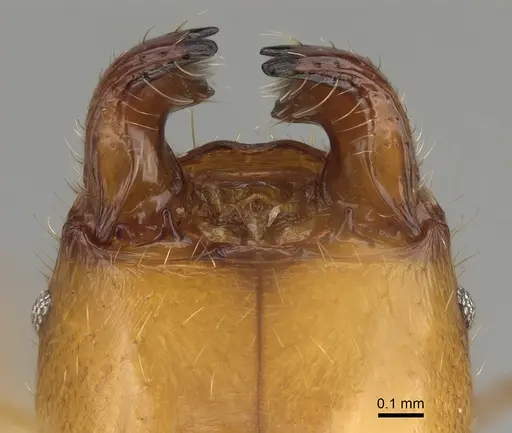
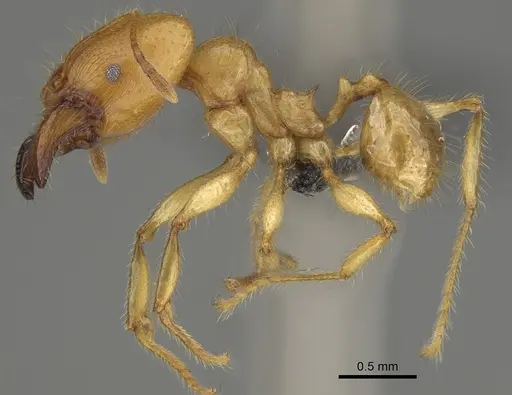
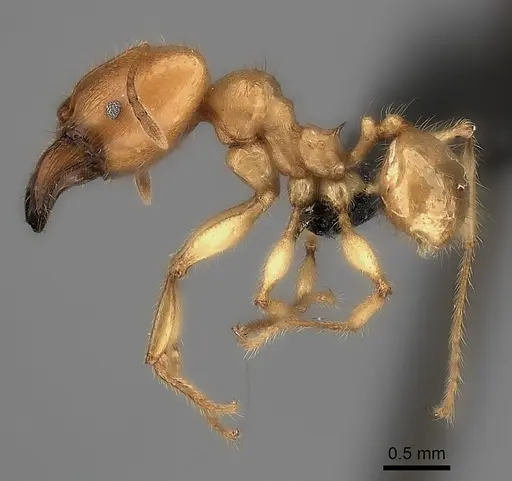
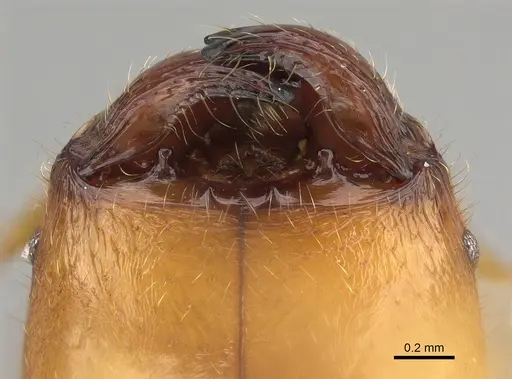
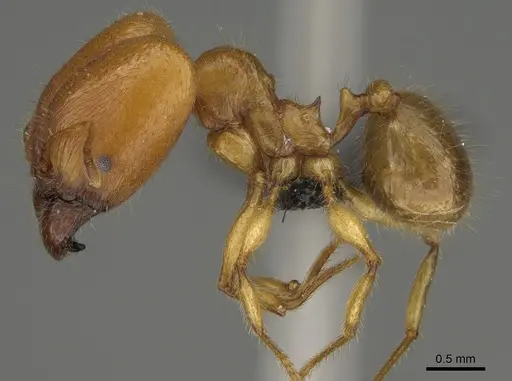
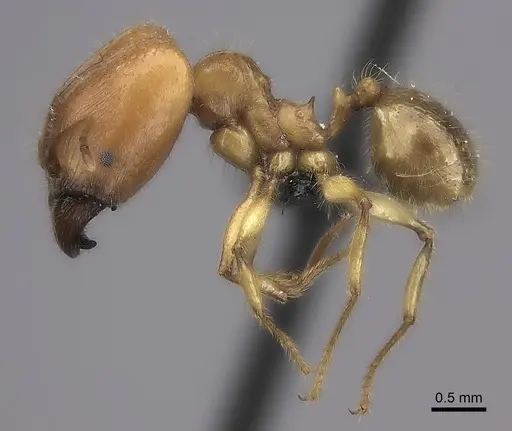
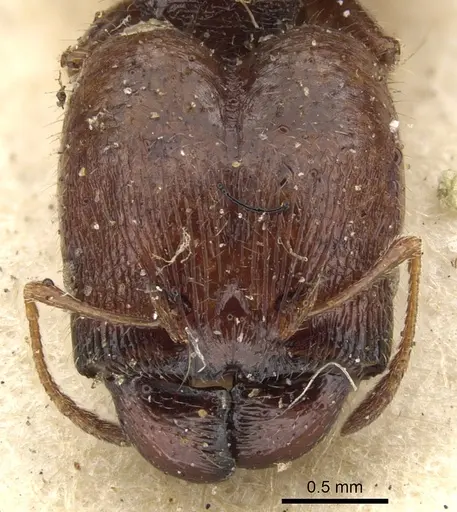
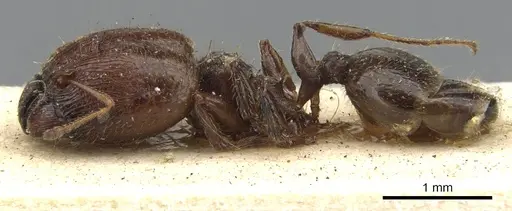
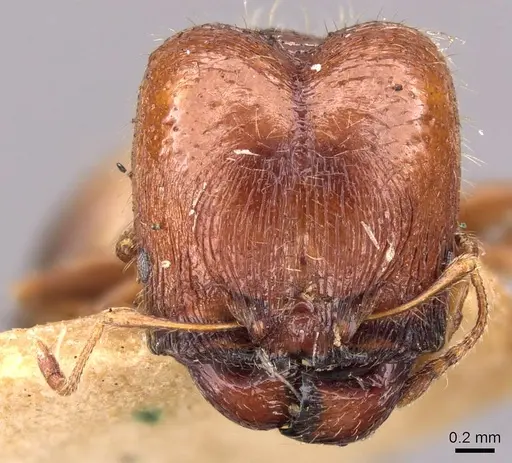
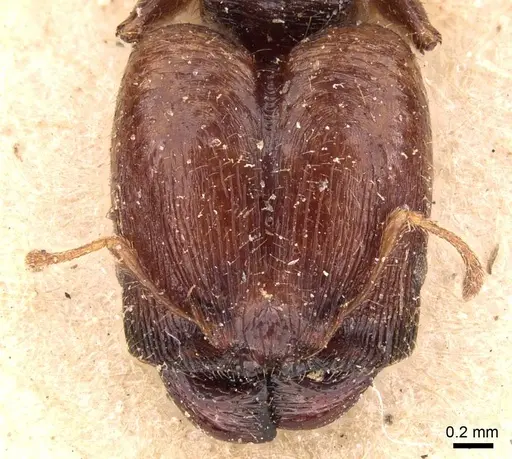
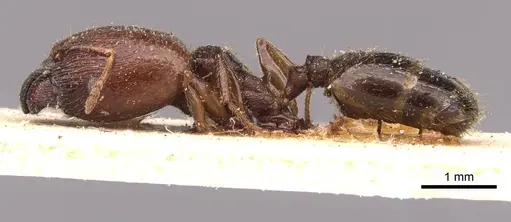
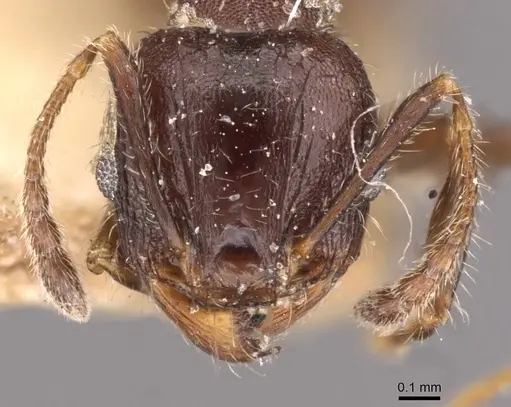
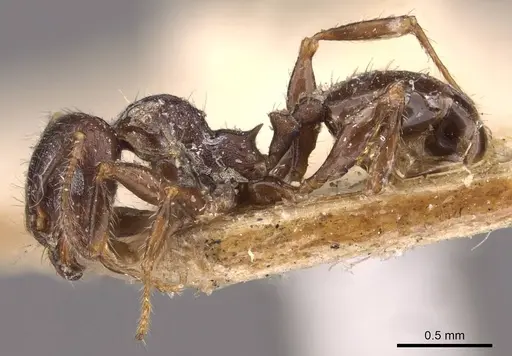
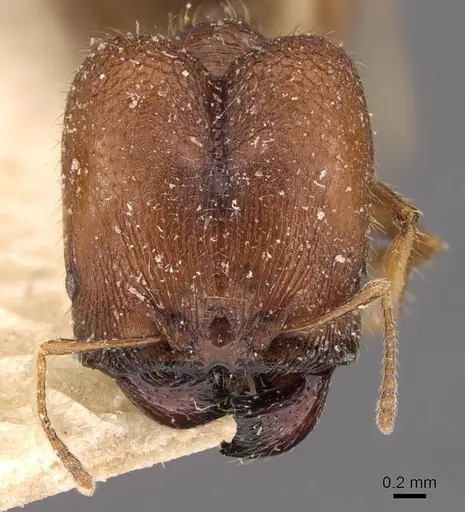
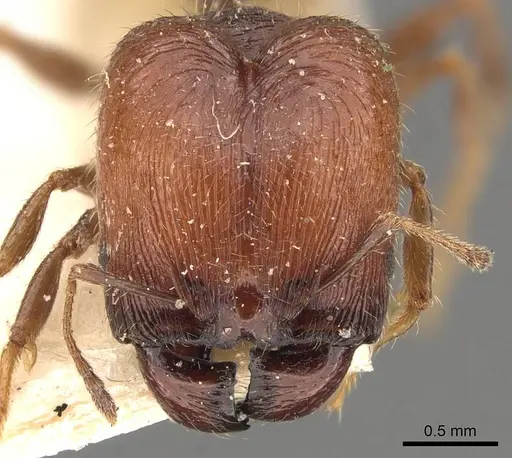
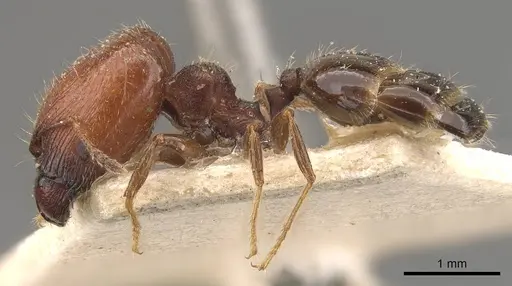
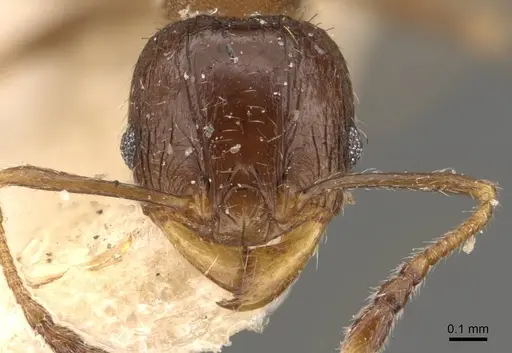
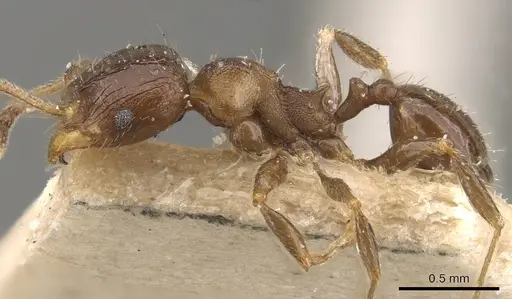
Pheidole bos is a native Australian ant found in the south-west corner of Western Australia . Workers have two castes: minor workers are small and slender, while major workers have large heads . Workers are reddish-brown to dark brown . Size data for total body length is unavailable, but from genus patterns, minor workers are approximately 2-5 mm and major workers 4-8 mm [inferred from Pheidole genus]. This species is a seed harvester, collecting and processing seeds as a primary food source . It is the most common native Pheidole in south-west Western Australia, thriving in urban and natural habitats .
Quick Summary
- Difficulty: Easy
- Origin & Habitat: Native to Western Australia, specifically the south-west corner, found in various habitats including urban areas and natural bushland [1].
- Colony Type: Colony structure is unconfirmed, but based on typical Pheidole patterns, may be polygynous.
- Size & Growth:
- Queen: ~7-9 mm, inferred from Pheidole genus patterns
- Worker: ~2-5 mm for minor workers, ~4-8 mm for major workers, inferred from Pheidole genus patterns
- Colony: Up to several thousand workers, estimated
- Growth: Moderate
- Development: 6-8 weeks at warm temperatures, inferred from genus patterns (Development time is temperature-dependent, warmer conditions accelerate development)
- Antkeeping:
- Temperature: Keep at 24-28°C for optimal development, inferred from genus patterns and native climate [1]
- Humidity: Moderate humidity around 50-60%, inferred from native Mediterranean climate [1]
- Diapause: No, inferred from warm climate region
- Nesting: Y-tong or plaster nests preferred, inferred from genus patterns [1]
- Behavior: Pheidole bos is generally calm and not aggressive toward keepers. Major workers defend the colony but rarely sting. They are active foragers, especially in evening hours. Excellent escape artists due to small size, use fine mesh [1].
- Common Issues: escape prevention is critical due to small size, overfeeding seeds can lead to mold if not consumed, colonies may decline if kept too humid, major workers can get stuck in smooth-sided test tubes, wild-caught colonies may have parasites
Housing and Nest Setup
Pheidole bos does well in Y-tong (AAC) nests or plaster formicariums [1]. They prefer dark, tight chambers that mimic natural underground nests. A test tube setup works for founding colonies, use a cotton ball to separate the water reservoir from the nest chamber [1]. Once the colony reaches 50+ workers, move to a proper formicarium. These ants nest in the ground, so provide a substrate layer for seed storage. Ensure all connections are escape-proof due to their small size [1].
Feeding and Diet
As seed harvesters, Pheidole bos primarily collects and processes seeds [2]. Offer small seeds like grass seeds, millet, or commercial ant seed mixes. They also need protein from small insects like fruit flies or mealworms [2]. Sugar water or honey can be offered occasionally. Remove uneaten seeds to prevent mold [2].
Temperature and Seasonal Care
These ants thrive at temperatures between 24-28°C, inferred from their native warm climate [1]. Use a heating cable to maintain warmth if needed. They do not require hibernation but may show reduced activity in cooler months. Avoid consistently cold conditions.
Behavior and Colony Dynamics
Pheidole bos colonies have minor workers handling foraging and nursing, while major workers defend and process seeds [1]. They are primarily nocturnal or crepuscular. Colonies grow over several years with continuous worker production [1].
Frequently Asked Questions
Can I keep Pheidole bos in a test tube?
Yes, test tubes work well for founding colonies. Use a standard setup with a water reservoir separated by cotton [1]. Upgrade to a formicarium once the colony grows beyond 50-100 workers.
What do Pheidole bos ants eat?
They are seed harvesters, offer small seeds like grass seeds or millet [2]. They also need protein from small insects [2].
How long until first workers appear?
Expect first workers after approximately 6-8 weeks at warm temperatures (24-28°C).
Are Pheidole bos good for beginners?
Yes, they are considered easy to keep. They are forgiving of minor care mistakes, do not require hibernation, and are not aggressive [1].
How big do Pheidole bos colonies get?
Mature colonies can reach up to several thousand workers.
Do they need hibernation?
No, they do not require true hibernation due to their warm climate origin. You may reduce temperatures slightly in winter, but this is not mandatory.
When should I move them to a formicarium?
Move from a test tube once the colony reaches 50-100 workers or when crowded [1]. Y-tong or plaster nests work well.
Why are my Pheidole bos dying?
Common causes include too high humidity, escape due to small size, or insufficient food [1]. Check nest moisture and escape prevention.
Report an Issue
The current care sheet is based fully on literature. See inconsistencies, or something that's incorrect? Please , it will be resolved after review from an admin. Contributing to the blogs tab also helps providing information, to make us be able to further improve the caresheets. Thank you for your support!
References

This caresheet is licensed under CC BY-SA 4.0 .
Community Blogs
ANTWEB1008221
View on AntWeb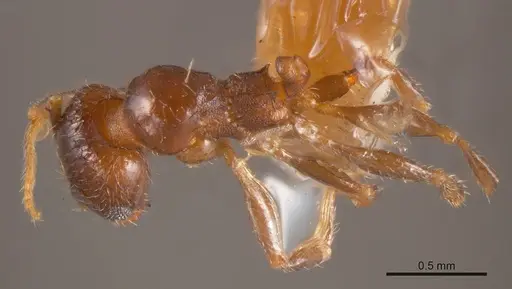
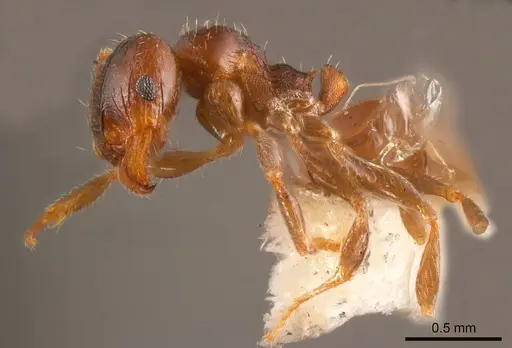
CASENT0140641
View on AntWeb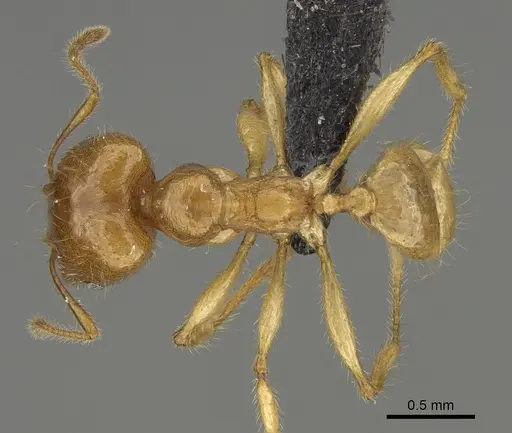
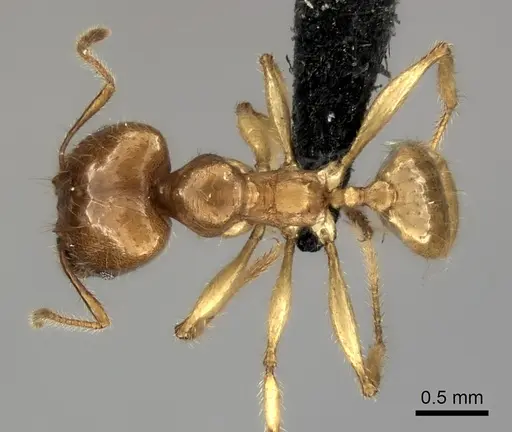
CASENT0140654
View on AntWeb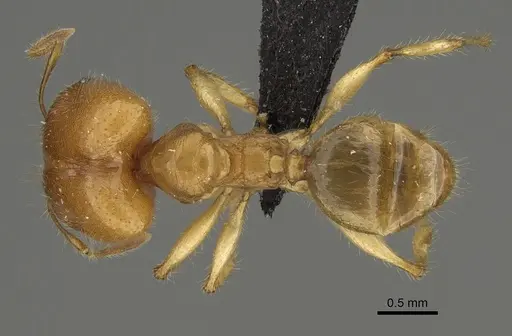
CASENT0140662
View on AntWeb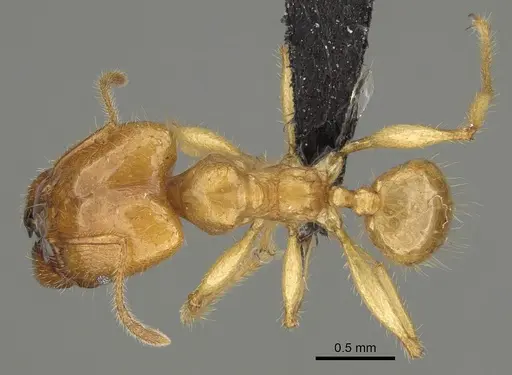
CASENT0140683
View on AntWeb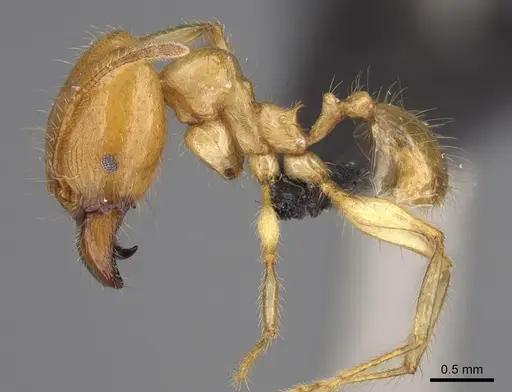
CASENT0140684
View on AntWeb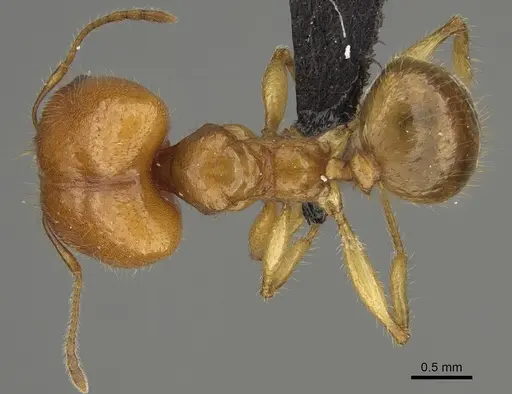
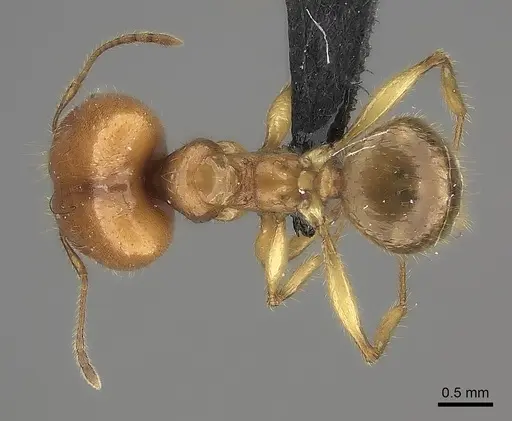
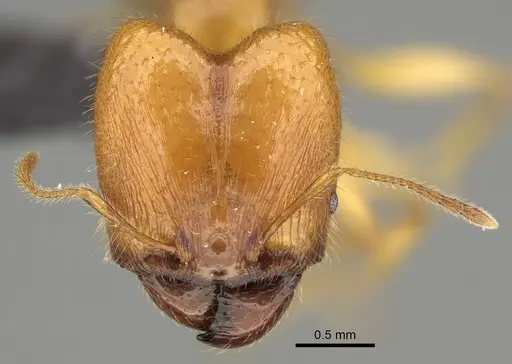
CASENT0901546
View on AntWeb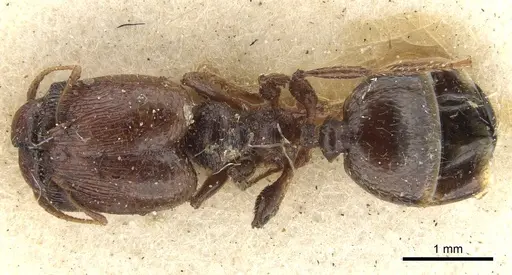
CASENT0908011
View on AntWeb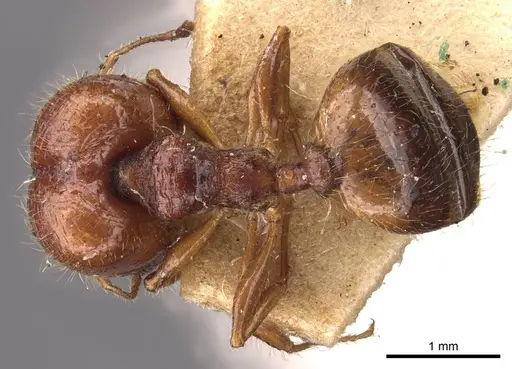
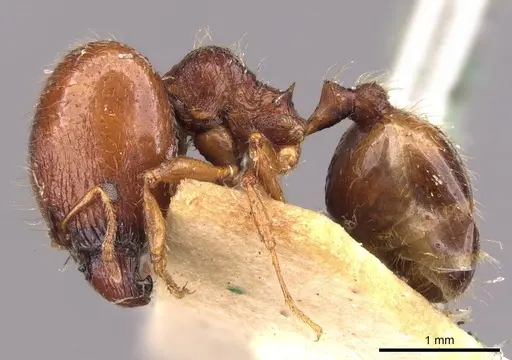
CASENT0908012
View on AntWeb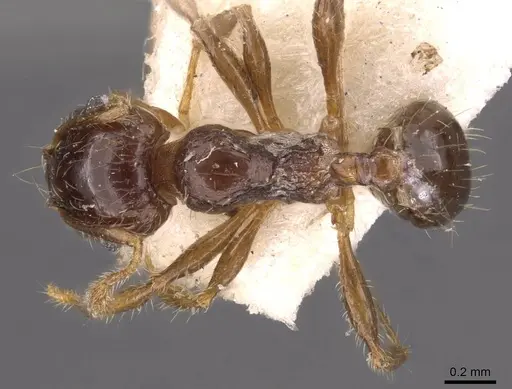
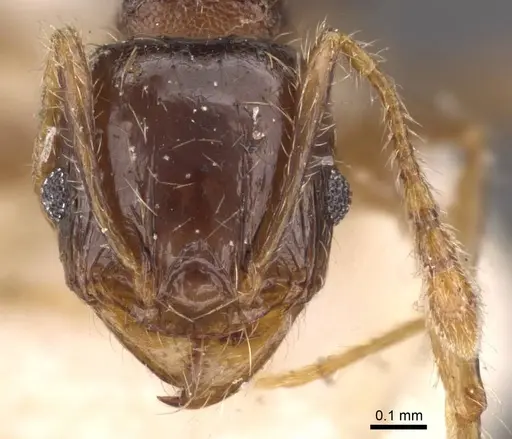
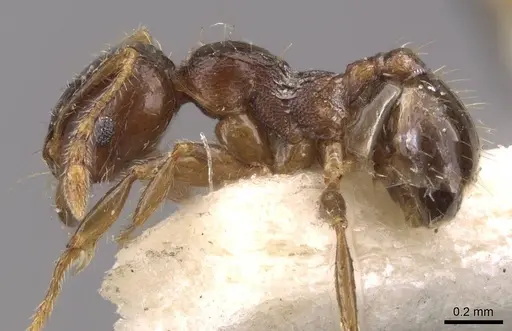
CASENT0908029
View on AntWeb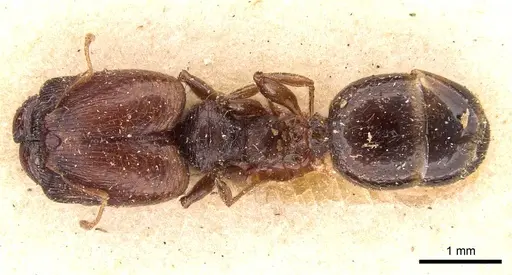
CASENT0908030
View on AntWeb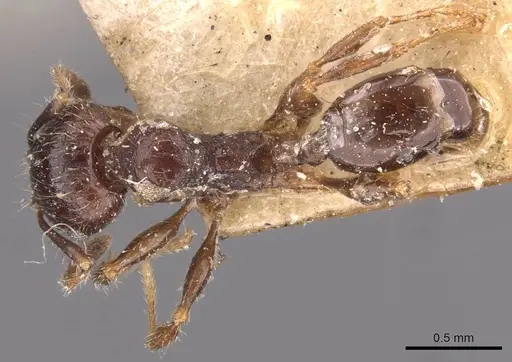
CASENT0908031
View on AntWeb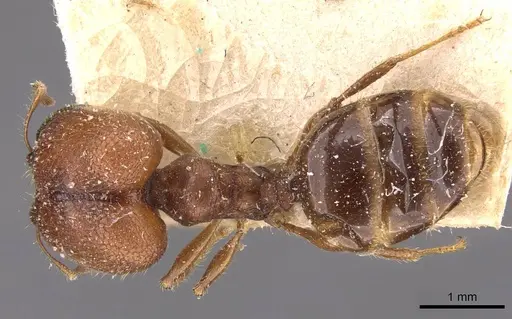
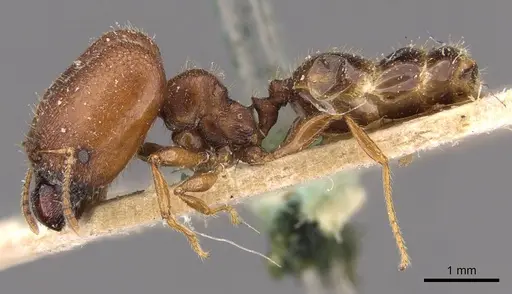
CASENT0908032
View on AntWeb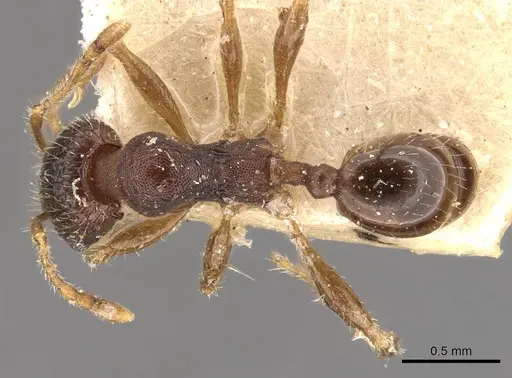
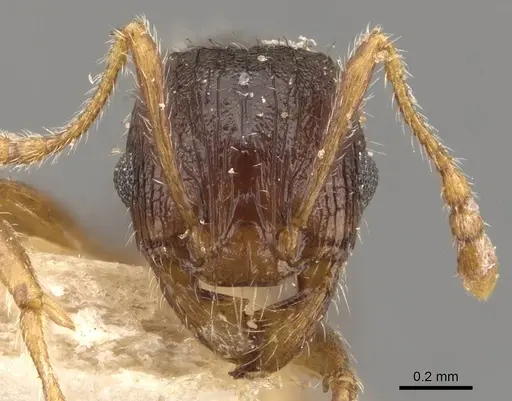
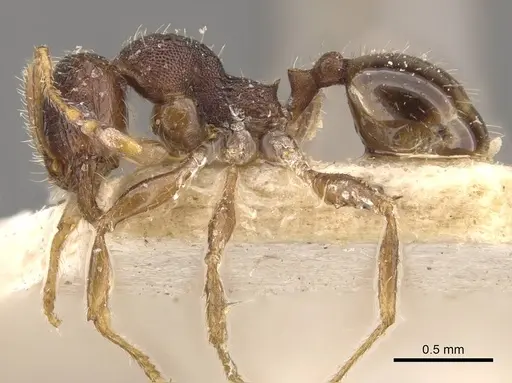
CASENT0908033
View on AntWeb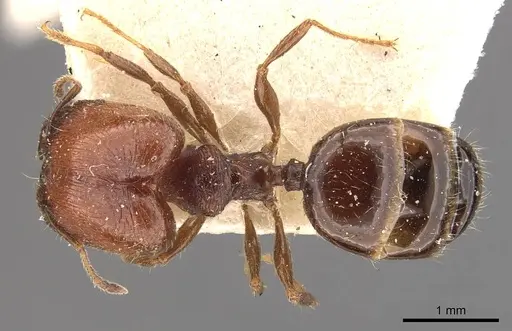
CASENT0908034
View on AntWeb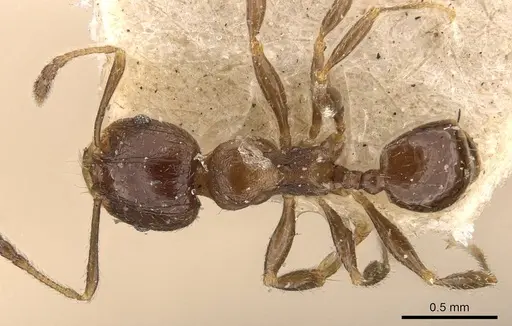
Literature
Loading distribution map...Loading products...