
Pheidole boruca
- Sci. Name
- Pheidole boruca
- Tribe
- Attini
- Subfamily
- Myrmicinae
- Author
- Wilson, 2003
- Distribution
- Found in 3 countries
Introduction
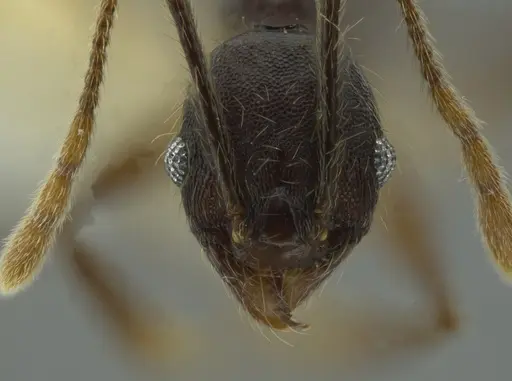
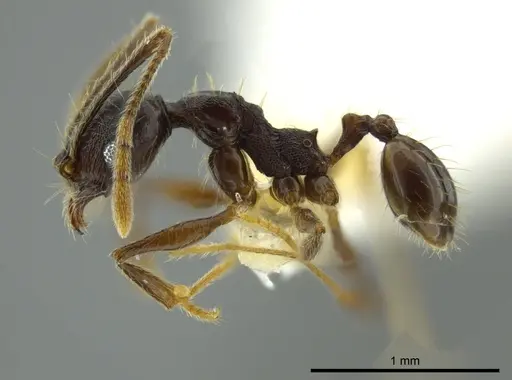
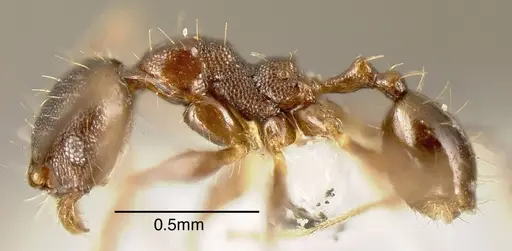
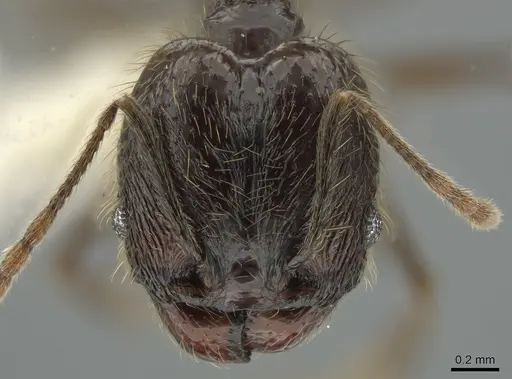
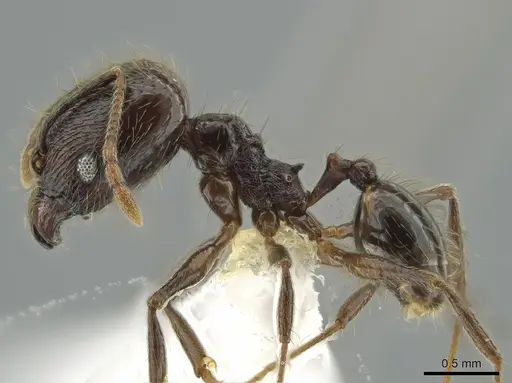
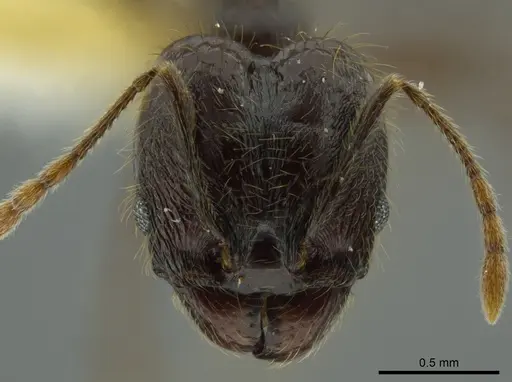
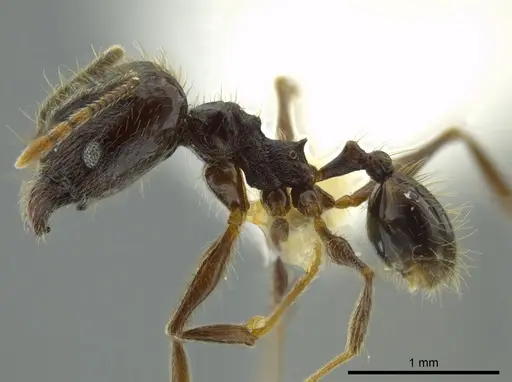
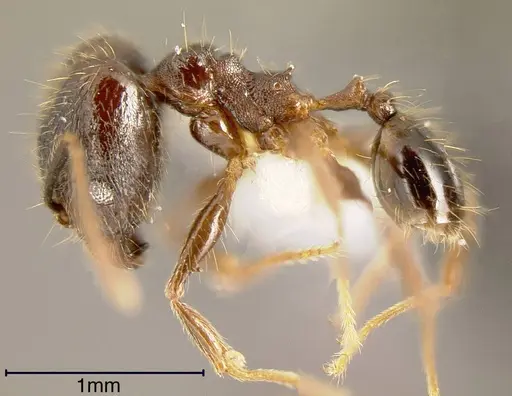
Pheidole boruca is a small Neotropical ant species native to Central America, named after the Boruca indigenous people of Costa Rica. These ants belong to the genus Pheidole, known for their distinctive two-worker caste system - large major workers with oversized heads and smaller minor workers that handle most tasks. The majors are dark, almost blackish brown, while minors are blackish brown with medium brown legs. Head measurements are known (major head width ~1.1 mm, minor head width ~0.5 mm), but total body length is not reported . This species inhabits the wet forests and cloud forests of Costa Rica's Atlantic slope, from lowland areas around 50 m elevation up to montane regions like Monteverde at 1500 m. They nest under dead wood on the ground and forage actively both day and night . The presence of a media caste (intermediate worker size) has been noted in some colonies, which is relatively uncommon in Pheidole . The species is also recorded in Honduras and Colombia .
Quick Summary
- Difficulty: Easy
- Origin & Habitat: Wet forests and cloud forests of Costa Rica's Atlantic slope, also found in Honduras and Colombia. Nests under pieces of dead wood on the ground at elevations from 50 m to 1500 m [1][2].
- Colony Type: Unconfirmed, typical Pheidole are monogyne (single queen), but colony structure not specifically documented for this species.
- Size & Growth:
- Queen: Size data unavailable
- Worker: Size data unavailable
- Colony: Not documented
- Growth: Moderate, inferred from typical Pheidole patterns
- Development: Estimated 6-8 weeks at tropical temperatures, based on genus-level patterns, not confirmed for this species. (Development time is typical for Neotropical Pheidole species in warm conditions, but unverified for P. boruca.)
- Antkeeping:
- Temperature: Keep at 22-26°C, based on their wet forest habitat [1]. Avoid temperatures above 30°C.
- Humidity: High humidity required, keep nest substrate consistently moist but not waterlogged. These wet forest ants are sensitive to drying out [1].
- Diapause: No, as a tropical species, they do not require hibernation. Maintain warm temperatures year-round [1].
- Nesting: Ground-nesting species that naturally lives under dead wood [1]. In captivity, use a Y-tong (AAC) nest, plaster nest, or a naturalistic setup with soil and hiding spots. Test tube setup works during founding.
- Behavior: Workers are active foragers day and night [1]. They are not particularly aggressive but will defend their colony. Majors have large heads and may crush seeds. Escape risk is moderate due to their small size. They readily accept protein and sugar sources.
- Common Issues: dry conditions cause colony decline, these wet forest ants need consistent moisture., wild-caught colonies may contain parasites that can devastate captive colonies., overheating can stress the colony, avoid temperatures above 30°C.
Housing and Nest Setup
Pheidole boruca is a ground-nesting species that naturally builds nests under dead wood on the forest floor [1]. For captivity, a simple test tube setup works during the founding stage: fill a test tube one-third with water, plug with a cotton ball, and place the queen in a dark area. Once the colony has a few dozen workers, transfer them to a larger formicarium that retains moisture well, such as a Y-tong (AAC) nest, plaster nest, or a naturalistic setup with soil and small hiding spots. Ensure the nest stays consistently moist, these ants come from wet forests.
Feeding and Diet
Pheidole boruca workers are generalist foragers that collect a variety of protein and sugar sources [1]. In captivity, offer protein foods like small insects (fruit flies, small crickets, mealworms cut into pieces) two to three times per week. Provide a constant source of sugar water or honey water. Minor workers handle most foraging and food processing. Remove any uneaten prey after 24 hours to prevent mold. A varied diet keeps colonies healthy.
Temperature and Humidity
Being from Costa Rica's wet forests and cloud forests, Pheidole boruca needs warm and humid conditions [1]. Keep the nest area at 22-26°C year-round, they do not experience cold winters in their native habitat. Avoid temperatures above 30°C, which can stress the colony. Humidity is crucial: keep the substrate consistently moist but never waterlogged. Mist the nest periodically and check moisture levels regularly, especially in test tube setups where evaporation can be rapid.
Colony Development
Little is specifically documented about the colony development of Pheidole boruca. Based on other Pheidole species, the queen likely lays eggs that develop through larval and pupal stages into worker ants. Pheidole are known for having two worker castes: minors and majors. Majors have oversized heads used for crushing seeds and defense. The development time from egg to worker is unknown for this species. Colonies likely grow gradually at first and accelerate once established. Mature colony size is not documented. [1]
Behavior and Observation
Pheidole boruca workers forage both day and night, which is a notable trait [1]. They are ground-dwelling and often found under dead wood [1]. Workers are not particularly aggressive but will defend their nest if threatened. Majors may emerge when larger prey items need processing or when the colony is disturbed. The caste system is interesting to observe, minor workers handle most daily tasks while majors specialize in seed crushing and defense. Workers communicate via chemical trails. They are not dangerous to keepers.
Frequently Asked Questions
How long does it take for Pheidole boruca to produce first workers?
The exact development time is unknown for this species. Estimated 6-8 weeks at 24-26°C based on tropical Pheidole patterns, but this is unconfirmed.
Can I keep multiple Pheidole boruca queens together?
Not documented for this species. Typical Pheidole are monogyne (single queen), so it is not recommended, multiple queens may fight once workers emerge.
What do I feed Pheidole boruca?
Offer a varied diet: protein sources like small insects (fruit flies, crickets, mealworms) two to three times per week, and constant access to sugar water or honey water. Remove uneaten food after 24 hours [1].
Are Pheidole boruca good for beginners?
Limited data makes this hard to assess. They are tropical wet-forest ants requiring high humidity, which can be challenging for absolute beginners. However, they do not need hibernation and are active, making them enjoyable if humidity is maintained.
When should I move Pheidole boruca to a formicarium?
There is no specific guidance for this species. As a rule of thumb for Pheidole, move to a larger nest once the colony has 20-30 workers and the test tube appears crowded.
Do Pheidole boruca need hibernation?
No. As a tropical species from Costa Rica, they do not require hibernation. Keep them warm year-round at 22-26°C [1].
Why are my Pheidole boruca dying?
Common causes include dry conditions (mist more frequently) and overheating (keep below 30°C). Also check for mold from uneaten food or parasites in wild-caught colonies.
How big do Pheidole boruca colonies get?
Not documented for this species. Typical Pheidole colonies can reach several hundred to a few thousand workers at maturity, but this is unconfirmed for P. boruca.
Report an Issue
The current care sheet is based fully on literature. See inconsistencies, or something that's incorrect? Please , it will be resolved after review from an admin. Contributing to the blogs tab also helps providing information, to make us be able to further improve the caresheets. Thank you for your support!
References

This caresheet is licensed under CC BY-SA 4.0 .
Community Blogs
CASENT0624232
View on AntWeb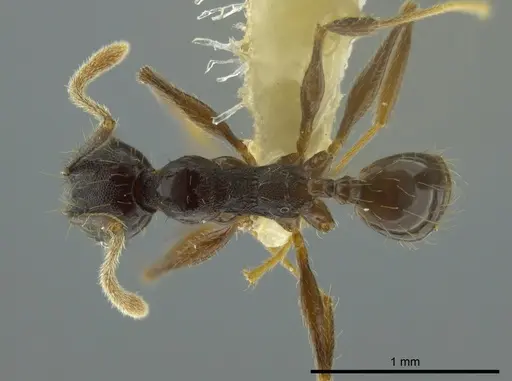
CASENT0635443
View on AntWeb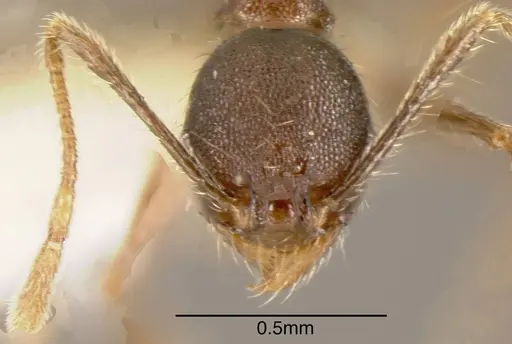
CASENT0637167
View on AntWeb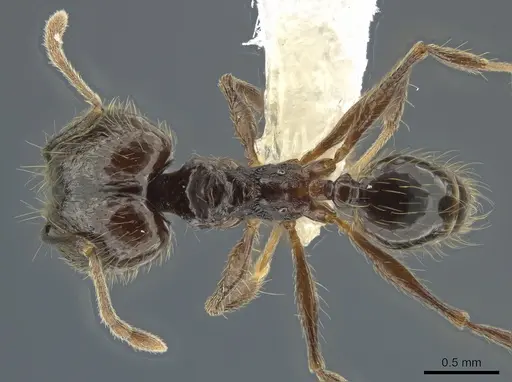
INBIOCRI002279551
View on AntWeb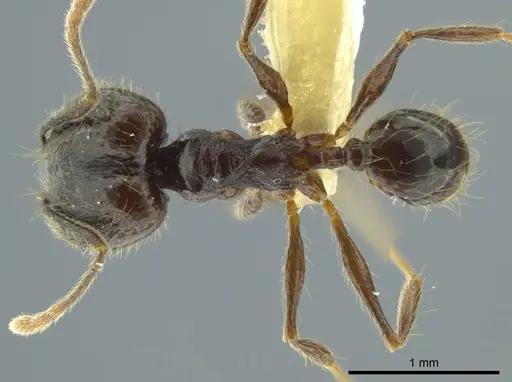
INBIOCRI002279967
View on AntWeb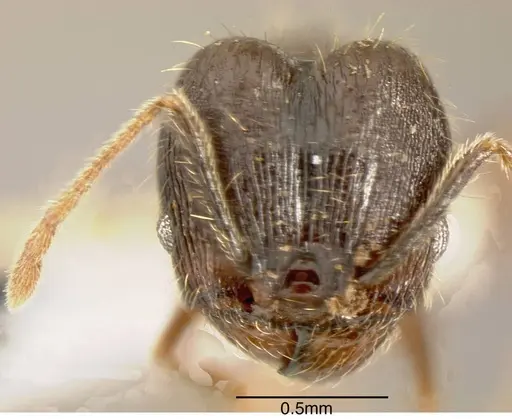
Literature
Loading distribution map...Loading products...