
Pheidole boliviana
- Sci. Name
- Pheidole boliviana
- Tribe
- Attini
- Subfamily
- Myrmicinae
- Author
- Wilson, 2003
- Distribution
- Found in 4 countries
Introduction
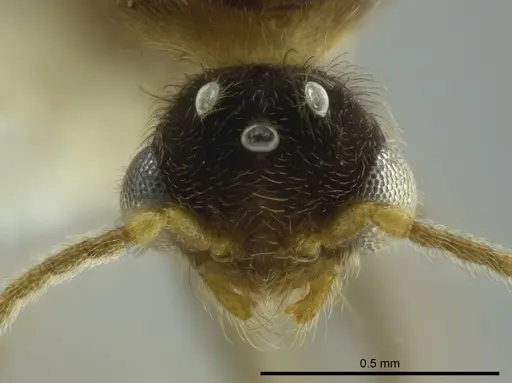
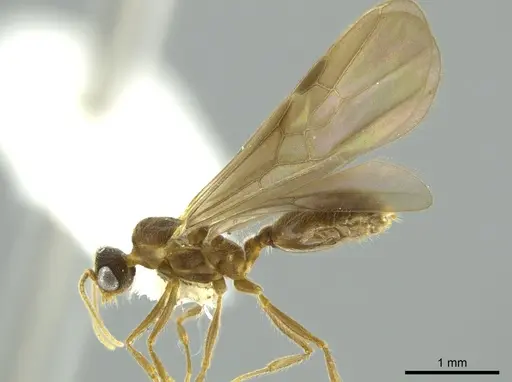
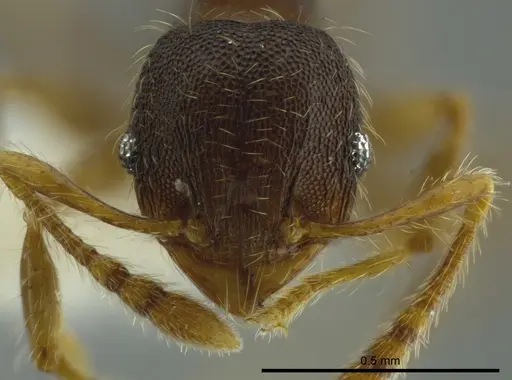
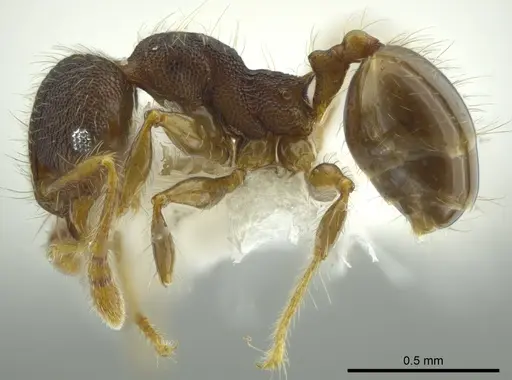
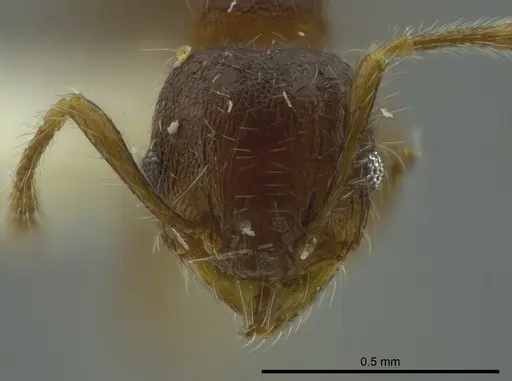
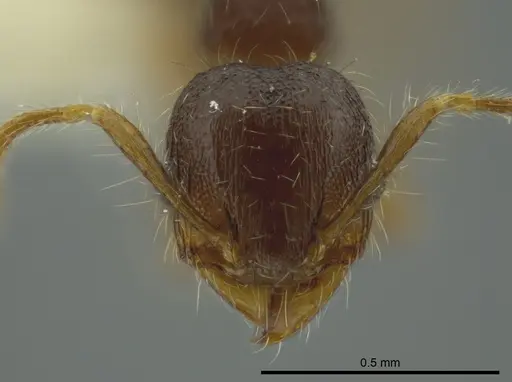
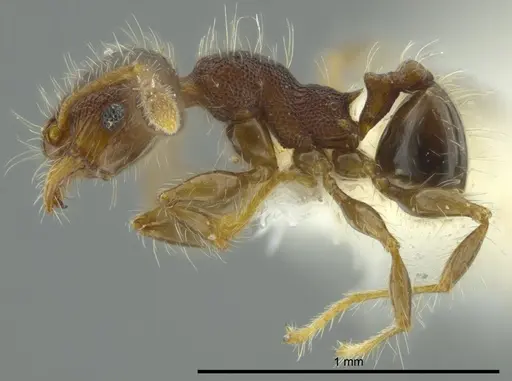
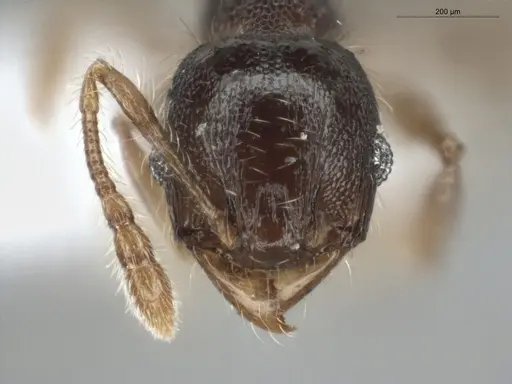
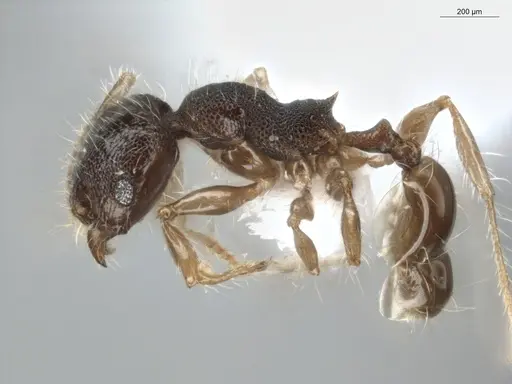
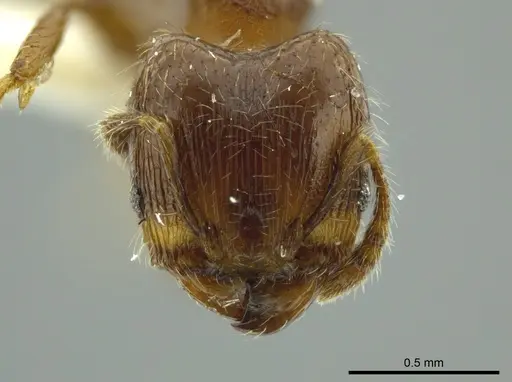
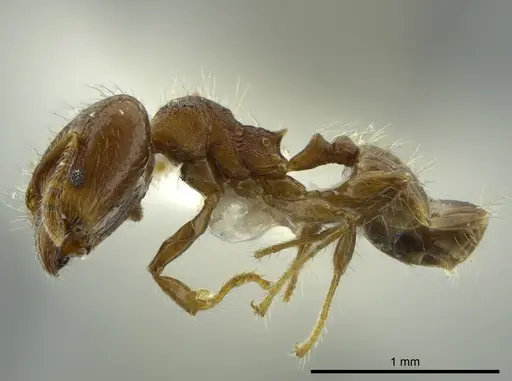
Pheidole boliviana is a medium-sized brown ant from the flavens group, native to Central and South America . It has long, abundant erect and suberect hairs covering most of the body . Major workers have a dark brown head, mesosoma, waist, and gaster with brownish-yellow legs, while minor workers are medium brown with lighter appendages . Colonies develop distinct major and minor worker castes . This species inhabits wet to moist forest habitats from sea level to 800m elevation, nesting in the low arboreal zone within a meter or two of the ground, often in small diameter dead sticks or under loose bark of rotting trees . It was formally described in 2003 and is the senior synonym of Pheidole mincana and Pheidole scitula .
Quick Summary
- Difficulty: Medium
- Origin & Habitat: Wet to moist forest habitats in Central and South America (Costa Rica, Panama, Colombia, Bolivia, French Guiana) from sea level to 800m elevation, found in second growth vegetation and coffee plantations [2][3][5][1].
- Colony Type: Unconfirmed, no specific information on queen number from the research context.
- Size & Growth:
- Queen: Size data unavailable, no total length measurements in context. Inferred from Pheidole genus as approximately 6-7mm.
- Worker: Size data unavailable, no total length measurements in context. Head width measurements are available but not body size [1].
- Colony: Up to several hundred workers, estimated based on genus patterns.
- Growth: Moderate, inferred from tropical habitat conditions.
- Development: Estimated 6-8 weeks at optimal temperature. (Development time inferred from typical Pheidole patterns in warm, tropical conditions.)
- Antkeeping:
- Temperature: Keep warm and stable, roughly 24-28°C, based on tropical forest habitat.
- Humidity: Keep the nest substrate consistently moist but not waterlogged, as they inhabit moist forests.
- Diapause: No, as a tropical species, they do not require hibernation.
- Nesting: Arboreal nester, provide nests that mimic dead sticks and under bark, such as Y-tong or naturalistic setups with cork bark [2][3].
- Behavior: Generally peaceful and non-aggressive, based on typical Pheidole patterns. Minor workers are tiny, so escape prevention is critical.
- Common Issues: escape prevention is critical due to tiny minor workers that can squeeze through standard barriers., humidity control is important, too dry and brood dies, too wet and mold becomes a problem., colonies may reject artificial nests if conditions don't mimic their arboreal habitat preferences., slow initial growth during founding phase can lead to overfeeding or excessive disturbance., wild-caught colonies may carry parasites that can devastate captive colonies.
Housing and Nest Preferences
You should provide an arboreal-style nest since Pheidole boliviana naturally nests in dead wood and under bark [2][3]. Use a Y-tong nest or naturalistic setup with cork bark or dead stick sections to mimic their habitat. Maintain high humidity within the nest but ensure ventilation to prevent mold. Avoid fully enclosed test tube setups unless you can maintain consistent moisture.
Feeding and Diet
You can offer a varied diet including seeds, small insects, and sugary liquids. Seeds should be available constantly, and protein insects like fruit flies or pinhead crickets 2-3 times per week [6]. Remove uneaten food after 2-3 days to prevent mold.
Temperature and Humidity Requirements
You should keep temperatures between 24-28°C for optimal brood development, based on their tropical habitat. For humidity, keep the nest substrate moist but not waterlogged, as they inhabit wet forests.
Colony Development and Castes
Pheidole colonies develop major worker castes as they grow. Minor workers are tiny, and major workers have enlarged heads for seed processing [1]. The queen founding stage may take several weeks before first workers emerge.
Behavior and Temperament
You will find this species generally peaceful and non-aggressive, based on typical Pheidole behavior. Workers are active foragers, and minor workers are excellent escape artists due to their small size.
Frequently Asked Questions
How long does it take for Pheidole boliviana to produce first workers?
Expect 4-8 weeks from egg to first worker at optimal temperature, inferred from genus patterns.
What do Pheidole boliviana ants eat?
They are seed-harvesters that also accept small insects and sugary liquids. Offer seeds, insects, and honey water [6].
Do Pheidole boliviana ants need hibernation?
No, as a tropical species, they do not require diapause.
What type of nest is best for Pheidole boliviana?
An arboreal-style nest works best, such as Y-tong or naturalistic setups with cork bark [2][3].
How big do Pheidole boliviana colonies get?
Colonies likely reach up to several hundred workers, estimated from genus patterns.
Why are my Pheidole boliviana ants dying?
Common causes include low humidity, temperatures outside 24-28°C, escapes of tiny workers, mold from excess moisture, or overfeeding.
Can I keep multiple Pheidole boliviana queens together?
Unconfirmed from research, but based on typical Pheidole patterns, queens may fight if multiple are kept together.
When should I move Pheidole boliviana to a formicarium?
Wait until the colony has at least 50-100 workers and is actively foraging, but this is inferred from general antkeeping practices.
Do Pheidole boliviana need special escape prevention?
Yes, minor workers are extremely tiny and can escape through standard barriers. Use fine mesh and seal connections.
Report an Issue
The current care sheet is based fully on literature. See inconsistencies, or something that's incorrect? Please , it will be resolved after review from an admin. Contributing to the blogs tab also helps providing information, to make us be able to further improve the caresheets. Thank you for your support!
References

This caresheet is licensed under CC BY-SA 4.0 .
Community Blogs
CASENT0624226
View on AntWeb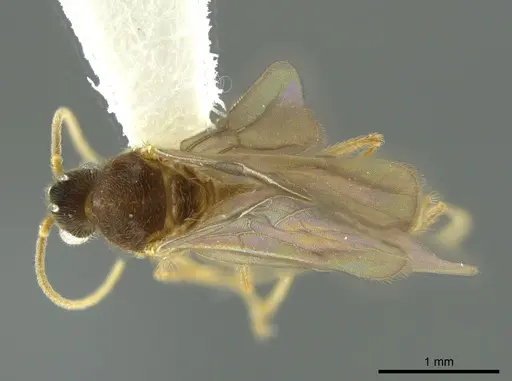
CASENT0624227
View on AntWeb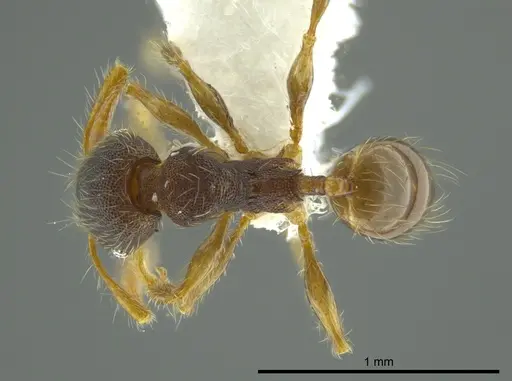
CASENT0624228
View on AntWeb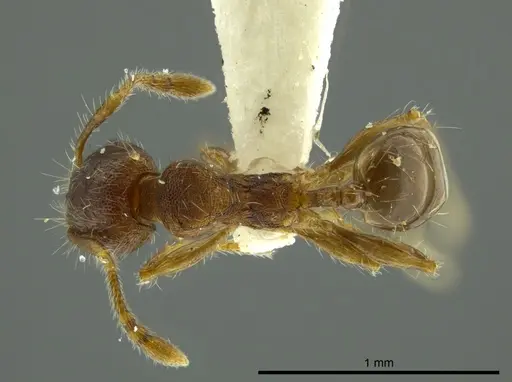
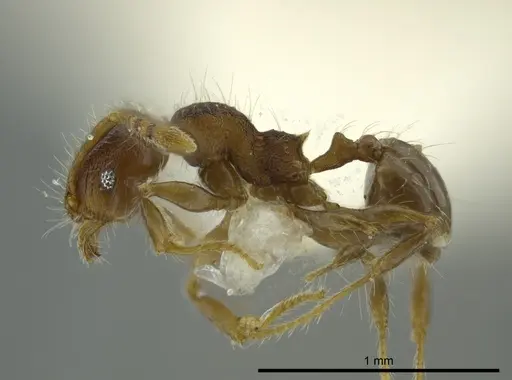
CASENT0624229
View on AntWeb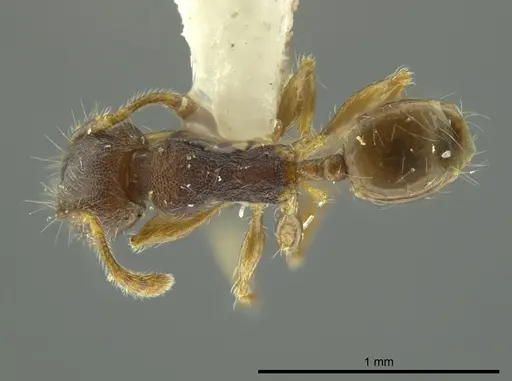
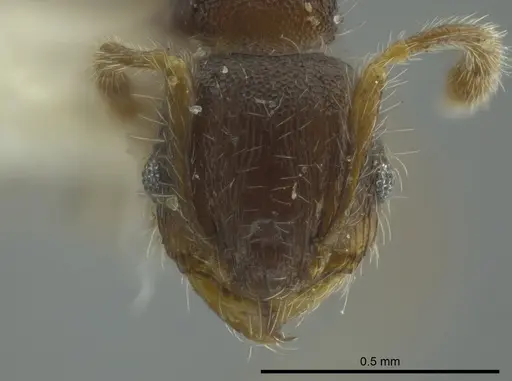
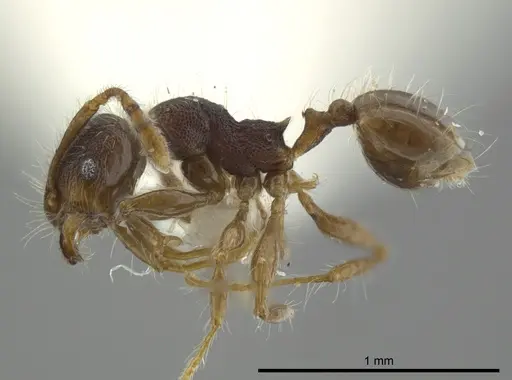
CASENT0624230
View on AntWeb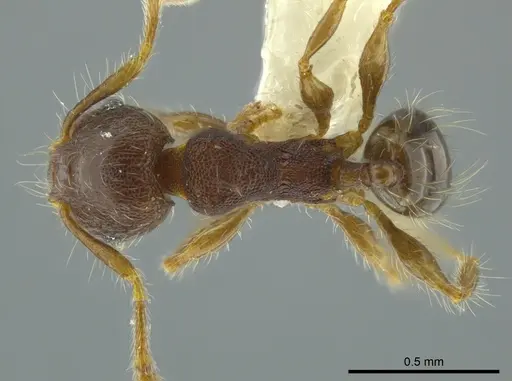
CASENT0624231
View on AntWeb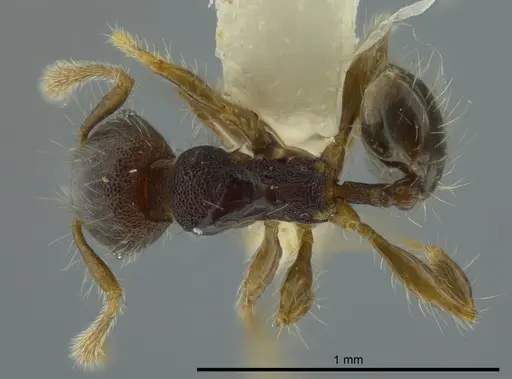
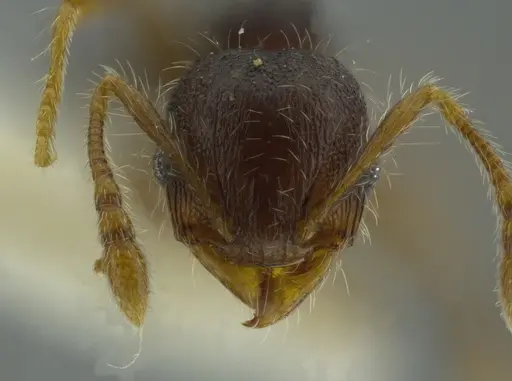
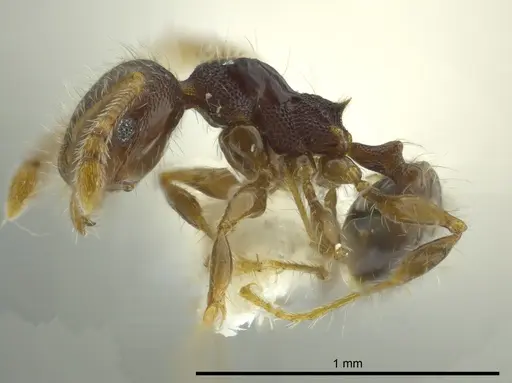
CASENT0633412
View on AntWeb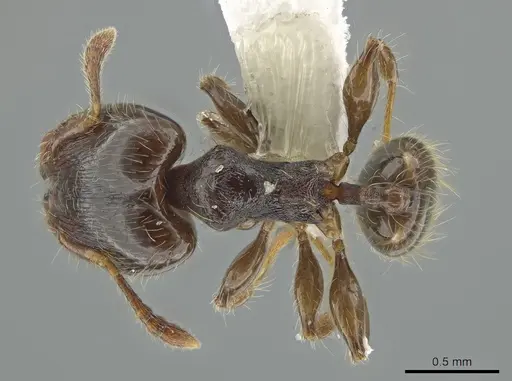
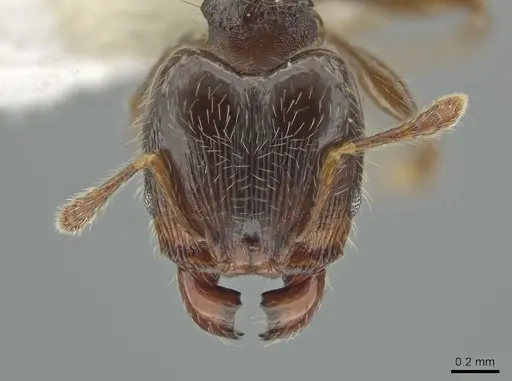
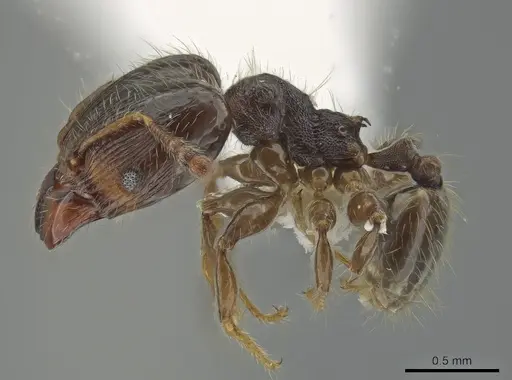
CASENT0635439
View on AntWeb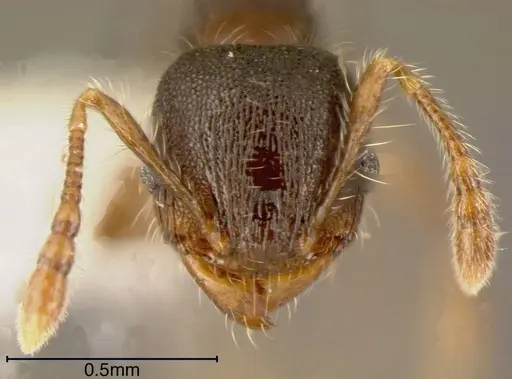
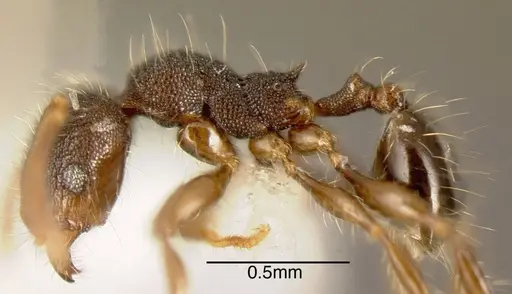
CASENT0635440
View on AntWeb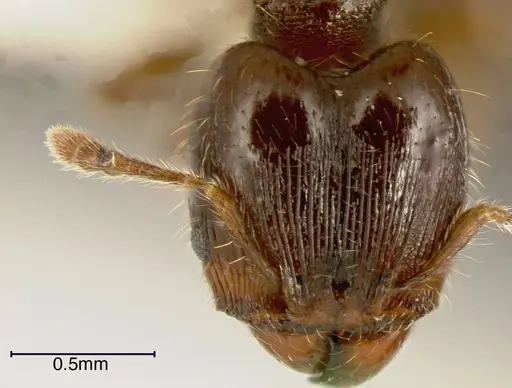
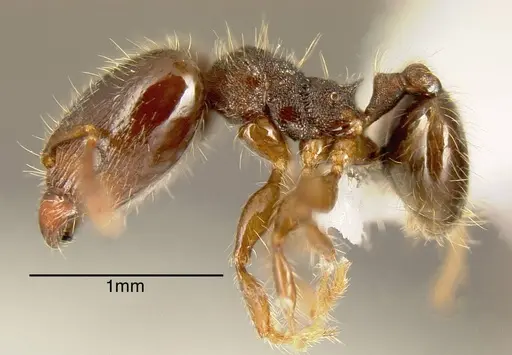
CBUMAGENT42049
View on AntWeb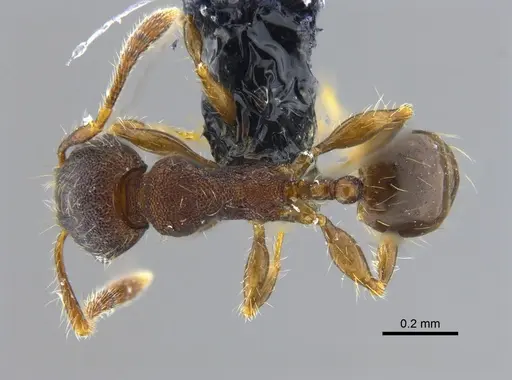
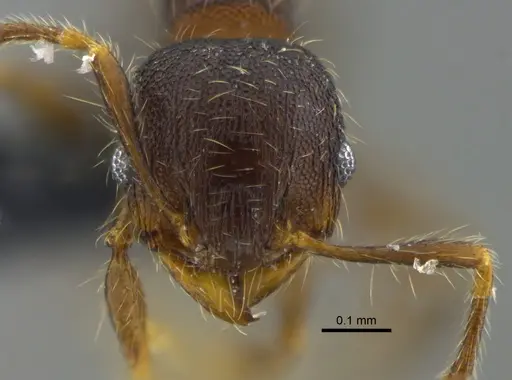
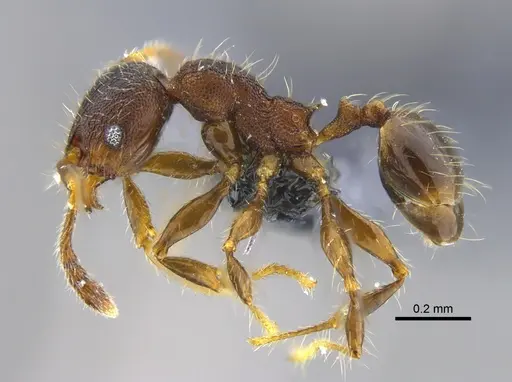
ECOFOG-SL13-0006-45
View on AntWeb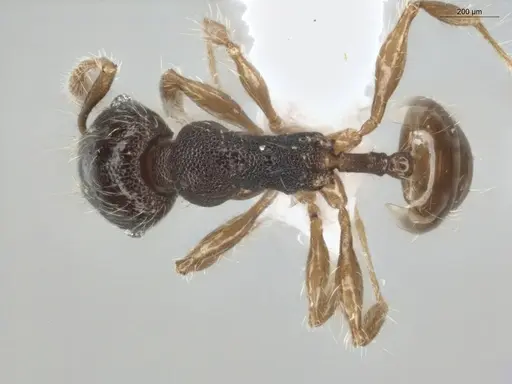
INBIOCRI002279922
View on AntWeb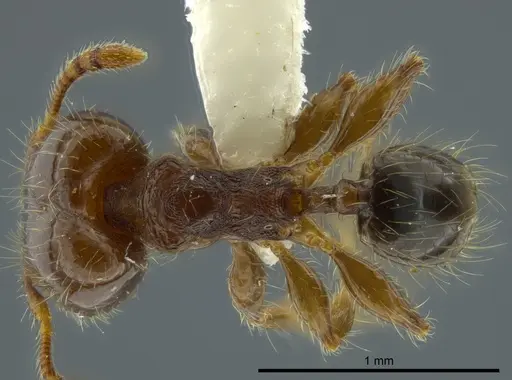
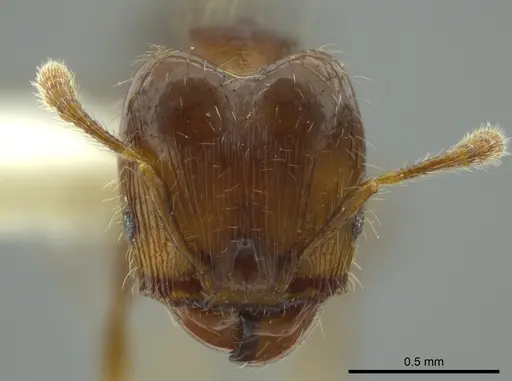
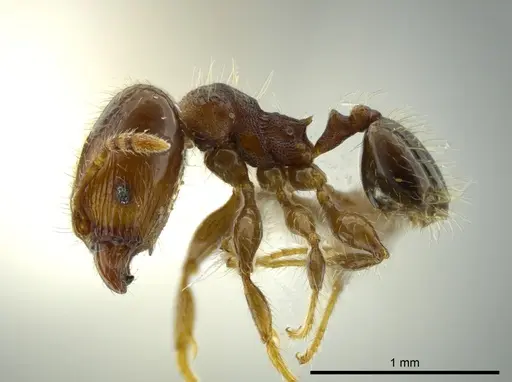
JTLC000016330
View on AntWeb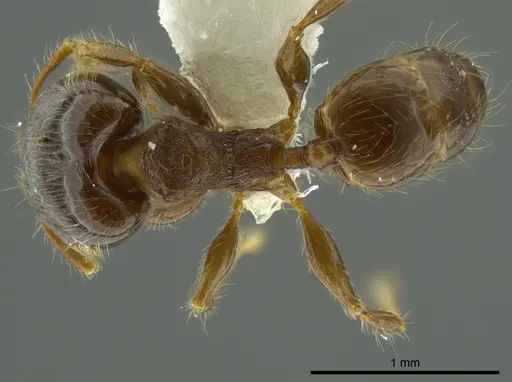
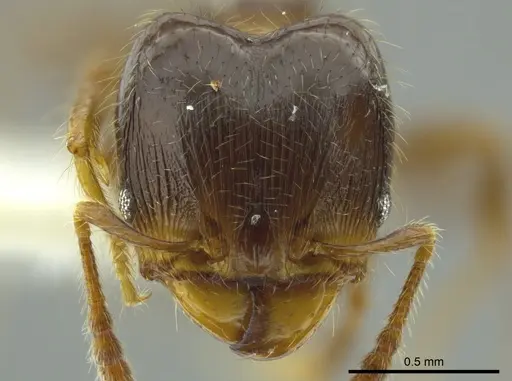
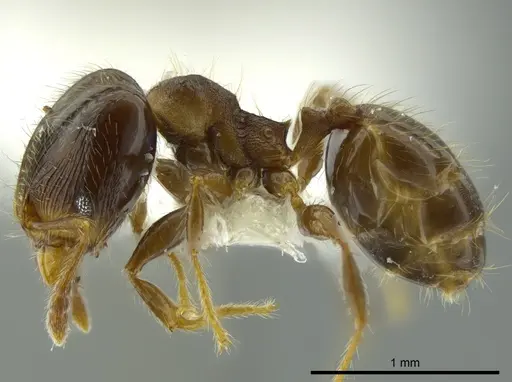
JTLC000016454
View on AntWeb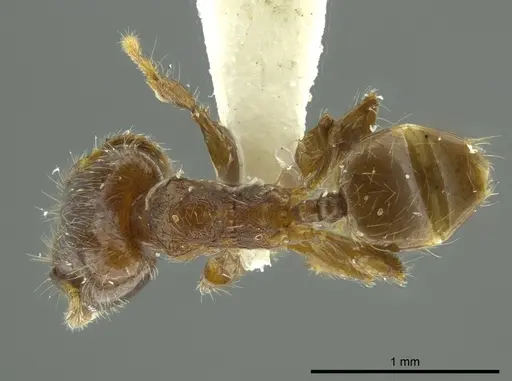
Literature
Loading distribution map...Loading products...